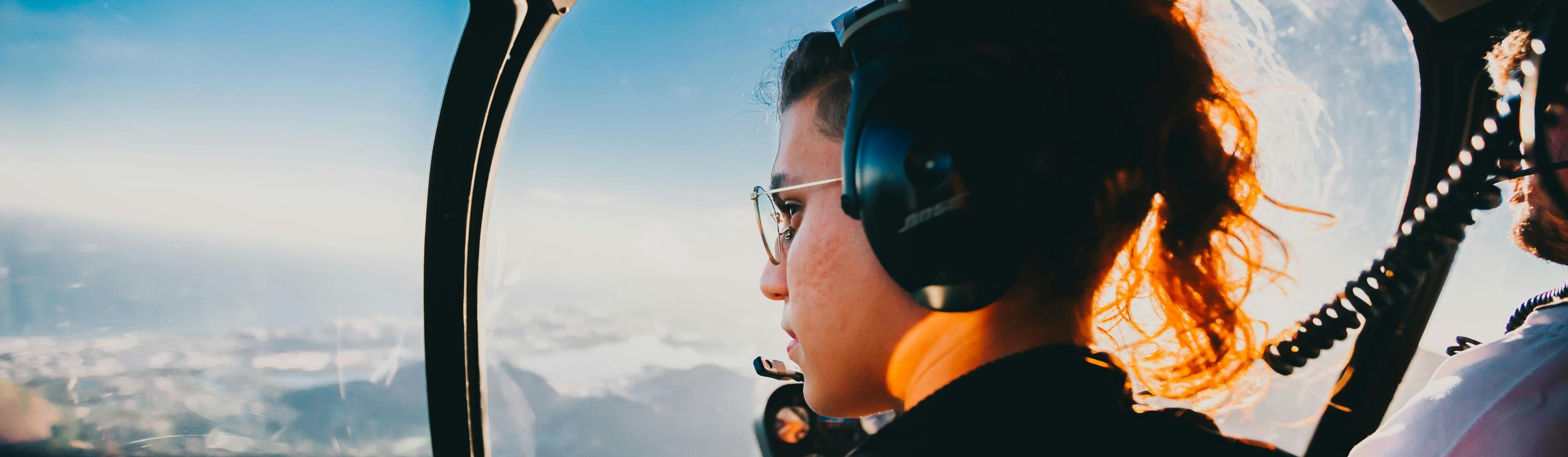
Science Suggests Women Make Better Pilots, So Why Are There So Few Of Them?
 Miguel Ángel Hernández on Unsplash
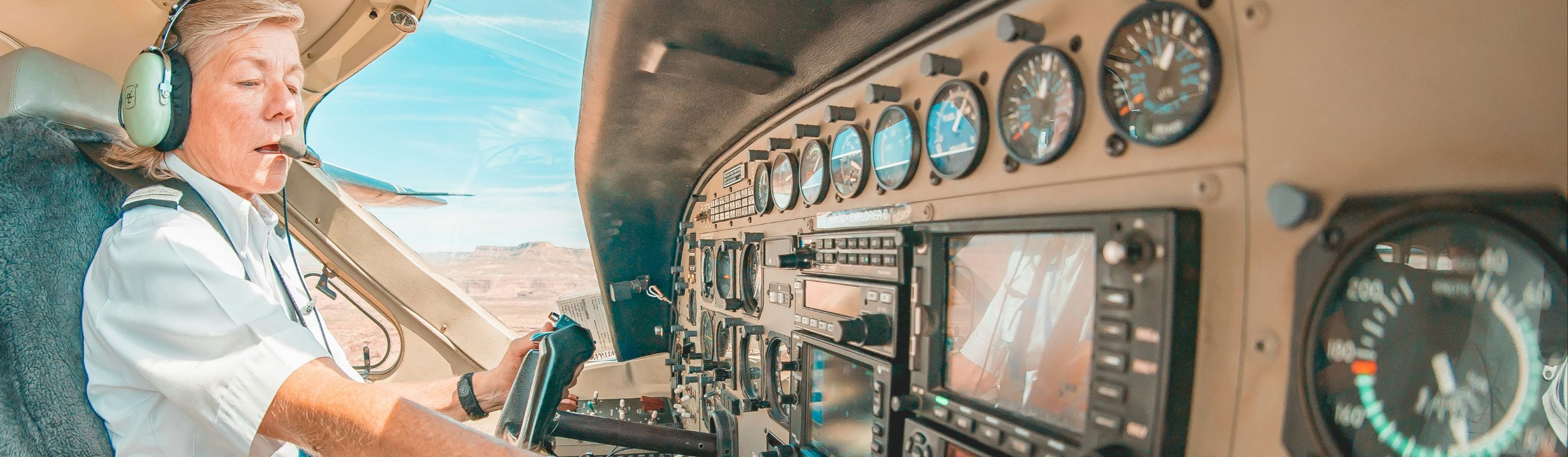
If you're one of the 40 percent of the population who suffer from aviophobia (fear of flying), it may soothe your nerves to have a woman pilot. A recent study by the University of Waterloo found that female pilots react better than their male counterparts in high-stress scenarios. Finding a woman to fly you, however, poses a different challenge, as they make up only 4 to 6 percent of commercial pilots.
What strengths do women bring to aviation?
The difference between female and male pilots doesn't come down to skill, but to how they respond to stress. While men tend toward a panicky "fight or flight," women are more likely to employ “tend and befriend,” which entails seeking social support, nurturing, and problem-solving behavior.
"Cognitively, some studies suggest women may maintain or even enhance certain executive functions under stress, whereas men may experience greater impairment in these domains." Sharon Batista, assistant professor of psychiatry at the Icahn School of Medicine at Mount Sinai Hospital, told Huffpost.
The Waterloo study also found that although both male and female pilots visually scanned the same flight data, women made fewer control errors as stress increased, indicating not just attentiveness, but consistency under pressure.
“These findings are exciting because they push us to rethink how we evaluate pilots,” the study's lead author, Naila Ayala, said.
Why are there so few female pilots?

So, if science suggests women may possess valuable strengths as pilots, why is the profession still overwhelmingly male-dominated?
One major factor is historic gender stereotypes. Aviation has long been associated with traits like mechanical mastery, confidence, and risk-taking—qualities that outdated social norms have historically attributed more to men.
Cost is another huge barrier. Flight training is expensive, and women, on average, still face income disparities and financial constraints that make self-funding this training more difficult than it already is for men.
Another element is the lack of female role models and mentors. With so few women in aviation, young girls are less likely to dream of a career as a pilot, and women in flight school have less exposure to female pilots and fewer mentors to guide them through training and career hurdles.
There's also cultural and workplace bias at play. Stereotypes about gender and ability can sway hiring, evaluations, and relationships with peers, making it more difficult for women to advance or feel accepted.
Closing the gap
The aviation industry has started to recognize these challenges, especially in the face of pilot shortages. Airlines are amping up efforts to launch more targeted recruitment campaigns, scholarship programs, and mentorship plans specifically designed to attract more women.
“At a time when the industry is facing a pilot shortage, tapping into the full potential of all pilots, regardless of gender, is more important than ever,” said Suzanne Kearns, associate professor and director of the Waterloo Institute for Sustainable Aeronautics.
If female pilots really do have strength worth valuing, as science suggests, the future of aviation may depend on breaking down barriers that have long kept women from soaring to their full potential.