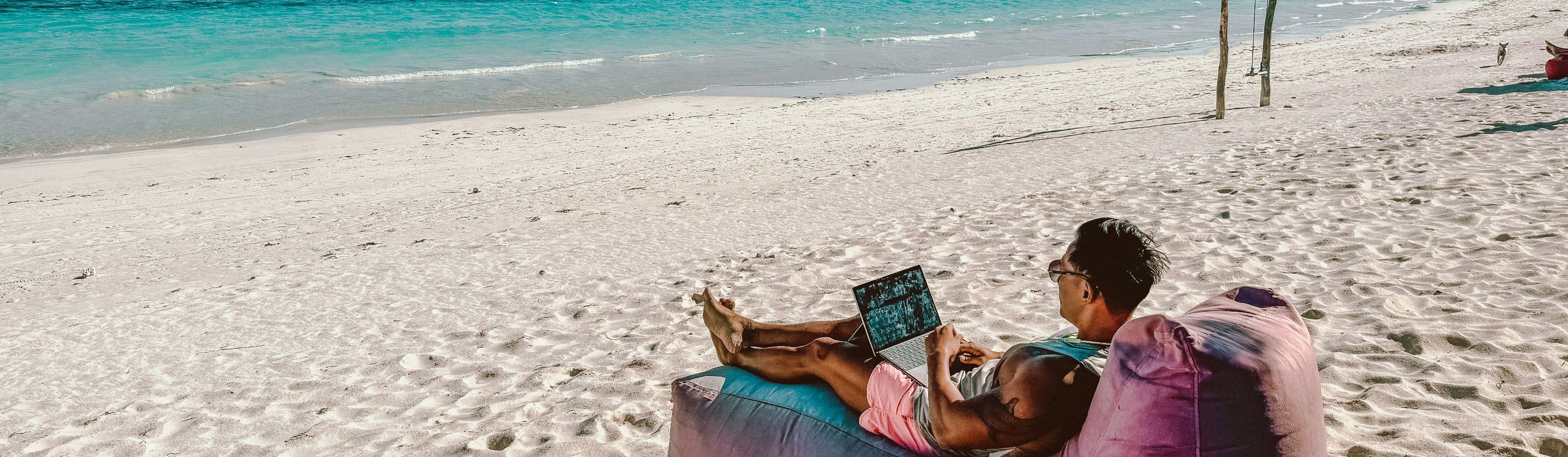

If you're one of the lucky ones who continue to be able to work remotely 100 percent of the time, you may be considering becoming a digital nomad. While that life offers many benefits, including getting to see the world, potentially saving money, and skipping harsh winters, not everywhere in the world is going to welcome you with open arms. Locals in some places are beginning to get fed up with the influx of remote workers.
While this shouldn't put you off from the lifestyle entirely, it's good to be aware of the negative attitudes you may run into, and to keep in mind that your lifestyle may not be something you want to flaunt everywhere you go.
Since 2022, the number of digital nomads worldwide has tripled, and as a result, over 50 countries are now offering special visas to remote workers. However, while people from affluent countries settling in developing ones may suit the governments of those places, it's not so great for the ordinary people who live there.
Cost of living
One of the major issues is that it drives up costs. Remote workers usually earn salaries from wealthier nations and spend that money in countries where local wages are significantly lower. Almost half of all digital nomads are from the US, meaning they get to earn an American salary while living in usually much cheaper places. For them, life is a dream because living costs are a fraction of what they'd be spending at home. Meanwhile, locals are being priced out of their neighborhoods.
Cities like Lisbon, Bali’s Canggu, and parts of Mexico City have seen housing costs skyrocket, quickly turning locals against the digital-nomad wave.
Legal gray areas
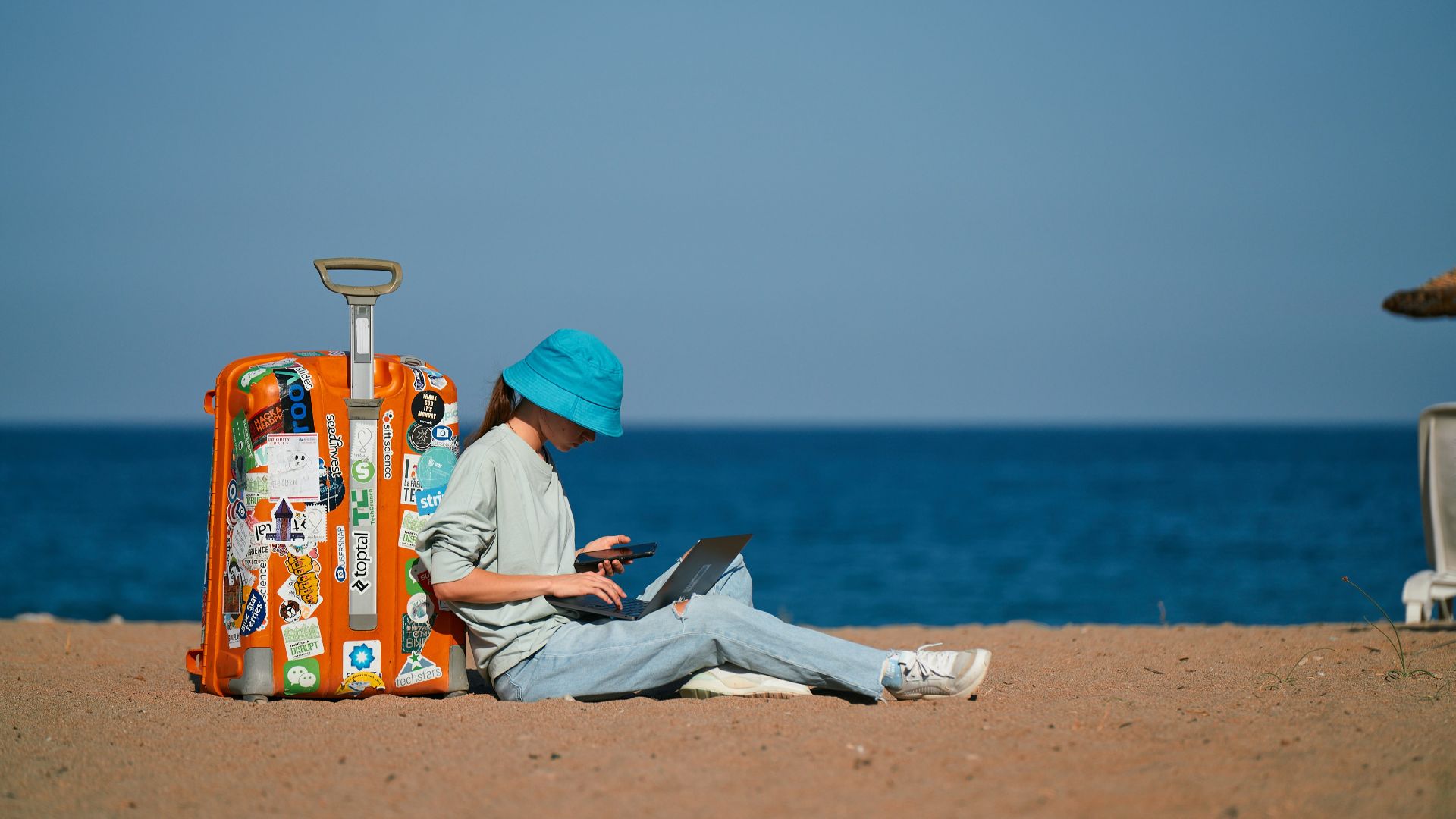
Another issue is taxation. Digital nomads tend to live abroad in places where they don't work. As a result, they don't pay local taxes, aren’t legally employed there, and they sometimes stay on tourist visas while treating the country as a long-term home.
Whether intentional or not, this means nomads are using public services without directly contributing financially. To combat this, some nations are tightening visa restrictions and creating specific nomad visas.
Cultural friction
The other problem is that many digital nomads don't move into places with the mindset that they want to assimilate into the culture. Instead, they approach it with the feeling they're on a prolonged vacation. This means many of them don't even try to learn the language or customs of the place they live, even if they stay there a long time. They treat residential neighborhoods like tourism playgrounds, being loud, rowdy, or disrespectful and ignorant of local traditions. This can leave locals feeling like strangers in their own homes.
Critics argue that certain nomad hotspots resemble modern economic colonization, with affluent foreigners reshaping spaces for their comfort while locals lose their cultural and geographical ownership.
Infrastructure & overcrowding
Countries that are popular destinations for digital nomads are starting to feel the strain of a huge, sudden influx of people. Remote workers can be demanding, especially on public services, stable internet, and utilities. Some places don't really have the infrastructure to support the instant population boom. Once quiet beach destinations are becoming overwhelmed, and serene rural villages are becoming overcrowded.
None of this means that digital nomads are unwelcome everywhere, and it's not to say this lifestyle isn't worth chasing. However, it comes with responsibilities. Pay taxes where appropriate, respect local culture, engage with communities, and remember that someone else calls your “paradise” home.