20 Times Passengers' Smart Thinking Stopped A Plane Catastrophe
When Quick Thinking Saved Lives
While we usually rely on the pilots and flight attendants to keep things running smoothly, sometimes the folks in coach have to step up to save the day. It’s comforting to know that among the sea of people watching in-flight movies, there are often observant individuals ready to spot a loose bolt or a strange wisp of smoke. You might think you’re just a passenger, but history shows that a keen eye and a quick reaction from seat 12B can be the difference between a routine landing and a major headline. These stories prove that being a "backseat pilot" isn't always a bad thing when the stakes are literally sky-high.

1. The Vigilant Wing-Watcher
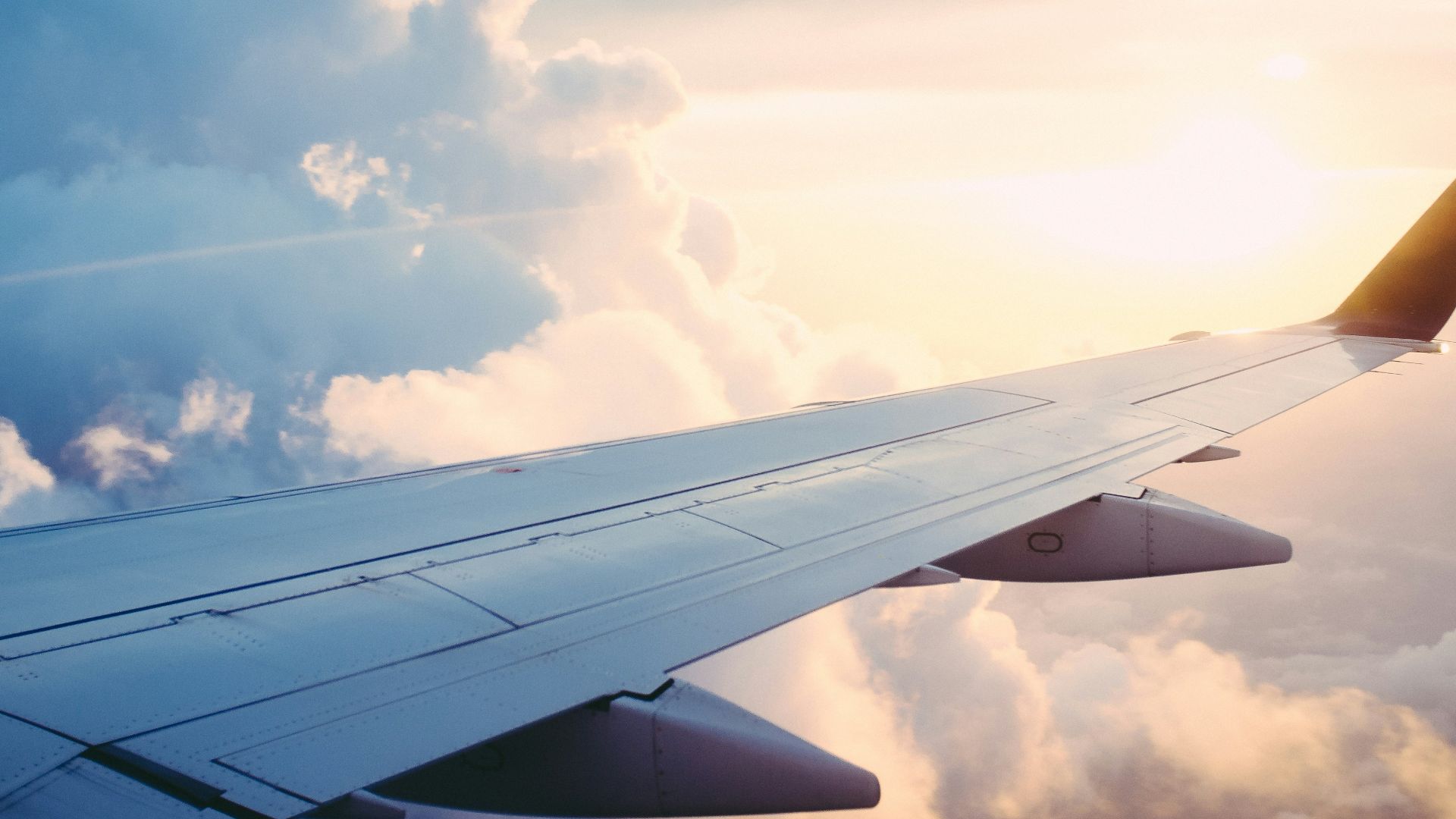
During a flight departing from Newark, a passenger looked out the window and noticed fuel gushing out of the wing like a garden hose. He immediately alerted the flight crew, who hadn't yet received any cockpit warnings about the massive leak. The pilots were able to turn the plane around and land safely before the fuel levels hit a critical low point.
2. Identifying Ice Build-Up
A frequent flier once noticed that the de-icing process on the tarmac didn't quite finish the job on a specific section of the wing. Knowing that even a small amount of ice can ruin a plane's lift, he spoke up and insisted that a mechanic take another look before takeoff. His persistence led to a second round of spraying, likely preventing a dangerous stall during the initial climb.
3. Spotting a Loose Screw
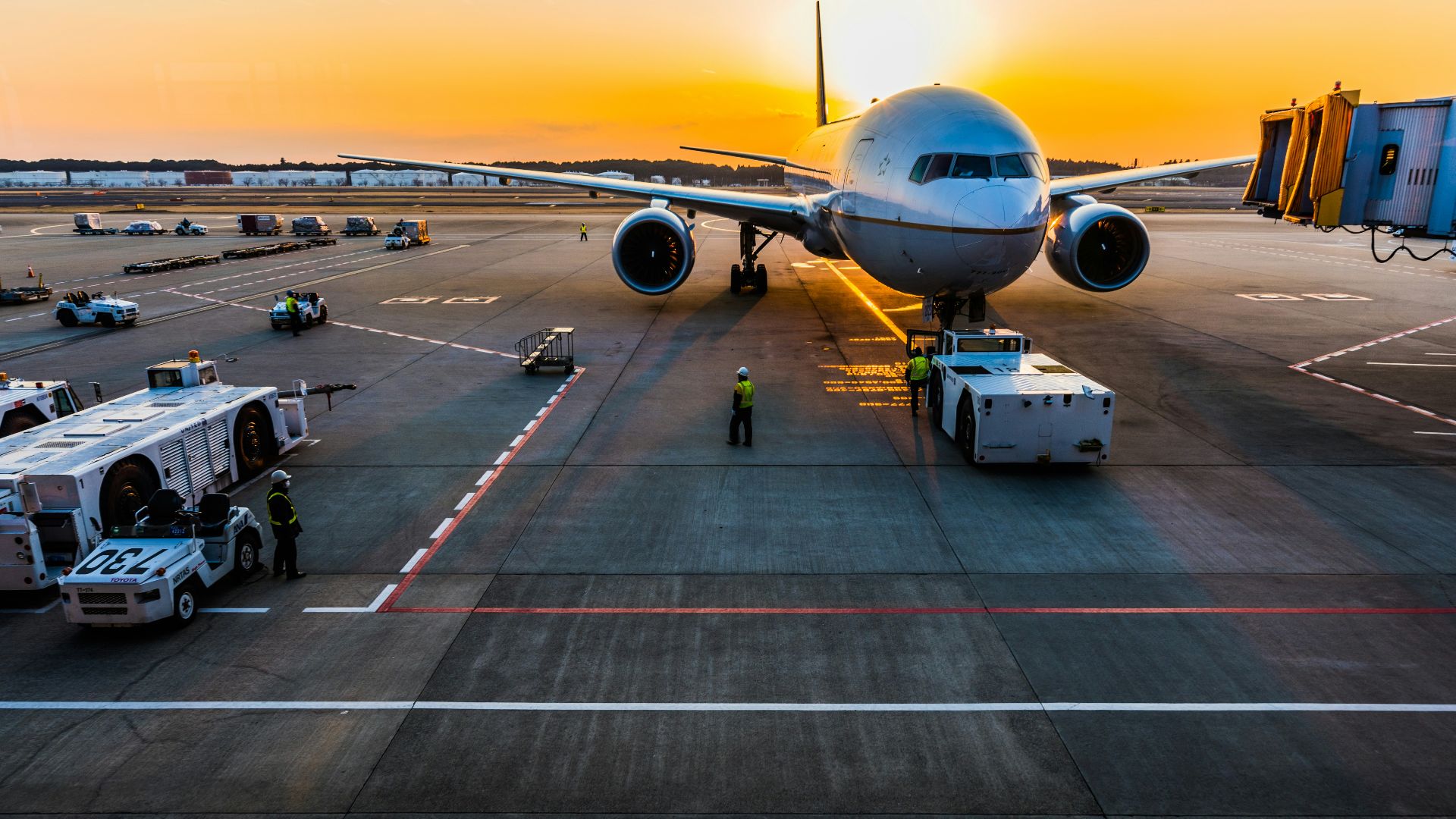
You wouldn't expect a single missing fastener to be a big deal, but one observant traveler noticed a vibration in an engine cowling that looked suspiciously rhythmic. After he pointed it out to an attendant, the plane returned to the gate where engineers discovered several loose bolts holding the engine casing together. It’s a good thing he wasn't napping, as that metal cover could’ve easily sheared off mid-flight.
4. Detecting the Scent of Electrical Fire
While most people ignore the faint smells of a cabin, one passenger recognized the distinct, acrid odor of burning insulation coming from under her seat. She didn't hesitate to pull the call button, allowing the crew to find a short-circuiting entertainment unit before it could spark a larger blaze. Her quick nose helped the pilots decide to divert to the nearest airport for an emergency inspection.
5. Managing a Cabin Depressurization
When a small window seal failed on a regional jet, a nearby passenger grabbed a heavy coat and held it against the leak to slow the loss of air. This smart move gave the pilots just enough time to descend to a lower altitude where everyone could breathe normally. While it wasn't a permanent fix, his calm reaction prevented the cabin from losing pressure too rapidly.
6. The Off-Duty Pilot's Assistance
Sometimes the best passenger to have is another pilot who just happens to be flying home for the holidays. When a captain became incapacitated by food poisoning, an off-duty commercial pilot stepped forward from the cabin to help the first officer navigate the landing. It turned a potentially chaotic cockpit situation into a coordinated effort that got everyone on the ground without a scratch.
7. Identifying a Hydraulic Leak
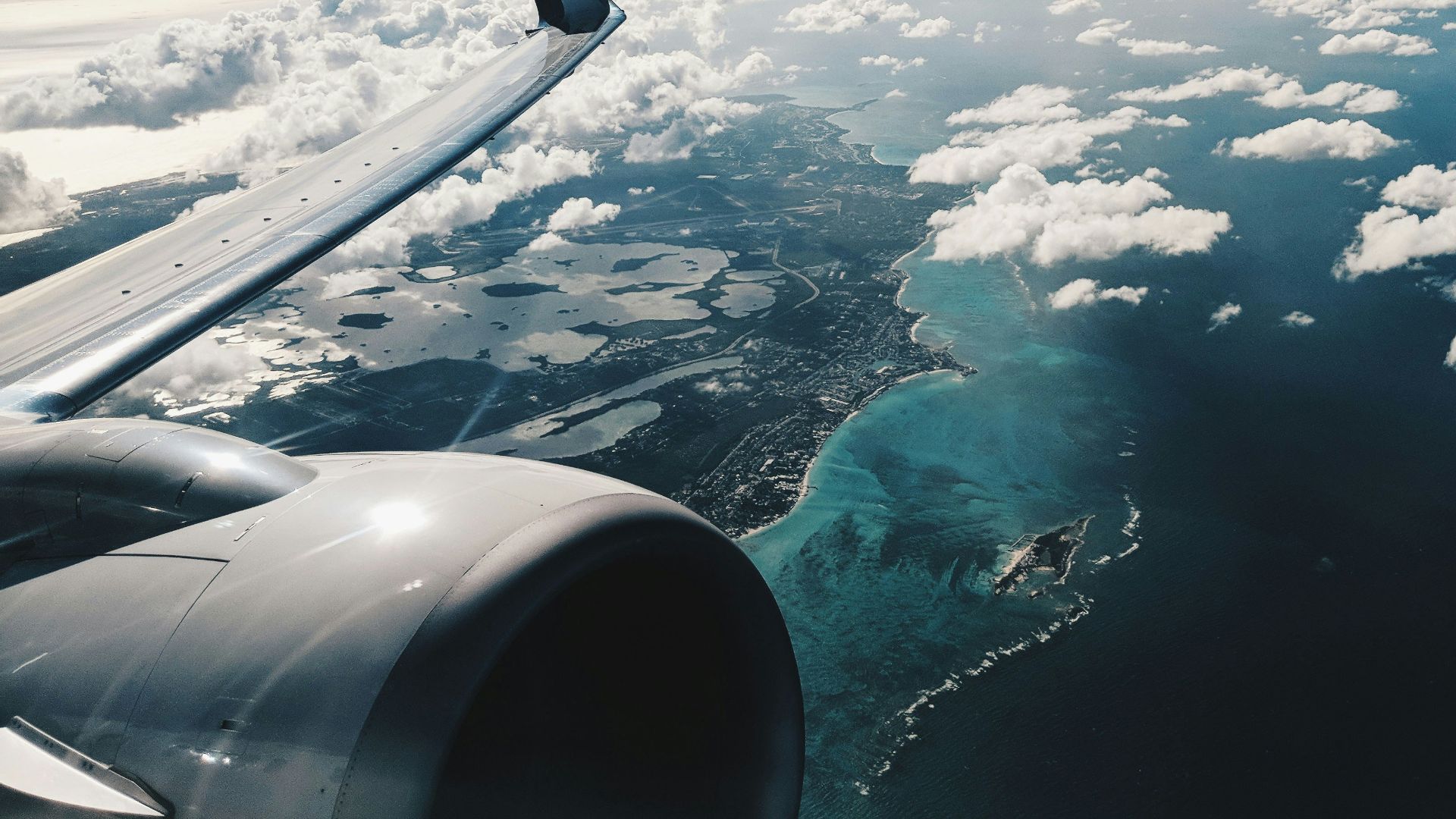
A passenger sitting over the wing noticed a bright red fluid puddling on the tarmac right as the plane began to push back. He recognized it as hydraulic fluid and shouted for the crew to stop the aircraft immediately. The leak turned out to be a major line failure that would’ve left the pilots without landing gear or flaps later in the journey.

8. Helping Restrain a Disruptive Flyer
Security isn't always about hardware; sometimes it’s about the passengers standing up together to stop a threat. When a man tried to rush the cockpit, several passengers jumped into the aisle to tackle him and keep him pinned down until landing. Their collective bravery ensured the pilots could focus entirely on flying the plane rather than defending the door.
9. Finding a Hidden Smoke Source
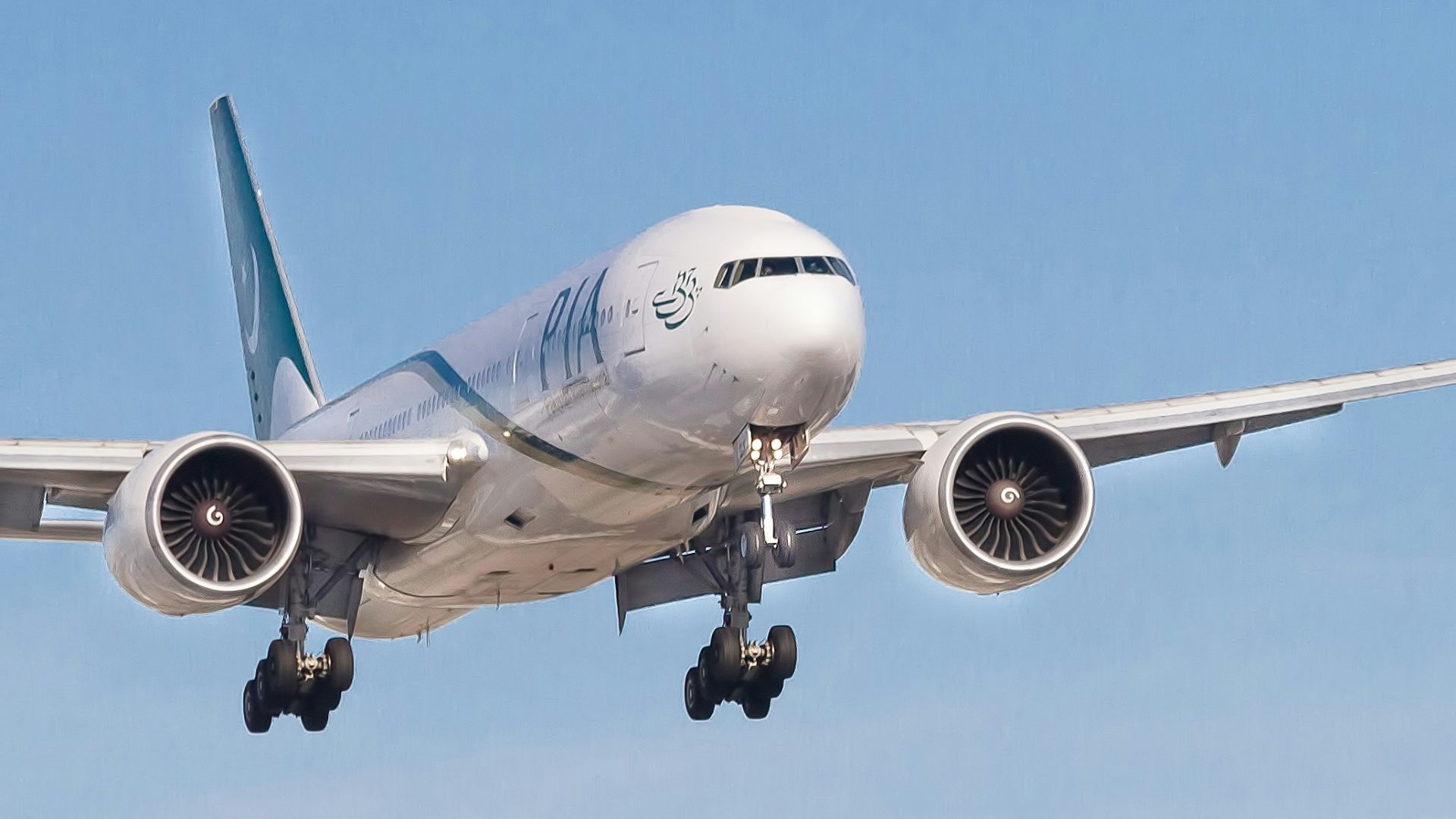
An eagle-eyed traveler noticed a thin trail of smoke drifting out of an overhead bin that didn't contain any electronics. He alerted the staff, who discovered a passenger's spare lithium battery had been crushed and was beginning to undergo thermal runaway. By tossing the battery into a containment bag, they stopped a fire from breaking out in a cramped, enclosed space.
10. Questioning the Engine Sound
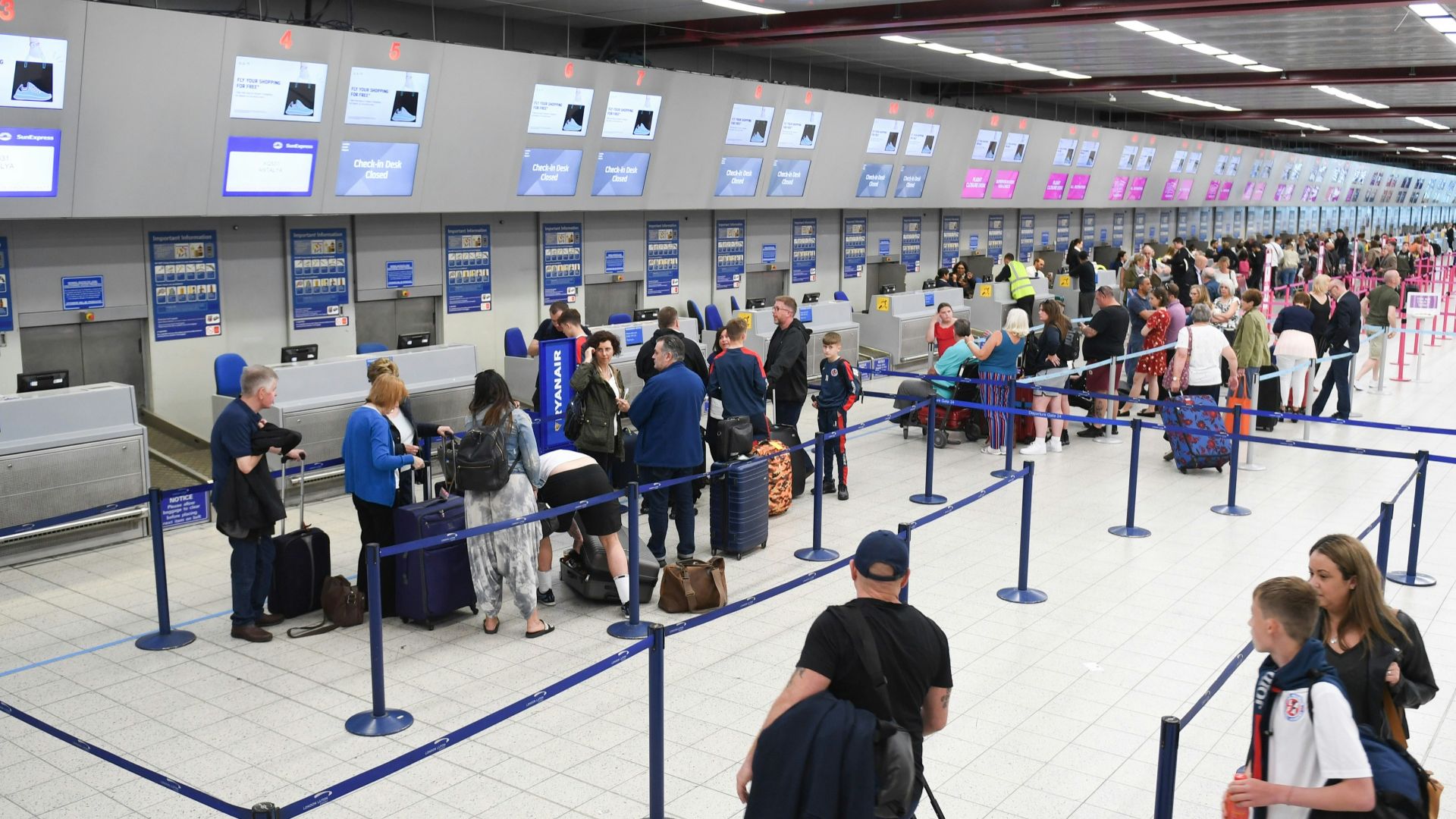
After hearing a series of metallic clanks during taxiing, a mechanic who was traveling as a passenger felt the noise was too rhythmic to be normal. He informed the lead attendant that the engine sounded like it had a broken fan blade, which prompted a return to the terminal. A borescope inspection later confirmed that a piece of hardware had indeed come loose inside the turbine.
11. Reporting an Open Cargo Door
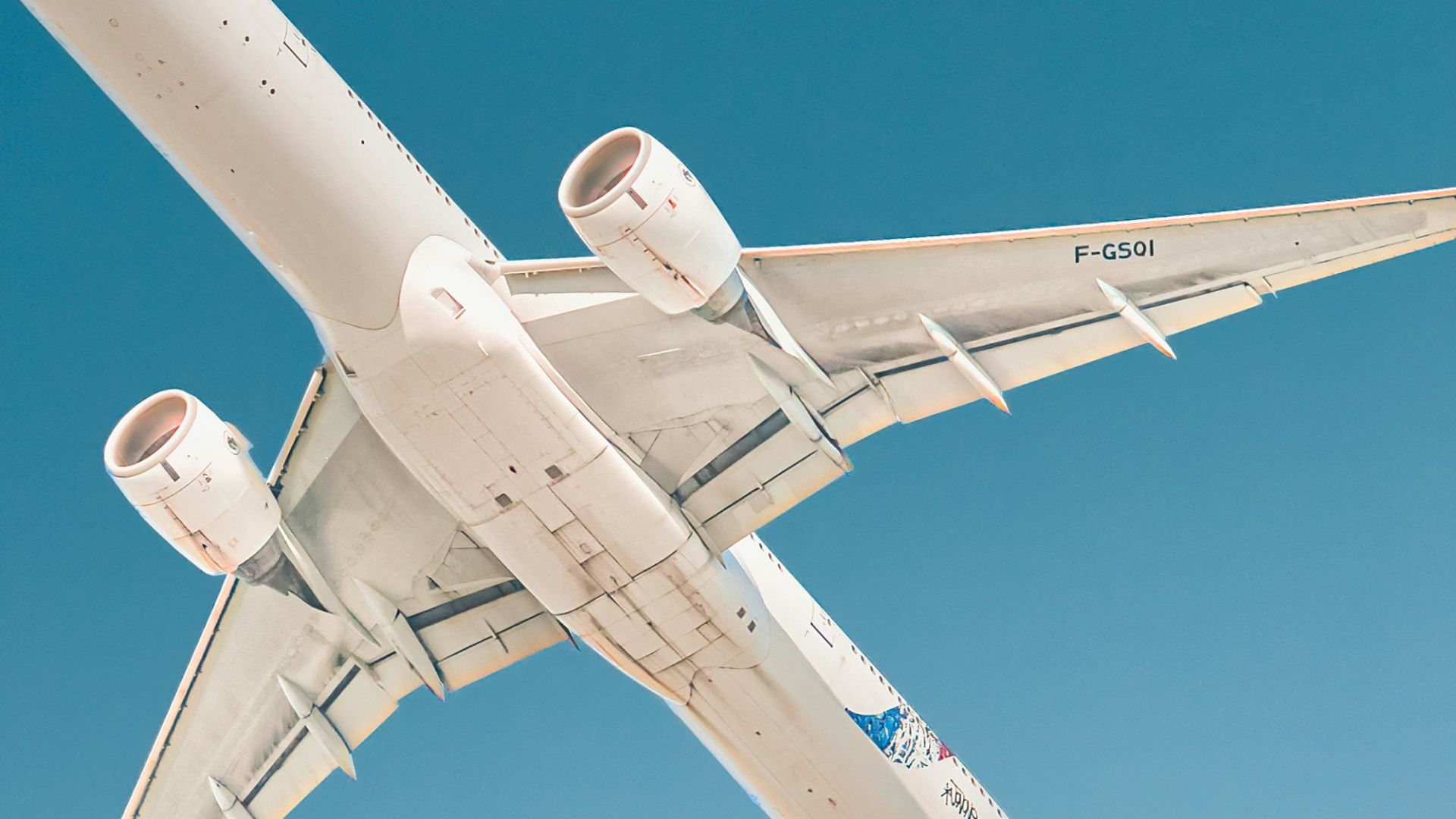
While the plane was taxiing, someone in a window seat realized they could see the cargo hatch wasn't completely flush with the fuselage. They flagged down a crew member, and the pilot realized the "door closed" light in the cockpit was malfunctioning. If they had taken off, the pressure difference at high altitude could’ve caused the door to rip off entirely.

12. Monitoring a Cracked Window
A passenger noticed a spider-web crack forming on the inner pane of his window and kept a constant watch on it during the ascent. When he saw the crack start to grow, he alerted the crew, who moved everyone away from that row and initiated an emergency descent. This prevented a full blowout of the window, which is a terrifying scenario for anyone on board.
13. Noticing a Fuel Cap Error
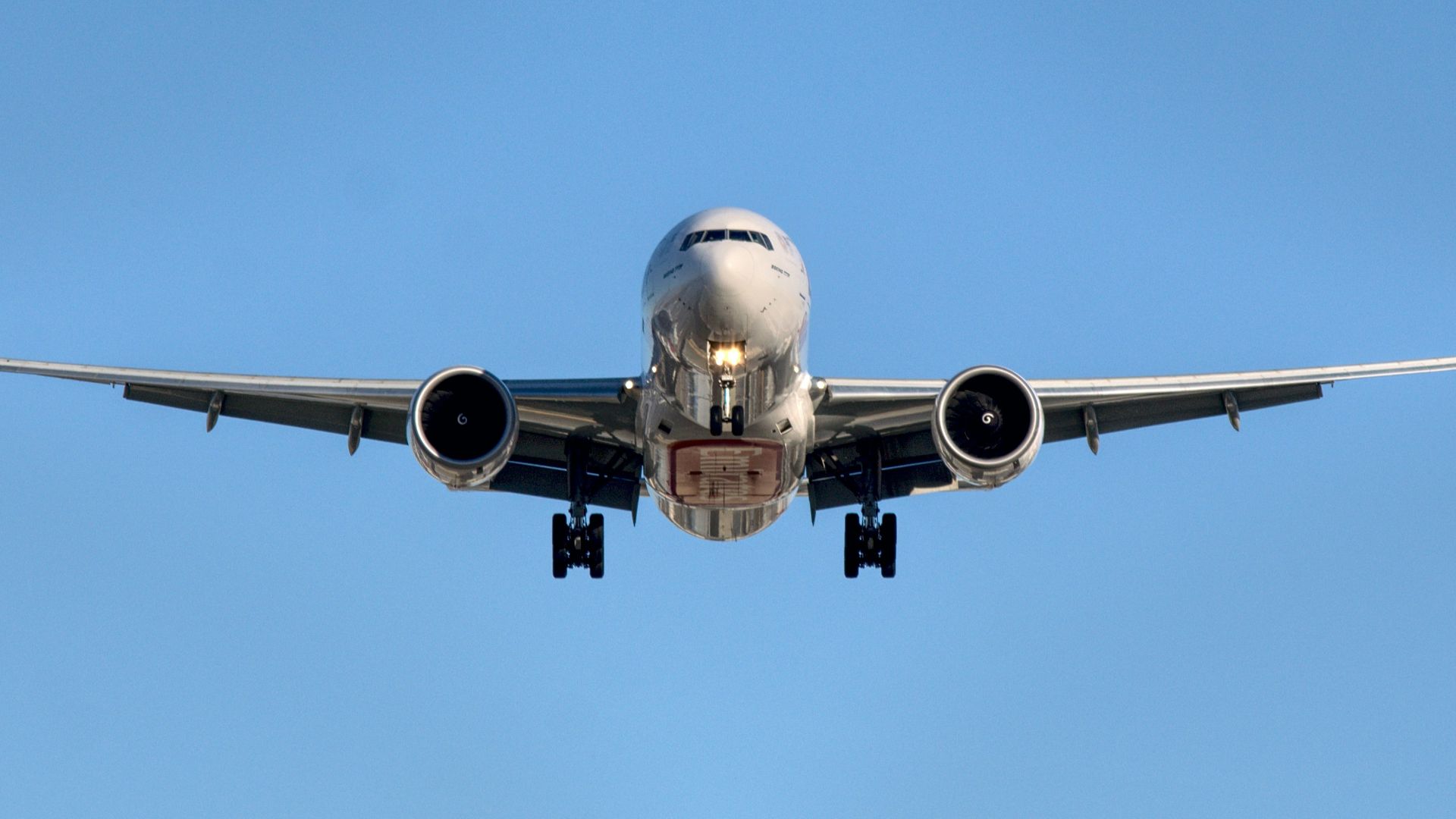
Looking out at the wing during a layover, a traveler saw that the fuel cap hadn't been replaced properly by the ground crew. He made sure the flight attendants knew about it before the plane pulled onto the runway. Fixing that simple mistake prevented a massive trail of fuel from being sucked out of the tank by the high-speed air during flight.
14. Identifying Bird Strike Damage
After a loud "thump" on takeoff, most people just looked confused, but one passenger saw feathers and a dent on the engine intake. He reported exactly what he saw to the crew, allowing the pilots to realize their engine performance was slowly degrading. They were able to circle back for a landing before the damaged engine failed completely.
15. Catching a Landing Gear Flaw
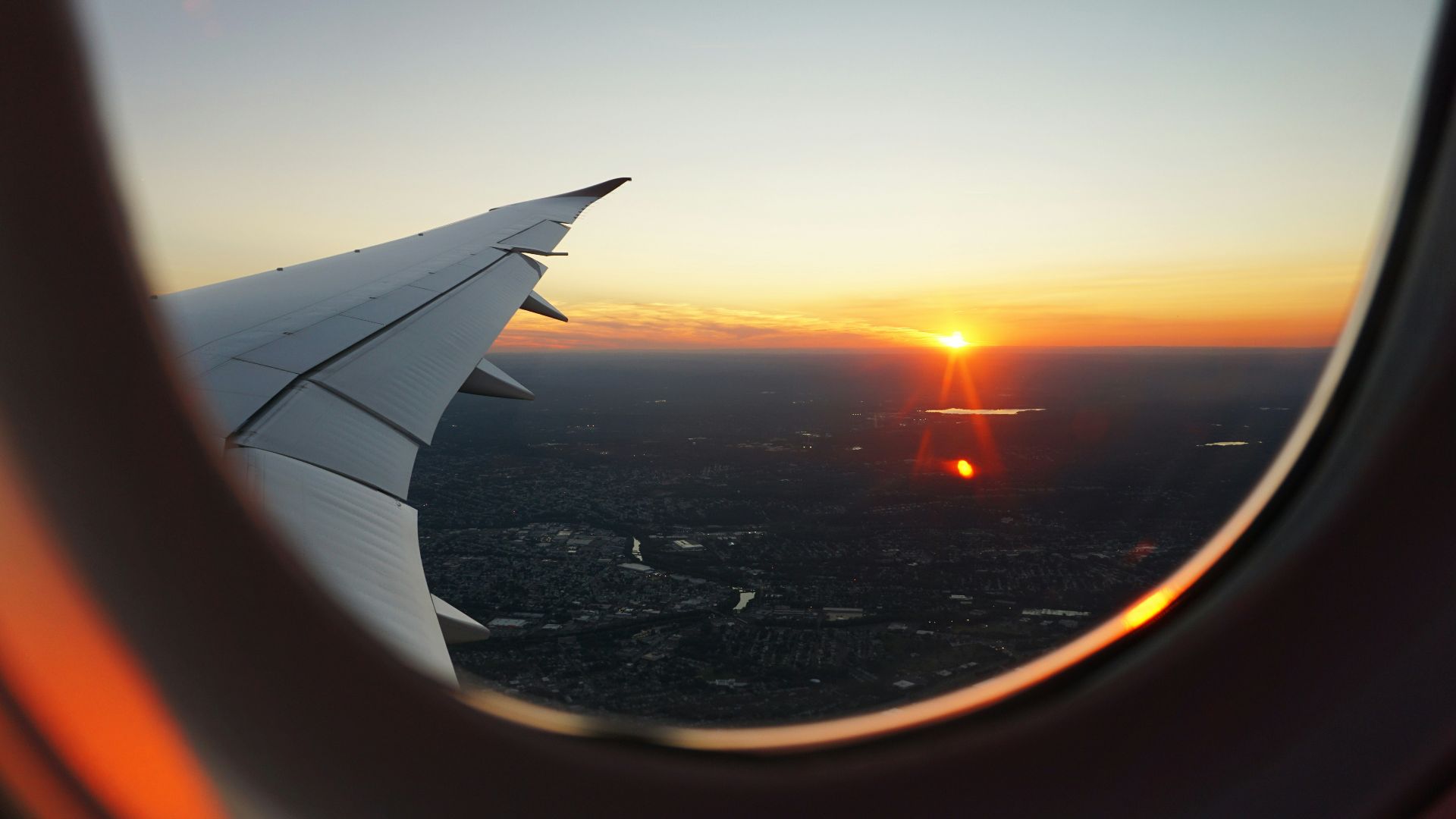
A passenger who was an avid plane spotter noticed that one of the wheels looked tilted at a weird angle as the plane pulled away from the gate. He shared his photo of the gear with a flight attendant, who showed it to the captain. The flight was delayed while a tire was replaced, avoiding a potential blowout or gear collapse during touchdown.

16. Spotting a Cargo Fire Light
In a rare instance where a passenger could see a reflected warning light through a gap in the floorboards, he alerted the crew to a potential issue below deck. It turned out to be a faulty sensor that was actually overheating, which could’ve started a real fire if left unchecked. His bizarre perspective from his seat saved the plane from a much more serious electrical problem.
17. Noticing Flap Malfunctions
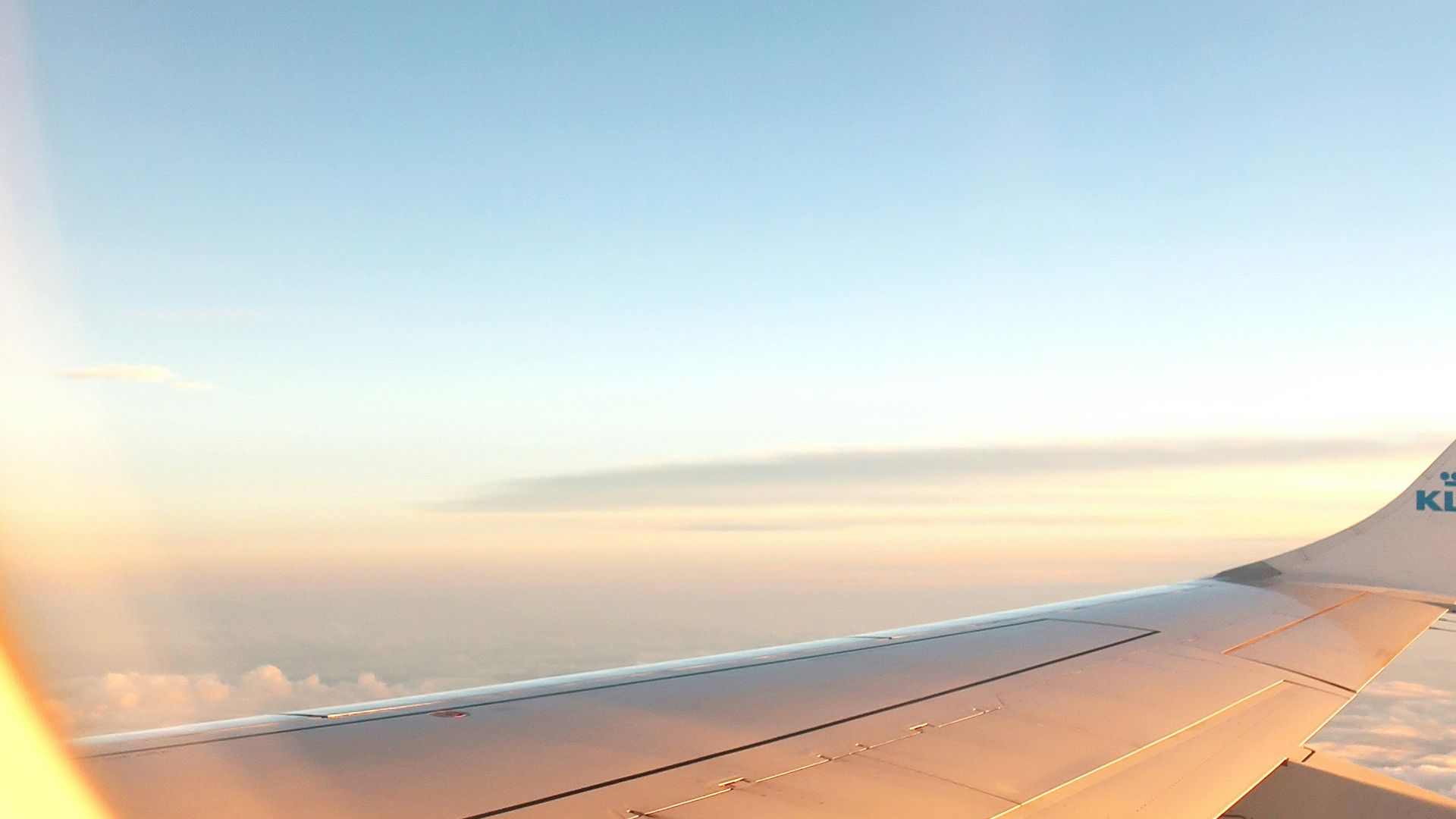
A passenger noticed that the flaps on one wing were moving much slower than the ones on the other side during the pre-flight check. He mentioned the asymmetrical movement to the crew, who realized the flap synchronization system was failing. This saved the pilots from a very difficult landing where the plane would’ve wanted to roll sharply to one side.
18. Recognizing a Missing Static Wick
An engineer sitting in the back noticed that several static wicks—the little spikes on the back of the wing—were missing. He knew this could interfere with the plane’s navigation and communication radios during a lightning storm. The plane was grounded for a quick repair, ensuring that the avionics wouldn't go haywire during a bout of bad weather.
19. Helping with a Medical Emergency
When a fellow passenger had a heart attack, a group of people worked together to provide CPR while another person helped the crew organize the medical kit. This team effort kept the victim stable while the pilots diverted the flight to a city with a major hospital. Their coordination ensured the cabin stayed calm and the person got the life-saving care they needed.
20. Detecting Improper Cargo Loading
A loadmaster traveling as a passenger felt the plane was sitting too "tail-heavy" as it began to move toward the runway. He expressed his concern that the weight and balance might be off, which led to a re-check of the cargo manifest. They discovered several heavy pallets had been placed in the wrong section, which could've caused the plane to flip backward during takeoff.