20 Of The Weirdest Discovered Planets From Diamond Rain To Glass Winds
Who the Heck Though These Were a Good Idea?
In space, weird things happen. Planets orbiting stars far outside our own solar system are living proof. From planets covered in diamond rain to worlds with winds fast enough to tear metal from your body. It seems astronomers just can’t help themselves when it comes to discovering strange new exoplanets. Here’s a look at 20 of the weirdest.
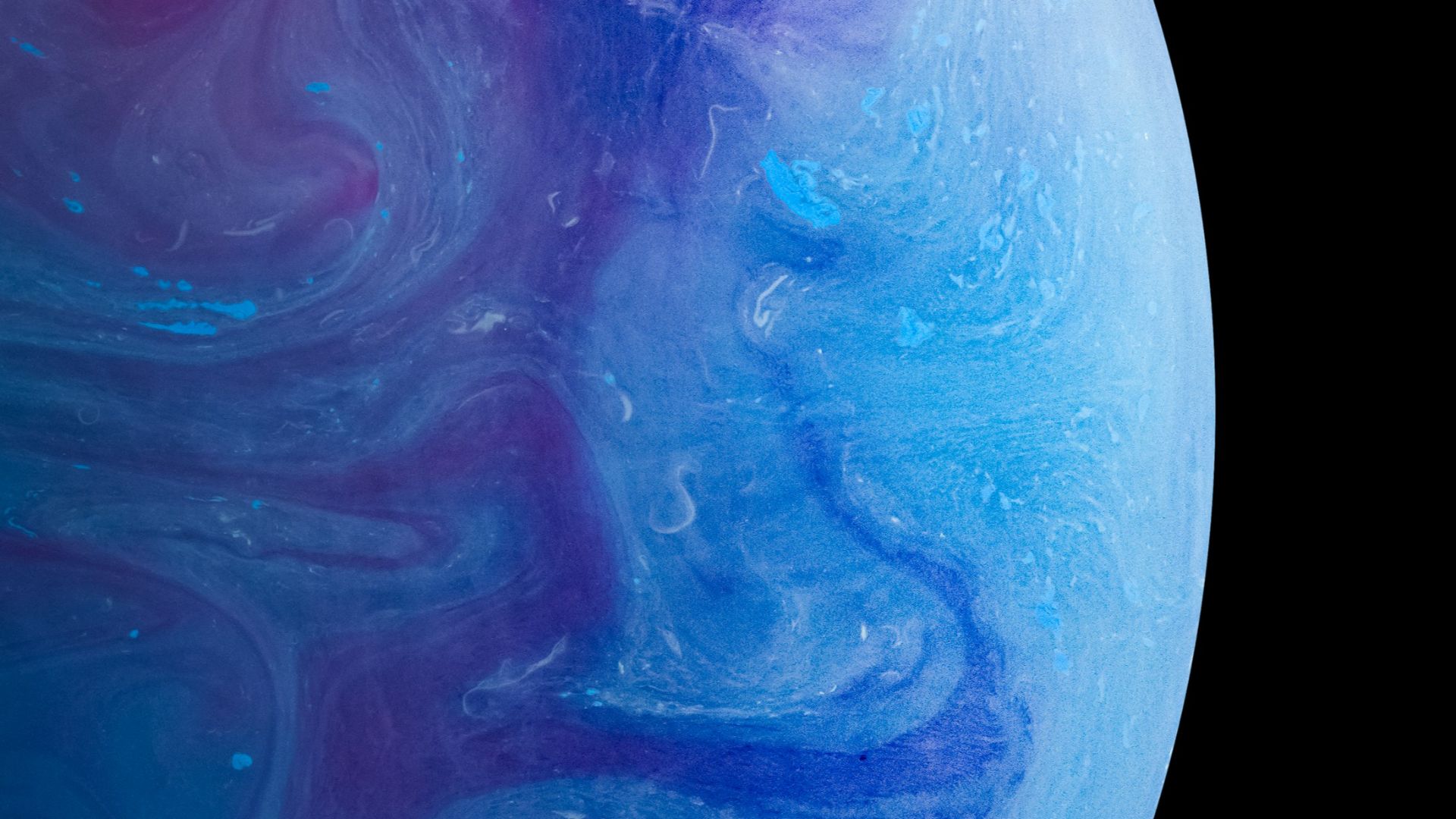
1. HD 189733b – The Glass Rain World
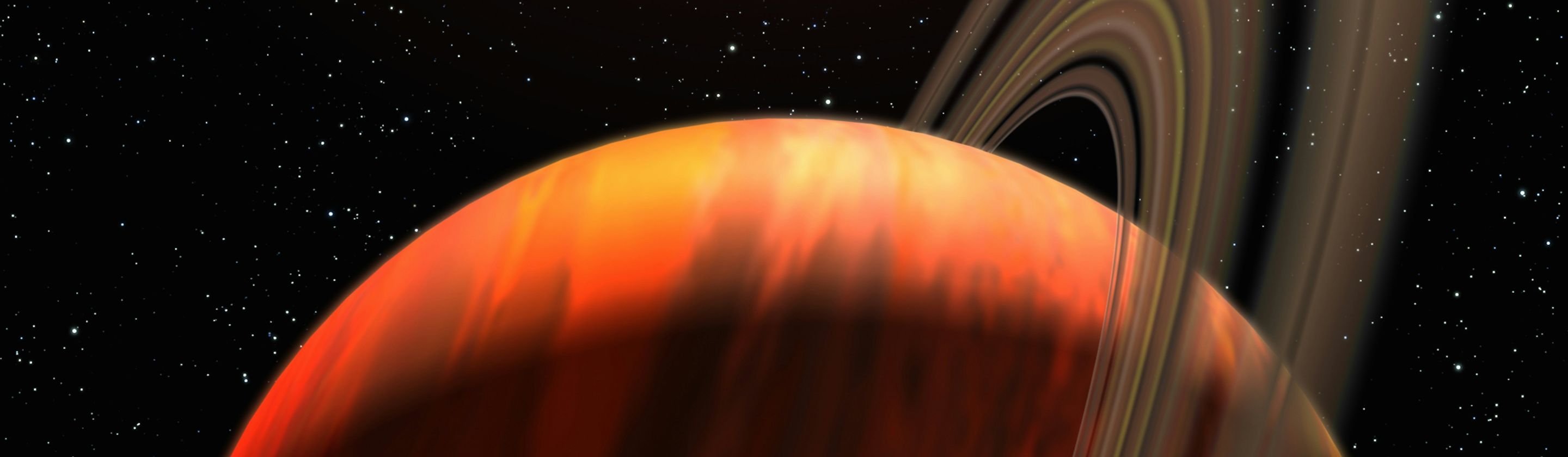
HD 189733b is a gas giant where fierce winds blow at thousands of miles per hour. To make things stranger, its rains are made of glass particles, cutting through the atmosphere like needles. It’s a planet you definitely wouldn’t want to visit.
2. 55 Cancri e – A Diamond Planet
This super-Earth is thought to have a carbon-rich composition, leading scientists to believe it could be covered in diamonds. The extreme heat on the surface adds to its bizarre allure. Imagine a planet where literal gemstones rain down beneath molten skies.

3. WASP-12b – The Inflated Hot Jupiter
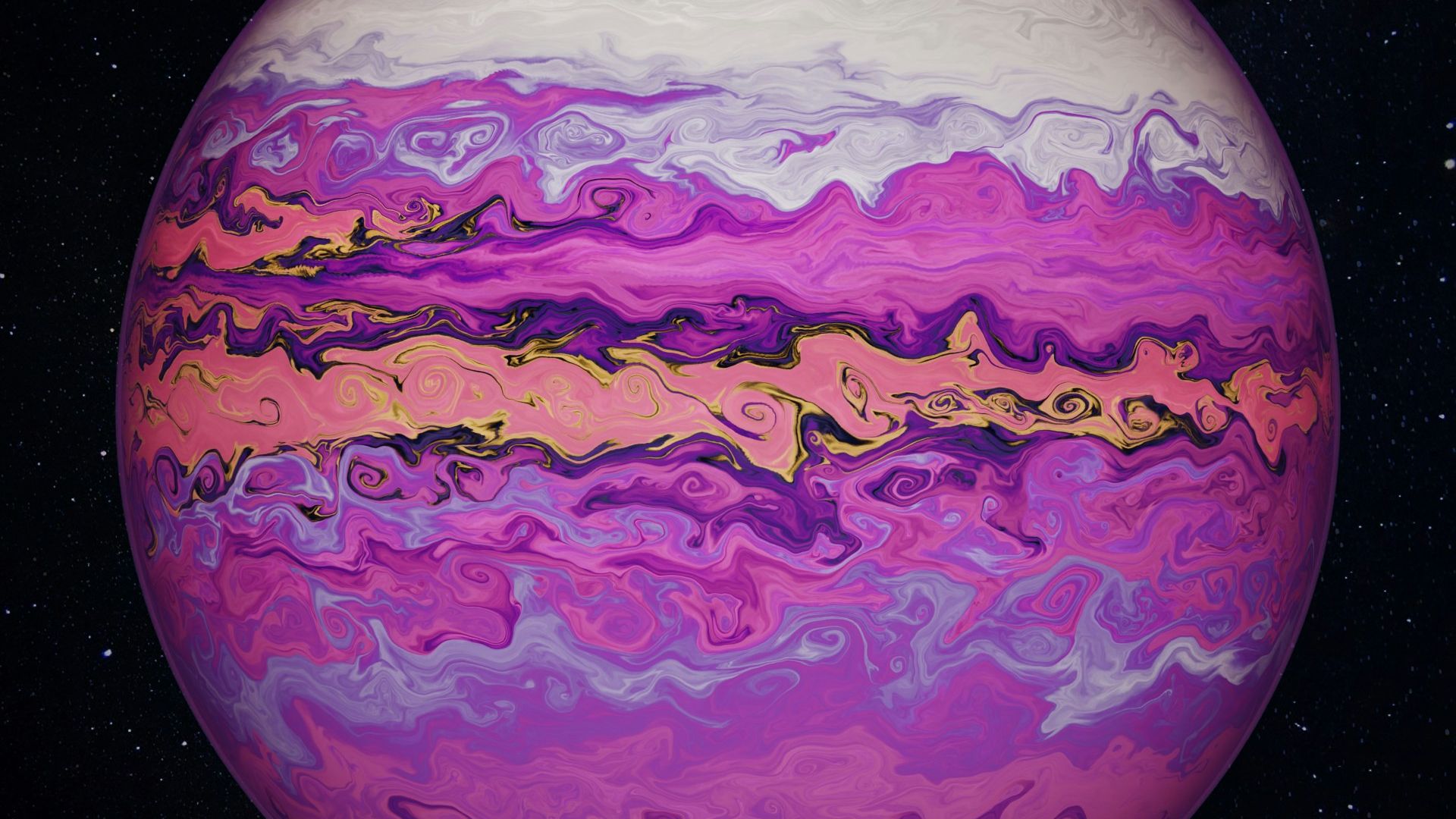
WASP-12b is so close to its star that it’s being ripped apart by gravity. Its atmosphere stretches into a teardrop shape, slowly being devoured by its sun. This planet practically glows with its own doomed drama.
 BoliviaInteligente on Unsplash
4. Kepler-70b – The Star-Skimming Planet
Kepler-70b orbits so close to its star that a year lasts just 5.2 hours. Its surface temperature exceeds 7,000 degrees Fahrenheit. The planet’s orbit is so extreme that it’s practically skimming the stellar surface.
5. TrES-2b – The Darkest Planet
TrES-2b reflects less than 1 percent of light, making it blacker than coal. Its gloomy surface absorbs almost all starlight. Astronomers call it the “darkest exoplanet” ever discovered.
 Kendrick Fernandez on Unsplash
6. HD 80606b – The Extreme Eccentricity Giant
HD 80606b has an incredibly elongated orbit, causing temperature swings of over 900 degrees Fahrenheit. Its summers and winters are extreme in the truest sense. It’s a planet of constant climatic whiplash.
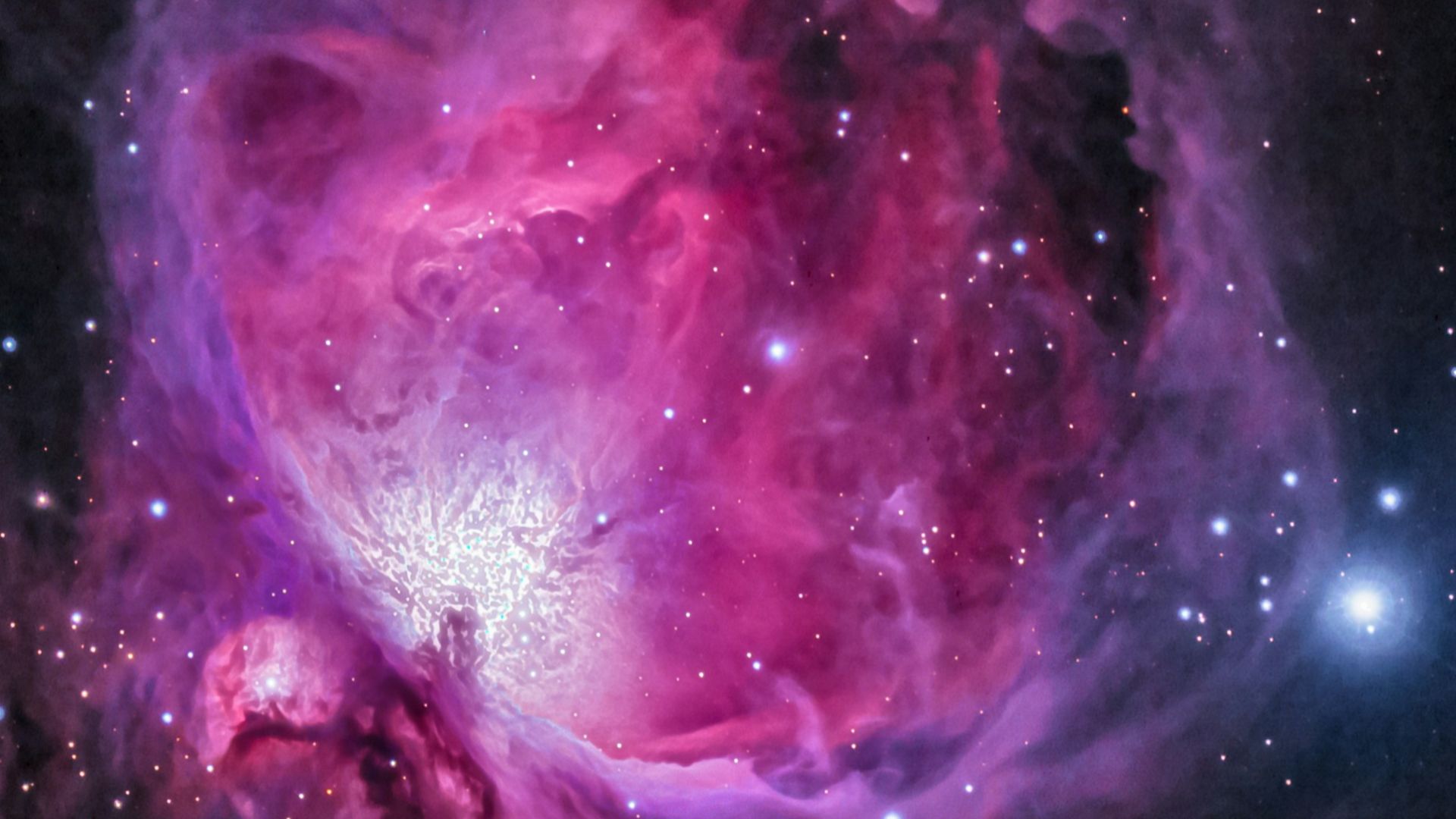
7. GJ 1214b – The Water World
GJ 1214b is thought to be covered by a dense, steamy atmosphere and possibly an ocean that spans the entire surface. The water there may exist in exotic forms like supercritical fluid. It’s the ultimate watery planet you could imagine.
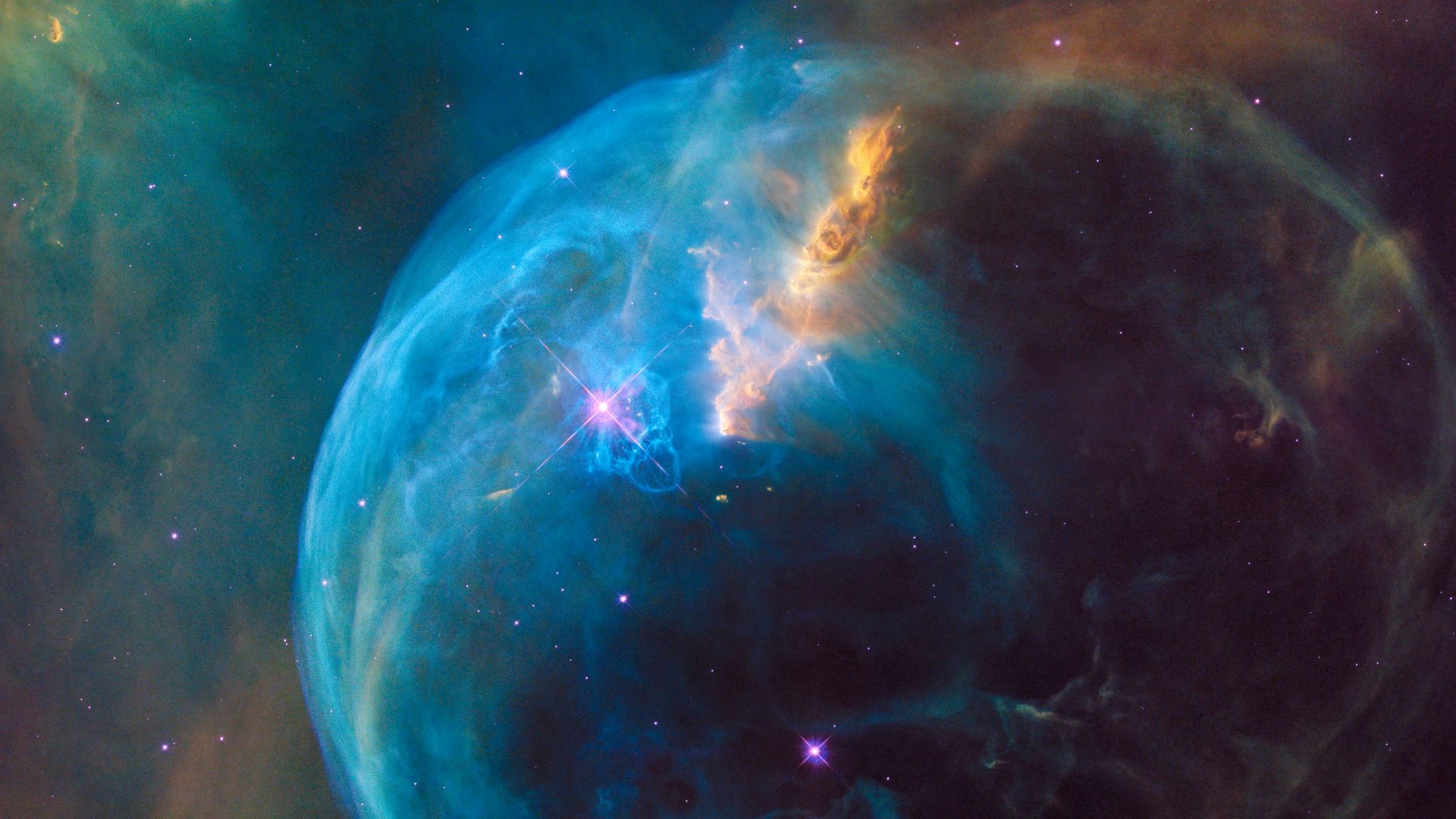
8. HD 189733b – The Blue Inferno
HD 189733b’s rich blue hue is caused by silicate particles in its atmosphere. Combined with scorching temperatures, it’s a planet where it rains molten glass sideways. Its stunning color masks a deadly environment.
9. Kepler-16b – The Tatooine Twin Sun World
Kepler-16b orbits two stars, just like Star Wars’ Tatooine. Daylight comes from two suns, creating a unique and shifting sky. It’s one of the rare exoplanets where sunsets are doubled.
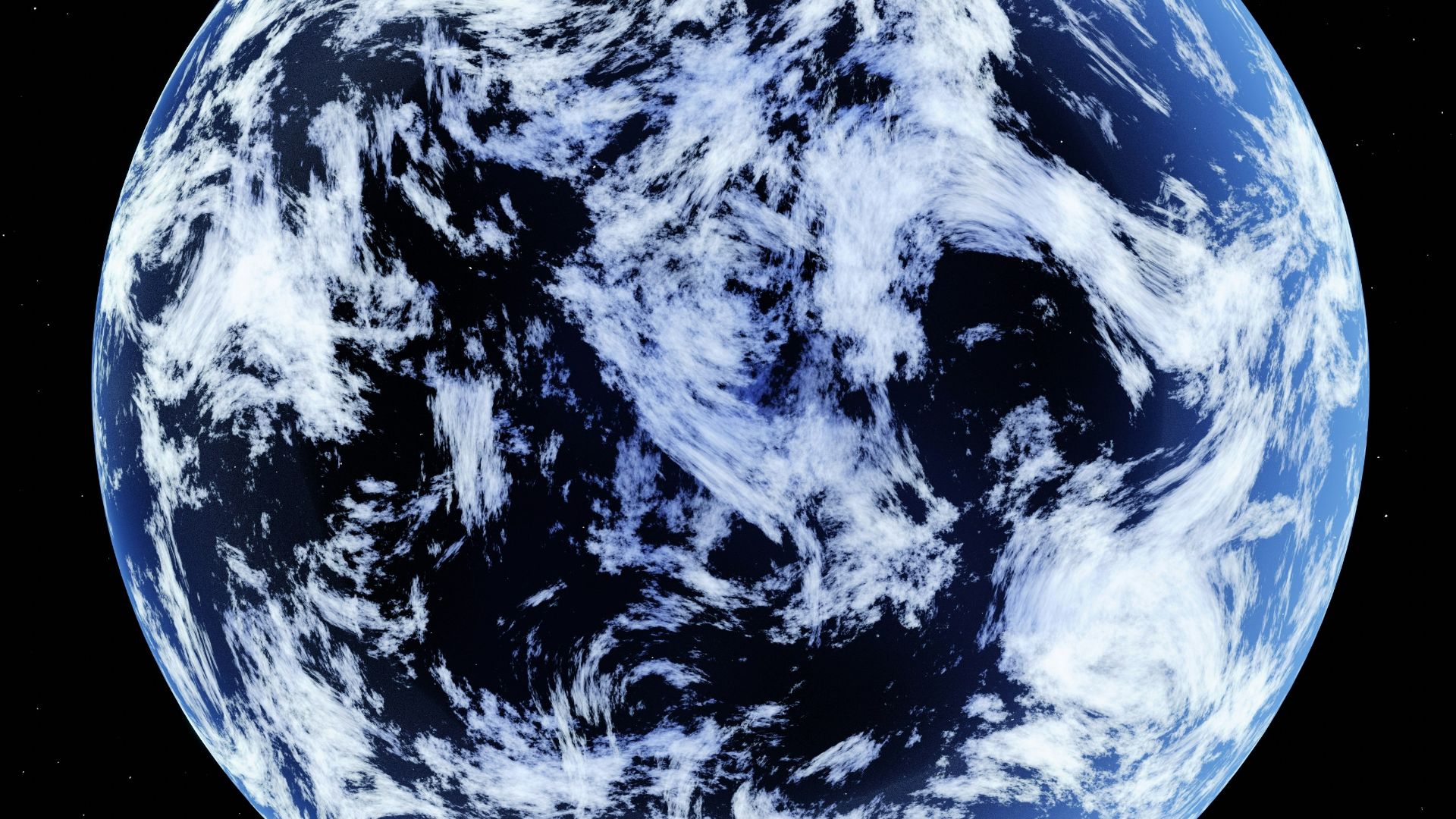
10. WASP-76b – The Iron Rain Giant
On WASP-76b, temperatures are so high that metals like iron vaporize in the atmosphere. Nighttime cooling then causes iron to condense and rain down. It’s a planet of fiery iron storms.
11. Kepler-22b – The Super-Earth Mystery
Kepler-22b exists in its star’s habitable zone, but its actual composition is unknown. It could be rocky, watery, or a mixture of gases. This mysterious world makes scientists rethink what “Earth-like” really means.
12. PSR B1257+12 A – The Pulsar Survivor
This planet orbits a pulsar, surviving blasts of radiation from a dead star. Its existence challenges how planets can endure harsh stellar remnants. It’s a cosmic survivor story like no other.
13. HD 209458b – The Evaporating Giant
HD 209458b is a gas giant slowly losing its atmosphere into space. Its star’s heat causes hydrogen to escape at high speed. Scientists can literally watch the planet evaporate over time.
14. CoRoT-7b – The Lava World
CoRoT-7b has surface temperatures high enough to melt rock, creating oceans of lava. It’s tidally locked, so one side is scorched and molten, the other frozen. A place where night and day couldn’t be more extreme.
15. Kepler-452b – Earth’s Cousin
Kepler-452b orbits a star similar to our Sun in its habitable zone. Though Earth-like in size, its climate and surface remain a mystery. It’s a tantalizing candidate for understanding potentially habitable worlds.
16. Gliese 436b – The Ice Planet
Despite being close to its star, Gliese 436b has a surface made of hot, high-pressure ice. Water behaves differently under the intense pressure, defying what we expect. It’s a frozen world in an unthinkably hot orbit.
17. Kepler-10b – The Rock Volcano Planet
Kepler-10b is an Earth-sized rocky planet with volcanic activity likely covering the surface. The combination of small size and extreme heat makes it a molten nightmare. It’s a constantly reshaping landscape.
18. HD 106906 b – The Rogue Giant
HD 106906 b drifts far from its star, almost like a rogue planet. Its massive size and distant orbit make it unlike anything in our solar system. Astronomers call it a planetary oddball.

19. HAT-P-7b – The Supersonic Wind Planet
HAT-P-7b experiences supersonic winds exceeding 5,400 miles per hour. These gale-force storms whip across the planet’s atmosphere constantly. It’s a world where you couldn’t stand still even if you wanted to.
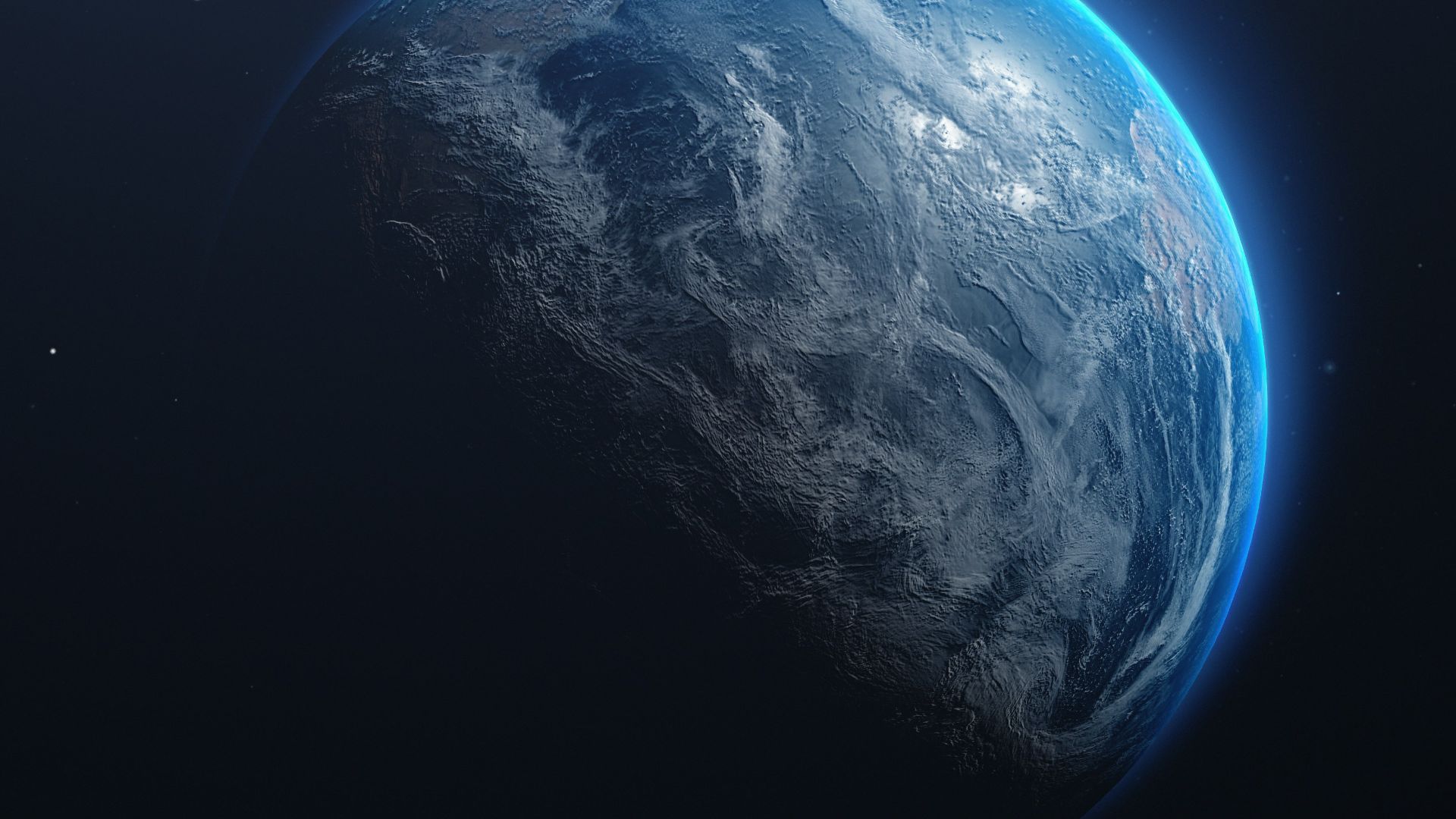
20. Trappist-1e – The Earth-Like Enigma
Trappist-1e orbits within its star’s habitable zone and could harbor liquid water. Its low gravity and proximity to other planets create unique orbital interactions. Scientists hope it might be one of the best candidates for life beyond Earth.