The Nursing Home Kept ‘Misplacing’ My Mothers Belongings — Until I Installed A Hidden Camera In Her Room
The Nursing Home Kept ‘Misplacing’ My Mothers Belongings — Until I Installed A Hidden Camera In Her Room
The Perfect Brochure
When I first moved my mother into Sunny Pines Nursing Home, I was convinced I'd done my homework. I'm Sarah, 42, and I'd spent months researching facilities, reading reviews, and taking virtual tours. The place looked exactly like its glossy brochures promised—spotless hallways with tasteful artwork, staff who smiled with their eyes, and a garden that would give Mom's green thumb something to live for. As I helped her unpack, carefully arranging her photo frames and the porcelain bird Dad bought on their honeymoon, I couldn't ignore the knot in my stomach. "It's just like a hotel, isn't it?" I said, my voice too bright. Mom nodded, sliding Dad's wedding ring back onto her finger—the one she hadn't removed in 47 years, not even when arthritis made her knuckles swell. "A hotel you can't check out of," she murmured. I busied myself with hanging her clothes, pretending I didn't hear that. The nurse popped in, cheerfully explaining meal schedules and activity options. Everything seemed perfect. Too perfect, maybe. But what did I know? This was the right decision for her declining health. At least, that's what I kept telling myself as I kissed her goodbye, promising to visit tomorrow. I didn't realize then that "perfect" was just the carefully constructed façade I was supposed to see.
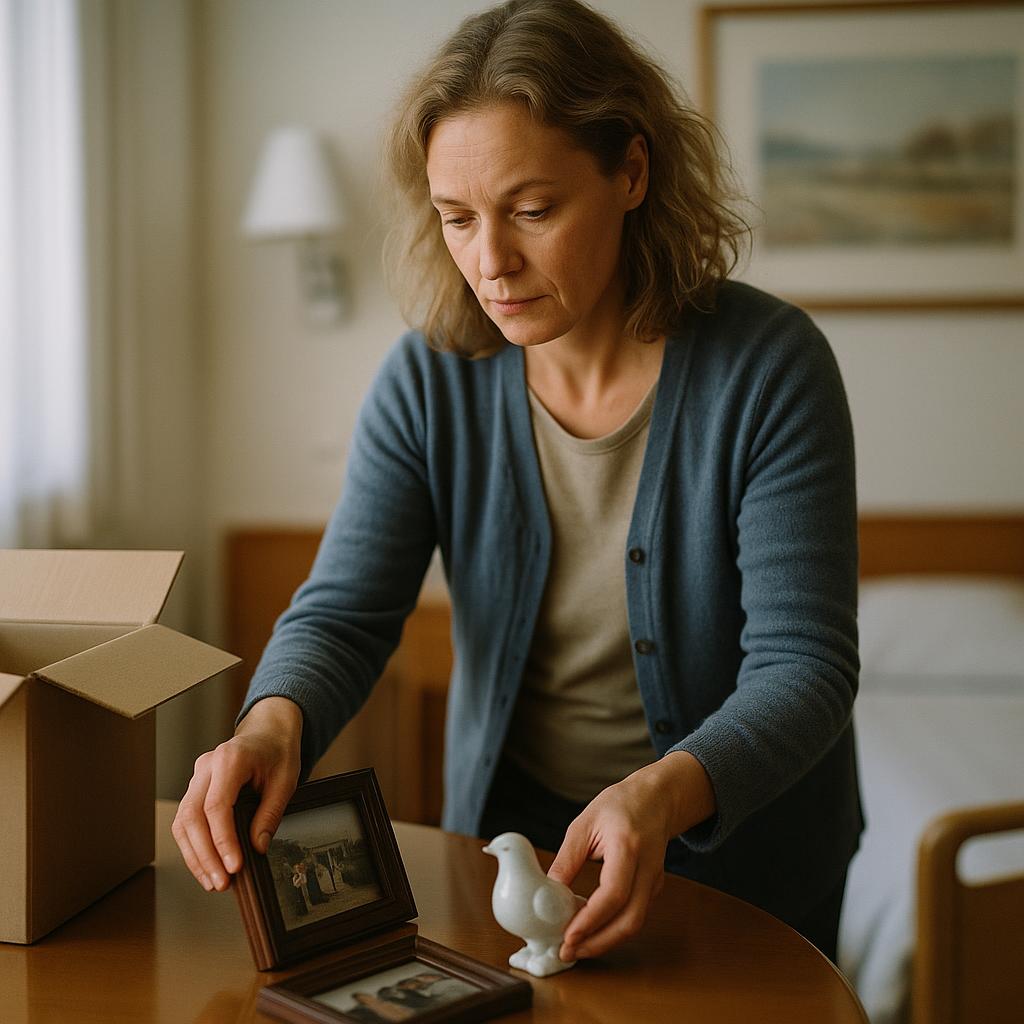 Image by RM AI
Settling In
For the next two weeks, I settled into a routine of daily visits, bringing Mom fresh flowers and her favorite mystery novels. To my absolute shock, she actually complimented the food—this from a woman who once sent back restaurant soup for being "too soupy." Claudia, her primary nurse, always greeted me with updates on Mom's day, remembering details about her preferences that I hadn't even mentioned. "Your mother taught me her crossword strategy," she told me one afternoon. "She's quite the wordsmith." I'd catch Mom in the common room, sometimes even laughing with other residents during bingo. "The desserts here aren't half bad," she admitted when I brought her favorite cookies from home. "But don't stop bringing these." Those small moments of normalcy helped ease my guilt about the whole situation. Each night as I drove home, I'd feel a little lighter, a little more convinced I'd made the right choice. Everything seemed to be falling perfectly into place—until I noticed Mom's reading glasses were missing during my Thursday visit. "They're probably just misplaced during cleaning," Claudia assured me with a smile that didn't quite reach her eyes. I nodded, pushing away the strange feeling in my stomach. It was just a pair of glasses, after all. Nothing to worry about... right?
 Image by RM AI
The First Disappearance
Thursday's visit started like any other—I brought Mom her favorite lemon squares and the latest James Patterson novel. But when she reached for her reading glasses case, her face clouded with confusion. "I can't find my glasses anywhere," she said, her voice tinged with frustration. These weren't just any glasses—they were the tortoiseshell frames I'd splurged on last Christmas, with the progressive lenses that finally let her read without constant adjustments. We turned her room upside down, checking under the bed, behind the nightstand, even in the bathroom. Nothing. When I flagged down Claudia in the hallway, her response was oddly dismissive. "Oh, things get moved around during cleaning all the time," she said with a wave of her hand. "I'm sure they'll turn up." I nodded and promised Mom I'd bring her spare pair from home, trying to ignore the knot forming in my stomach. It was just a pair of glasses, right? But as I drove home that evening, I couldn't shake the feeling that something was off about the whole interaction—the way Claudia hadn't even offered to help look, how quickly she'd brushed off Mom's concern. It was the first time I wondered if that perfect brochure might be hiding something not so perfect after all.
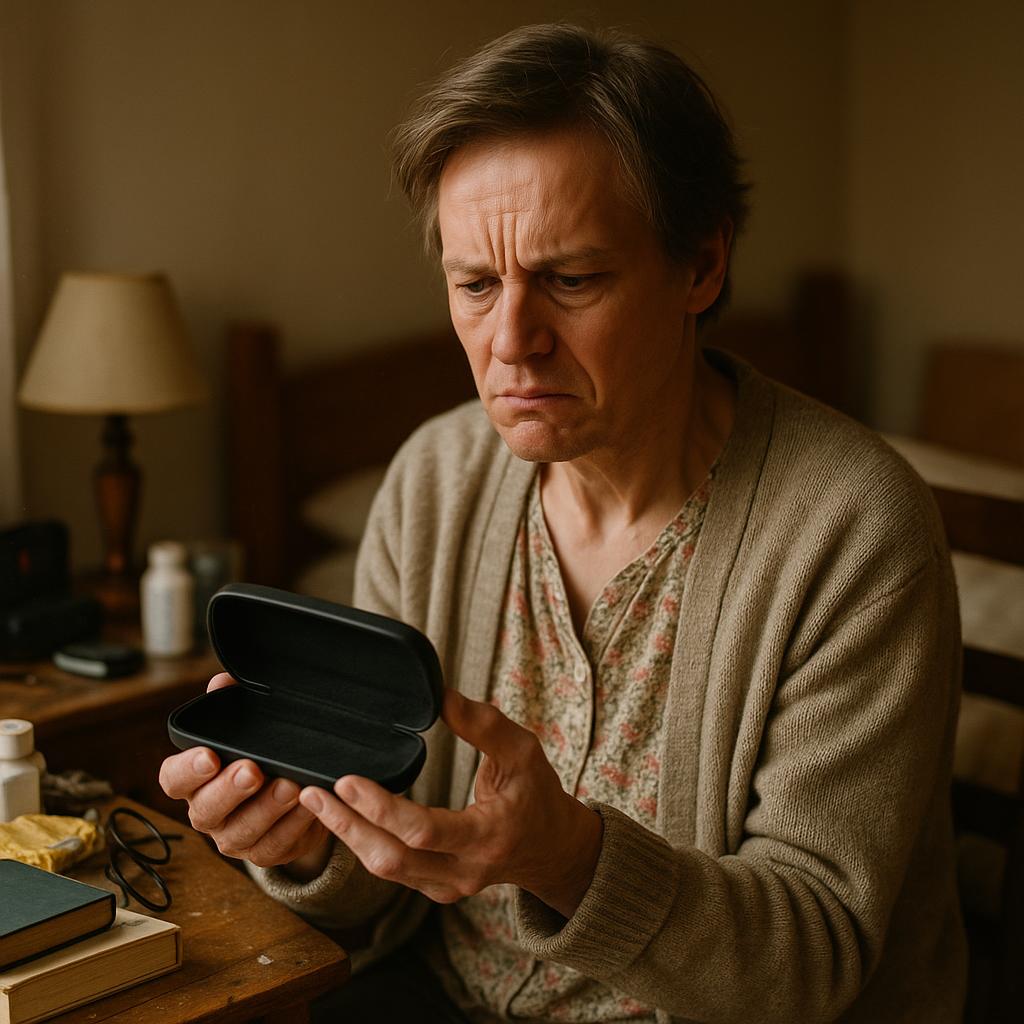 Image by RM AI
Pattern Emerging
The disappearances didn't stop with Mom's reading glasses. The following week, her new blue cashmere sweater—the one I'd splurged on at Nordstrom because she always complained about being cold—vanished without a trace. "I hung it in the closet after wearing it yesterday," Mom insisted, her voice trembling slightly. Two days later, the silver bracelet Dad had given her on their 25th anniversary disappeared from her jewelry box. Each time, I marched to the nurses' station, trying to keep my voice level while my blood pressure skyrocketed. And each time, I got the same rehearsed response: "Things often get misplaced during laundry" or "Sometimes residents move items and forget." By the third week, I'd had enough. I cornered Diane, the floor manager, after yet another item went missing. "This is becoming a pattern," I said firmly. "We need a better system for tracking residents' belongings." Diane's smile didn't reach her eyes as she assured me they would "absolutely look into it." But I could tell from her dismissive tone that nothing would change. Walking back to Mom's room, I noticed how she clutched her purse tightly against her chest—something she never used to do. That's when I realized: Mom wasn't being forgetful. She was being careful. And maybe I needed to start being suspicious.
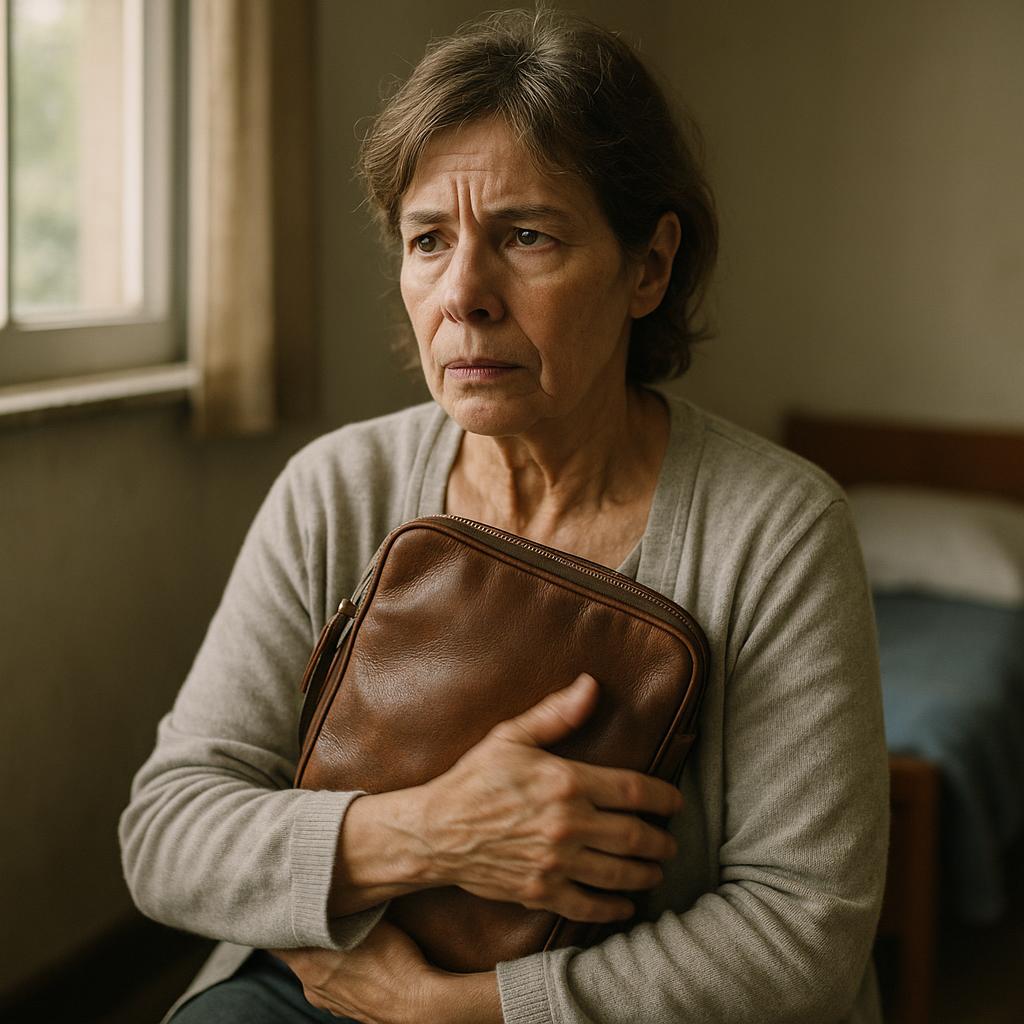 Image by RM AI
The Necklace
My phone lit up at 9:17 PM with Mom's name. When I answered, all I heard were sobs. "The pearls are gone, Sarah," she choked out between breaths. "Your father's pearls." I knew exactly which necklace—the single strand of perfectly matched pearls Dad had saved for months to buy her for their 25th anniversary. I broke every speed limit getting to Sunny Pines that night. Mom was sitting on her bed, jewelry box open, contents spread across her floral bedspread. Her hands trembled as she showed me the empty velvet pouch where she always kept them. "I wore them yesterday for lunch," she insisted. "I remember putting them back." We tore apart that room—checking under furniture, inside pockets, even unscrewing air vents. Nothing. When we finally approached the night nurse, a woman I'd never seen before, she barely looked up from her computer. "Residents often misplace things," she said with a patronizing smile. "At her age, memory can be...unreliable." Mom's spine straightened. "My memory is perfectly fine," she said, her voice ice-cold. "Unlike your security, apparently." Walking back to her room, Mom whispered something that made my blood run cold: "Someone's been in my room at night, Sarah. I can feel it when things aren't where I left them."
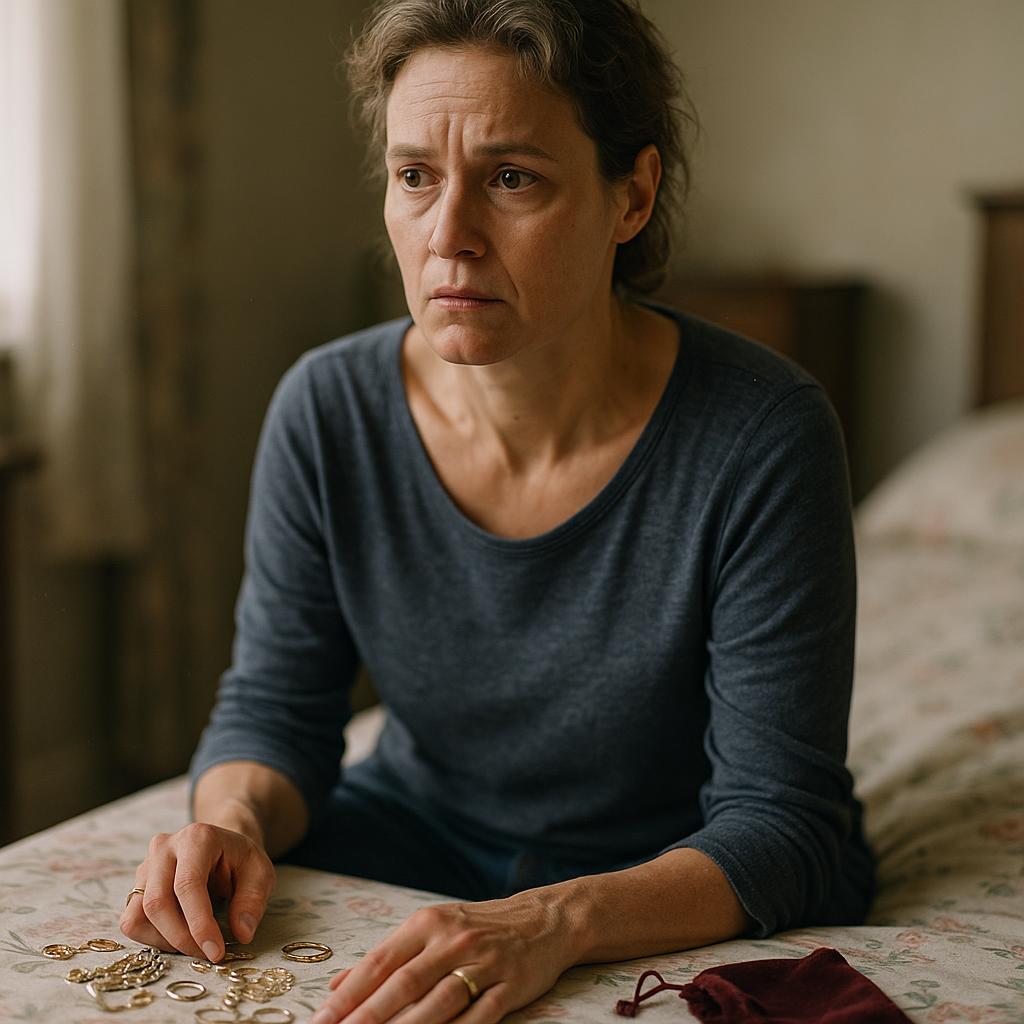 Image by RM AI
Meeting Other Families
I decided to visit Mom on Saturday afternoon, bringing her favorite lemon squares from the bakery downtown. While she napped, I wandered to the common area for coffee. That's where I met Rebecca, a woman about my age with tired eyes and a forced smile. Her mother lived just three doors down from Mom. We exchanged pleasantries about the weather and the facility's decent coffee before she hesitantly mentioned something that made me freeze mid-sip. "Has your mom... lost anything recently?" she asked, her voice barely above a whisper. When I told her about Mom's missing glasses, sweater, and especially the pearl necklace, Rebecca's expression transformed from embarrassment to alarm. "My mother's watch disappeared last week—a gift from my late father. And her favorite cashmere scarf vanished right after." She leaned closer, glancing around to make sure no staff were nearby. "I thought Mom was just being forgetful until I talked with the Johnsons and the Millers. Their parents have had things go missing too." My stomach dropped. This wasn't isolated. It wasn't Mom being confused. It was systematic. And suddenly, I realized we weren't just dealing with a few misplaced items—we were uncovering something much darker happening behind Sunny Pines' perfect façade.
 Image by RM AI
The Wedding Ring
I was in the middle of a work meeting when my phone rang. Mom never calls during work hours—it's our unspoken rule. When I answered, all I heard was sobbing. Not gentle tears, but the kind of raw, guttural crying that makes your own throat close up in response. "It's gone, Sarah," she managed between gasps. "My wedding ring. Your father's ring." My blood turned to ice. That ring hadn't left her finger in nearly fifty years—not through chemo, not through Dad's funeral, not through anything. I broke every speed limit getting to Sunny Pines, finding Mom sitting on her bed, her left hand looking naked and wrong. Her finger still bore the indentation where the gold band had lived for half a century. Dr. Phillips, the facility director, was already there when I arrived—too prepared, too composed. "Mrs. Bennett," he said with practiced sympathy, "we'll certainly keep an eye out." The way he said it—like he was talking about a misplaced TV remote instead of the physical embodiment of my parents' marriage—made something inside me snap. "This isn't just another missing item," I hissed, watching his face remain professionally blank. "This is theft." As I comforted Mom, I noticed how the staff kept glancing at us through the doorway, their expressions a mixture of pity and something else I couldn't quite place. That's when I realized—I wasn't just going to wait for them to "keep an eye out." I was going to catch whoever was doing this red-handed.
 Image by RM AI
Something Snaps
Two weeks crawled by with no sign of Mom's wedding ring. Every day, I'd walk into Sunny Pines with a knot in my stomach, hoping today would be the day someone would approach me with good news. Instead, I got nothing but hollow reassurances. "We're still looking, Ms. Bennett." "These things have a way of turning up." "Perhaps it slipped off during her shower?" Each excuse more patronizing than the last. That night, after another fruitless visit, something inside me finally snapped. I stayed up until 3 AM, my laptop screen illuminating my tear-streaked face as I fell down a rabbit hole of elder abuse statistics and nursing home theft cases. The horror stories were endless—families describing patterns identical to what we were experiencing. Worse, most cases went unreported or uninvestigated. One forum post particularly gutted me: "By the time we realized what was happening, Mom had lost everything that mattered to her." I closed my laptop, a cold determination settling over me. I wasn't just angry anymore—I was transformed. If the system wouldn't protect my mother, I would. And I already knew exactly what my next step would be.
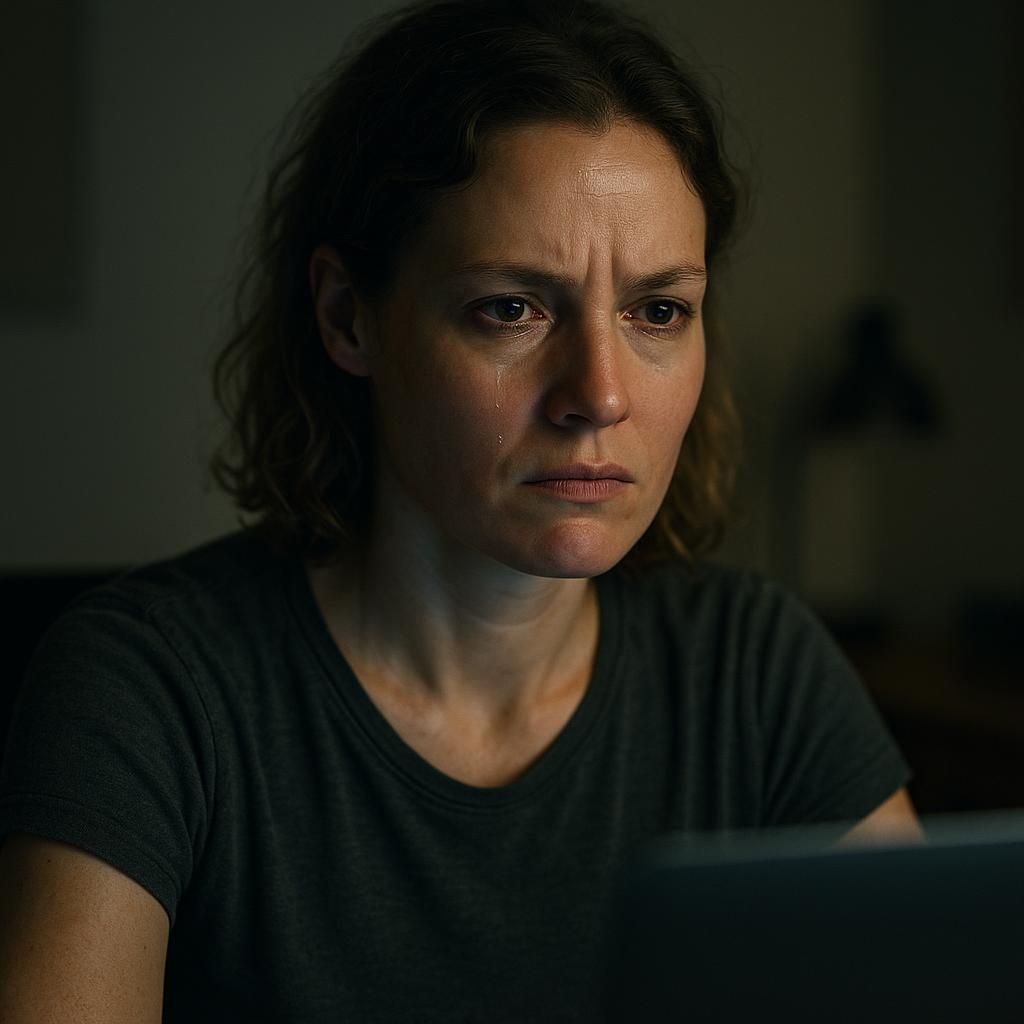 Image by RM AI
The Surveillance Plan
I called my brother Michael that night, my voice cracking as I explained everything. 'Someone's stealing from Mom, and the staff is gaslighting us about it.' Michael, ever the methodical engineer, suggested we approach this like a research project. 'Start documenting everything,' he said. 'Make a spreadsheet of what's left and check it daily.' The next morning, I created a detailed inventory of Mom's remaining possessions, photographing each item. I also developed a strategy of random, unannounced visits—early mornings before shift changes, late evenings when staffing was minimal, Sunday afternoons when management was off. 'Should we call the police?' Michael asked during our nightly update call. I sighed, rubbing my temples. 'And tell them what? That we think someone's stealing from an 80-year-old woman who they'll just dismiss as confused?' No, we needed hard evidence—something irrefutable that couldn't be explained away with patronizing smiles and clipboard notes. As I hung up, staring at my color-coded spreadsheet of Mom's belongings, I realized we needed more than just documentation. We needed to see what happened when no one thought they were being watched.
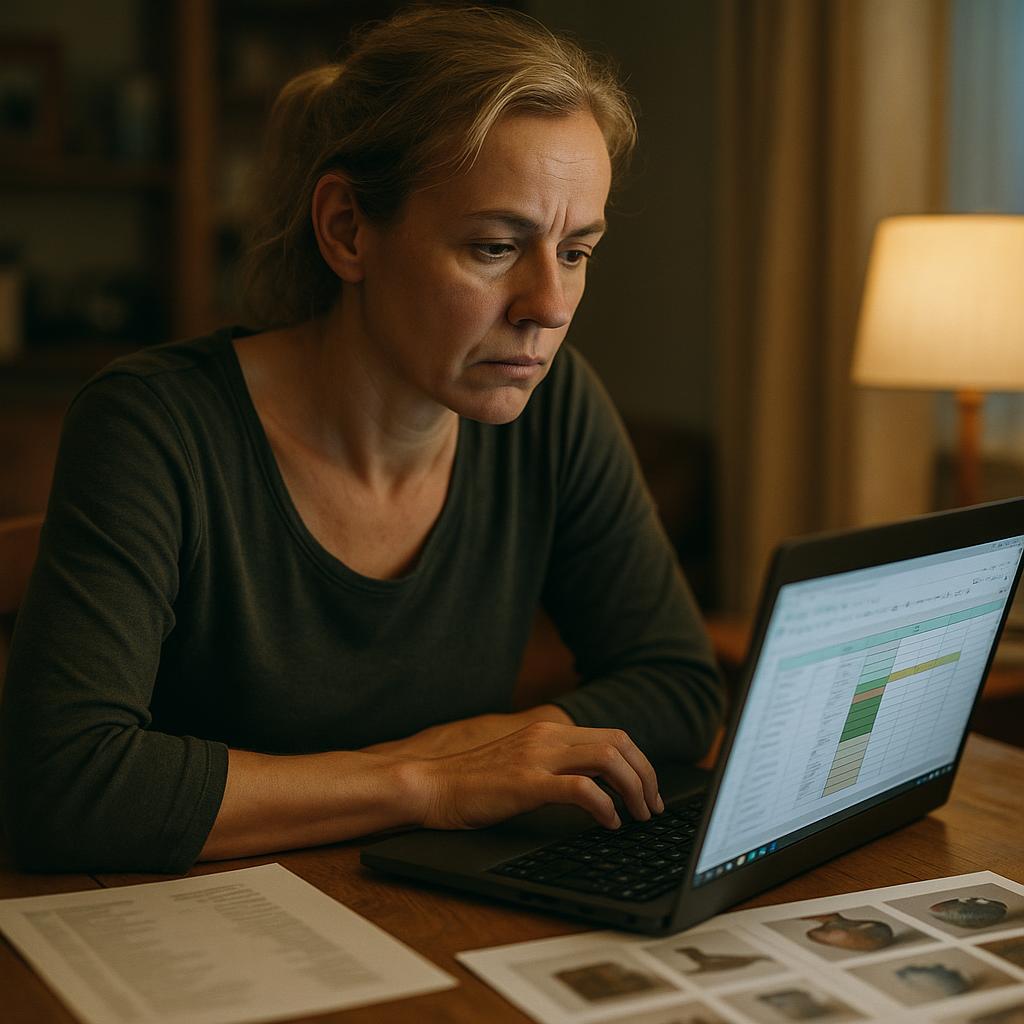 Image by RM AI
Unexpected Visits
I became a ghost at Sunny Pines, appearing when least expected. Tuesday at 6:30 AM, I walked in during shift change, catching bleary-eyed night staff handing over to the morning crew. Their faces when they saw me? Priceless—like kids caught with their hands in the cookie jar. Thursday night at 9:45 PM, I arrived with a thermos of tea and a fake smile. "Just thought I'd read Mom a bedtime story!" The night supervisor practically tripped over herself showing me how well Mom was being cared for. Saturday's lunch visit revealed the same pattern—staff suddenly hovering, overly attentive, performing their roles like they were auditioning for "Best Caregiver of the Year." Each time, Mom's room was suspiciously immaculate—bed corners hospital-tight, belongings arranged in perfect rows. But something was always... off. The photo of Dad moved slightly to the left. Her sweaters color-coordinated when Mom had always arranged them by season. Her jewelry box positioned at a precise 90-degree angle to the edge of the dresser—something Mom would never do. "They know when you're coming," Mom whispered during my Saturday visit, her eyes darting to the doorway. "They make everything look nice, but after you leave..." She didn't finish her sentence, but the fear in her eyes told me everything I needed to know.
 Image by RM AI
Mom's Whispered Secret
Sunday afternoon, I brought Mom her favorite lemon pound cake, hoping to brighten her day. As the hallway emptied for staff lunch break, Mom suddenly grabbed my wrist with surprising strength. "Sarah, someone comes in here at night," she whispered, her voice barely audible. My stomach dropped. "When I'm supposed to be sleeping, I hear them. Drawers opening. Footsteps. Things being moved." Her hands trembled as she described feeling someone hovering near her bed in the darkness. "I pretend to be asleep because I'm afraid of what they might do if they know I'm watching." I immediately marched to the nurses' station, where Diane, the floor supervisor, listened with that infuriating professional smile. "Mrs. Bennett is likely experiencing sundowning," she explained, like I was a child who needed education. "Many residents her age become confused after dark." When I pointed out that Mom had no history of cognitive impairment or confusion, Diane's smile tightened. "We'll certainly keep an eye on things," she said, making a show of noting it in the computer. Walking back to Mom's room, I realized with absolute clarity: they weren't just dismissing her concerns—they were actively gaslighting us both. And that's when I knew I needed proof no one could explain away.
 Image by RM AI
Breaking Point
I requested a meeting with Dr. Phillips the next morning, determined to address Mom's nighttime visitor concerns. His office was exactly what you'd expect—diplomas perfectly aligned, family photos strategically placed to humanize him. 'Mrs. Bennett is experiencing some confusion,' he explained, leaning back in his leather chair with that infuriating smile doctors reserve for hysterical family members. 'It's quite common at her age.' When I reminded him that Mom had scored perfectly on her cognitive assessment just last month, he nodded patronizingly. 'Perhaps we should discuss memory care options,' he suggested, sliding a glossy brochure across his desk. I felt my face flush with anger. This wasn't confusion—this was gaslighting at its finest. Walking to my car afterward, clutching that useless brochure, something inside me hardened. These people weren't just dismissing us—they were actively covering something up. That night, I fell down an internet rabbit hole researching hidden cameras, comparing models and reading reviews until my eyes burned. At 2 AM, I finally clicked 'purchase' on a wall charger camera with motion detection and night vision. $89.99 plus expedited shipping—a small price to pay for the truth. Because if they wouldn't believe my mother, I'd make damn sure they couldn't ignore video evidence.
 Image by RM AI
Research and Doubt
I spent the entire night hunched over my laptop, comparing hidden cameras like I was shopping for a new phone. Wall chargers, alarm clocks, picture frames—the options were endless. Each time I almost clicked "buy," a wave of guilt washed over me. Was I really going to spy on the people caring for my mother? I called Michael at midnight, pacing my kitchen floor. "Am I crossing a line here?" I asked, my voice barely above a whisper. "Sarah," he said firmly, "they've crossed every line already." He supported my plan but warned me about potential legal issues with surveillance in care facilities. "Just make sure it's only recording Mom's room," he cautioned. That night, I had the same nightmare I'd been having all week—Mom calling out while shadowy figures rifled through her dresser drawers, her voice growing fainter as I tried to reach her. I woke up at 3 AM, drenched in sweat, and immediately ordered the wall charger camera. $89.99 plus expedited shipping. As I clicked "confirm purchase," I realized something had fundamentally changed in me. The Sarah who trusted institutions, who believed in the inherent goodness of healthcare workers, was gone. In her place stood someone willing to become the very thing she despised—a spy—because sometimes protecting the people you love means becoming someone you never thought you'd be.

The Purchase
I ordered the hidden camera at 3:17 AM, my hands shaking slightly as I clicked "expedited shipping" and paid the extra $12.99. The confirmation email felt like both a victory and a betrayal. While waiting for my little spy device to arrive, I became a daily fixture at Sunny Pines, showing up with homemade cookies and forced smiles. Each visit, I meticulously cataloged Mom's remaining possessions in a spreadsheet on my phone, even placing tiny dots of clear nail polish on the bottom of figurines and the inside of jewelry clasps—invisible unless you knew where to look, but perfect for proving if items had been replaced or moved. I noticed Claudia, the head nurse, watching me more closely than before, her eyes following me as I arranged Mom's belongings "just so" before leaving. "You're here a lot lately," she commented on Thursday, her tone casual but her eyes sharp. "Just making up for lost time," I replied, matching her fake smile with one of my own. That night, I received the shipping notification that my camera would arrive tomorrow. As I stared at the tracking information, I wondered if the staff had already figured out what I was planning—and what they might do to stop me before I could expose the truth.
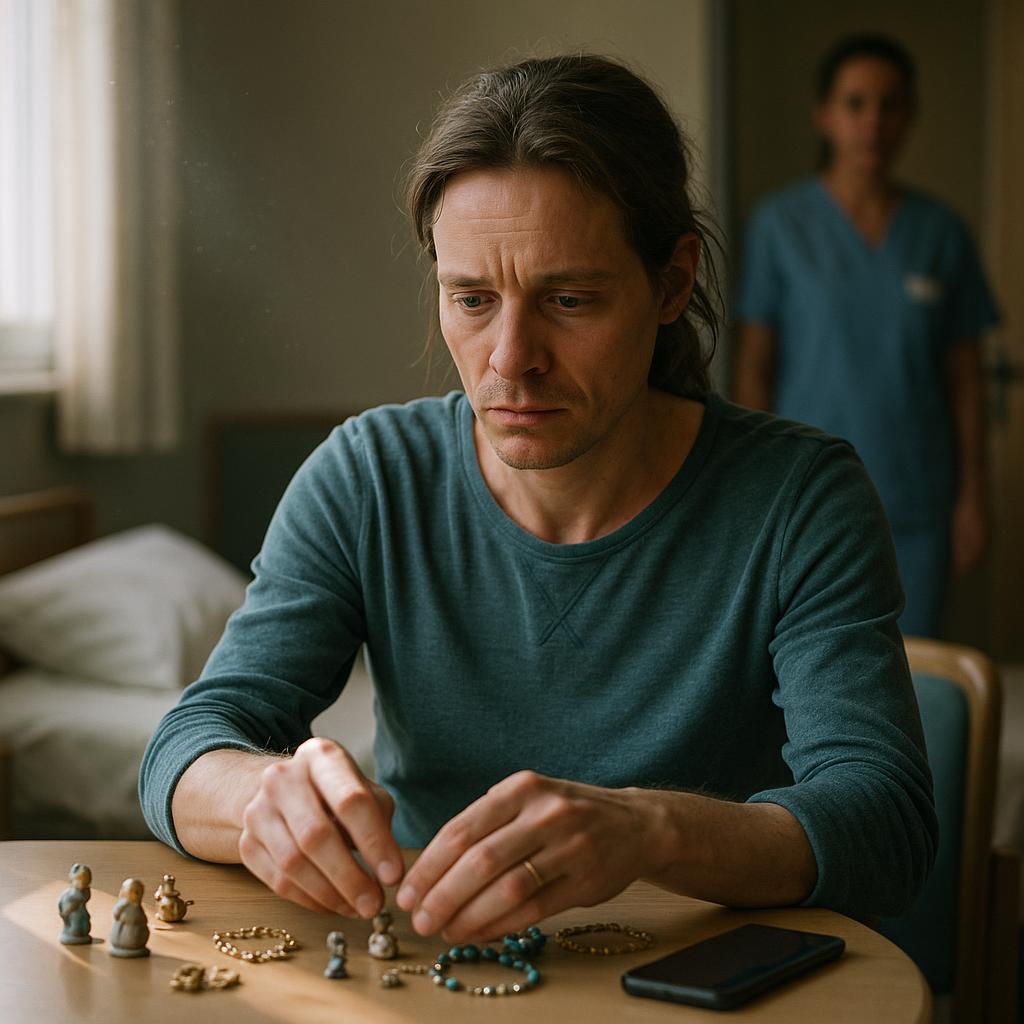 Image by RM AI
The Camera Arrives
The package arrived Friday afternoon—a plain brown box that held what felt like my last hope. I tore it open at my kitchen table, hands trembling slightly as I extracted the wall charger camera. It looked completely ordinary—just a white plastic rectangle with USB ports—except for the tiny pinhole lens nestled between the outlets. You'd never notice it unless you were specifically looking for it. I plugged it in, downloaded the app, and watched in real-time as it captured me pacing around my living room. The video quality was surprisingly clear, even when I dimmed the lights to test the night vision. Every time I moved, my phone buzzed with an alert. Perfect. That evening, I rehearsed what I'd tell Mom while driving to Sunny Pines, the camera tucked safely in my purse. I couldn't tell her everything—what if she accidentally mentioned it to the wrong person? But I couldn't lie to her either. "It's just a new phone charger, Mom," I practiced saying, "but it'll help us figure out what's been happening to your things." As I pulled into the parking lot, I noticed Dr. Phillips watching from his office window, his silhouette visible through the blinds. Did he suspect something? My heart pounded as I clutched my purse tighter. In less than an hour, I'd have eyes in that room when no one thought anyone was watching.
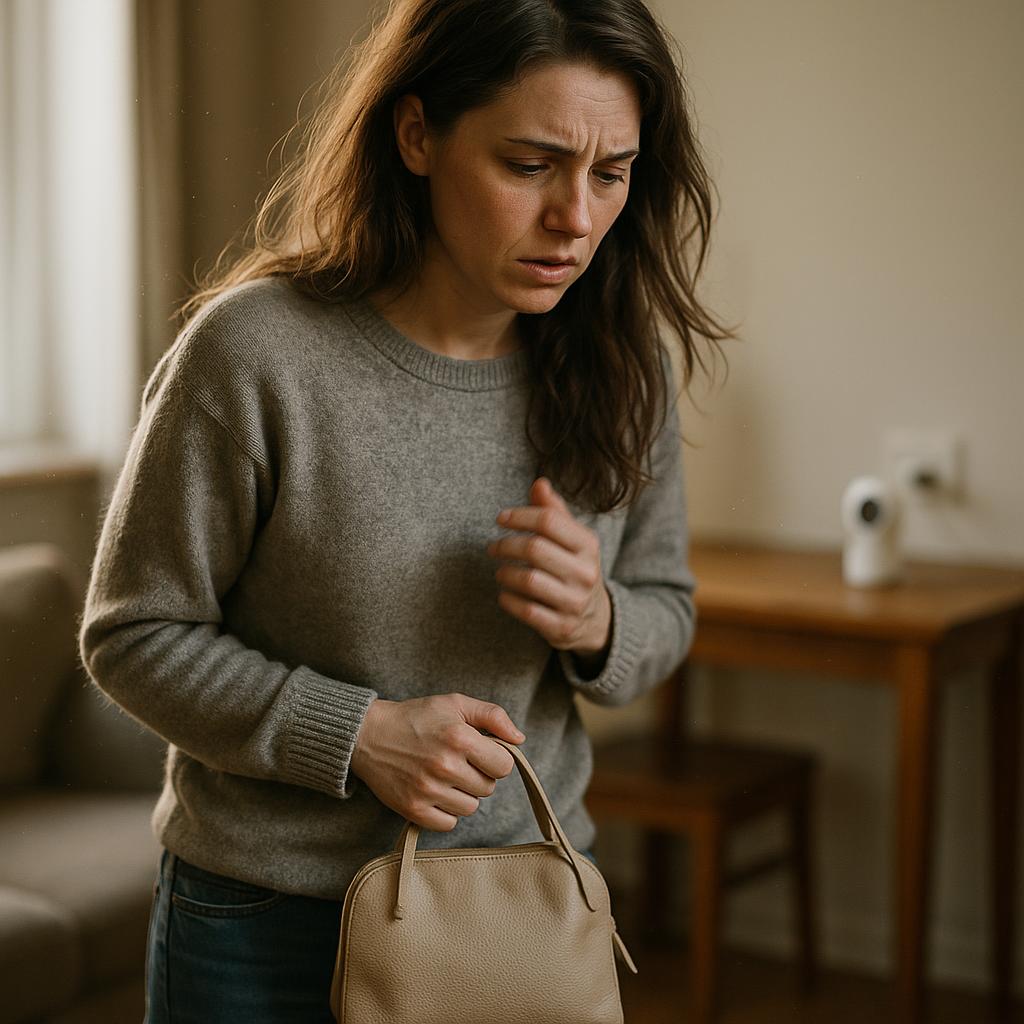 Image by RM AI
Installation Day
I walked into Sunny Pines clutching my purse like it contained state secrets—which, in a way, it did. The wall charger camera felt heavier than its actual weight, a physical manifestation of my distrust. "Look what I brought you, Mom," I said with forced cheerfulness, pulling out a photo album as a distraction. While she flipped through pictures of our last family vacation, cooing over images of her grandchildren, I casually moved toward the nightstand. "Oh, and I got you this new phone charger so you can keep your cell powered up," I mentioned, plugging it in behind the nightstand. My hands trembled slightly as I angled it perfectly—the tiny lens positioned to capture the dresser, closet, and doorway. Mom barely glanced at it, more interested in a photo of Michael's new puppy. I sat with her for another hour, my mind barely present as I calculated sight lines and wondered if the motion detection would work properly. When visiting hours ended, I kissed her forehead, whispering, "I'll see you tomorrow." Walking to my car, I felt both victorious and sick to my stomach. My phone buzzed—the first motion alert from the camera. It was working. Now came the hard part: waiting to see what happened when everyone thought no one was watching.
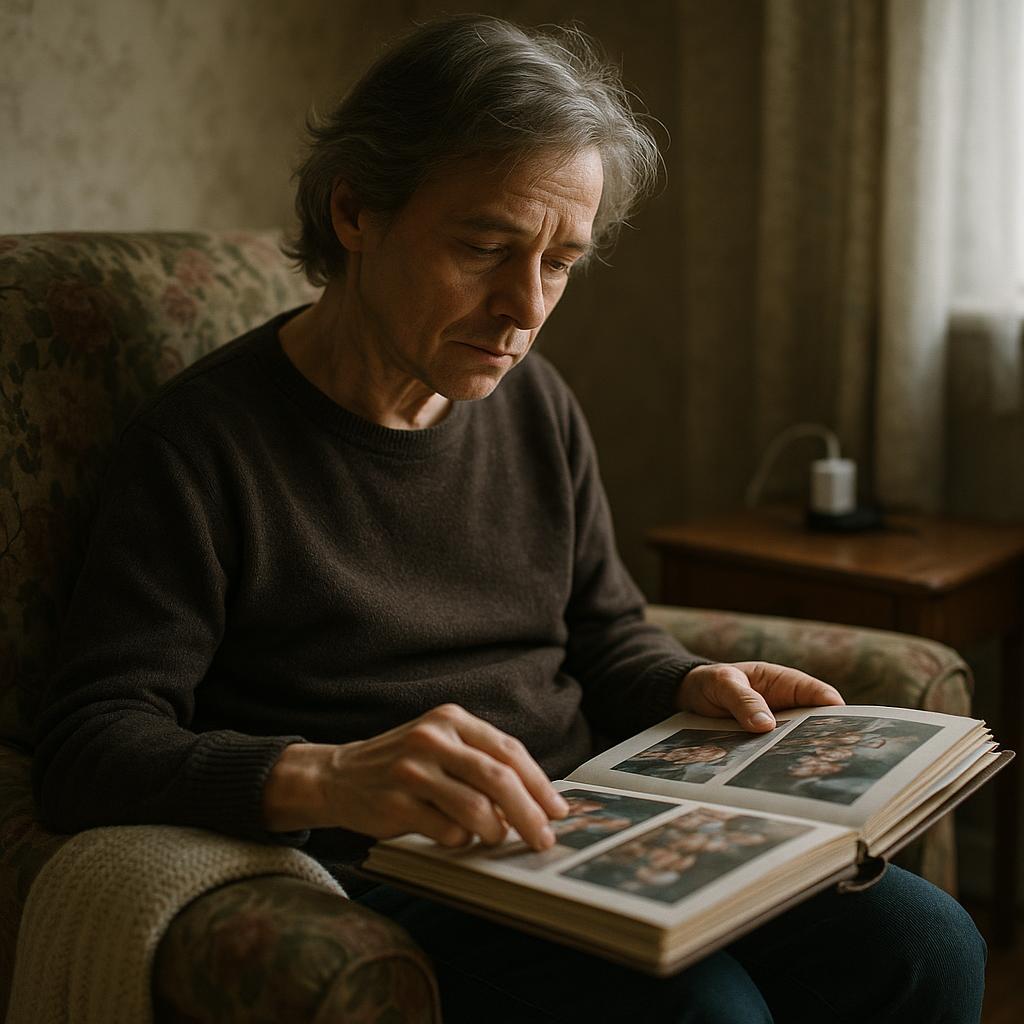 Image by RM AI
The First Day's Footage
I spent the entire day with my phone practically glued to my hand, jumping every time it buzzed with a motion alert from Mom's room. Each notification sent my heart racing, but as I reviewed the footage throughout the day, I felt a strange mixture of relief and disappointment. Nurse Brenda checking Mom's blood pressure at 9:17 AM. A friendly-looking caregiver named Tessa (whom I'd never met) helping Mom organize her photo albums at 11:45 AM. The medication rounds at 2 PM and 8 PM. Everything looked... normal. Painfully, boringly normal. By evening, I'd watched hours of footage showing nothing but routine care and casual conversations. I found myself second-guessing everything—had I manufactured this whole conspiracy in my head? Was Mom really just confused, misplacing things herself? The thought made me sick with guilt. I called Michael to update him, and he reminded me to be patient. "One day of normal doesn't mean anything," he said firmly. "Remember, they stole her wedding ring. That didn't just disappear." As I hung up, my phone buzzed with another alert. It was 11:32 PM, well after Mom should have been asleep. I tapped the notification, not expecting anything unusual. But what I saw next made my blood run cold.
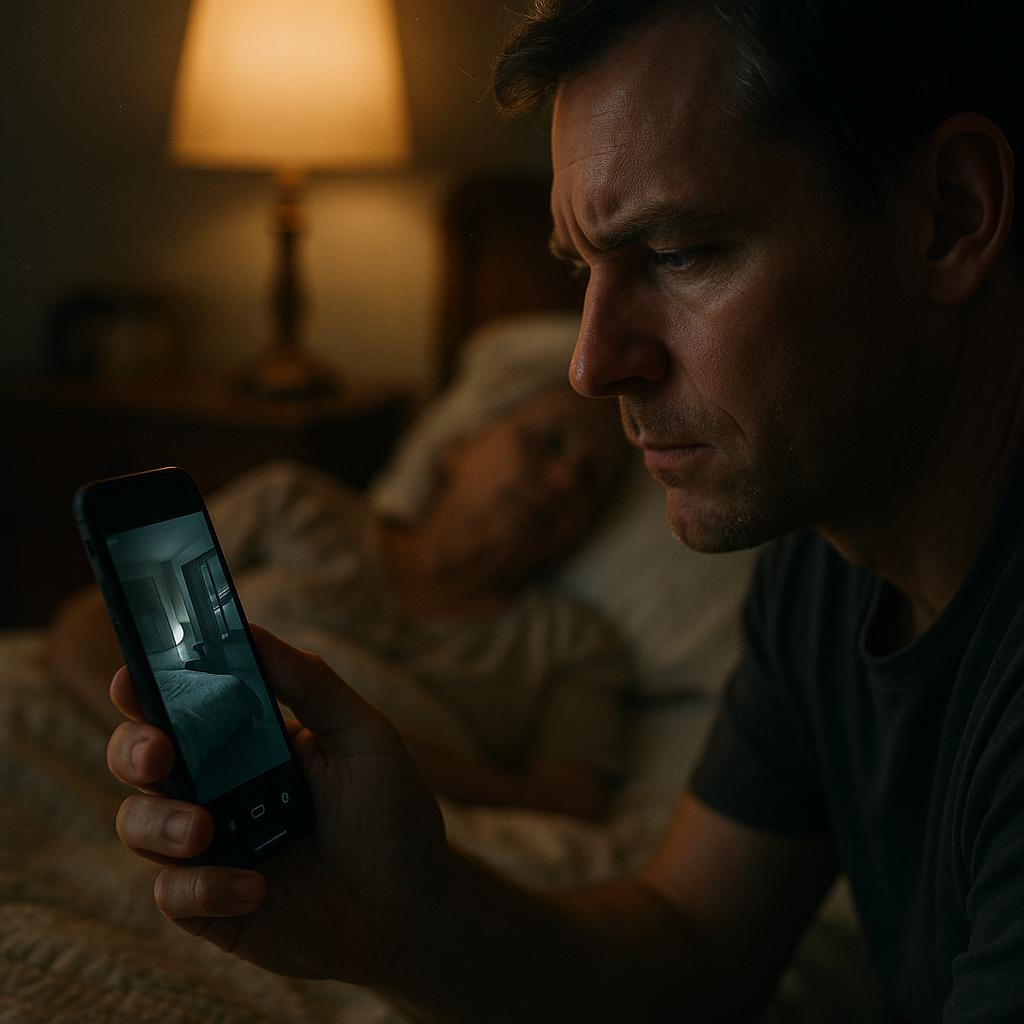 Image by RM AI
The Second Night
My phone buzzed at 11:47 PM, jolting me awake from my half-sleep on the couch. I fumbled for it, expecting another false alarm. But when I opened the app, my entire body went cold. There she was—a woman I'd never seen before—slipping into Mom's room without knocking. Mom was sound asleep, oblivious to the intruder. I sat up straight, fully alert now, watching in horror as this stranger glanced quickly around before making a beeline for the dresser. Her movements weren't random or casual—they were practiced, methodical. She opened the top drawer first, rifling through Mom's neatly folded scarves, then moved to the second drawer. When she found something small—I couldn't quite make out what—she pocketed it with a quick, fluid motion that suggested she'd done this many times before. My hands were shaking so badly I nearly dropped my phone. This wasn't a caregiver checking on a resident. This wasn't someone misplacing items during cleaning. This was theft, plain and simple, happening right before my eyes. And as she moved to the closet with the same purposeful stride, I realized with sickening clarity that Mom had been right all along—and this was probably just the beginning of what the camera would reveal.
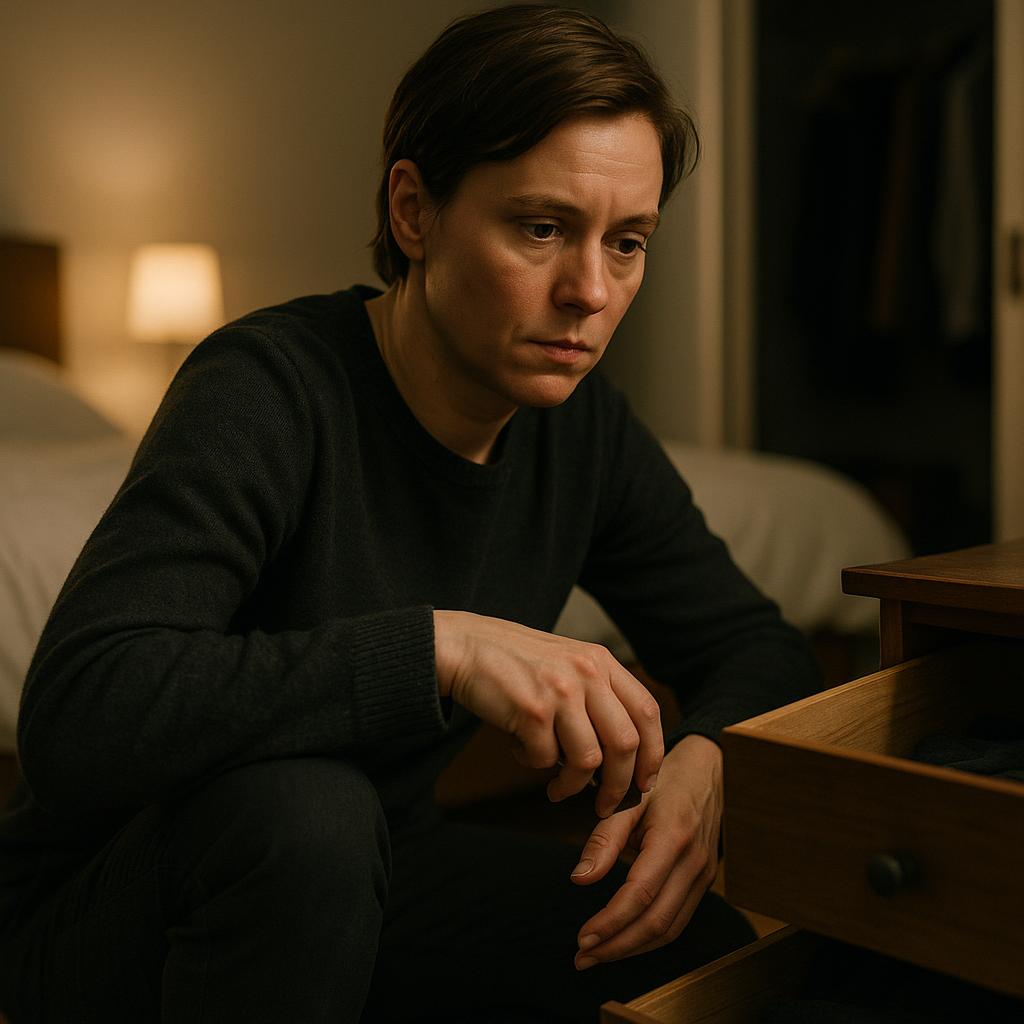 Image by RM AI
Disbelief and Rage
I sat frozen on my couch, replaying the footage for the fifth time, my hands trembling so violently I nearly dropped my phone. There she was—Vera, according to her name tag—methodically searching through Mom's belongings like a burglar casing a house. This wasn't some confused mix-up during cleaning. This was calculated theft happening in real-time. My stomach churned as I watched her pocket a small item from Mom's dresser drawer—the antique brooch Mom's grandmother had given her. The one thing Mom had specifically mentioned was missing last week. I felt bile rising in my throat as the truth hit me like a physical blow: Mom wasn't confused or forgetful or making things up. She was being systematically robbed by the very people we were paying thousands of dollars a month to care for her. People who had looked me in the eye and suggested she was just experiencing 'age-related confusion.' People who had made me doubt my own mother's sanity. The rage building inside me was unlike anything I'd ever experienced—a primal, protective fury that made my vision blur around the edges. I grabbed my keys and jacket, not entirely sure what I was going to do, but absolutely certain of one thing: this wasn't just about missing items anymore. This was about justice, and I was about to rain hell down on Sunny Pines Nursing Home.
 Image by RM AI
Gathering Evidence
I spent the night in a feverish state, torn between storming Sunny Pines at dawn and playing the long game. At 2 AM, I called Michael, who answered on the first ring despite the hour. "Don't go nuclear yet," he cautioned when I described what I'd seen. "We need more evidence. One video might not be enough." He was right, of course. I needed a pattern, not just a single incident. "Call Melissa," he suggested, referring to his sister-in-law who practiced elder law. "She'll know how to handle this legally." After hanging up, I became paranoid about losing the footage. What if my phone broke? What if they discovered the camera? I spent the next hour backing up the video to my laptop, an external hard drive, and three different cloud services, renaming each file with innocuous titles like "Mom's Birthday 2023." Each time I watched it again, my blood boiled hotter. The casual way Vera had rifled through Mom's things, like she was shopping at a thrift store. The smirk when she pocketed the brooch. I set an alarm for every three hours throughout the night, waking to check new alerts from the camera. By morning, I had a plan: I would wait exactly three more days, gathering evidence like a detective building a case. Because when I finally confronted them, I wanted it to be with an arsenal that no one—not even that smug Dr. Phillips—could explain away.
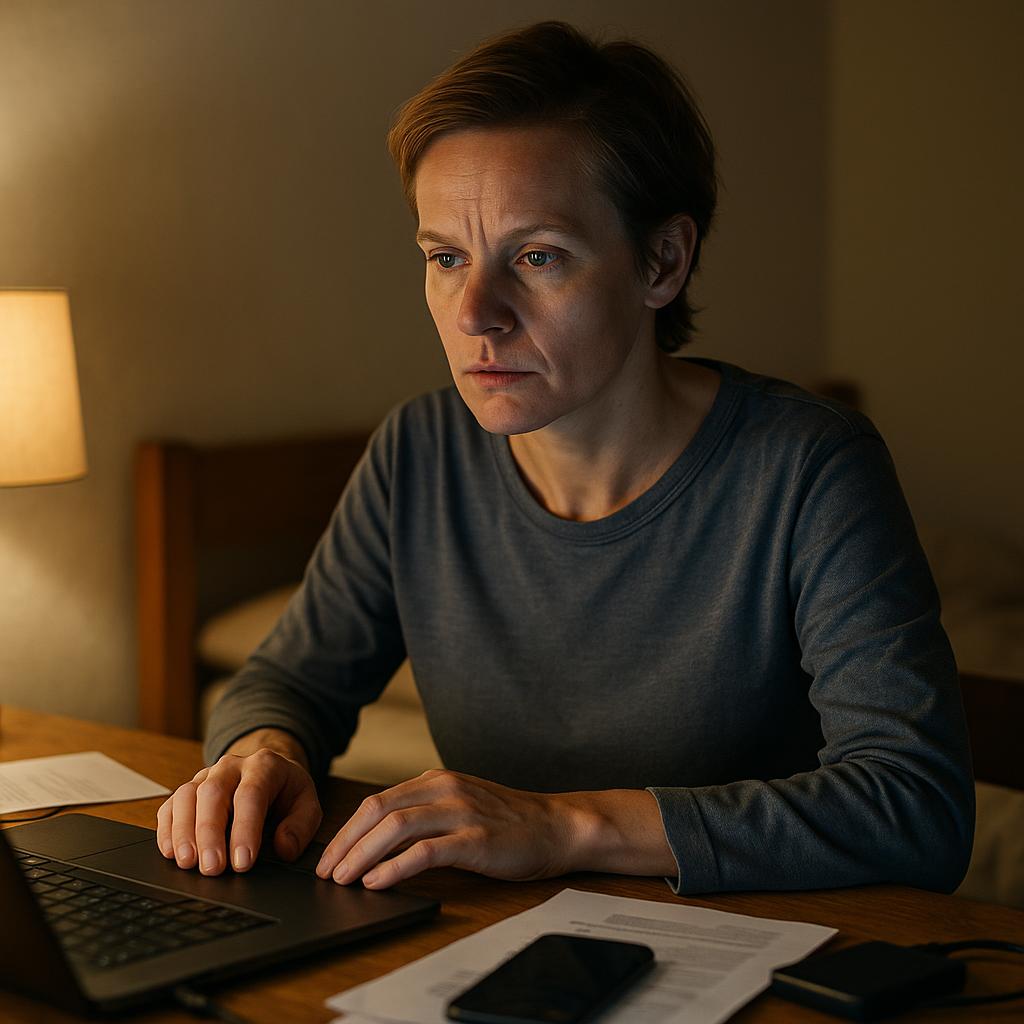 Image by RM AI
The Third Night
My phone buzzed at 1:23 AM, jolting me awake from a fitful sleep. I fumbled for it in the dark, my heart already racing before I even saw the notification. Another motion alert from Mom's room. I tapped the app with trembling fingers, expecting to see Vera again. Instead, my stomach dropped as Martin—an orderly who'd always been overly friendly during my visits—slipped into Mom's room like a shadow. Unlike Vera's methodical approach, Martin moved with urgent purpose, heading straight for the small medication safe I'd installed next to Mom's bed. I watched in horror as he punched in several combinations, his frustration evident when the safe remained locked. After his fourth attempt, he abandoned the safe and dropped to his knees, pulling out the vintage suitcase I'd stored under Mom's bed. The one containing her photo albums and keepsakes too bulky for the dresser. As he unzipped it and began pawing through decades of memories, a sickening realization washed over me: this wasn't just one bad employee. This was organized. Systematic. Multiple staff members were targeting vulnerable residents, probably comparing notes on what valuables each room contained. I felt physically ill watching Martin's hands rifle through Mom's treasured possessions, but I forced myself to keep watching. Because now I knew something they didn't—I wasn't just collecting evidence against one thief. I was uncovering an entire ring operating right under Dr. Phillips' nose... or worse, with his knowledge.
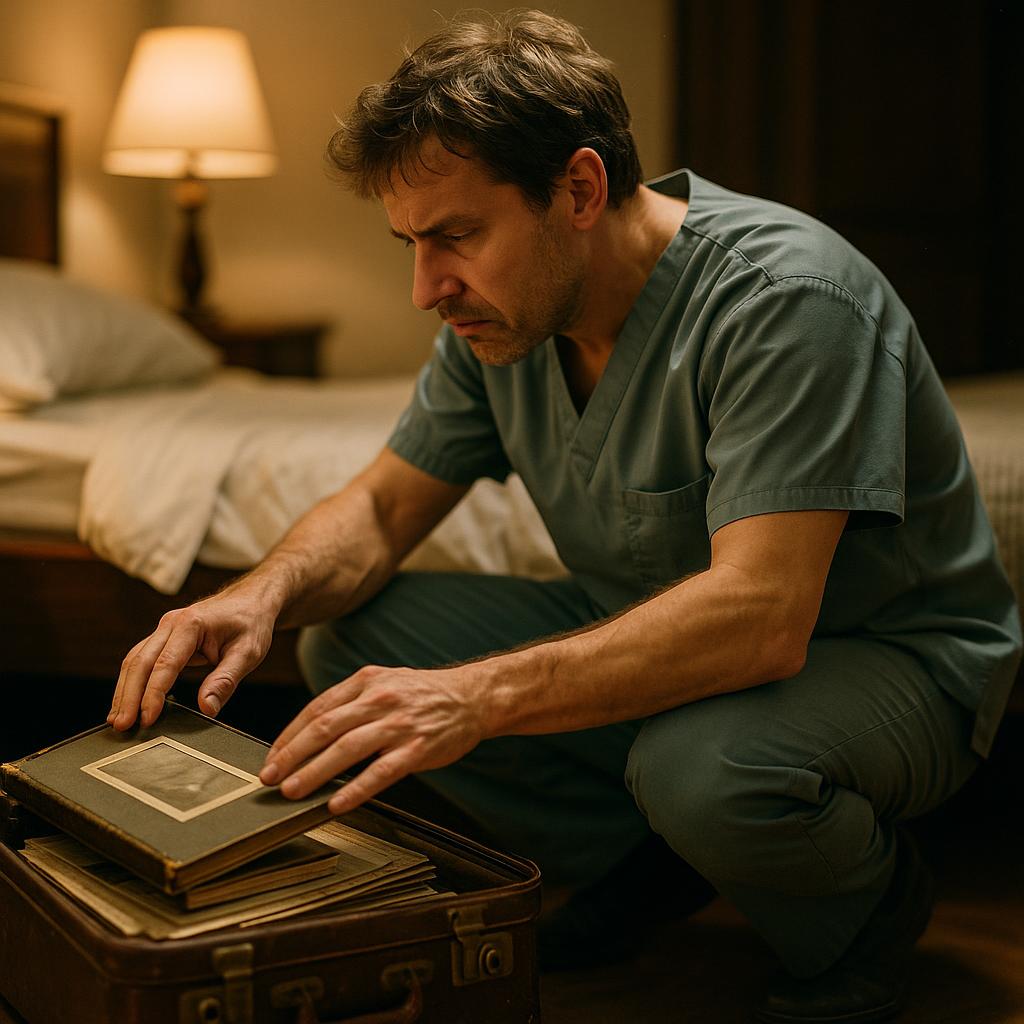 Image by RM AI
The Porcelain Bird
The fourth night brought footage that shattered my heart. At 12:17 AM, my phone buzzed with another alert. A woman I'd never seen before—her badge read "Elaine"—entered Mom's room without knocking. She moved with casual confidence, scanning the shelves until her eyes landed on the small porcelain bird figurine Dad had bought Mom on their honeymoon in Venice. It was the last trip they took before his diagnosis. Mom had treasured that little blue bird for forty-seven years, keeping it safe through twelve moves and three grandchildren's curious hands. I watched, tears streaming down my face, as Elaine picked it up, held it to the dim light from the hallway, and actually laughed—a soft, appreciative chuckle like she'd found a bargain at a yard sale. Then she slipped it into her uniform pocket like it was nothing more than a candy wrapper. I had to muffle my sobs with a pillow so I wouldn't wake Michael. This wasn't just theft anymore—it was cruelty. They weren't just taking things; they were taking memories, moments, pieces of my parents' love story. As I watched Elaine check Mom's sleeping form before slipping out, something inside me hardened into steel. Tomorrow wouldn't be just another day of evidence gathering. Tomorrow, I was going to war.
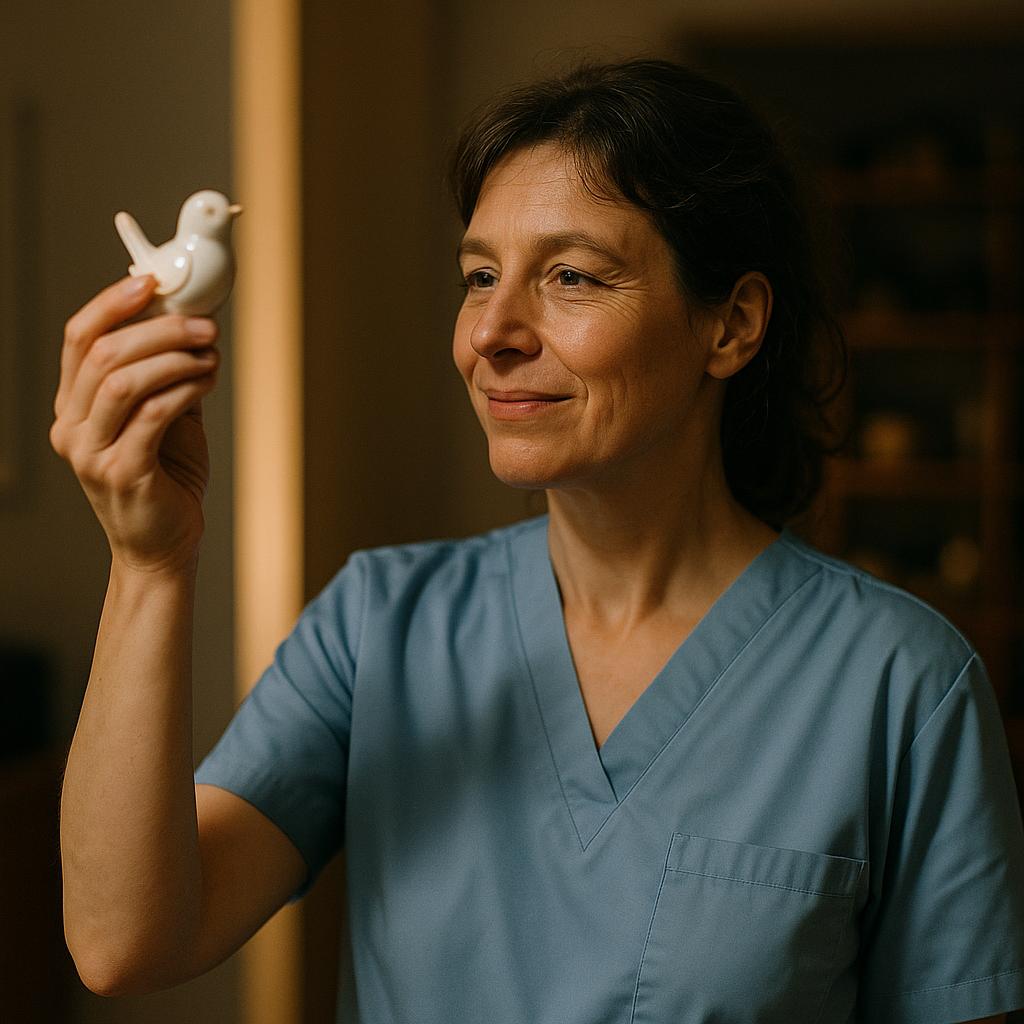 Image by RM AI
Legal Consultation
Patricia's office was intimidatingly pristine, all leather-bound law books and framed credentials. I spread my evidence across her desk like crime scene photos—screenshots, video clips, timestamps, my meticulous inventory spreadsheet. "This isn't just petty theft," she said, adjusting her glasses as she reviewed the footage for the third time. "This constitutes elder abuse under state law." She outlined our options with military precision: file police reports, contact the state licensing board, alert elder protective services. "We can hit them from all angles," she explained, scribbling notes in elegant handwriting. When she asked if I wanted to move Mom immediately, I froze. The thought of uprooting her again, especially after everything she'd been through, made my stomach twist. "If we move her now, won't they know something's up? What if they destroy evidence?" Patricia's expression softened. "Sarah, your instincts are good. We need a coordinated approach." She leaned forward, lowering her voice like we were planning a heist. "Here's what we're going to do: document everything, secure your mother's remaining valuables, and prepare for the confrontation of a lifetime." As I left her office clutching a folder of legal documents, I realized this wasn't just about recovering stolen trinkets anymore—it was about justice for Mom and every other vulnerable resident who couldn't fight back.
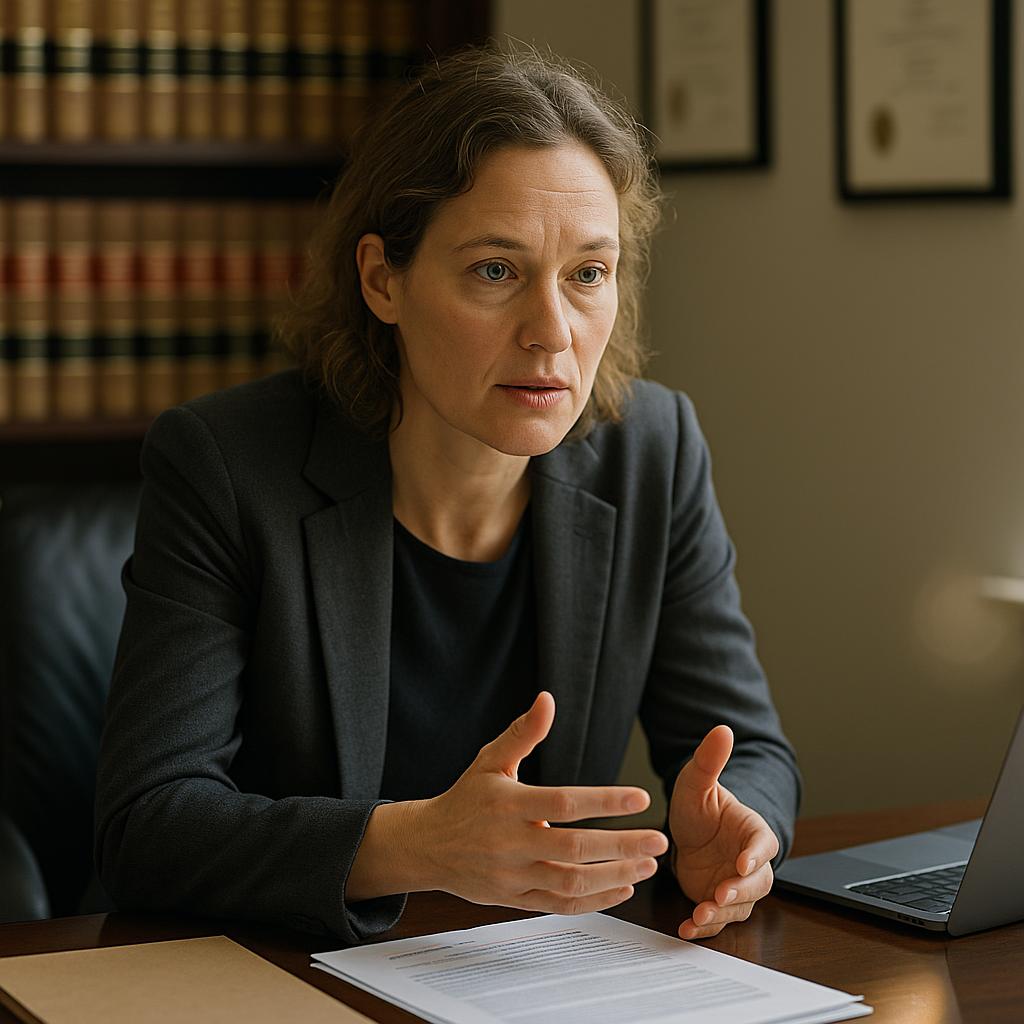 Image by RM AI
Preparing for Confrontation
Michael arrived late last night, his face grim as he wheeled his carry-on through my front door. "I brought reinforcements," he said, pulling out a portable printer and legal pads. We transformed my dining room into a war room—laptop open to the footage, screenshots taped to the wall, and Mom's inventory spreadsheet color-coded by date of disappearance. "They picked the wrong family to mess with," Michael muttered, organizing the videos chronologically. I practiced what I'd say to Dr. Phillips, my voice shaking at first, then growing steadier with each rehearsal. "Don't let him interrupt you," Michael coached. "And don't let him see how angry you are until you've shown all the evidence." By 2 AM, we had assembled a devastating case—twelve separate incidents, three different staff members, and twenty-two stolen items documented with timestamps and crystal-clear footage. Still, as I lay in bed staring at the ceiling, doubt crept in. What if they retaliated against Mom before we could move her? What if Dr. Phillips had connections that could bury our complaints? What if confronting them made everything worse? I hadn't felt this combination of rage and terror since Dad's final days in hospice—that same helpless fury watching someone I love being mistreated by people who were supposed to care. Tomorrow would change everything, one way or another.
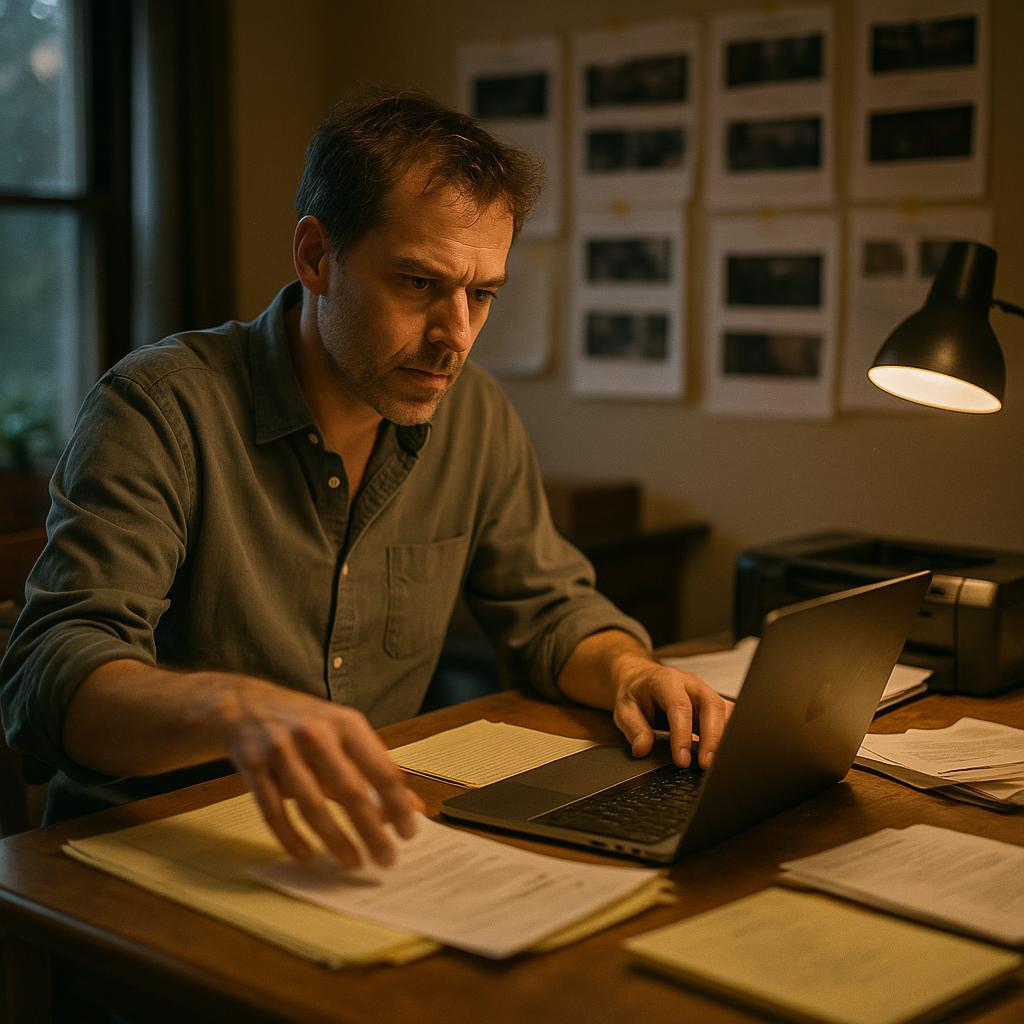 Image by RM AI
The Confrontation
Michael and I marched into Sunny Pines with our evidence folder clutched like a weapon. The receptionist's eyes widened at our determined expressions as we demanded to see Dr. Phillips immediately. "He's in meetings all morning," she stammered. "We'll wait," Michael replied, his tone leaving no room for negotiation. For thirty excruciating minutes, we sat in the lobby, watching staff members—some of whom appeared in our videos—go about their day, completely unaware of the storm about to break. When Dr. Phillips finally emerged, his practiced smile faltered at the sight of us. "Let's use my office," he said, voice artificially pleasant. Inside, Diane was already waiting, arms crossed defensively across her chest. Without preamble, I connected my laptop to his monitor and pressed play. The room fell silent except for the unmistakable sound of Vera rifling through Mom's drawers at midnight. I watched Dr. Phillips' face drain of color as the evidence unfolded—three different employees, twelve separate incidents, all captured in high definition. "There's more," I said quietly, queuing up the video of Elaine stealing the porcelain bird. "Much more." Dr. Phillips opened his mouth, then closed it again, his carefully constructed facade crumbling before my eyes as he realized exactly what kind of nightmare was about to engulf his precious nursing home.
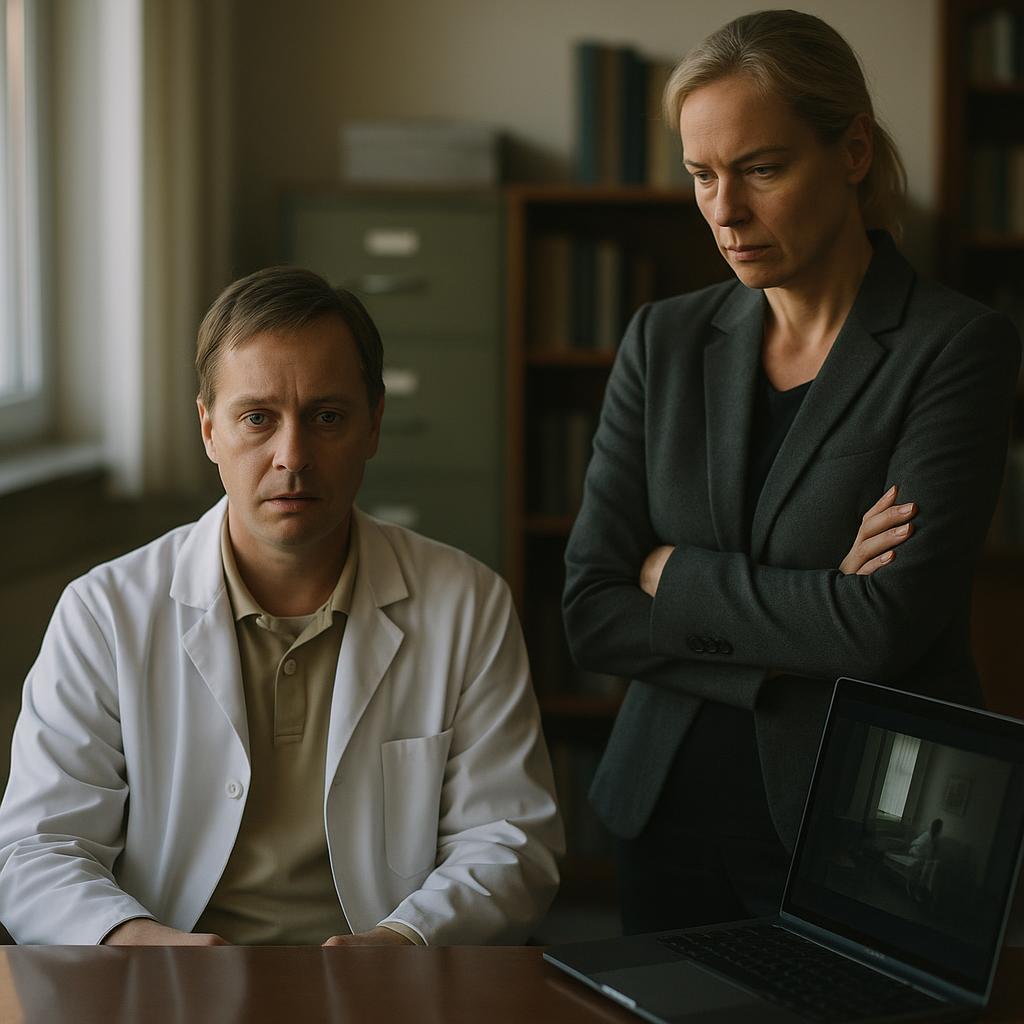 Image by RM AI
Denial and Excuses
Dr. Phillips cleared his throat, his fingers nervously straightening his tie. "I think you're misinterpreting what you're seeing," he said, his voice strained with forced authority. "Our staff often conducts night checks and sometimes reorganizes residents' belongings for...inventory purposes." I exchanged a glance with Michael, who raised an eyebrow in disbelief. "Inventory purposes? At midnight?" I asked, my voice deadly calm as I fast-forwarded to the timestamp showing 11:47 PM. "And does your inventory process include this?" I played the clip of Elaine pocketing Mom's porcelain bird, her soft laughter echoing through the speakers. Dr. Phillips' face went from pale to ashen. "That's—that could be—" he stammered, words failing him as the evidence played in high definition. Diane sat beside him, her face a perfect mask of professional neutrality, but I caught the slight twitch at the corner of her mouth. She knew. They all knew. "Would you like to see more?" Michael asked, his finger hovering over the laptop. "Because we have twelve separate incidents, Dr. Phillips. Twelve. And we've already sent copies to the police, the state licensing board, and our attorney." The mention of an attorney made Dr. Phillips flinch visibly, and I knew in that moment we had him cornered—but what I didn't expect was how quickly his defense would shift from denial to something far more disturbing.
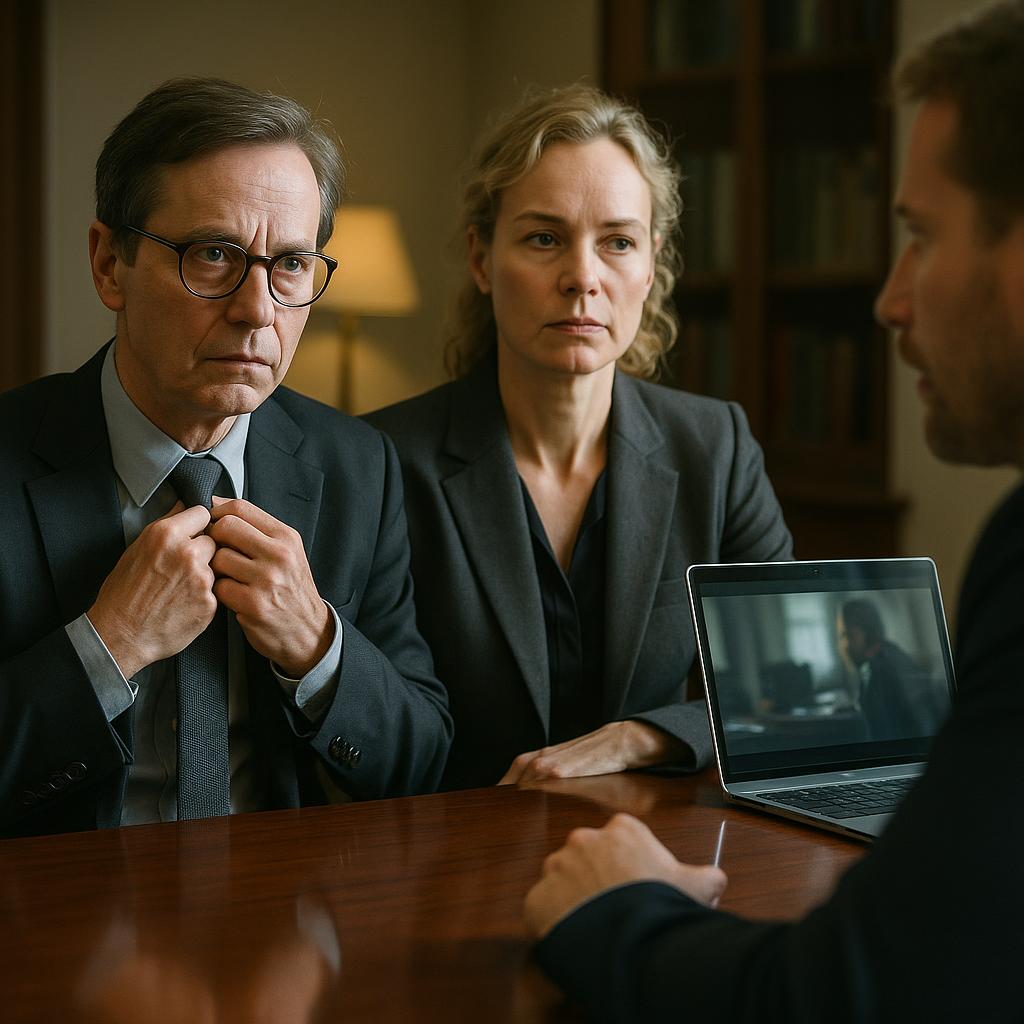 Image by RM AI
Ultimatum
I leaned forward, my voice steady despite the rage boiling inside me. "Dr. Phillips, let me be crystal clear about what happens next. I've already consulted with Patricia Lawson—you might recognize her name from the elder abuse cases she's won against three facilities in this county." His eyes widened slightly at the mention of her name. "By noon today, copies of these videos will be in the hands of Detective Ramirez at the police department, the state licensing board, and Channel 7's consumer watchdog reporter." Michael slid forward a document showing timestamps and employee names. "We've identified Vera, Martin, Elaine, and now Teresa in these videos. How many other residents are being robbed while you look the other way?" Dr. Phillips' transformation was remarkable—his arrogance melted away like ice in summer heat, replaced by naked panic. "Please," he whispered, glancing nervously at the door as if afraid someone might overhear his career imploding. "This would destroy us. The facility, my reputation—" I cut him off. "You should have thought about that before you dismissed my mother as 'confused' when she told you someone was stealing from her." His face crumpled, and I realized with sickening clarity that this wasn't just negligence—he'd known all along.
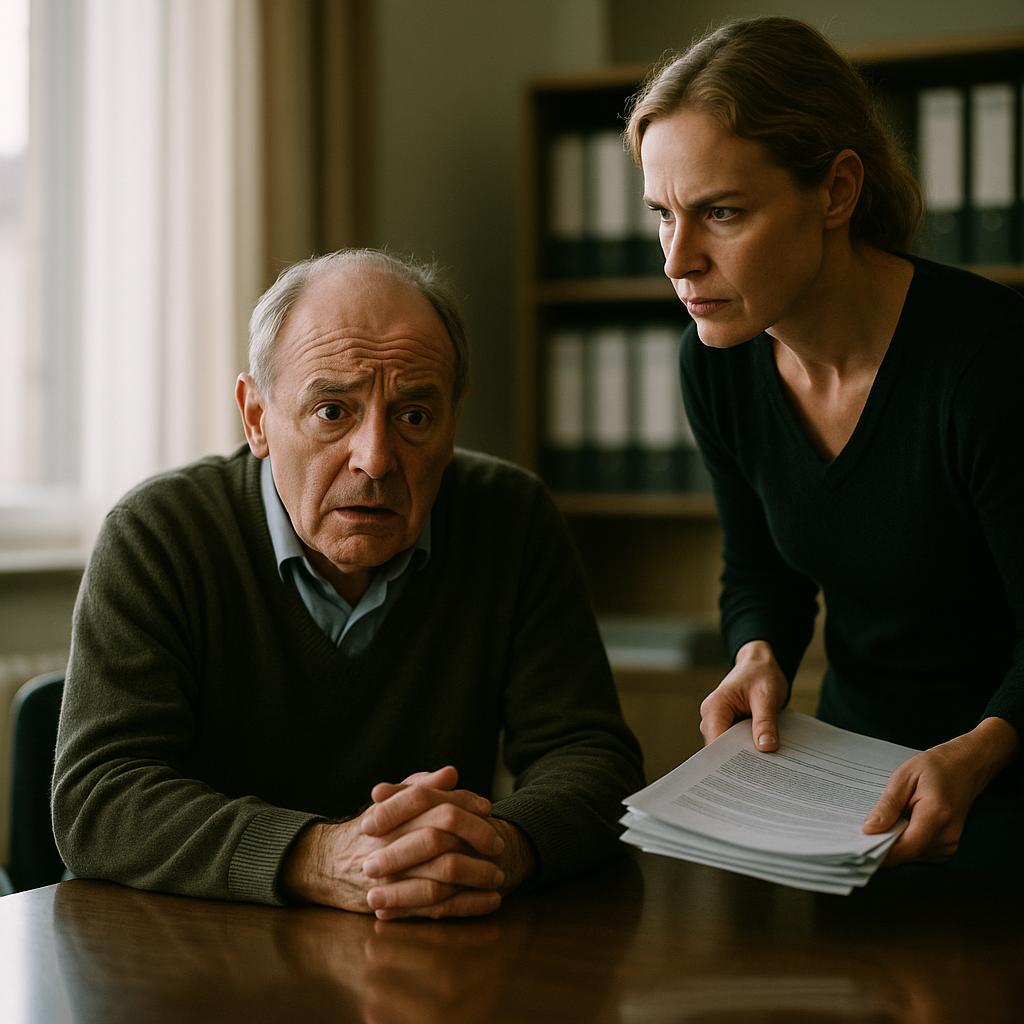 Image by RM AI
Moving Day
I stood up, my voice surprisingly steady as I delivered the final blow. "We're taking my mother home today. Right now." Dr. Phillips' face contorted into a practiced look of concern. "Mrs. Bennett, there are protocols for proper discharge—" Michael slid Patricia's legal letter across the polished desk before he could finish. "This outlines your facility's liability for elder abuse and theft," Michael explained, his tone calm but leaving no room for argument. "You can either help us pack Mom's things, or you can explain to the police why you're preventing the victim of multiple thefts from leaving." Dr. Phillips stared at the letter, his Adam's apple bobbing as he swallowed hard. The fight visibly drained from him as his eyes scanned Patricia's ruthlessly precise legal language. "I'll... have someone help you gather her belongings," he mumbled, not meeting my eyes. As we walked down the hallway toward Mom's room, I felt a strange mixture of victory and heartbreak. How would I explain this to her? That the place I'd chosen—promised her was safe—had betrayed her trust so completely? That I hadn't believed her until I had video evidence? I paused outside her door, gathering courage. "You okay?" Michael whispered. I nodded, though we both knew I wasn't. What I didn't realize then was that Mom's reaction would surprise us all—and that our battle with Sunny Pines was far from over.
 Image by RM AI
Mom's Reaction
I knelt beside Mom's bed as she methodically folded her nightgowns, her hands trembling slightly. "I'm ready to go," she said with such quiet certainty that I nearly broke down. There wasn't shock or confusion on her face—just pure relief. As Michael packed her photos, Mom leaned close to me. "They weren't good people, Sarah," she whispered, as if they might still hear her. "Sometimes my call button would ring for an hour before anyone came." My stomach twisted as she continued, revealing how her pain medication would sometimes be skipped, how she'd overheard nurses mocking Mr. Jenkins down the hall for his incontinence. "I didn't want to worry you," she explained, patting my hand. "You work so hard, and I know you felt guilty about bringing me here." Tears burned behind my eyes as I realized how much she'd endured in silence—protecting me while I should have been protecting her. When she described how Vera had once yanked her arm during a bath, leaving fingerprint bruises that had faded before my next visit, something inside me hardened. Mom had been suffering a private hell while I'd been reassured by smiling staff and glossy brochures. "We're going to make this right," I promised her, my voice breaking. What I didn't tell her was that making it right wouldn't just mean getting her out—it would mean making sure Sunny Pines could never hurt anyone else's mother again.
 Image by RM AI
Temporary Solutions
The Marriott suite felt like limbo—not home, but not the institutional nightmare of Sunny Pines either. Mom seemed to relax the moment we walked through the door, her shoulders dropping as she sank into the plush armchair by the window. "It's quiet here," she whispered, like it was a luxury she'd forgotten existed. While she napped in the bedroom, Michael and I spread our evidence across the kitchenette counter, speaking in hushed tones. "We need to file the police report tonight," he insisted, tapping the folder containing screenshots of Elaine pocketing Mom's porcelain bird. "But the media can wait." I nodded, imagining the chaos a news story would create—reporters calling, cameras outside whatever new facility we chose. "Mom needs stability first," I agreed, scrolling through a spreadsheet of highly-rated care homes I'd compiled. This time, I wasn't trusting glossy brochures or charming administrators. I'd already joined three Facebook groups for families of nursing home residents, where the unfiltered truth about local facilities flowed freely. "We're doing background checks on every employee if we have to," I said, my voice cracking with exhaustion. Michael squeezed my shoulder. "One battle at a time, sis." What he didn't say—what neither of us wanted to acknowledge—was that our evidence might not be enough to shut Sunny Pines down completely.
 Image by RM AI
Police Report
Detective Morales didn't flinch when I slid my phone across her desk, the video evidence queued up and ready. "I've seen a lot in my twenty years on the force," she said, her expression hardening as she watched Elaine pocket Mom's porcelain bird, "but there's something especially cruel about stealing from people who can't defend themselves." Michael and I exchanged glances as she methodically documented each incident, pausing occasionally to ask clarifying questions. "The good news," she explained, tucking a strand of salt-and-pepper hair behind her ear, "is that your evidence is unusually strong. Most elder abuse cases are he-said-she-said situations." When she asked if we'd be willing to testify if charges were filed, we both nodded without hesitation. "Absolutely," I said, though my stomach knotted at the thought of Mom having to relive this nightmare in court. As if reading my mind, Detective Morales leaned forward. "We'll do everything possible to minimize your mother's involvement," she assured us, "but I need you to understand something—these people picked the wrong family to mess with, and I'm going to make sure they regret it." What she said next about the investigation would change everything.
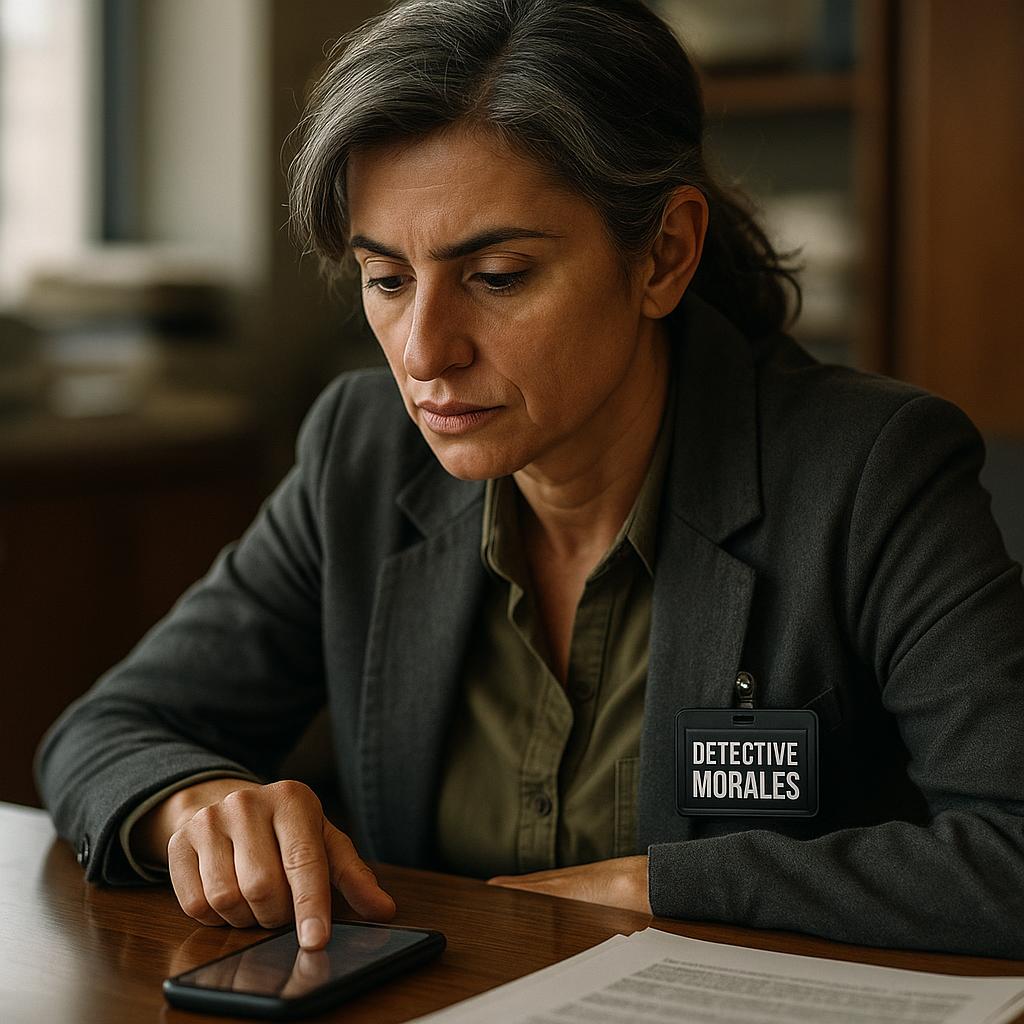 Image by RM AI
The Investigation Begins
Detective Morales called me at 7:30 AM, her voice carrying a mix of determination and barely contained anger. "We've opened a formal investigation into Sunny Pines," she explained, the sound of papers shuffling in the background. "Your evidence was just the tip of the iceberg." My coffee went cold in my hand as she detailed how our report had triggered an avalanche—five other families had come forward in just 48 hours with nearly identical stories. "They're targeting specific residents," she said, her voice dropping. "Have you noticed any pattern?" I closed my eyes, mentally cataloging Mom's neighbors: Mrs. Chen, whose son lived overseas; Mr. Jenkins, whose wife had dementia herself; Ms. Rodriguez, whose family visited maybe once a month. The realization hit me like a physical blow. "They're preying on people without advocates," I whispered, my voice breaking. "The ones whose families can't visit often or who might not notice things missing." The detective's silence confirmed my suspicion. "That's exactly what we're seeing," she finally said. "These people weren't just opportunistic thieves—they were systematically targeting the most vulnerable residents." As I hung up, I realized with sickening clarity that if I hadn't installed that camera, Mom might have been dismissed as "confused" until there was nothing left to steal but her dignity.
 Image by RM AI
New Facility Search
The next week was a blur of facility tours and interrogations that would make the FBI proud. Michael and I created a spreadsheet ranking each place on security, staff turnover, and resident happiness—metrics I'd never thought to prioritize before. "We're not making the same mistake twice," I told him as we walked unannounced into Oakridge Gardens at 6:30 AM. The night shift looked startled but not alarmed—a good sign. Unlike Sunny Pines' rehearsed tours, we insisted on speaking with residents alone. "How do they treat you when family isn't around?" I asked Mrs. Wilson, a sharp-eyed woman who reminded me of Mom. "They're decent folks," she whispered, "and they have cameras everywhere—even caught a visitor stealing from my roommate last month." When the director, Ms. Patel, showed us their security system without hesitation—hallway cameras, electronic inventory tracking, background checks that went back 15 years—I felt something I hadn't experienced in weeks: hope. "We implemented these measures after an incident three years ago," she explained. "One bad apple can destroy trust forever." As she pulled up their staff screening protocols on her computer, I caught Michael's eye. We were both thinking the same thing: this place understood what was at stake. What we didn't know was that our investigation into Sunny Pines was about to blow wide open in ways none of us had anticipated.
 Image by RM AI
Media Interest
The call from Sophia Martinez at Channel 7 came while I was reviewing Oakridge Gardens' visitor policy. "I understand you've uncovered something disturbing at Sunny Pines," she said, her voice carrying that perfect blend of sympathy and determination that good reporters master. My stomach tightened. "How did you—" "Source at the police department," she interrupted. "Don't worry, they didn't share details." After a moment's hesitation, I called Patricia, who advised cautious cooperation. "This could help other families," she said. When I met Sophia at a quiet coffee shop, her notebook already filled with half-written exposés, she confessed she'd been trying to crack Sunny Pines for months. "Three former employees contacted me about theft rings targeting residents, but I couldn't get proof," she explained, eyes widening as I mentioned our footage. "Your evidence could be what finally exposes them." As she outlined her vision for the story—focused on systemic failures rather than just our experience, with Mom's identity protected—I realized our private nightmare might serve a greater purpose. "There are probably dozens of families who don't even know they've been victimized," Sophia said softly. What she showed me next made my blood run cold: a spreadsheet tracking suspicious incidents at six different facilities, all with overlapping staff members.
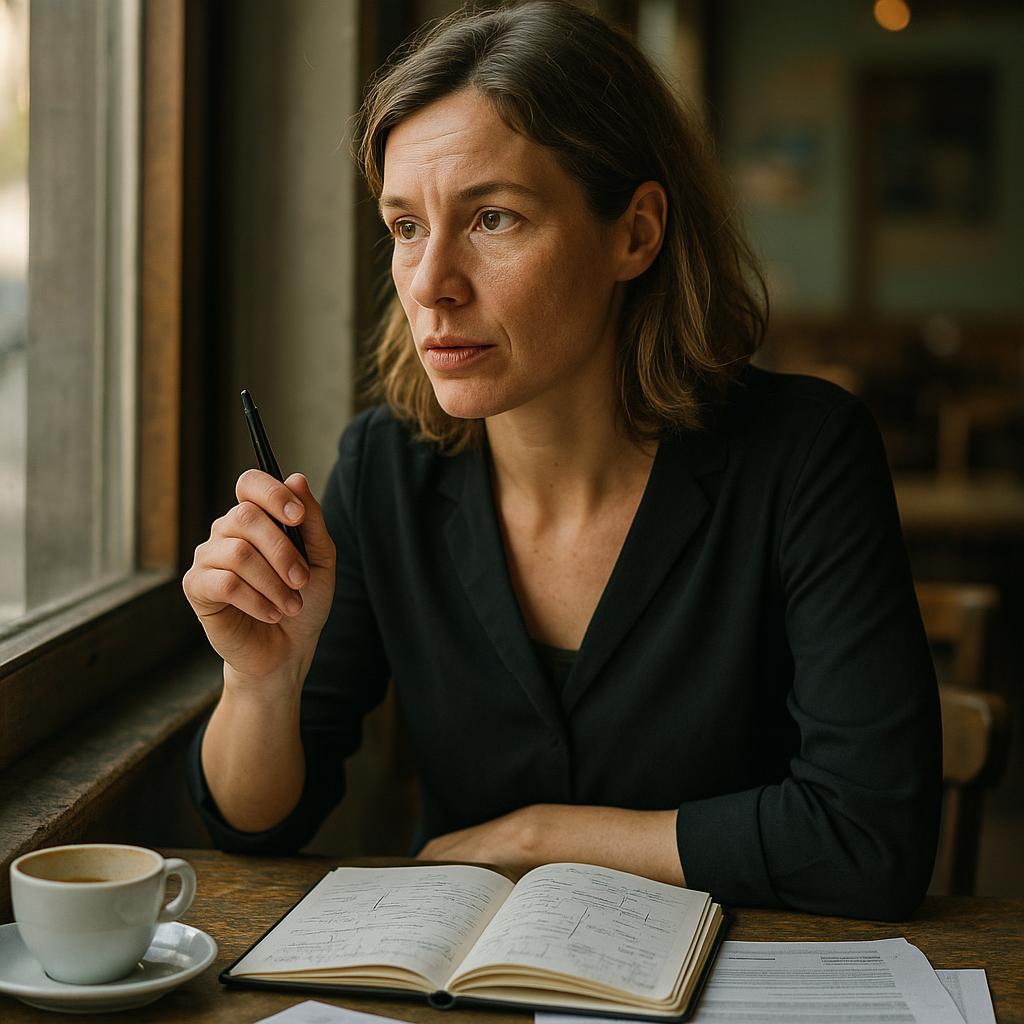 Image by RM AI
The Interview
Patricia's office felt like a fortress compared to the chaos of the past weeks. Sophia Martinez set up her camera equipment with practiced efficiency, her Channel 7 press badge catching the light as she moved. "Just speak naturally," she advised, adjusting the microphone clipped to my blouse. "Tell your story like you're explaining it to a friend." Michael and I took turns describing everything—the missing items, the dismissive staff responses, the gut feeling that something was deeply wrong. When I mentioned installing the hidden camera, Sophia leaned forward, her professional demeanor slipping for a moment. "May I see some of the footage?" she asked. I hesitated before playing the clip of Elaine pocketing Mom's porcelain bird, that soft, cruel laugh echoing through Patricia's office. Sophia's sharp intake of breath was audible. "Jesus," she whispered, momentarily forgetting the rolling camera. After we finished recording, she stayed behind, her equipment packed but her notebook still open. "My grandmother was in Willowbrook three years ago," she confessed quietly. "Things kept disappearing. Everyone told me she was confused." Her eyes met mine with fierce understanding. "I never got proof like you did." What she said next about other facilities in the area made me realize our story was just one thread in a much larger, darker tapestry.
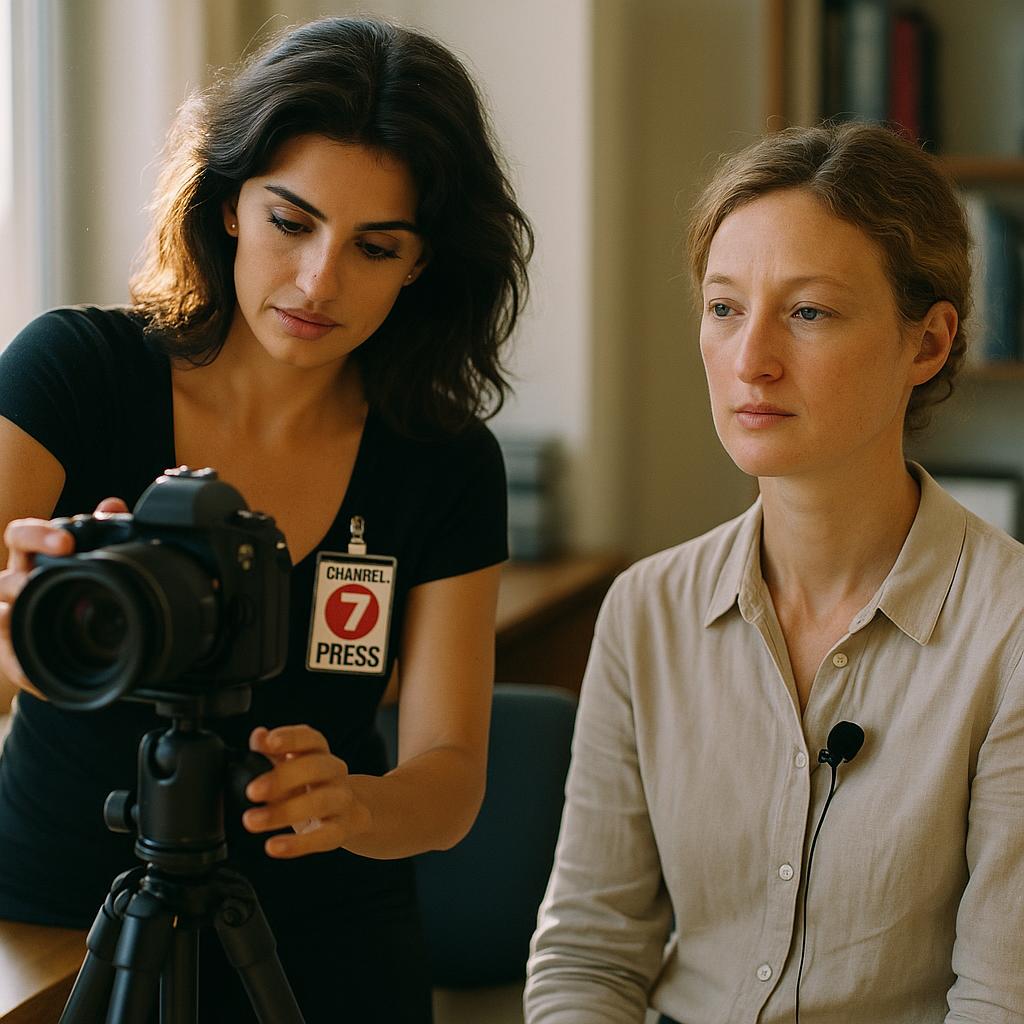 Image by RM AI
Moving to Oakridge
Moving day arrived with a mix of hope and anxiety. Director Jenkins at Oakridge Gardens personally greeted us, showing us to Mom's new room where he'd installed additional security features—a door alarm and a special lock box—at no extra charge. "After what happened at Sunny Pines, we want your mother to feel safe here," he explained, his sincerity evident in the way he addressed Mom directly rather than talking over her. Thomas, Mom's primary nurse, spent nearly an hour with us, carefully noting her medication schedule, her preference for sleeping with the window cracked, and even her favorite tea. "I like to know who I'm caring for," he said with a genuine smile that reached his eyes. That night, back at my apartment, I found myself jolting awake at 11:47 PM—the exact time Elaine had entered Mom's room at Sunny Pines. I grabbed my phone, half-expecting security alerts even though we hadn't installed cameras at Oakridge. The rational part of me knew Mom was safer now, but trauma doesn't listen to reason. I called the night desk just to check, and the nurse answered immediately. "Mrs. Bennett is sleeping soundly," she assured me. "I just checked on her ten minutes ago." I thanked her and hung up, but as I drifted back to sleep, I couldn't shake the feeling that our ordeal with Sunny Pines wasn't truly over—and I had no idea how right I was.
 Image by RM AI
The Story Breaks
I woke up Sunday morning to my phone buzzing non-stop. Sophia's article had hit the front page of the Tribune and exploded online. "Elder Abuse Uncovered: Hidden Camera Reveals Systematic Theft at Local Nursing Home" screamed the headline. She'd done an incredible job balancing our story with the broader crisis—statistics about elder abuse, expert quotes about prevention, and most importantly, resources for other families. By noon, my inbox was flooded with messages. "The same thing happened to my dad at Greenview," wrote one woman. "They gaslit me for months about his missing watch." Local TV stations picked up the story by evening, with Channel 4 and 7 both running segments during prime time. What shocked me most wasn't the media attention but the sheer volume of similar stories pouring in—dozens of families across three counties describing nearly identical experiences. Some had suspected theft but couldn't prove it; others had given up fighting dismissive administrators who insisted their loved ones were "just confused." As I scrolled through message after message, a notification from Detective Morales popped up: "Need to talk ASAP. We've identified a network operating across multiple facilities. Your mother wasn't their first victim, but thanks to you, she might be their last."
 Image by RM AI
Sunny Pines Fallout
Detective Morales called me at 6:15 AM, her voice carrying an edge of triumph. "We got her," she said without preamble. "Vera broke down during questioning and she's naming names." I sat up in bed, suddenly wide awake. According to Morales, Vera had implicated six other staff members and dropped the bombshell we'd suspected all along—management knew. "She claims Dr. Phillips had an arrangement where he'd look the other way for a cut of the more valuable items," Morales explained, disgust evident in her voice. I felt physically ill imagining him sitting across from me, offering empty reassurances while knowing exactly what was happening. By afternoon, a sterile press release appeared on Sunny Pines' website announcing Dr. Phillips had "resigned to pursue other opportunities"—corporate-speak that fooled absolutely no one. Sophia texted me minutes later: "Sources confirm Phillips was FIRED. Corporate owners freaking out, lawyers everywhere. This is bigger than we thought." I forwarded the message to Michael, adding: "Justice is happening." What I didn't realize then was that Vera's cooperation would uncover something far more disturbing than theft—something that would make the missing wedding ring seem almost trivial by comparison.
Support Group Formation
My inbox had become a digital confessional booth. "They took my father's Purple Heart while he was sleeping." "The administrator told me my mother was 'making things up' when her wedding band disappeared." Each message felt like looking into a mirror of my own experience. With Patricia's guidance, I created a Facebook group called "Voices for Vulnerable Seniors" that exploded to fifty members within days. "This isn't just about theft anymore," I told Michael as we prepared handouts for our first in-person meeting. "It's about the systematic gaslighting of families who know something's wrong." Patricia had offered her conference room, expecting maybe a dozen people. When thirty-seven showed up, we had to move to the building's community space. As everyone introduced themselves, I noticed the same haunted look in their eyes that I'd seen in my own reflection for weeks. "We're not just sharing stories," I announced, my voice steadier than I felt. "We're building a case." When Sophia arrived halfway through with a legal pad full of notes about similar cases across three states, the room fell silent. "What we're uncovering," she said grimly, "suggests this isn't just a few bad employees—it's an organized network targeting the elderly." What she revealed next about the connection between facilities would change everything about our approach.
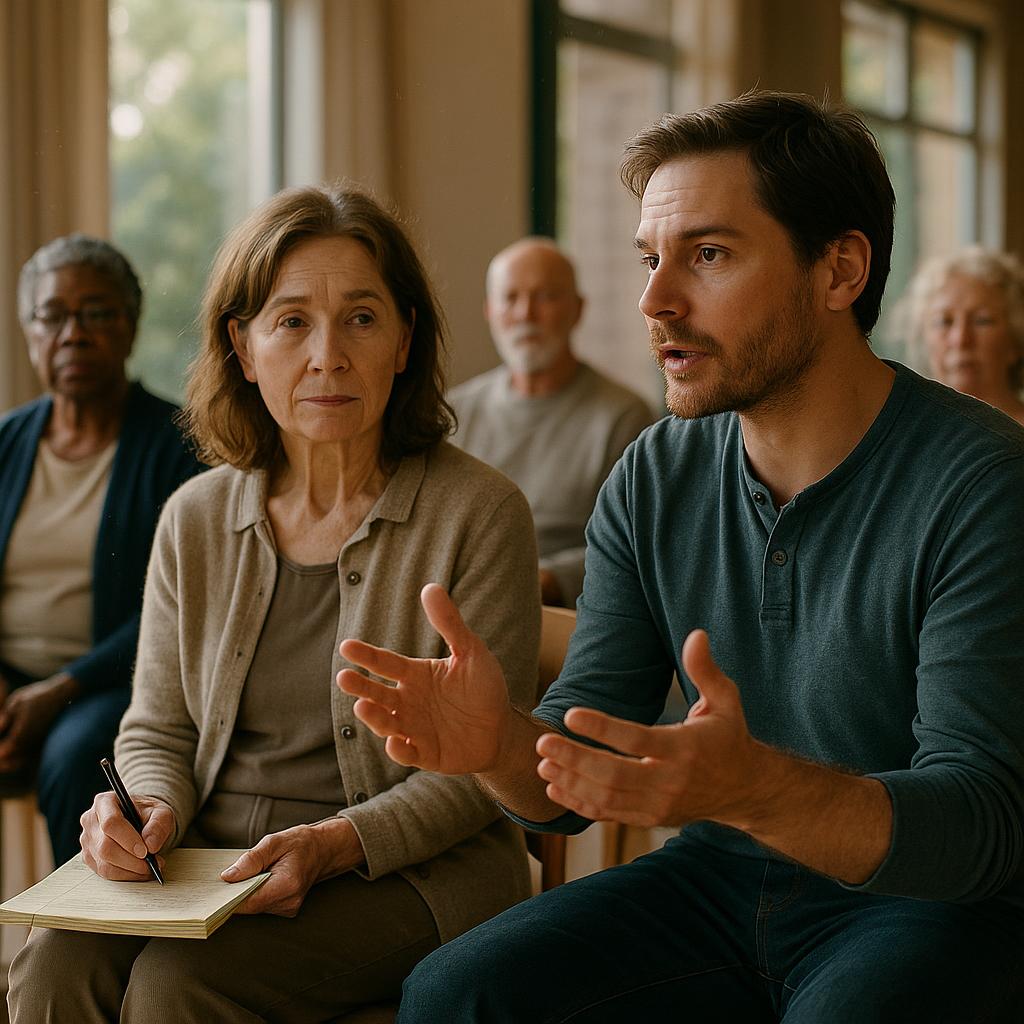 Image by RM AI
The First Recovery
Detective Morales called me on Tuesday morning, her voice carrying an unusual lightness. "We found something of your mother's," she said, and my heart skipped. Two hours later, she met me at Oakridge's entrance, a small evidence bag in her gloved hand. Inside was Mom's porcelain bird—the delicate blue figurine Dad had bought her in Bermuda on their honeymoon. "We recovered it during the search of Elaine's apartment," Morales explained, her eyes softening. "First of many, I hope." When I placed it in Mom's hands that afternoon, her entire body trembled. "Oh my goodness," she whispered, tears streaming down her weathered cheeks. "John found this in that little shop by the harbor." Her fingers traced the bird's wings as she recounted how Dad had insisted on buying it despite the outrageous price. "He said blue things bring good luck on the water," she smiled through tears. That night, I watched her place it carefully on her new bedside table at Oakridge, adjusting it three times until it faced exactly right. This tiny victory—this small piece of her history returned—somehow made the depositions, the police interviews, and the media circus feel worthwhile. What I didn't know then was that the bird was just the beginning of what they'd find in Elaine's apartment.
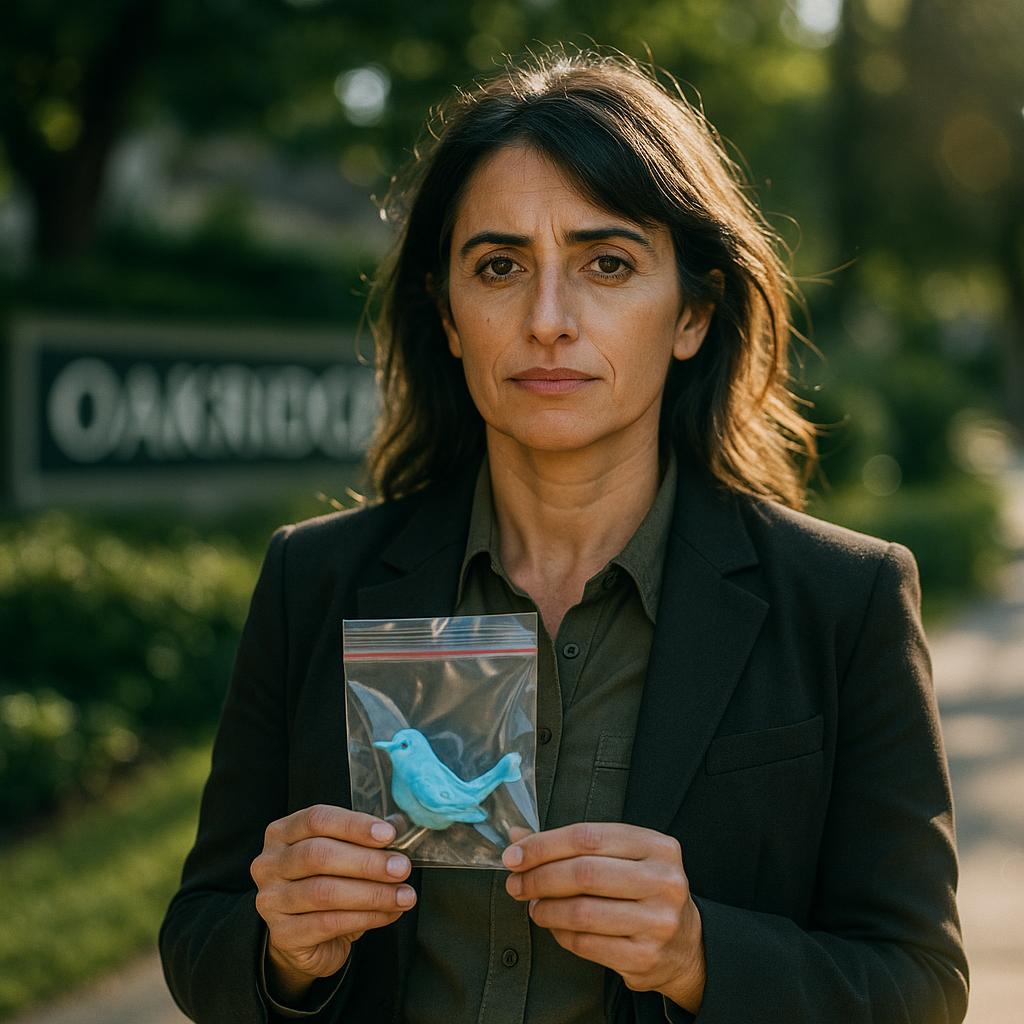 Image by RM AI
The Support Group Meeting
The community center buzzed with nervous energy as twenty-three people gathered for our first Eldercare Advocacy Network meeting. Patricia had arranged the chairs in a circle, creating an intimacy that seemed to encourage sharing. One by one, people stood and told stories that made my stomach clench—missing heirlooms, unexplained bruises, medication "errors." Sophia sat in the corner, her pen flying across her notepad, occasionally looking up with an expression that mirrored my own horror. But it was Victor, a stooped man in his eighties with hands that trembled slightly, who broke me. "My Elaine was dying," he said, his voice cracking. "Her wedding ring—the one I put on her finger sixty-two years ago—disappeared three days before she passed. The staff told me she probably removed it herself." He paused, tears streaming down his weathered face. "She couldn't even lift her hand by then." The room fell silent. I exchanged glances with Michael, the same realization hitting us both: this wasn't new. This had been happening at Sunny Pines for years, maybe decades. How many families had been gaslit, told their loved ones were "confused" or "forgetful"? How many treasured memories had been pocketed and sold? What Victor said next about the administrator's response would confirm our worst suspicions about how deep this corruption really went.
 Image by RM AI
The Wedding Ring
Detective Morales called me on a Tuesday afternoon, her voice unusually animated. "We found it," she said, and I knew immediately what 'it' was. "Martin had quite the collection in his apartment." Two days later, I drove Mom to the police station, trying to manage her expectations. She'd been so heartbroken over Dad's ring that she'd stopped mentioning it altogether, as if speaking of it only deepened the wound. When Detective Morales brought out the small evidence bag, Mom's hands flew to her mouth. "Is that...?" she whispered. The detective nodded, carefully removing the gold band that Dad had placed on Mom's finger nearly fifty years ago. "We found it in a jewelry box with items from at least seven other residents," she explained, her professional demeanor softening as she watched Mom's reaction. With gloved hands, Morales gently slid the ring onto Mom's trembling finger. Mom stared at it, tears streaming down her face. "John always said it was a perfect circle, like our love," she whispered. I hadn't seen her this present, this connected to herself, in months. Even Detective Morales discreetly wiped her eye before clearing her throat. "We're building a solid case," she assured us. What she didn't tell us then—but would reveal later—was that Martin's apartment had yielded something far more disturbing than stolen jewelry.
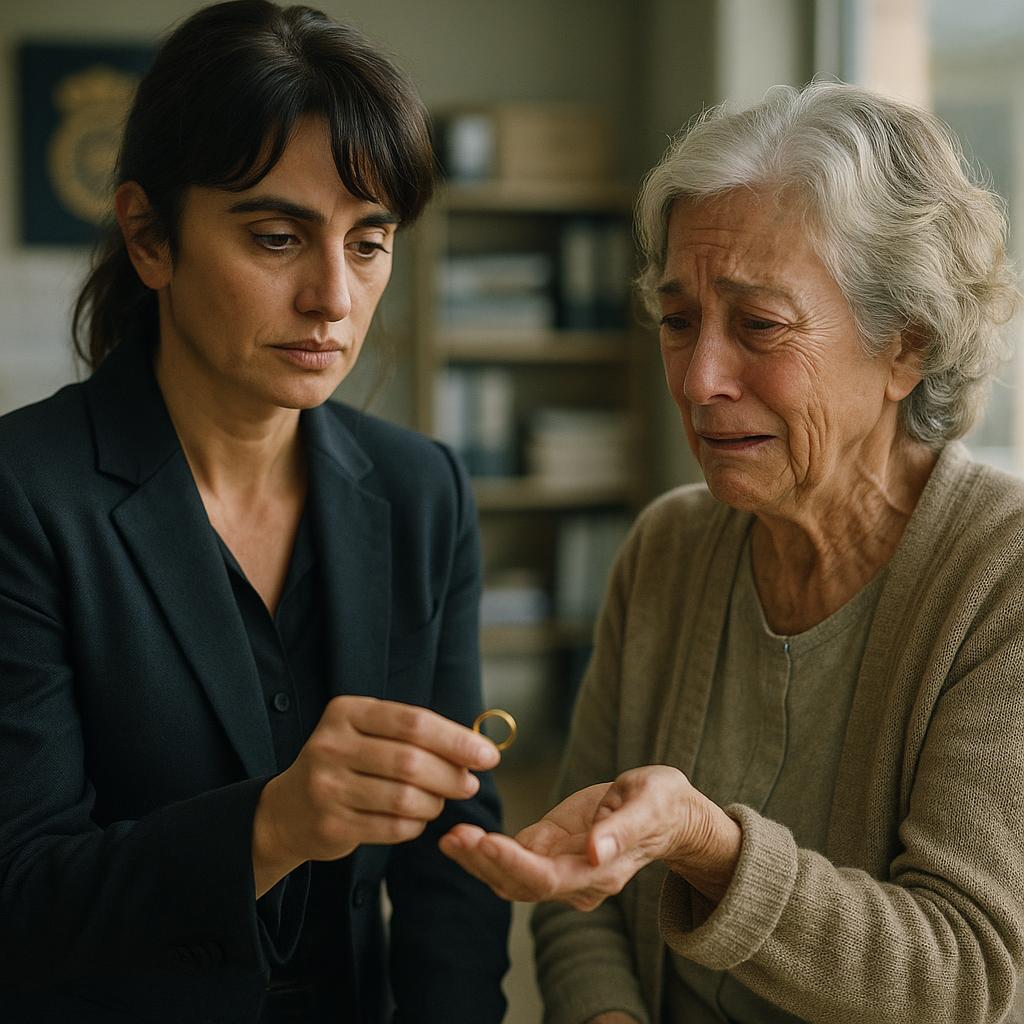 Image by RM AI
The Charges Expand
The district attorney's press conference felt surreal as I watched from my living room. 'Seven Sunny Pines employees have been formally charged,' the DA announced, her voice steady as camera flashes erupted. The charges were staggering: theft, elder abuse, conspiracy. I gasped when Diane's face appeared on screen—the floor manager who'd looked me in the eye and promised they'd 'keep searching' for Mom's ring. According to Patricia, who called me immediately after, Diane had been receiving a percentage of stolen goods in exchange for strategic scheduling that paired certain staff members together and deliberately ignoring resident complaints. 'This is why your concerns were dismissed so consistently,' Patricia explained. 'The conspiracy charges are game-changers—they carry much heavier penalties.' When I told Mom about the charges, she simply nodded. 'I knew something wasn't right about that Diane,' she said. 'She always looked at my jewelry funny.' The civil litigation Patricia was preparing suddenly seemed more promising. 'With conspiracy charges on the table, our chances for meaningful compensation just skyrocketed,' she explained. What none of us realized yet was that the investigation was about to uncover something far more disturbing than a theft ring—something that would make national headlines and change eldercare regulations across the state.
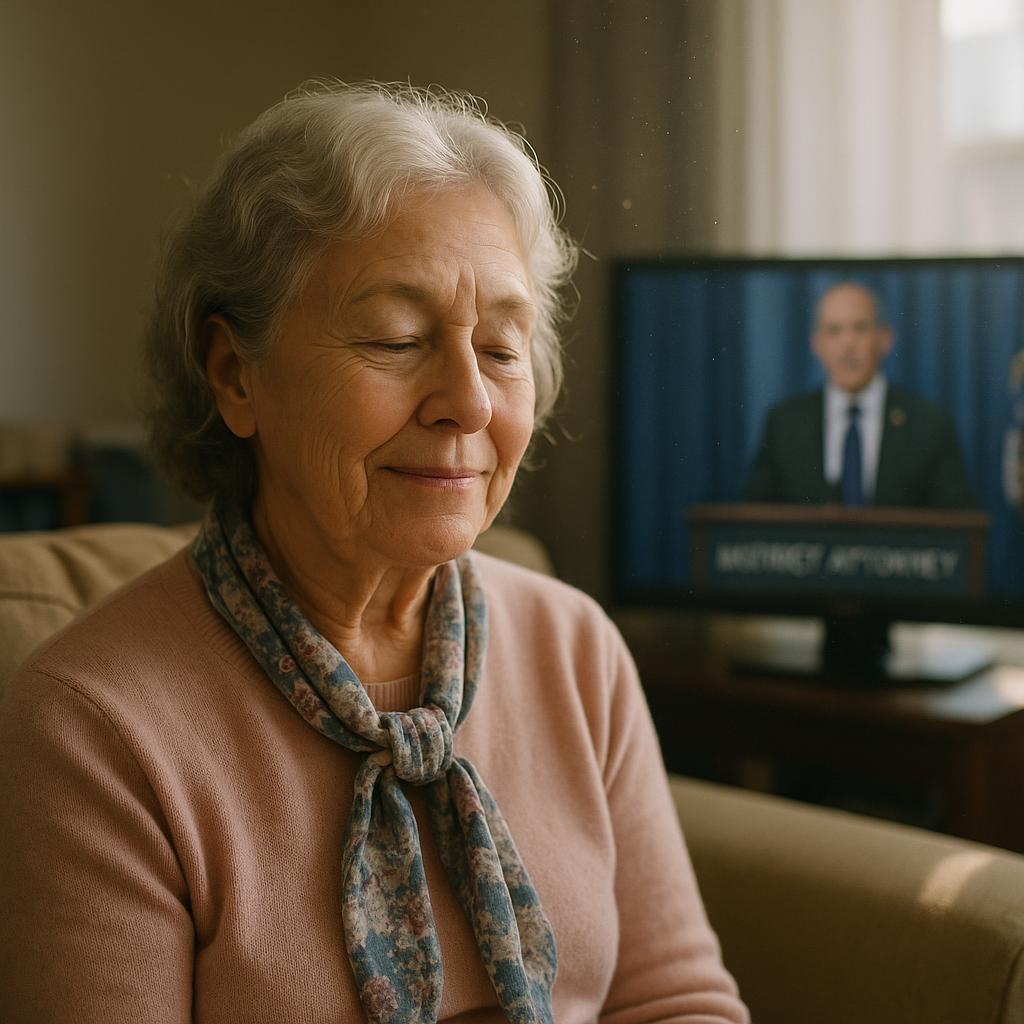 Image by RM AI
Corporate Response
The press release from Evergreen Senior Living landed in my inbox with a corporate thud. 'We are shocked and dismayed by the allegations at our Sunny Pines facility,' it read, dripping with manufactured concern. They announced a slew of new security measures—cameras in common areas, electronic inventory tracking, background checks—all things that should have been standard from day one. I might have believed their performance if Sophia hadn't forwarded me what arrived next: internal emails from an Evergreen whistleblower showing complaints of theft at THREE other facilities dating back two years. 'They knew,' Sophia texted. 'They've been getting these reports and burying them.' The documents showed executives discussing 'containment strategies' and 'reputation management' while elderly residents lost irreplaceable memories. One email from the CFO actually calculated the cost-benefit analysis of addressing the thefts versus potential litigation. My hands shook with rage as I forwarded everything to Patricia. This wasn't just about Mom anymore. This was about a corporation that saw vulnerable seniors as profit centers, their memories as acceptable collateral damage. 'We need to go bigger,' I told Michael that night. 'This isn't just Sunny Pines—it's the whole damn system.' What I didn't realize was that my little hidden camera had just lit the fuse on what would become a nationwide reckoning.
 Image by RM AI
Legislative Interest
The email from Senator Alvarez's office arrived on a Tuesday morning with a subject line that made me do a double-take: 'Request for Testimony - Elder Care Reform Hearings.' I stared at my screen, coffee forgotten in my hand. A state senator had read Sophia's exposé and wanted our group to testify. When I called Patricia to share the news, she wasn't surprised. 'This is exactly what we've been working toward,' she said, her voice steady with purpose. 'Your hidden camera didn't just catch thieves—it caught a broken system.' Over the next two weeks, Patricia helped me craft testimony that wove Mom's story into the larger pattern we'd uncovered. 'Balance emotion with facts,' she advised as we rehearsed in her office. 'Legislators respond to both.' The day before the hearing, Senator Alvarez herself called me. 'I should warn you,' she said, her voice dropping slightly, 'the eldercare lobby has killed every meaningful regulation attempt for the past decade. They've already lined up 'experts' to testify that these are isolated incidents.' I felt my resolve harden. 'Let them try,' I replied. 'We have fifty-seven families with evidence that says otherwise.' What I didn't realize then was that walking into that hearing room would put a target on my back that would follow me for months to come.
 Image by RM AI
Mom's Adjustment
Between the press conferences and support group meetings, I made sure to carve out quality time with Mom at Oakridge. Watching her slowly rebuild her sense of security became my anchor amid the chaos. "I painted a bluebird today," she told me one afternoon, proudly displaying a watercolor that reminded me of the porcelain figurine we'd recovered. "The art teacher says I have a good eye for detail." It had been decades since she'd picked up a paintbrush, but now she attended every art therapy session, often staying late to perfect her work. I noticed she was making friends too—especially with Doris, a former librarian who shared Mom's love of mystery novels. They'd sit together during meals, heads bent in conversation. But healing takes time. I caught Mom one evening methodically checking her jewelry box, counting each piece under her breath. "Just making sure," she whispered when she noticed me watching. "I know it's silly, but..." "It's not silly," I assured her, sitting beside her on the bed. "After what happened, it makes perfect sense." She nodded, carefully placing her wedding ring back in its velvet slot. "Thomas checks on me, you know. Not just for medicine. He actually sees me." That night as I drove home, I realized that while we were fighting for justice in courtrooms and legislative halls, the most important battle—restoring Mom's sense of safety—was happening in quiet moments I almost missed.
Plea Deals
District Attorney Hoffman called me into her office on a rainy Tuesday morning. The fluorescent lights made her look even more exhausted than usual as she explained that Martin and two other staff members had accepted plea deals. "They're giving us everything on Diane and Dr. Phillips," she said, sliding a folder across her desk. "The theft ring was... organized. Methodical." My stomach turned as she detailed how Martin had confessed that Dr. Phillips specifically instructed staff to target residents with memory issues or those who rarely had visitors. "They called them 'easy marks,'" Hoffman said, her voice tight with controlled anger. I had to grip the armrests to stay upright, thinking of all those vulnerable people deliberately selected because no one would believe them—or worse, because no one was watching out for them. Patricia tried to reassure me later that these plea deals strengthened both the remaining criminal cases and our civil litigation. "This is actually good news for justice," she insisted over coffee. But I couldn't find comfort in legal strategy. All I could think about was Mom, alone in that room, targeted because they thought no one was paying attention. What kept me up that night wasn't just that some of these people would get reduced sentences—it was wondering how many other facilities had similar predators walking their halls, looking for the next resident whose complaints would be dismissed as "confusion."
 Image by RM AI
Senate Testimony
The Senate chamber felt impossibly vast as I approached the microphone. My hands trembled slightly as I adjusted my notes, but when I looked up and saw Mom sitting in the front row with Michael, my resolve hardened. 'My mother's wedding ring wasn't just jewelry,' I began, my voice steadier than I expected. 'It was fifty years of marriage, of memories, of promises kept.' I walked the committee through everything—the dismissive staff, the gaslighting, the hidden camera footage that finally revealed the truth. When Sophia's articles and our video evidence were entered into the official record, I watched several senators lean forward, visibly disturbed. Then came the industry representatives with their rehearsed talking points about 'isolated incidents' and 'a few bad actors.' I might have believed them once, before all this. The breaking point came when a slick lobbyist in an expensive suit suggested that 'excessive regulation would make elder care unaffordable.' Something in me snapped. 'How much,' I asked, my voice shaking with barely controlled fury, 'do you think my mother's wedding ring was worth to her?' The chamber fell silent. Senator Alvarez seized the moment, methodically presenting the whistleblower documents showing identical patterns across multiple facilities. What happened next would change eldercare legislation forever.
 Image by RM AI
National Attention
I never expected to see Mom's face on the cover of Time magazine. The headline—"Silent Theft: America's Hidden Epidemic of Elder Abuse"—ran beside a photo of her holding her recovered wedding ring. The twelve-page feature detailed everything: our hidden camera footage, the theft ring, and the corporate emails proving Evergreen knew about similar issues at multiple facilities. What truly broke the internet were the interviews with former Sunny Pines employees who confirmed everything—and worse, revealed this wasn't unique to one company. "This is standard practice at half the places I've worked," admitted one anonymous nurse's aide. My phone wouldn't stop buzzing with notifications as the article went viral. Suddenly, I was fielding calls from CNN, Fox News, and every morning show in America. "Your mother's story has become a rallying cry," the Time journalist told me during a follow-up call. Our Facebook group exploded from a few dozen members to over fifteen thousand in three days. Families from Seattle to Miami shared eerily similar stories—the same patterns of theft, the same dismissive responses, the same gaslighting. What had begun as my desperate attempt to protect Mom had morphed into something I could barely control. "We need structure," Patricia advised as we watched the membership counter climb. "This isn't just a support group anymore—it's a movement." What none of us realized was that among our new followers were people with the power to change everything—including someone who had been gathering evidence for years.
 Image by RM AI
Corporate Lawsuit
The day Patricia filed our civil lawsuit against Evergreen Senior Living, I felt a strange mix of vindication and dread. Twenty-seven families joined us as plaintiffs—each with stories that mirrored Mom's, each carrying the same pain of betrayal. The 42-page complaint wasn't just about stolen jewelry; it meticulously documented how Evergreen's corporate policies created the perfect environment for predators. "They deliberately understaffed weekends and nights," Patricia explained as we reviewed the filing. "They ignored background check red flags. They created a reporting system designed to bury complaints." I wasn't surprised when Evergreen's high-priced lawyers immediately filed to dismiss our case, waving residency contracts with arbitration clauses in microscopic print. "They think they've got us," I told Michael that night. "They always hide behind those clauses." But Patricia had anticipated this move. The next morning, she called with that confident tone I'd come to recognize as her 'checkmate' voice. "Criminal charges change everything," she explained. "State law invalidates arbitration clauses when there's evidence of criminal conduct. Their motion just collapsed." What Evergreen didn't know was that Patricia had been building this case for months before we even met—and she had an insider ready to testify who would blow the whole corporate cover-up wide open.
 Image by RM AI
The First Trial
The morning of Vera's trial, my stomach was in knots. Mom had barely slept, and honestly, neither had I. "What if they don't believe me?" she'd whispered the night before, her voice small in the darkness of her Oakridge apartment. I'd stayed over, sleeping on her pull-out sofa because I couldn't bear the thought of her facing this alone. "They'll believe you," I promised, sitting beside her on the bed. "You know why? Because you're telling the truth." We spent hours talking about Dad—how he'd always said she was the strongest person he knew, how proud he would be of her standing up not just for herself but for others. When morning came, I watched her transform. She chose her outfit carefully—the blue dress Dad always loved, her recovered wedding ring prominently displayed. In the courtroom, I could see her hands trembling as she took the stand, but her voice never wavered. She described the nighttime intrusions, the missing items, the dismissive responses when she reported them. "I knew I wasn't confused," she said firmly, looking directly at Vera. "I knew someone was coming into my room." Several jurors wiped away tears when she described what Dad's ring meant to her. The prosecutor later told me he'd rarely seen testimony so powerful. But what happened after Mom stepped down would change everything about the case.
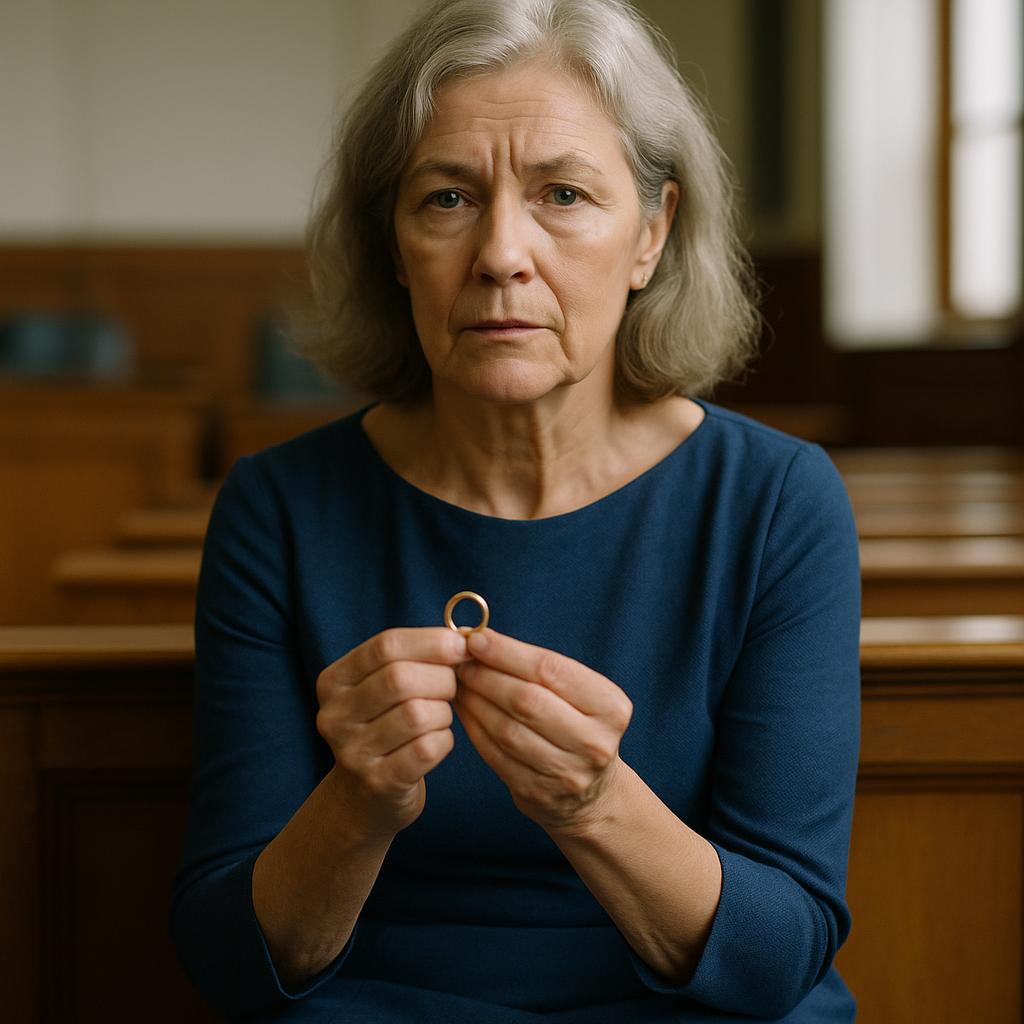 Image by RM AI
Video Evidence
The courtroom fell silent as the prosecutor announced, "Your Honor, the State would like to present Exhibit 14." I squeezed Mom's hand as they wheeled in the TV monitor. This was the moment we'd been waiting for. Vera's attorney immediately jumped up, objecting that my hidden camera footage was "obtained illegally without consent." The judge peered over his glasses. "Ms. Reynolds' room was her private residence. Objection overruled." When the video began playing, the effect was immediate. There was Vera, clear as day, methodically going through Mom's dresser drawers at 11:47 PM, pocketing items, then moving to the closet. The jury leaned forward collectively, some gasping audibly. I glanced at Vera, whose face had drained of color as she watched herself on screen. Her shoulders slumped visibly, the realization seeming to hit her that no clever defense could explain away what everyone was witnessing. Her attorney frantically scribbled notes, but the damage was done. "Sometimes," the prosecutor said, pausing the video on a frame of Vera holding up Mom's porcelain bird to examine it, "a picture is worth a thousand words. But video? Video tells the whole story." What happened next would change the entire trajectory of not just this case, but all the cases to follow.
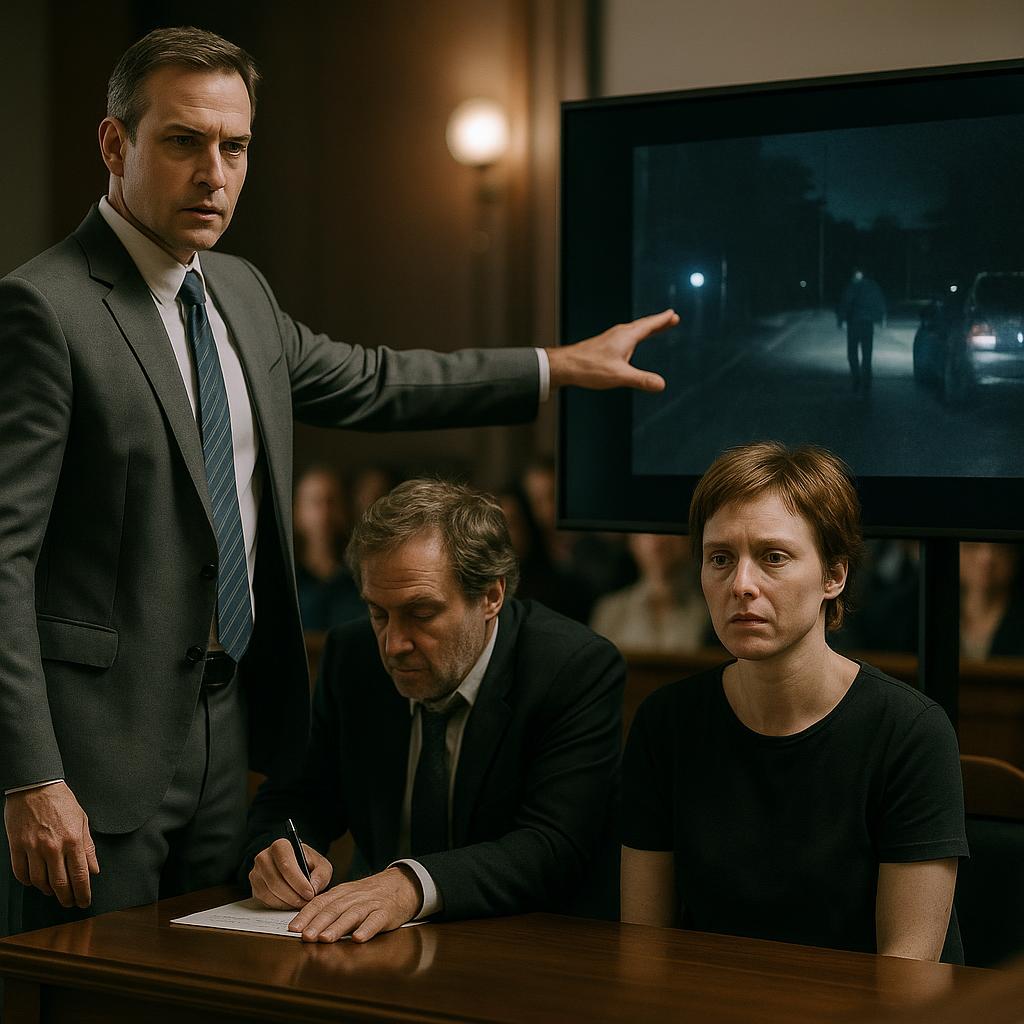 Image by RM AI
Verdict and Sentencing
The courtroom was dead silent as the jury foreman stood. 'On all counts, we find the defendant guilty.' Three hours of deliberation was all it took. I felt Mom's hand grip mine so tightly it almost hurt, but I didn't pull away. Two weeks later, we were back for sentencing, and Judge Keller didn't hold back. 'Ms. Hernandez,' he said, leaning forward with barely contained disgust, 'you were entrusted with the care of our most vulnerable citizens. Instead, you exploited them for personal gain.' His voice hardened. 'Four years in state prison.' Outside on the courthouse steps, Mom's face was a complicated mix of emotions I couldn't quite read. 'I should feel happier,' she finally said as reporters packed up their cameras. 'But I just keep wondering why. Why would someone choose to hurt people who can't defend themselves?' I had no answer. On the drive back to Oakridge, she stared out the window for a long time before asking, 'Will the other trials be this hard?' I squeezed her hand, wishing I could promise her it would get easier. 'We'll get through them together,' was all I could offer. What I didn't tell her was that according to Patricia, Vera's conviction was just the beginning—and the worst revelations were still to come.
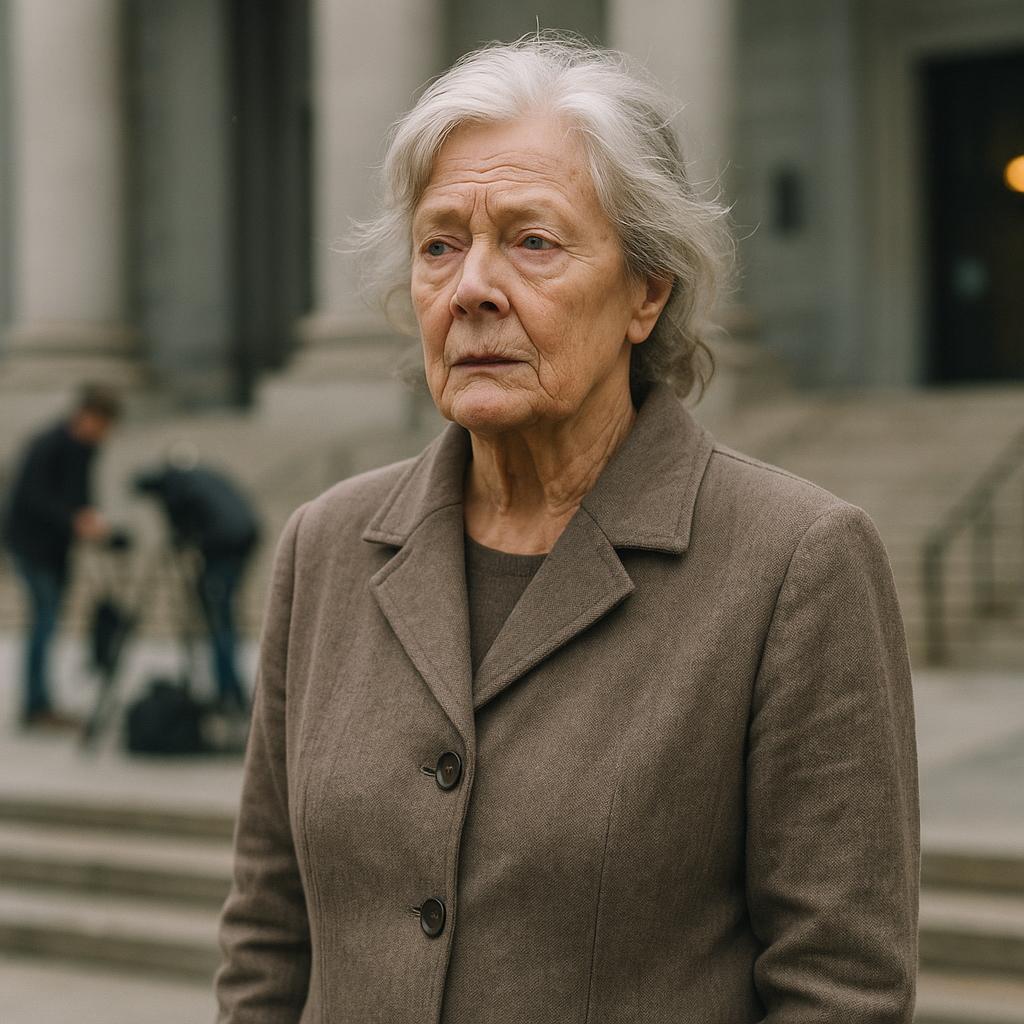 Image by RM AI
Legislative Victory
Six months of fighting the system finally paid off. I sat beside Mom in her Oakridge apartment, both of us clutching tissues as we watched the live broadcast of Governor Reyes signing the Elder Protection Act. "That's because of you," I whispered, squeezing her hand. Mom just shook her head, tears streaming down her face. Senator Alvarez stood at the podium, acknowledging our advocacy group by name. "This legislation wouldn't exist without ordinary citizens who refused to be silenced," she said, gesturing to the empty chair they'd reserved for Mom. "Mrs. Reynolds couldn't be with us today, but her courage sparked a movement." The new law mandated everything we'd fought for—surveillance cameras in common areas, rigorous background checks, and an independent ombudsman with actual authority to investigate complaints. When my phone started buzzing with messages from our support group members, I silenced it. This moment belonged to Mom. "Dad would be so proud," she said quietly, touching her wedding ring. "Not just of the law, but of you standing up for all of us." What she didn't know was that three other states had already contacted Senator Alvarez about adopting similar legislation—our little hidden camera was about to change elder care across the entire country.
 Image by RM AI
Corporate Settlement
Patricia called me on a Wednesday afternoon, her voice carrying that rare mix of triumph and caution I'd come to recognize. 'Evergreen wants to settle,' she said. After eighteen grueling months of depositions, motions, and legal chess moves, the corporation that had once dismissed us was suddenly offering millions to make us go away. 'They're terrified of what will come out at trial,' Patricia explained as we sat in her office reviewing the offer. 'Their internal emails are damning.' The settlement wasn't just about money—it included a consent decree requiring Evergreen to implement comprehensive reforms across all 87 of their facilities nationwide. Background checks, security cameras, whistleblower protections—everything we'd fought for. When I showed Mom the paperwork at Oakridge that evening, she studied it carefully, her reading glasses perched on her nose. 'No amount of money brings back what they took from me,' she said quietly, touching her wedding ring. 'The memories attached to those things... you can't put a price on that.' She looked up at me, her eyes clear and determined. 'But if this stops other families from going through what we did, then it's worth more than any check.' What she didn't know was that three other major eldercare companies had already reached out to Patricia, quietly seeking similar agreements before they became the next Evergreen.
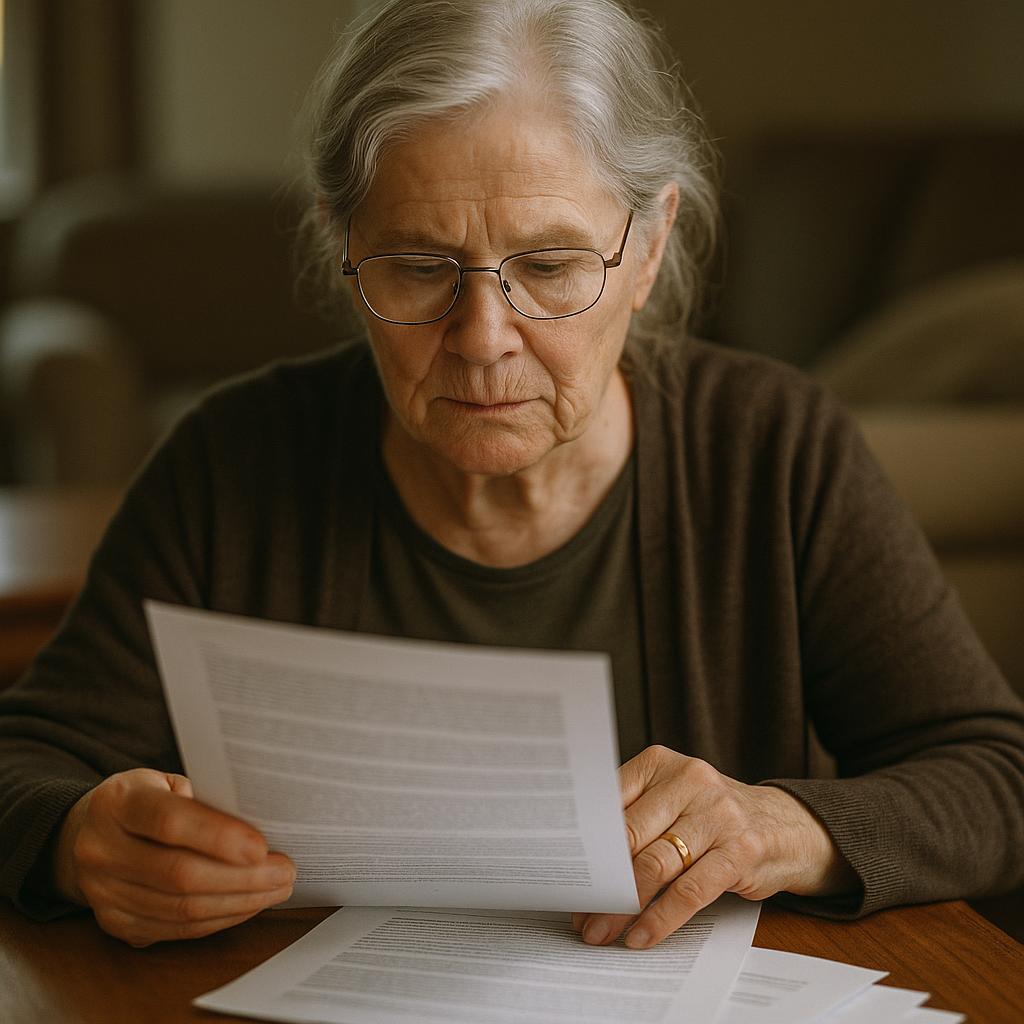 Image by RM AI
Dr. Phillips' Trial
The courtroom buzzed with energy on the first day of Dr. Phillips' trial—a stark contrast to Vera's proceedings. News vans lined the street outside, and reporters jostled for seats in the gallery. I sat directly behind the prosecution table, making sure Dr. Phillips could see me every time he turned around. That smug smile of his—the same one he'd worn when dismissing my concerns about Mom's missing wedding ring—hadn't faded, even as the evidence mounted against him. 'The defendant didn't just participate in these thefts,' the prosecutor explained during opening statements, 'he orchestrated them.' I watched the jury's faces as they were shown the organizational charts, the staff schedules deliberately pairing certain employees together on night shifts. But nothing compared to when Diane took the stand. 'Dr. Phillips gave us lists,' she testified, her voice barely audible at first. 'Residents with memory issues, those without regular visitors... He called them "opportunities."' She described how he'd walk through the facility pointing out valuable items during rounds. When she mentioned Mom by name, Dr. Phillips finally looked at me—and for the first time, that smile faltered. What he didn't know was that the prosecution had saved their most devastating evidence for last.
 Image by RM AI
National Recognition
Standing at the podium in Washington D.C., I felt a surreal wave of emotion wash over me. The National Elder Justice Award gleamed under the ballroom lights as I gripped it tightly. "What began with a $49.99 hidden camera has become a national movement," I started, my voice wavering slightly. The audience—senators, advocates, and families who'd joined our cause—listened intently as I described how that tiny device had exposed not just individual thieves, but an entire system designed to silence our most vulnerable. Mom sat in the front row, dabbing at her eyes with a tissue Michael had handed her. "This award belongs to every elder who wasn't believed," I continued, "and to every family member who refused to give up." After the ceremony, a woman in a crisp suit approached us. "I'm Catherine Winters from Health and Human Services," she said, handing me her card. "We're forming a federal advisory committee on eldercare regulations, and we need someone who understands what's really happening on the ground." I glanced at Mom, who nodded almost imperceptibly. "The hidden camera caught the criminals," Catherine added, lowering her voice, "but we need your help to fix the system that enabled them." What she said next would change not just our lives, but potentially the lives of millions of seniors across America.
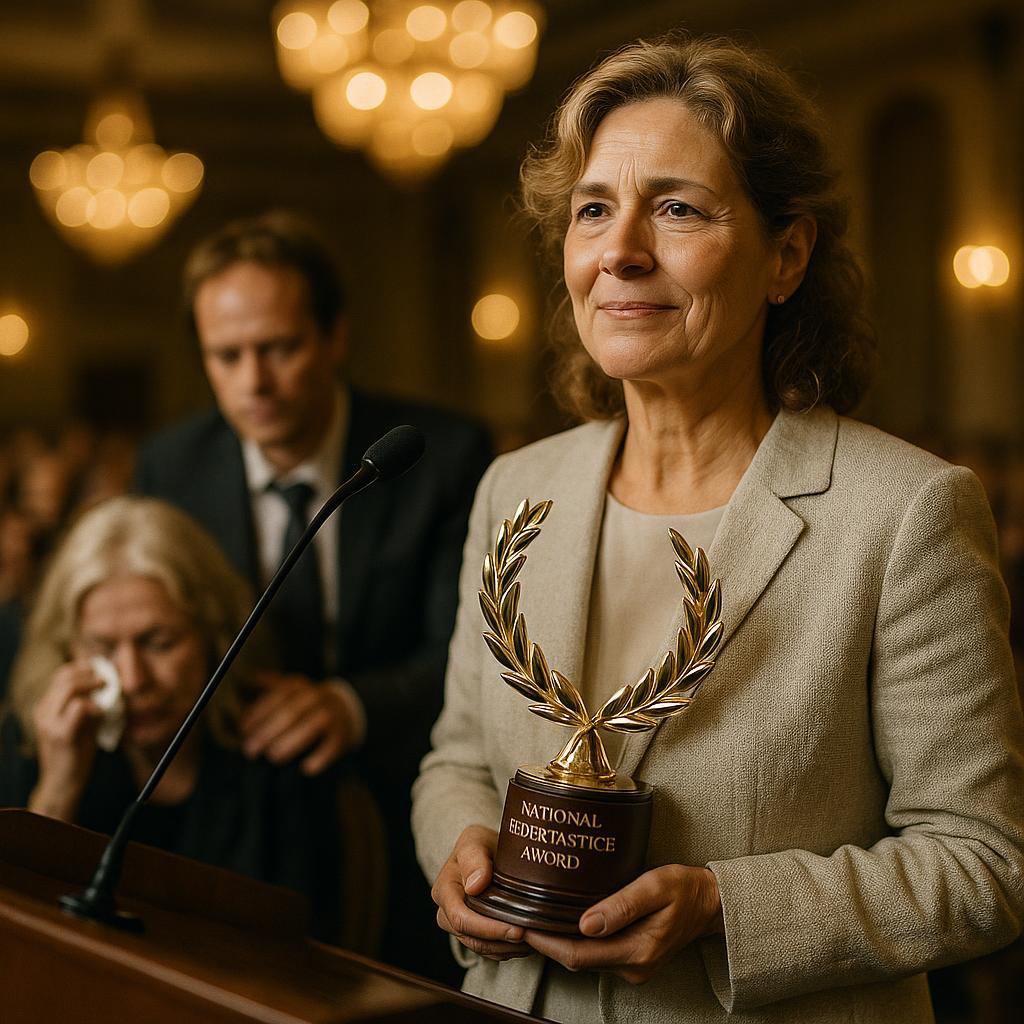 Image by RM AI
Mom's Birthday
I never imagined Mom's 80th birthday would feel like a victory celebration, but that's exactly what it became. Oakridge's community room was transformed with balloons and streamers, Director Jenkins himself helping hang the "Happy 80th Birthday, Eleanor!" banner. The guest list was a beautiful testament to our journey—family members, old friends, and at least a dozen people from our advocacy group who'd become like family through shared battles. "Your mother is a legend around here," Patricia whispered, watching Mom hold court in her favorite blue dress, wedding ring gleaming on her finger. What touched me most was seeing how Director Jenkins had implemented every security measure from our legislation months before required—cameras in hallways, electronic logs for room entry, background checks displayed proudly in the lobby. But the real surprise came when Mom pulled me into a quiet corner, eyes bright with purpose. "I've started something," she confided, showing me a handwritten list of names. "New resident orientation—my version." She explained how she'd been mentoring newcomers, teaching them everything from which staff members could be trusted to how to secure valuables and advocate for themselves. "Nobody should go through what we did," she said firmly. "Sometimes the best way to heal is to make sure others don't get hurt in the first place." What she didn't know was that Oakridge had already been contacted by three other facilities wanting to implement her mentorship program.
 Image by RM AI
Final Verdict
The courtroom fell silent as the judge delivered the sentence: twelve years. Dr. Phillips' face finally crumbled, that smug smile replaced by shock as the reality of his future sank in. Guilty on all counts—conspiracy, elder abuse, theft. The man who'd orchestrated an entire ring of predators targeting vulnerable seniors would spend over a decade behind bars. Outside the courthouse, microphones thrust toward my face as reporters shouted questions. "How do you feel about the verdict?" one asked. I opened my mouth to give some rehearsed response about justice, but instead found tears welling up. "I bought that hidden camera for $49.99," I finally managed, my voice cracking. "I was desperate, terrified for my mom. I never imagined it would lead to all this." When a young reporter asked what advice I'd give other families with loved ones in care facilities, I looked directly into her camera. "Trust your instincts," I said firmly. "When something feels wrong, it probably is. And never, ever stop watching." What I didn't say was how many nights I still lay awake wondering how many other Dr. Phillips were out there, running facilities where no one had thought to hide a camera.
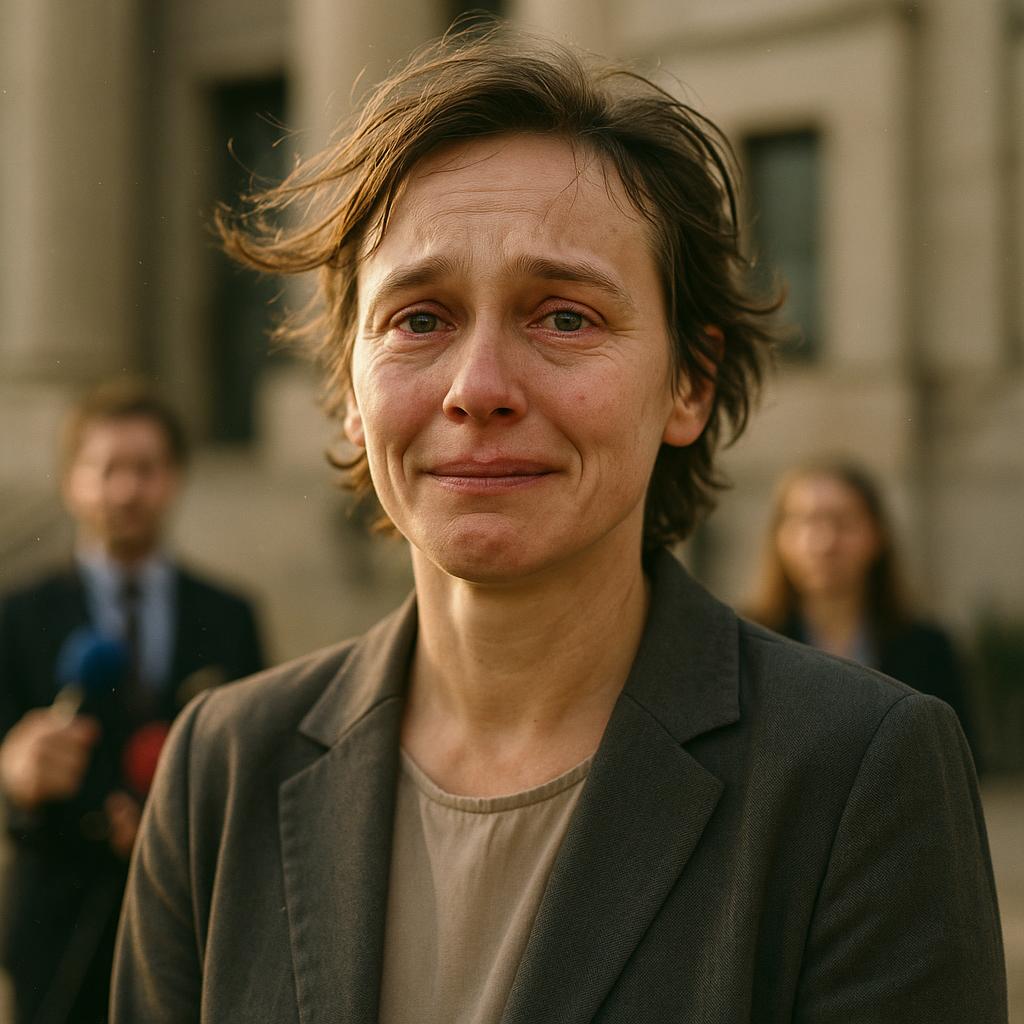 Image by RM AI
Full Circle
Two years have passed since that $49.99 hidden camera changed everything. Sitting in Mom's sunlit room at Oakridge, I'm struck by how different things feel now. Her space is filled with photos, mementos, and her growing collection of paintings—each one more confident than the last. Today, she's showing me her newest creation: a surprisingly powerful image of a small camera watching over a sleeping figure. "I'm calling it 'Guardian,'" she says, her wedding ring catching the light as she adjusts the canvas. The ring that started it all, now safely back where it belongs. We talk about the changes we've witnessed—the new security protocols, the staff training programs, the legislation bearing her name in three states now. Then Mom takes my hand, her eyes clear and wise. "You know," she says, "sometimes the smallest things going missing are warnings of something much bigger. And sometimes the only way to get answers is to watch what goes on when they think no one is looking." Hearing my own thoughts from two years ago coming from her lips brings tears to my eyes. I'd thought I was protecting her, but in reality, we've protected countless others together. What started with one desperate act has become a movement that's still growing—and the most surprising champion of all has been my once-vulnerable mother, now teaching others to stand up for themselves. But there's one thing about that hidden camera footage that I've never told her, something I discovered only last week when reviewing the old files for the upcoming congressional hearing.
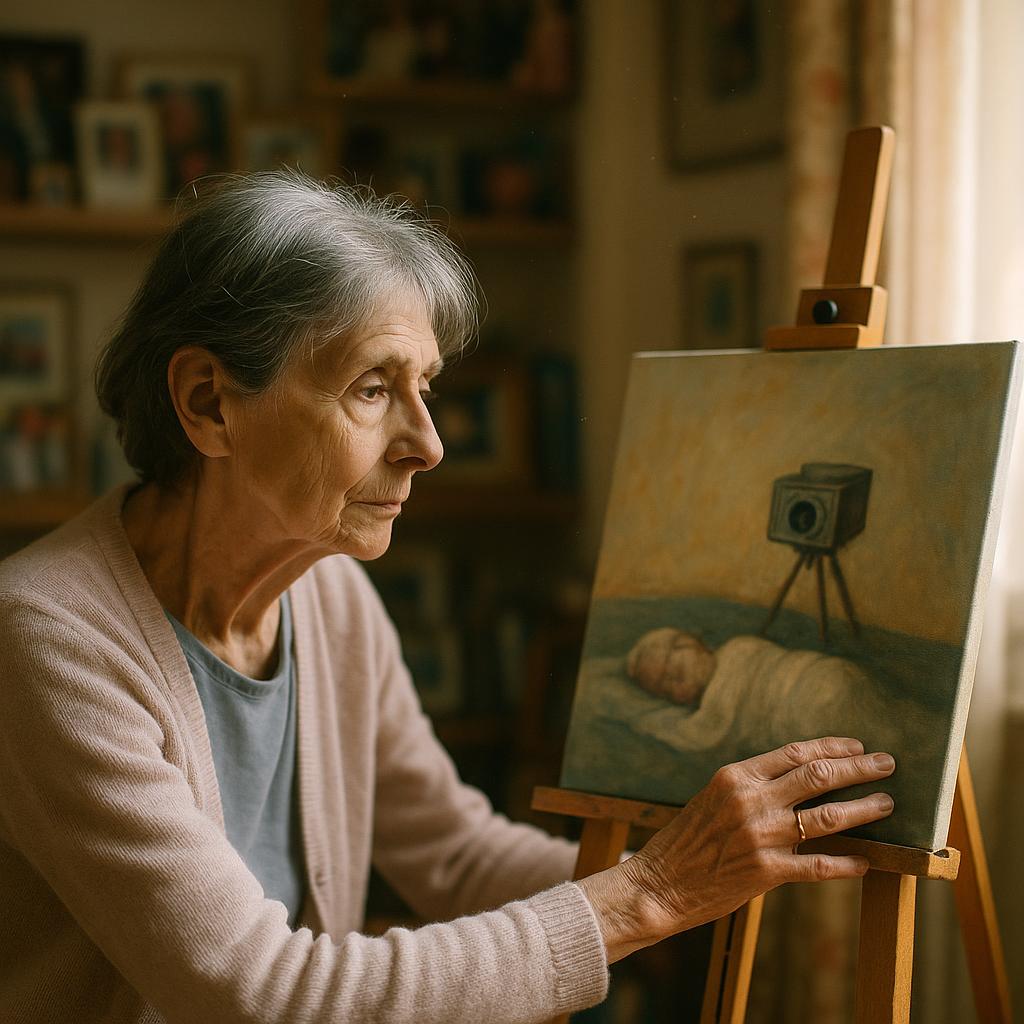 Image by RM AI