10 Places That Are Safer Than Headlines Suggest & 10 That Are Even More Dangerous
A Quick Reality Check Before You Pack Your Bags
Headlines are built to grab your attention, not to give you a calm, balanced view of risk. A single scary incident can make an entire city look unsafe, while slow-burning problems in “nice” places barely get a mention. So think of this list as a friendly nudge to look past the panic, ask better questions, and make choices that match how you actually travel and live. Here are 10 places that are safer than headlines suggest and 10 that require even more caution.

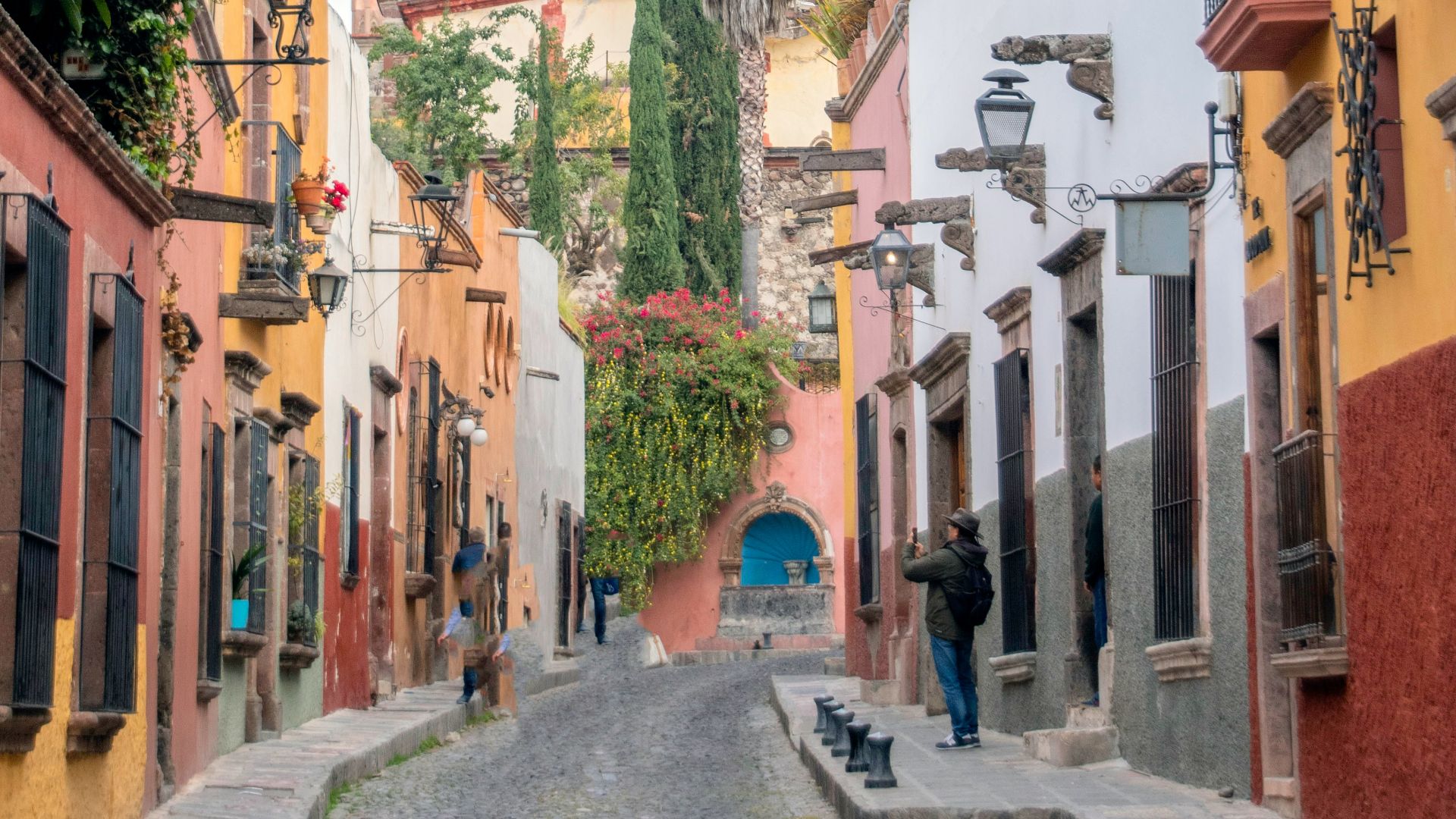
1. Mexico City, Mexico
If you only know Mexico City through sensational news clips, you’d assume it’s chaos on every corner. In reality, many neighborhoods are busy, well-patrolled, and full of regular people going about their day. Like with any big city, you still need street smarts, but the idea that it's a no-go is way overblown.
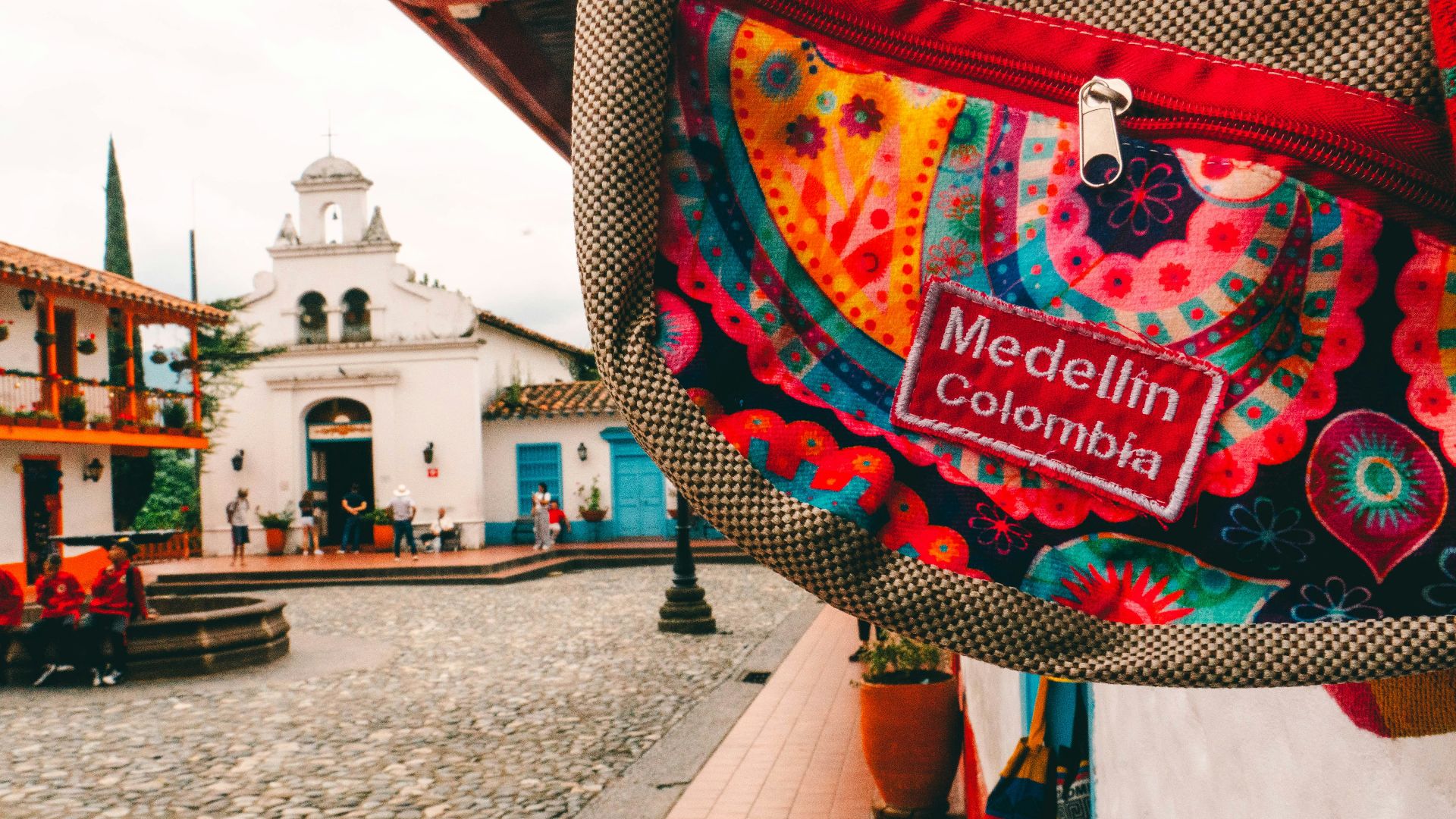
2. Medellín, Colombia
A lot of people still picture Medellín through the lens of decades-old history, when the cartel was essentially running the city through force and violence. Today, it's actually a pretty trendy place to visit, plenty of areas feel modern, organized, and welcoming to visitors. The city has issues like any major place, but there's not the constant threat there once was.
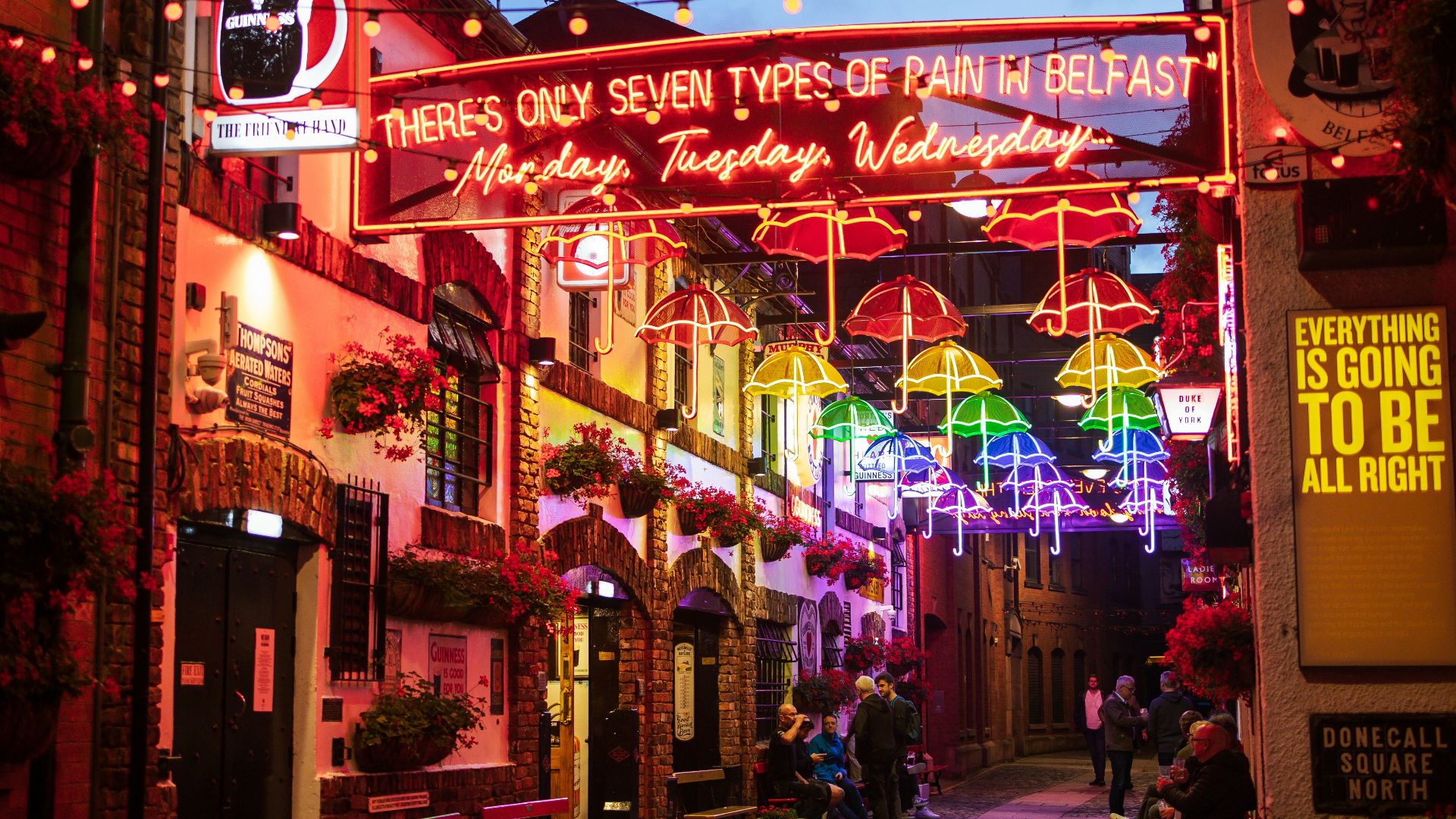
3. Belfast, Northern Ireland
Belfast’s reputation sometimes lags behind the reality on the ground because of its IRA history. Today, many visitors are surprised by how normal it feels, with lively pubs, friendly locals, and plenty of safe, walkable streets. You’re more likely to deal with a hangover than a headline-worthy scare.
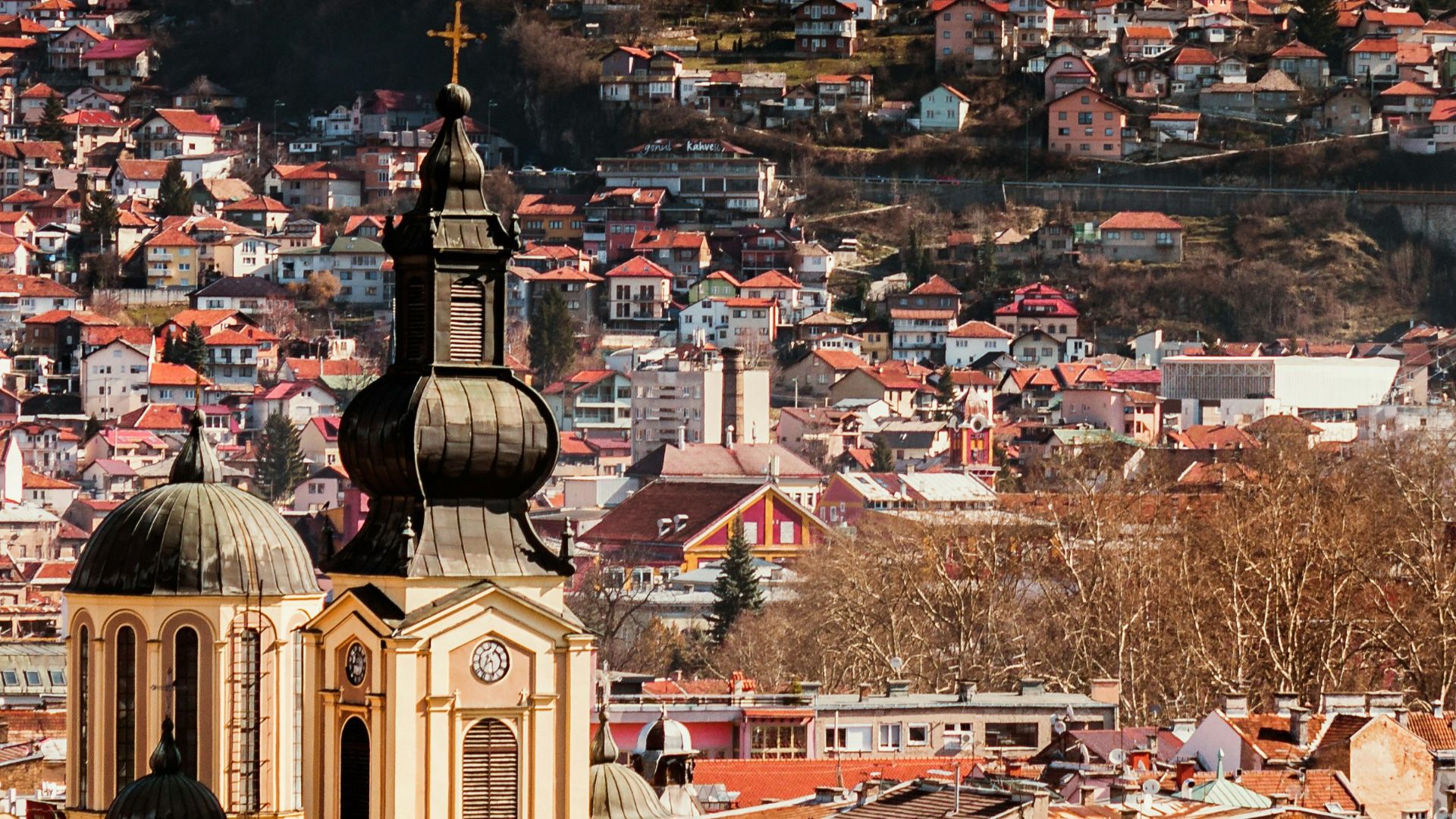
4. Sarajevo, Bosnia and Herzegovina
Sarajevo carries a heavy historical shadow, which can make people assume it’s still unstable. These days, it’s a vibrant city where tourism is common and daily life is pretty routine. You’ll want to respect local context, but fear isn’t the default setting.
5. Bucharest, Romania
Bucharest sometimes gets slapped with a vague “sketchy Eastern Europe” label that doesn’t hold up. The central areas are generally lively and filled with students, cafés, and people commuting like anywhere else. Keep an eye on your belongings, and you’ll likely feel more relaxed than you expected.

6. Tokyo, Japan
Tokyo can look intimidating because it’s huge, fast, and packed with people. Not to mention, the media loves sensationalizing any Yakuza-related crime. In reality, Tokyo is a city with eyes everywhere, making tourists feel even safer than they do in their home cities a lot of the time.

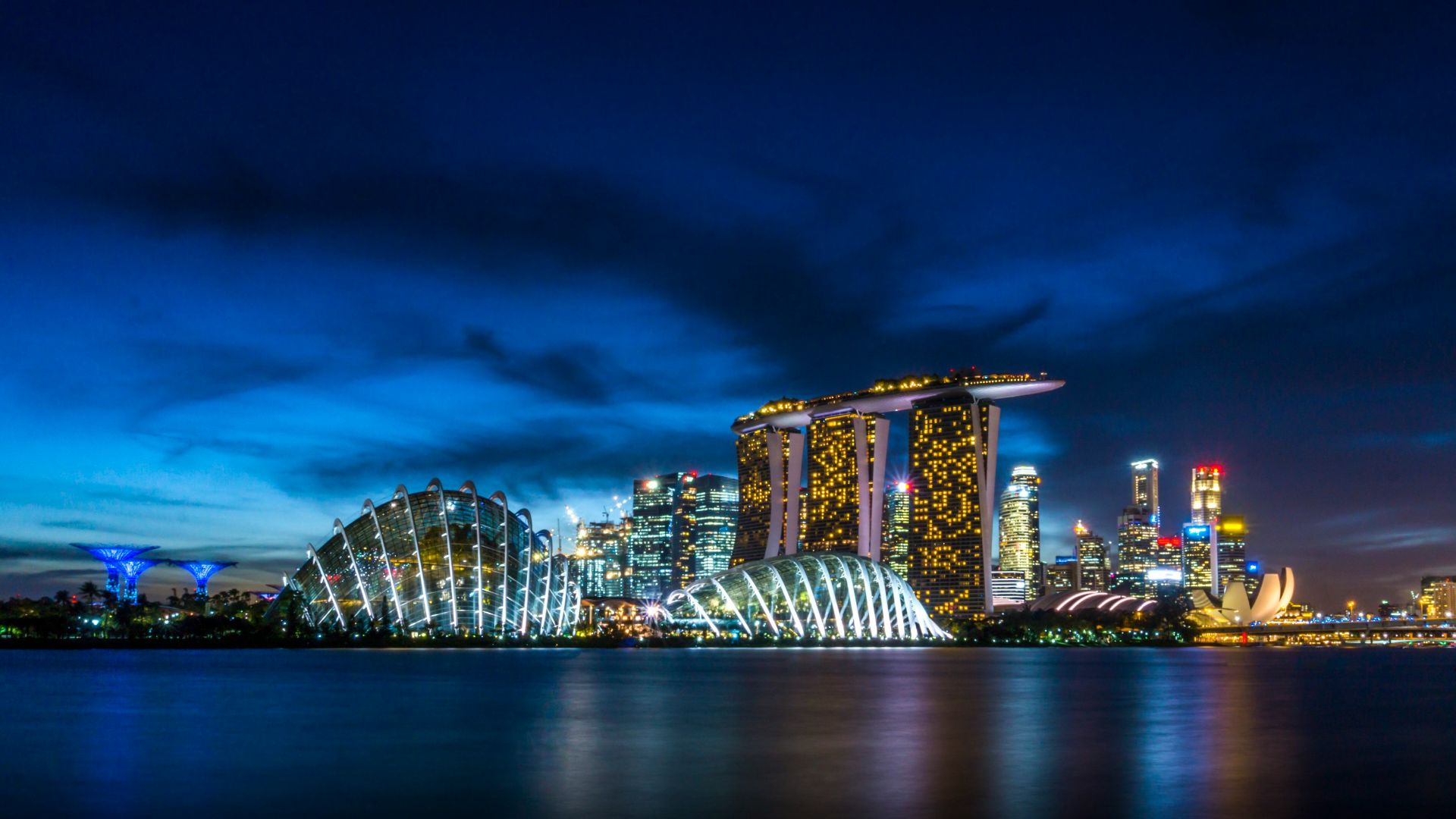
7. Singapore
Singapore’s reputation for strictness can sound intense, like you’re one wrong move away from trouble. What you’ll often notice instead is how orderly and predictable things feel, especially in public spaces. If you follow basic rules and don’t try anything dumb, it’s remarkably low-stress.
8. Lisbon, Portugal
Some people treat Lisbon like it’s secretly dangerous, mostly because pickpocketing stories spread fast. The bigger reality is that it’s usually a relaxed city where the main hassle is petty theft in tourist-heavy areas. Stay alert on trams and in crowds, and you’ll probably be fine.

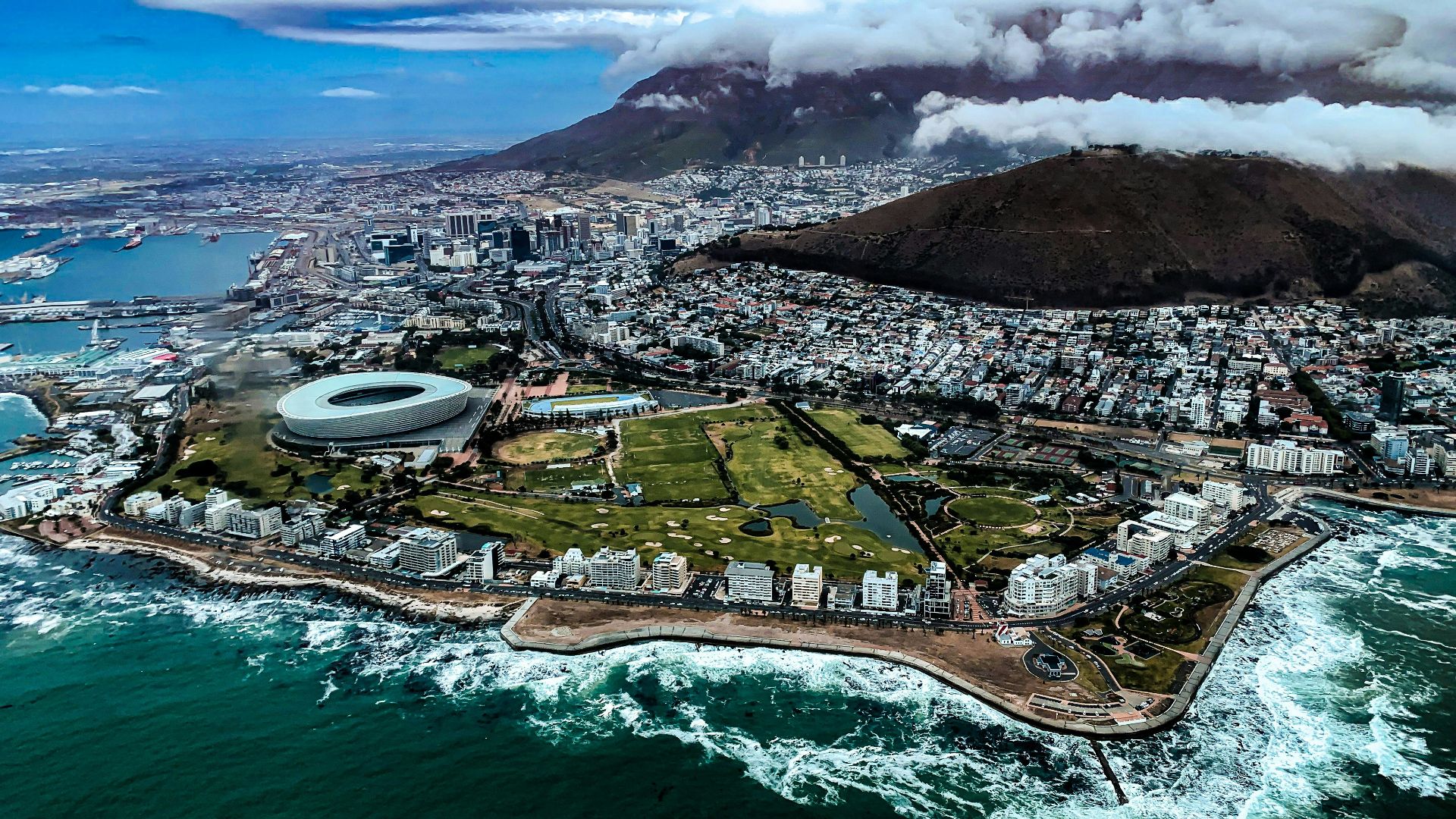
9. Cape Town, South Africa
A lot of people hear “Cape Town” and assume you’re stepping into danger the moment you leave the airport. Although it does have a high crime rate, the city is increasingly friendly to tourists, and many popular areas are well-traveled and can feel perfectly manageable. You’ll still want to be intentional with plans and transportation, but it’s not automatically unsafe just because people talk about it that way.
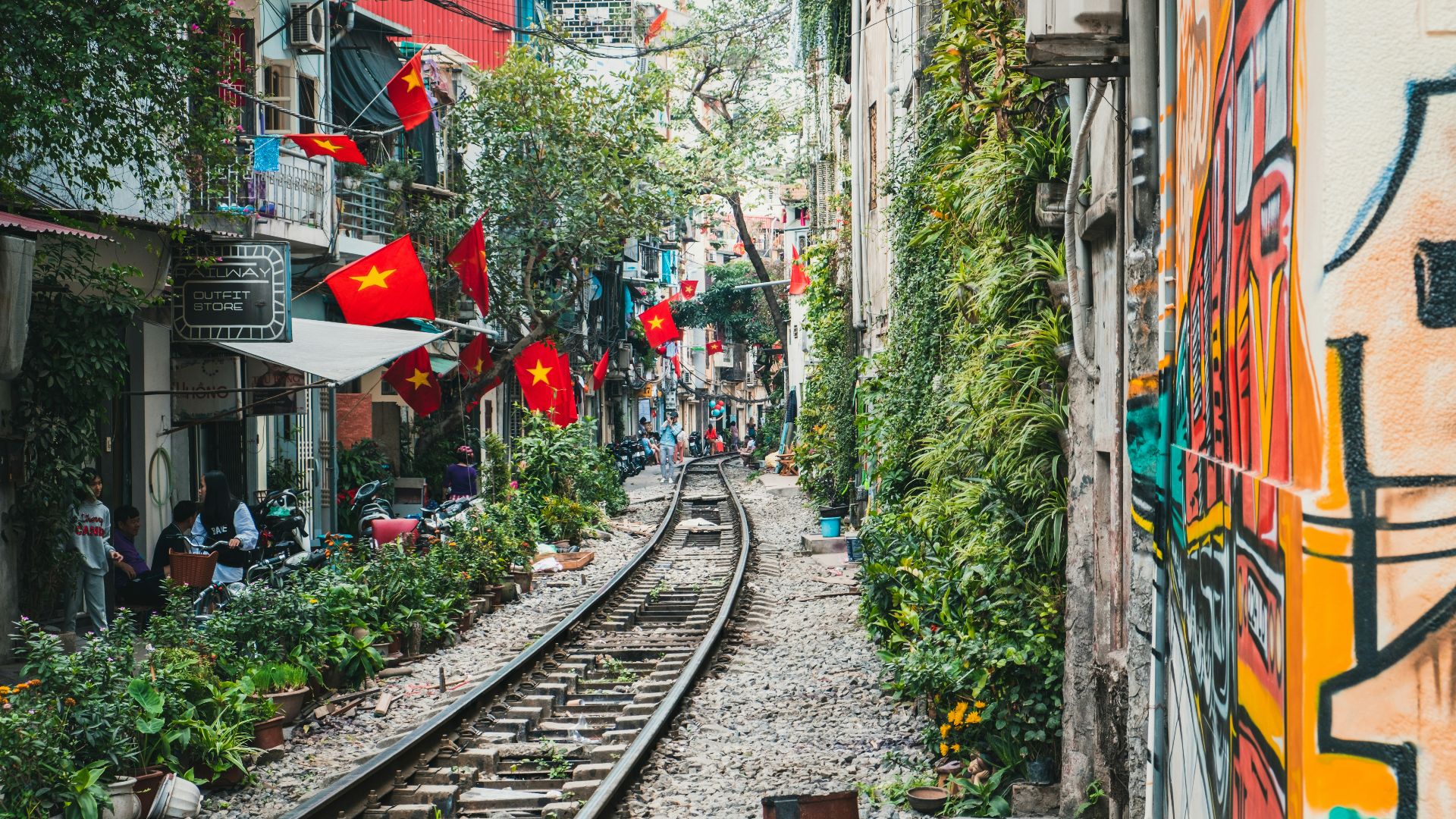
10. Hanoi, Vietnam
Hanoi can feel overwhelming, which some people mistake for danger. Not to mention Vietnam's history as a divided country under communism and "enemy #1" of the US. However, today, the biggest challenge you'll have as a tourist i navigating chaotic roads and crowded sidewalks.
Now that we've discussed 10 countries that are actually a lot safer than headlines suggest, let's talk about the ones you may still want to avoid.
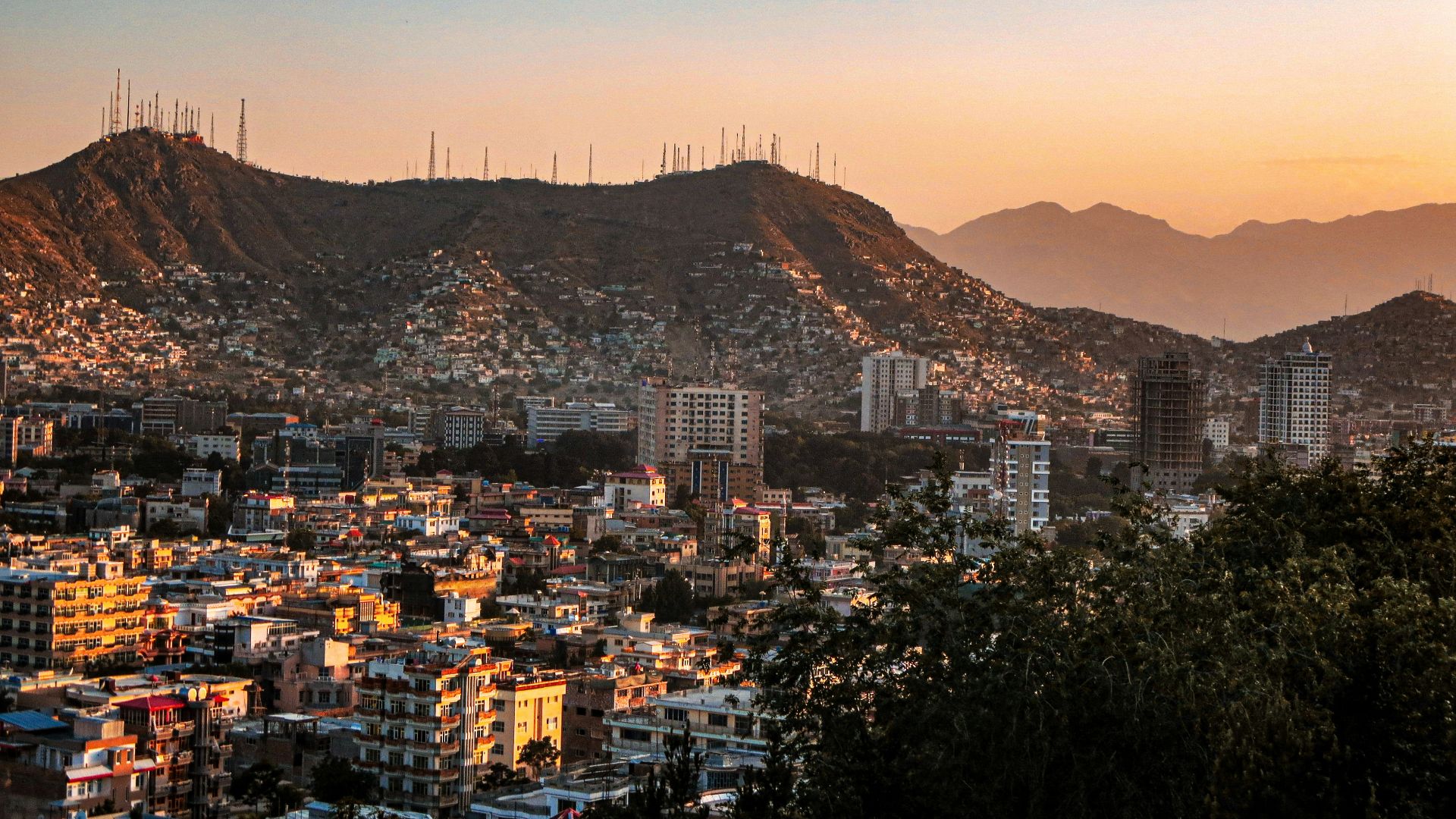
1. Afghanistan
Afghanistan is a place where the security situation can shift quickly and unpredictably. If things go wrong, assistance can be limited, and the consequences can be severe. The US government lists Afghanistan as Level 4, which is a strong signal to avoid travel there.
2. Haiti
Haiti’s risks aren’t just one type of problem, which makes planning and contingency options harder. Even short trips can turn stressful if roads, services, or local conditions change suddenly. The US advisory is Level 4, so this is one of those places where “maybe next year” is the wiser move.

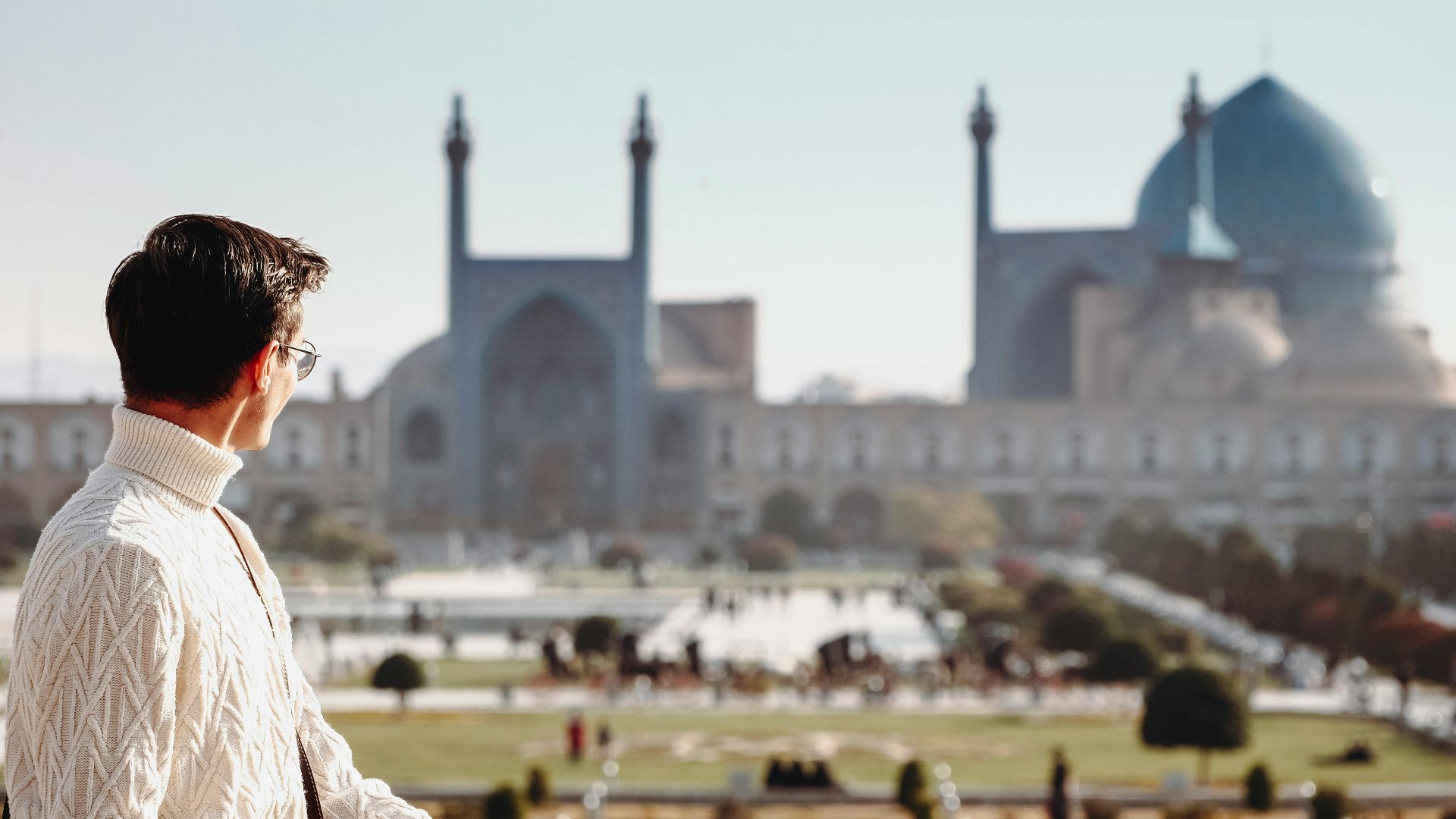
3. Iran
Iran can carry risks that aren’t obvious day to day, which is exactly what makes it dangerous for travelers. Legal and political situations can escalate without much warning, and leaving quickly isn’t always simple. It’s Level 4 on the US advisory scale.
 Necati Ömer Karpuzoğlu on Pexels
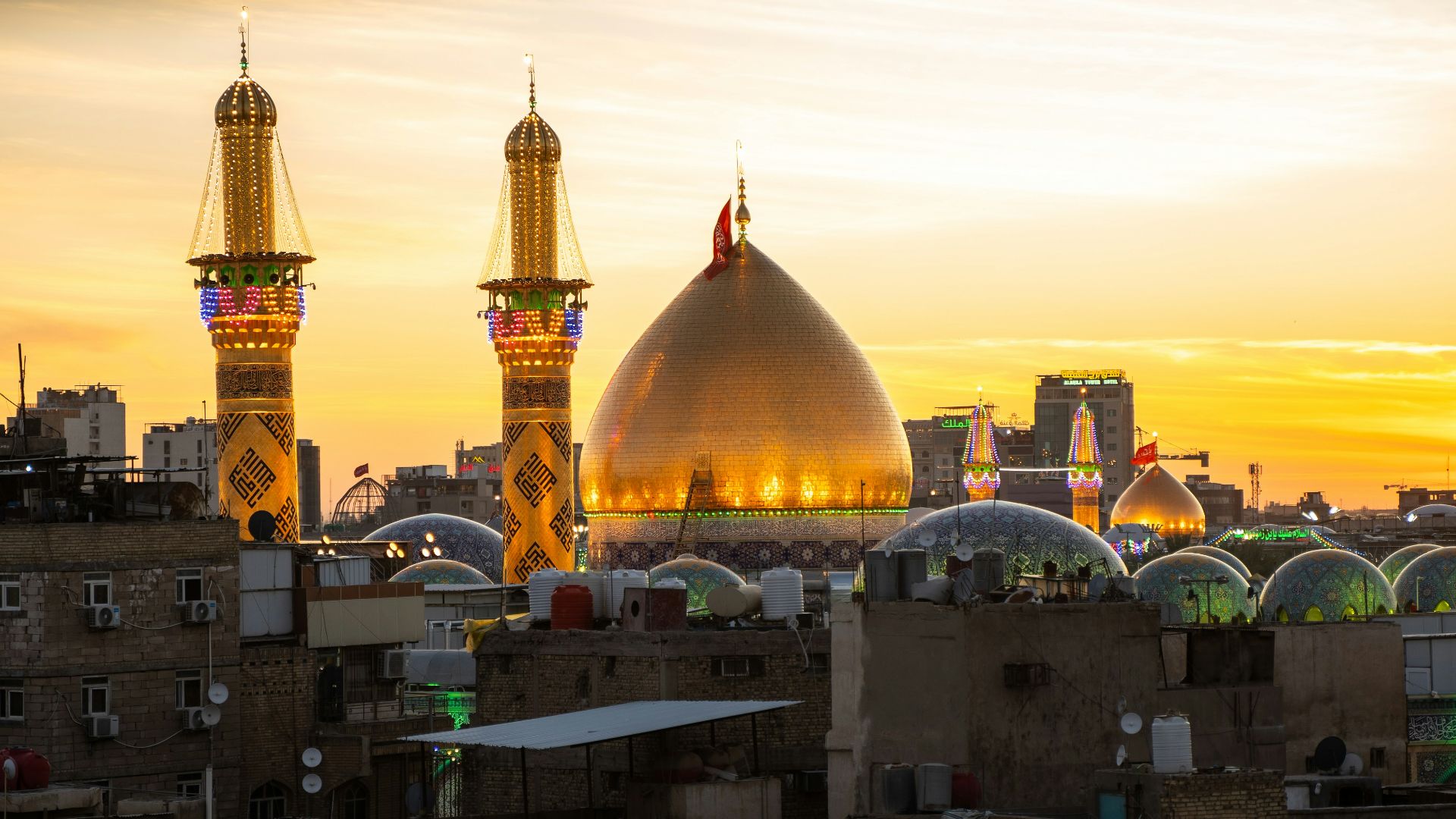
4. Iraq
Iraq’s danger isn’t confined neatly to one neighborhood you can avoid, which makes travel planning especially fragile. Security incidents, regional instability, and limited support options can turn a normal day into a serious emergency. The US lists Iraq as Level 4, and that’s a strong reason to stay away.
5. Libya
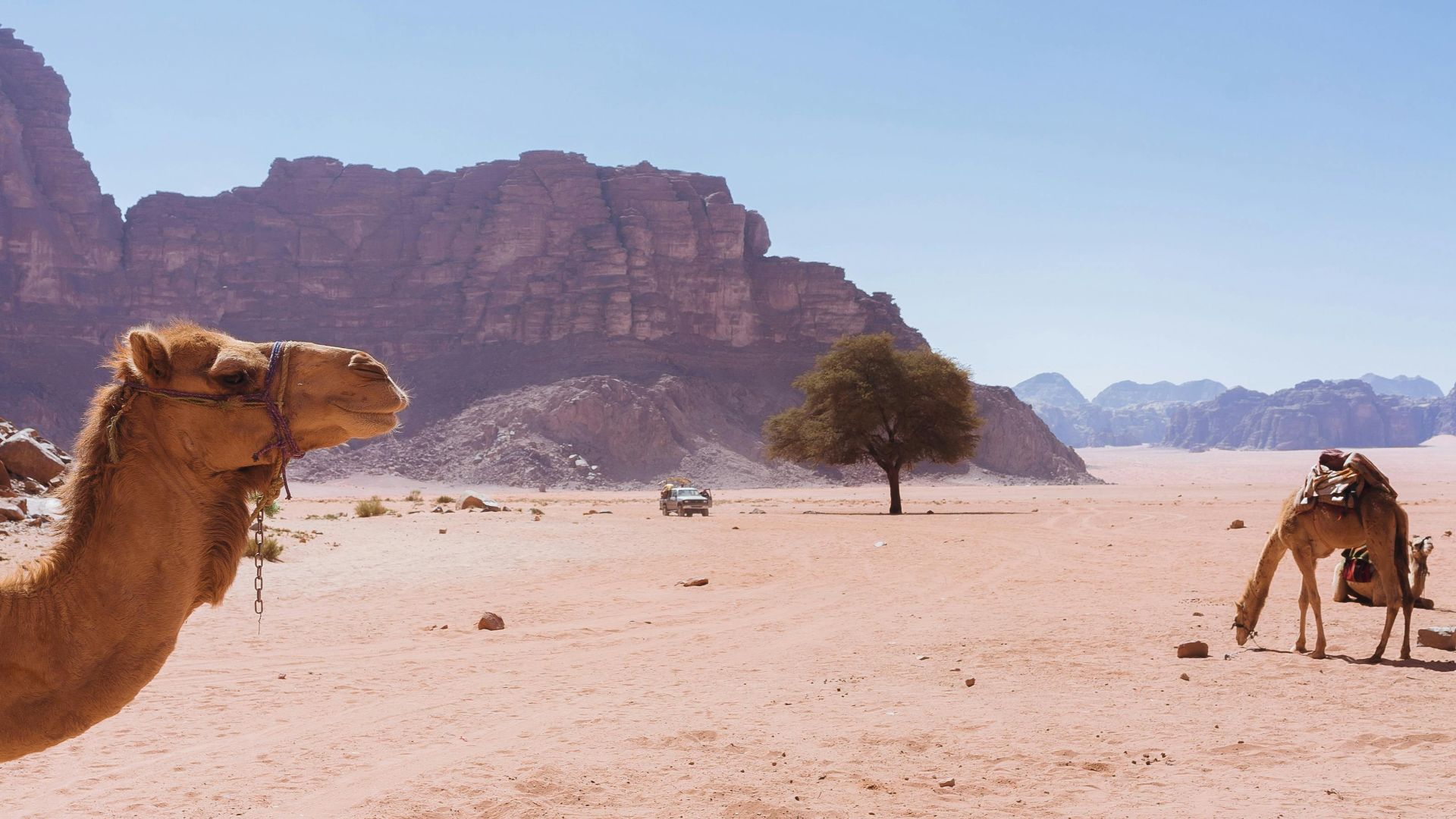
Libya is politically divided and highly unstable. It has risks that can be both severe and hard to predict, which is a rough combination for any traveler, even experienced ones. It’s Level 4 on the US advisory list, so avoiding travel is the practical choice.
6. North Korea
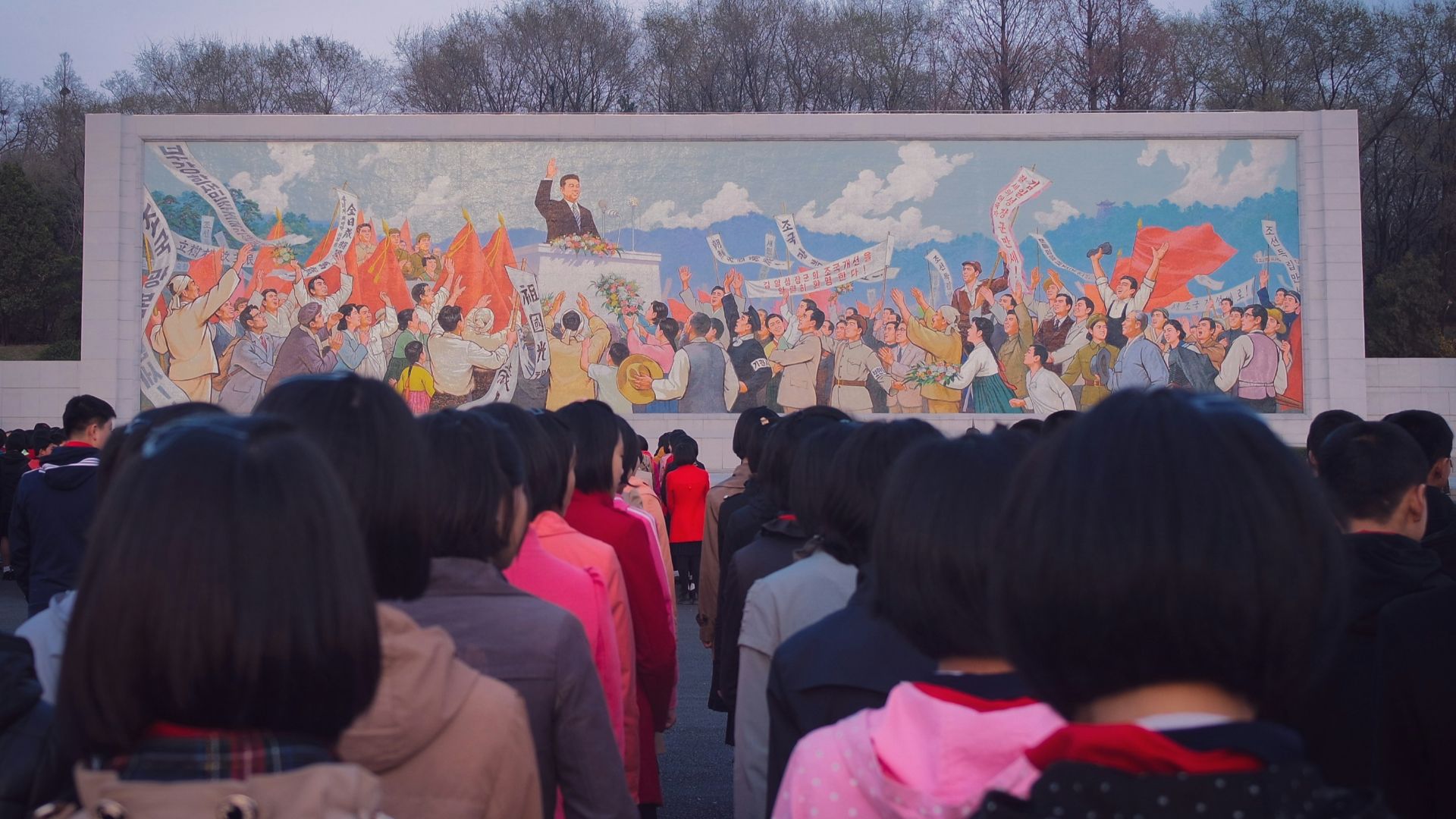
North Korea is a destination where the rules, enforcement, and consequences can be extreme and opaque. You can’t count on normal legal protections, and situations can escalate in ways you can’t negotiate yourself out of. The US classifies it as Level 4, which is about as clear a “don’t go” as you’ll get.
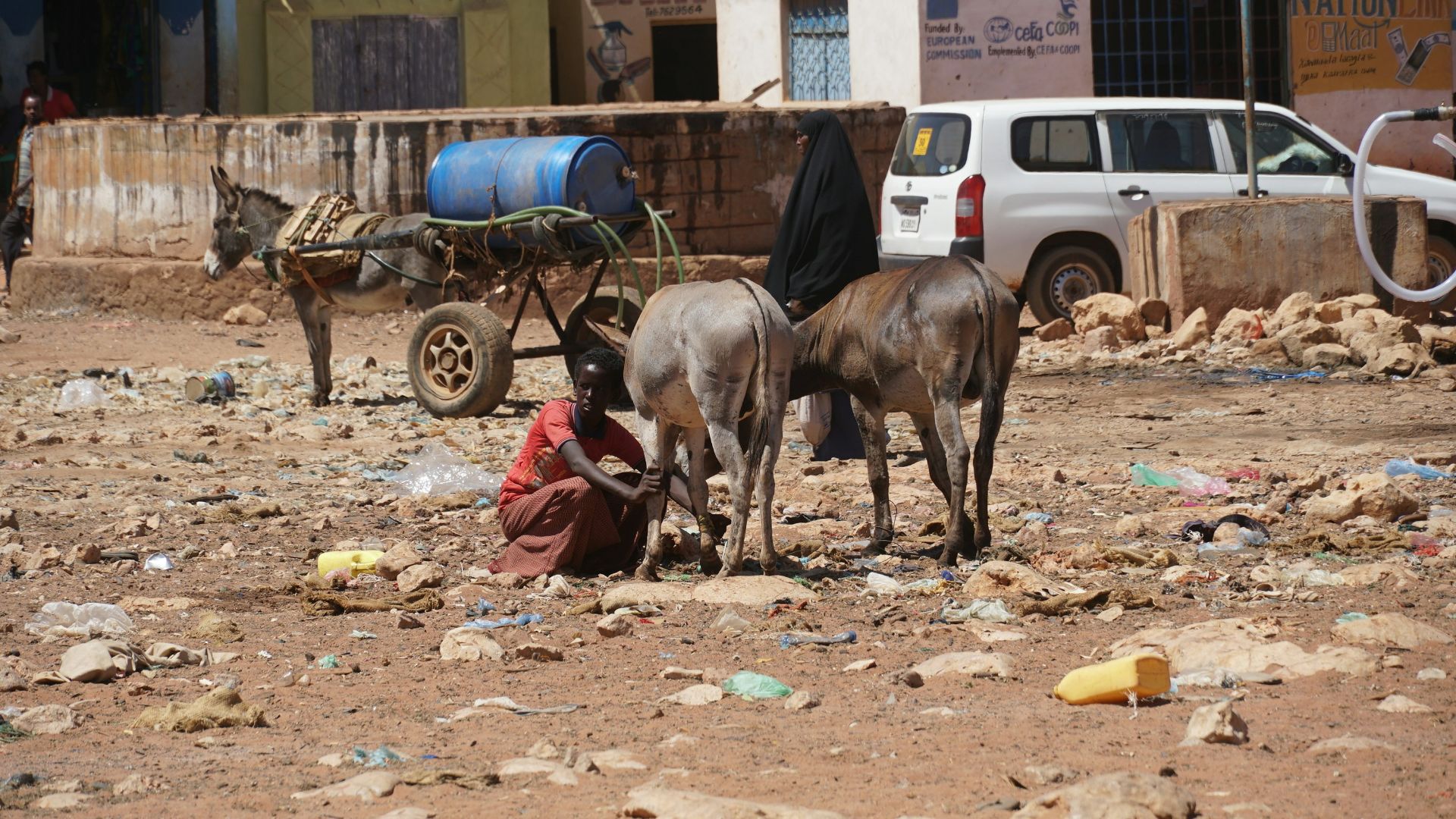
7. Somalia
Somalia is embroiled in a long, drawn-out civil war. Risks often involve serious threats that aren’t reduced much by typical travel precautions. When conditions are volatile, “staying in the nice area” doesn’t always mean what you want it to mean.
 Ismail Salad Osman Hajji dirir on Unsplash
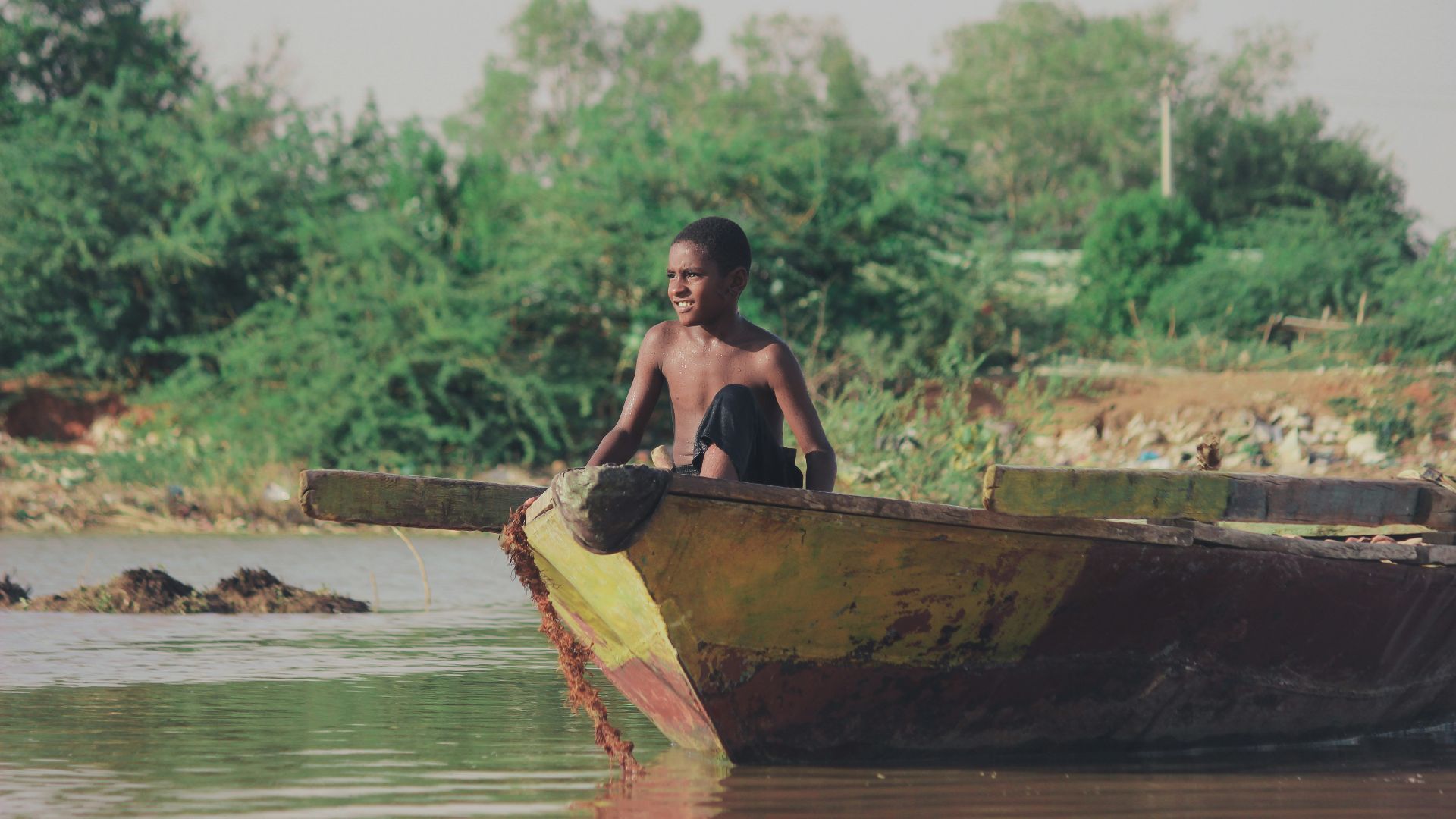
8. Sudan
Sudan has been officially at war for the last two years, meaning violence is rampant. It can be dangerous in ways that ripple into transportation, services, and basic safety, which makes even well-planned trips fragile. If the situation changes quickly, you may not have the options you’re counting on to get out smoothly.
9. Syria
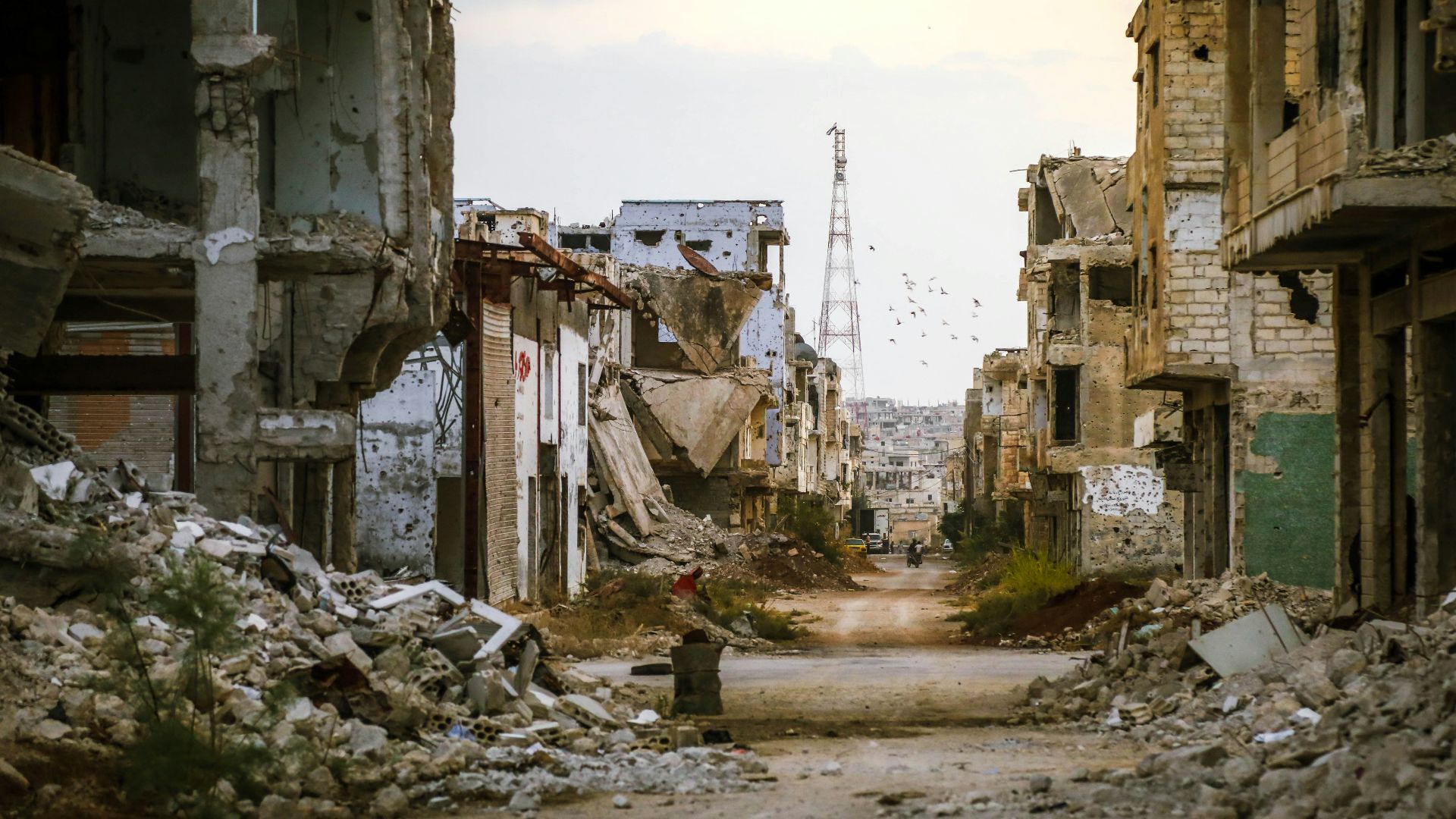
Syria is still reeling from its 14-year-long conflict, and the threat of terrorism and post-war clashes is still high. It has ongoing risks that can be life-threatening, and the travel environment isn’t built for visitors to navigate safely. Even if one area looks calm, conditions can shift fast, and information can be unreliable.
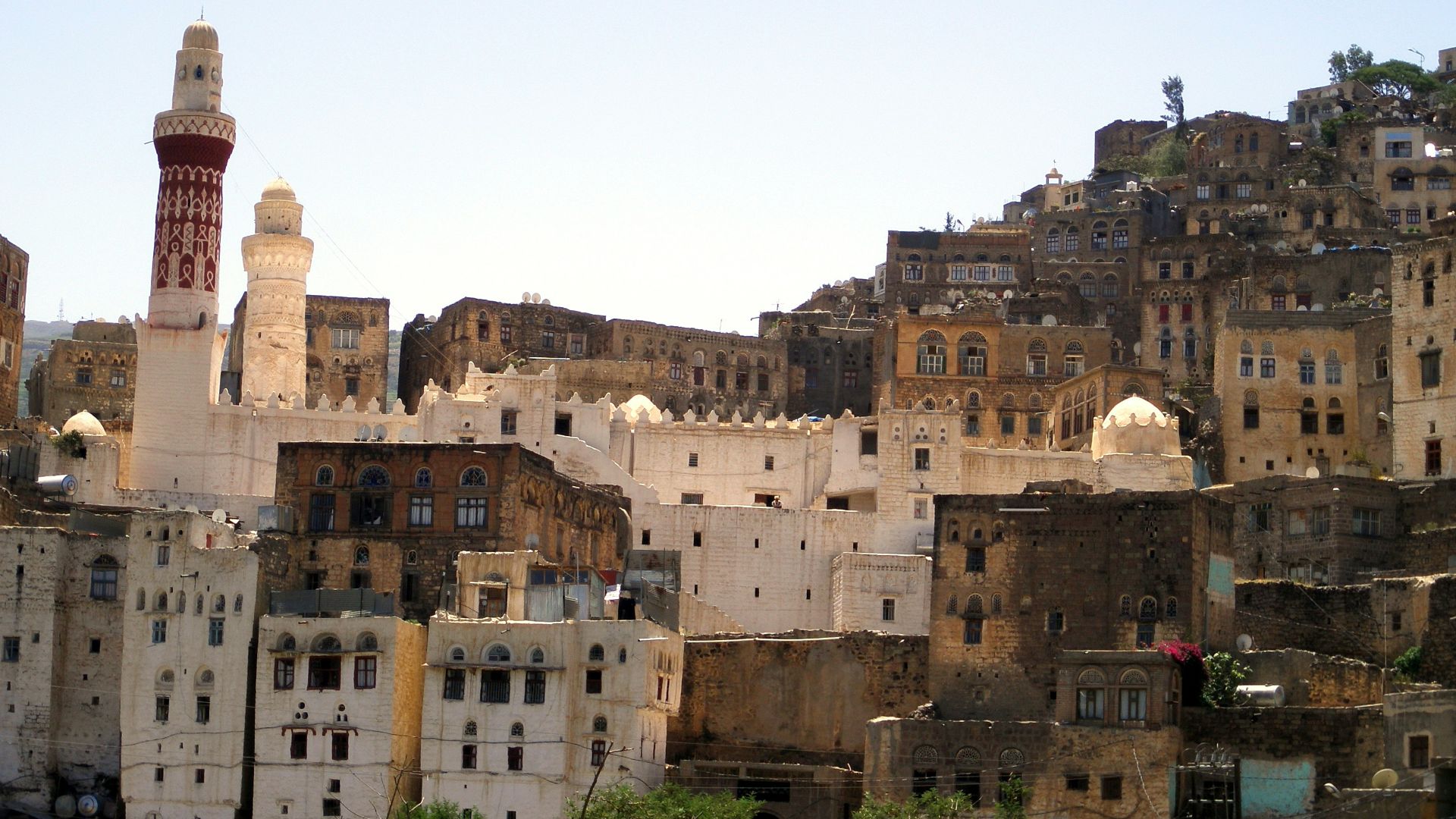
10. Yemen
Yemen has been in the throes of a civil war since 2014. Risks can include severe security threats and major limits on the help you could realistically access if something goes wrong. Planning doesn’t eliminate the biggest dangers, because they’re tied to broader instability.