The Moments That Actually Changed Travel
Travel panic always sounds urgent in the moment, which is part of what makes it so hard to judge clearly. A genuine public-health emergency, a terror attack, a volcanic eruption, and a rumor that gets repeated too many times can all arrive in the same tone: don’t go, don’t book, don’t even think about it. Airports empty out, hotel cancellations pile up, and whole destinations suddenly get talked about as if they’ve tipped from ordinary to unvisitable overnight. But not every wave of fear deserves the same treatment. Looking back, the difference gets easier to see. Here are 10 travel panic waves that were real, and 10 that were pure hysteria.
1. COVID Border Closures
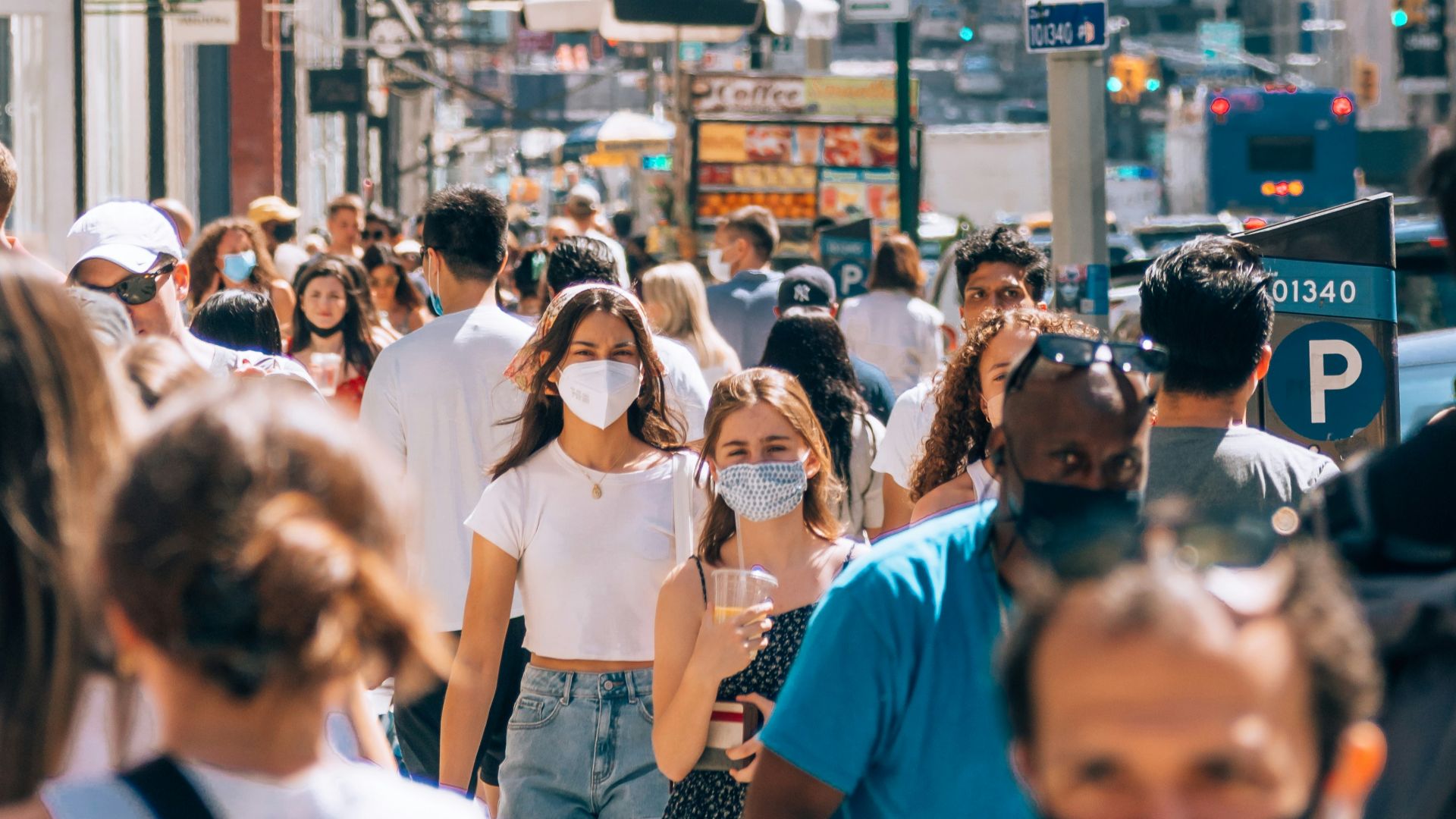
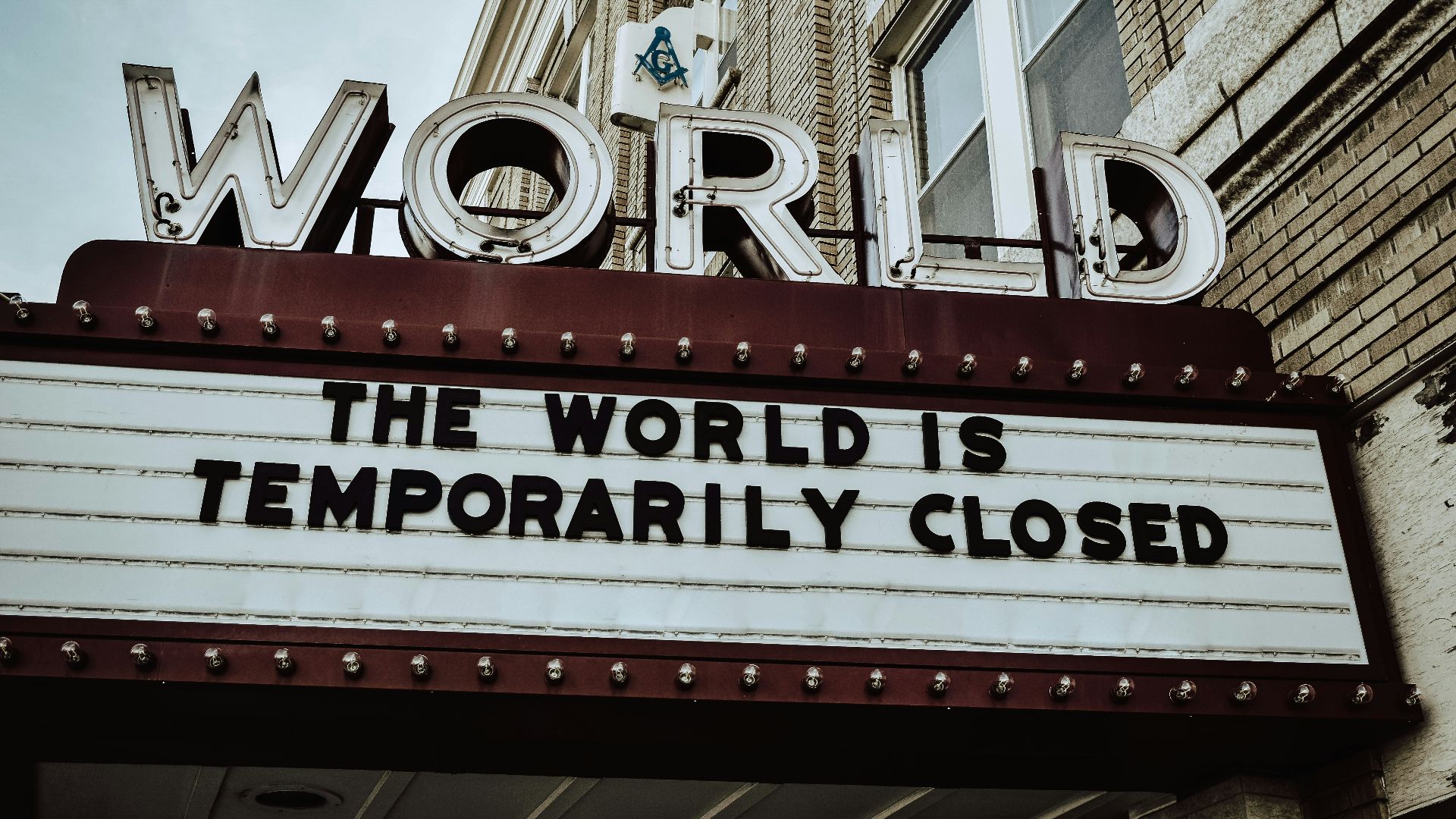
This one was as real as travel panic gets. Borders shut with almost no notice, testing rules shifted constantly, quarantine requirements changed week to week, and travelers found themselves stranded, rerouted, or unable to enter places they had already paid to visit. This was not exaggerated fear—it was a genuine collapse of normal global movement.
2. The Icelandic Ash Cloud
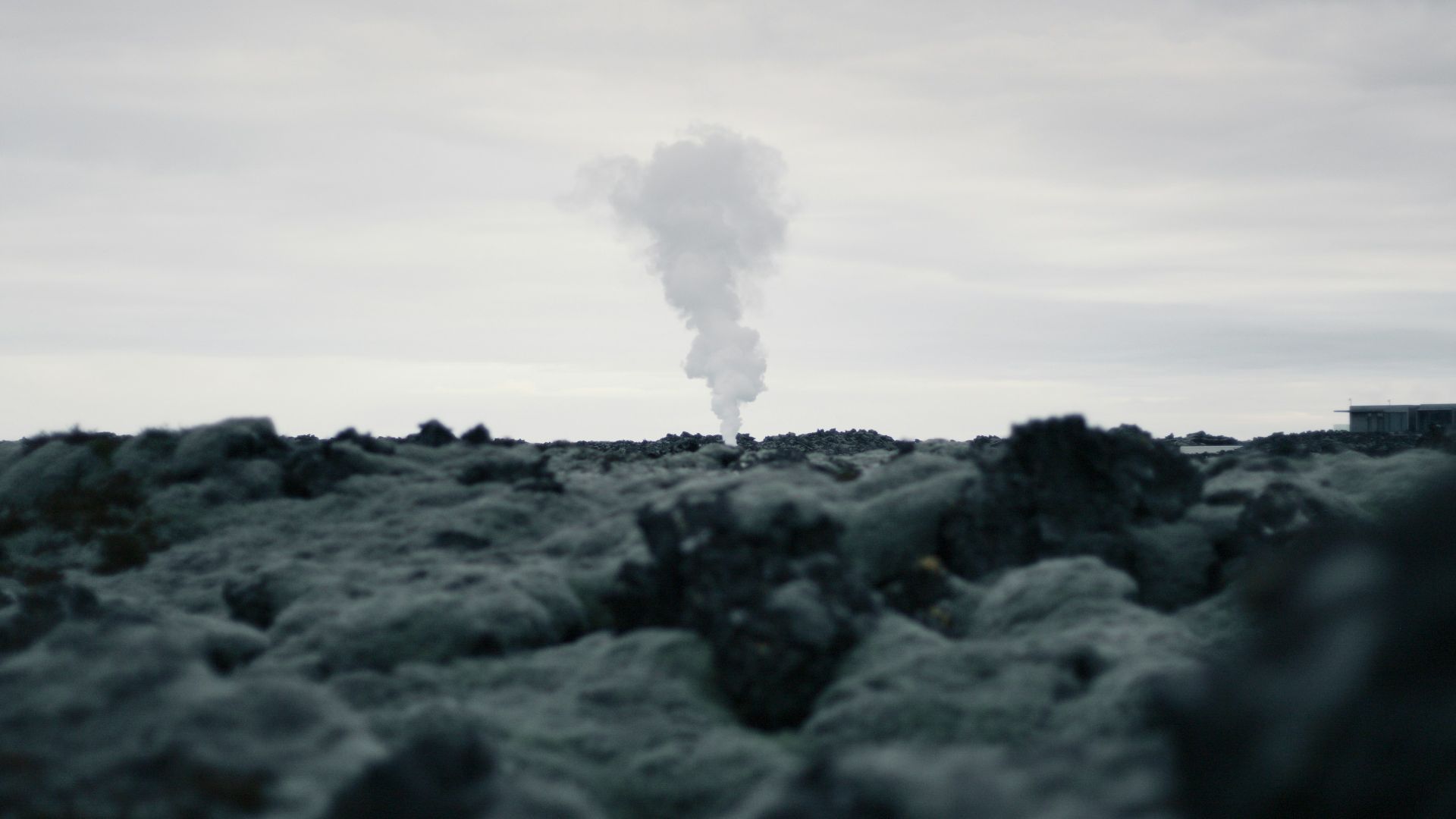
When Eyjafjallajökull erupted in 2010, it sounded oddly far away until it started grounding flights across Europe. Suddenly a volcano in Iceland was disrupting honeymoons, business trips, connections, cargo, and entire airport systems thousands of miles away.
3. SARS in Hong Kong, Singapore, and Toronto
SARS created a level of travel fear that made sense, especially in major hubs where people genuinely did not know enough yet. Hong Kong and Singapore saw major travel pullbacks, and even Toronto got hit with fear-driven cancellations because the disease had become tied so strongly to movement and uncertainty.
4. Air Travel After 9/11
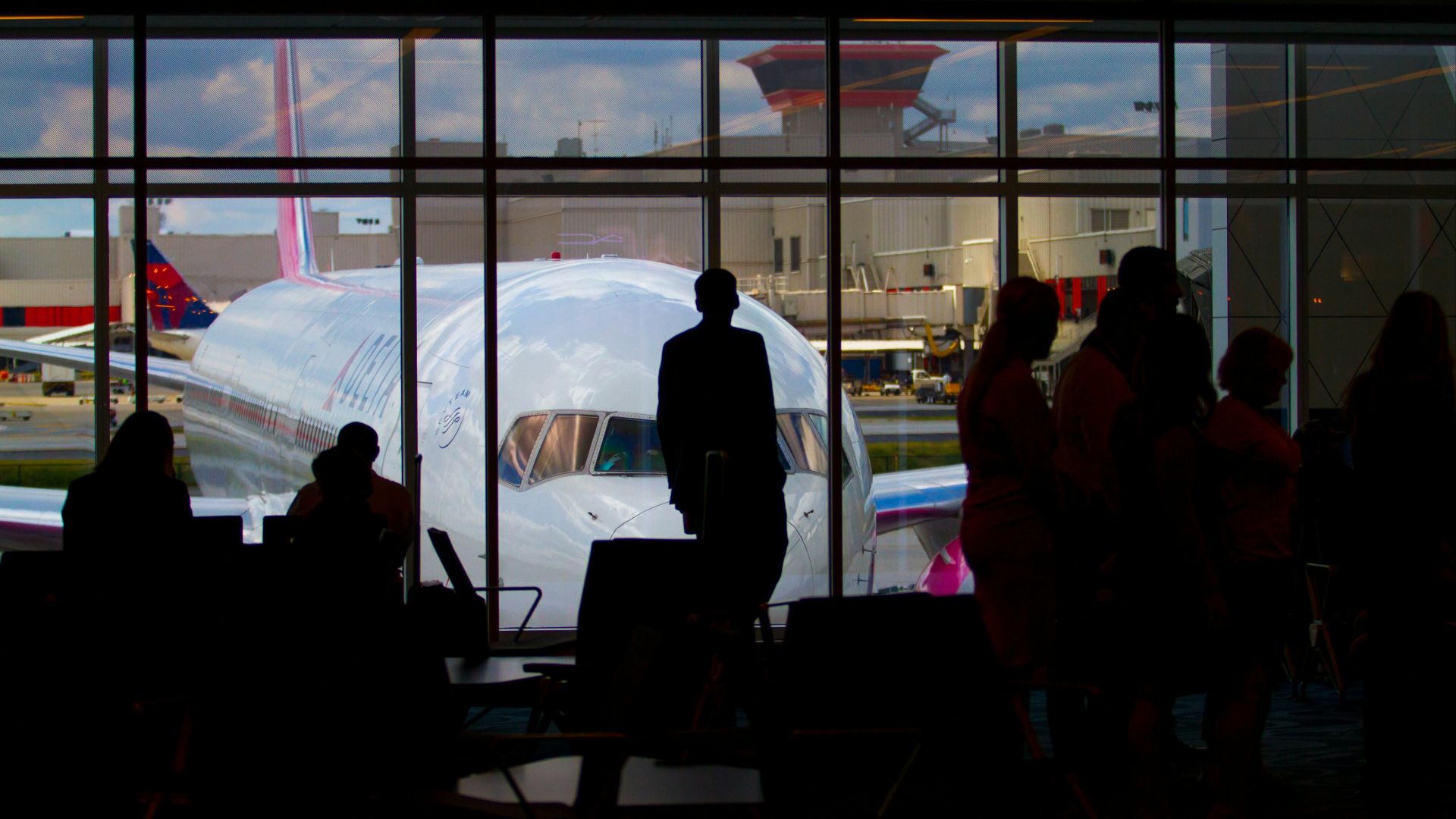
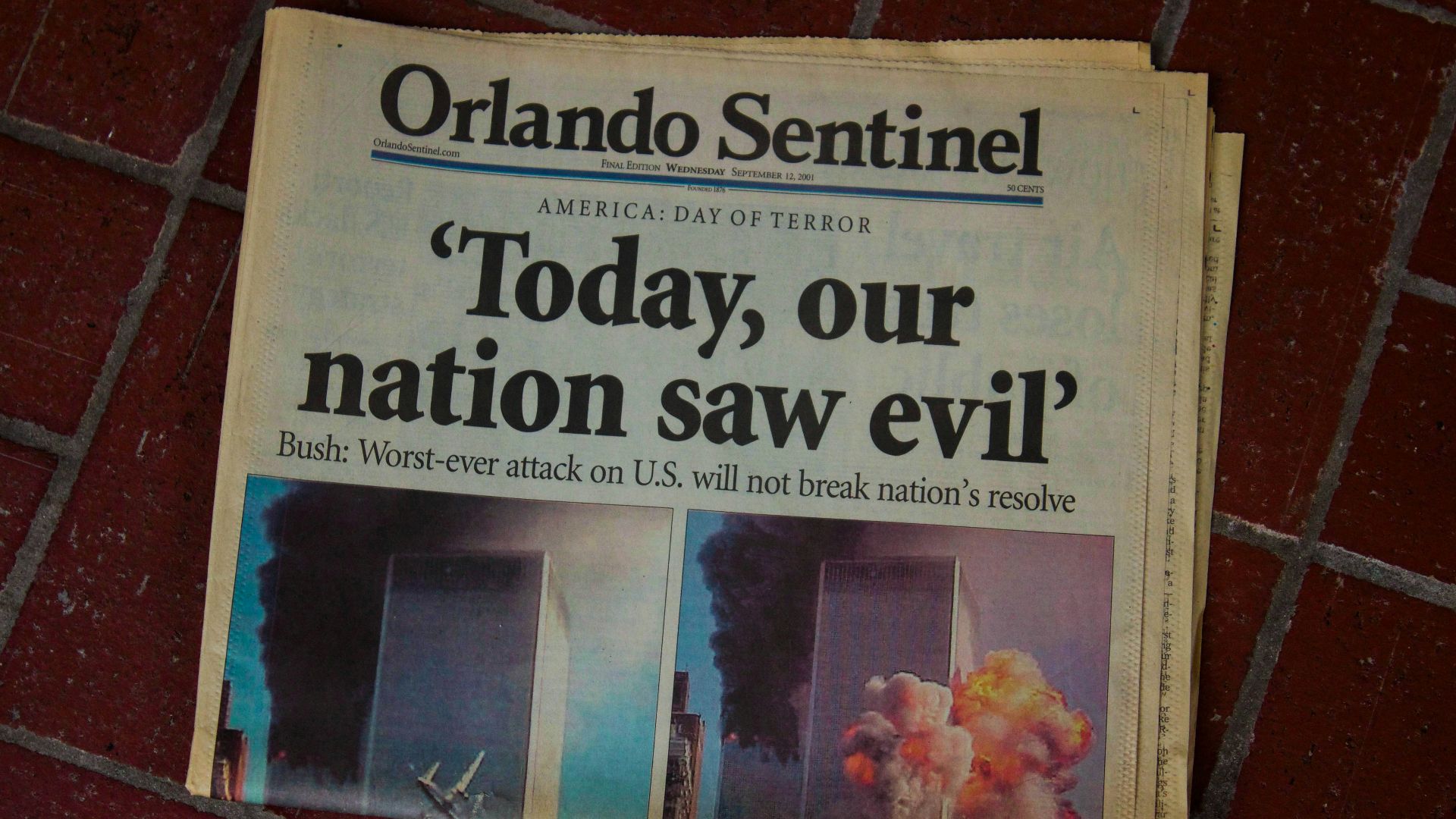
After September 11, flying did not just become more stressful—it became psychologically different. People canceled trips, avoided airports, and looked at commercial aviation through an entirely new lens because a real attack had turned ordinary travel infrastructure into the center of global fear.
5. Bali After the 2002 Bombings
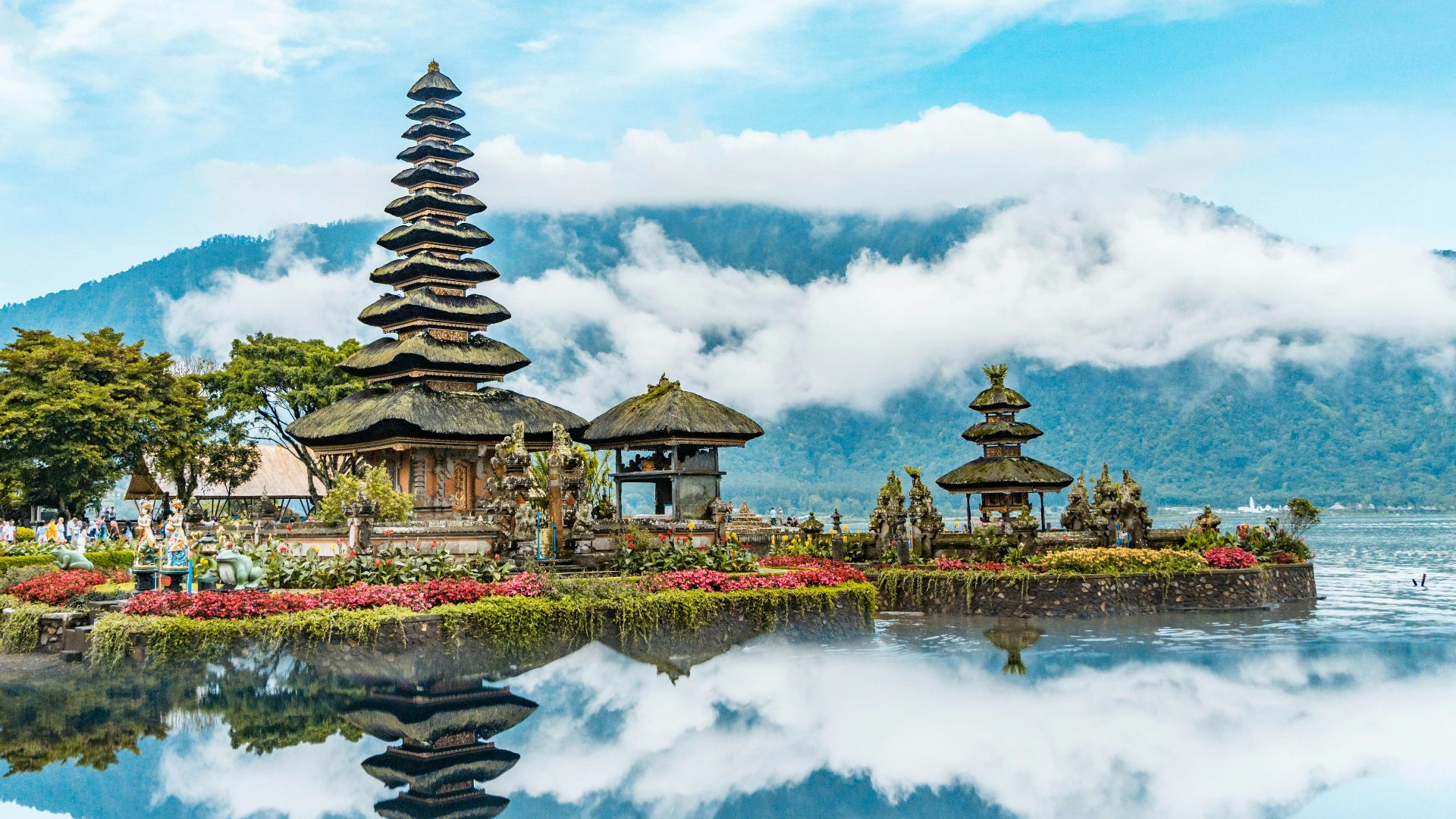
Bali had been sold in the global imagination as carefree, tropical, and safely distant from geopolitical violence. The bombings shattered that illusion overnight, and tourism dropped hard because people were reacting to a direct attack on a major travel destination. The panic was real because the threat had already shown itself.
6. The Indian Ocean Tsunami
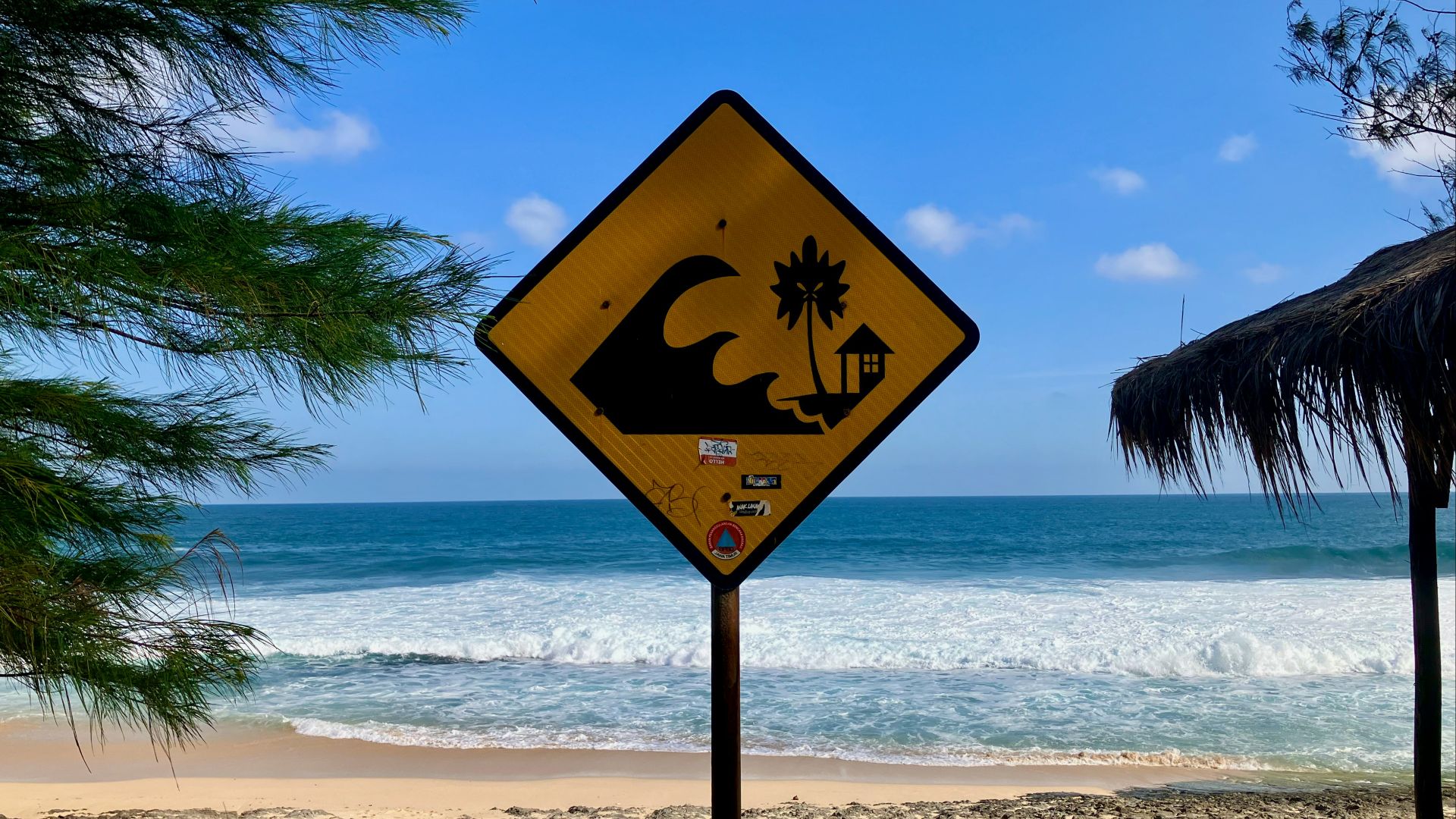
After the 2004 tsunami, panic around parts of Thailand, Sri Lanka, Indonesia, and the Maldives was absolutely grounded. Coastal resorts were devastated, infrastructure was damaged, and people were trying to process the fact that vacation zones had turned into disaster zones in a matter of hours.
7. Zika and Pregnancy Travel
Zika created a very specific and very justified travel panic, especially for people who were pregnant or trying to conceive. The fear was not vague; it was tied to a known medical risk and to destinations where mosquito exposure mattered in a concrete way. That kind of trip reassessment was caution, not hysteria.
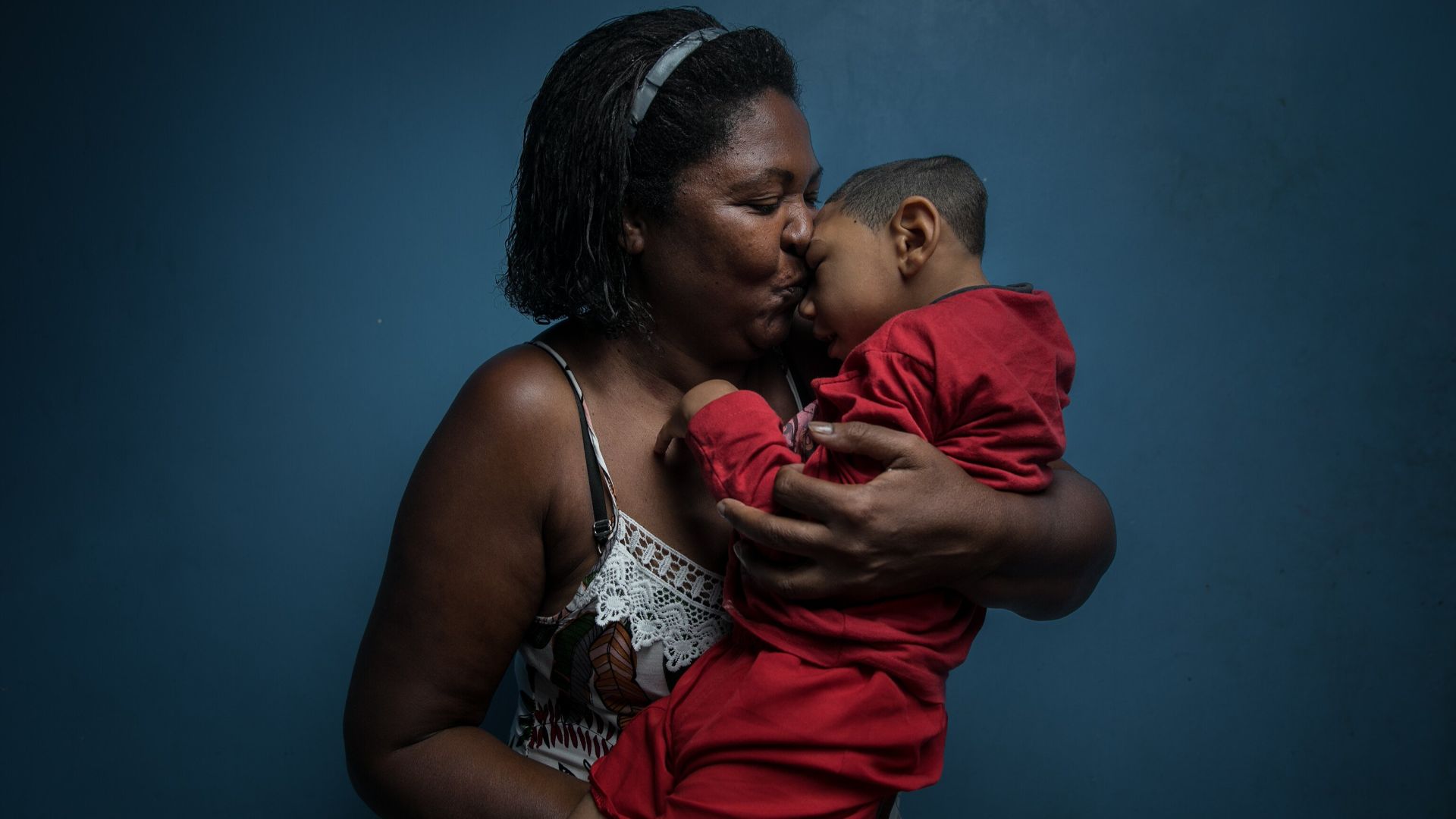 Felipe Fittipaldi / Wellcome Photography Prize 2019 on Wikimedia
8. Fukushima and Northern Japan
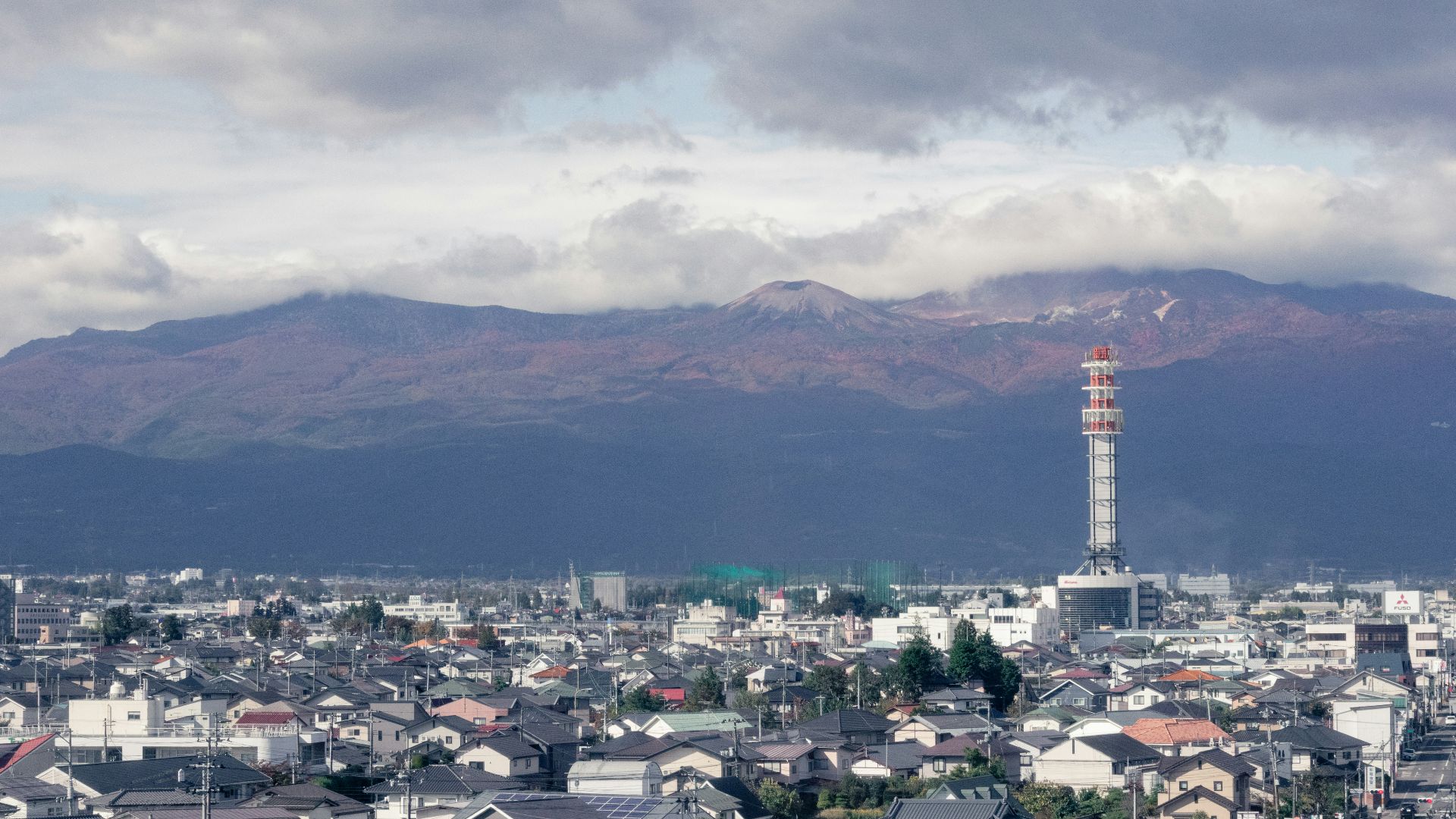
After the 2011 earthquake, tsunami, and nuclear disaster, fear around travel to Japan surged. Some of it expanded too broadly later on, but in the immediate aftermath, the caution was real: infrastructure was disrupted, information was still developing, and the crisis had multiple layers unfolding at once.
9. Israel and the Region After October 7
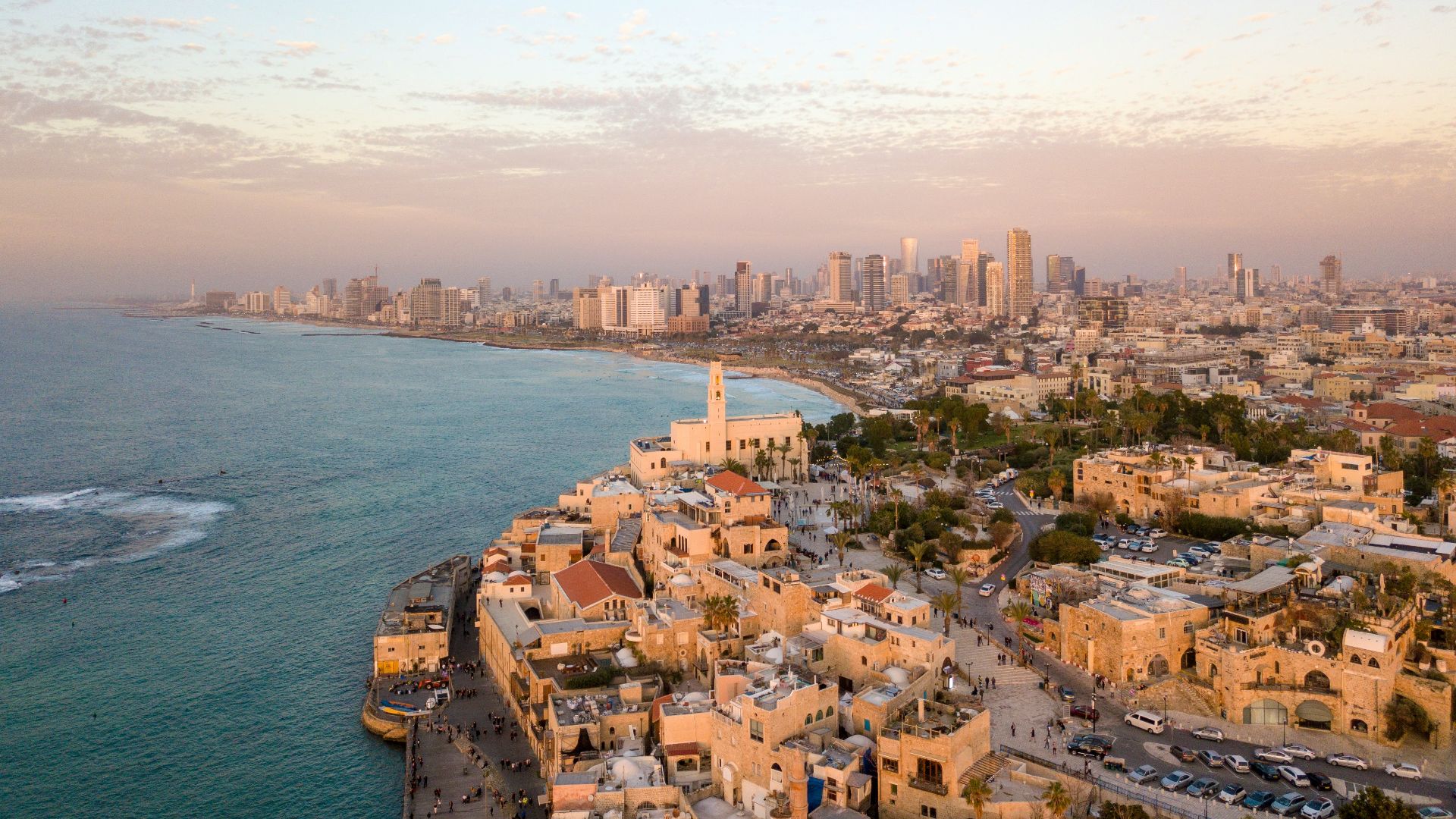
After the October 7 attacks, travel panic around Israel and nearby parts of the region was not abstract or media-driven. Flights were canceled or reduced, security concerns escalated immediately, and travelers had to think less about plans and more about whether they could get in, get out, or reroute safely. In that kind of situation, fear is not overreaction—it is a response to a destination changing in real time.
10. Hurricane Irma and Caribbean Travel
When Hurricane Irma hit in 2017, panic around travel to parts of the Caribbean was entirely justified. Airports shut down, resorts closed, cruise itineraries were thrown into chaos, and islands that depend heavily on tourism were suddenly dealing with major infrastructure damage instead of visitors.
And now, here are ten instances where travel panic was pure unwarranted hysteria.

1. Bermuda Triangle Flights to Miami and San Juan
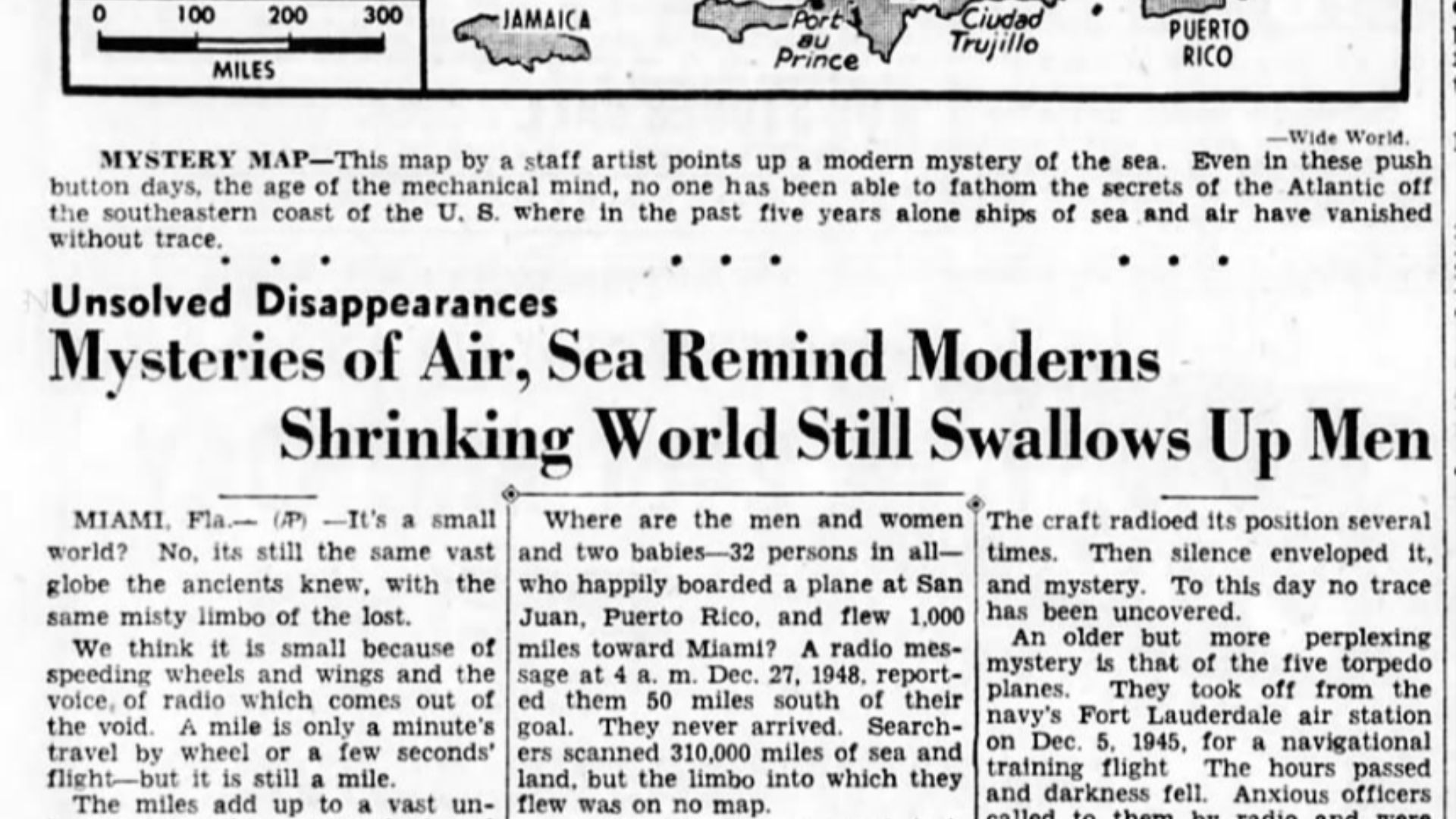
For years, the Bermuda Triangle made ordinary flights and cruises connected to Miami, San Juan, and Bermuda sound like they were wandering into some kind of supernatural trap. In reality, huge numbers of ships and planes passed through that region without incident, but mystery books, documentaries, and repetition gave the route a level of menace it never actually earned.
 Wide World and Associated Press on Wikimedia
2. Quicksand Fear in Jungle and Safari Travel
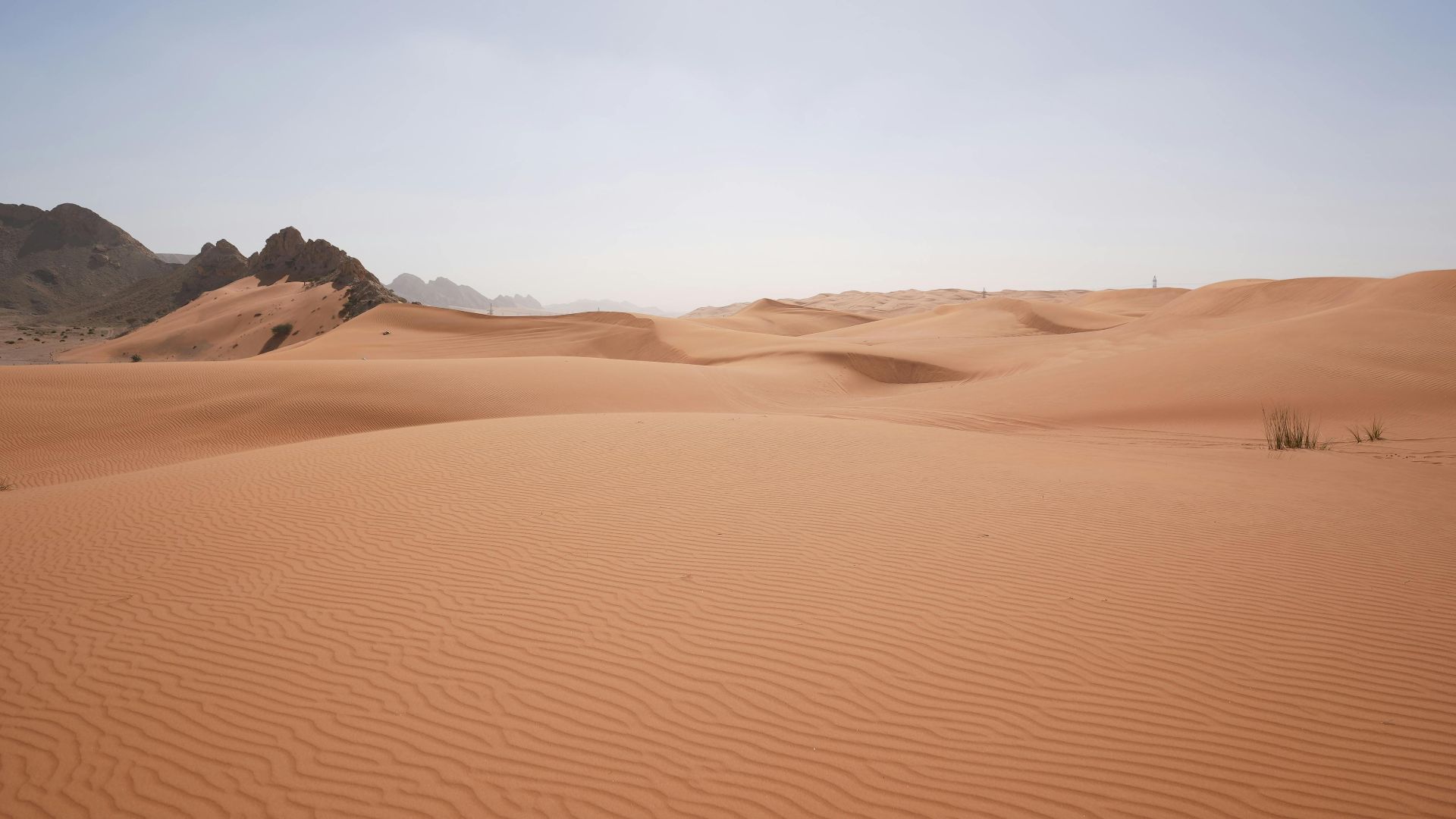
For a long stretch of pop culture, people talked about jungle trips, desert routes, and safari-style travel as if quicksand were a routine hazard waiting just off the path. Movies made it feel like one wrong step in any remote landscape could turn into a dramatic sinking scene, and that image stuck far more than the actual risk ever did.
3. “Montezuma’s Revenge” in Mexico
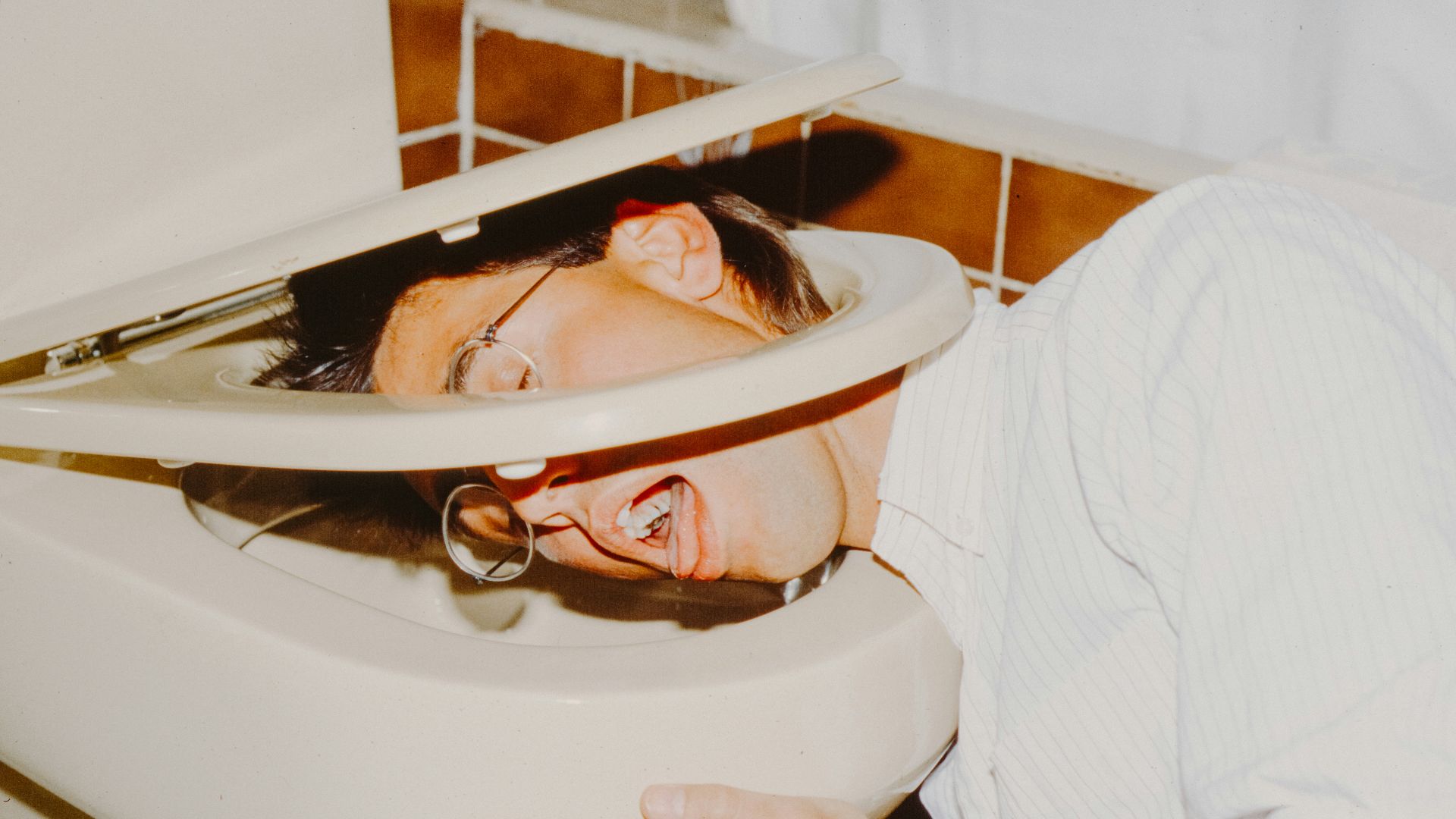
Mexico has spent decades carrying a travel reputation that treats food poisoning like part of the arrival experience. A few bad meals, a lot of exaggerated retellings, and a catchy phrase turned normal traveler caution into the idea that eating anywhere south of the border was basically digestive roulette.
4. Shark Panic in Florida After Summer Attack Headlines
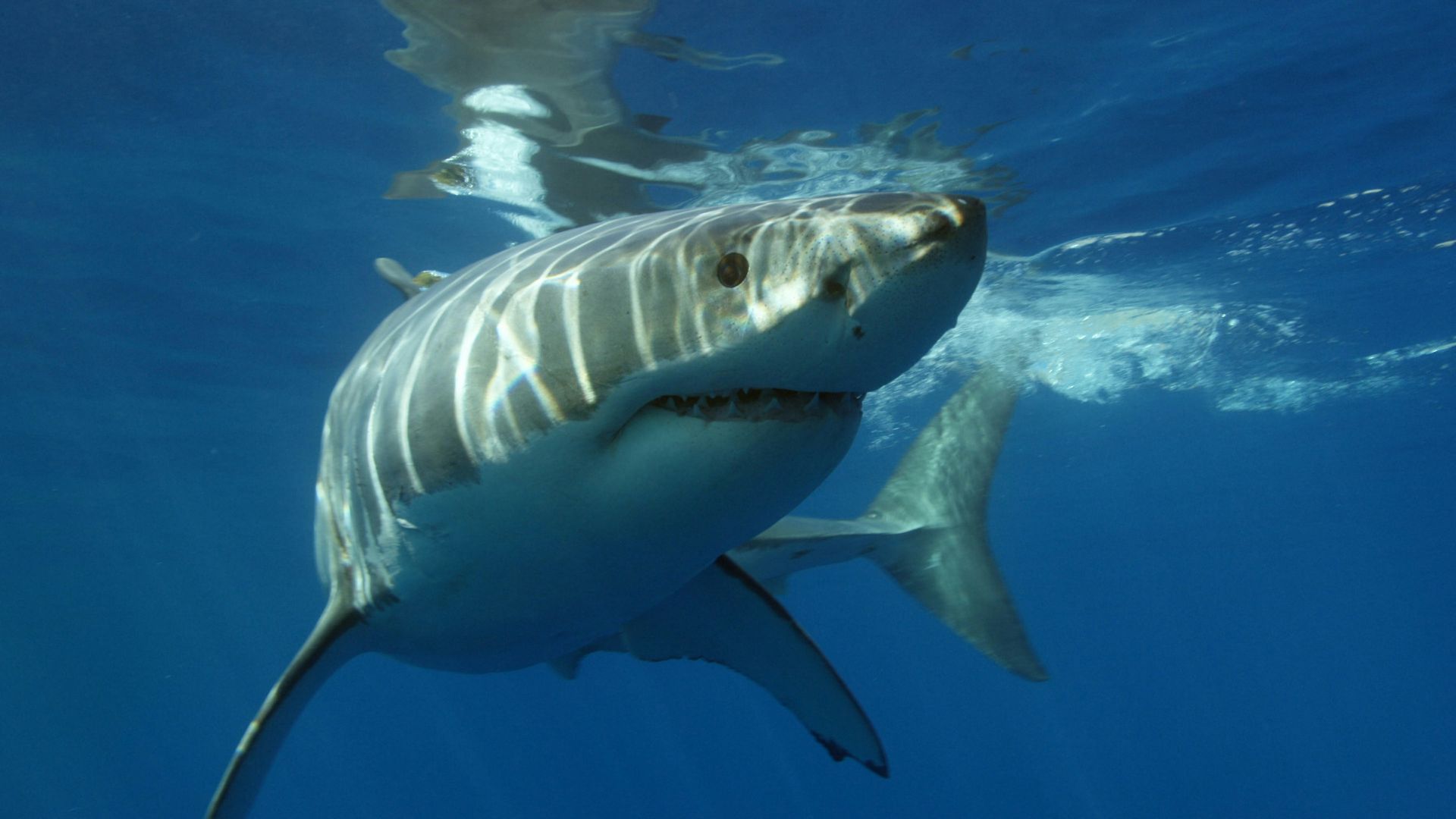
Every time a few shark incidents make headlines in Florida, beach travel starts sounding more dangerous than it is. Suddenly people talk as though getting into the water near Daytona or New Smyrna Beach is basically volunteering for a horror movie, even though the actual odds remain tiny.
5. The Stanley Hotel Ghost Panic
The Stanley Hotel in Colorado is famous partly because people love treating its haunted reputation like a legitimate travel concern. Creaks, old hallways, and a lot of ghost-tour storytelling do most of the work, while guests act as if booking a room means taking on some small paranormal risk.

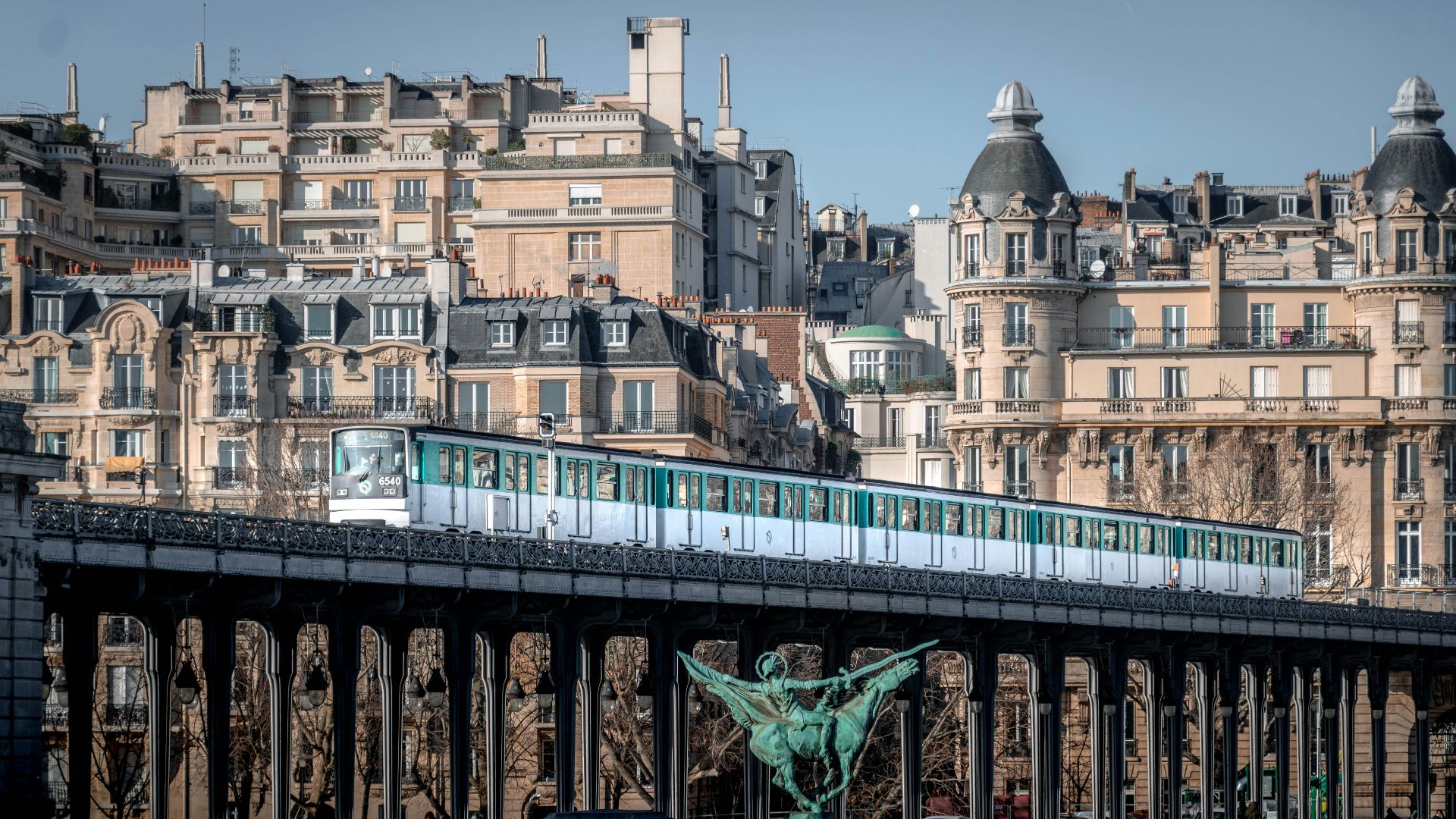
6. Pickpocket Panic on the Paris Metro
Pickpocketing on the Paris Metro is real enough to justify paying attention, but the panic around it often becomes theatrical. Travelers start clutching bags to their chest, whispering warnings to one another, and acting like every crowded platform is an organized trap built specifically for tourists.
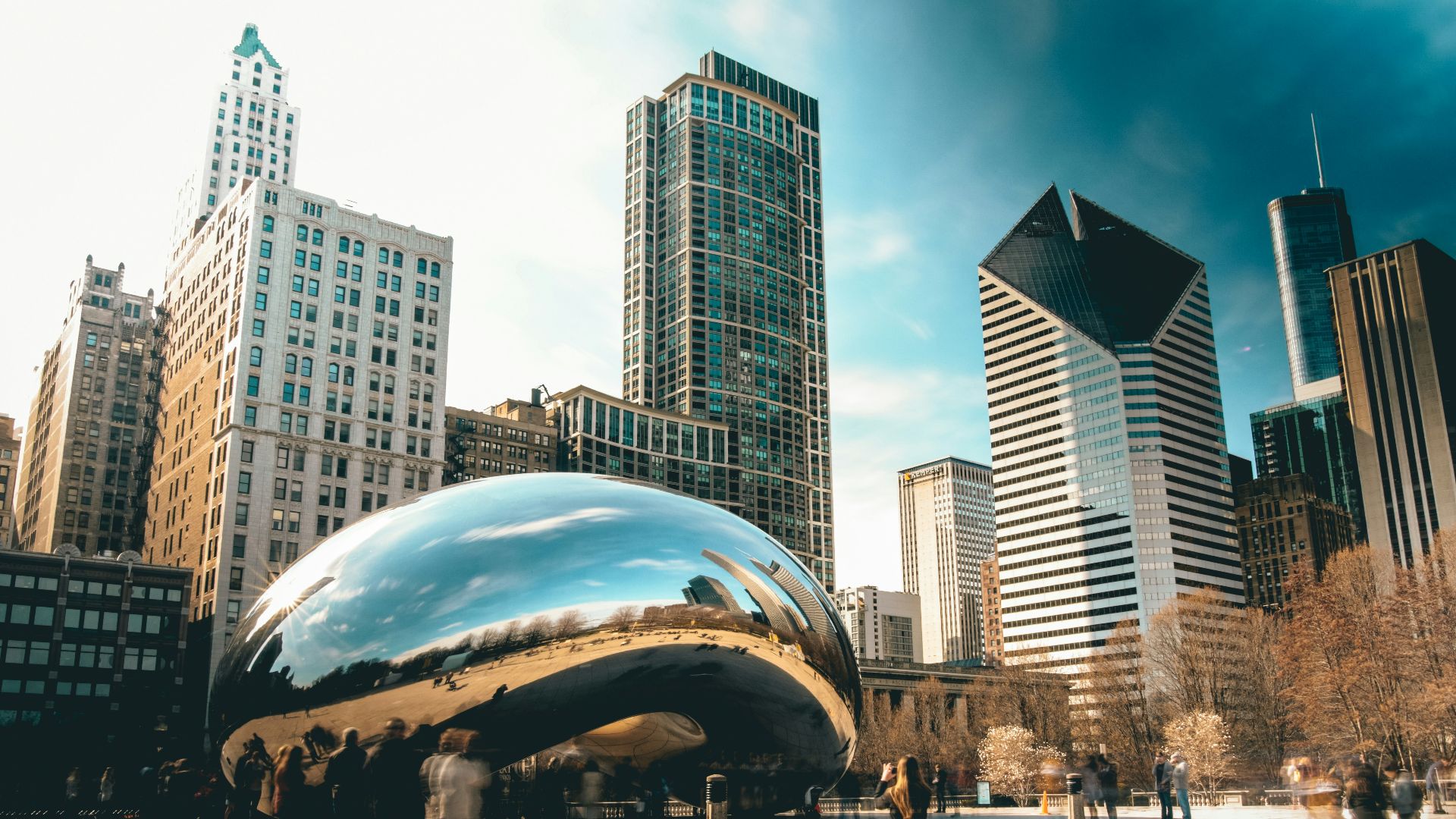
7. “Don’t Go to Chicago” Panic
Chicago gets flattened into a travel warning every time a few dramatic crime stories dominate the news cycle. The result is that entire neighborhoods, museums, restaurants, and normal tourist experiences get mentally erased and replaced with one broad, overheated idea of danger.
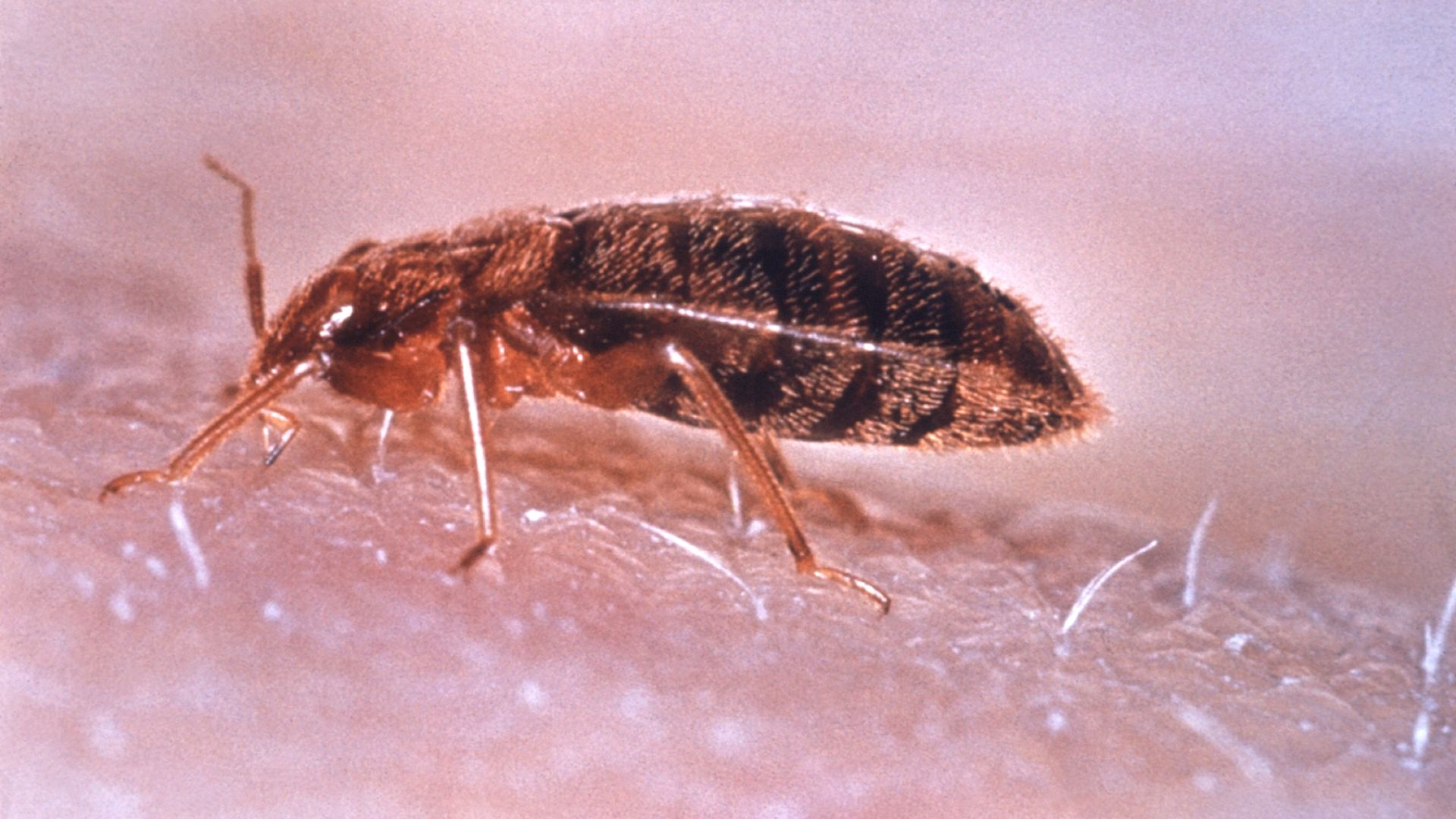
8. Bed Bug Panic in New York Hotels
At various points, bed bug headlines made New York hotel travel sound like a guaranteed infestation event. Suddenly every mattress seemed suspicious, every itch became evidence, and one overnight stay was treated like the beginning of domestic collapse once you got home.
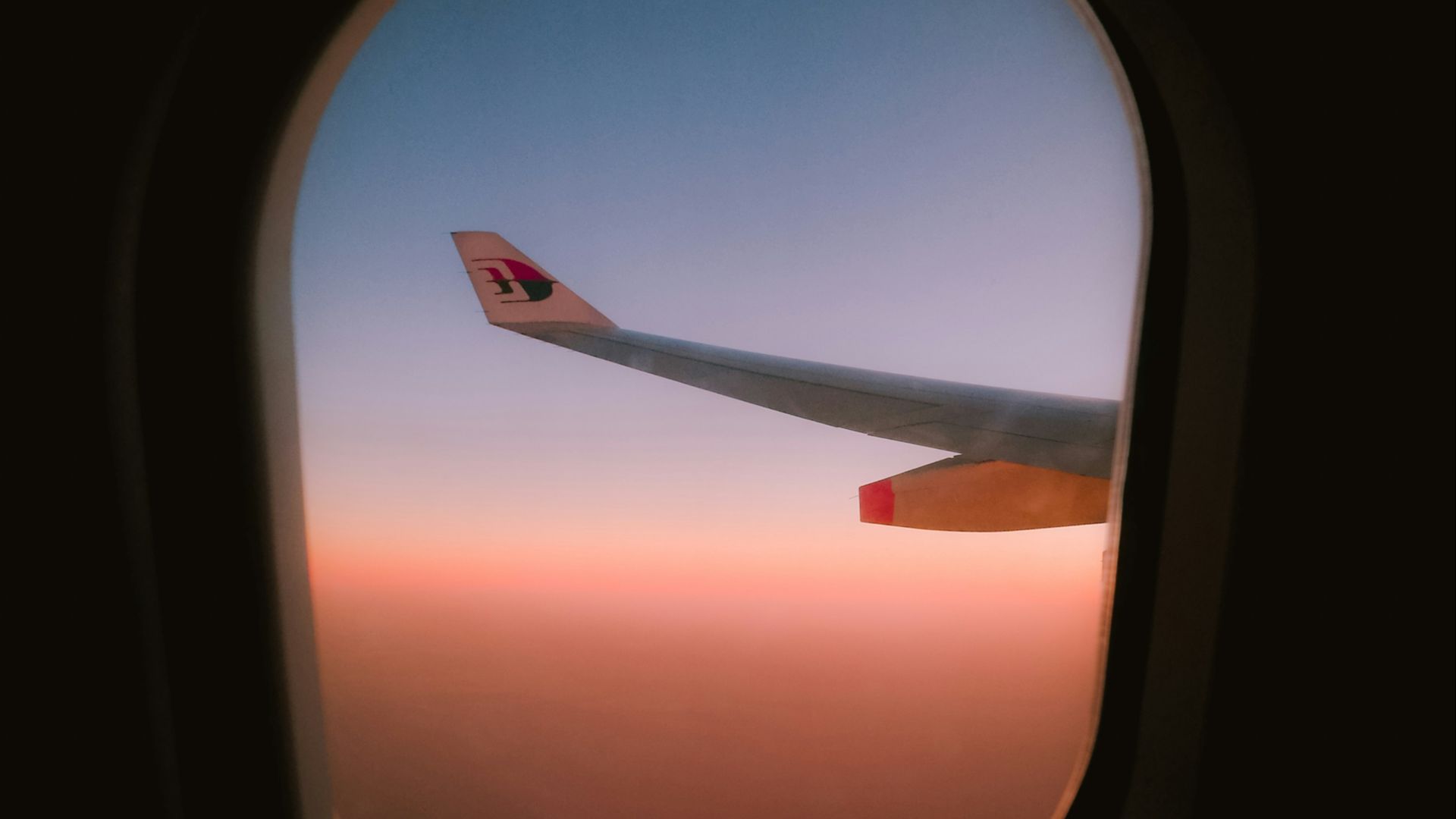
9. Fear of Flying After MH370
After Malaysia Airlines Flight MH370 disappeared, the fear it triggered was understandable but quickly expanded into something much broader than the actual risk supported. People started talking as though commercial aviation had become newly mysterious and fundamentally less safe, even though flying remained statistically one of the safest ways to travel.
10. Tap Water Panic in Bangkok
Warnings about avoiding tap water in Bangkok often get inflated into a much bigger travel superstition than necessary. People move past the sensible precaution and start treating ice, fruit, coffee, street drinks, and basically anything touched by local water as suspect, as if the whole city is one bad sip away from disaster.