Fatigue in the Cockpit
Flying a commercial aircraft is one of the most demanding jobs in the world, and pilot fatigue is a topic the aviation industry takes extremely seriously. Whether you're a nervous flier curious about what's happening up front or simply someone who finds aviation fascinating, it's worth understanding both how pilots manage their energy levels and the common misconceptions surrounding the subject. The science behind fatigue, alertness, and human performance has come a long way, and modern aviation has developed a wide range of evidence-based strategies to keep pilots sharp from takeoff to touchdown.

1. Strategic Pre-Flight Sleep Planning
Pilots don't leave sleep to chance the night before a long-haul flight, and for good reason. Airlines and aviation authorities provide guidance on sleep timing relative to departure, encouraging pilots to align their rest with the natural demands of their body clocks. Getting quality sleep at the right time can make a measurable difference in reaction time, decision-making, and overall mental clarity during a flight.

2. Scheduled Controlled Rest in the Cockpit
On long-haul flights, regulations in many countries (except in the U.S.) permit one pilot at a time to take a short controlled rest period in the cockpit seat while the other maintains full control of the aircraft. These brief rest periods, typically lasting around 40 minutes, are carefully timed to avoid falling into deep sleep, which can cause grogginess upon waking. Research has consistently shown that even a short nap can restore alertness levels significantly during extended operations.
3. Augmented Crew Rotations on Ultra-Long Flights
For flights exceeding a certain number of hours, airlines operate with an augmented crew, meaning there are three or four pilots on board instead of the standard two. This setup allows each crew member to take a proper rest break in a dedicated crew rest area, which is usually a small bunk space separate from the passenger cabin. By the time the aircraft begins its descent, everyone on the flight deck has had adequate rest and is fully prepared to manage the most demanding phases of the flight.
4. Strict Regulatory Limits on Flight and Duty Time
Aviation regulators around the world set hard limits on how many hours a pilot can fly within a given day, week, and month, and airlines are legally required to follow them without exception. These flight time limitations also account for the total duty period, which includes time spent on the ground before and after a flight, not just the hours in the air. Pilots who approach these limits are taken off the roster to rest, regardless of operational pressures or scheduling preferences.

5. Caffeine Use Timed to the Flight Schedule
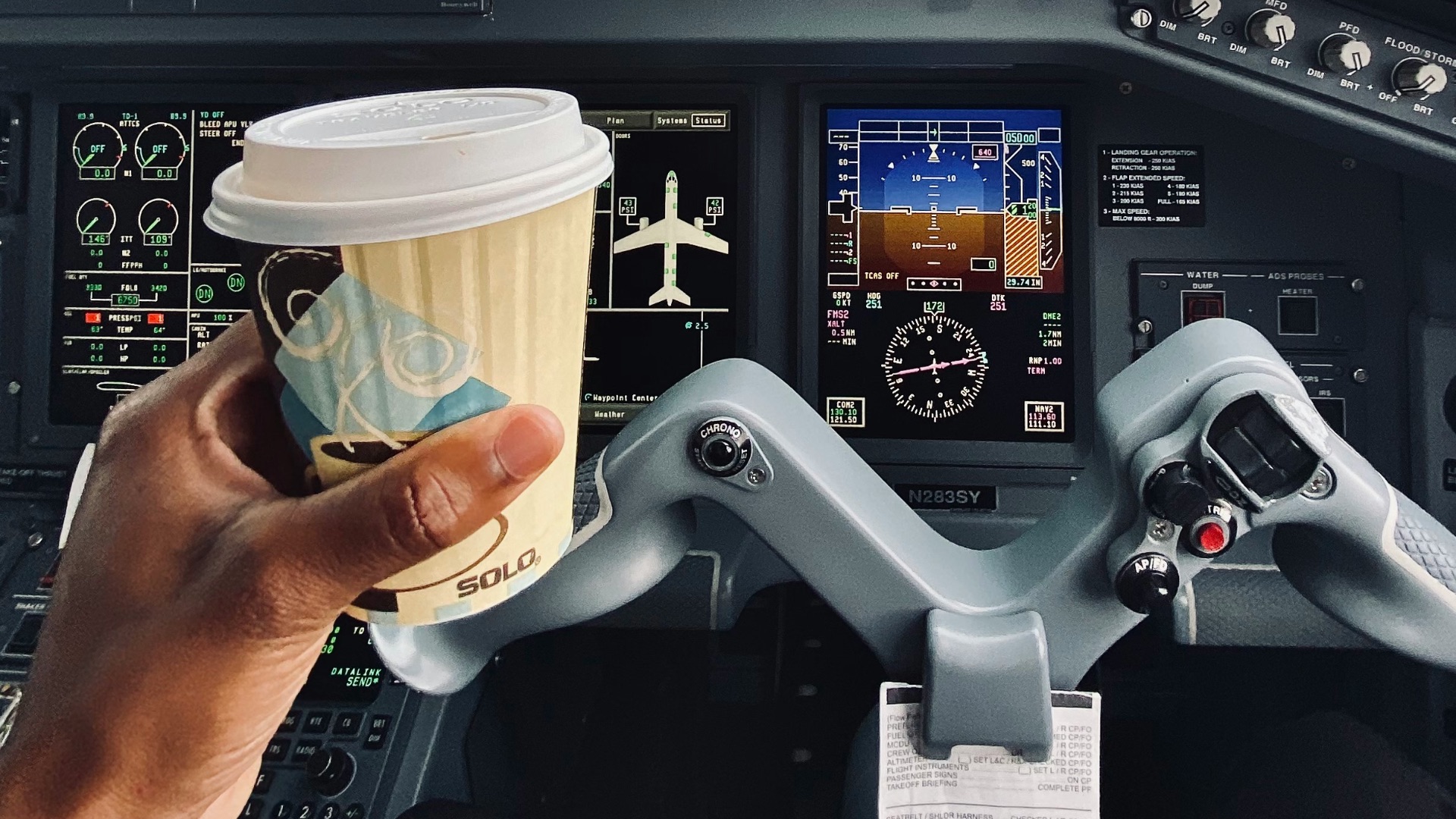
Caffeine is one of the most well-studied alertness aids available, and pilots are generally well-informed about how to use it effectively rather than just habitually. Consuming caffeine at the right point in a flight, rather than immediately before trying to sleep during a rest break, can help maintain vigilance during low-alertness windows without disrupting later rest.
6. Verbal Callouts and Active Cross-Checks
One of the most practical ways pilots maintain focus throughout a flight is by following structured verbal procedures and cross-checking each other's actions at key moments. Saying things out loud and confirming instrument readings with a fellow crew member keeps both pilots engaged with what's happening rather than passively monitoring. This system of active participation means that even during quieter phases of cruise flight, the crew stays mentally in the loop.
7. Light Exposure to Manage Circadian Rhythms
Exposure to bright light at specific times can shift the body's internal clock, which is particularly useful for pilots operating across multiple time zones in rapid succession. Some crews use bright light therapy devices during layovers or before flights to nudge their circadian rhythm in a favorable direction. Avoiding bright light at the wrong times, such as right before a planned sleep period, is equally important and something experienced pilots tend to manage with care.
8. Fatigue Risk Management Systems
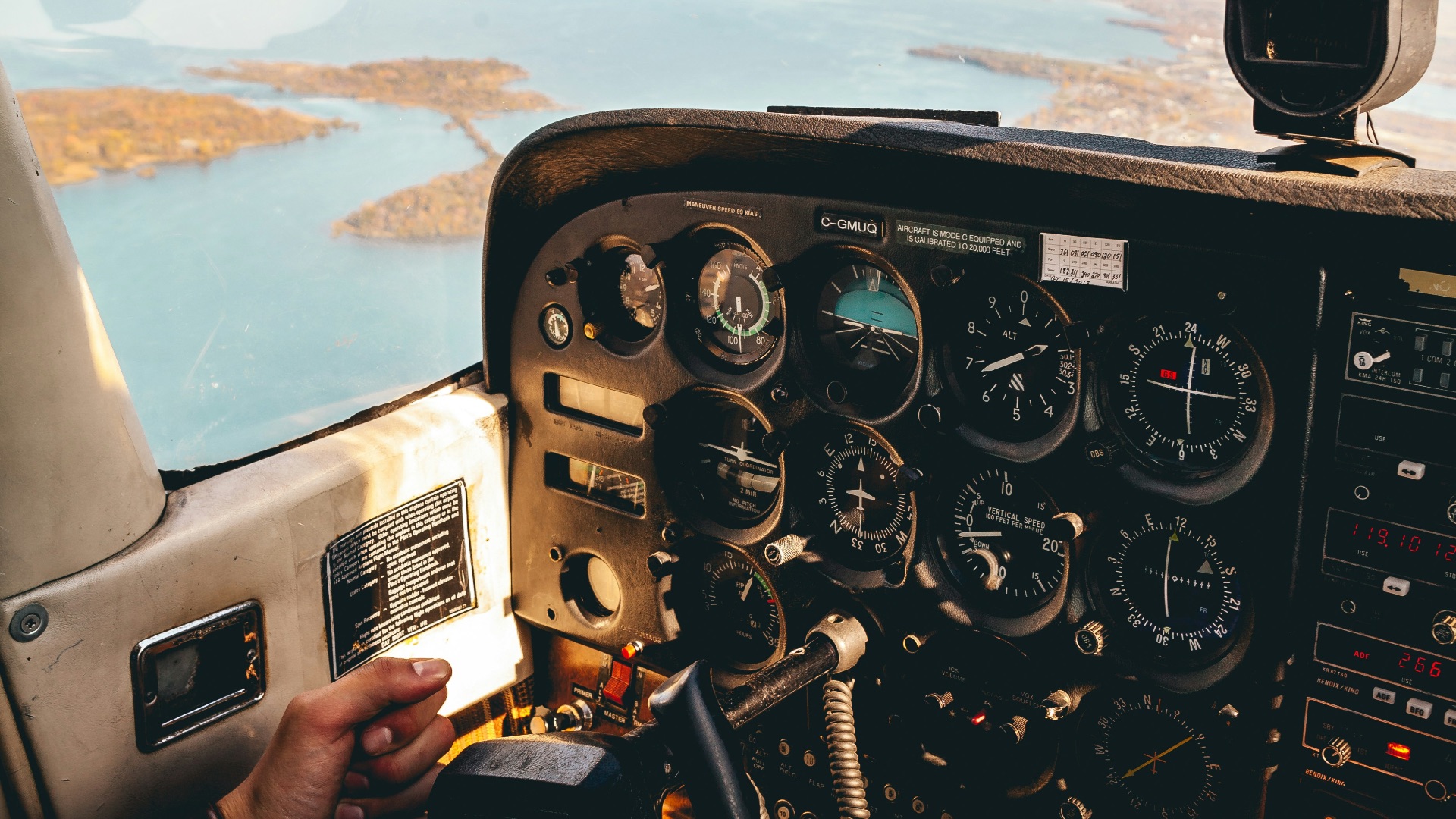
Many airlines now operate under a Fatigue Risk Management System, which is a data-driven approach to identifying and mitigating fatigue risk across their entire flight operations. These systems use mathematical models to predict alertness levels based on sleep history, time of day, and duty schedules, flagging high-risk pairings before they even occur. It's a proactive rather than reactive way of handling the problem, and it's increasingly recognized as best practice across the global industry.

9. Physical Fitness and Healthy Lifestyle Habits
Pilots who maintain regular exercise routines, eat balanced diets, and avoid excessive alcohol tend to have better overall sleep quality and are more resilient to the effects of irregular schedules. The demands of a flying career make it tempting to let healthy habits slide during layovers or off days, but most seasoned pilots understand that physical well-being is directly tied to professional performance.

10. Open Communication About Fatigue Levels
Aviation safety culture has worked hard in recent decades to create an environment where pilots feel comfortable reporting fatigue without fear of professional consequences. If a crew member feels too tired to fly safely, modern safety frameworks actively encourage them to say so rather than push through the duty. This kind of open communication between pilots and their airlines is one of the most important safeguards in the entire system, and it's far more valuable than any single technical solution.
Still curious about how pilots deal with fatigue? Instead of blindly believing the worst, read on as we debunk some common myths about fatigue in the cockpit.

1. You Can Train Yourself to Need Less Sleep
A surprisingly common belief is that regularly sleeping fewer hours somehow conditions the body to function well on less rest over time. In reality, the scientific evidence shows clearly that chronic sleep restriction leads to a cumulative deficit that impairs cognitive performance even when the person believes they've fully adapted. Pilots who operate under this assumption are at higher risk precisely because they don't recognize just how compromised their performance actually is.
 Solving Healthcare on Unsplash
2. Fatigue Is Always Obvious When It Happens
One of the trickiest aspects of fatigue is that it impairs your ability to accurately assess your own level of impairment, which means tired people often feel more capable than they actually are. Studies in aviation and other high-performance domains have shown that fatigued individuals consistently overestimate how alert they are compared to objective measures of their performance. This is part of why aviation relies on regulated rest requirements rather than simply trusting pilots to judge for themselves when they're too tired to fly.

3. A Good Night's Sleep Before a Flight Is Sufficient
While a solid night of sleep before a duty period is certainly helpful, it doesn't fully erase the effects of prior sleep debt or circadian disruption from multiple time zone crossings. Fatigue accumulates over days and weeks, not just overnight, which means a single good sleep doesn't always solve the problem. Aviation fatigue science takes a longer view of sleep history when assessing a pilot's fitness for duty, rather than focusing narrowly on the preceding night.

4. Willpower Can Overcome Sleepiness
There's a deeply ingrained cultural idea that pushing through tiredness is a sign of discipline or toughness, but neuroscience doesn't support that view when it comes to genuine physiological fatigue. At a certain point, the brain simply begins to shut down in brief episodes known as microsleep, which can last a few seconds and occur without the person being aware of them. Determination and professionalism are qualities every good pilot has in abundance, but they aren't a biological substitute for actual rest.

5. Jet Lag Only Affects Passengers
Pilots experience jet lag just as passengers do, and in many cases more intensely because they cross time zones far more frequently and often have shorter layover periods to recover. The disruption to circadian rhythm that causes jet lag directly affects sleep quality, alertness, mood, and cognitive function, all of which matter enormously in the cockpit. Aviation authorities factor circadian disruption into duty time regulations precisely because it's a recognized and measurable source of impairment.

6. Autopilot Means Pilots Can Relax Entirely
Autopilot is a useful tool that reduces manual workload during cruise flight, but it absolutely doesn't mean the crew can switch off their attention. Pilots are still actively monitoring systems, communicating with air traffic control, scanning for weather, reviewing fuel states, and planning for contingencies throughout the flight. The mental workload of vigilant monitoring during a long cruise phase is itself tiring, which is exactly why regulated rest and rotation procedures exist even on highly automated aircraft.
7. Energy Drinks Are a Reliable Alertness Fix
High-sugar energy drinks might produce a temporary feeling of wakefulness, but the subsequent crash in energy levels can leave someone more fatigued than before they consumed them. The large amounts of caffeine in many such products also carry risks, including increased heart rate, anxiety, and disrupted sleep quality afterward, none of which are desirable in a professional aviation context. Pilots are generally advised to rely on moderate, well-timed caffeine from reliable sources like coffee or tea rather than products with unpredictable stimulant combinations.

8. Short Flights Don't Carry Fatigue Risks
Short-haul flying actually presents its own set of fatigue challenges, since pilots may complete four, five, or even six takeoffs and landings in a single duty day, with each sector requiring full concentration and precise execution. Early morning departure times are particularly common in short-haul operations, meaning crew members often have to wake up in the early hours of the morning when the body's drive to sleep is at its strongest. Fatigue research has found that the demands of short-haul flying can be just as taxing as a single long overnight flight.

9. Only Night Flights Cause Serious Fatigue
Night flights do carry heightened fatigue risks because they conflict with the body's natural sleep drive (and darkness obscures the horizon), but they're far from the only time fatigue becomes a concern for flight crews. Afternoon departures following early morning check-ins, flights that extend into the early hours of the morning, and duty periods following disrupted layovers all present real fatigue challenges regardless of what time the aircraft actually lifts off.
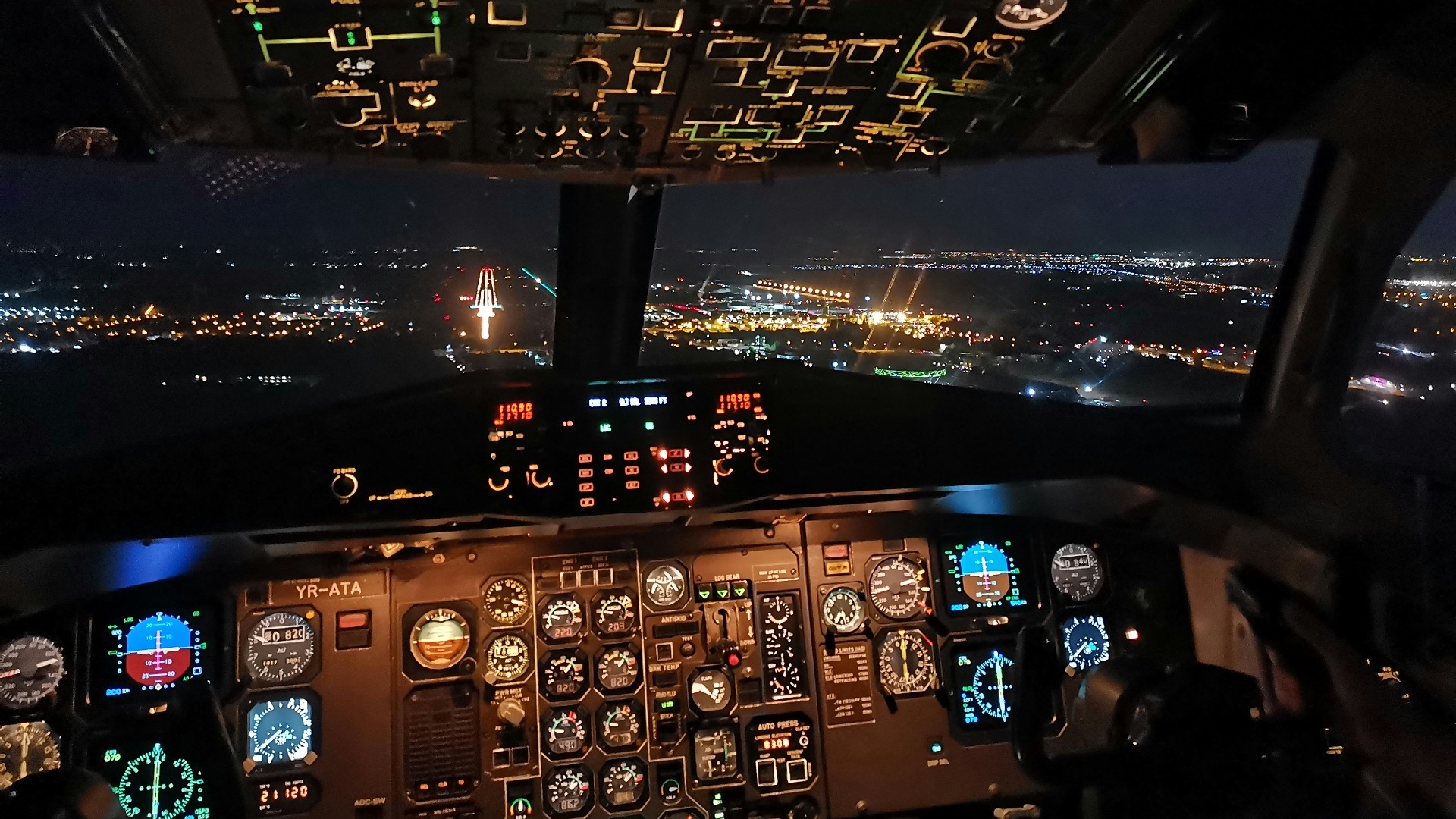
10. Modern Technology Has Eliminated Fatigue as a Risk
Advanced avionics, sophisticated automation, and improved cockpit design have certainly reduced workload in many phases of flight, but none of them change the fundamental biology of the human brain. Sleep is a physiological necessity, and no amount of technological sophistication removes the need for pilots to be genuinely well-rested to perform at their best. The aviation industry continues to invest heavily in fatigue research and management precisely because the human factor remains central to safe flight operations, even in the most modern aircraft.