The Beautiful Corners Of The World Where Getting Lost Is Weirdly Easy
Disappearing doesn’t always mean a conspiracy, and it usually doesn’t start with drama. It starts with a wrong turn, a shortcut that looks obvious, a wave that pulls harder than expected, or a weather change that arrives like someone flipped a switch. Tourist hotspots can be deceptively dangerous because they feel familiar, even when they’re wilderness, open water, desert, or mountain in a costume of postcards and Instagram geotags. Search-and-rescue teams talk about the same patterns repeating, and the National Park Service, for example, deals with missing-person incidents for plenty of ordinary reasons, from disorientation to accidents to weather delays. Here are 20 places with a steady history of visitors going missing, where the landscape does not care how confident you felt at the trailhead.
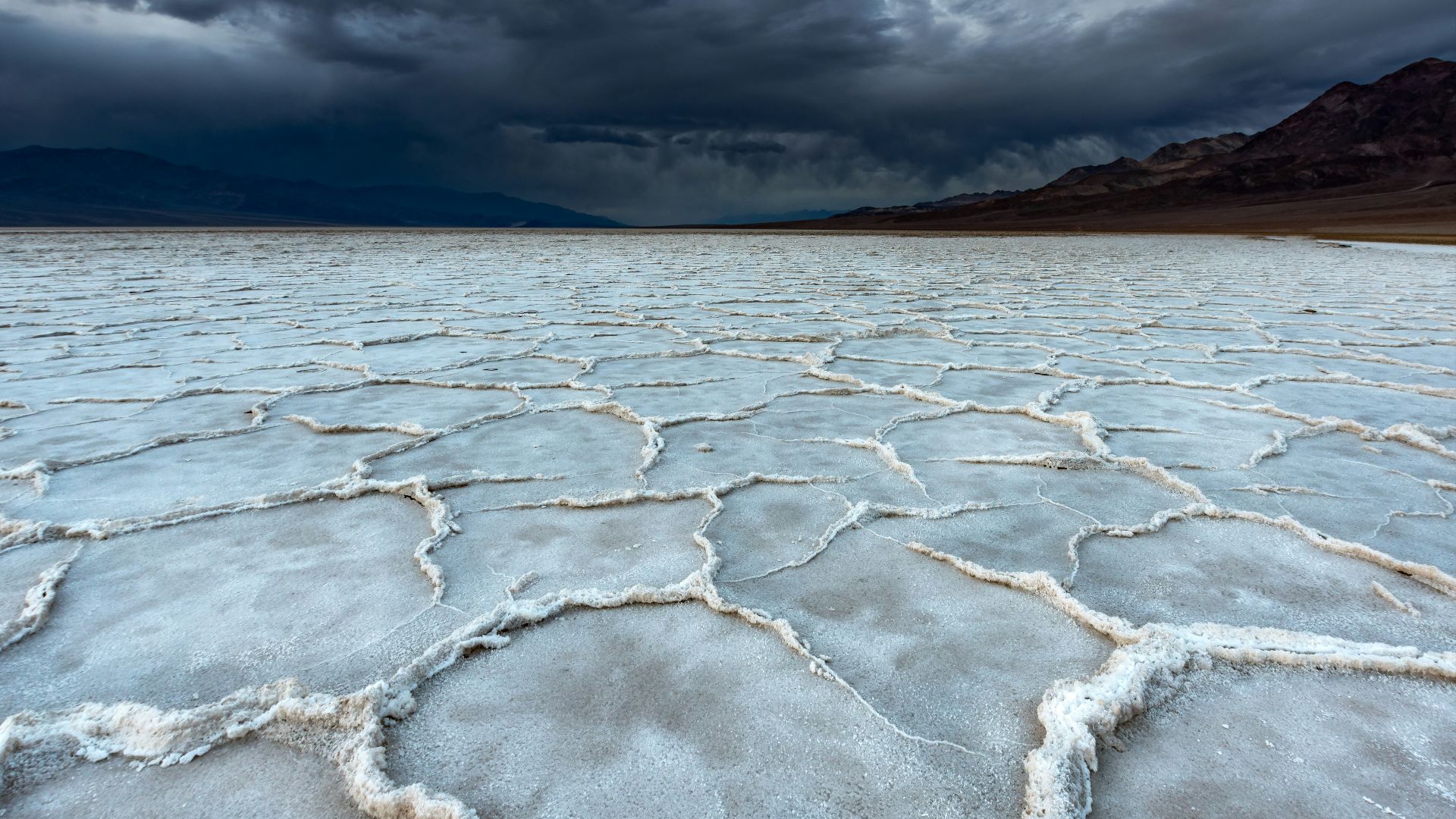
1. Death Valley National Park, United States
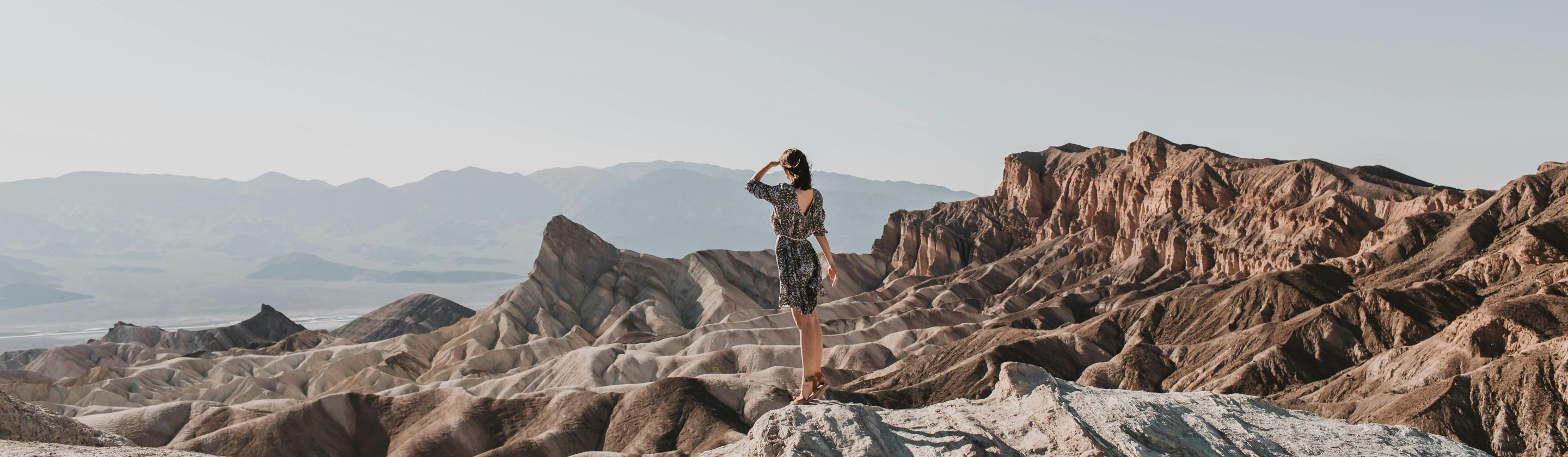
Death Valley looks like a wide-open nothingness, which tricks people into thinking they can improvise. Heat, distance, and the way landmarks blur together can turn a small mistake into a missing-person callout, especially once someone leaves the main routes.
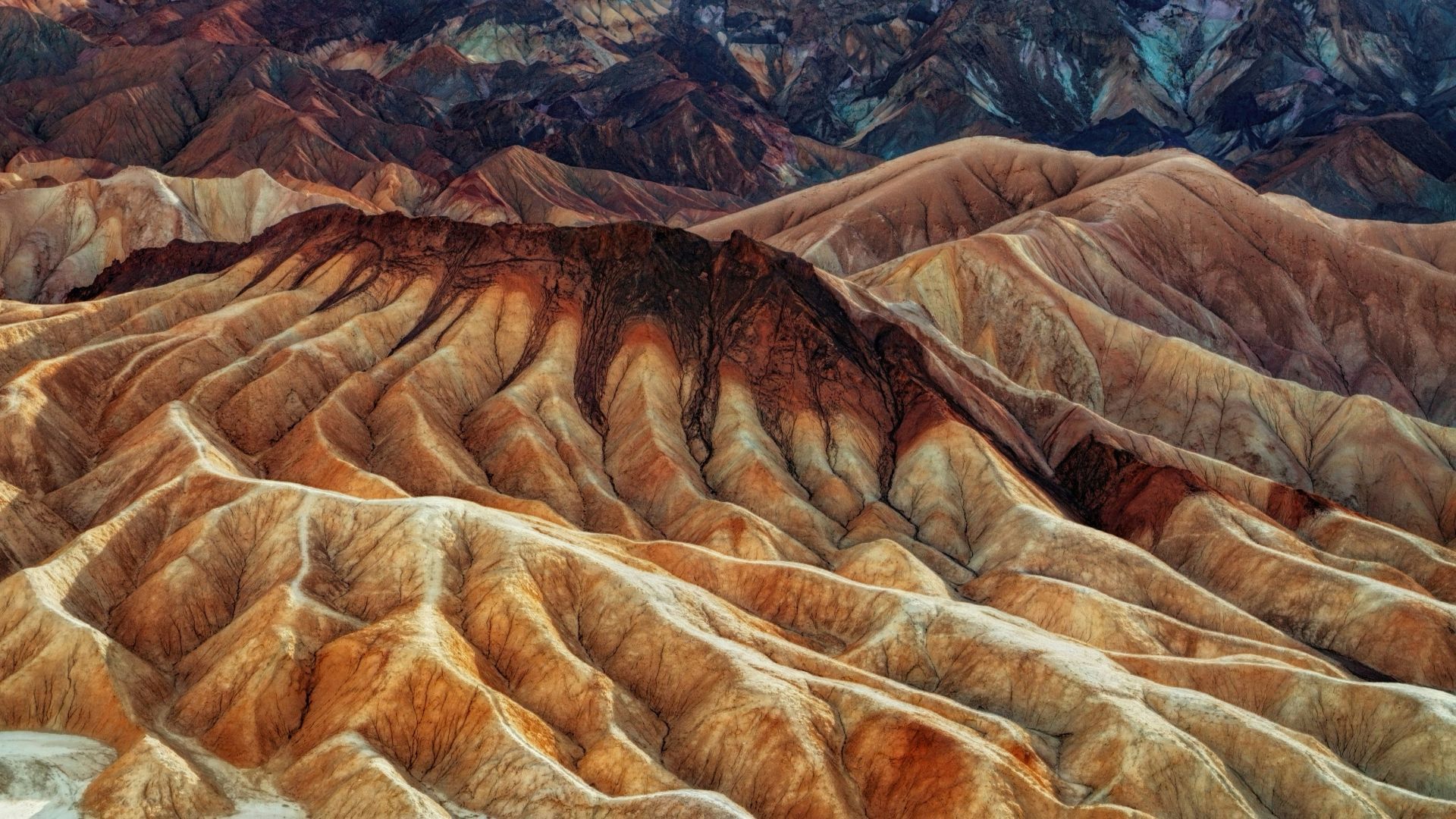
2. The Grand Canyon, United States
The Canyon has a reputation that feels almost friendly, like a national monument you can casually “do” in a day. The reality is a huge vertical system where dehydration, falls, and sudden weather can isolate people fast, and rescues often depend on timing and visibility.
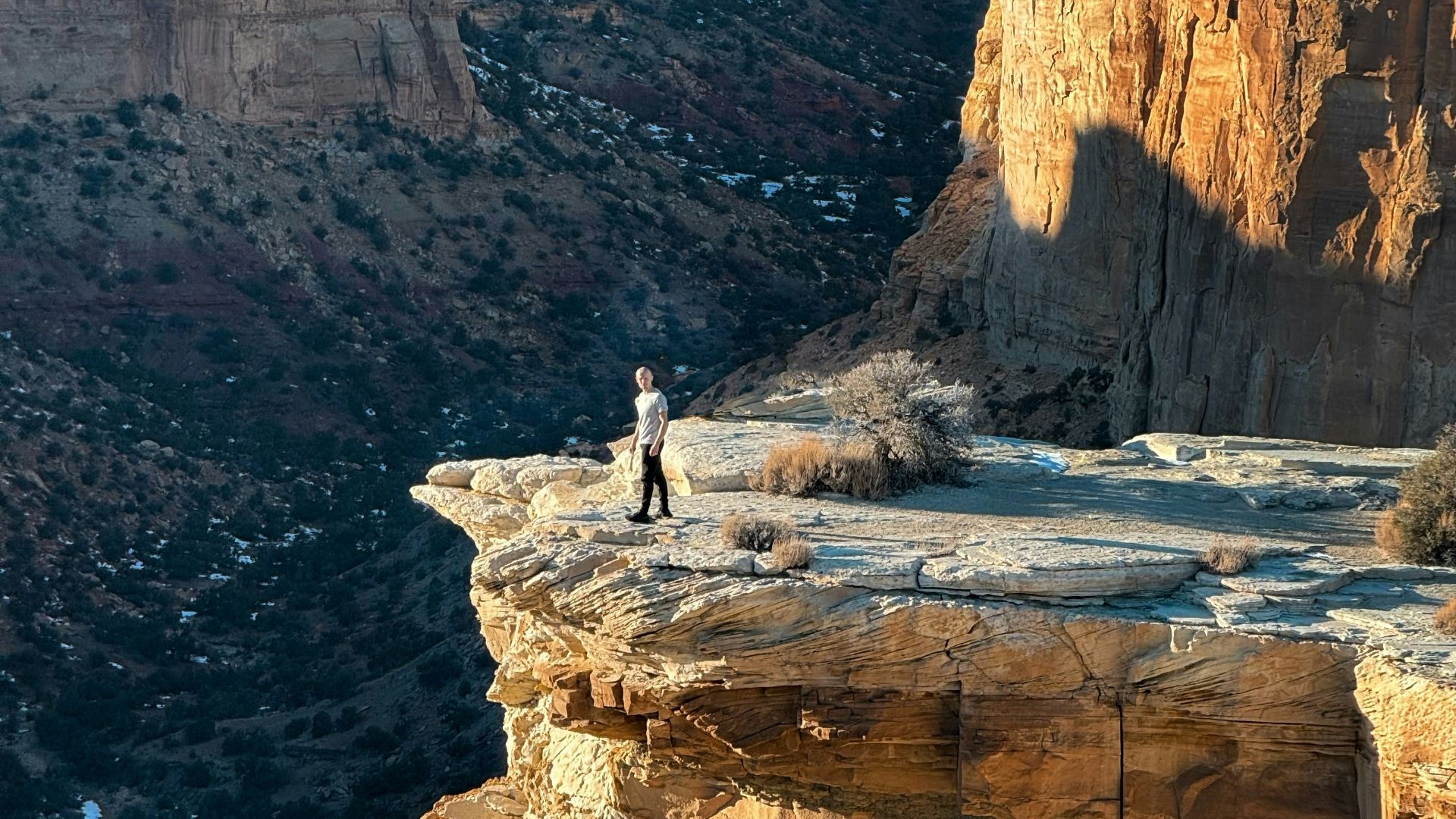 Emmanuil Androshchuk on Unsplash
3. Yosemite National Park, United States
Granite domes and deep forest make Yosemite stunning, and they also make it easy to vanish from sight. People slip off trails, underestimate rivers and slick rock, or get pinned by weather, and the terrain can hide a person shockingly well.
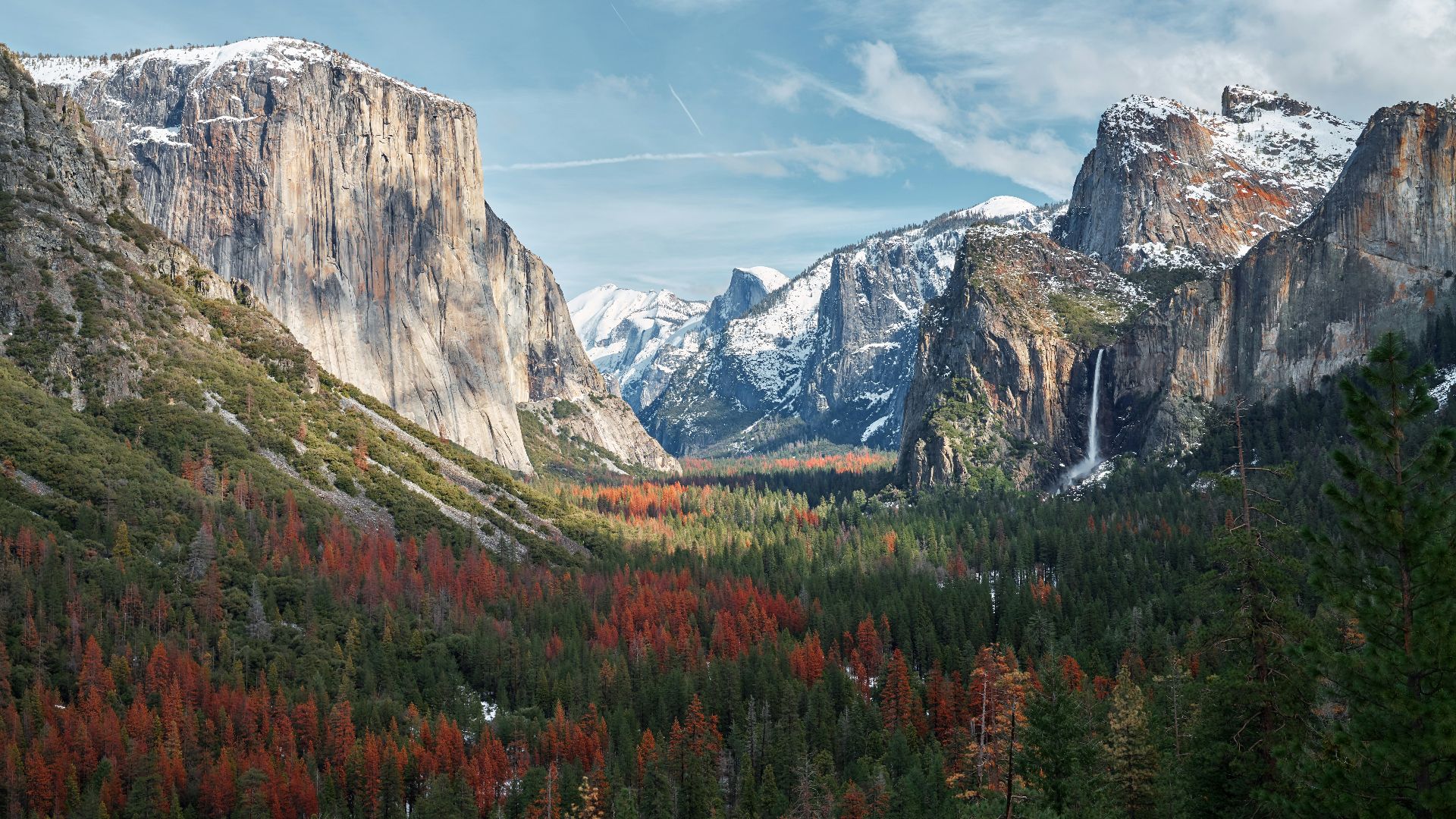
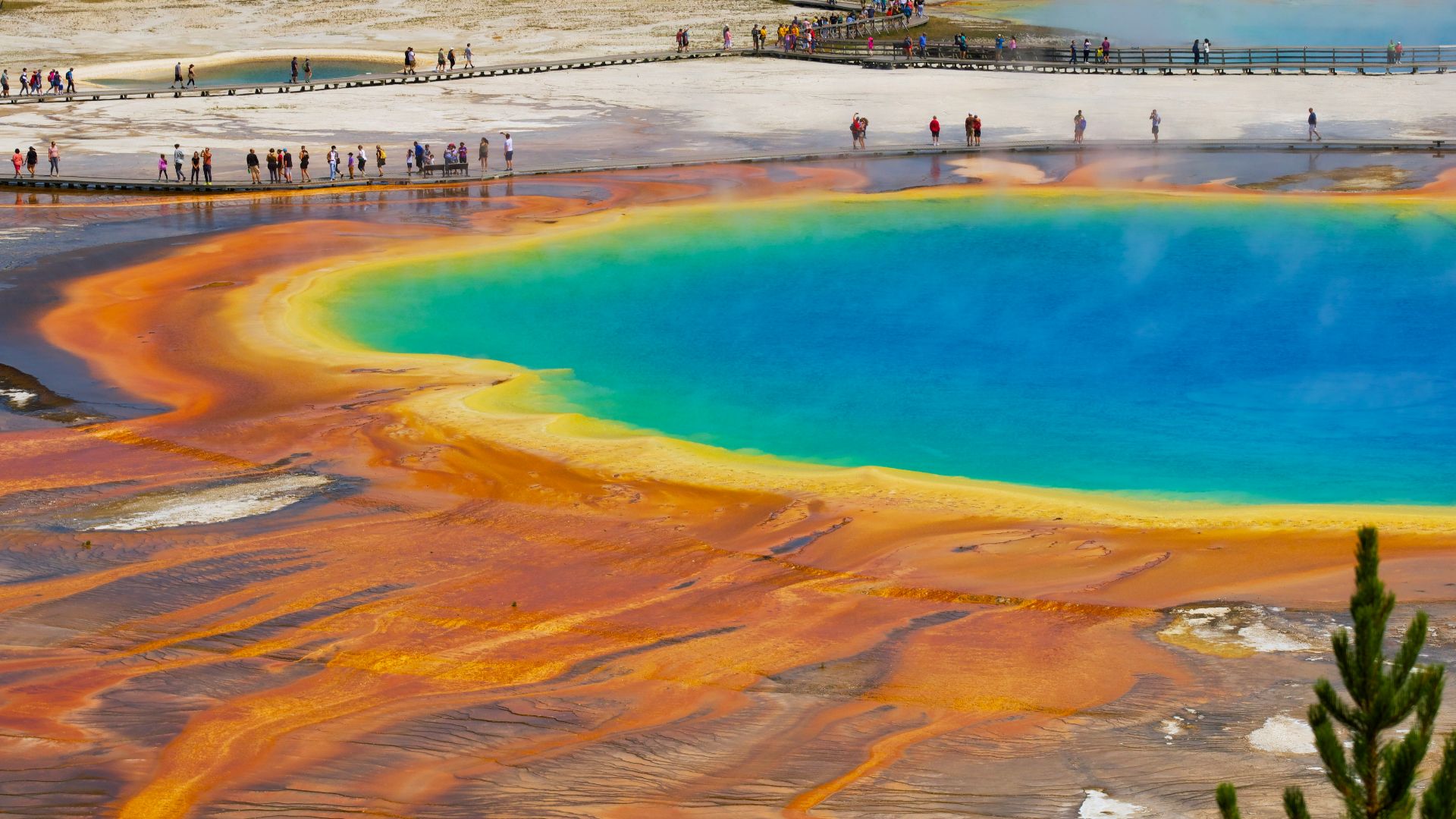
4. Yellowstone National Park, United States
Yellowstone is a maze of backcountry, thick timber, and geothermal areas that are not forgiving. A short walk off a boardwalk can become disorienting, and bad decisions around thermal features can end with someone gone before anyone realizes they’re missing.
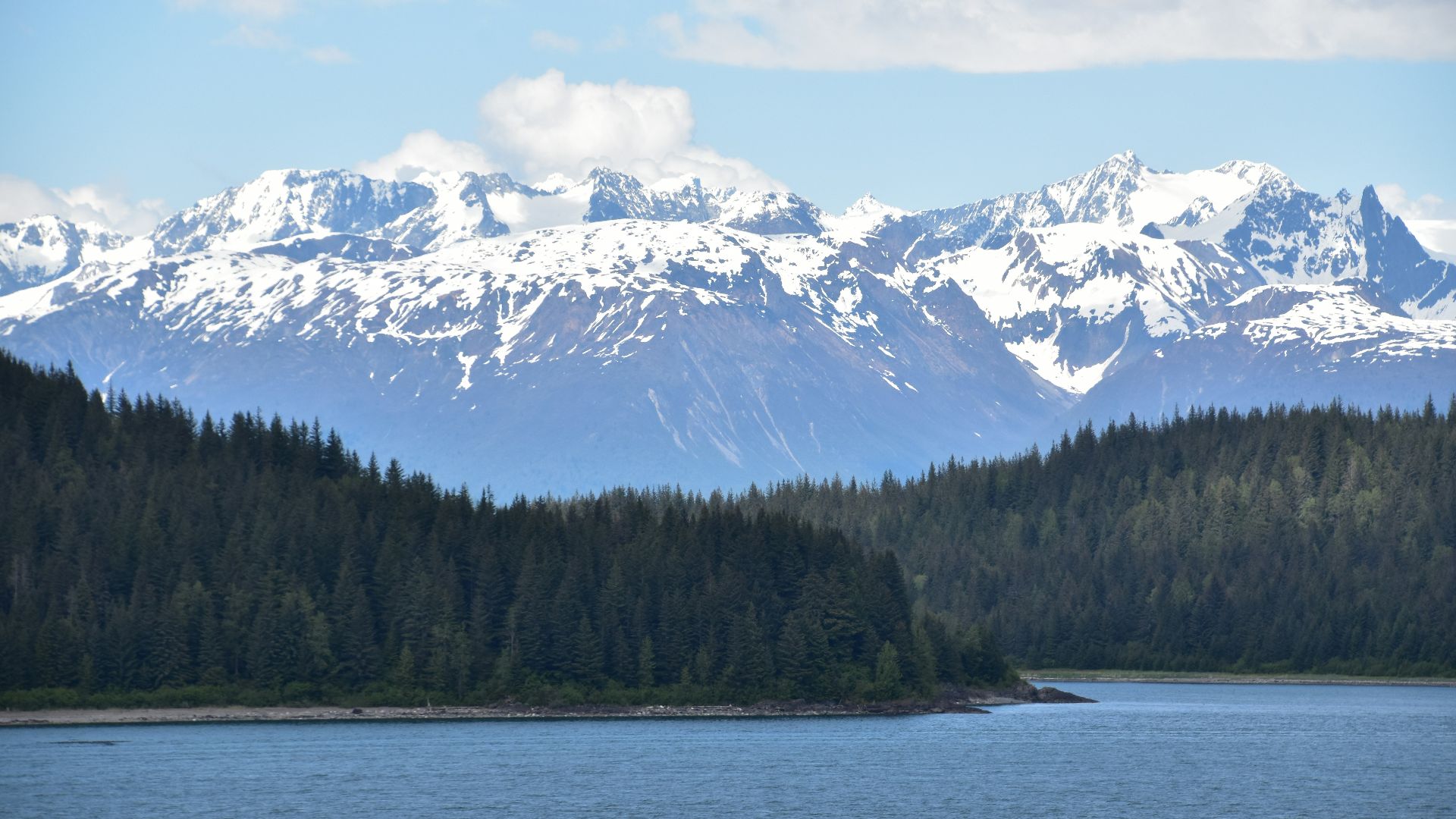
5. Denali And Interior Alaska, United States
Alaska is vast in a way most visitors have never experienced, with weather that can erase visibility and distances that make help feel abstract. A hike that looks like a loop on a map can turn into a long, quiet separation from roads, cell service, and other people.
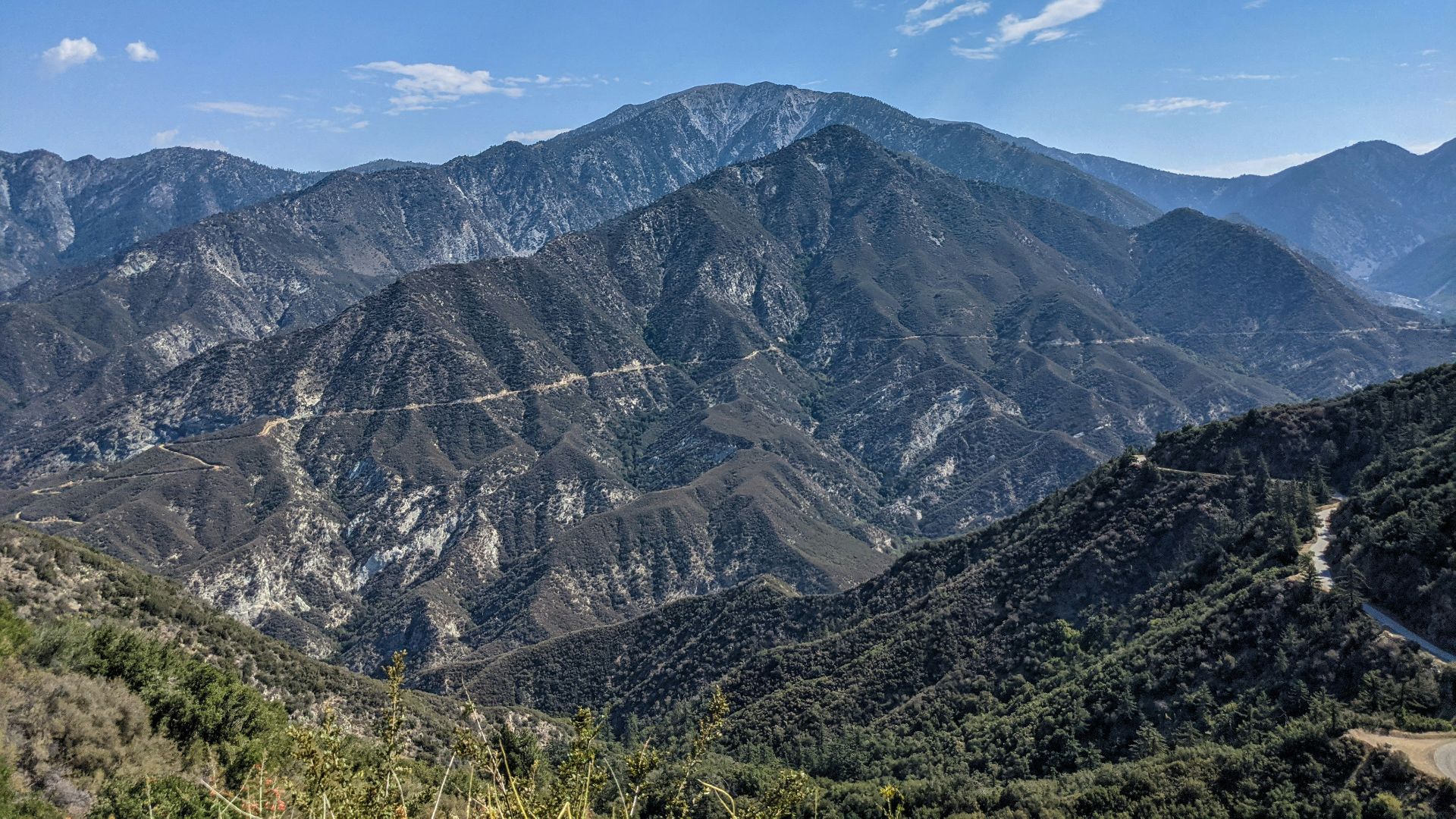
6. Mount Baldy, United States
Mount Baldy sits close to Los Angeles, which makes it feel like a quick weekend outing, even in winter conditions that demand serious respect. The mountain has seen repeated rescues and fatalities, and “close to the city” stops meaning anything once ice and exposure take over.
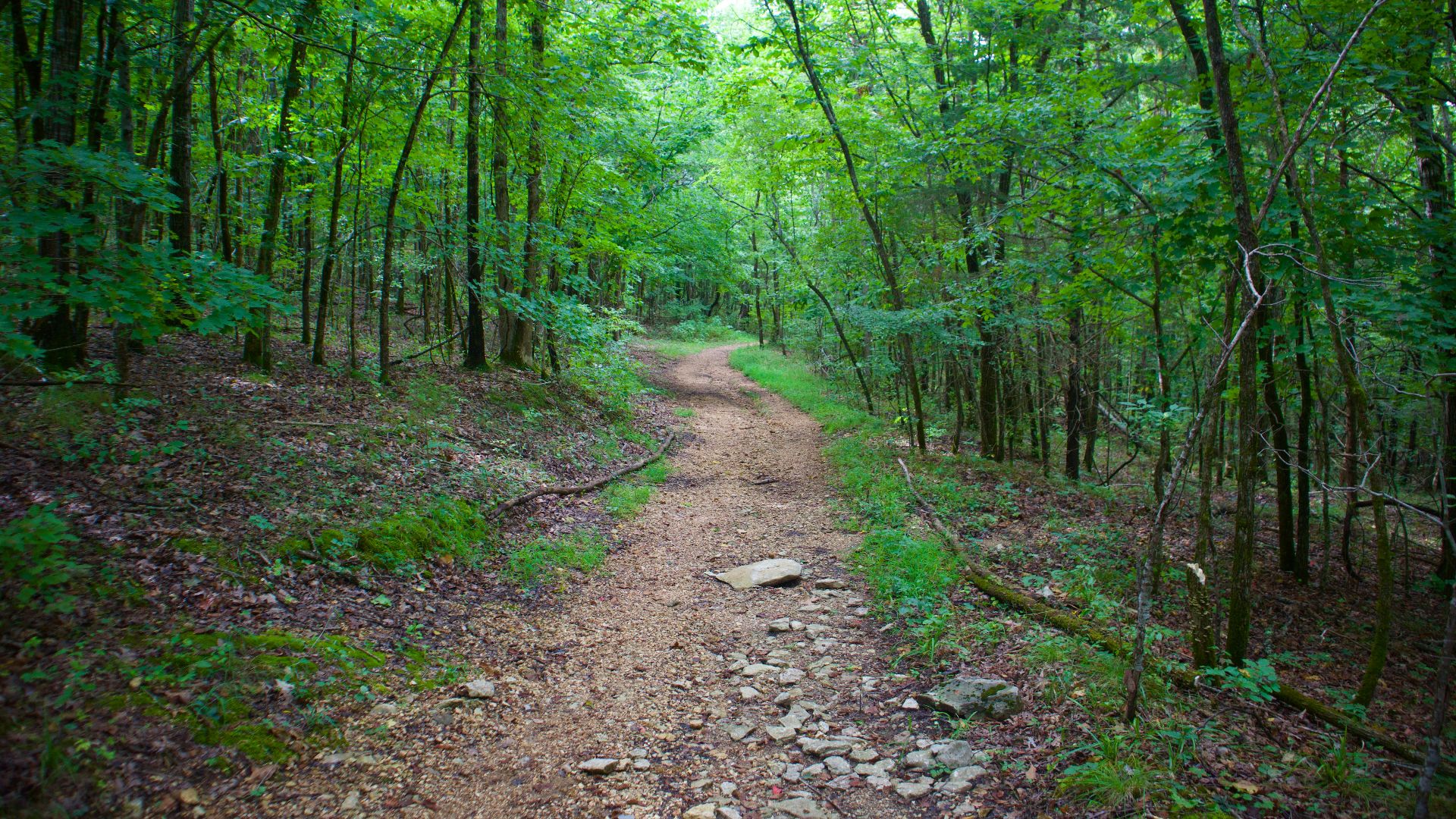
7. The Appalachian Trail Corridor, United States
The Appalachians don’t look extreme, which is part of the danger. Long stretches of green can become a sameness trap, where fatigue and small navigation errors quietly compound, and weather turns “a little behind schedule” into missing.
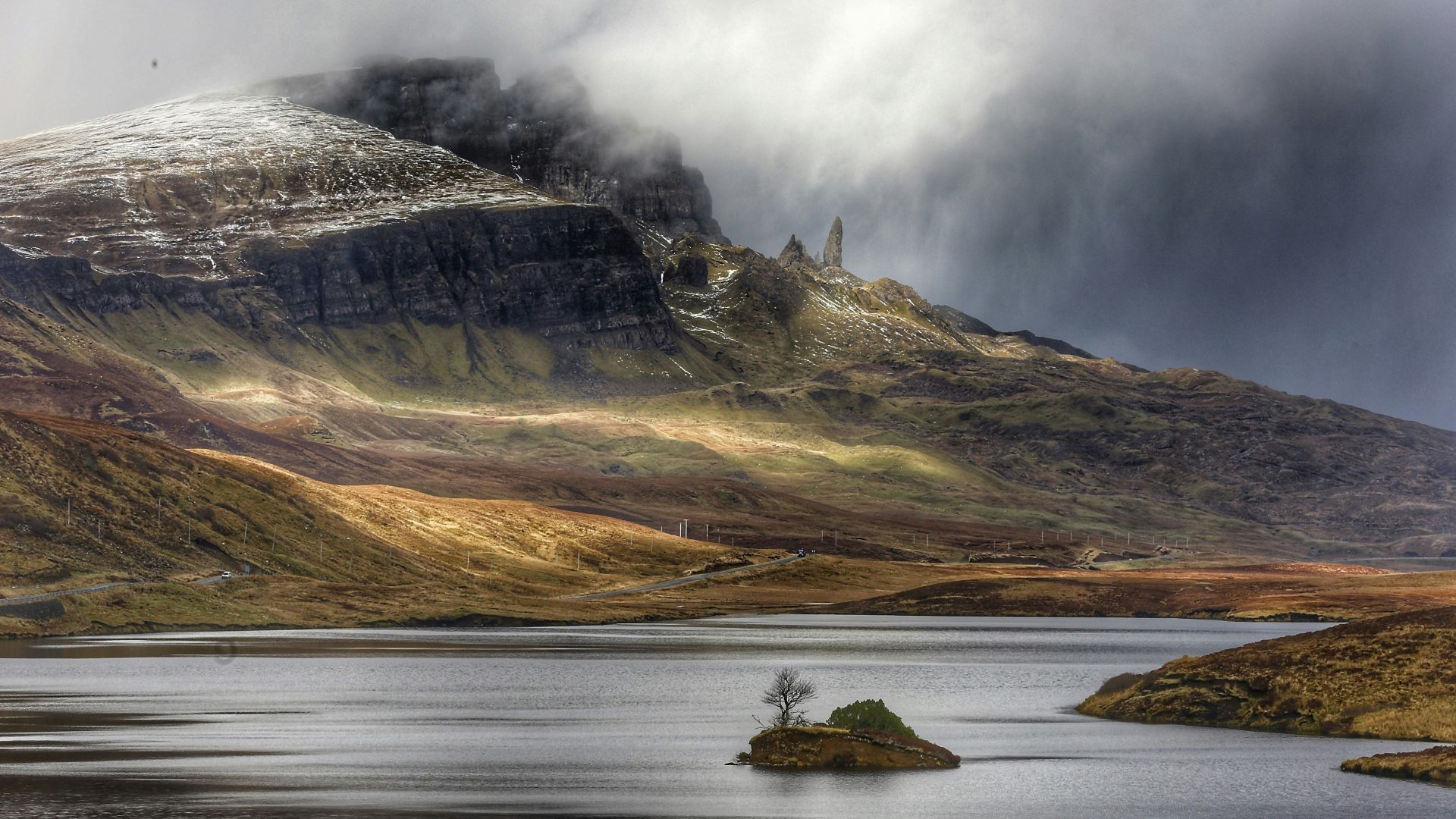
8. The Scottish Highlands, Scotland
The Highlands are famous for dramatic scenery and famously moody conditions, where wind, rain, and fog can stack up quickly. Even well-marked routes can feel like blank space in low visibility, and cold and wet can drain a person faster than they expect.
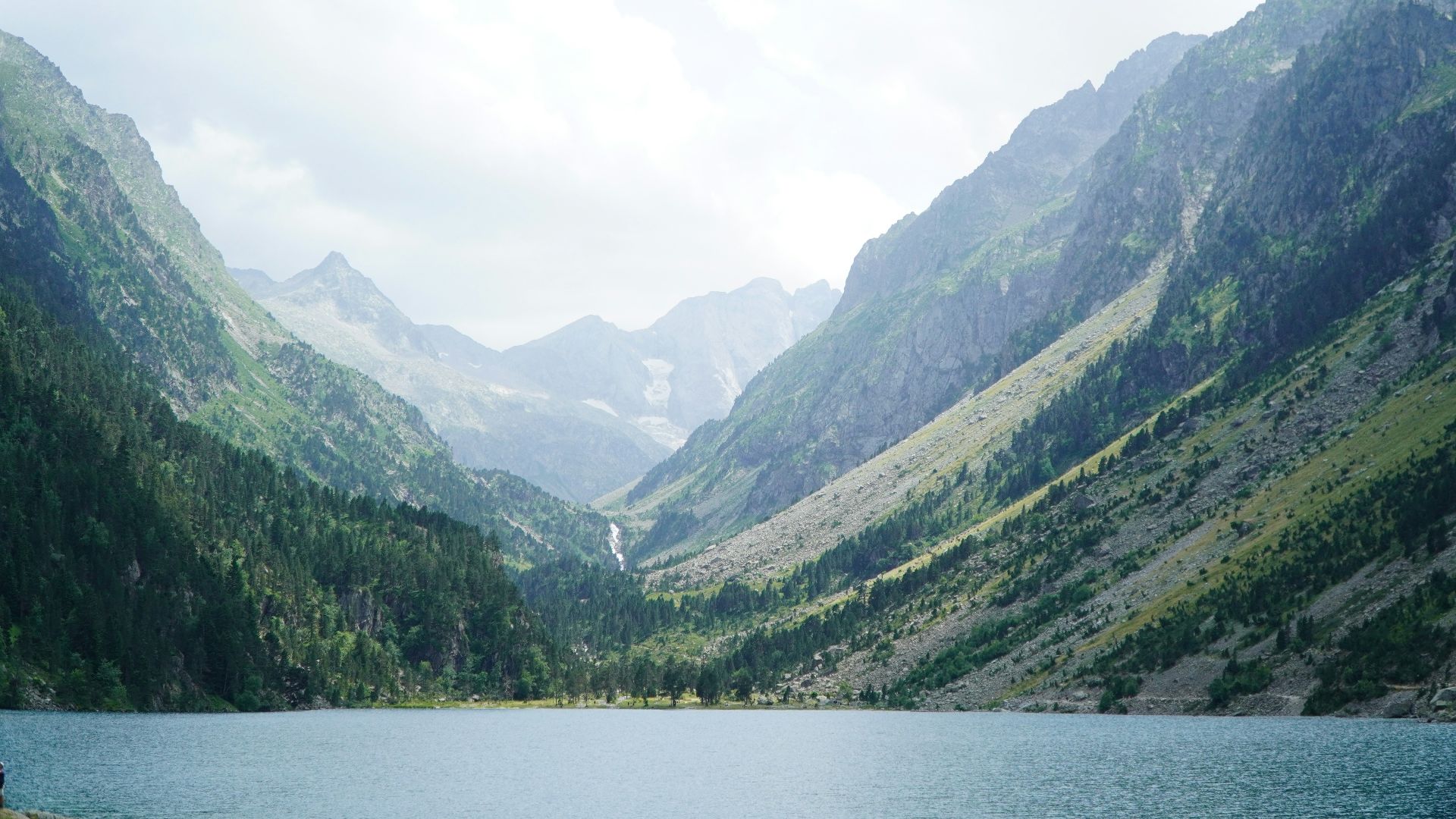
9. The Pyrenees, France And Spain
These mountains get plenty of hikers who arrive excited and leave surprised by how remote things can feel between villages. Steep terrain, sudden storms, and tricky route-finding in shoulder seasons create a steady drumbeat of search efforts.
 Whole New World Photo on Unsplash
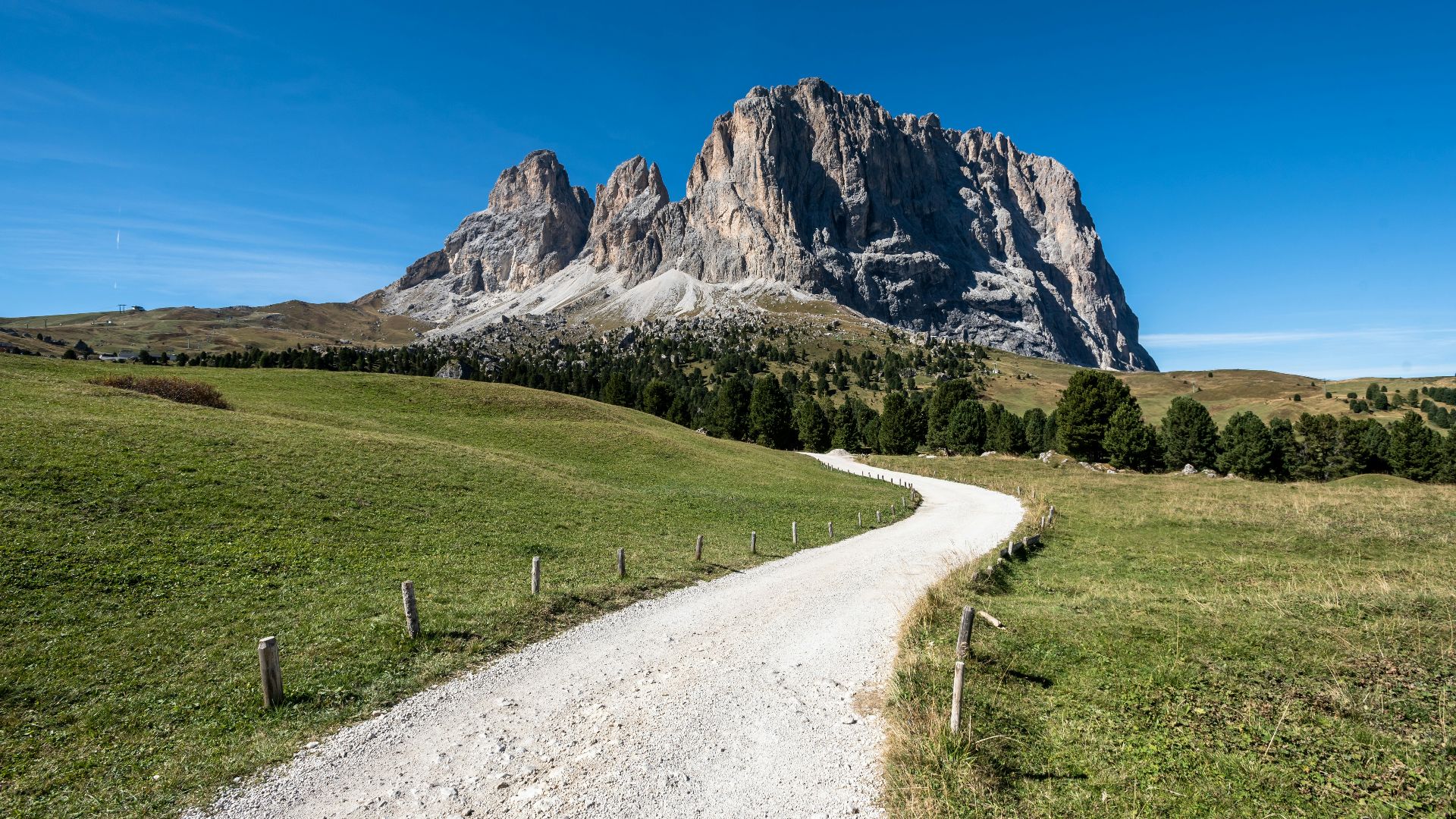
10. The Dolomites, Italy
The Dolomites can look like a theme park for grown-ups, with lifts and huts and tidy signage, until someone wanders off route. Narrow trails, loose rock, and fast weather shifts make “just a little farther” a common last decision.
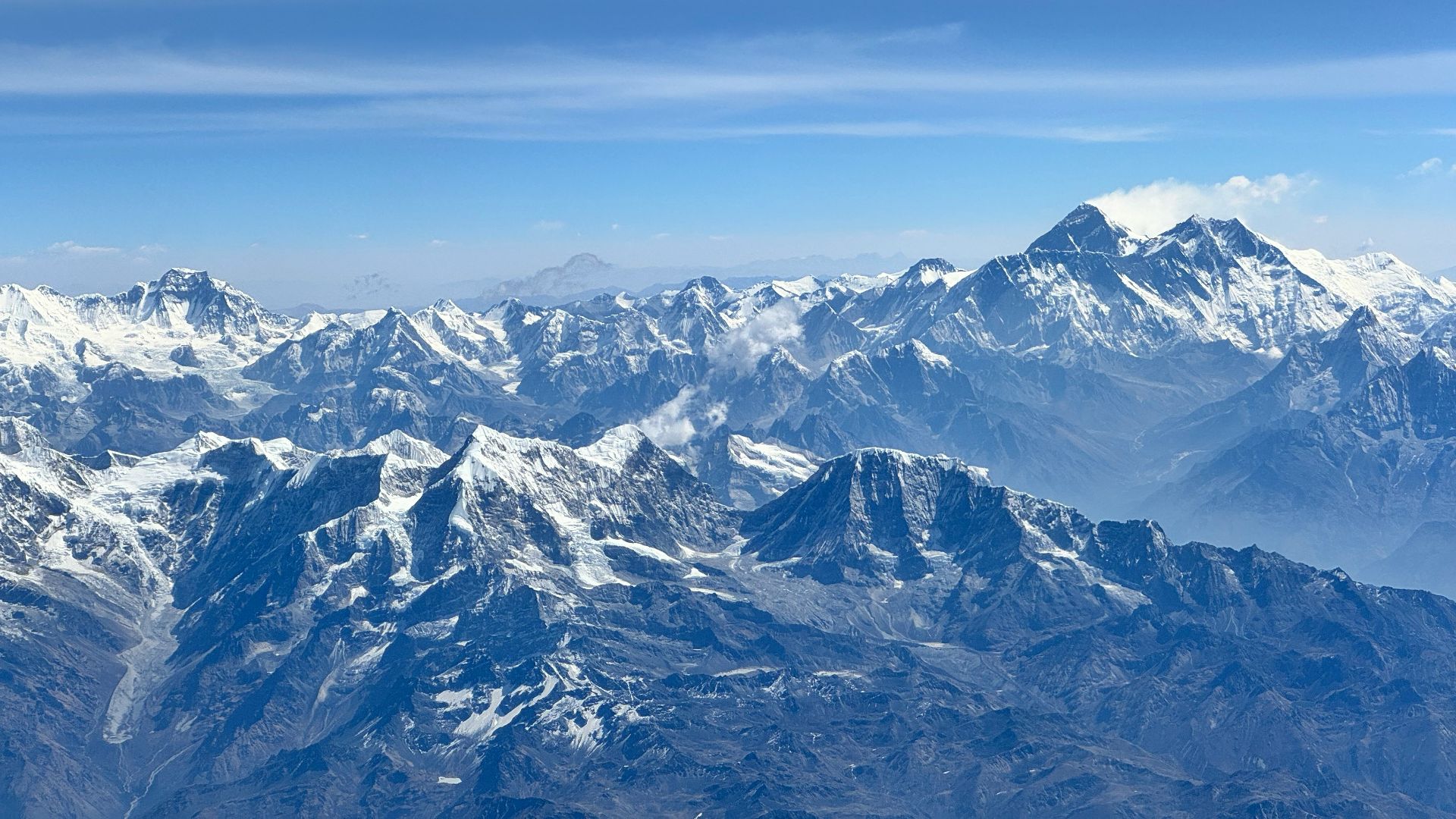
11. Mount Everest Region, Nepal
People don’t only go missing on the summit push, because the whole region is high, cold, and complex, with crevasses, avalanches, and storms. Many deaths and unrecovered bodies on Everest are documented, partly because recovery is so dangerous and difficult at altitude.
12. The Himalayas Beyond Everest, Nepal And India
Trekking regions can lull visitors into thinking every route is like the main trails around Everest or Annapurna. Remote valleys and high passes can isolate people quickly, and rescue logistics can be slow when weather closes in.
13. The Swiss Alps, Switzerland
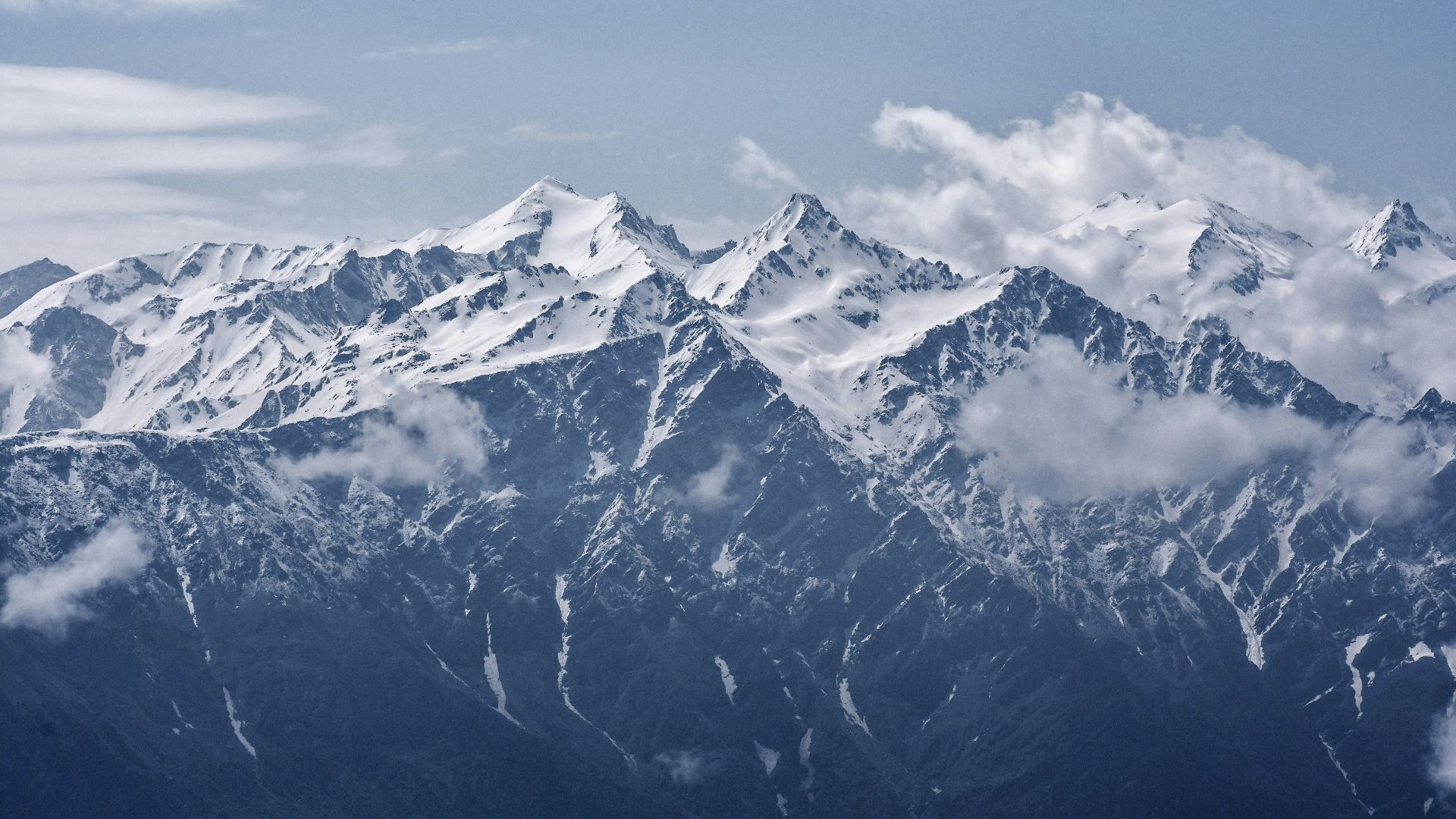
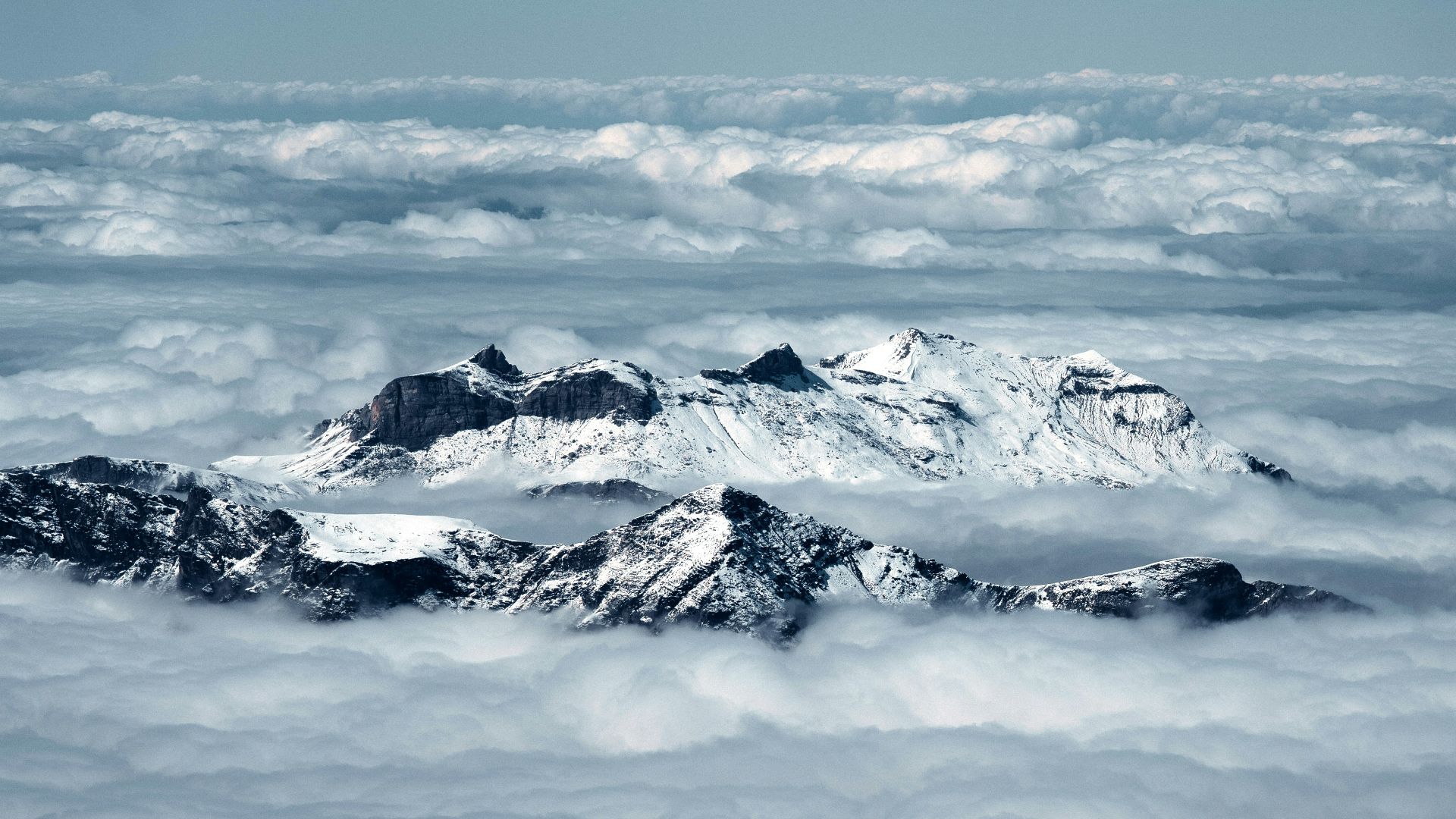
The Alps are heavily managed, and that can create a false sense of certainty. Glaciers, crevasses, and sudden whiteouts still exist, and even a small mistake on a popular route can turn into a long search.
 Nirmal Rajendharkumar on Unsplash
14. The Australian Outback
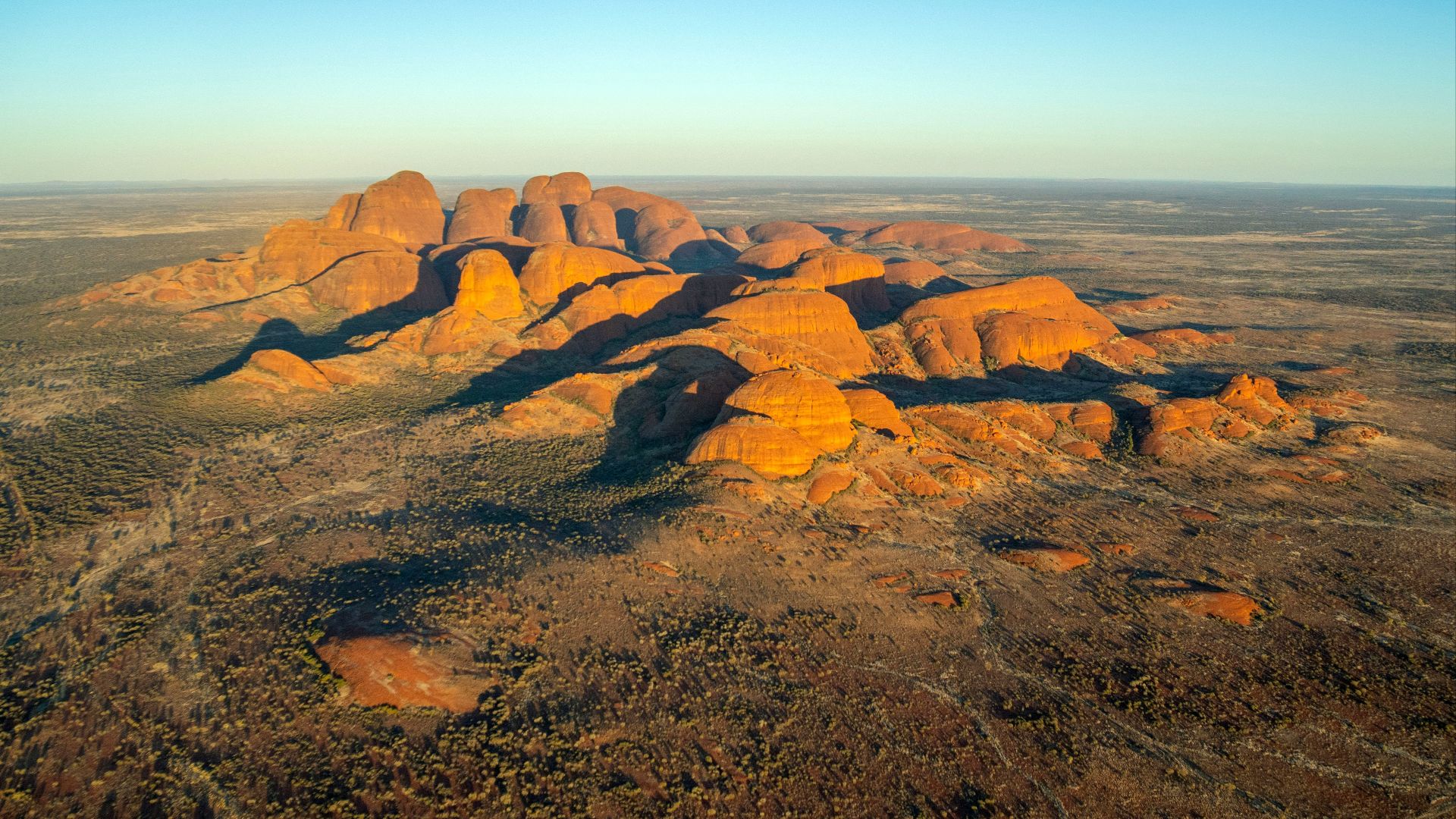
The Outback is famous for its emptiness, and emptiness is not a metaphor out there. Heat, vast distances, and limited water mean a broken vehicle or a misread track can separate someone from help in a way that escalates quickly.
15. The Sahara Desert, North Africa
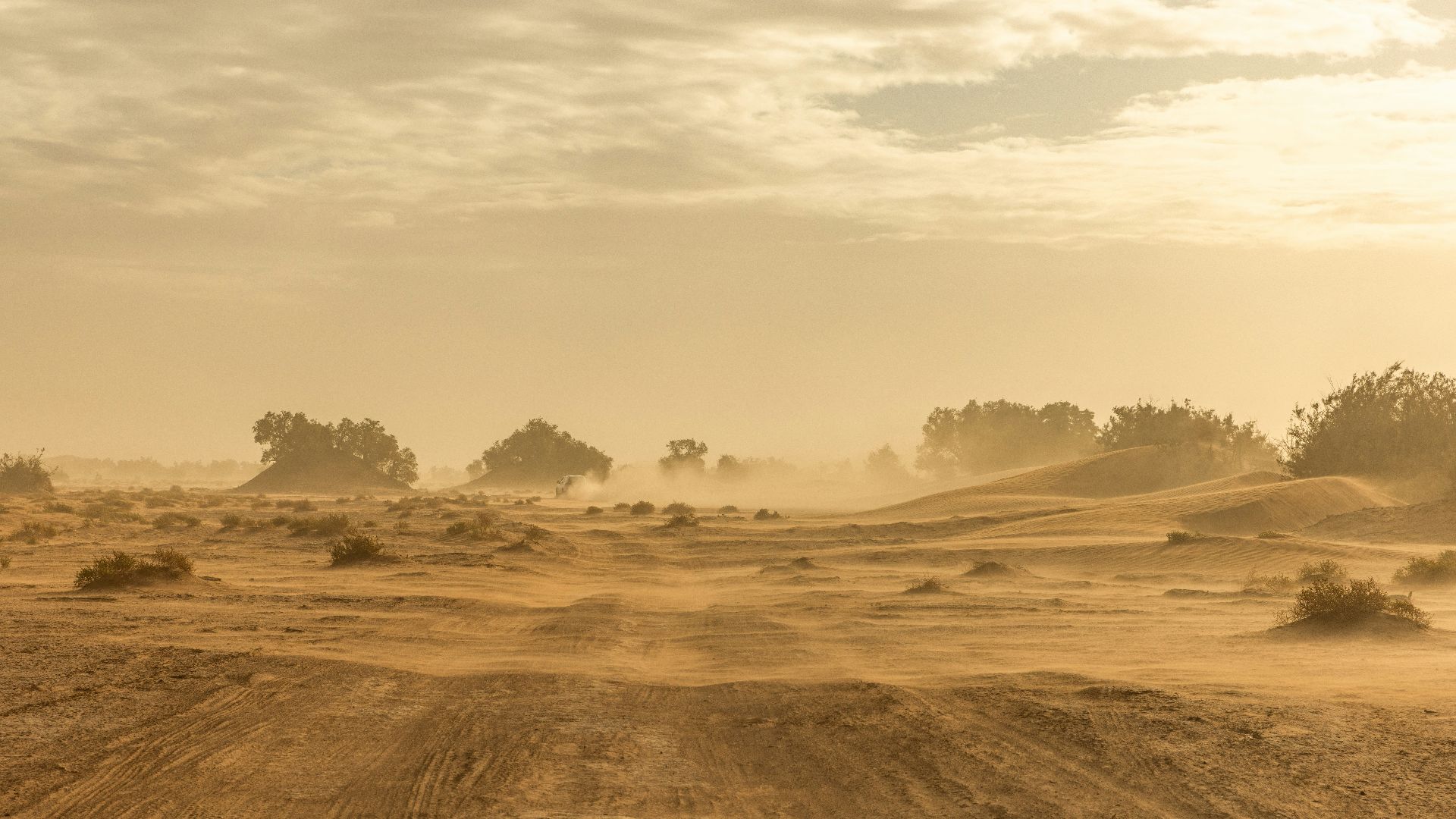
The Sahara’s scale is hard to grasp until it’s surrounding you, and “direction” starts feeling theoretical. Tour groups and guides reduce risk, yet people still go missing through bad weather, navigation errors, or simply wandering off during stops.
16. The Amazon Rainforest, South America
In the Amazon, visibility can be ten feet, and everything looks like everything else. Rivers, dense canopy, and the constant noise make it easy to lose orientation, and small injuries can become serious problems when travel is slow.
17. The Darién Gap, Panama And Colombia
This region is infamous for being difficult to traverse, with harsh terrain, rivers, and limited infrastructure. People get separated, injured, or overwhelmed by the conditions, and the environment itself is enough to erase a clear path back.
18. The Bermuda Triangle, North Atlantic Ocean
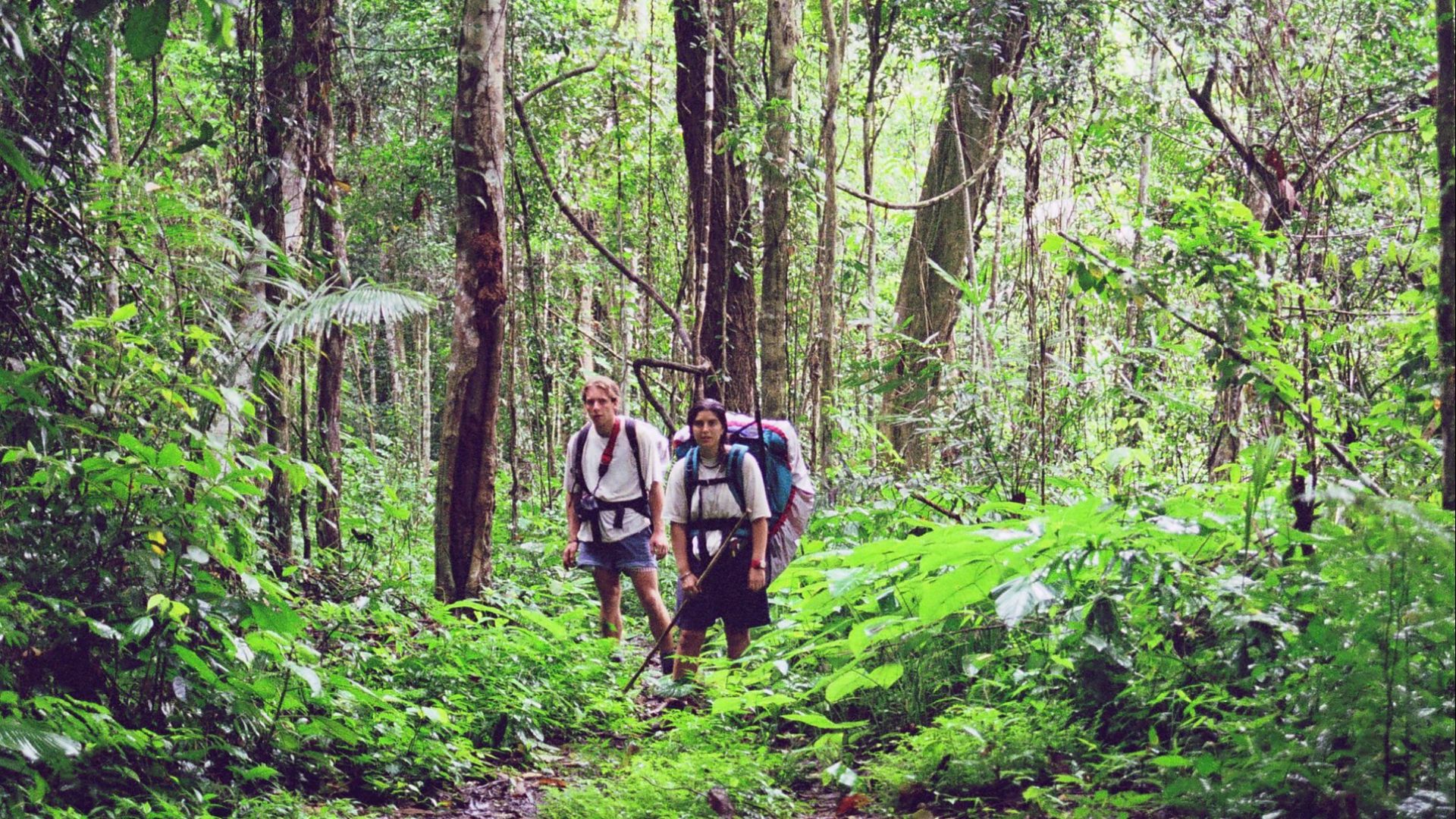
The Bermuda Triangle myth gets the supernatural treatment online, yet major authorities point to normal explanations: weather, currents, navigational errors, and human fallibility, plus the fact that it’s a heavily traveled region. The danger is real in the boring way that open water is real, especially when conditions change fast.
19. The Gulf Stream, Caribbean
Warm water can feel inviting right up until the current starts doing math you didn’t agree to. The Gulf Stream moves hard and fast, and once someone is separated from a boat or pulled away from shore, the search area becomes enormous almost immediately.
20. The Aegean Coastlines, Greece
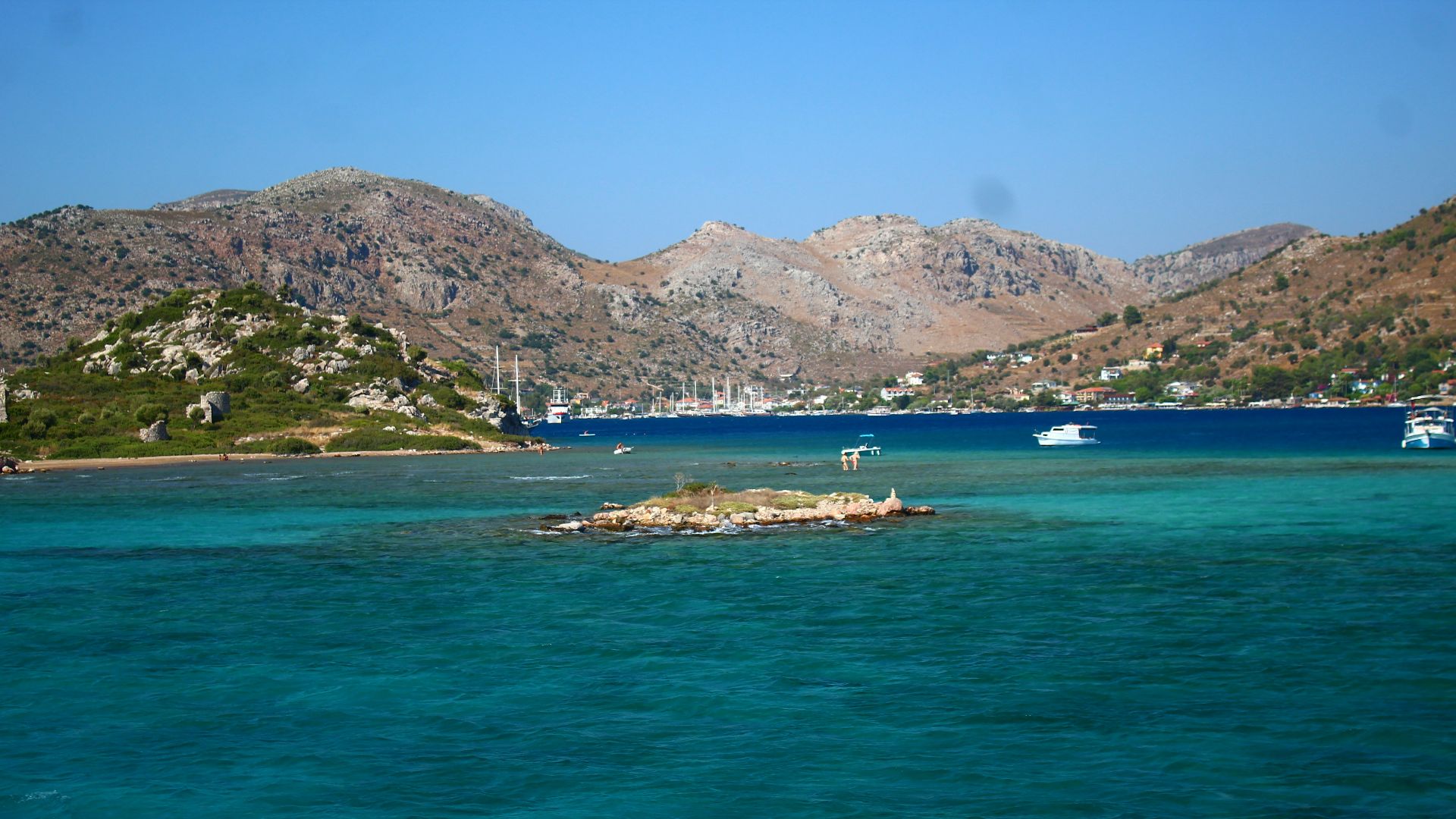
The Aegean looks calm in pictures, yet wind, rocky shorelines, and unpredictable currents can turn a swim or a coastal hike into a rescue situation. Add nighttime walks, steep paths, and the party atmosphere in some areas, and “missing” can start as something as small as a wrong turn.