 Vladimir Srajber on Pexels
In 2024, the island of Bali announced a new tourist tax and stricter entry rules. It wasn’t alone. Be it Venice or Bhutan, destinations are rethinking their relationship with travelers, and some are saying “enough.”
For years, mass tourism was seen as a sign of success. Now, it’s being viewed as a threat to culture and the environment. With the growth in the number of people traveling to these places for “exploration,” tourism seems to be a burden now.
Why Countries Are Pushing Back?
The backlash against overtourism has been building for years, but 2025 marks a turning point. Governments and locals alike are realizing that the flood of visitors is unsustainable. All worth watching sites have reached the breaking point. Locals in once-idyllic towns can barely afford housing, while natural reserves show visible signs of strain.
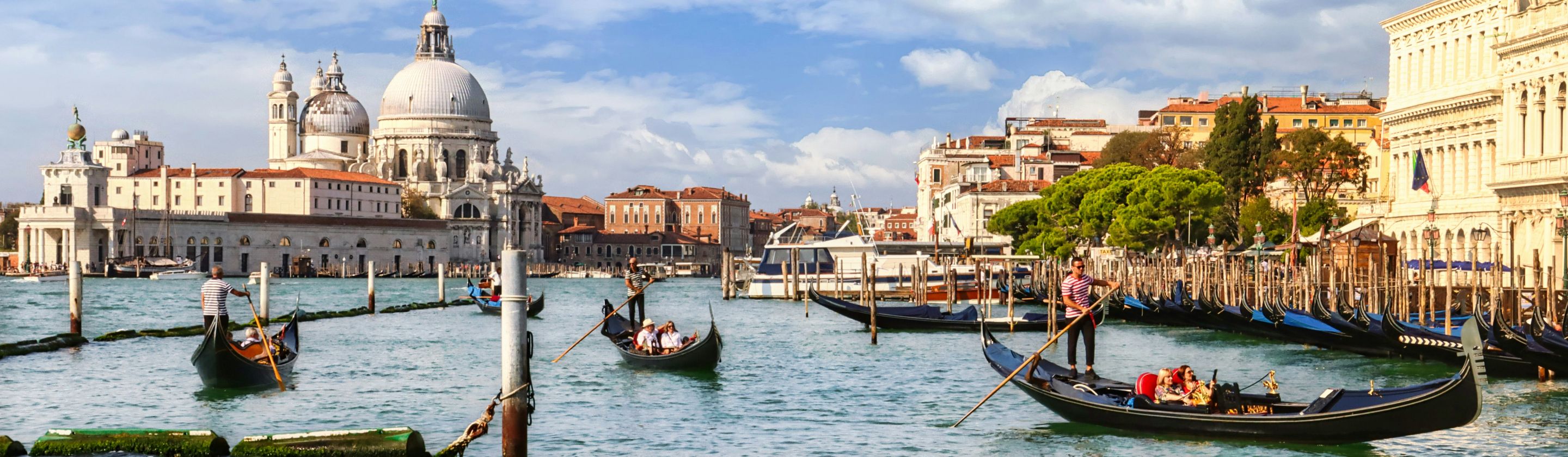
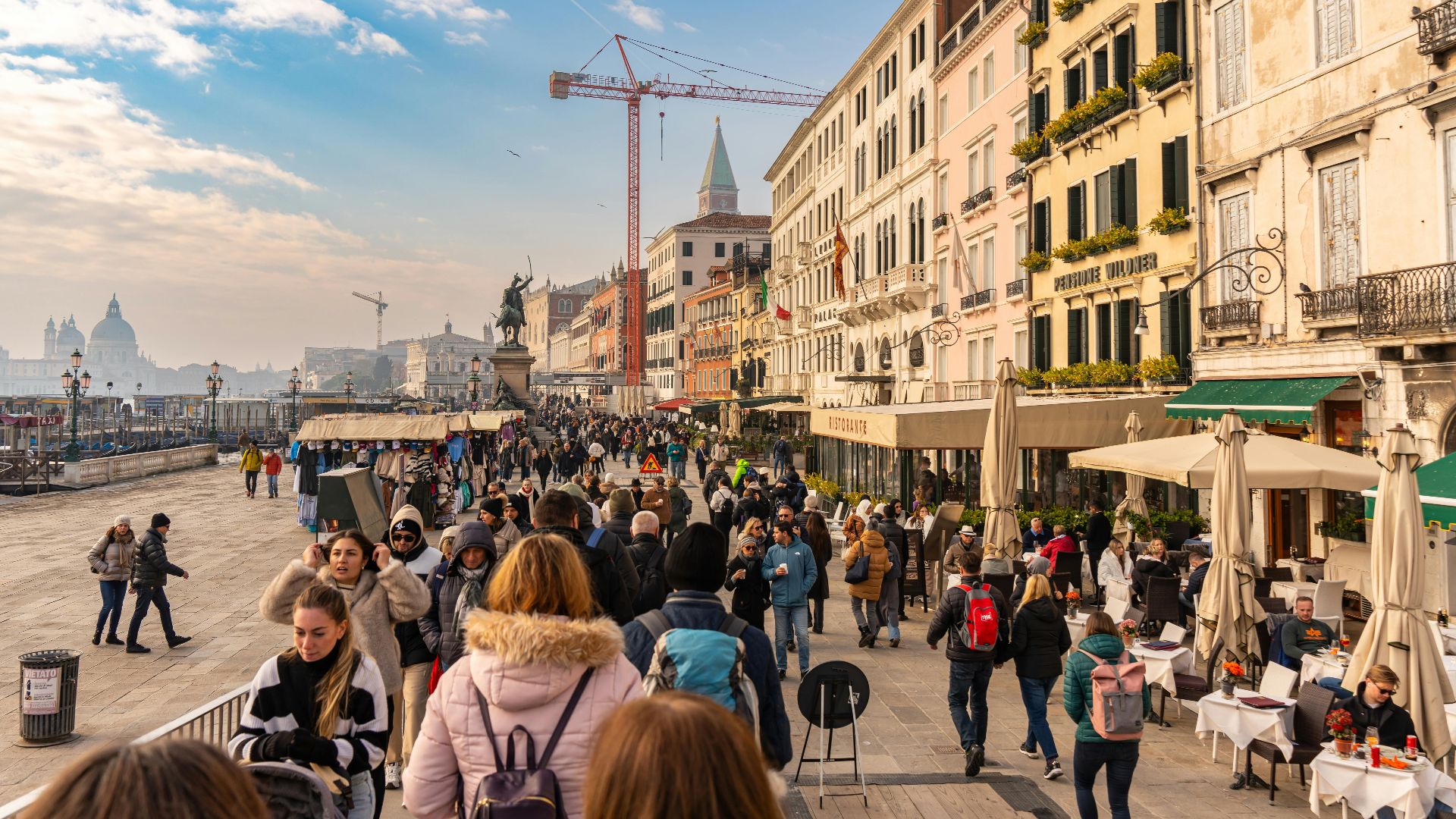
Governments are responding in different ways, but the pattern is consistent. Venice, for example, introduced a €5 (about $5.45) entry fee for day-trippers to ease crowding in its narrow streets—and the fee can rise to €10 ($10.90) for last-minute arrivals, according to EuroNews. Amsterdam has tightened rules on short-term rentals to help residents take back their housing. In Japan, some rural villages have begun limiting tour buses after complaints that sacred spaces were being treated like photo backdrops.
Iceland has shifted toward managed access at natural sites such as the Blue Lagoon and the Fagradalsfjall volcano, where years of viral travel content brought waves of visitors faster than local ecosystems could recover. Even Thailand’s Maya Bay, once swarmed by speedboats after The Beach made it famous, now enforces daily visitor caps to protect what’s left of its coral reef.
Meanwhile, Bhutan, often praised for its “high value, low volume” tourism policy, continues to limit numbers through a daily fee that ensures only mindful travelers enter. The message from these places is clear: tourism should enrich, not erode.
What Does It Mean For Travelers?
For the modern traveler, these changes mark a subtle shift. The days of spontaneous, high-volume, checklist-style travel may be fading. Expect more regulations, advanced booking systems, and taxes that make thoughtless tourism harder to sustain.
This could also result in longer queues and higher costs, but richer experiences. As destinations set boundaries, tourists are being invited to slow down. Visit fewer places and engage more deeply. The emerging model of “quality over quantity” travel rewards curiosity.
Changing Travel Mindsets
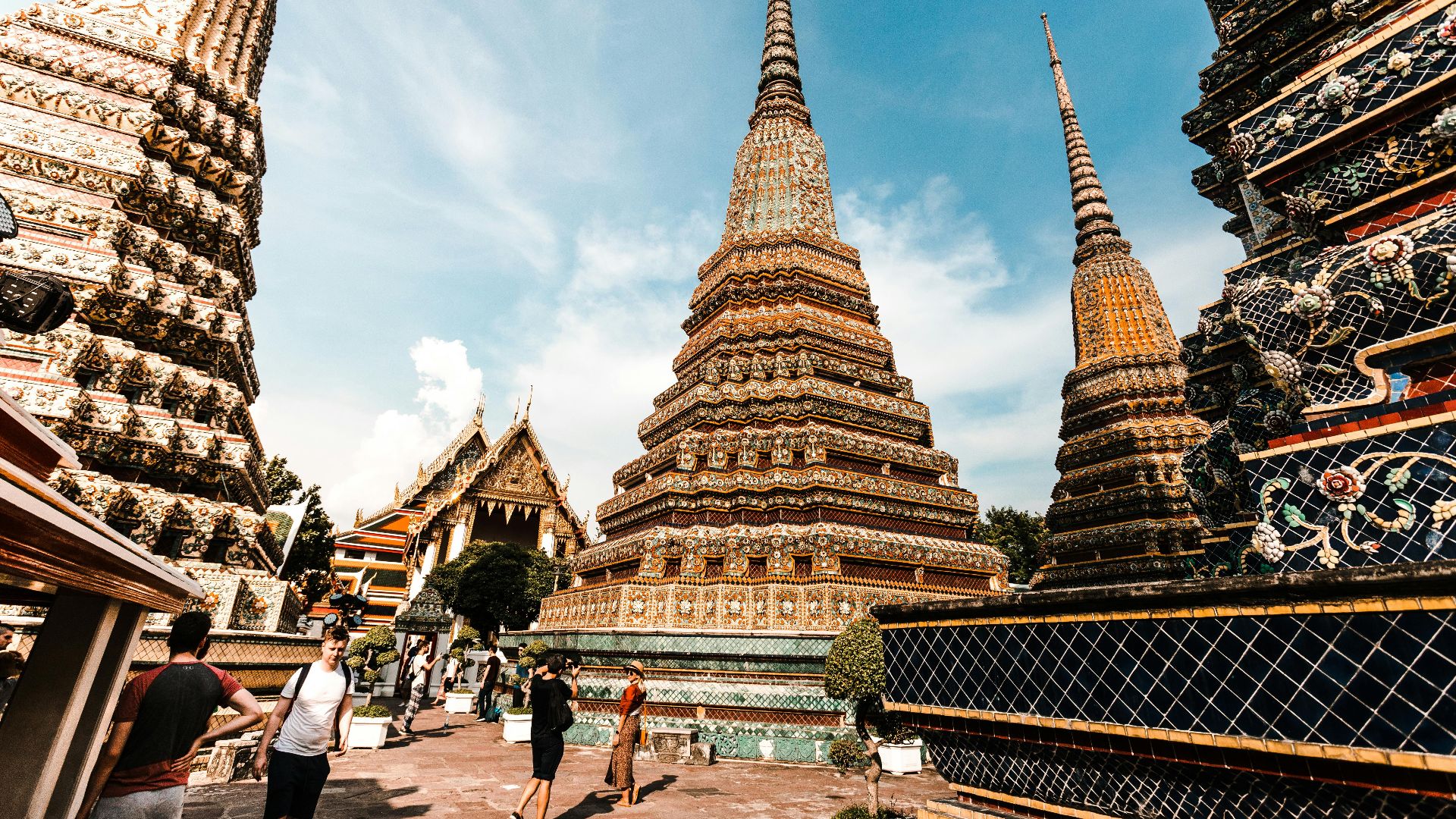
The shift is happening in how we think about travel itself. A new consciousness is growing among travelers who no longer see vacations as trophies but as exchanges. The idea of slow travel—spending weeks in one region rather than hopping between cities—is becoming not only fashionable but responsible.
Even the desire for authenticity has evolved. Once, “off-the-beaten-path” meant chasing hidden gems for bragging rights. Now, it’s about immersing yourself in the rhythm of a place without demanding it bend to your expectations.