 San Fermin Pamplona - Navarra on Unsplash
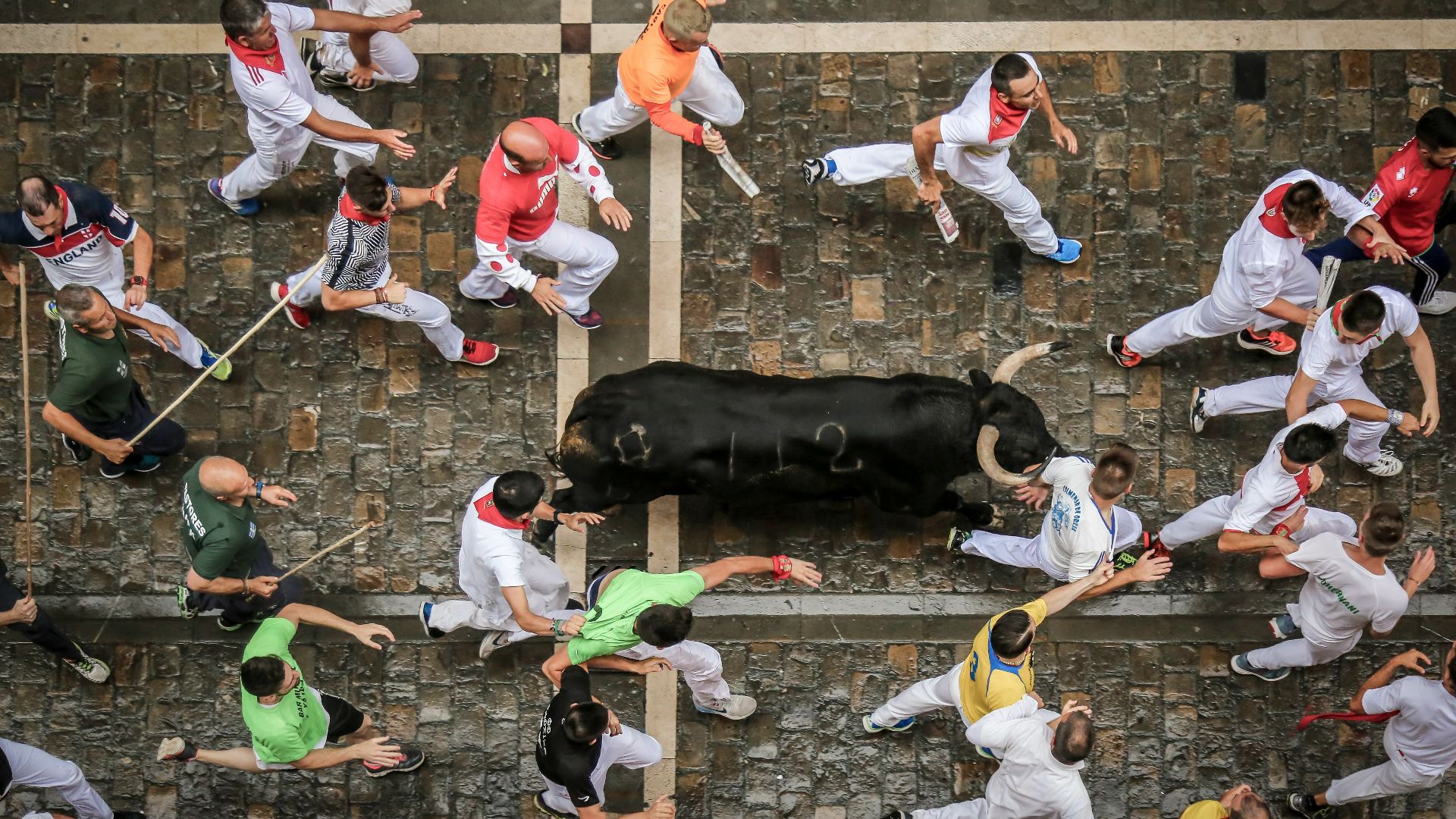
Every year, when the streets of Pamplona fill with thunderous hooves and pounding hearts, the world watches with a mix of awe and disbelief. The running of the bulls is a tradition that stirs strong emotions—thrill, fear, excitement, and controversy all swirling together.
For many, it’s a tradition that raises serious questions in a modern world. Yet Spain continues to embrace it with unmistakable passion. Why does this centuries-old ritual stay alive despite so much opposition? Let’s take a closer look.
A Tradition Carved From History And Culture
The running of the bulls began hundreds of years ago during the San Fermín festival, when bulls were moved from the outskirts to the town’s bullring. Over time, what started as a practical task evolved into a symbolic test of bravery. Today, locals see it as a piece of cultural heritage that links them to generations before them.
For many families in Pamplona, participating or even simply observing is a rite of passage. It’s woven into annual celebrations and community pride. During the festival, the old and young join together in rituals and gatherings that stretch far beyond the bull run itself.
To understand why the tradition persists, you have to look at San Fermín as a whole. The festival spans several days filled with parades, religious ceremonies, folkloric dances, and community celebrations that draw people from all over the country. The bull run is just one part of a much larger cultural mosaic. For locals, removing it wouldn’t just change a single event—it would alter the character of the entire festival. This broader cultural context plays a huge role in why the tradition remains firmly in place.
The Draw Of Danger And Adrenaline
Facing danger is an ancient instinct, and this event taps into that raw energy. Participants describe the run as a moment of complete clarity, with a burst of focus where fear and excitement blend into one. Spectators feel it too, while watching the razor-thin margin between safety and disaster with their hearts racing.
For runners, the event is often described as a challenge of courage rather than chaos. Many train for months and learn the route through Pamplona’s winding streets so they can react quickly. Stories from past runs circulate year after year, giving the event an almost myth-like aura. That sense of personal triumph is part of what fuels its lasting appeal.
Balancing Modern Values And Ancient Practices
 Adam Jones from Kelowna, BC, Canada on Wikimedia
The debate around the running of the bulls is complex. Critics focus on animal welfare and safety concerns, while defenders emphasize cultural importance and the event's careful management. Pamplona has gradually introduced more structured safety rules and set strict guidelines for participants. These measures don't erase the risks, but they show an ongoing effort to adapt the tradition without losing what makes it meaningful to those who value it.