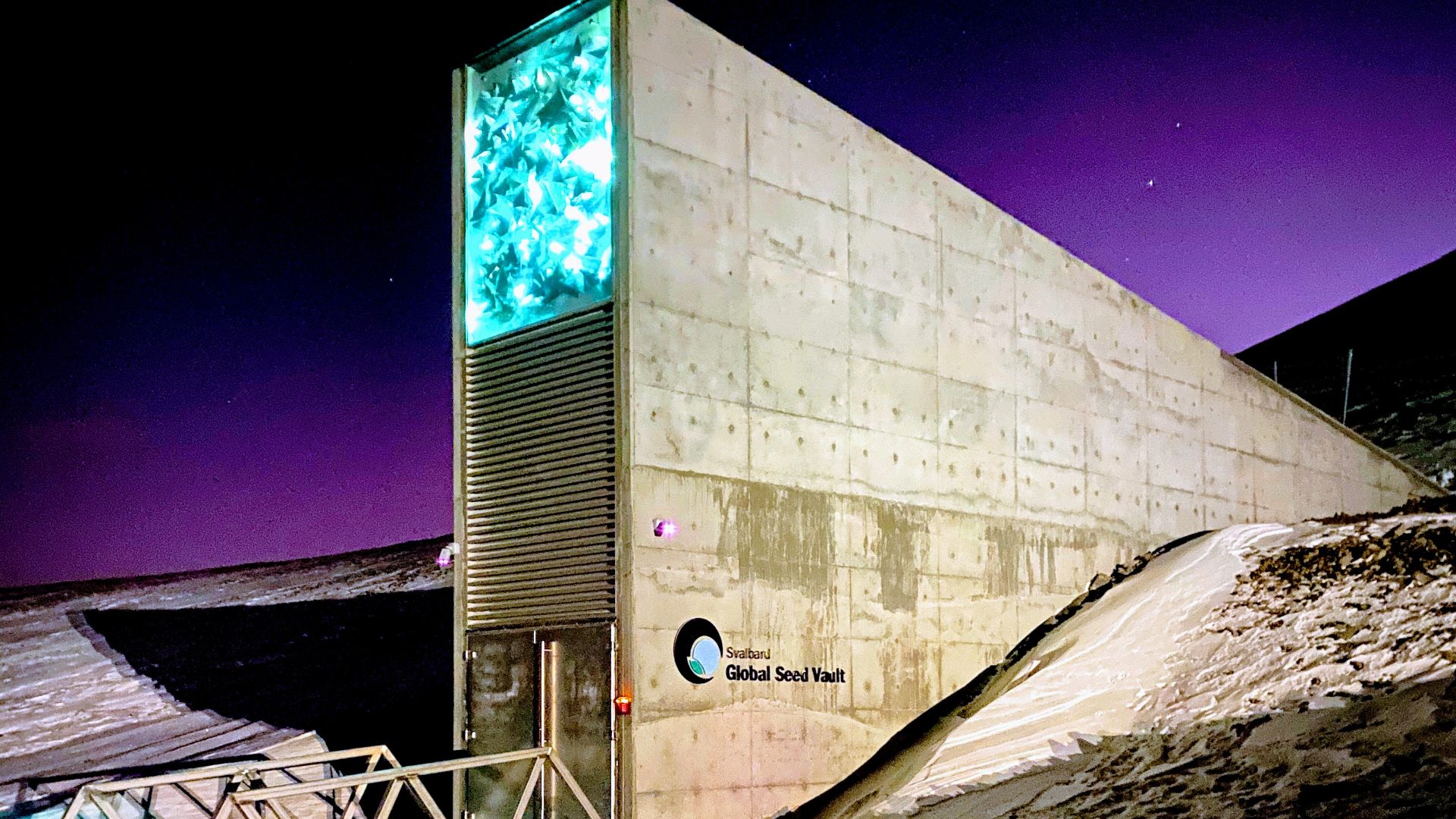
In a century marked by ecological volatility, geopolitical turbulence, and intensifying climate change, international power is being reframed not just in military or economic terms but by a nation’s ability to protect the long-term survival of humanity. By this yardstick, Norway is making a move that could become more significant than many much larger nations. The reason is straightforward but deeply important: Norway has made itself the de facto protector of the planet’s last repositories of inimitable knowledge and biodiversity. Nowhere is this more true than in Svalbard, an Arctic archipelago where a constellation of large-scale preservation initiatives is redefining Norway’s role on the world stage.
Global Safety Net
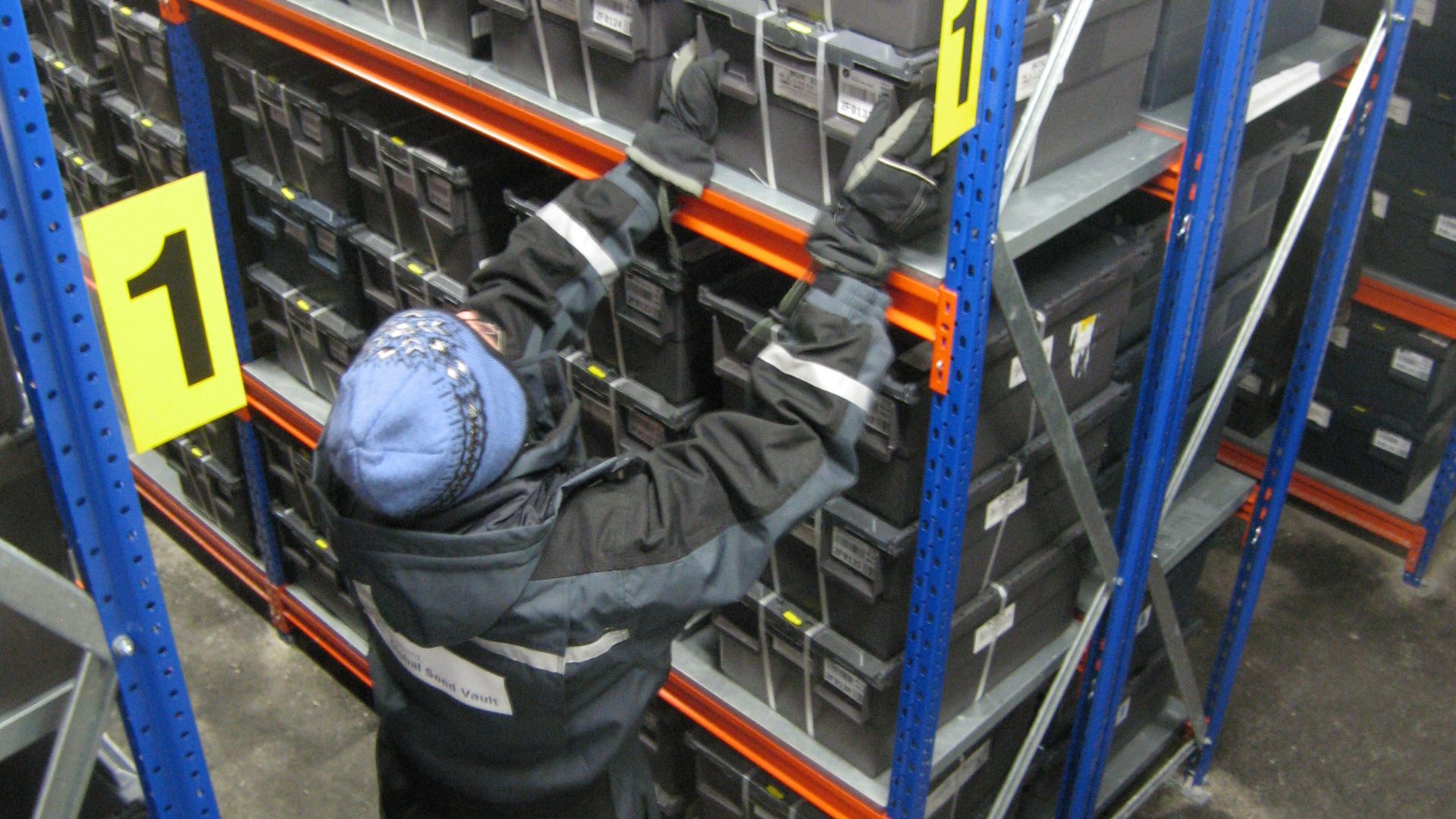
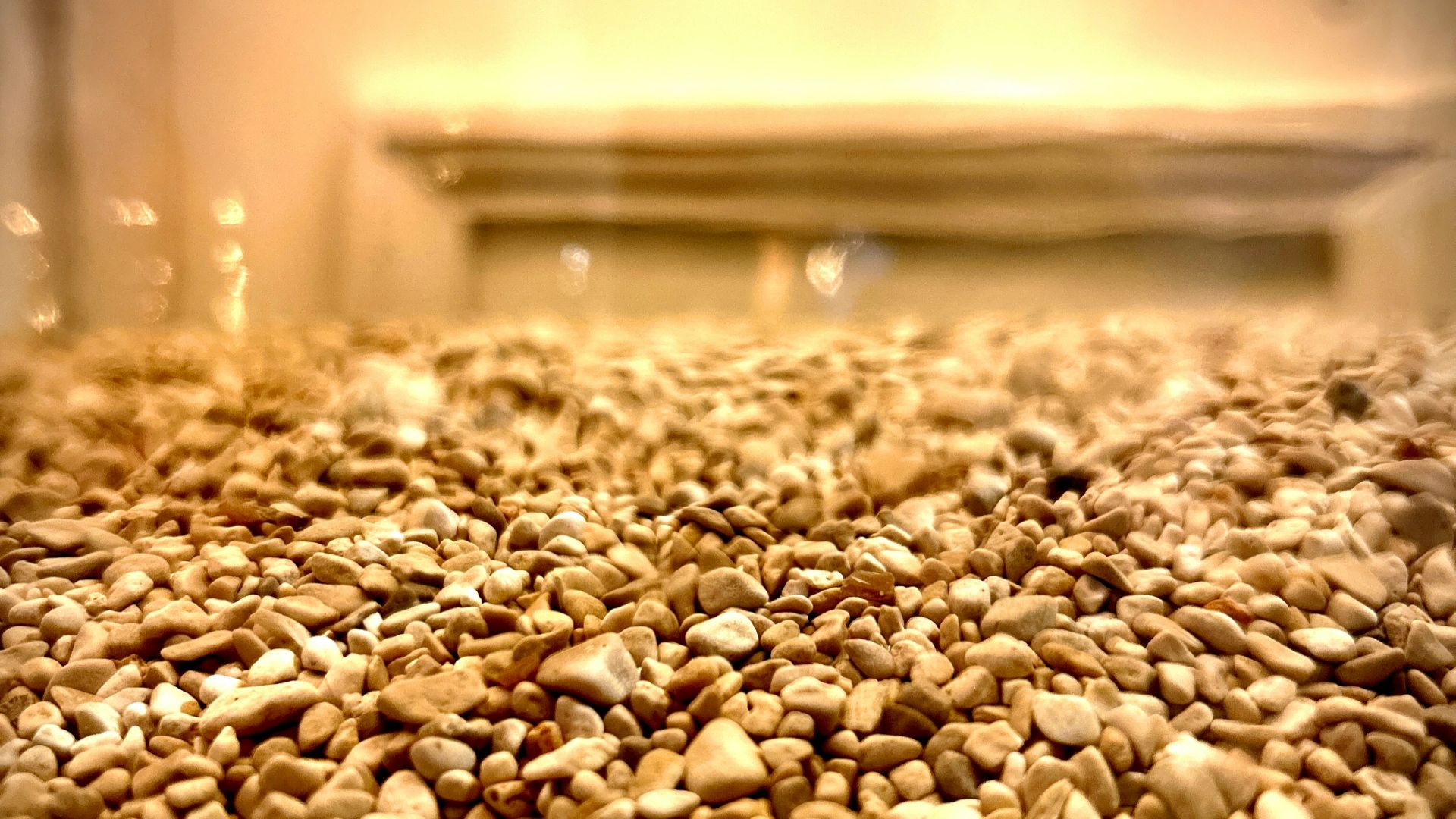
The hub of this transformation is the Svalbard Global Seed Vault. This doomsday bunker was etched into the side of a mountain on Spitsbergen, an island in the Svalbard archipelago near the North Pole, with a simple goal: to protect the globe's collection of seeds. As of 2025, it held upwards of 1.3 million samples of seeds from across the world, amounting to a backup of over thirteen thousand years of human history in cultivation. Every major food crop, from the oldest strains of barley to some of the latest rice cultivars, is stored in cold and dry vaults specifically designed to last in the event of every other genebank in the world going under.
The existence of the place is because of a simple but pressing need: food crops need to be able to be replanted, rebuilt, or restored in the event of natural disasters, warfare, equipment failure, political unrest, or any other factors that would prevent a country from being able to access its own agricultural record. The situation is not hypothetical and has been repeated several times over in recent years. Genebanks in Afghanistan, Iraq, and Syria have been destroyed or rendered inaccessible, while others in the Philippines have caved in on themselves as a result of flooding and fire. Norway's vault provides a place where countries can deposit backups, free of charge, as a form of insurance so that no country has to depend entirely on its own political will or funding to maintain its future.
An Arctic Fortress
Norway’s stewardship of the Svalbard Global Seed Vault is not a matter of chance. Behind the scenes, years of diplomatic negotiation, scientific collaboration, and work on international treaties provided the bedrock. Norway was already facilitating global cooperation by hosting the seed vault as part of the International Treaty on Plant Genetic Resources for Food and Agriculture, and the government shares management of the Vault with the Crop Trust and NordGen. It is in this way a Norwegian stewardship, but a global archive rather than a national one.
In this capacity, Norway has established itself as a neutral safe haven at a time of increasing geopolitical tensions. Geographically, the Arctic is distant from the kind of conflicts that can be found in most populated parts of the world, while Norway's consistent support of the vault, which includes paying for the construction and sharing the operational costs, shows a long-term commitment. Institutions, scientists, and governments around the world can rely on Norway for the long-term continuation of their work on agricultural research and genetic resources.