Angel Falls in Venezuela is one of the most striking natural wonders on Earth. Towering above the rainforest of Canaima National Park, this waterfall is famous worldwide for reasons that go beyond beauty alone. Its scale, setting, and the adventure involved in reaching it set Angel Falls apart from other waterfalls.
Most travelers have heard of Niagara or Iguazu, but Angel Falls offers something uniquely inspiring that makes it a must-see destination on any serious nature lover’s list.
Unmatched Natural Scale And Beauty
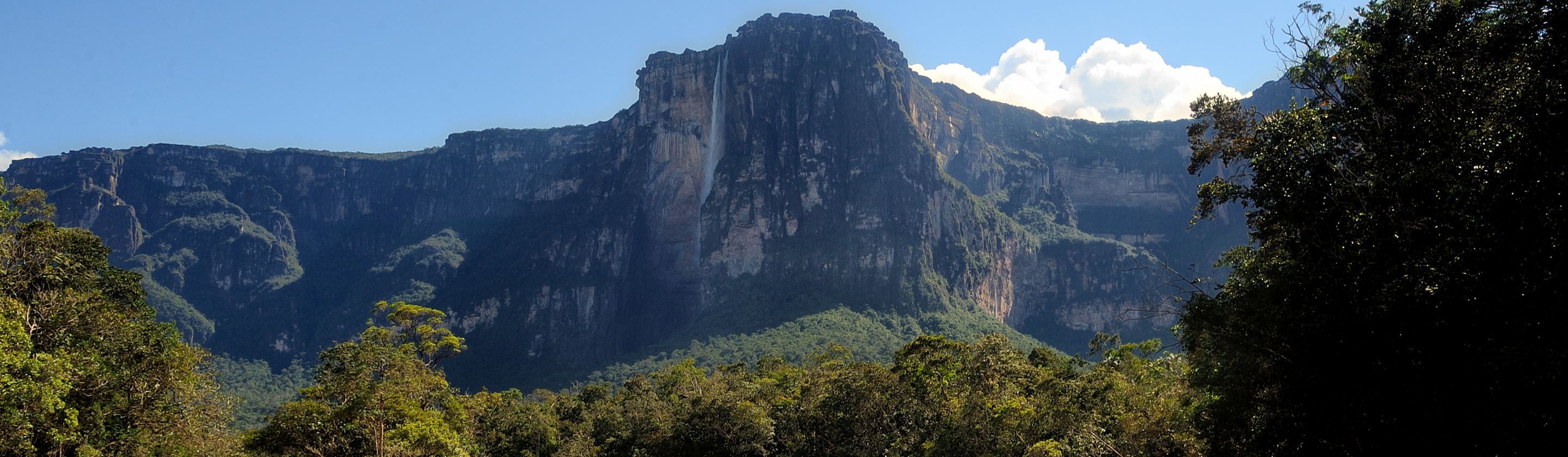
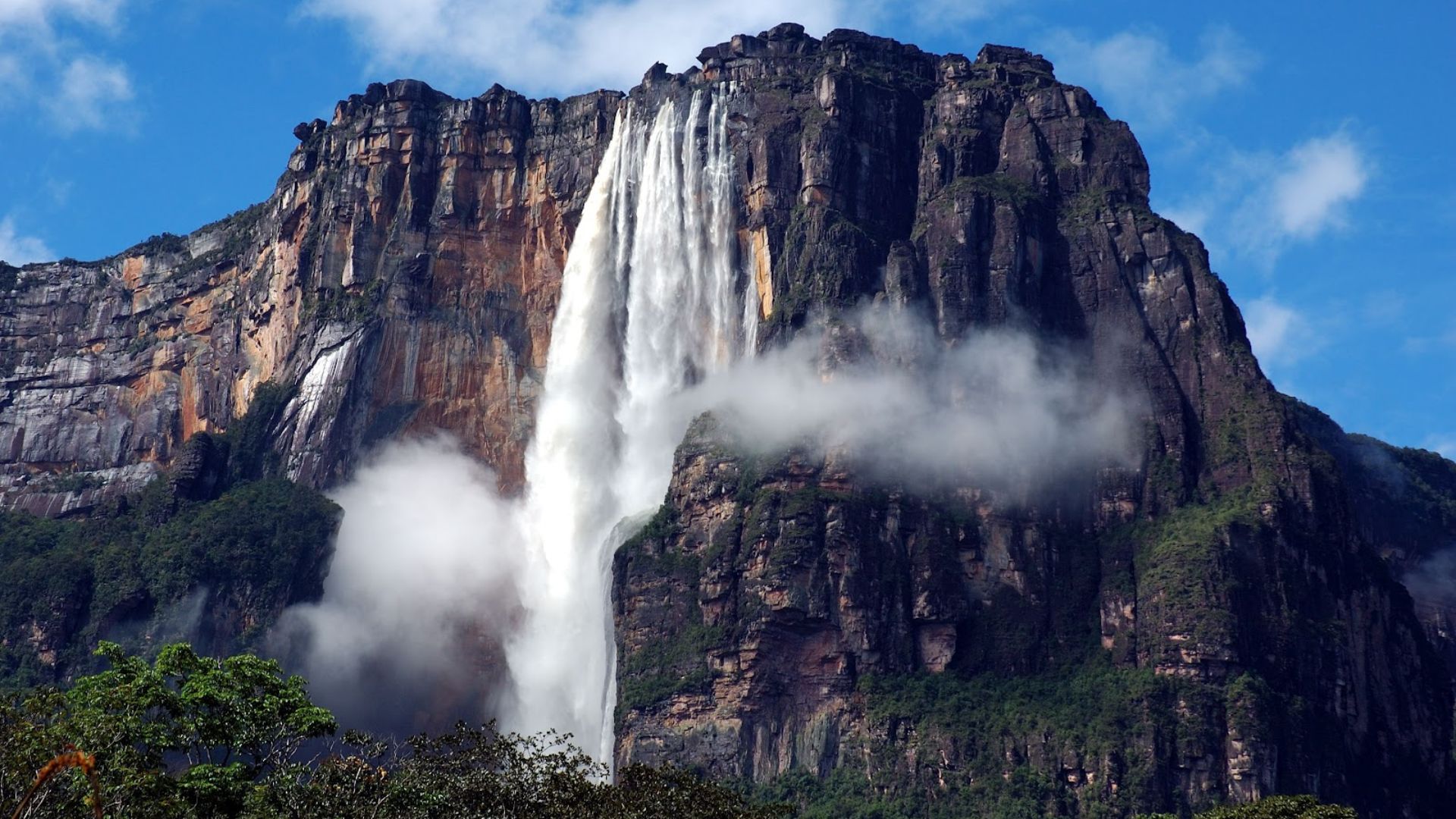
Angel Falls is recognized as the world’s tallest uninterrupted waterfall, plunging an incredible 979 meters (3,212 feet) from the summit of a tabletop mountain called Auyan-tepui into the virgin jungle below. That’s roughly 16 times the height of Niagara Falls, which makes the sheer vertical drop something few other waterfalls can rival. The continuous sheet of water appears to float like a veil of mist against the backdrop of the lush, green rainforest, creating a visual spectacle that stays with visitors long after they leave.
The surrounding land only adds to the drama. Canaima National Park, a UNESCO-recognised site, stretches across a vast swath of the Gran Sabana region, filled with tepuis (ancient, flat-topped mountains), rivers, and dense rainforests that seem frozen in time. This rich backdrop offers a striking contrast between rocky mesa summits and tropical wilds, making Angel Falls a highlight of one of the most pristine environments left on the planet.
A True Adventure To Reach
Reaching Angel Falls is not simply a roadside stop. The falls lie deep within the Venezuelan jungle and are accessible only by a combination of air travel and river journey, often followed by a hike through rainforest trails. Most visitors fly into small airstrips near Canaima camp, then take a riverboat along the Churun River, winding through lush covers of green before arriving at the base of the falls. This lack of road access preserves the remote, untouched quality of the trip and heightens the sense of adventure.
The best time to visit is during the rainy season (May–November), when the river is full and waterways are deep enough for boat travel. In the dry season, access becomes more difficult as the water levels drop, but the land transforms, revealing rock formations and tranquil pools that offer a different kind of beauty.
A Singular Experience Worth The Journey
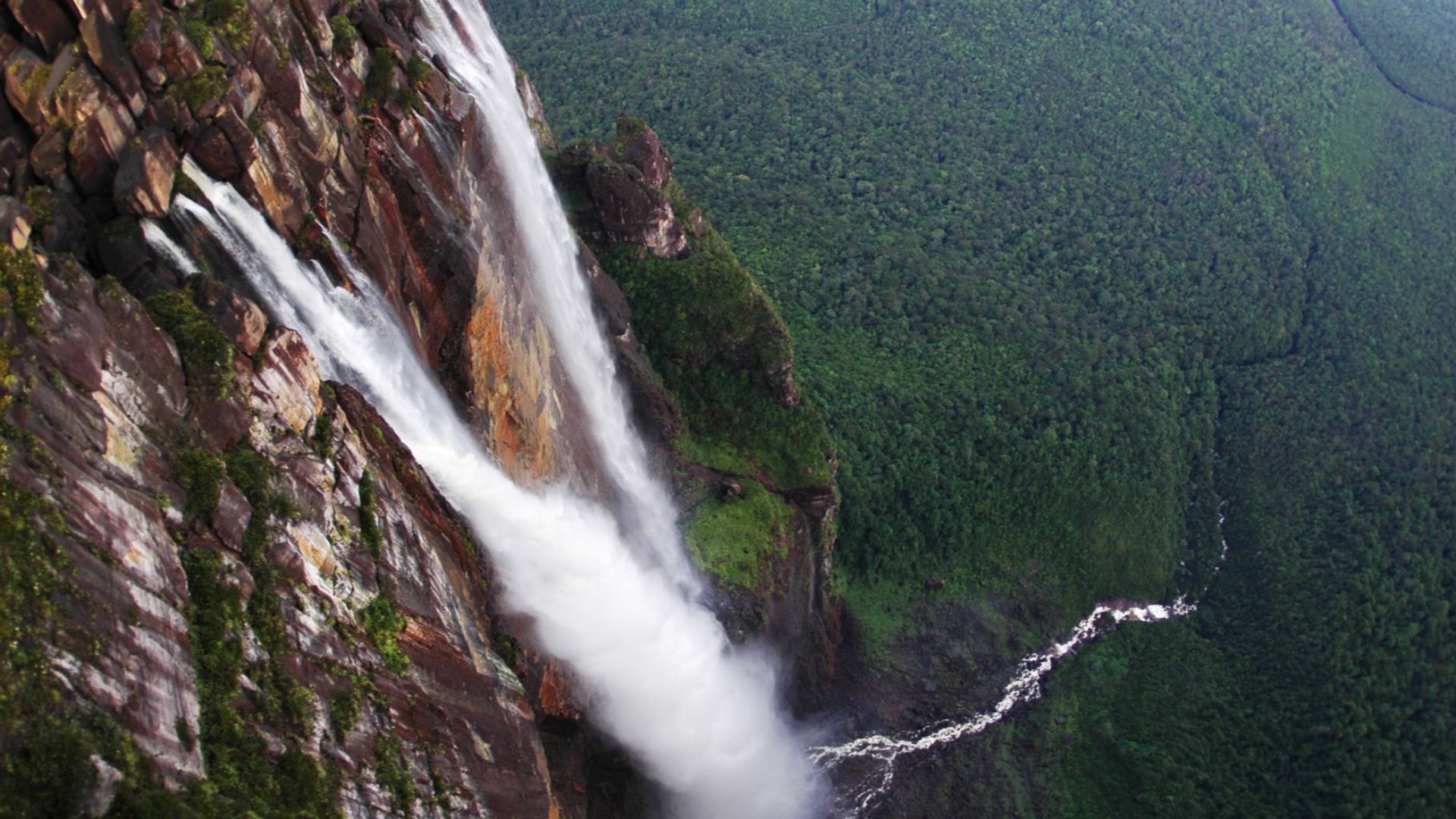 Luis Carillo, Venezuela on Wikimedia
What truly sets Angel Falls apart isn’t just its height or remoteness—it’s the emotion it stirs in those who see it. From the moment visitors catch the first glimpse of the cascading torrent slicing through thick green foliage, there’s a sense of witnessing something timeless and powerful. Many travelers describe the falls as life-changing, not only because of the scenery but also because of the journey through vibrant ecosystems and encounters with wildlife that few other destinations offer.
Named after Jimmie Angel, a U.S. aviator who first flew over it in 1933, the waterfall has continued to draw explorers, scientists, and adventurers from around the globe. The combination of vast remote wilderness and unforgettable adventure makes Angel Falls a destination that stands above other waterfalls—a place worth investing time to see in person.