Footsteps Not Fumes
Forget parallel parking nightmares and insurance premiums. Some cities built their streets before cars existed, and honestly, they never looked back. Narrow alleys wind past bakeries, bridges cross canals instead of highways, and residents grab groceries on foot faster than you'd find parking anywhere else. The following places prove that legs work better than engines when everything you need is just minutes away.
1. Venice, Italy
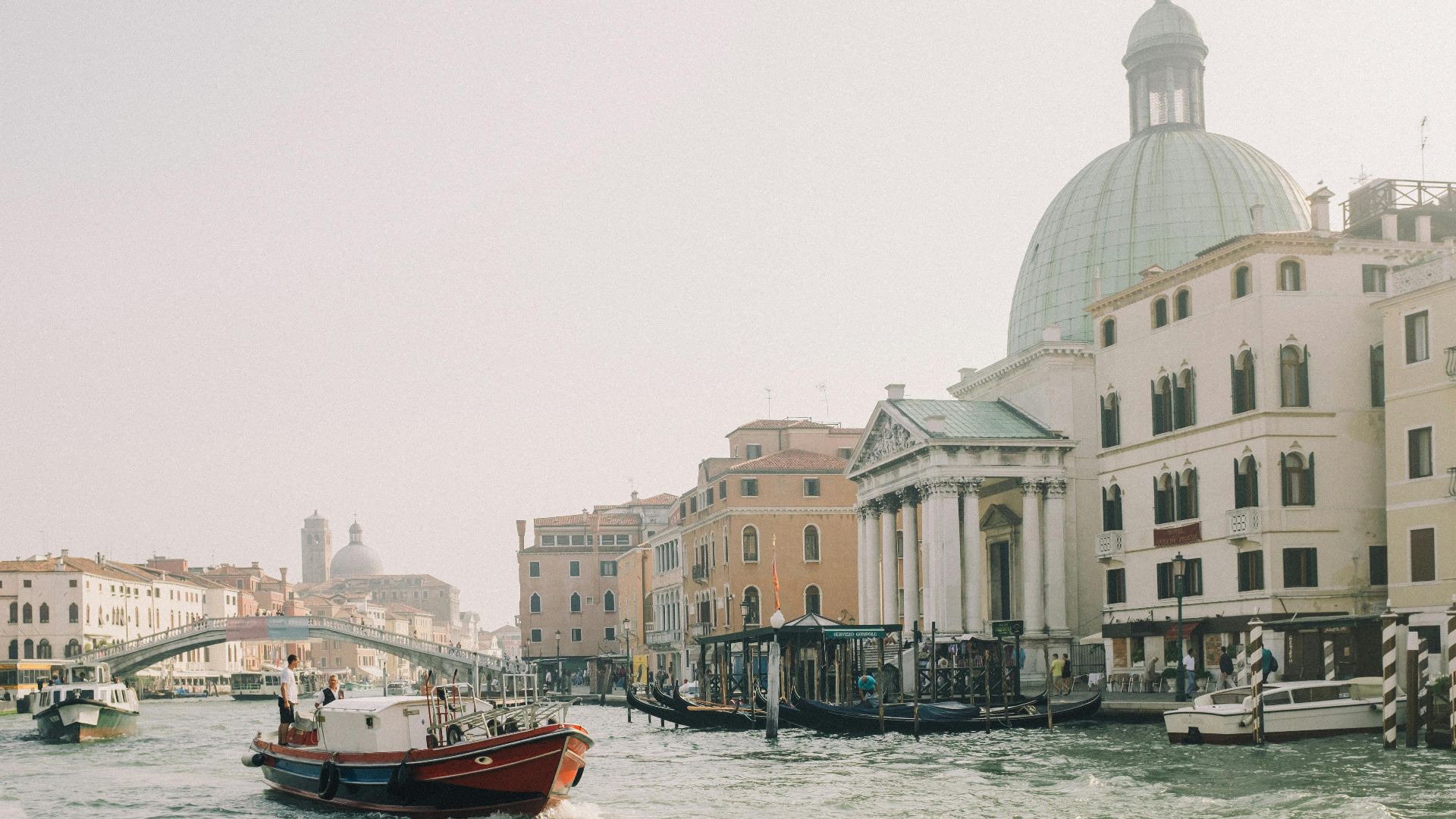
Imagine a city where your daily commute involves counting bridges instead of traffic lights. Venice's historic center operates entirely without roads or vehicles, forcing residents and visitors alike to navigate over 450 bridges spanning 150 canals using nothing but their own feet.
2. Florence, Italy
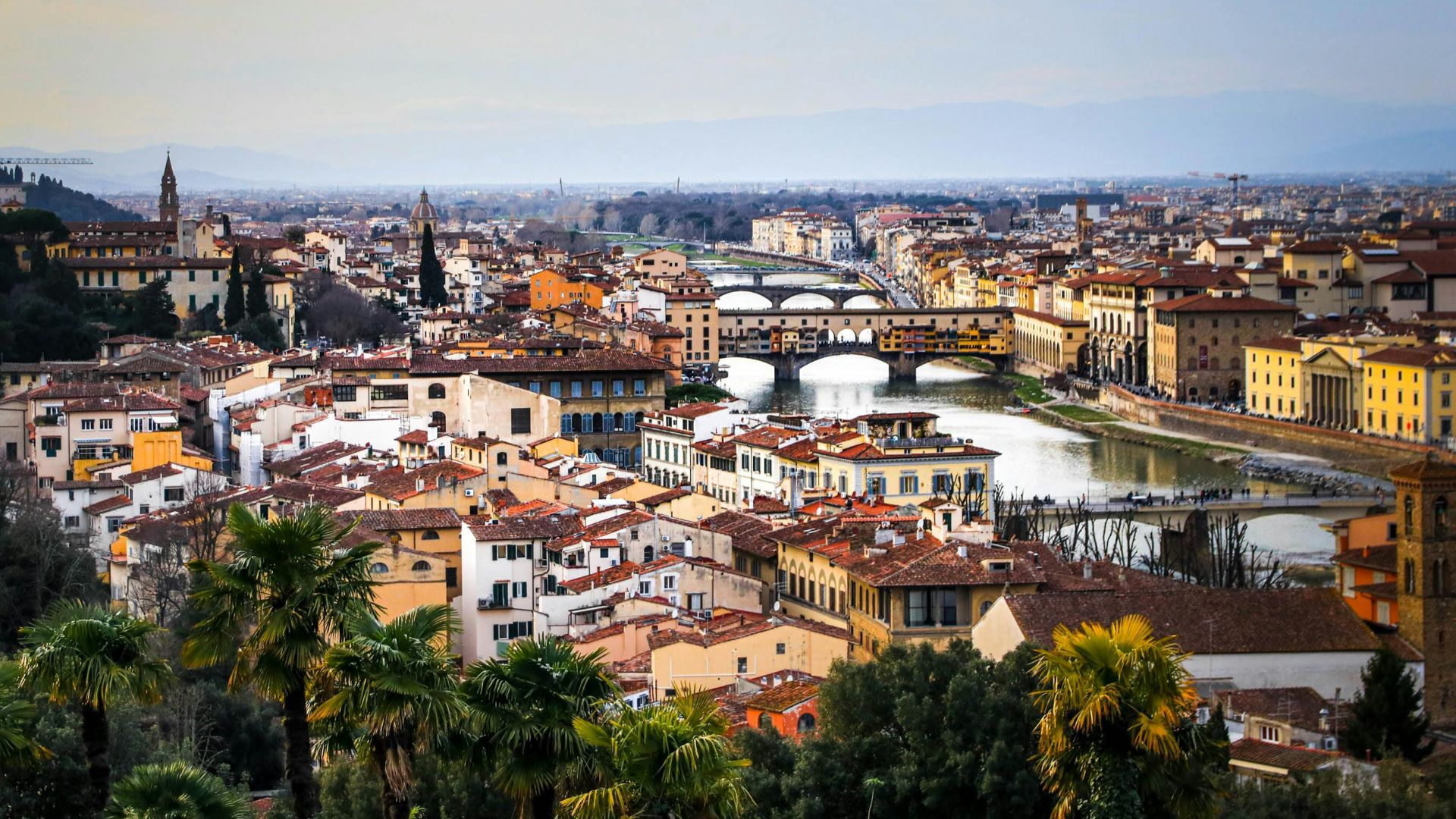
Florence enforces walkable living through ZTL or Limited Traffic Zones that restrict private vehicles throughout the historic center. The Renaissance city's compact core stretches from the Duomo to Ponte Vecchio, a walk of about 15 to 20 minutes.
3. Prague, Czech Republic
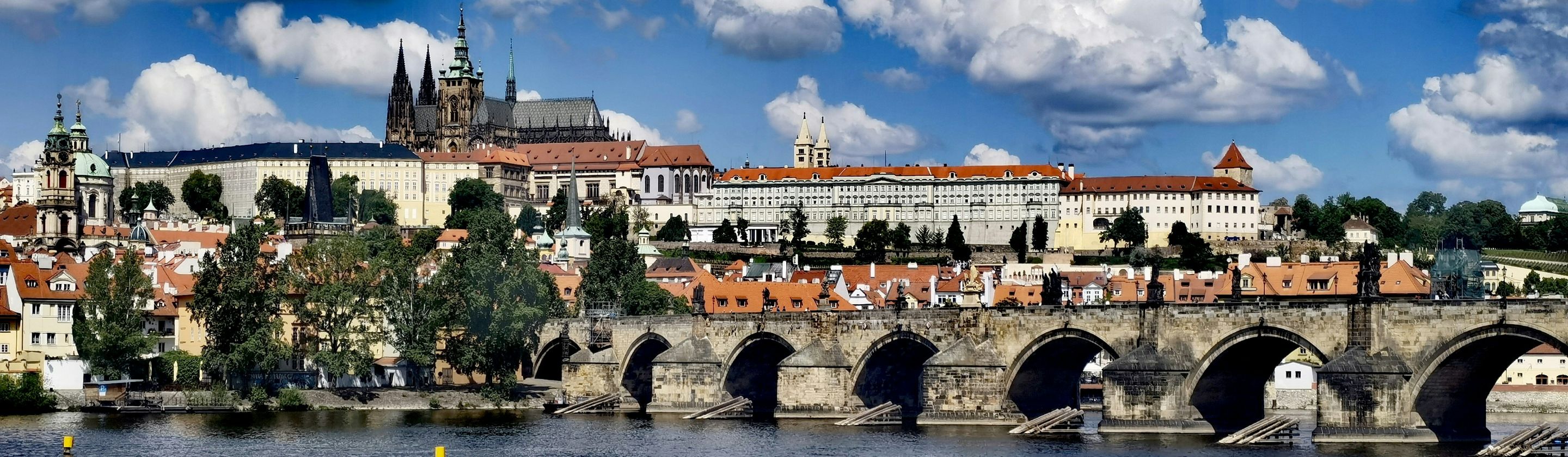
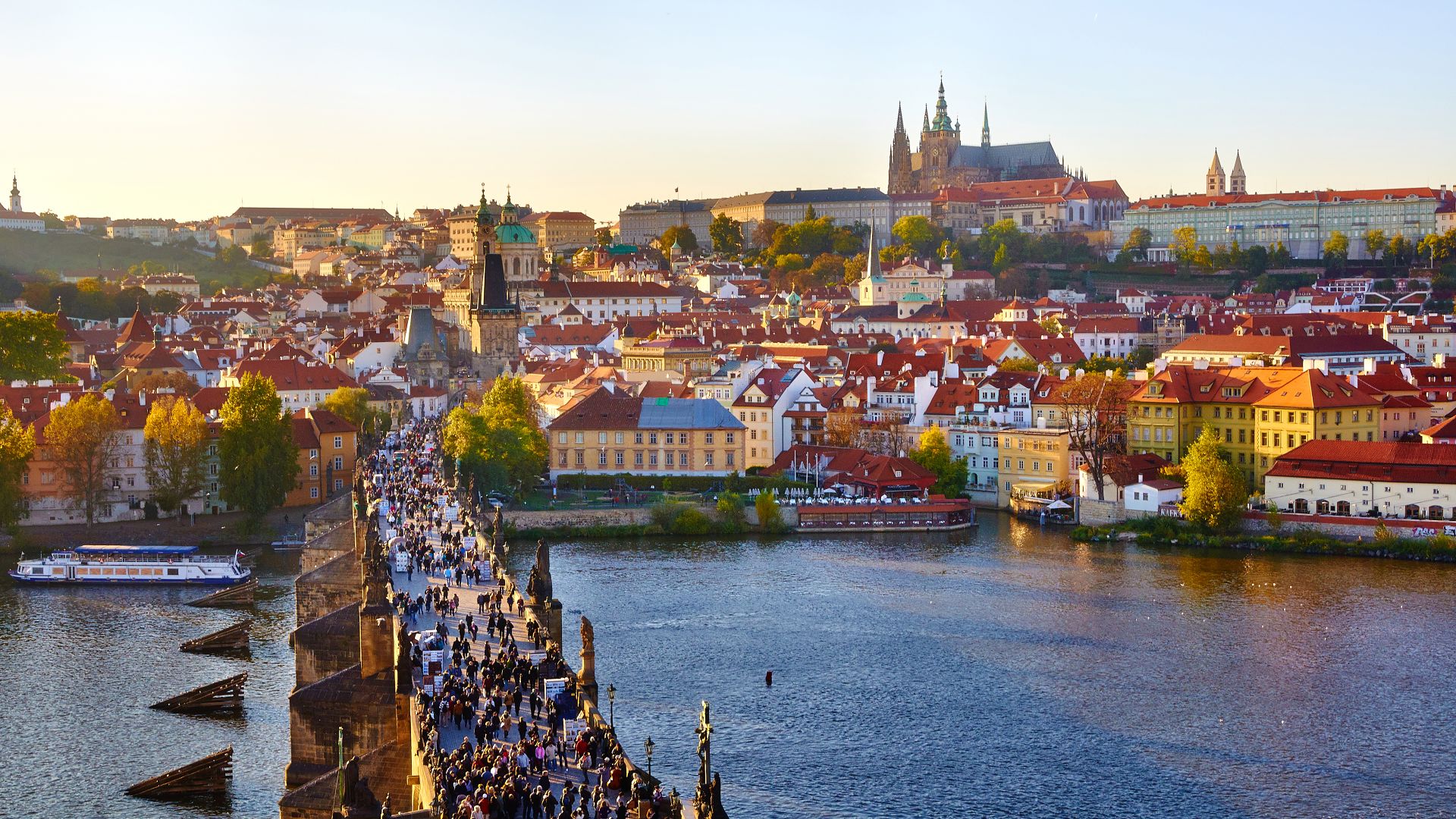
Approximately 82 percent of residents live within one kilometer of car-free spaces, with the Old Town and Charles Bridge fully pedestrianized for safe, direct walking access. Hidden brewery corners sit less than 10 minutes apart for many Prague residents.
 Moyan Brenn from Italy on Wikimedia
4. Paris, France
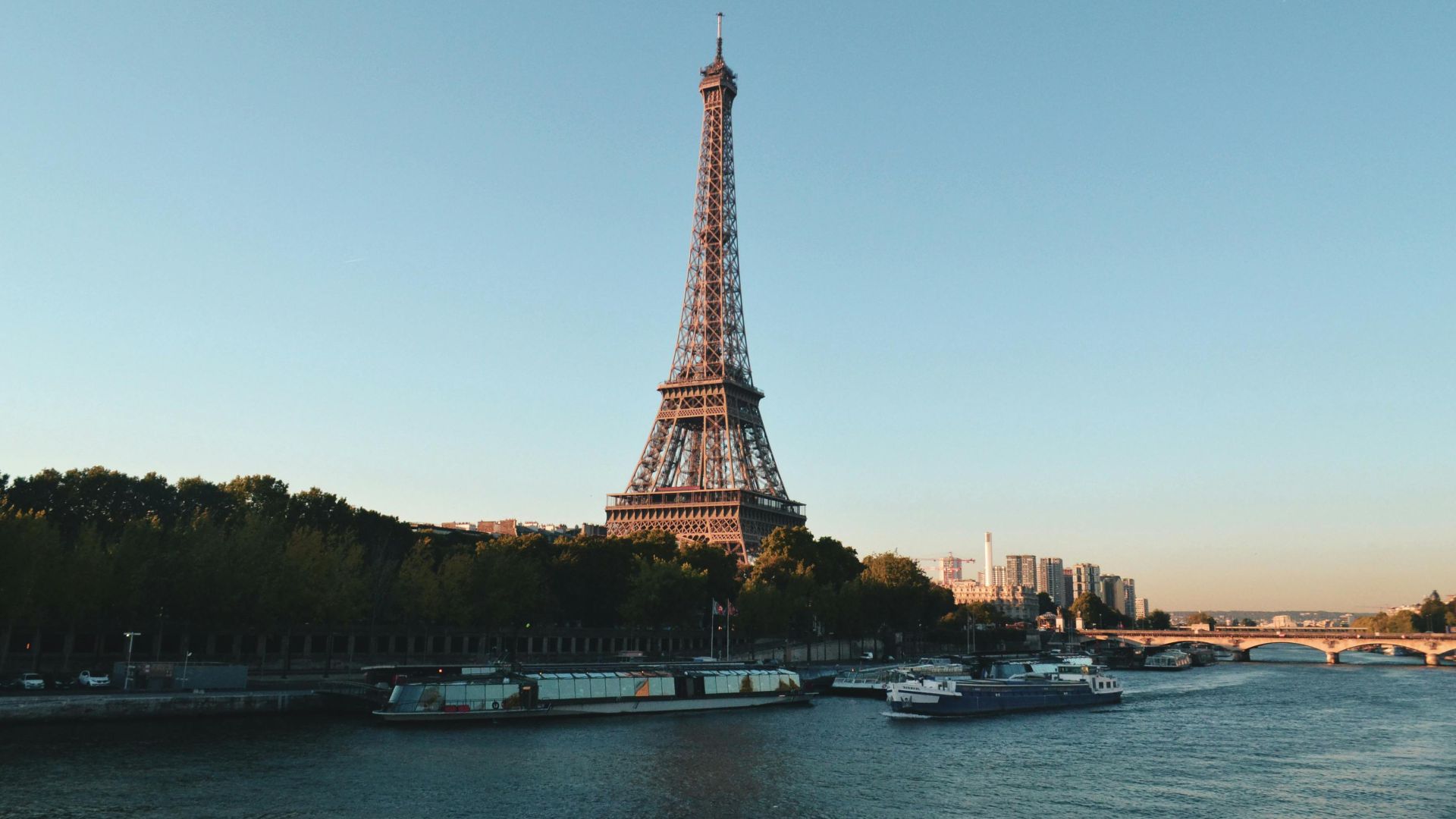
The City of Light has created numerous car-free school streets and pedestrian-priority zones. It has boosted walking mode share to the third-most-popular transport option after public transit. Haussmann boulevards and Seine promenades enable most daily errands, like grocery shopping.
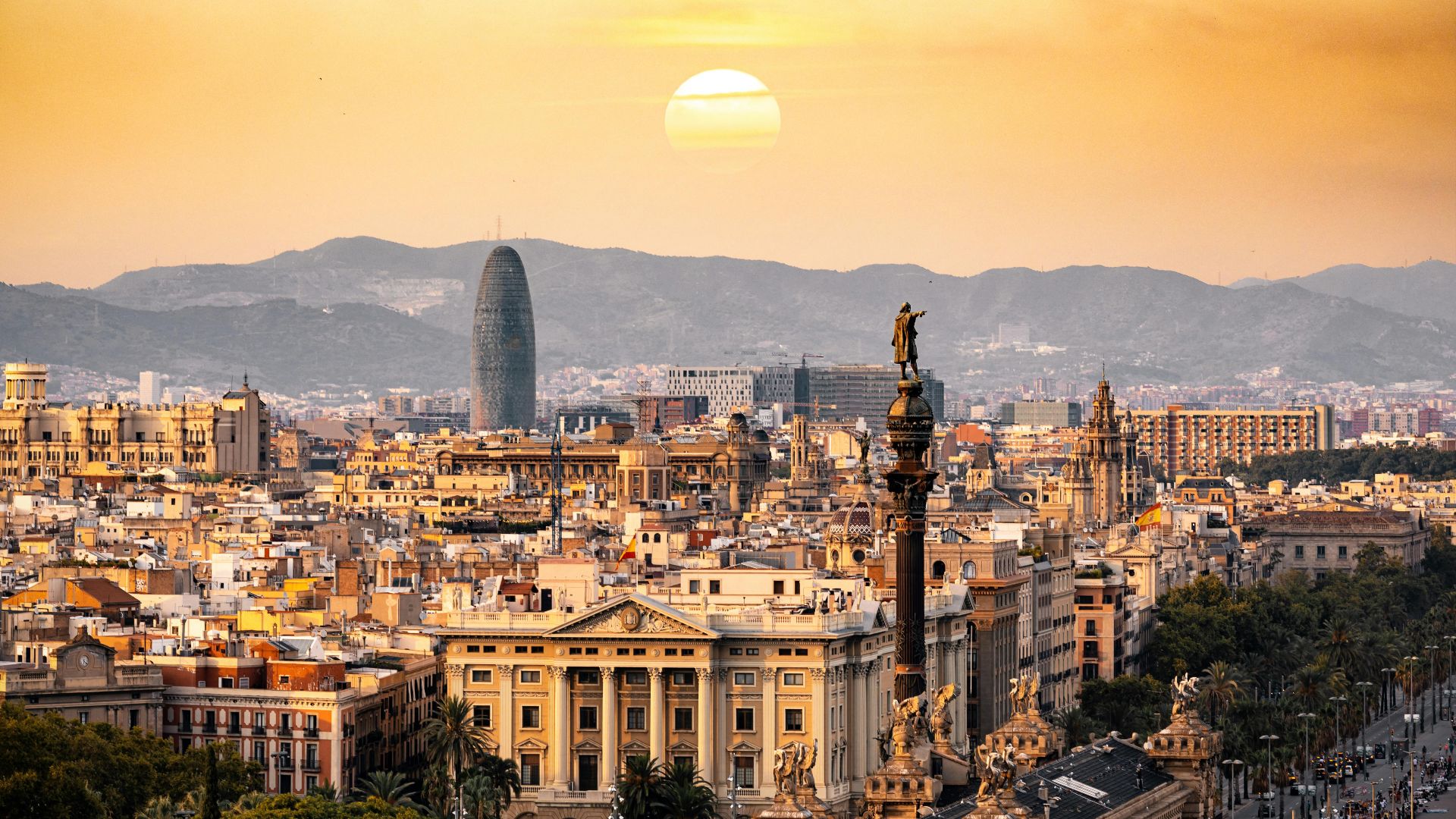
5. Barcelona, Spain
Superblocks, known locally as superilles, restrict cars to 10 kilometers per hour for local access only, reclaiming streets for wide pedestrian paths and plazas in residential areas. High pedestrian prioritization in neighborhoods like Gràcia supports license-free living via connected sidewalks.
6. Vienna, Austria
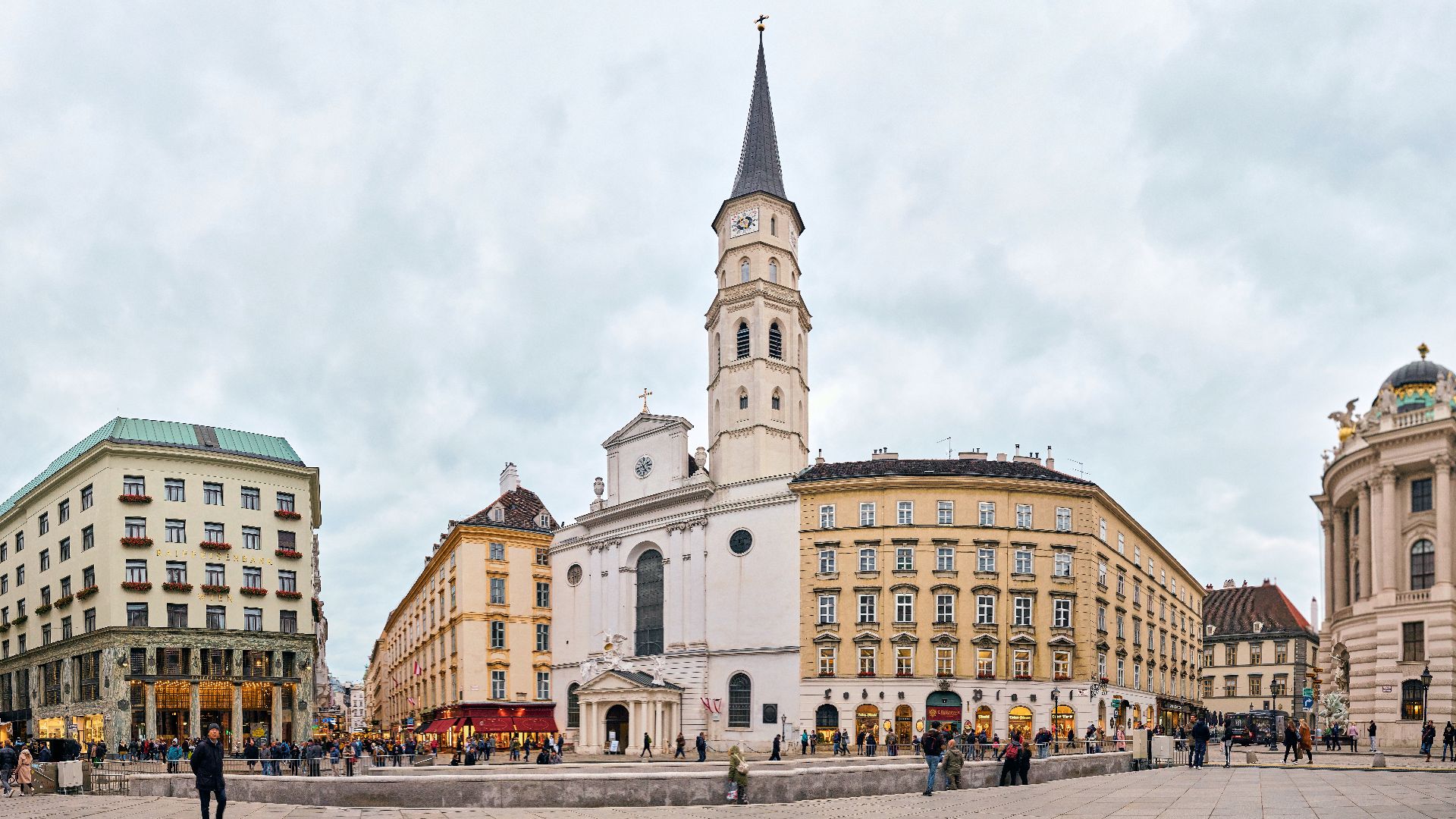
What sets Vienna apart is its dedicated Walking Officer role, which ensures resident input shapes pedestrian improvements. This city's innovative "cool streets" initiatives add greenery and seating to make longer walks more pleasant, keeping daily needs within a short walk regardless of season or weather.
 Pedro Szekely from Los Angeles, USA on Wikimedia
7. Lisbon, Portugal
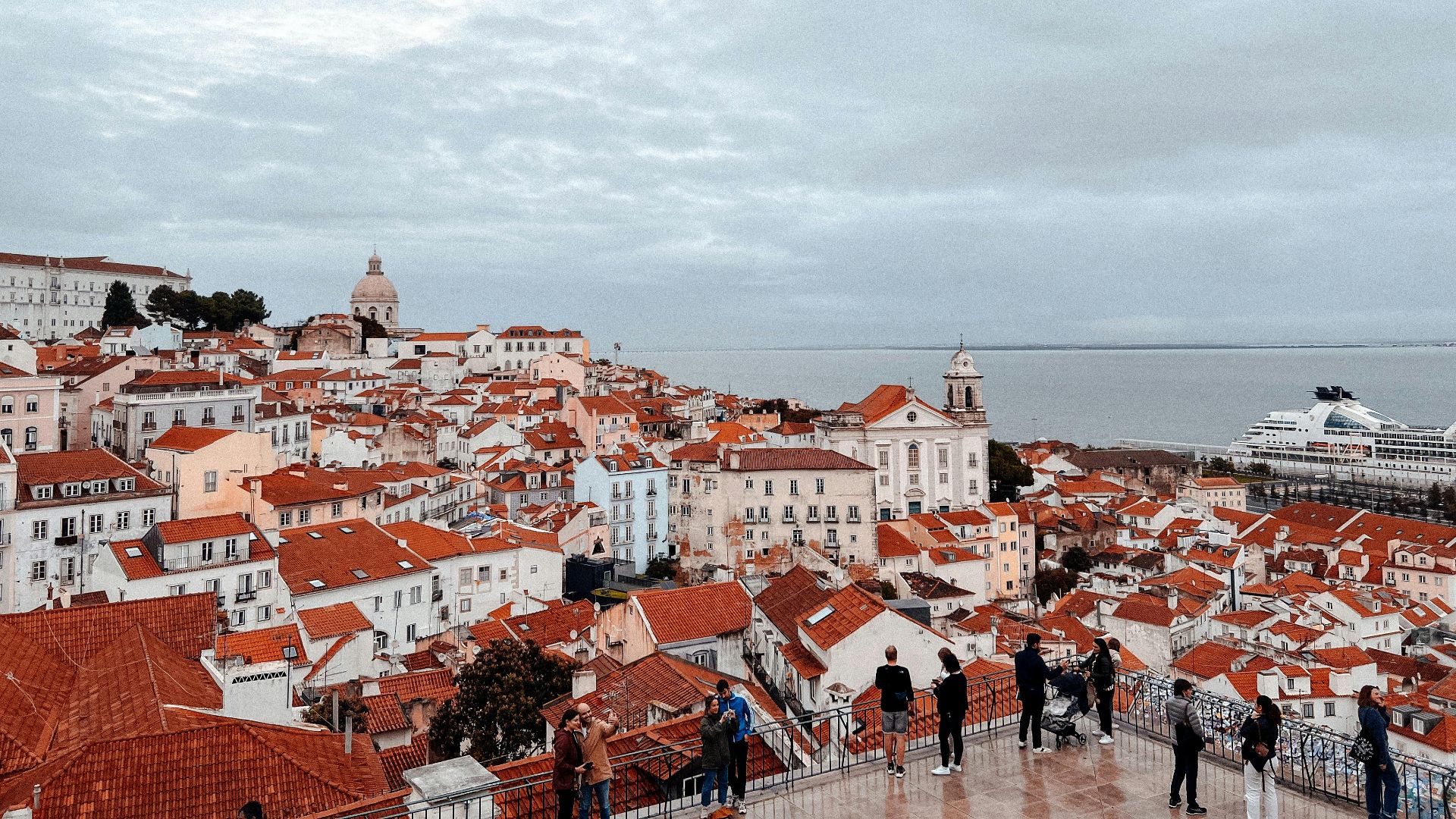
A compact, hilly layout allows most amenities, like bakeries and shops, within 15 to 20 minutes on foot, despite elevation challenges that might discourage pedestrians in other cities. Historic neighborhoods feature car-light streets and miradouros viewpoints reachable on foot.
8. Amsterdam, Netherlands
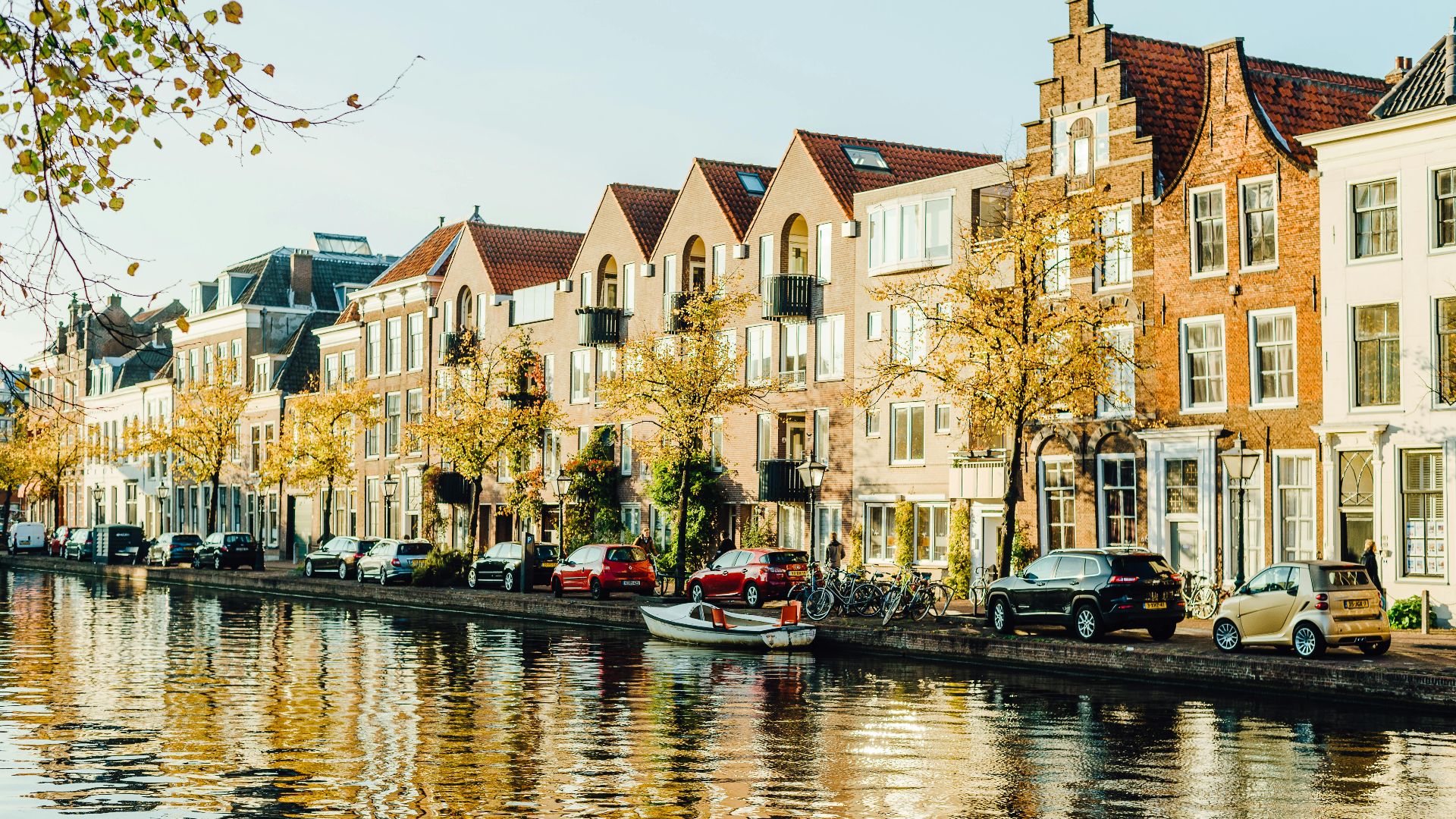
The canal-ringed center imposes car restrictions. It prioritizes tree-lined pedestrian paths where walking and cycling handle most daily trips in the Dutch capital. Grachtengordel waterways connect markets and homes with minimal vehicle presence, reducing car dependency through walkable design.
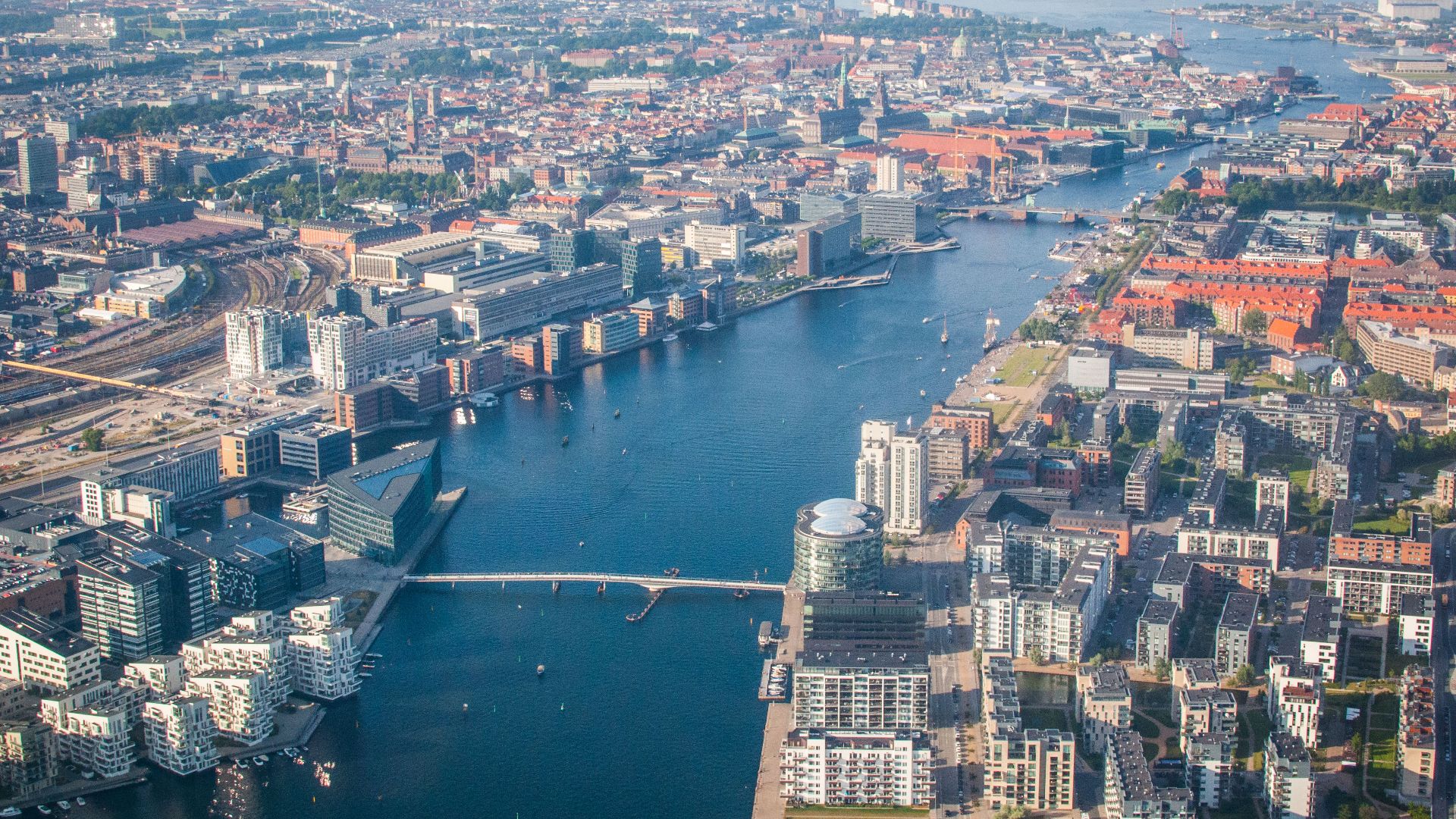
9. Copenhagen, Denmark
Strøget, one of Europe's longest pedestrian streets, originally measuring 1.15 kilometers and now expanded to a network of approximately 100,000 square meters, bans cars entirely for vibrant foot traffic. Pedestrianization, successful since 1962, has dramatically increased foot traffic.
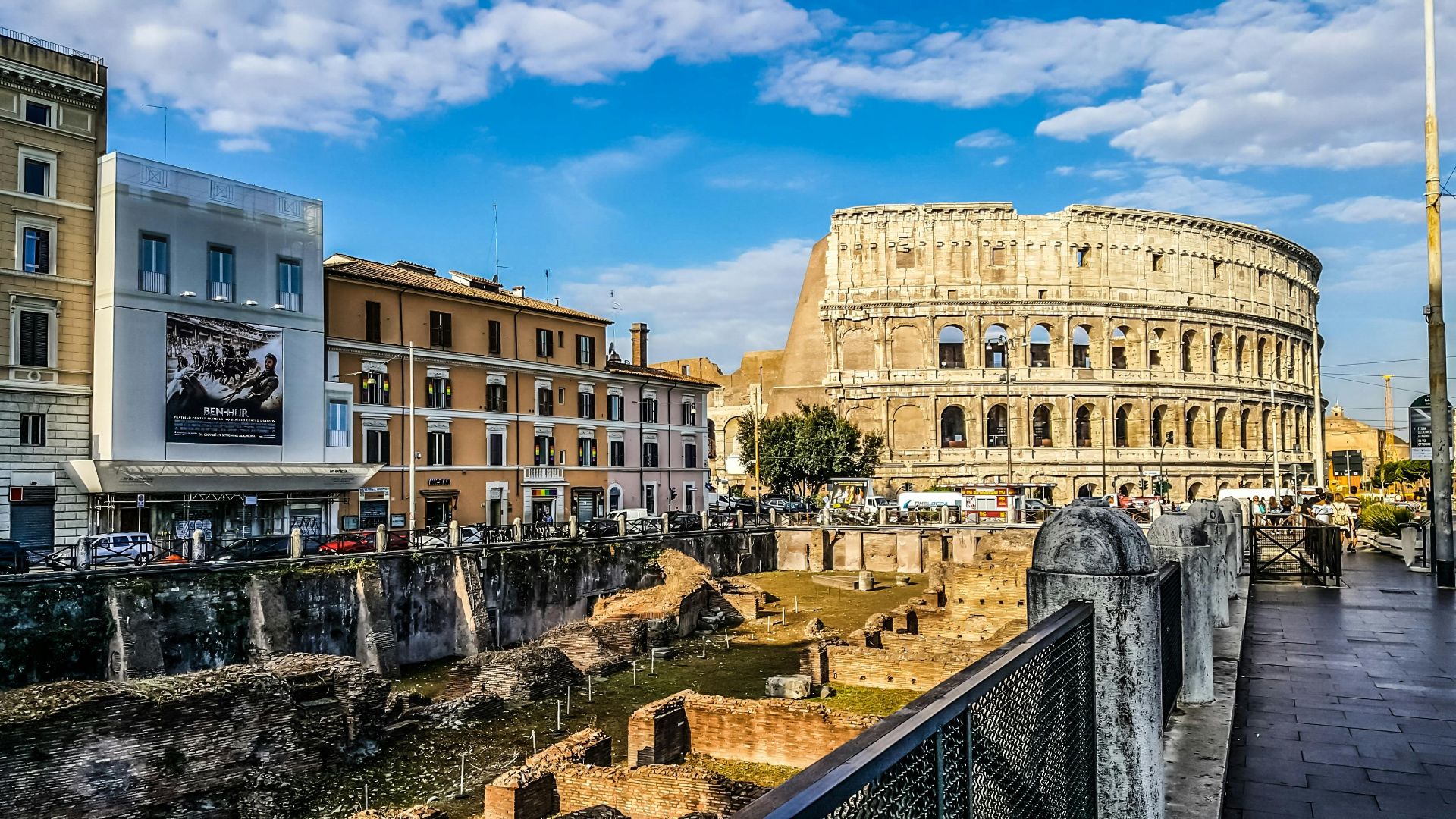
10. Rome, Italy
Trevi Fountain to Colosseum routes feature gelaterias and shops within minutes, minimizing car needs while maximizing cultural immersion for residents and visitors alike. The historic core limits traffic with pedestrian piazzas and ruins forming an open-air museum reachable by walking.
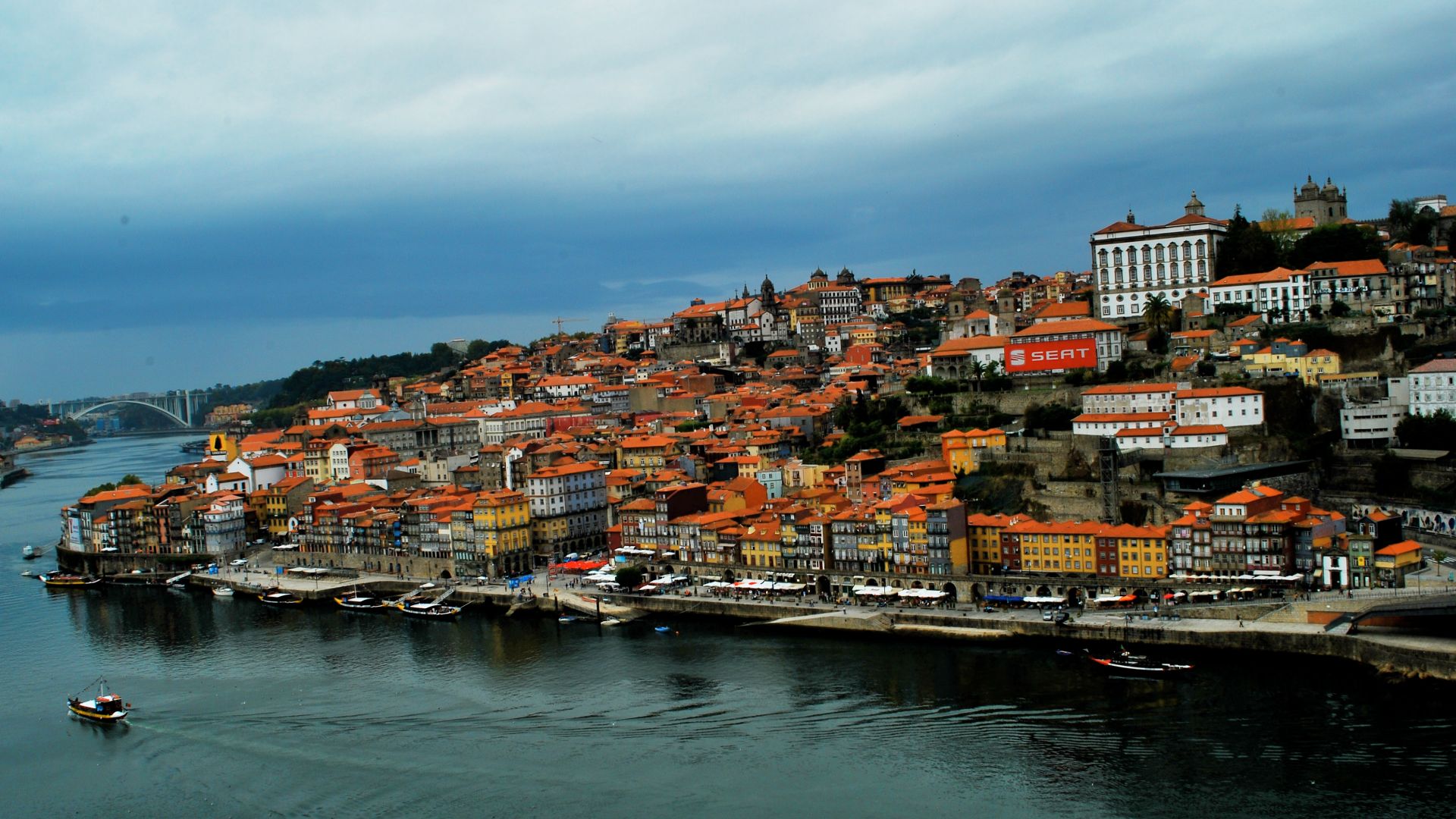
11. Porto, Portugal
Steep but connected alleys promote foot exploration with minimal vehicle barriers, turning Porto's challenging topography into an adventurous pedestrian experience rather than an obstacle. The riverside Ribeira district has pedestrian-oriented lanes, with bridges and funiculars aiding car-light mobility up the hills.
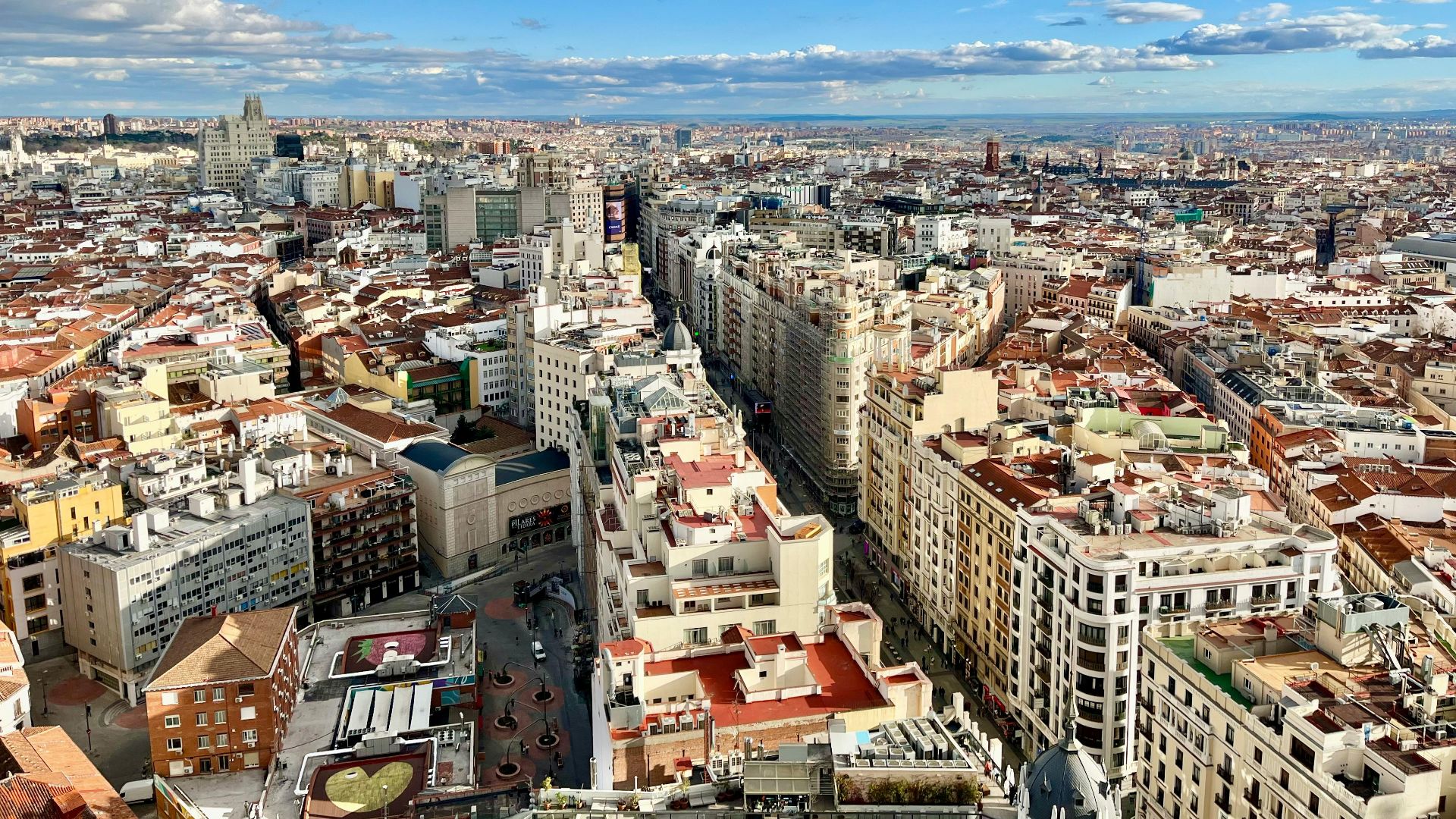
12. Madrid, Spain
Low rainfall and service proximity enable quick foot commutes without cars in the central grid. Wide avenues prioritize walkers in vibrant cores where cafes and shops cluster densely enough to eliminate the necessity for daily errands. Puerta del Sol street performers entertain walkers heading to markets.
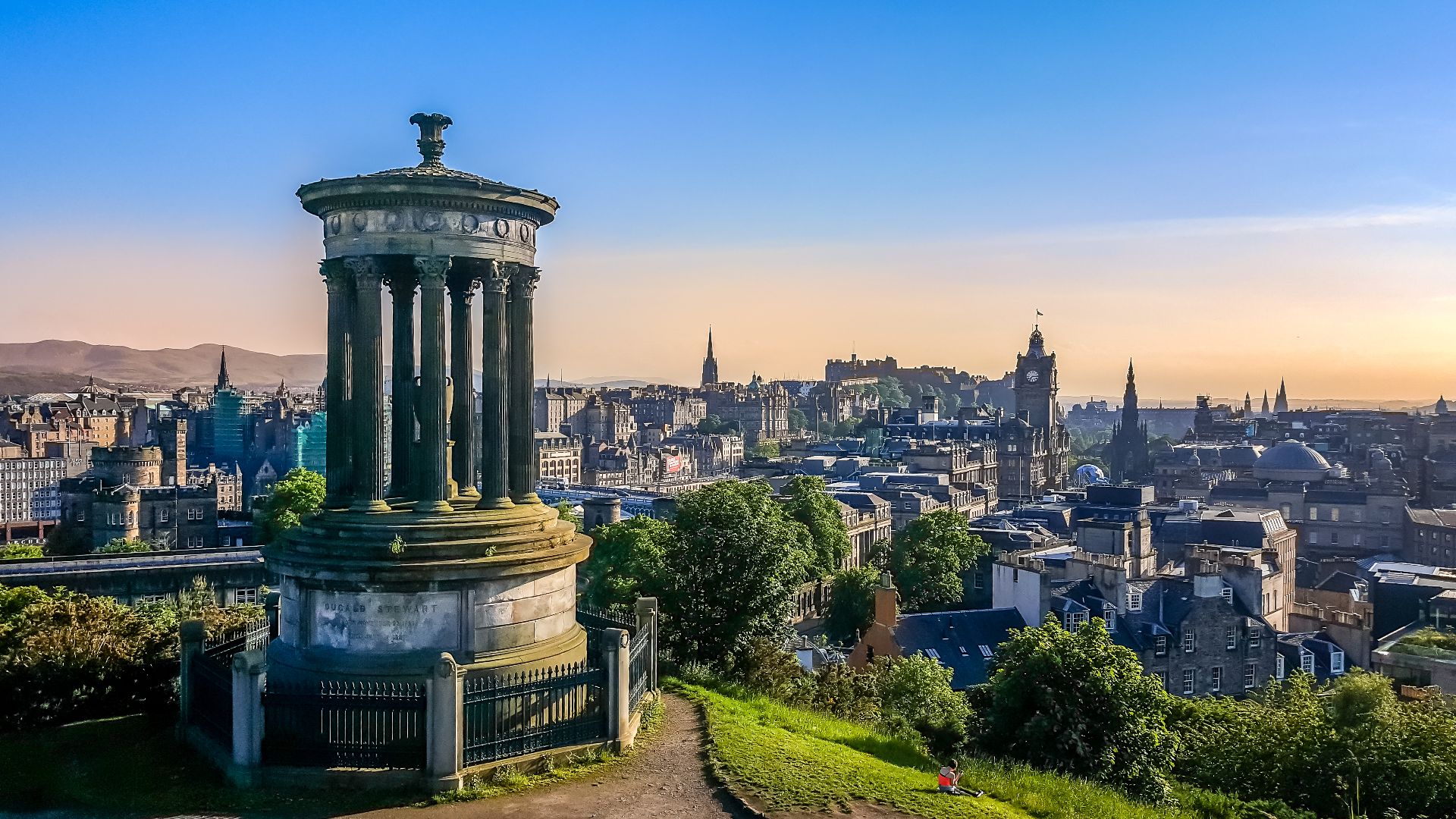
13. Edinburgh, Scotland
The Royal Mile pedestrian routes link Old and New Towns, with Arthur's Seat hikes accessible on foot directly from central neighborhoods without requiring any vehicular transport. Historic closes and short distances to pubs and universities reduce car dependency in Scotland's capital.
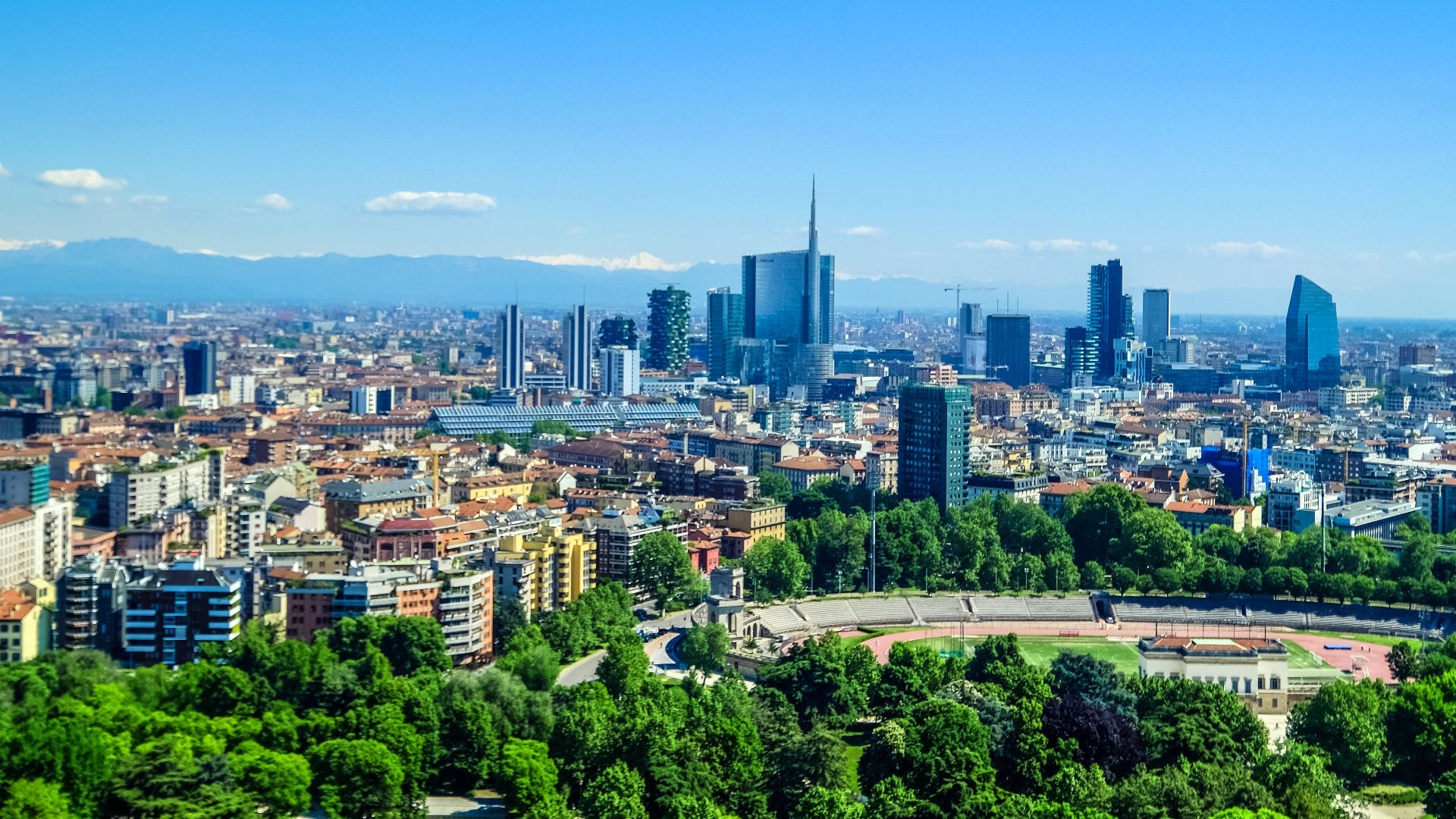
14. Milan, Italy
High walkability scores from the compact, stylish core reflect Milan's success in balancing fashion-forward modernity with pedestrian-friendly historic preservation. The Duomo plaza and Navigli canals feature dense pedestrian zones with short walks to fashion districts where Italy's design excellence concentrates.
 https://www.pexels.com/u/ghostpresenter/ on Wikimedia
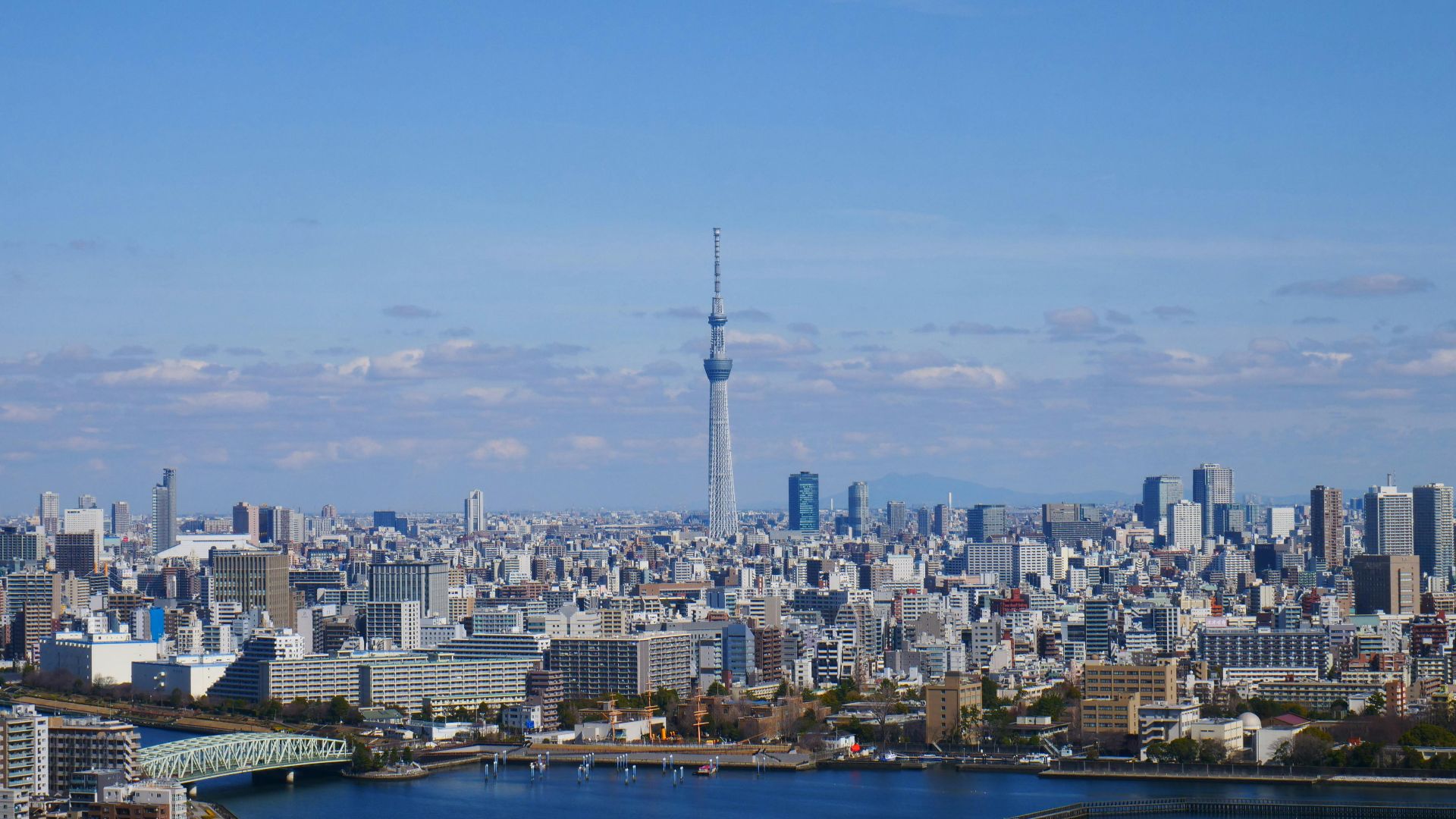
15. Tokyo, Japan
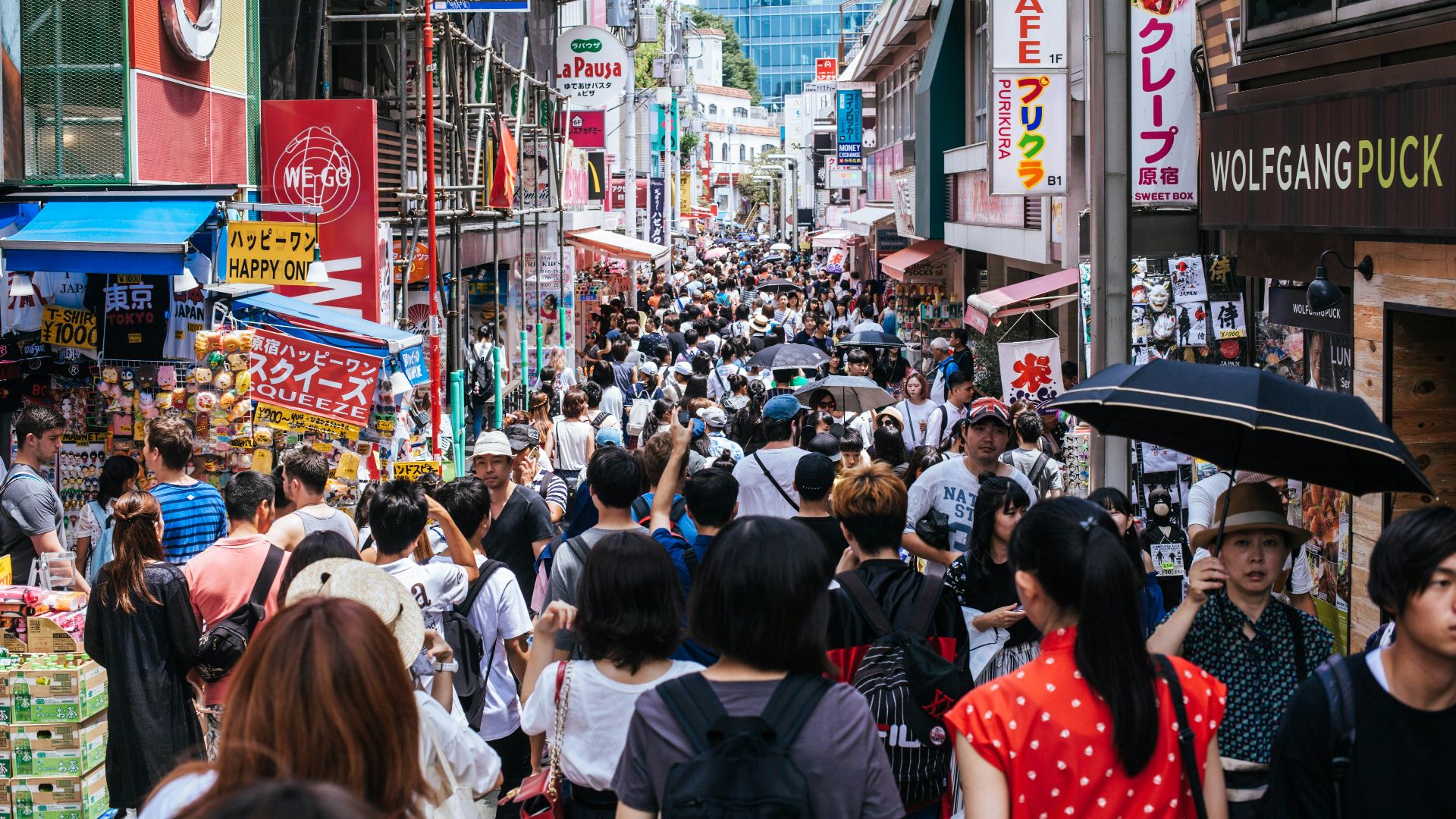
Shibuya to shrines connect via pedestrian crossings and transit integration, showcasing Tokyo's mastery of blending ultra-modern infrastructure with traditional temple access on foot. Dense neighborhoods show off impeccable sidewalks and alley izakayas with high safety for foot travel.
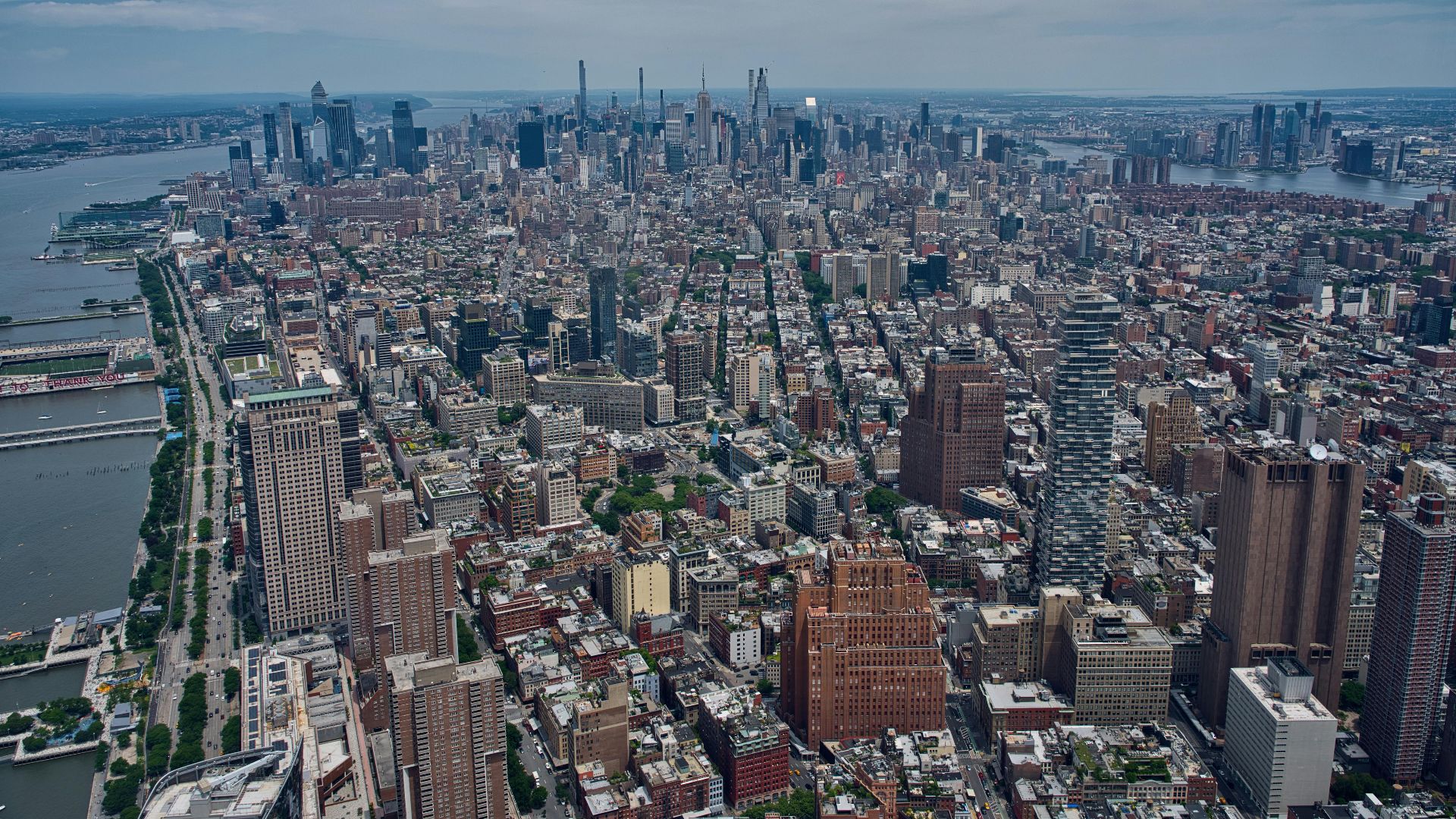
16. New York City, USA (Manhattan Focus)
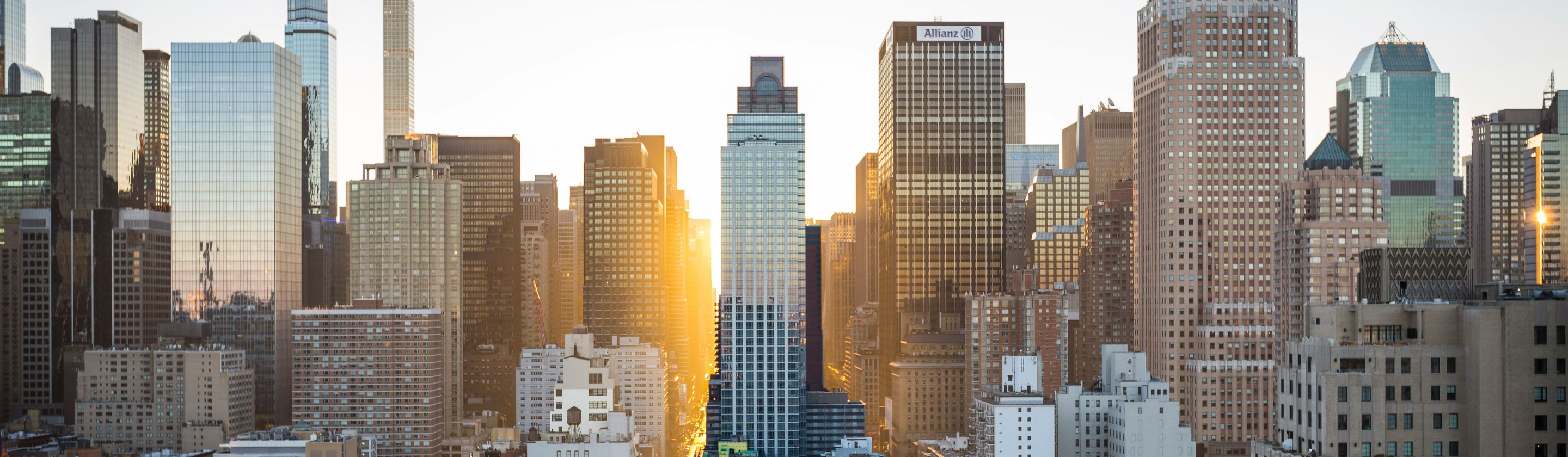
Here, subway backups support high walking mode in the dense core, creating integrated mobility where underground transit and surface pedestrian traffic work seamlessly together. Brownstone stoops offer perfect spots for people-watching breaks, turning neighborhood walks into social experiences.
17. Hong Kong
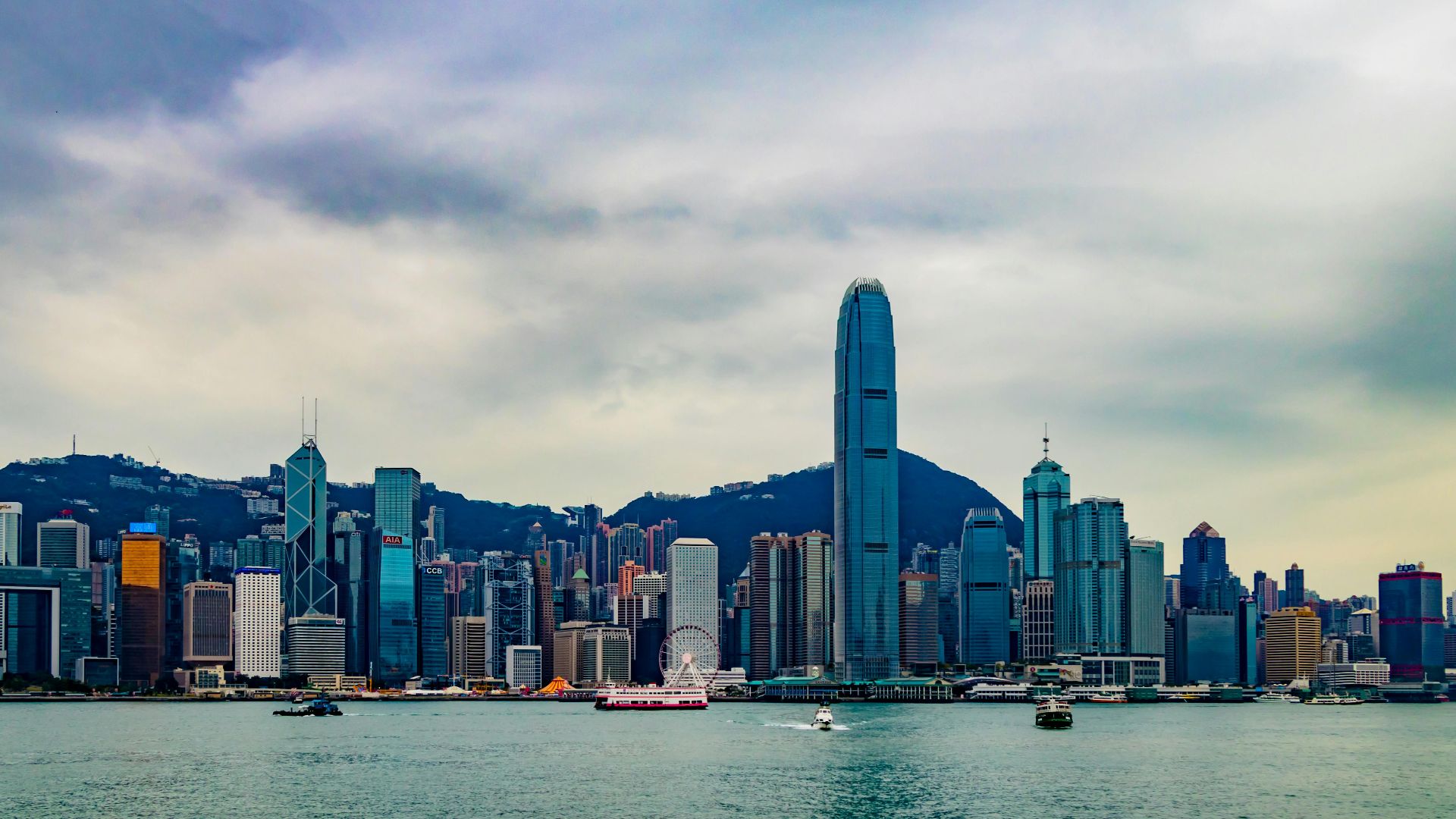
Hong Kong demonstrates that extreme vertical density actually enhances walkability when paired with creative infrastructure. These include skywalks connecting buildings and neighborhoods at multiple elevations. Elevated walkways and ferries craft a three-dimensional pedestrian network that moves people above, below, and across the harbor.
18. Singapore
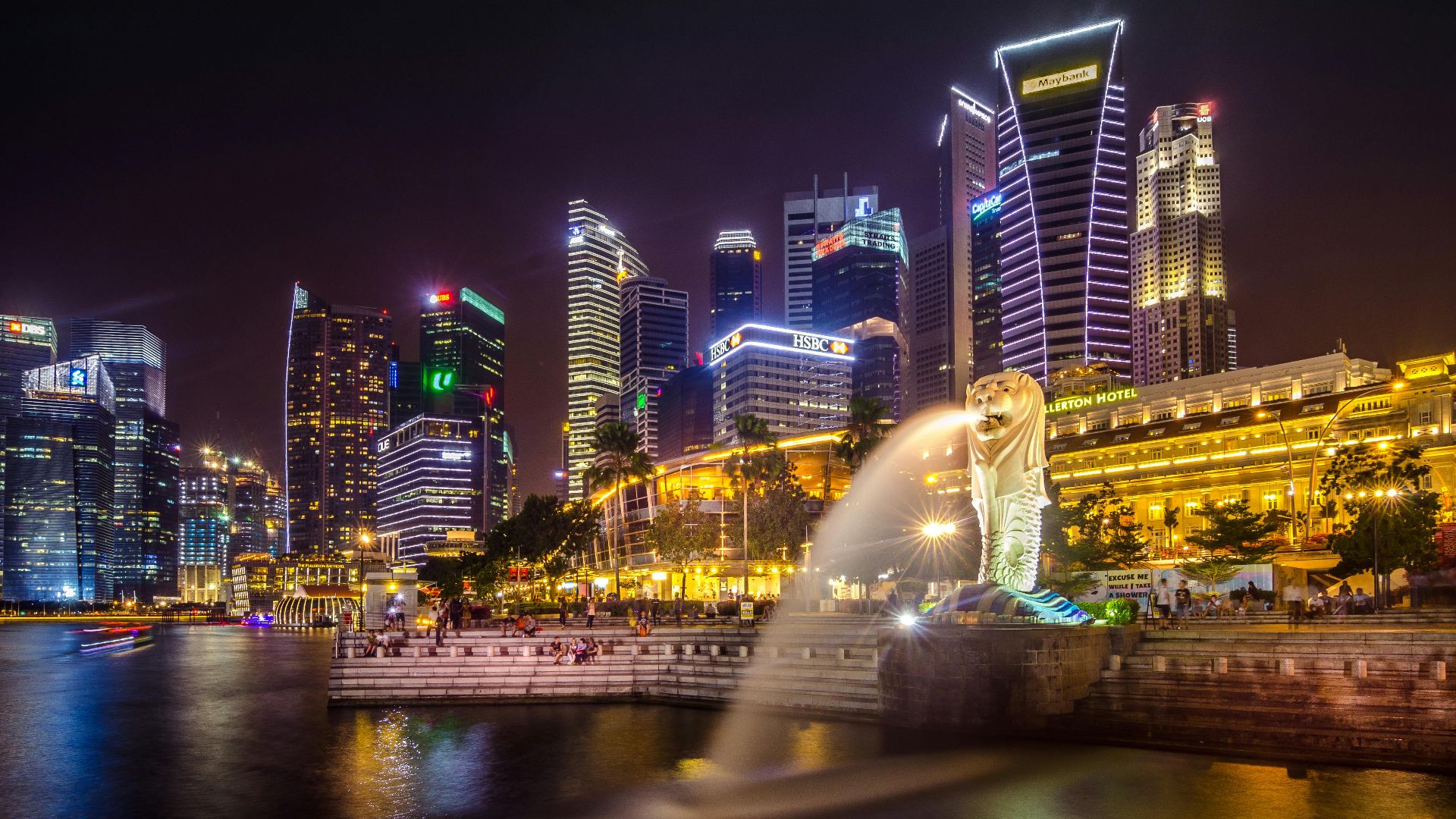
Car ownership quotas discourage vehicles in the garden city through deliberate government policy that makes licenses expensive and difficult to obtain for residents. Park connectors link Gardens by the Bay to hawker centers, protecting pedestrians from tropical heat and rain year-round.
19. Seoul, South Korea
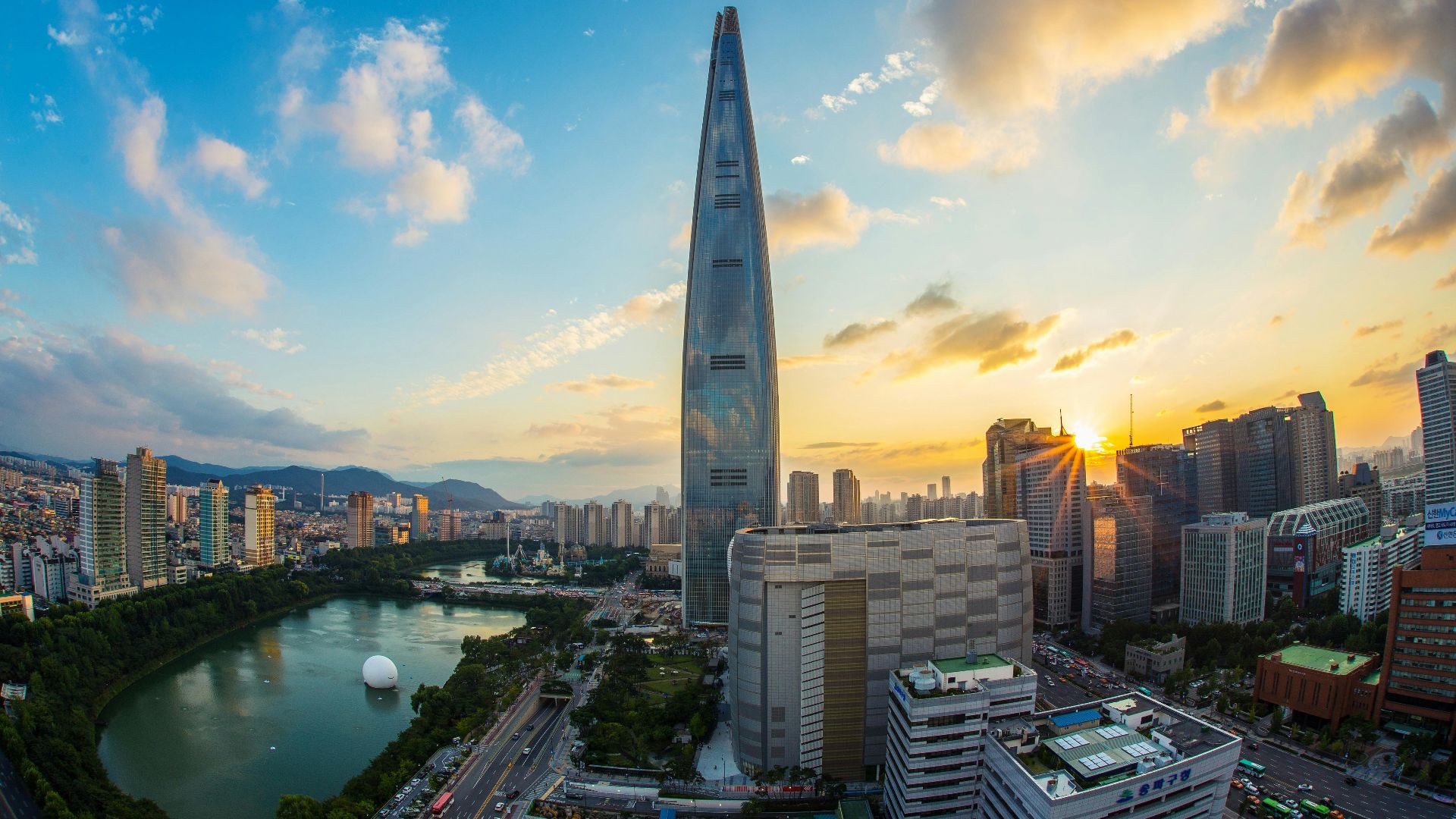
Subway-linked neighborhoods support vibrant car-free commutes, where seamless integration between underground trains and surface pedestrian networks eliminates the need for central Seoul. Mountain hikes accessible via pedestrian paths mean Seoul residents can easily transition from urban density to natural trails.
20. Istanbul, Turkey
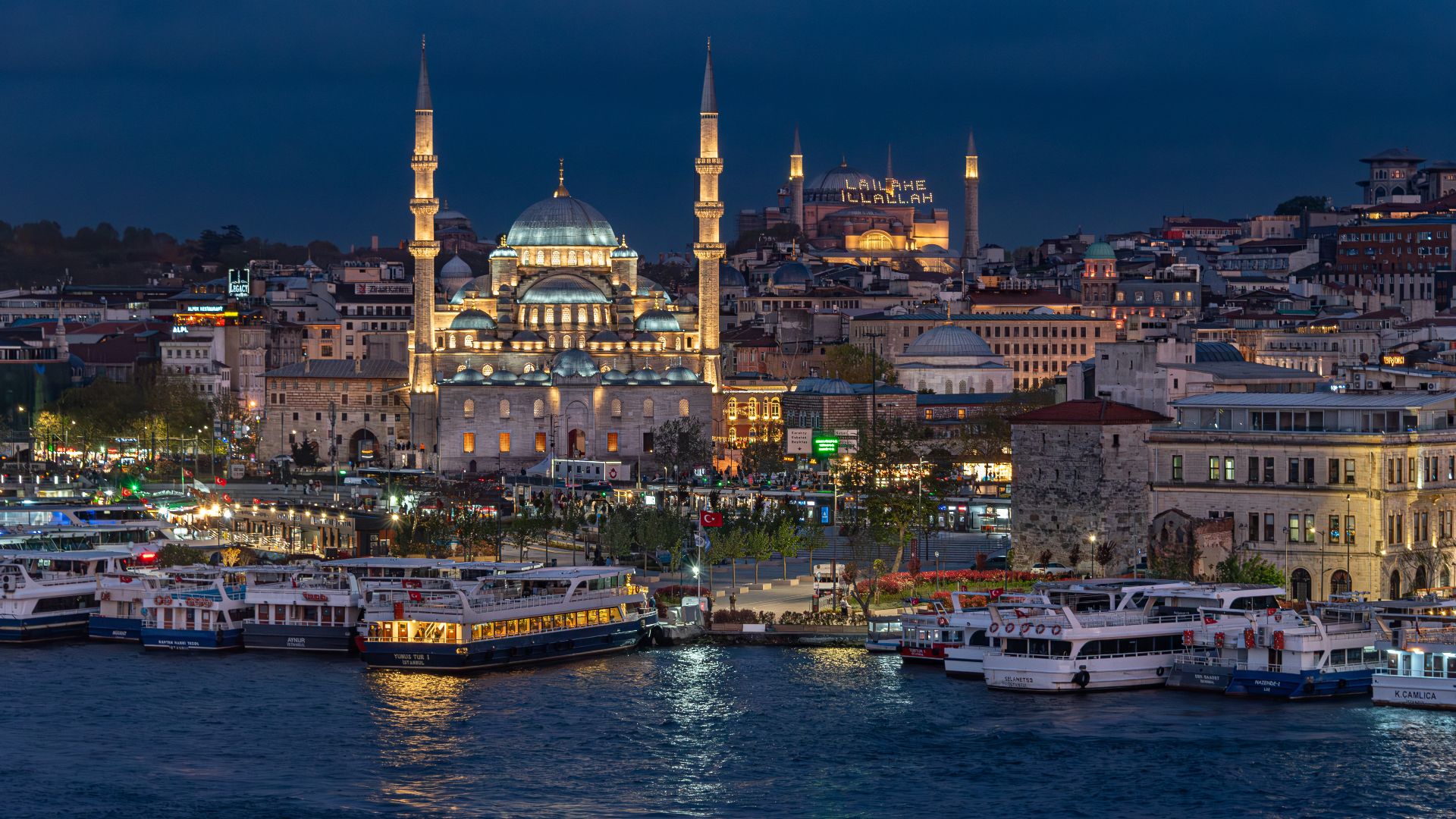
The Sultanahmet peninsula restricts cars with bazaars and mosques walkable throughout the historic core. Historic layers prioritize foot traffic through streets originally structured for Ottoman-era pedestrians and merchants rather than modern automobiles. Spice Bazaar aromas guide walkers to the best tea spots.