 Oleksandra Bardash on Unsplash
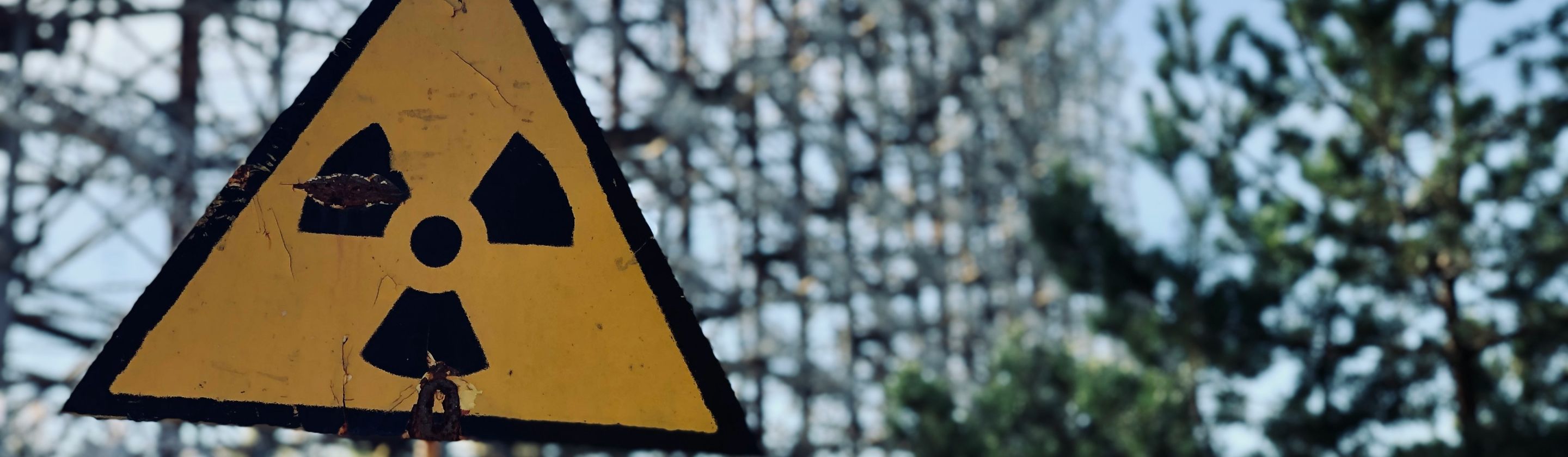
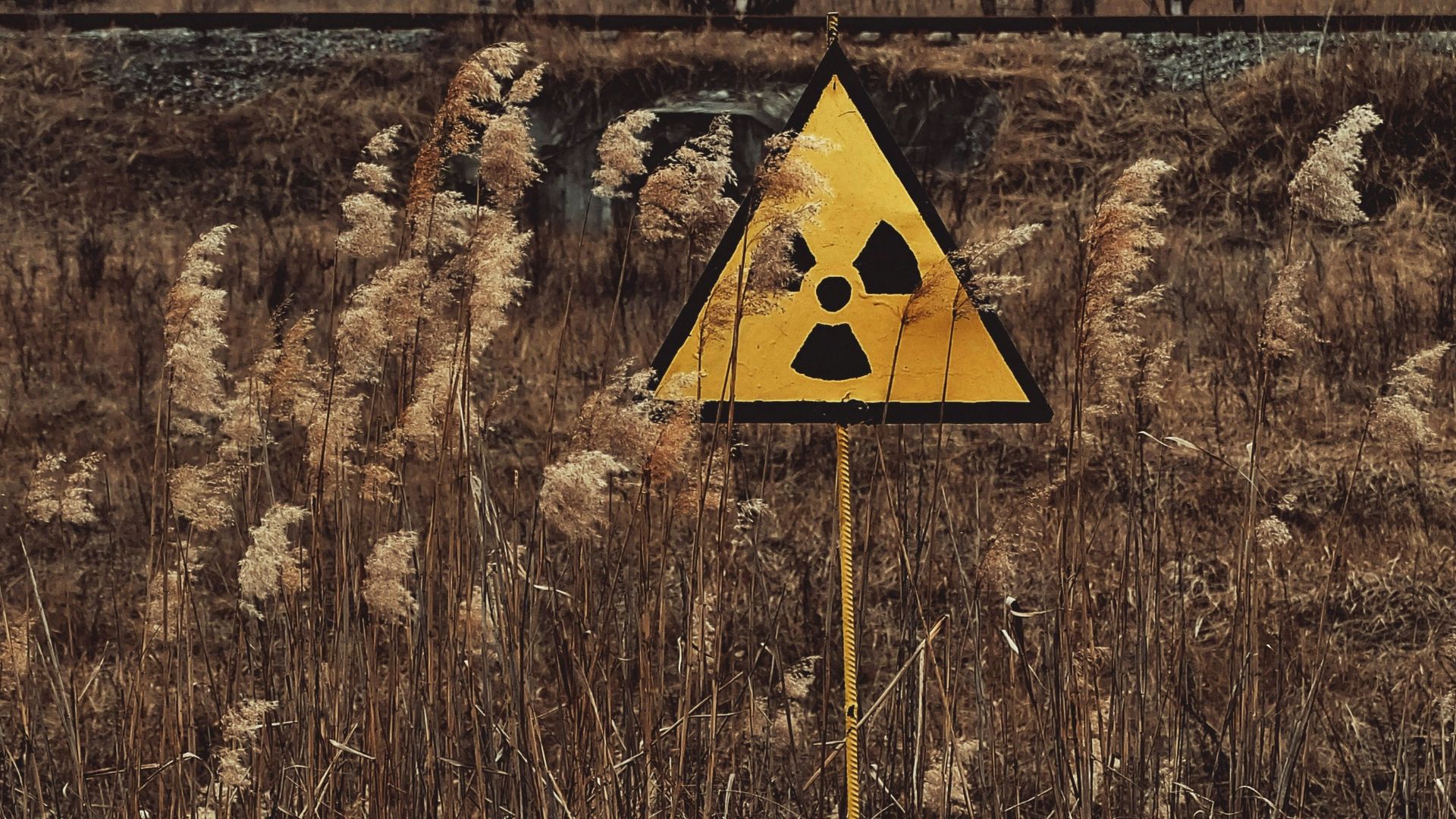
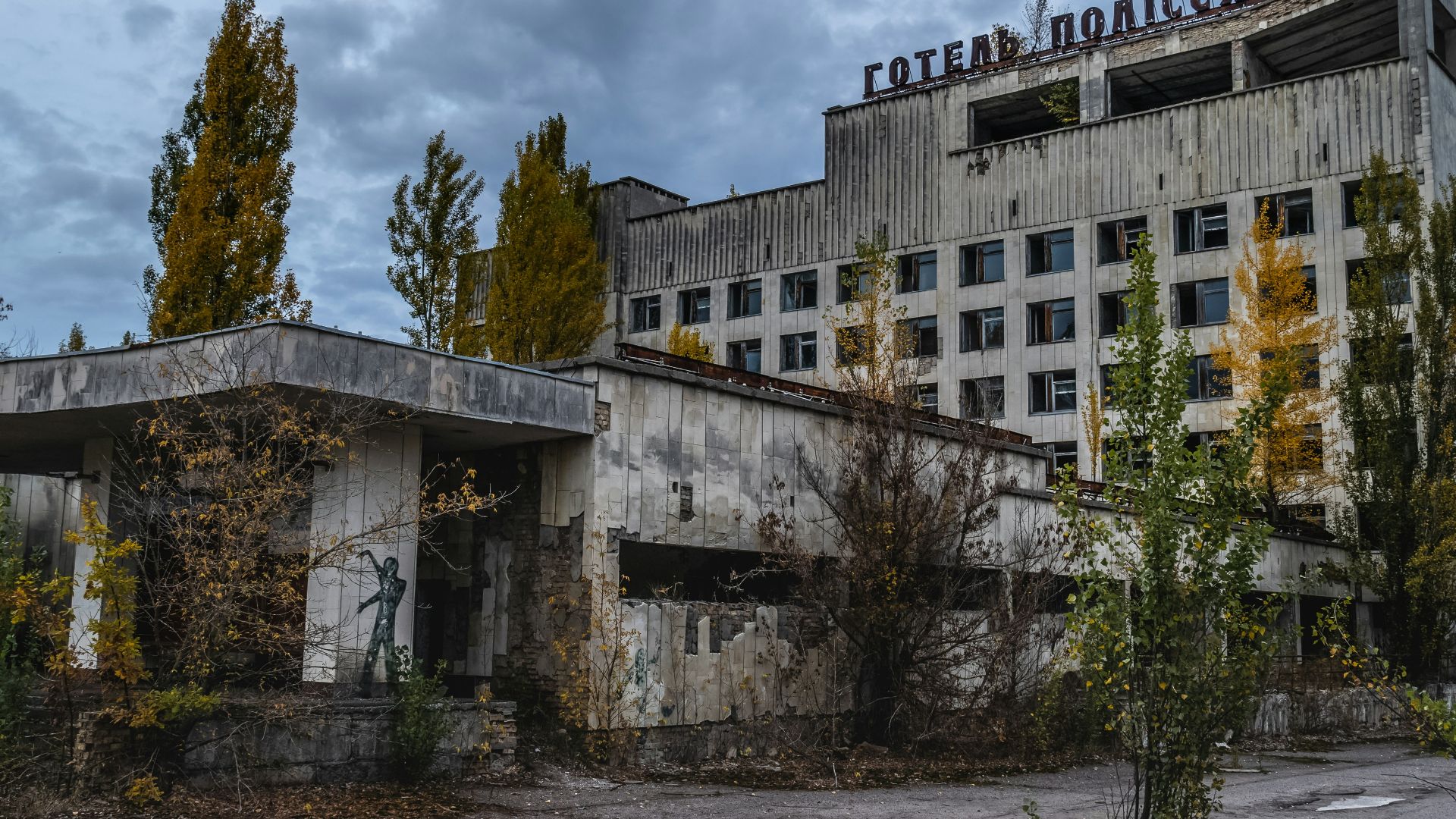
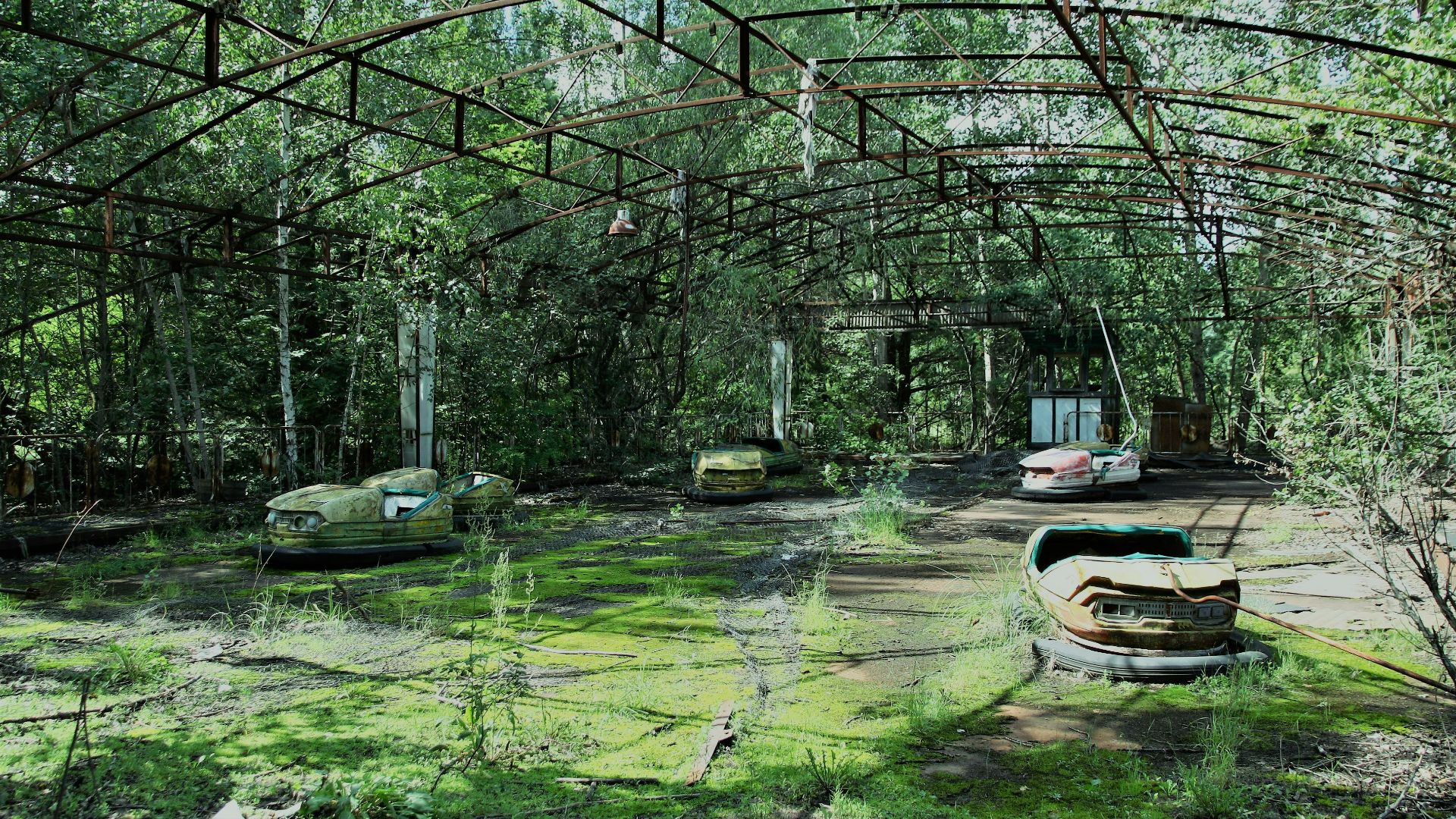
In April of 1986, Reactor No. 4 at the Chernobyl Nuclear Power Plant near Pripyat, Ukraine, exploded. To this day, it’s the worst nuclear accident in human history. In the years since, a 30-kilometer exclusion zone was formed, an abandoned ghost town where radiation is still unacceptably high, even today. Man’s presence in the area had all but disappeared. All that remained was a vast wasteland of rotting buildings, radioactive topsoil, and the timeless feeling of a disaster frozen in place.
But nature found a way, even here. It took root and grew, perhaps in ways no one expected. One of the strangest things to emerge from the remains of Chernobyl was a black fungus called Cladosporium sphaerospermum. In the years after the meltdown, researchers found dark fungal growths on the walls of the destroyed reactor itself, places with some of the highest levels of radiation in the world. Instead of being damaged by the radiation, it seemed like the organisms were thriving in it.
Radiation as Fuel
Cladosporium sphaerospermum is a type of radiotrophic fungus, a rare category of life-form that can metabolize ionizing radiation. The vast majority of life on Earth is either destroyed or stunted by ionizing radiation, but radiotrophic fungi, like this species of Cladosporium, appear to use it to fuel their metabolism. C. sphaerospermum does this by using an extraordinarily high concentration of melanin, the same pigment that colors human skin, hair, and eyes.
Chlorophyll in plant cells absorbs visible wavelengths of light and uses the resulting energy in photosynthesis to create chemical energy in the form of sugars. In radiotrophic fungi, melanin serves a similar, if looser, function. It absorbs gamma radiation and other forms of ionizing energy from the environment and converts it into chemical energy in a process known as radiosynthesis.
Melanin is generally thought of as a cellular defense against radiation, primarily in the form of ultraviolet light. In C. sphaerospermum, however, melanin not only serves as a protective shield but also enables the fungus to use the ionizing energy by virtue of its molecular structure. This discovery has changed scientific views on melanin and on life in extreme environments.
The Power of Melanin
The advantage of melanin does not appear to be exclusive to fungi. The bodies of water around Chernobyl were found to have similar effects on other local wildlife. Over a span of many years, frogs with darker pigmentation, a sign of more melanin, tended to survive and reproduce. Generation after generation, this natural selection resulted in darker and darker populations of frogs, atypical compared to similar species living in other areas.
The presence of melanin does not function like an exoskeleton or shield to reflect the radiation and keep it from getting inside the cell. On a molecular level, the random nature of melanin absorbs and spreads the radiation’s energy, rendering it less damaging to the cells. It is also a strong antioxidant. Radiation creates unstable ions in living tissue, which can attack DNA and other cells. By using the radiation as an energy source, melanin is able to chemically react with these reactive molecules, re-stabilizing them and preventing damage.