
Around the world, people continue to report a baffling acoustic mystery: sudden, thunderous booms or eerie horn-like sounds that seem to come directly from the sky. These events, widely known as skyquakes or sky trumpets, have shaken homes, rattled windows, and unnerved communities for centuries. Despite countless accounts, modern instruments, and scientific investigation, the phenomenon remains unsolved, leaving researchers to piece together clues scattered across history, geology, and the atmosphere itself.
A Strange Mystery

Skyquakes are not, as the internet would have us believe, a new conspiracy. Historians have documented them for centuries. In 1804, Lewis and Clark spent the night at Great Falls and several times heard booming “reports from the west like the cannon of an enemy.” There was no storm, and they were still far from settlements. Nineteenth-century travelers and homesteaders also wrote about the deep, rumbling explosions at scattered locations as far afield as Cedar Keys, Florida, and Franklinville, New York. To the Haudenosaunee who had long inhabited those lands, the booming explained why the Great Spirit had not yet finished molding the world. The powerful, unseen work was continuing.
Skyquakes were again reported into the twentieth century, from the Adriatic Sea, Western and South Australia, Belgium, Scotland, and Northern Ireland, among other places. The Bay of Fundy and Passamaquoddy Bay in Canada were known for loud summer booms that seemed to ricochet across the placid water. Seneca and Cayuga Lakes in New York State also developed a mystique around the booms. The local “lake guns” were the subject of a short story by James Fenimore Cooper.
Now, they are still reported to occur in places as different as Japan, Colombia, Finland, Vanuatu, Italy, Ireland, Mexico, Malaysia, and Indonesia. The booming is commonly described as thunder so loud it cannot be explained on a cloudless day or the unmistakable report of artillery echoing in the open air.
Identifying a Cause

There have been many proposed explanations of this natural phenomenon. Explosions from a meteorite could cause sonic booms that result in an explosive boom, and small or medium-sized meteors do impact Earth's atmosphere, but meteor sightings do not accompany most skyquakes. Geological mechanisms are also possible sources. For example, if pockets of gas become trapped below the surface of a lake, the trapped gas can suddenly vent in an upward motion, which may cause a loud and upward-moving pressure wave. In limestone caves underwater, the decay of limestone can cause pockets of gas that may result in an explosion or collapse violently, either of which could account for some skyquakes. The release of air from caves or undersea caverns has also been suggested.
Earthquake explanations are also varied. Earthquakes that happen in shallow zones can produce a booming acoustic wave with virtually no ground motion, and this has been documented near several epicenters. Avalanches and volcanoes could also be responsible for some skyquakes. Acoustic energy travels long distances as a low-frequency boom when it is bent, or ducted, in the atmosphere, and it is sometimes mistaken for an explosion directed into the sky. Sudden movements in cliffs or large rock faces could produce a similar effect.
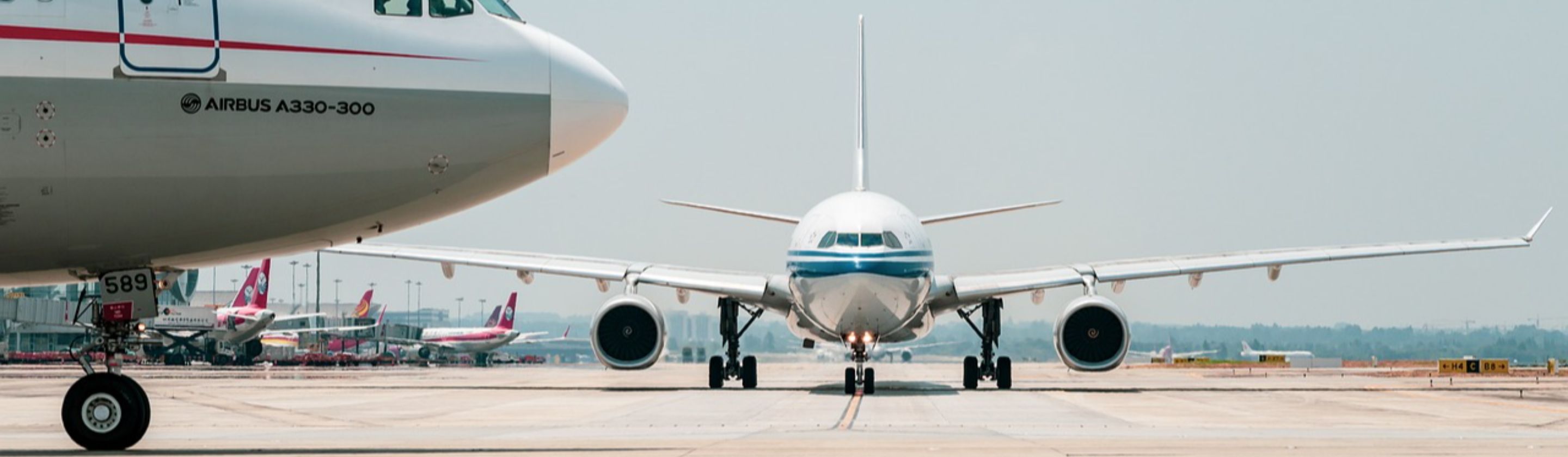
Possible man-made explanations include sonic booms by jet aircraft. Although booms are still produced in many parts of the world, the advent of the jet age makes this explanation impossible for pre–World War II reports. Atmospheric ducting can produce faraway thunder and damage by windstorms far distant from where the actual events are occurring.