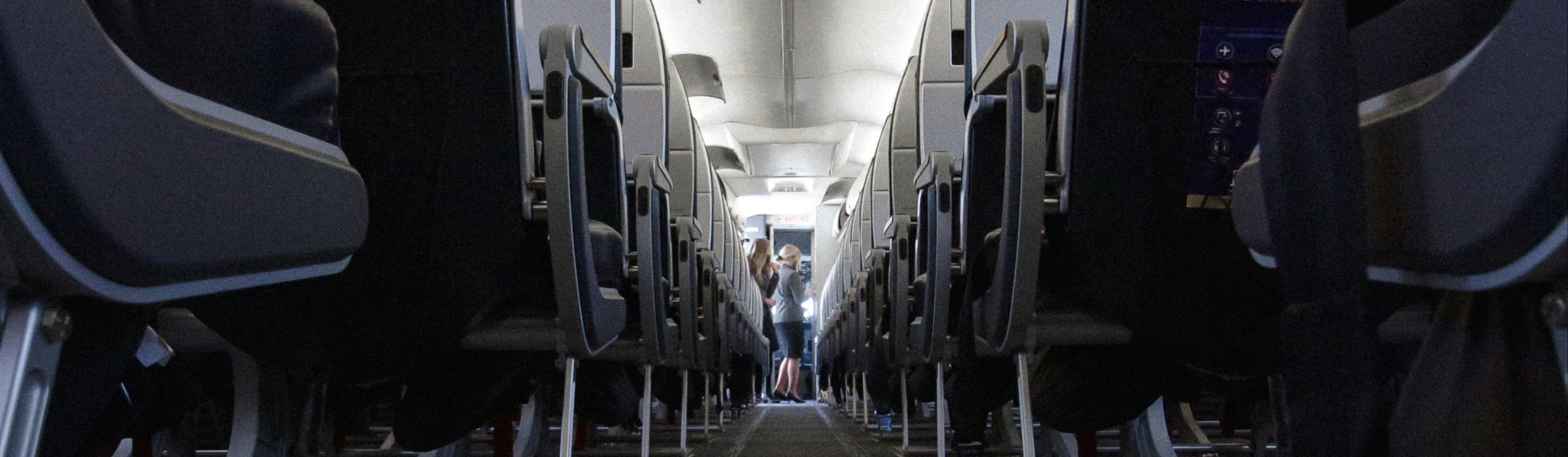
You may have been sitting on a plane, staring into space, when you suddenly notice a flight attendant walk into an innocuous unmarked door in the aisle and disappear. You probably wondered where the attendant went and maybe even found yourself wishing you could have a peek in there too. You’re not alone; there are hidden places on every modern aircraft that are kept secret from passengers.
Hidden rooms and corridors exist on aircraft to provide places of safety, rest, and for practical reasons; they have to be well hidden because if they were visible to passengers, it would limit their size and utility. On long-haul flights, the cabin crew have an existence that the passenger doesn’t see or appreciate. This is the world that they inhabit that is beyond the aisles and galleys that everyone sees.
Secret Bedrooms

The vast majority of widebody aircraft have what’s known as a Crew Rest Compartment. These are spaces for pilots and cabin crew to sleep in during ultra long-haul operations, and they are not accessible to passengers for any reason. These rooms are almost never easy to spot and may even be hidden entirely from view from the main cabin. Crew rest areas are usually disguised to blend into the cabin. On the latest long-haul aircraft like the Boeing 787 and Airbus A350, the crew rest areas are usually hidden in the upper part of the fuselage, above the ceiling of the main cabin, and are accessed by a narrow ladder through a “closet door” of sorts.
On older aircraft, the crew rest areas are usually hidden in other parts of the plane. Some Airbus planes, for example, have the crew rest areas in the belly cargo hold, which are reached by a downward-facing staircase. Even older aircraft like the Boeing 767 use just some curtained-off recliner seats and are in the main cabin area.
Whatever form they take, they must be a quiet space with some vibration insulation, temperature control, and dimmable lights per regulatory requirements, and they amount to a sort of capsule hotel for the crew. The bunks must provide both a flat space to sleep on as well as enough room for an individual crewmember to be in their bunk without disturbing someone else in an adjacent bunk. They are small but serve a critical purpose in allowing crew to get some rest and be able to operate safely on ultra long-haul routes.
Out of Sight
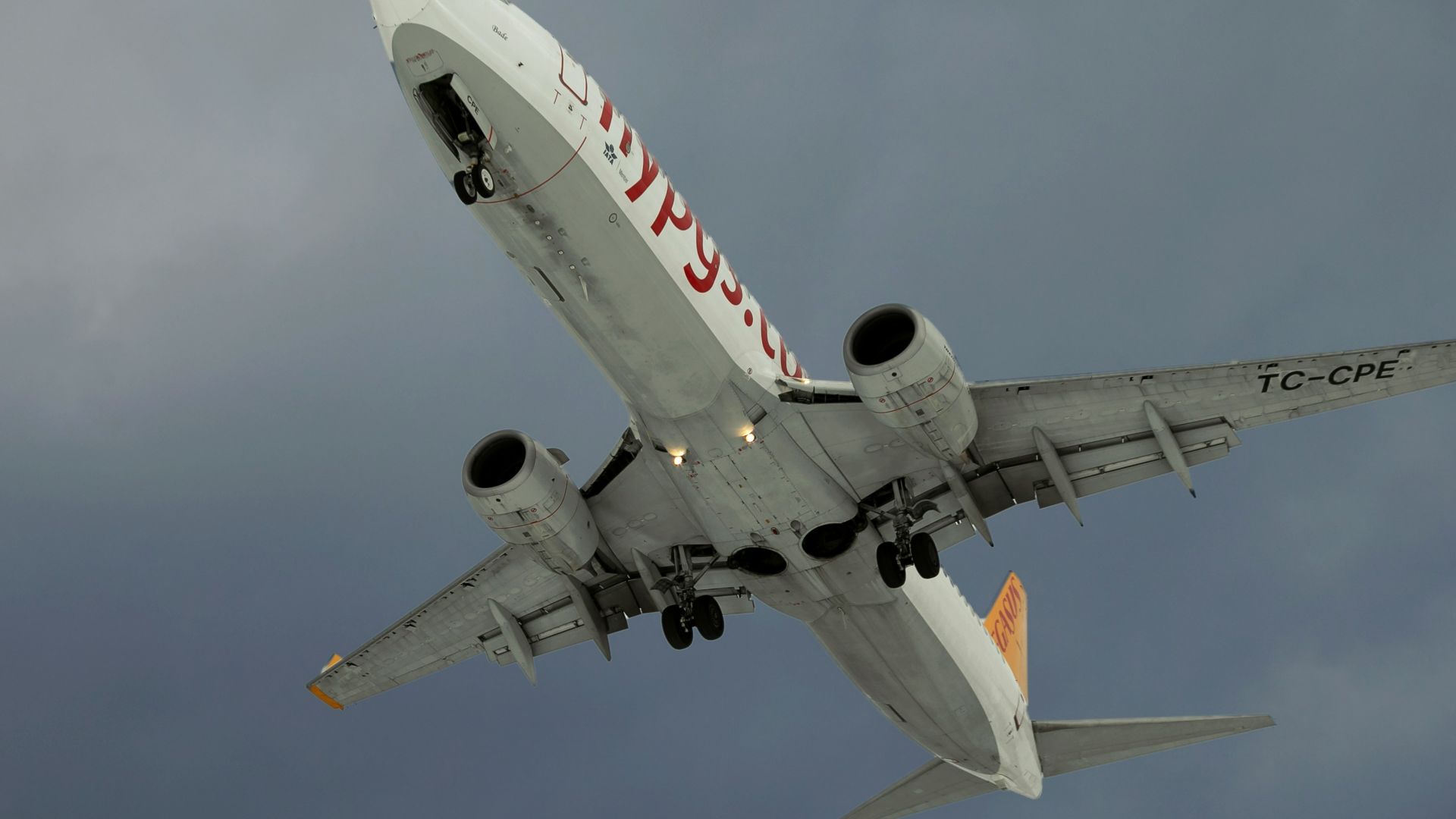
Airlines do not want to draw attention to crew rest doors. Loud gatherings can cause congestion, confusion, and security concerns. A passenger might mistake the crew rest access panel for a closet. Flight attendants are trained to politely steer passengers away from the door if they mistake it for a lavatory.
Access to the crew rest areas is intentionally inconspicuous. An airline may use several different methods to restrict access to the crew rest area depending on the aircraft and airline. Whoever accesses the area is required to follow strict operating procedures. Once in the area, crew members can either walk up to the upper bunks or down to the lower bunks depending on the age of the aircraft.
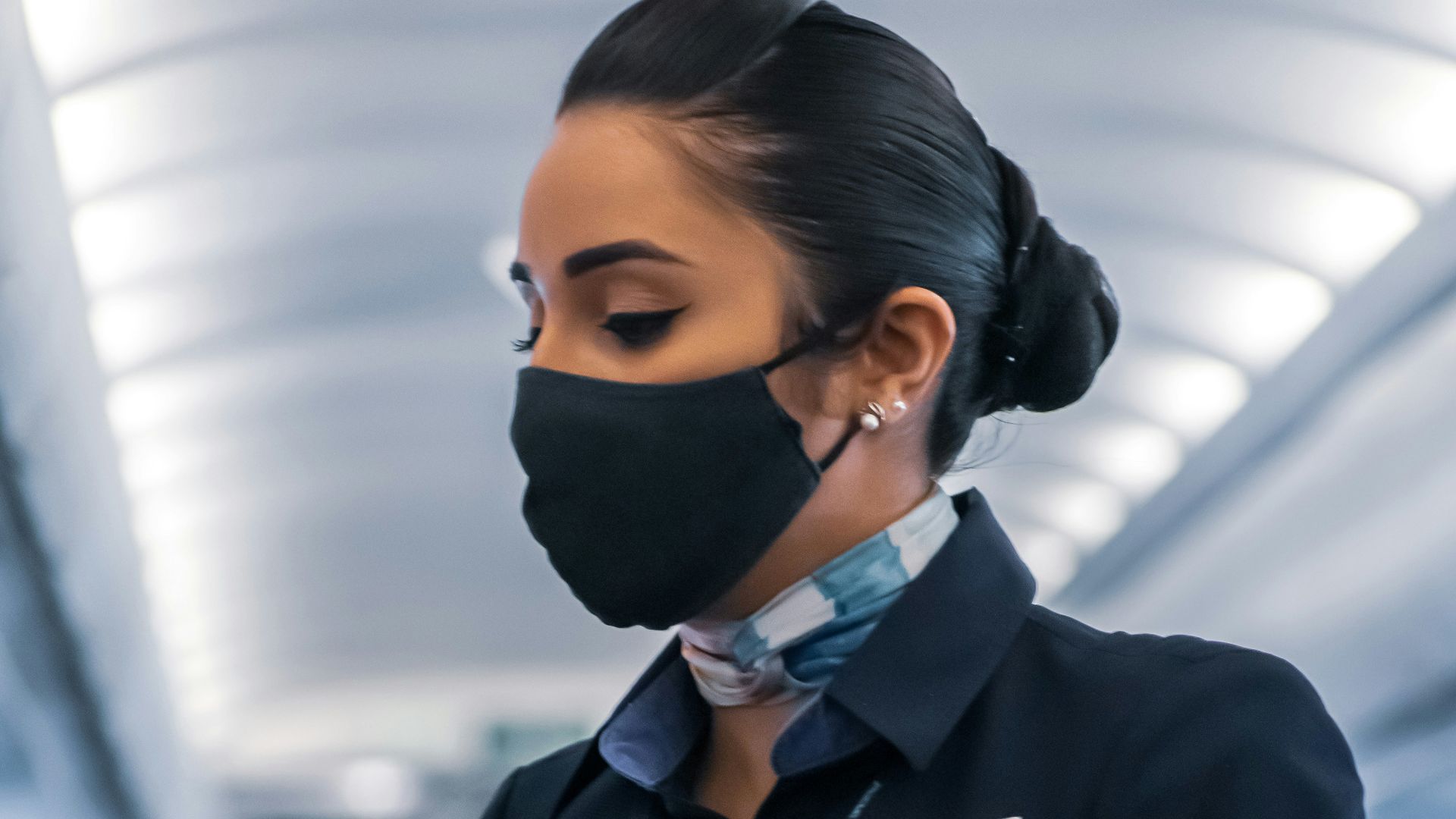
Where did your stewardess go? She might be scurrying up a secret ladder to a bunk above your head. She might be going down a concealed staircase to a hidden compartment in the cargo hold. Or she might be stepping off the plane entirely to make a connection, start a new shift, or end her day.
Flight’s wonder takes place out of view. As passengers settle in, crews move through an elaborate behind-the-scenes world created to keep long hauls safe, efficient, and well-rested.