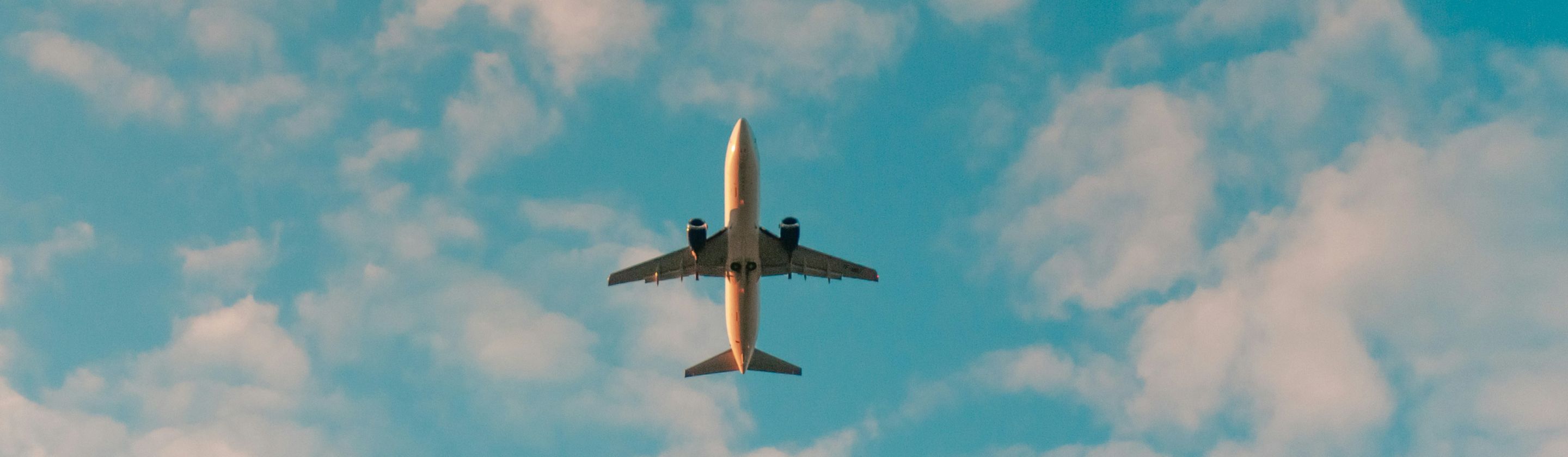

Air travel has its own little code of conduct, most of it unwritten and all of it surprisingly emotional. One minute you’re sharing armrests with strangers, and the next you’re judging someone’s snack choice. Somewhere in that cramped, pressurized ecosystem, the topic of clapping when the plane lands becomes weirdly divisive.
If you’ve ever felt the urge to applaud a safe touchdown, you’re not alone, and you’re not necessarily “that person.” Still, you may have noticed the sighs, side-eyes, and the quiet tension that follows a few enthusiastic claps. The question isn’t whether landing safely is good news—it absolutely is—it’s why a tiny burst of celebration can feel like a social crime at 30,000 feet. It’s about time we broke down why everyone hates this seemingly innocent gesture.
The Cabin is a Shared Mood, and Clapping Breaks the Spell
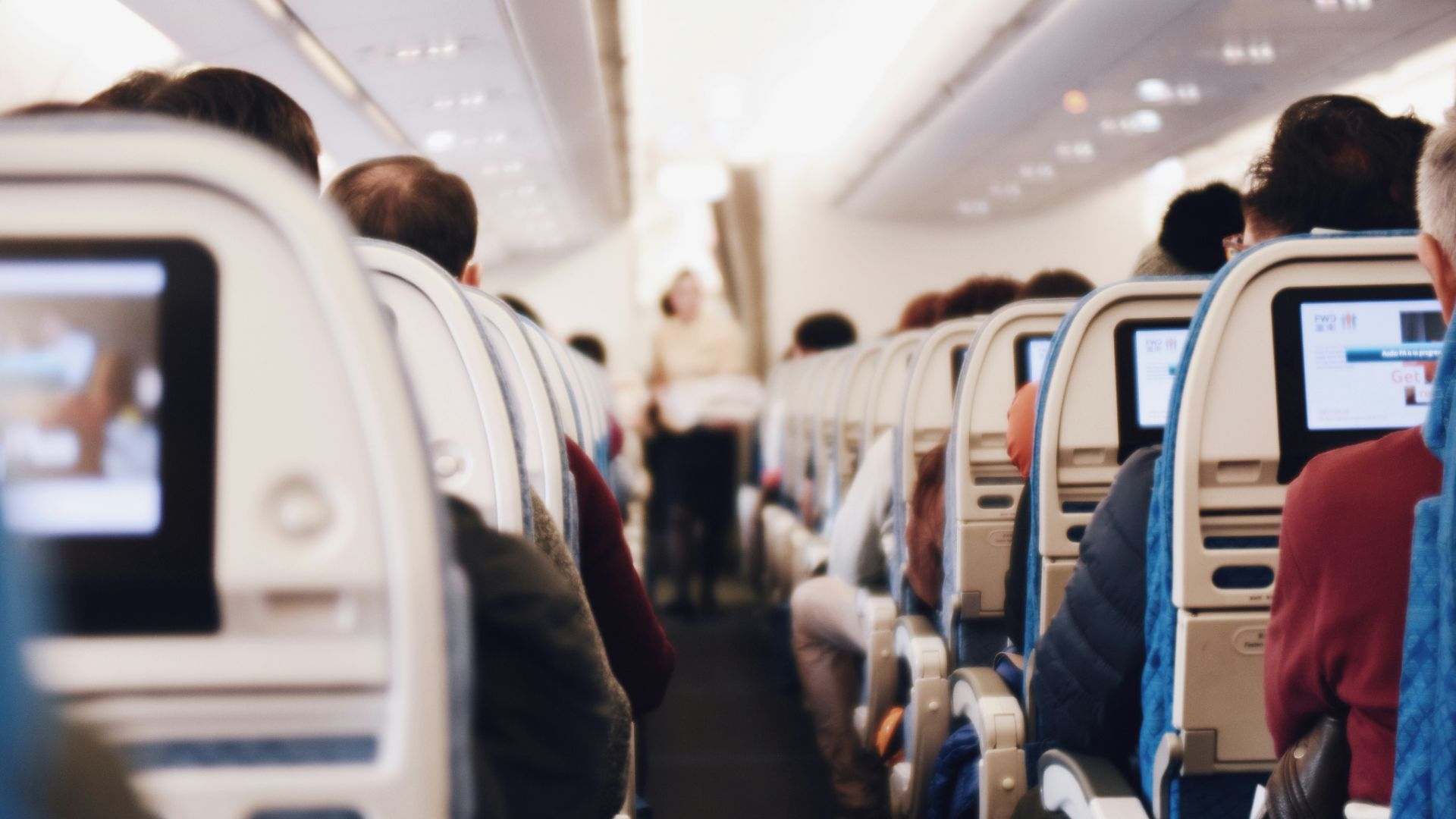
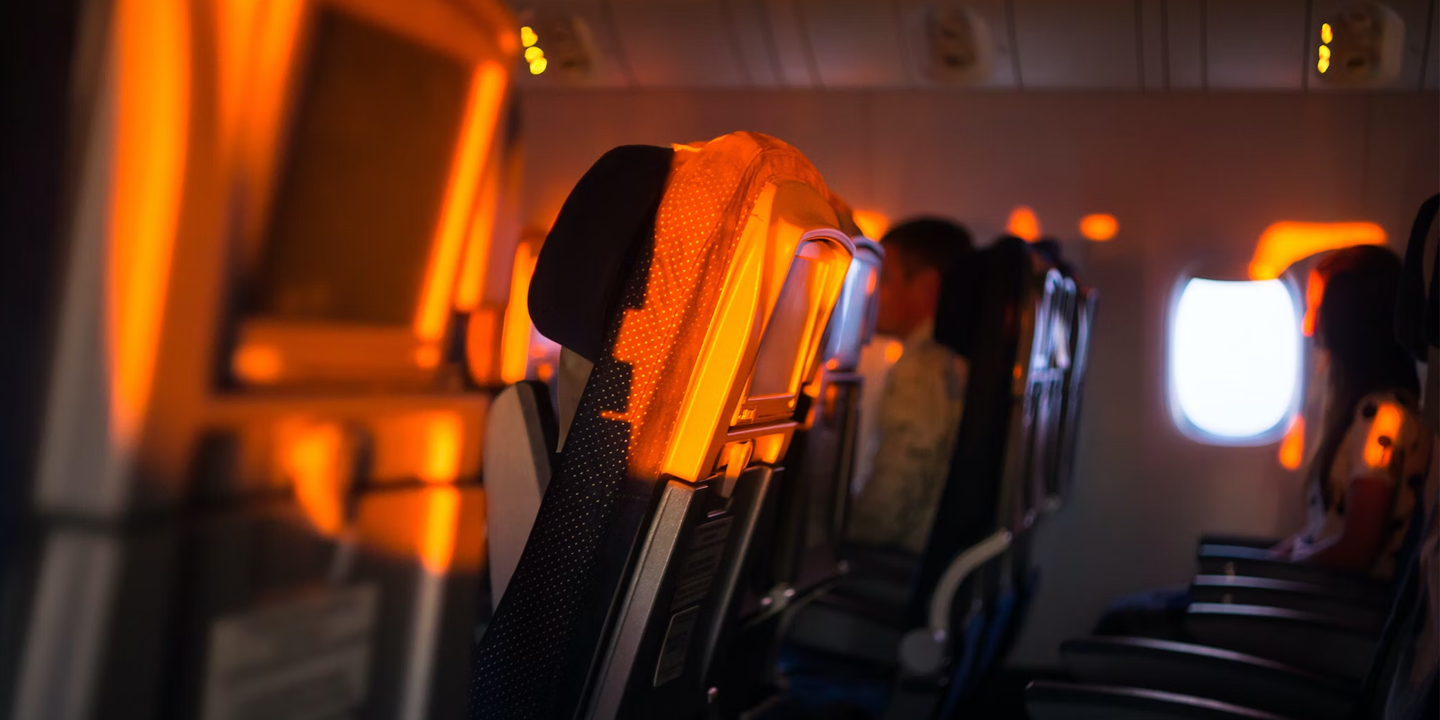
For many passengers, landing isn’t a triumphant finale so much as the end of an endurance test. You’ve been sitting in a posture that makes your spine throb, your ears are popping, and you’re negotiating the final minutes of “How fast can we get off this thing?” When clapping erupts, it forces everyone to acknowledge a moment they’d rather quietly survive and move past. That sudden noise can feel like someone turning on the lights at the end of a movie before the credits even start.
There’s also the awkward fact that most people don’t know how to respond to applause in that setting. Should you join in to be polite or pretend you didn’t hear it? Social ambiguity makes people cranky, and cranky people love invisible rules. In a confined space, even a small disruption can register as “too much,” especially when everyone’s already tired.
Another layer is that clapping can read as performative, even if you mean it sincerely. The cabin is full of strangers, and strangers are terrible at giving each other the benefit of the doubt. A clap can be interpreted as “Look at me, I’m having a feeling,” which isn’t a popular brand of theater on a packed flight. The social media boom also didn’t help the division, often sticking well-meaning passengers in a widely despised group.
People Think You’re Thanking the Wrong Person, at the Wrong Time
A common gripe is that applauding can seem like you’re grading the pilot’s basic job performance. Pilots train for years, and a smooth landing is a standard expectation, not something that deserves a standing ovation. Some travelers hear clapping and think, “Are we congratulating professionals for doing the thing they’re paid to do?” In the end, your intentions may have been good, but that interpretation can make applause feel patronizing.
Then there’s the question of who the clapping is for, because it usually isn’t the crew who can actually hear it clearly. Flight attendants may be strapped into jump seats, running checklists, or bracing for the rush of people who unbuckle too early. Pilots are behind a closed cockpit door, and the noise in the cabin doesn’t always translate forward. So the gesture can feel less like gratitude and more like a self-contained ritual for passengers.
Timing doesn’t help either, because the airplane isn’t “done” when the wheels hit the runway. Taxiing can take a while, gates can change, and the truly dramatic part—deplaning—hasn’t even begun. When people clap immediately, it can seem like they’re declaring victory before the situation is actually resolved. Sure enough, the whole thing then feels a little forced.
How Context Changes Everything
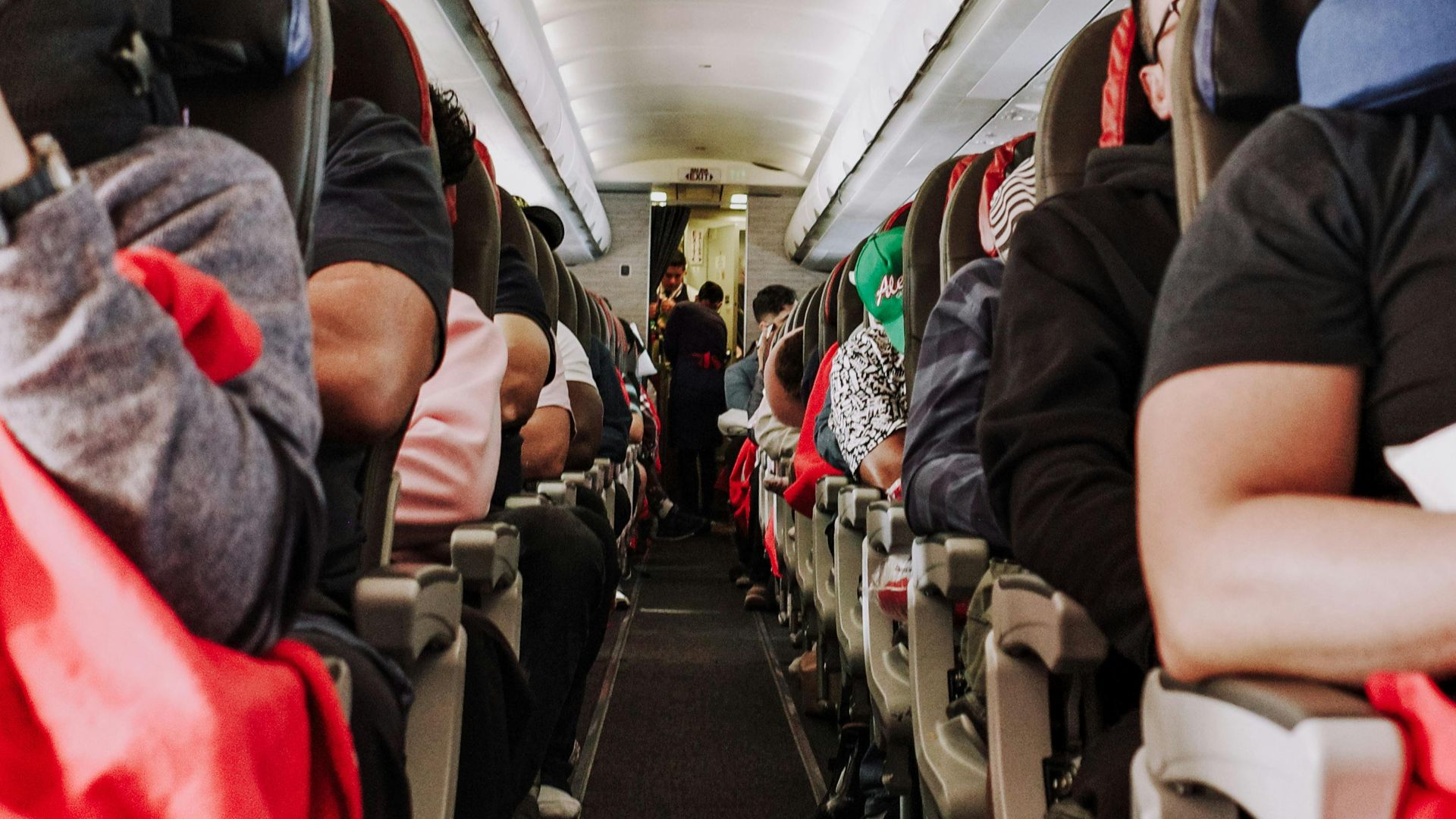
In some places, clapping after landing is normal, even expected, especially on leisure routes. However, business-heavy flights, early mornings, or trips filled with delayed connections don’t carry the same mood. Applause that feels charming on a vacation might feel tone-deaf on a red-eye where everyone’s running on pretzels and spite. And as much as we hate to say it, that context matters more than you think.
There’s also the uncomfortable truth that clapping sometimes follows rough landings, which adds a hint of sarcasm, whether anyone means it or not. If the touchdown felt like the runway slapped the plane, applause can sound like nervous laughter dressed up as praise. People who were already anxious may hear clapping and think, “Are we joking about that?” When emotions run high, even well-meant gestures can land badly (pun fully intended).
If you’re wondering whether you should clap, the answer isn’t a strict yes or no. We know that sounds confusing, but it’s really about reading the room. If you’re genuinely relieved, a quiet “thank you” to the crew is rarely controversial. You can also keep your celebration low-key, because not every happy thought needs a soundtrack. In the end, everyone wants the same thing: a safe landing and a quick exit.