The Reality Check Every Aspiring Pilot Needs
Flying has a certain romance to it, especially when you picture yourself in the cockpit with the world spread out below. What often gets overlooked, though, is that aviation comes with real trade-offs alongside the thrill, and the downsides don’t always match the dream people have in mind. But before you commit to flight school or dismiss the idea entirely, it’s worth seeing both sides clearly. Here are 10 reasons you shouldn't become a pilot, and 10 reasons you should learn to fly.
 Kristopher Allison on Unsplash
1. The Training Costs Add Up Fast
Learning to fly isn’t cheap, and the price tag can catch people off guard once lessons begin. Between flight hours, instructor fees, exams, and medical certifications, costs can climb well into five figures. Even worse, those expenses usually come long before you see any return on investment.

2. Your Schedule Won’t Be Yours
If you’re thinking about flying professionally, predictability goes out the window pretty quickly. Early mornings, overnight trips, and last-minute swaps become part of the job rather than the exception. That lack of routine can take a real toll on your personal life pretty quickly.

3. Medical Requirements Can End Your Career Overnight
Pilots have to meet strict medical standards, and those standards don’t bend easily. That means any new diagnoses or unexpected health issues can ground you permanently. Knowing that your career depends heavily on your health can add a layer of stress that many people underestimate.

4. Fatigue Is a Constant Challenge
Flying might look calm from the outside, but it’s mentally (and sometimes, physically) demanding work. Long duty days, time zone changes, and irregular sleep patterns can wear you down over time. Staying sharp when you’re tired isn’t optional, and that pressure never fully goes away.

5. Automation Has Changed the Job
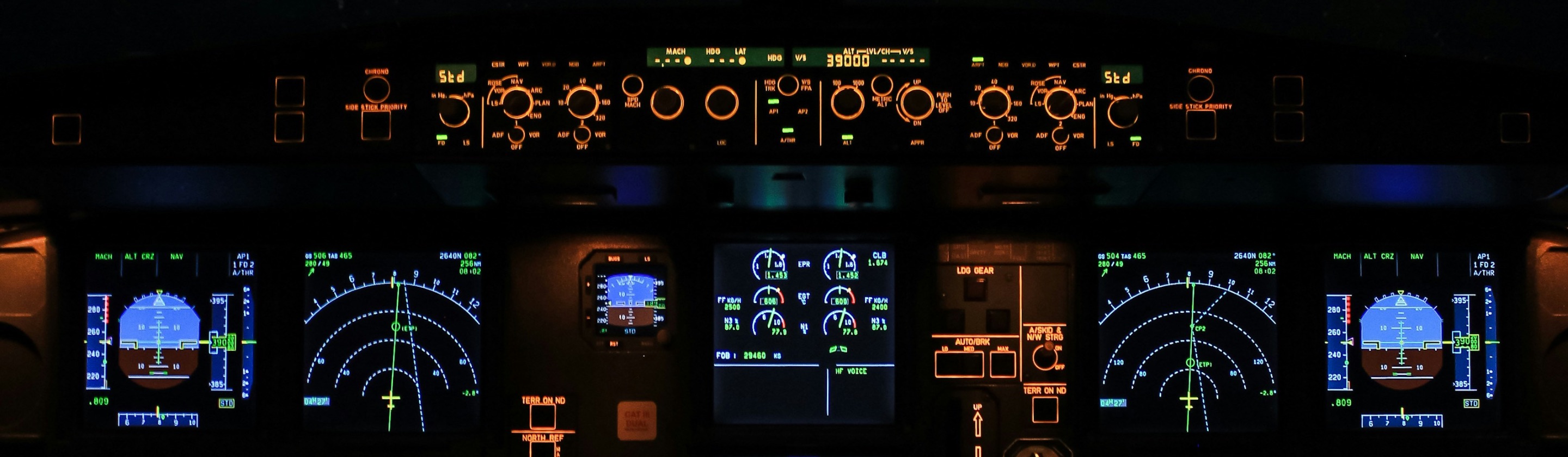
Modern aircraft rely heavily on automated systems, which means pilots often monitor more than they manually fly. For some, that takes away part of the hands-on appeal that drew them to aviation in the first place. The role today is as much systems management as it is stick-and-rudder skill.
6. Job Stability Isn’t Guaranteed
Aviation is one of those industries that looks solid until it suddenly isn’t. Economic downturns, global events, or even fuel prices can lead to furloughs and hiring freezes with very little warning, which means long-term security is never a sure thing. Even pilots with years of experience can find themselves waiting on the sidelines longer than expected.

7. Time Away From Home Is the Norm
Flying professionally often means being away when everyone else is together. Holidays, birthdays, and weekends tend to blur together when your schedule is built around routes instead of routines. Over time, those missed moments can add up in ways people don’t always anticipate at the start.
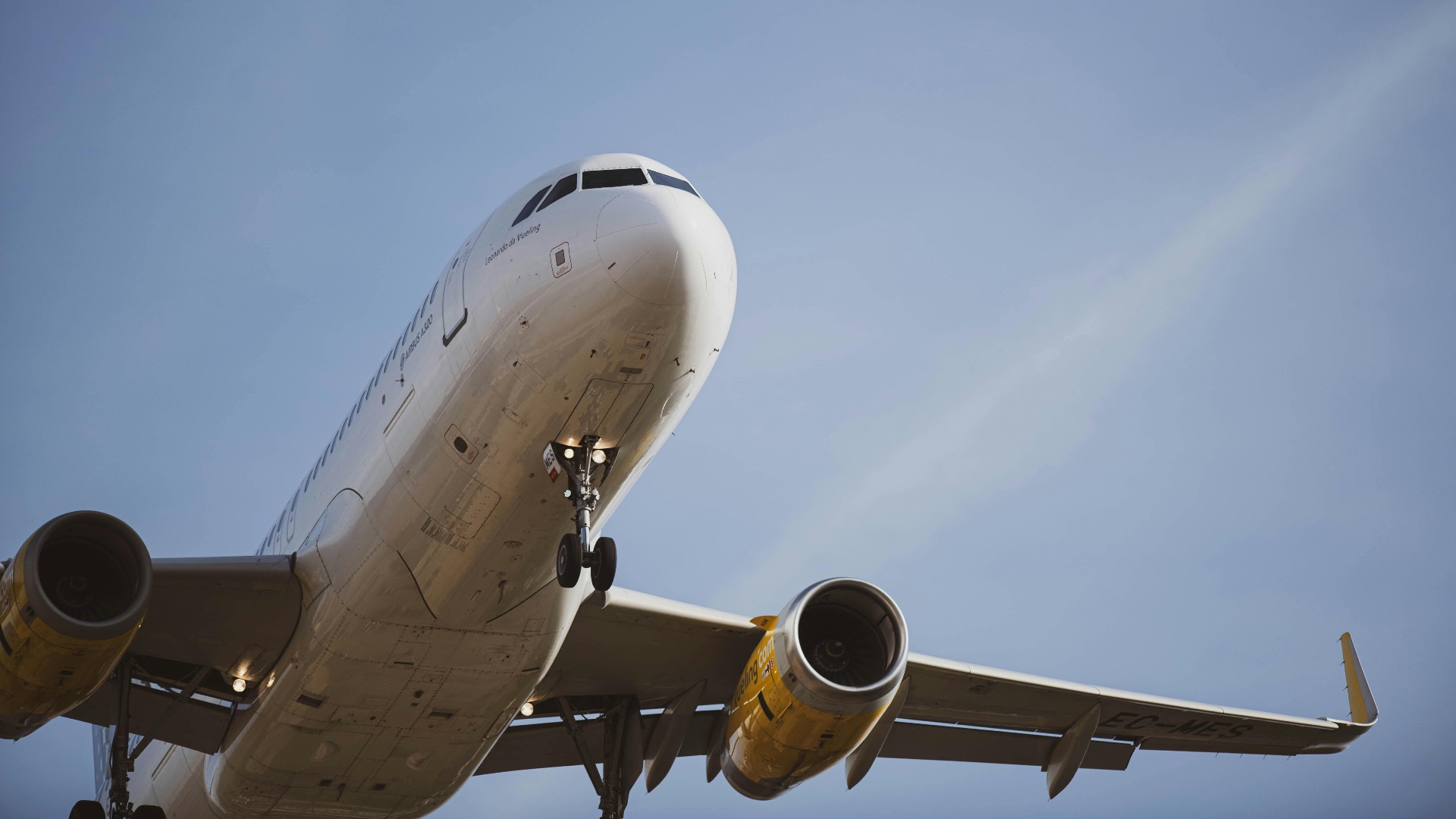
8. The Responsibility Is Enormous
When you’re in the cockpit, the weight of the job is impossible to ignore. Every decision, from weather calls to fuel planning, carries real consequences for everyone on board, which requires constant focus and sound judgment. Some pilots thrive under that pressure, but for others, it becomes mentally exhausting.
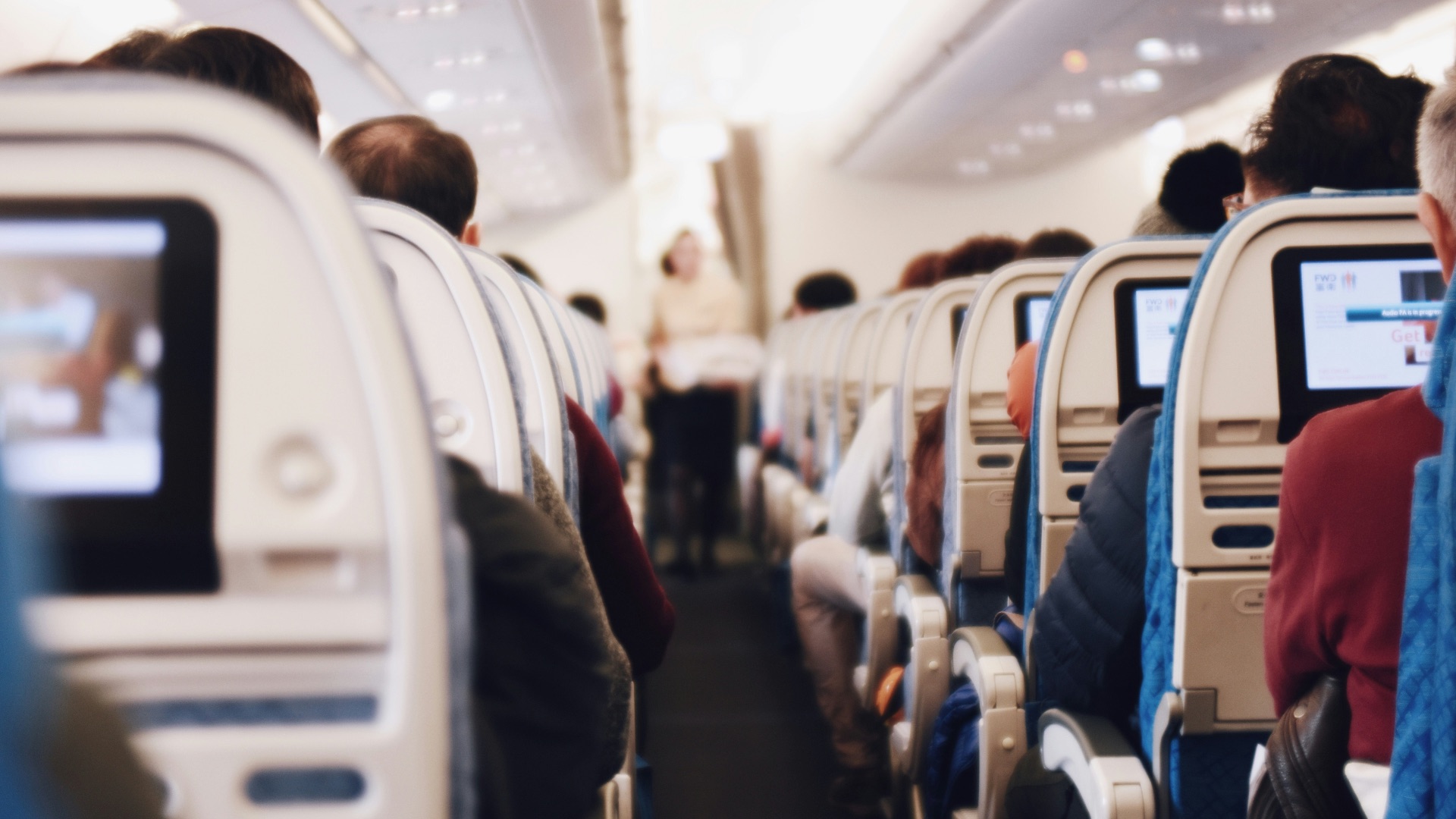
9. Advancement Can Take Years
Moving up in aviation rarely happens quickly, no matter how motivated you are. Seniority systems control everything from schedules to aircraft assignments, so progress often comes down to waiting rather than performance. That slow climb can be frustrating, especially early in a career.
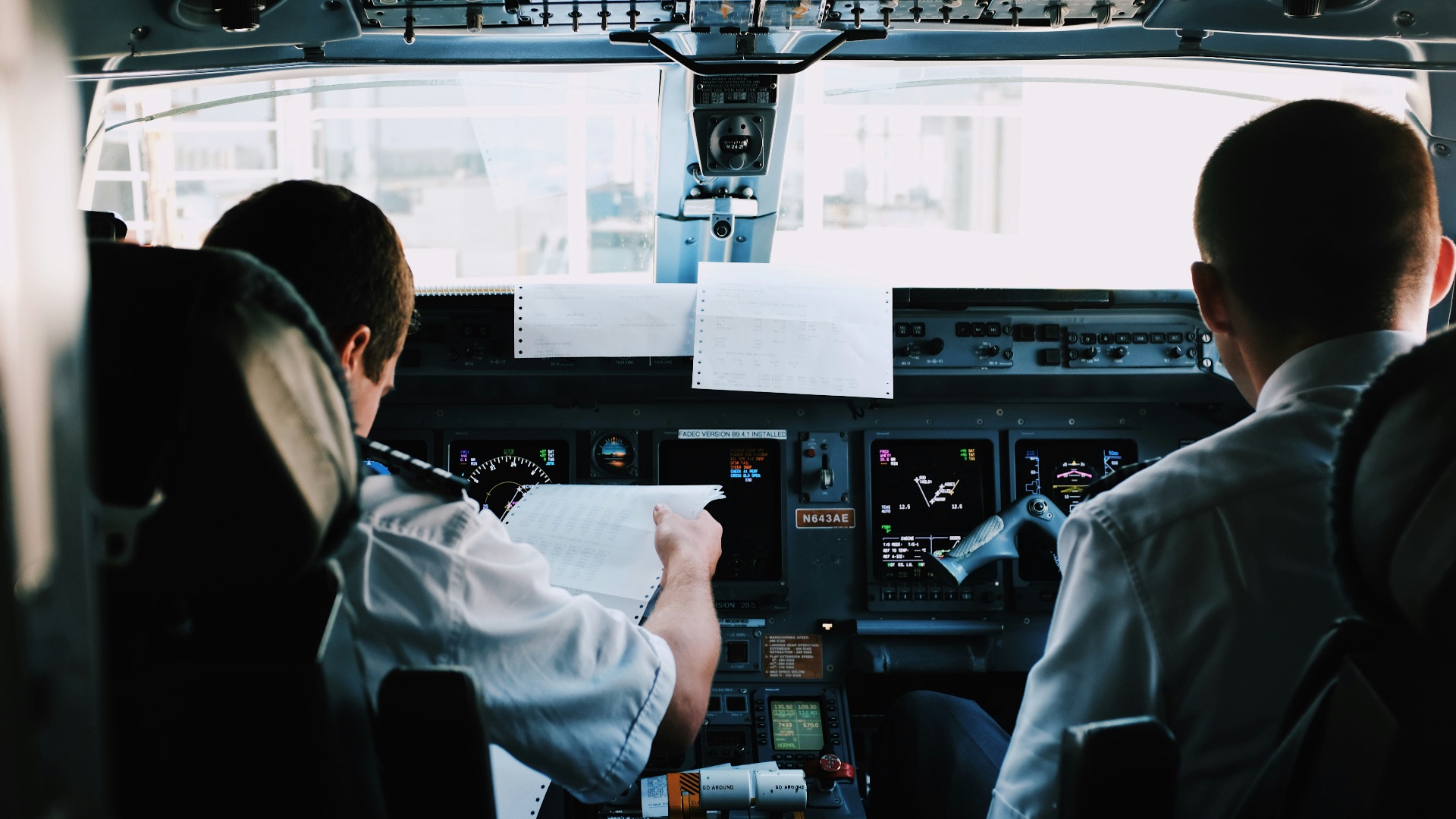
10. Passion Alone Isn’t Enough
Loving airplanes and flying might get you through training, but it won’t solve everything that comes after. Regulations, evaluations, and recurring checkrides introduce a level of scrutiny that never fully goes away, which can wear people down over time. Without resilience to match the passion, burnout becomes a real risk.
Feeling discouraged? Don't be just yet. While being a pilot has its downsides, there are many rewarding benefits that come with this career, too. Read on for 10 reasons you should learn how to fly.
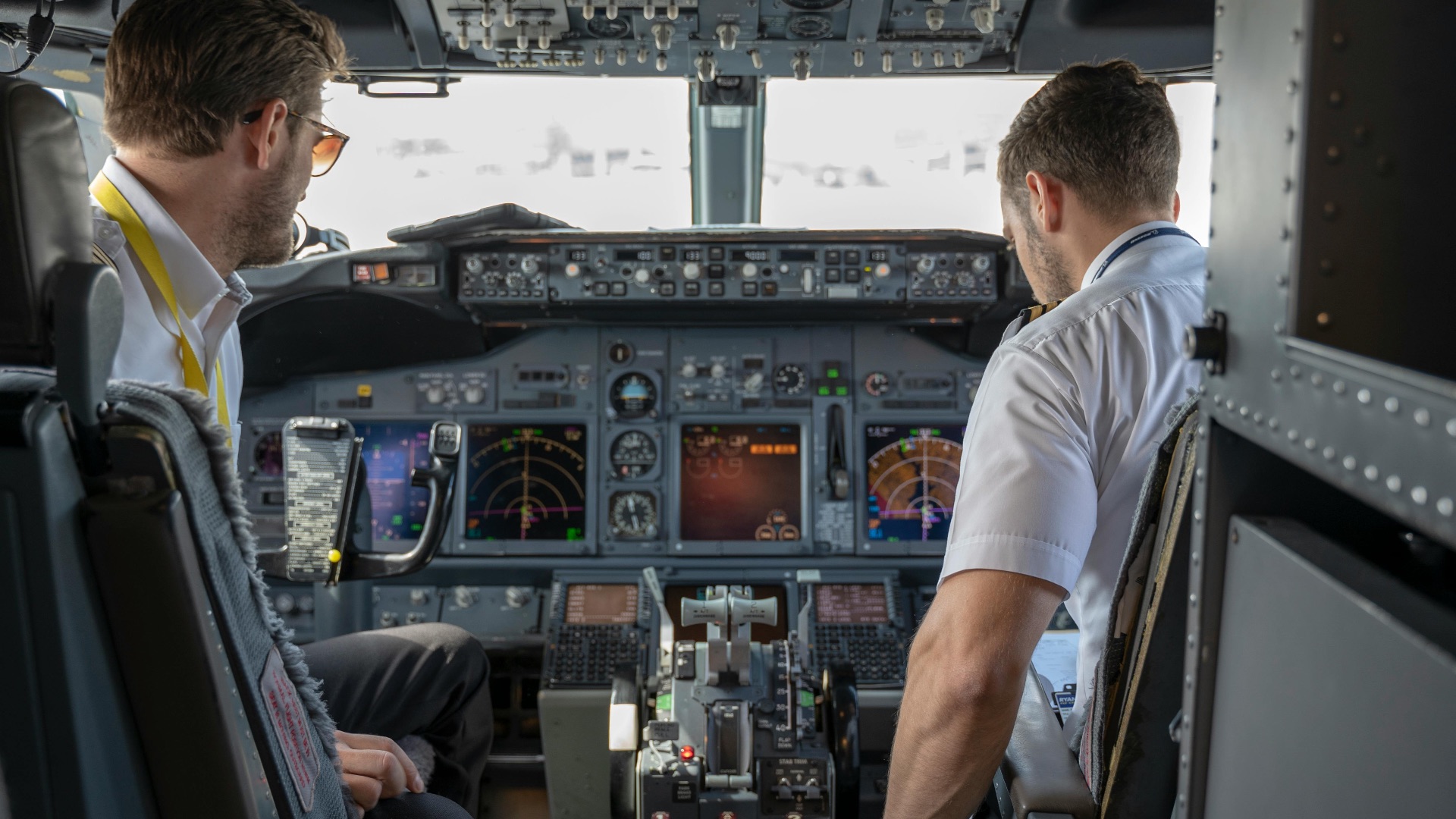
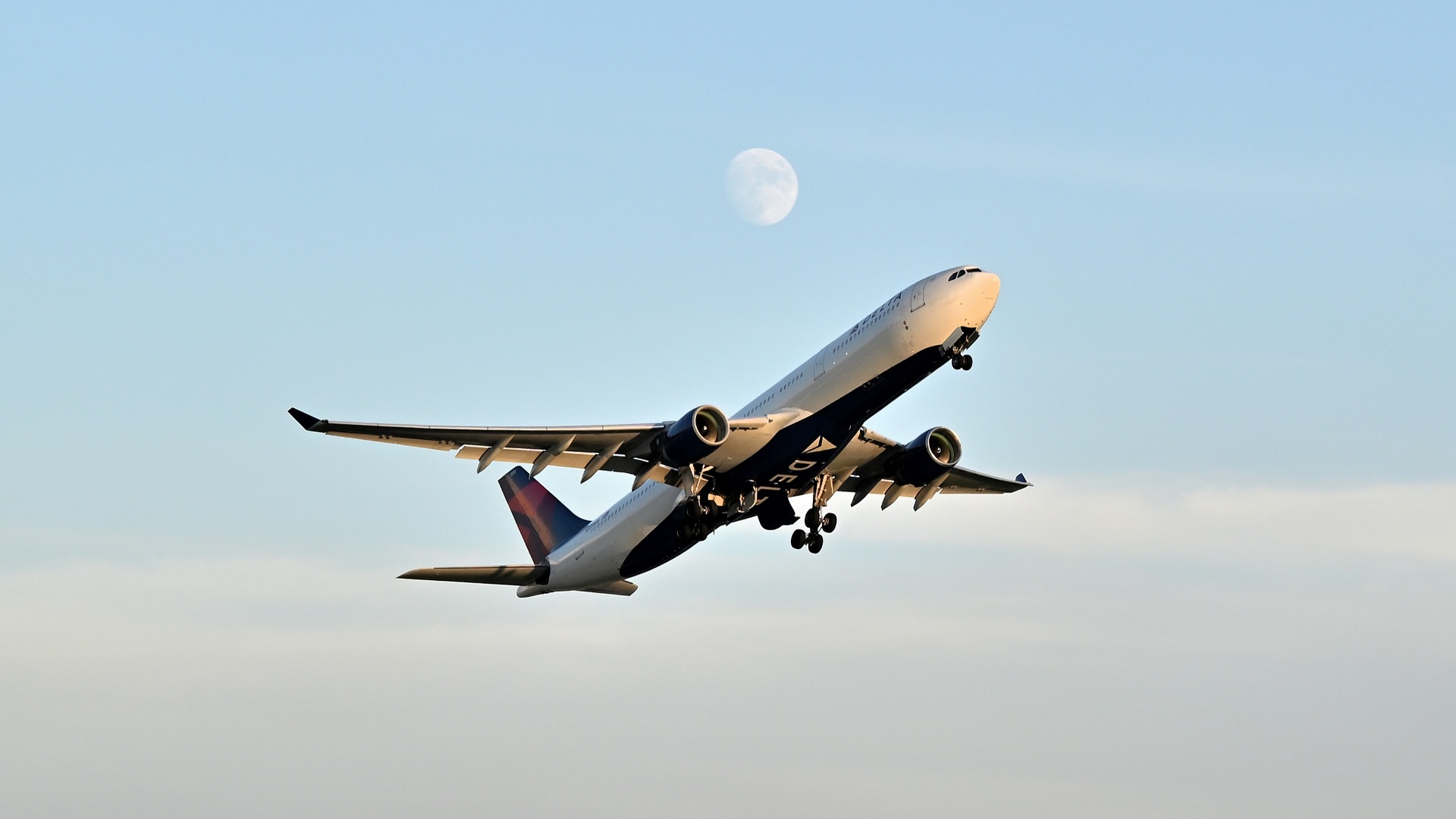
1. Nothing Matches the Feeling of Takeoff
The moment the wheels leave the ground, you feel a mix of focus and excitement that’s hard to replicate anywhere else. You’re not just along for the ride either, because every movement of the aircraft responds directly to what you’re doing in the cockpit. That combination of control and awe is what keeps many people coming back long after the novelty wears off.
2. You Gain a New Perspective on the World
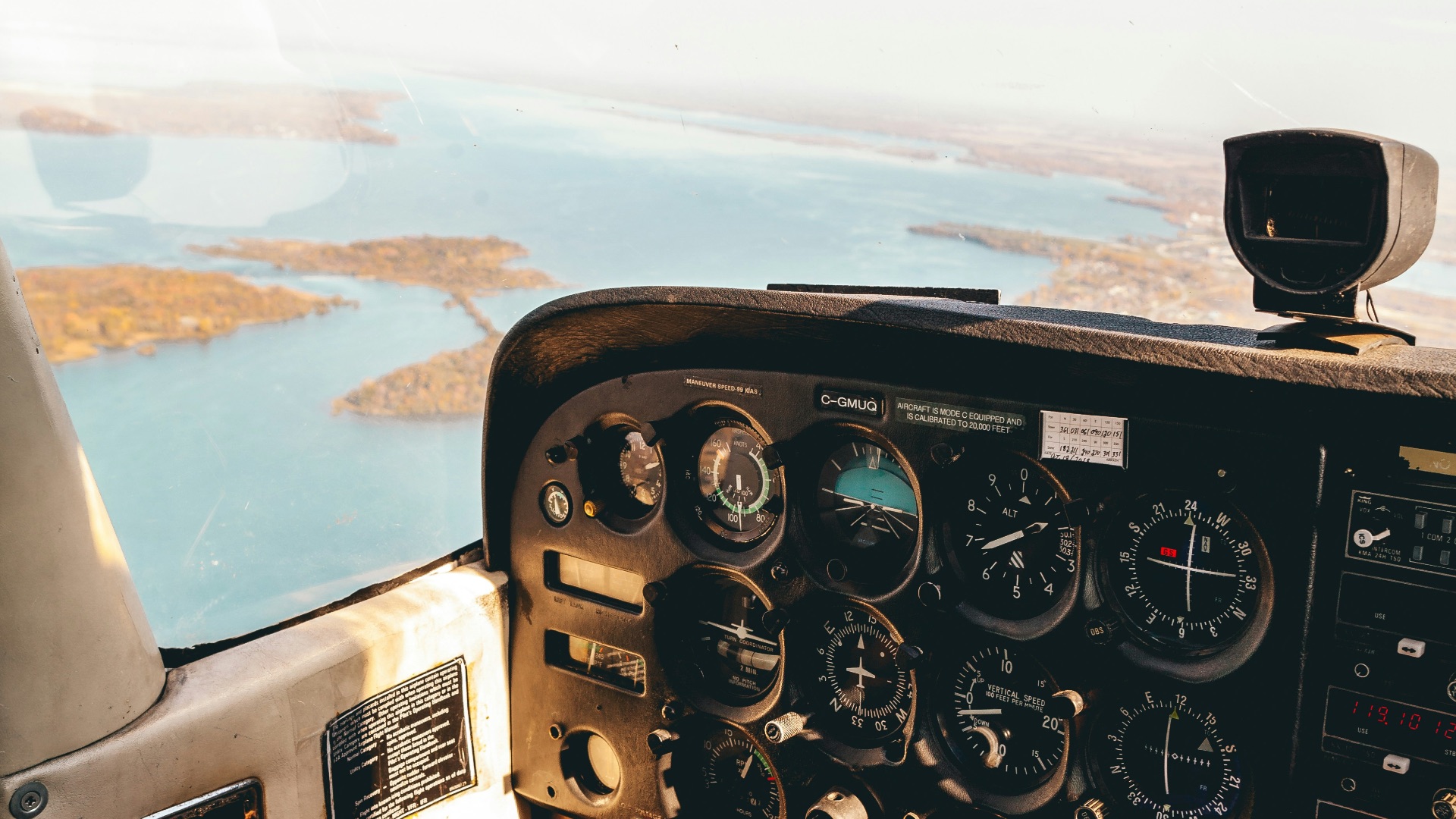
Flying changes how you understand distance, scale, and geography in a way maps never quite manage to do. Familiar places suddenly connect when you see them from above, and routes that once felt abstract begin to make sense. That shift in perspective sticks with you, even when you’re back on the ground.
3. Flying Builds Confidence
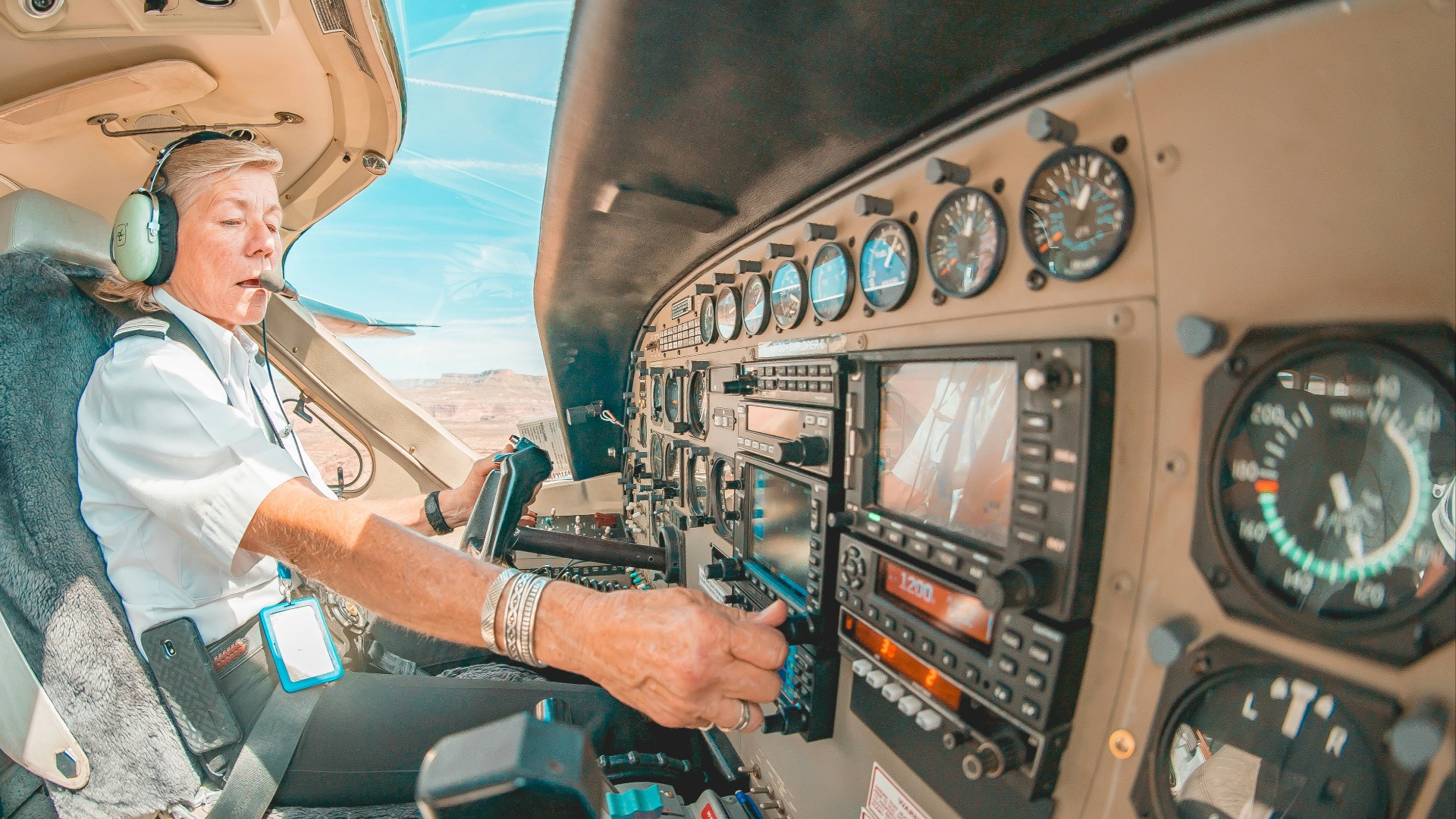
Learning to fly forces you to stay calm, think ahead, and make decisions when there’s no room for panic. Each successful flight reinforces the fact that you can handle complex situations without freezing up. Over time, that confidence can feel grounding, and can spill into other parts of your life.
 Westwind Air Service on Unsplash
4. The Community Is Surprisingly Tight-Knit
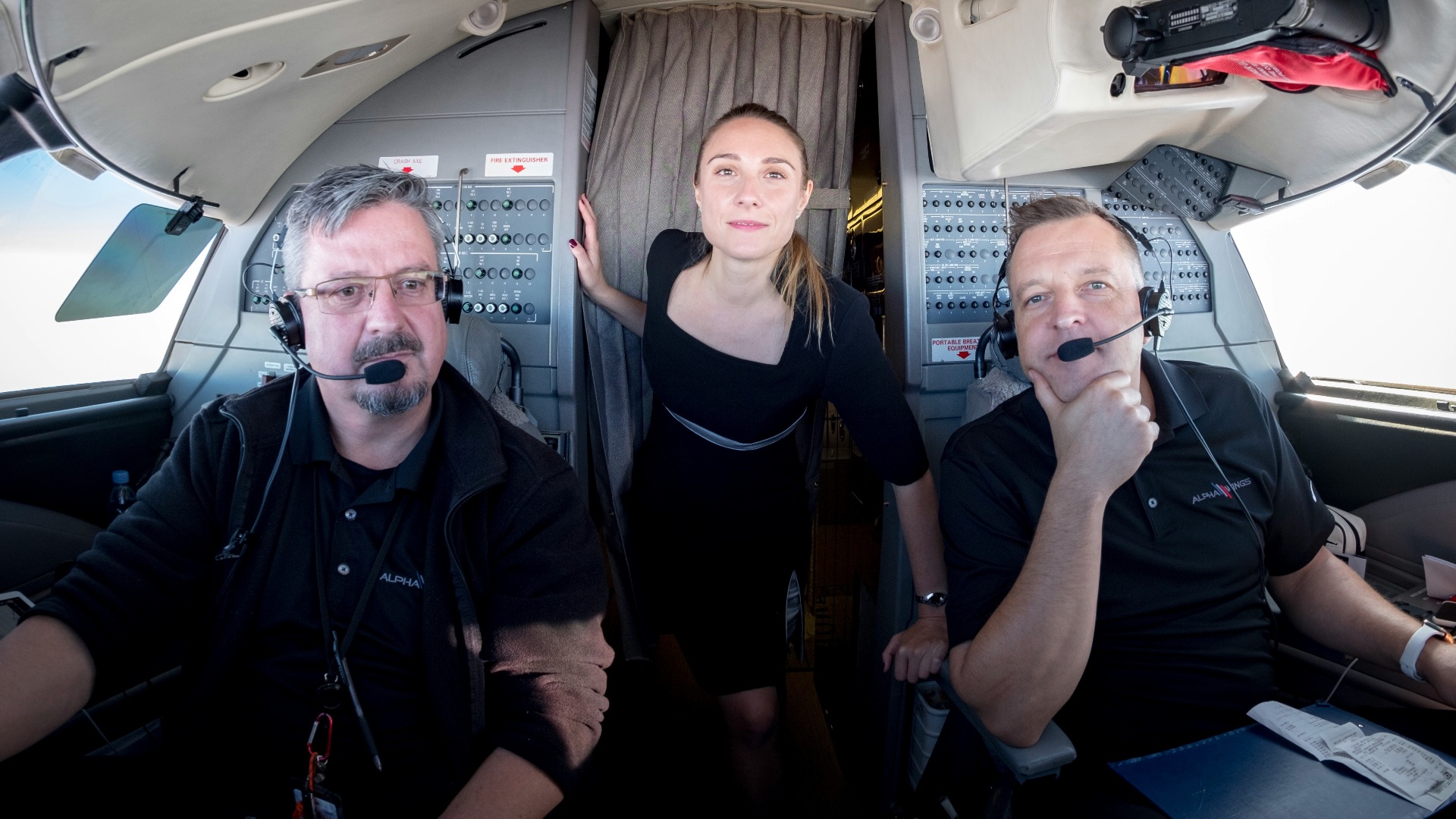
Aviation tends to attract people who genuinely love sharing what they know. Whether you’re talking to instructors, fellow students, or seasoned pilots, advice and encouragement are rarely hard to find. Being part of that community often becomes just as rewarding as the flying itself.
5. It Sharpens Your Decision-Making Skills
Every flight requires you to weigh weather conditions, fuel planning, timing, and risk before you ever leave the ground. Those choices matter, which teaches you to slow down and think things through rather than rushing decisions. That habit sticks with you long after the engines shut down.
6. You Don’t Have to Make It a Career
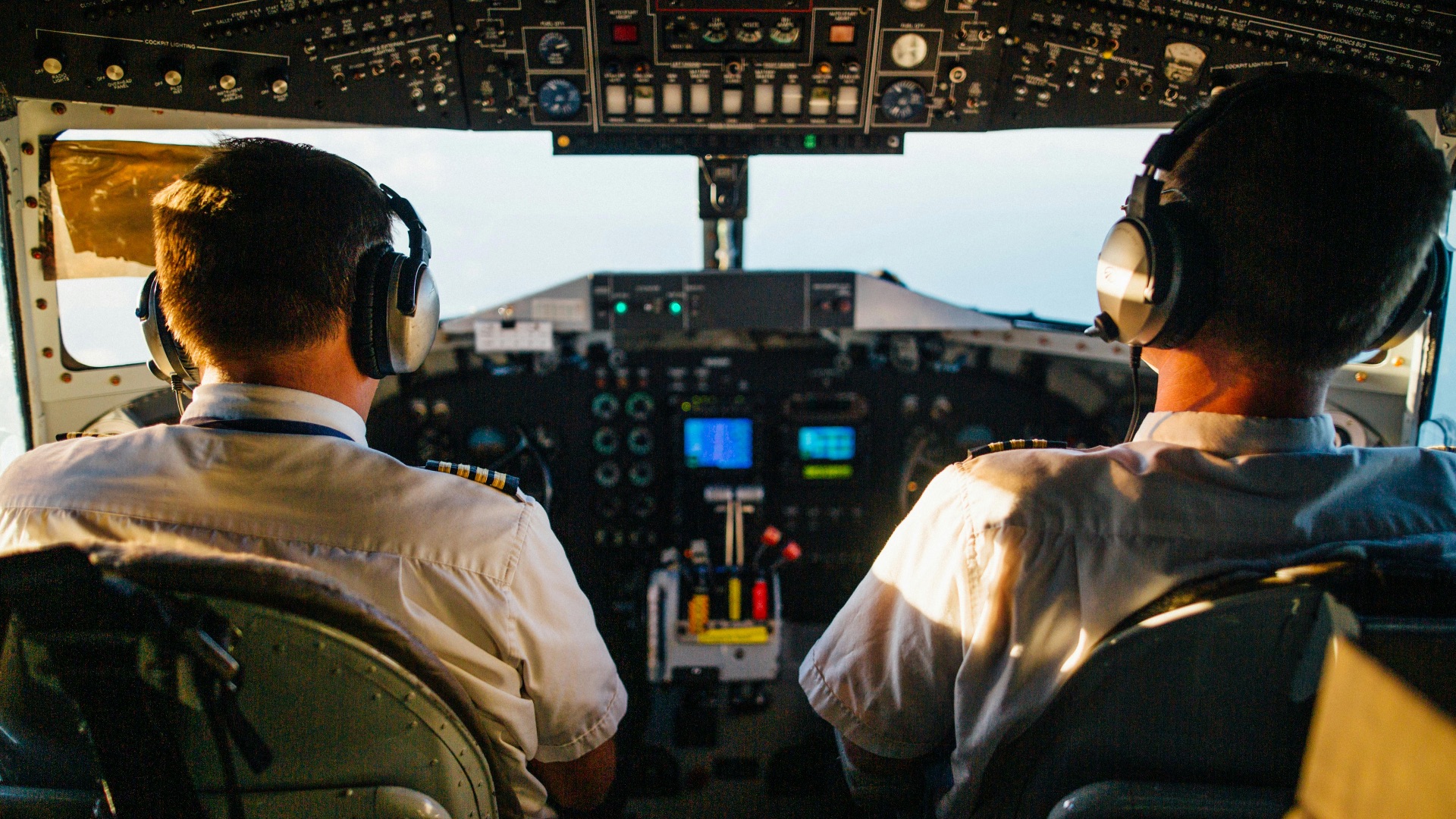
Learning to fly doesn’t automatically lock you into an airline path or professional cockpit. Many pilots fly purely for personal travel, recreation, or the satisfaction of mastering a challenging skill. That flexibility makes aviation appealing even if you already love what you do for a living.

7. Travel Becomes an Adventure
Flying yourself turns routine trips into experiences you actually look forward to. Small airports, scenic routes, and the freedom to choose your own path can make travel feel more personal and memorable. Over time, the journey stops being something you endure and becomes part of the reward.
8. It Challenges You in the Best Way
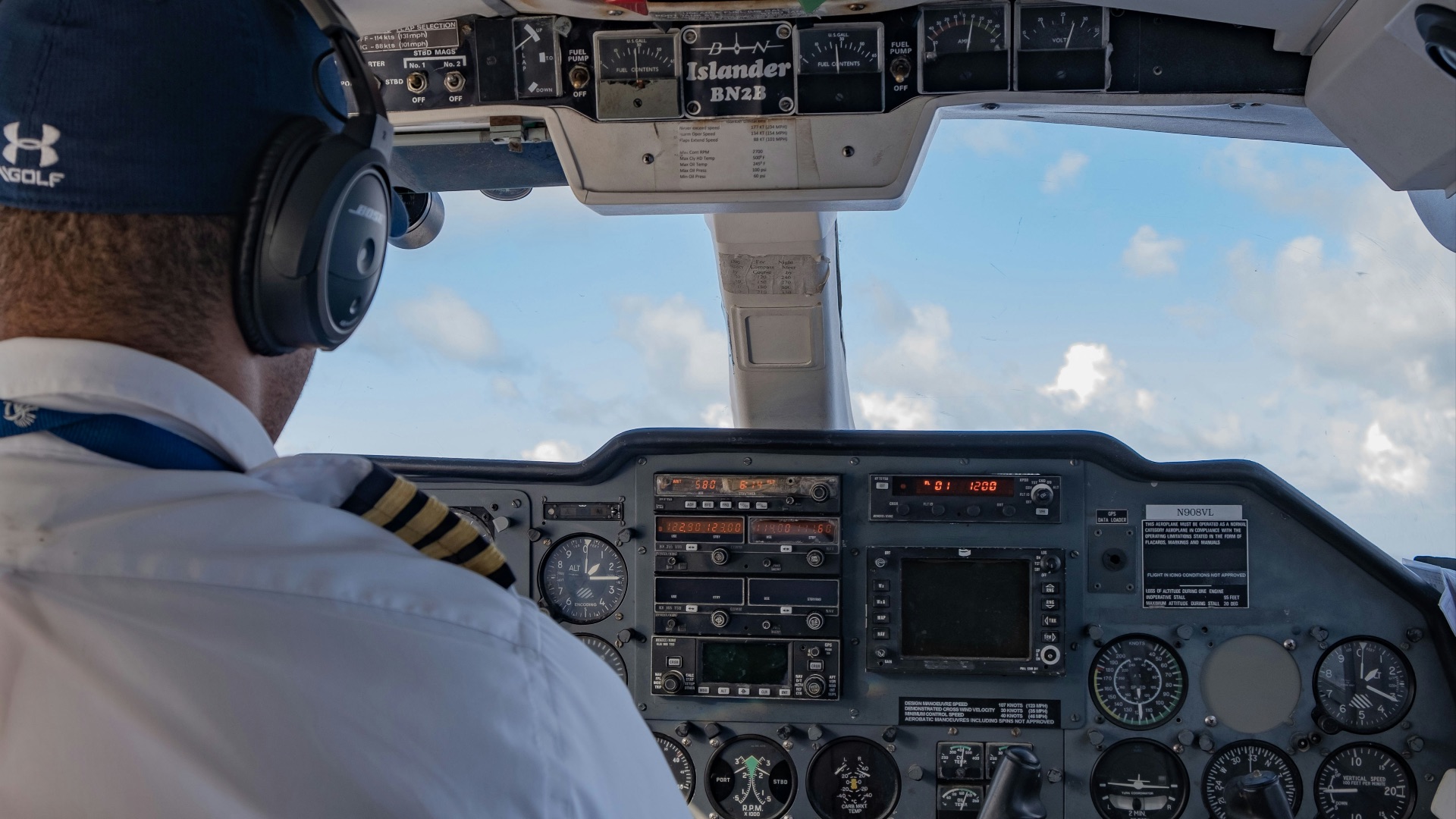
Aviation constantly asks more of you, whether it’s learning a new maneuver or improving your situational awareness. There’s always another skill to refine, which keeps the experience engaging rather than repetitive. That ongoing challenge is what keeps flying from ever feeling stale.
9. The Sense of Achievement Is Real
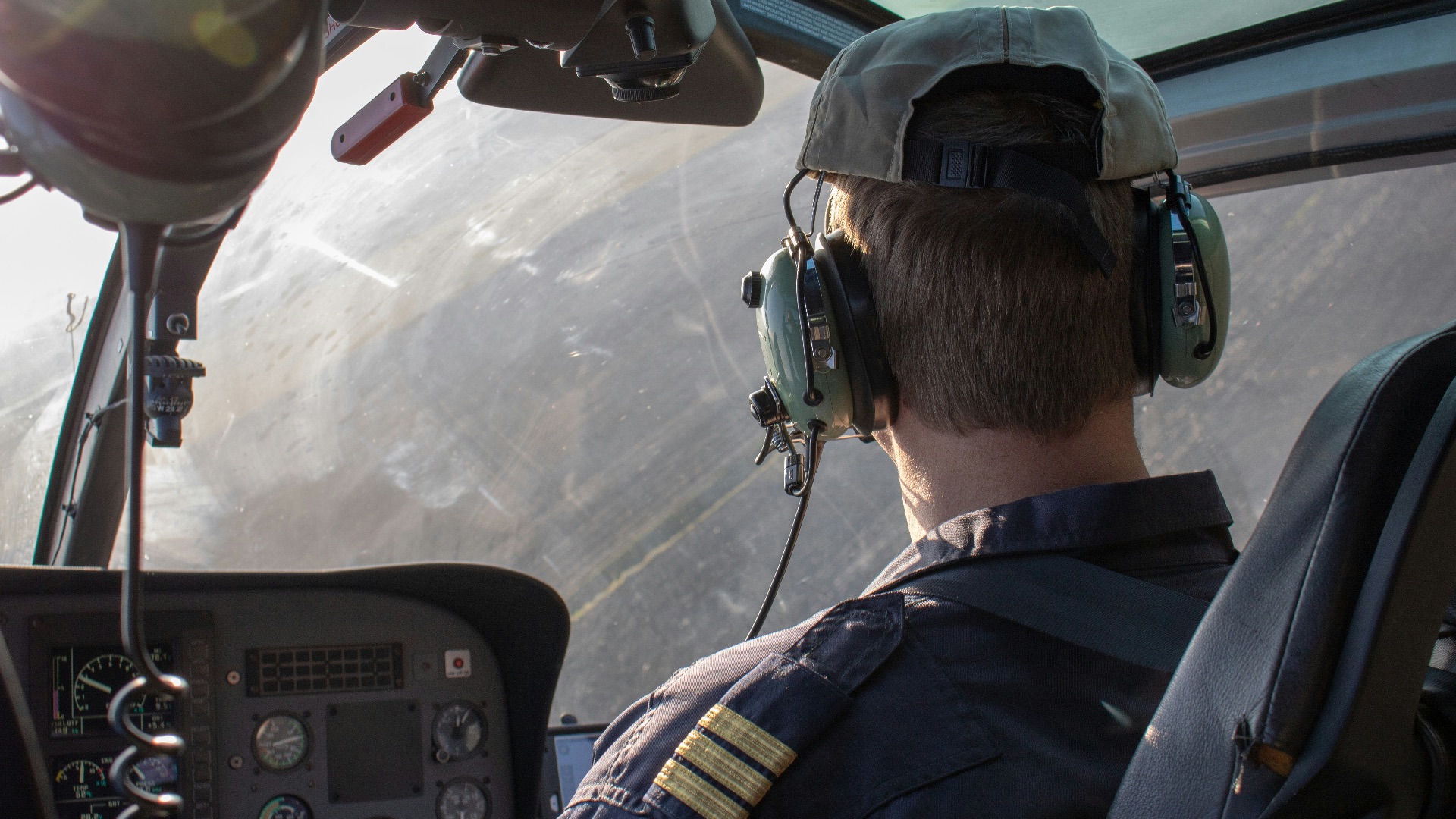
Earning a pilot’s license takes time, effort, and persistence, which makes it feel genuinely earned. Each milestone represents hours of learning and practice, not shortcuts or guesswork. That sense of accomplishment doesn't wear off quickly; instead, it stays with you long after training ends.
10. It Changes How You See Yourself
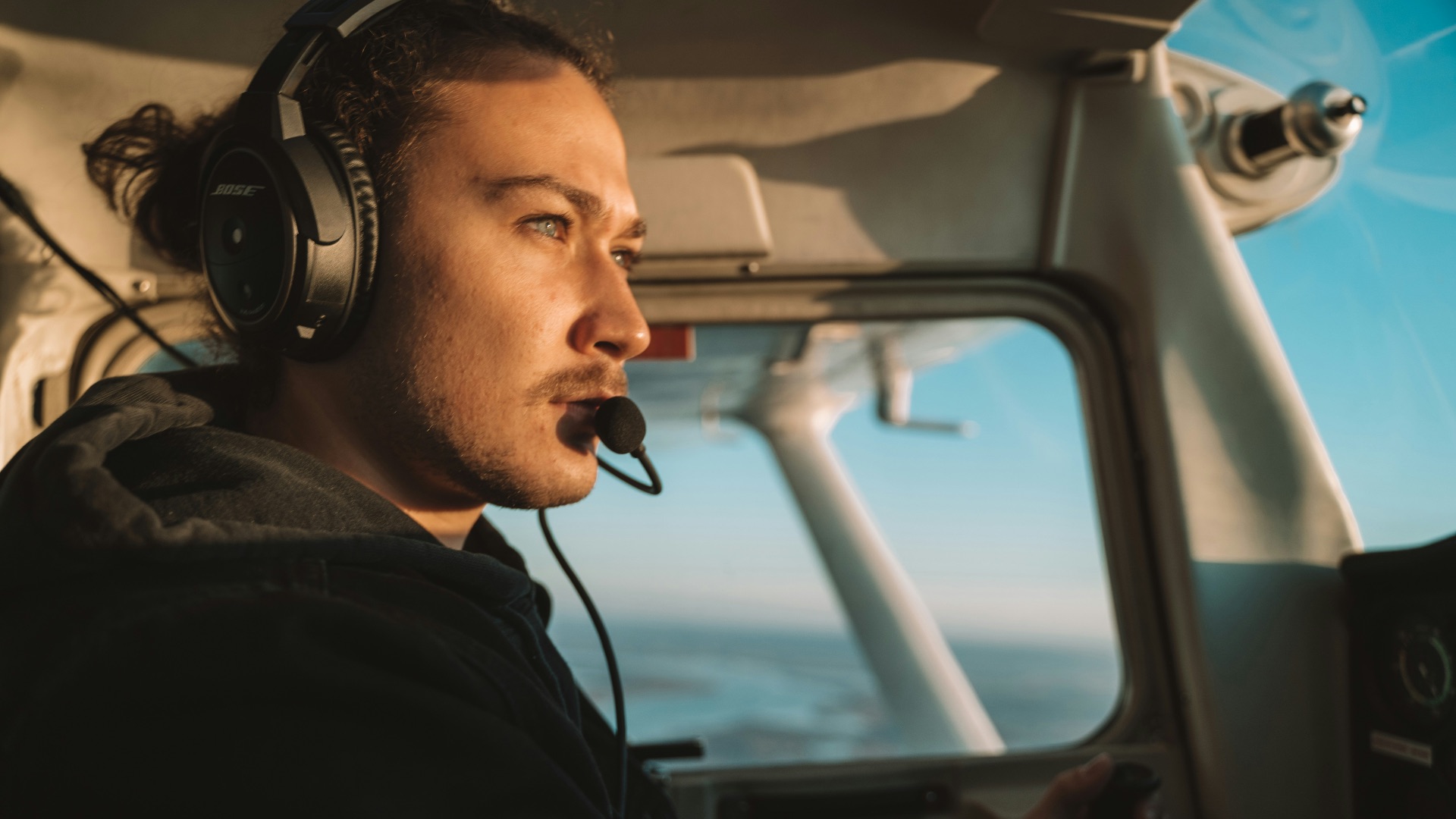
Learning to fly reshapes your understanding of what you’re capable of handling. Once you’ve taken responsibility for an aircraft and brought it safely back to the ground, other challenges feel less intimidating by comparison. It’s an experience that quietly rewires your confidence, changing how you see yourself.