Lights Out
Remember the airlines that you used to always see in the air? Nostalgic as it is, airlines come and go, no matter how big an impact they may have made decades ago, when early aviation was still rapidly advancing. From Pan Am to Swissair and everything in between, here are 20 airlines that, sadly, no longer exist. How many in this list have you flown in before?
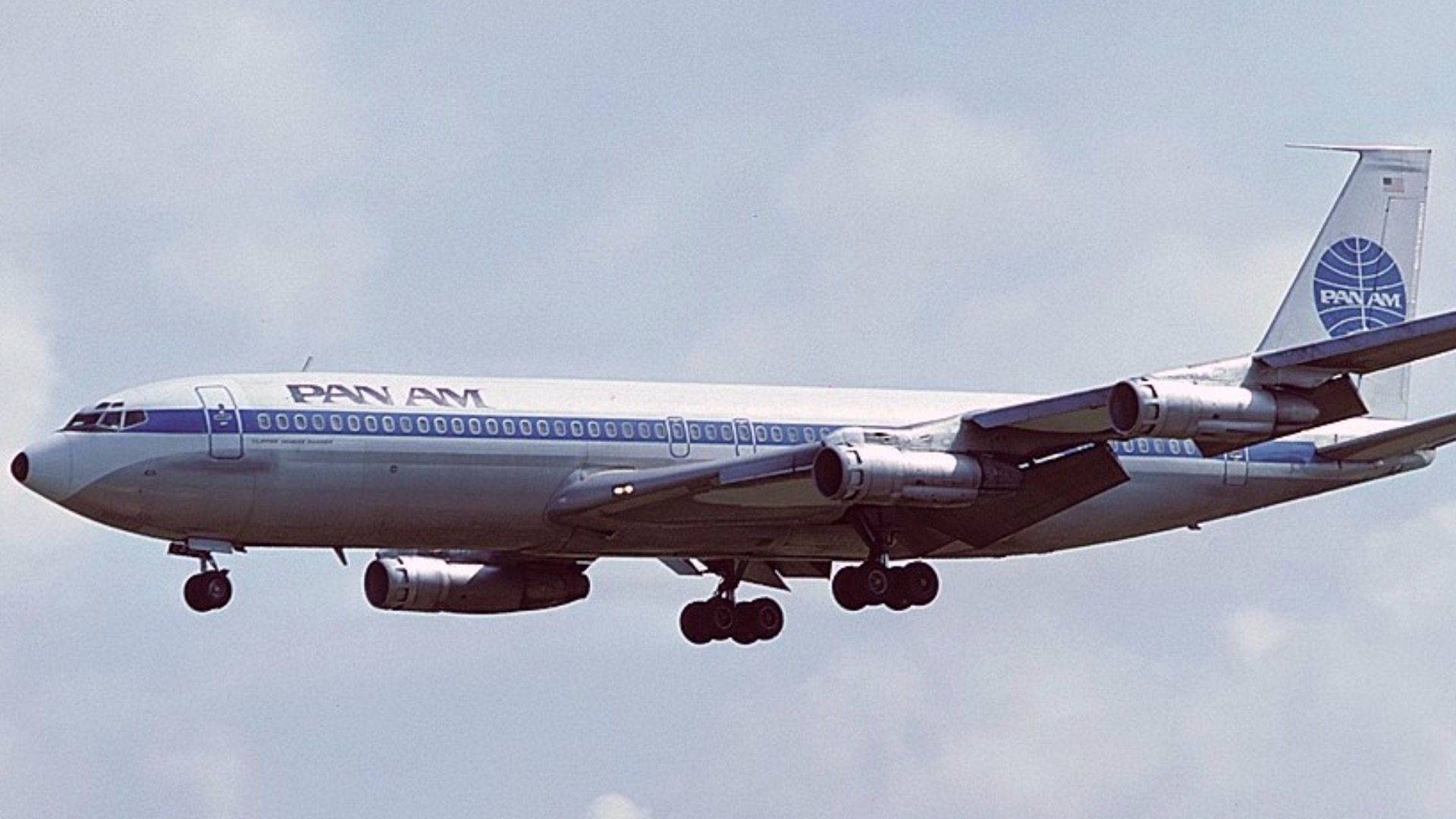
1. Pan Am
Founded as Pan American Airways, though known more commonly as Pan Am, this was the largest international air carrier of the US for the majority of the 20th century. It became a symbol of international travel’s golden age, then ran out of runway when finances finally caught up. By December 1991, the airline shut down for good, leaving behind a legend that’s bigger than its last flight.
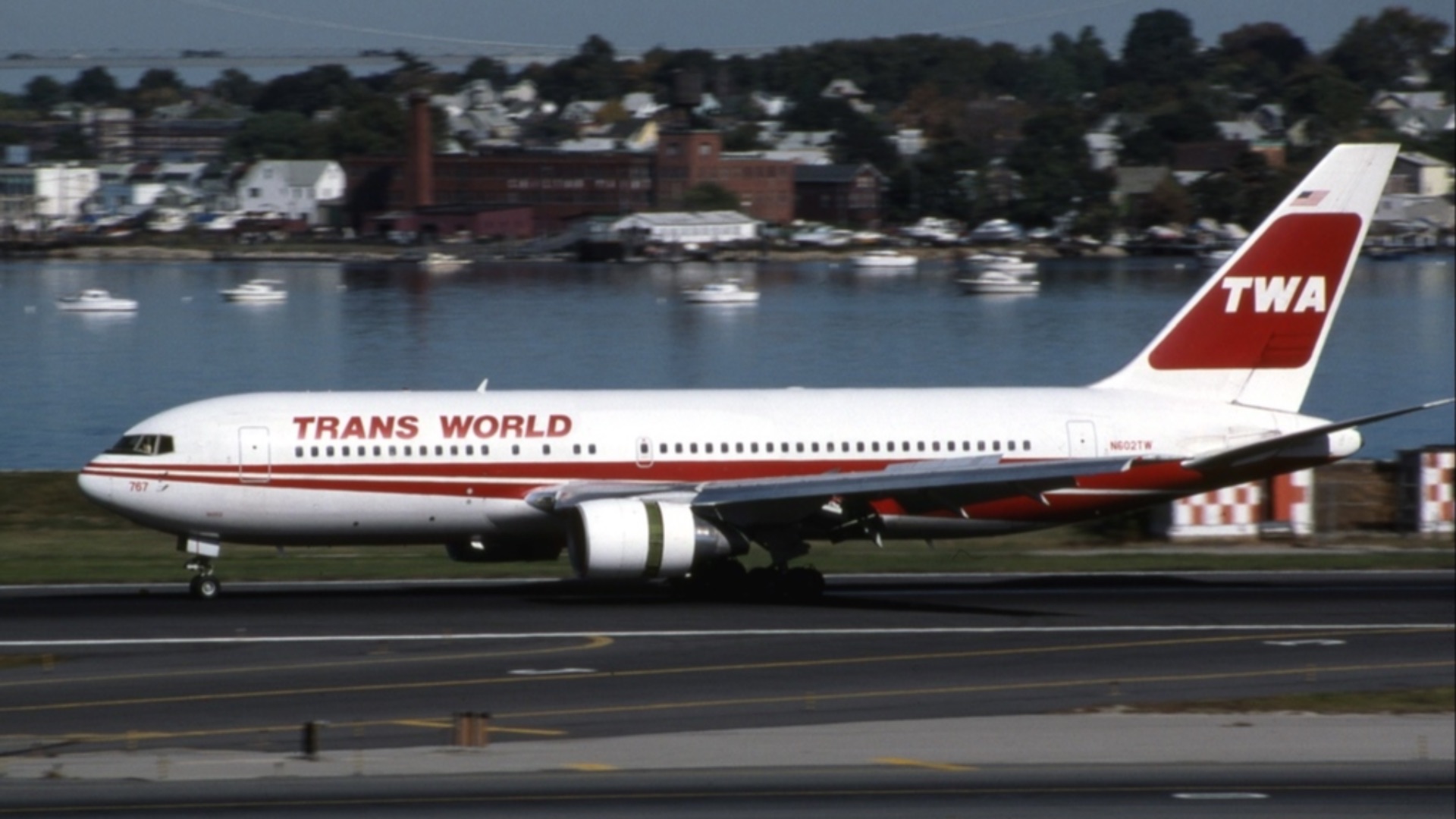
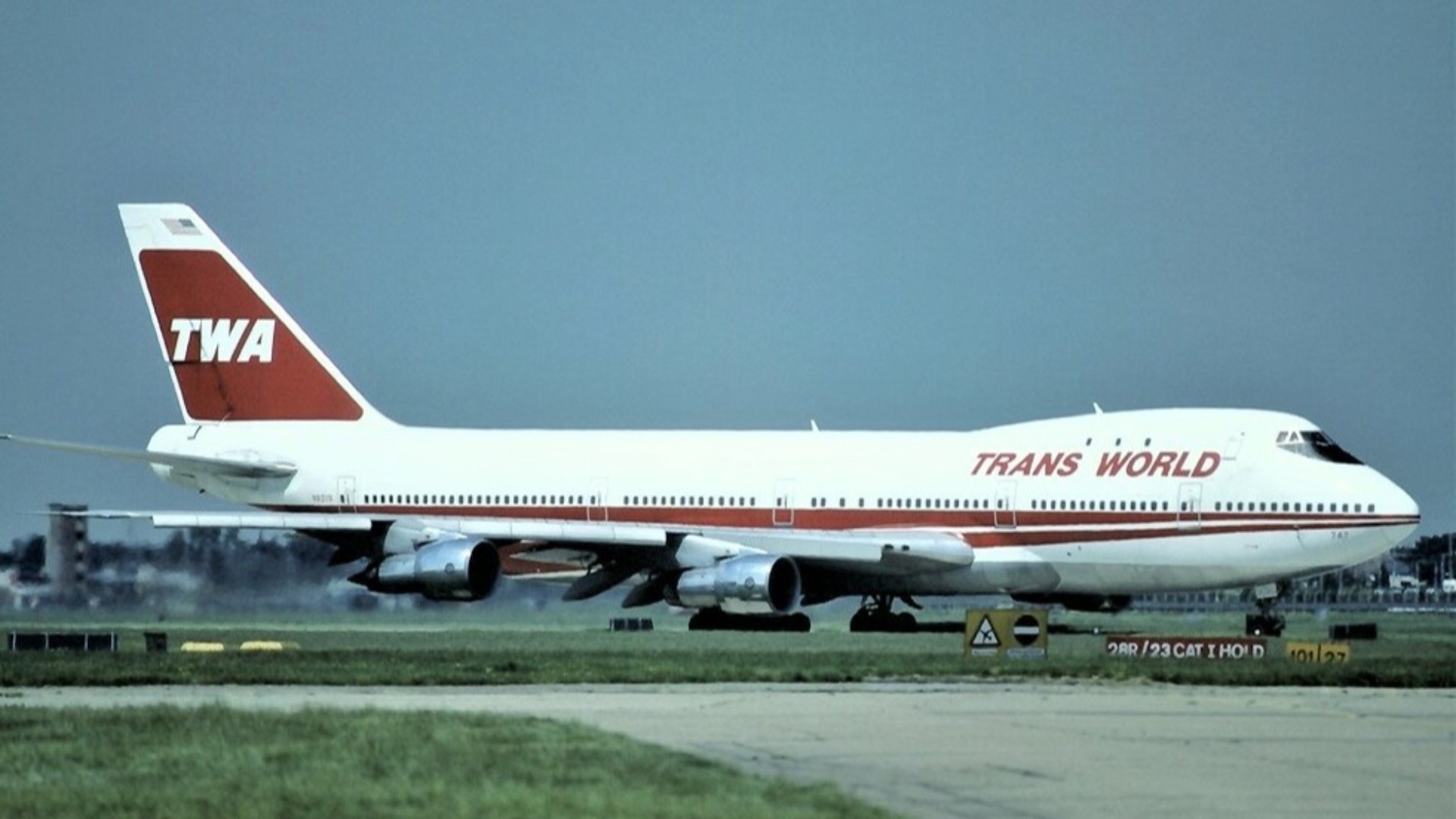
2. Trans World Airlines (TWA)
TWA was once a part of the "big four" domestic airlines flying in the US, along with American Airlines, United Airlines, and Eastern Air Lines. After decades of ups and downs, it ended as a brand when it was absorbed into American Airlines in 2001.
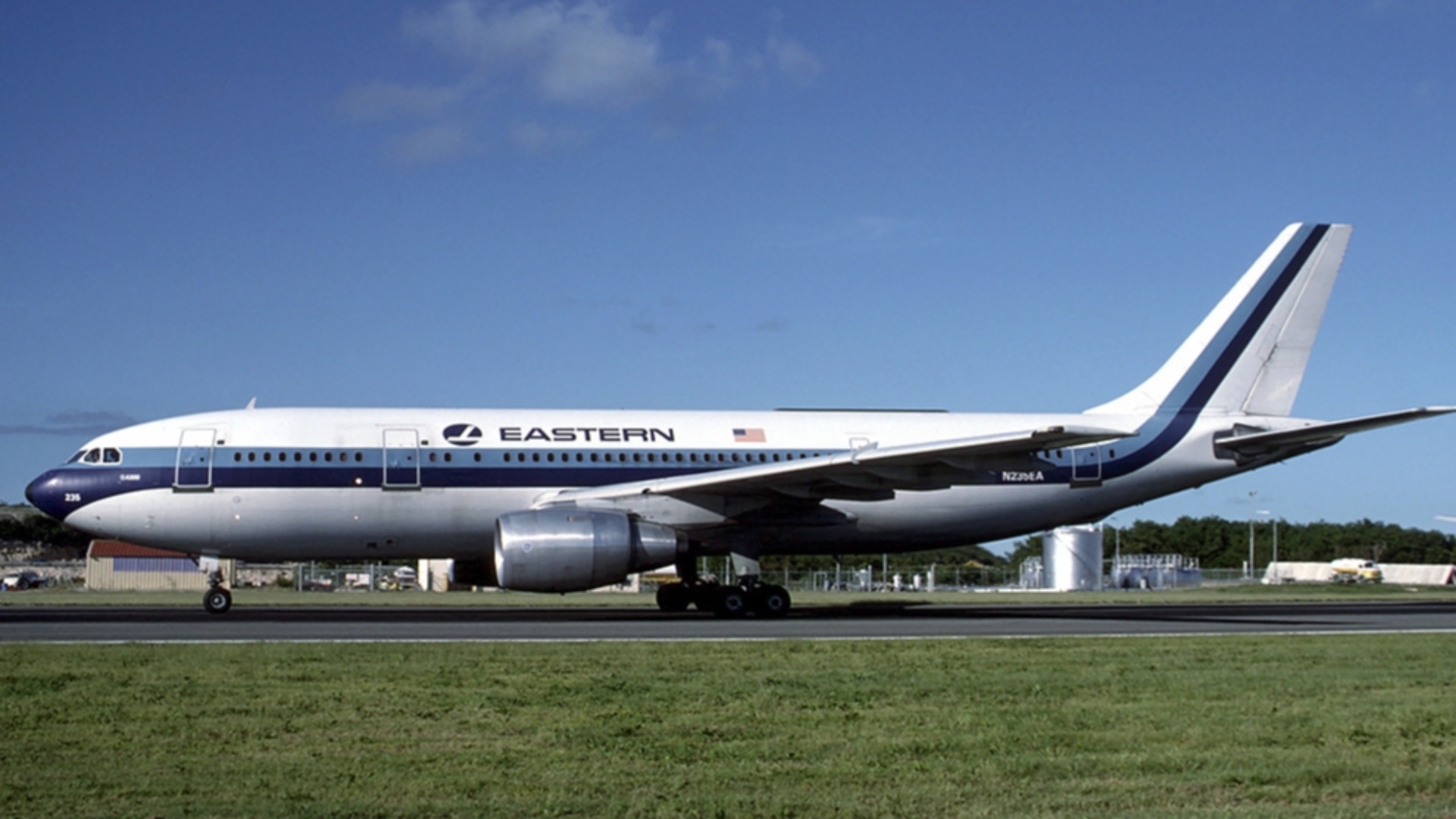
3. Eastern Air Lines
Eastern was a major force in US flying for generations, especially along busy East Coast corridors. The airline’s story ended in early 1991, after a long stretch of turmoil and financial strain. It’s one of those names that still sounds powerful and familiar, which makes its disappearance feel even stranger.
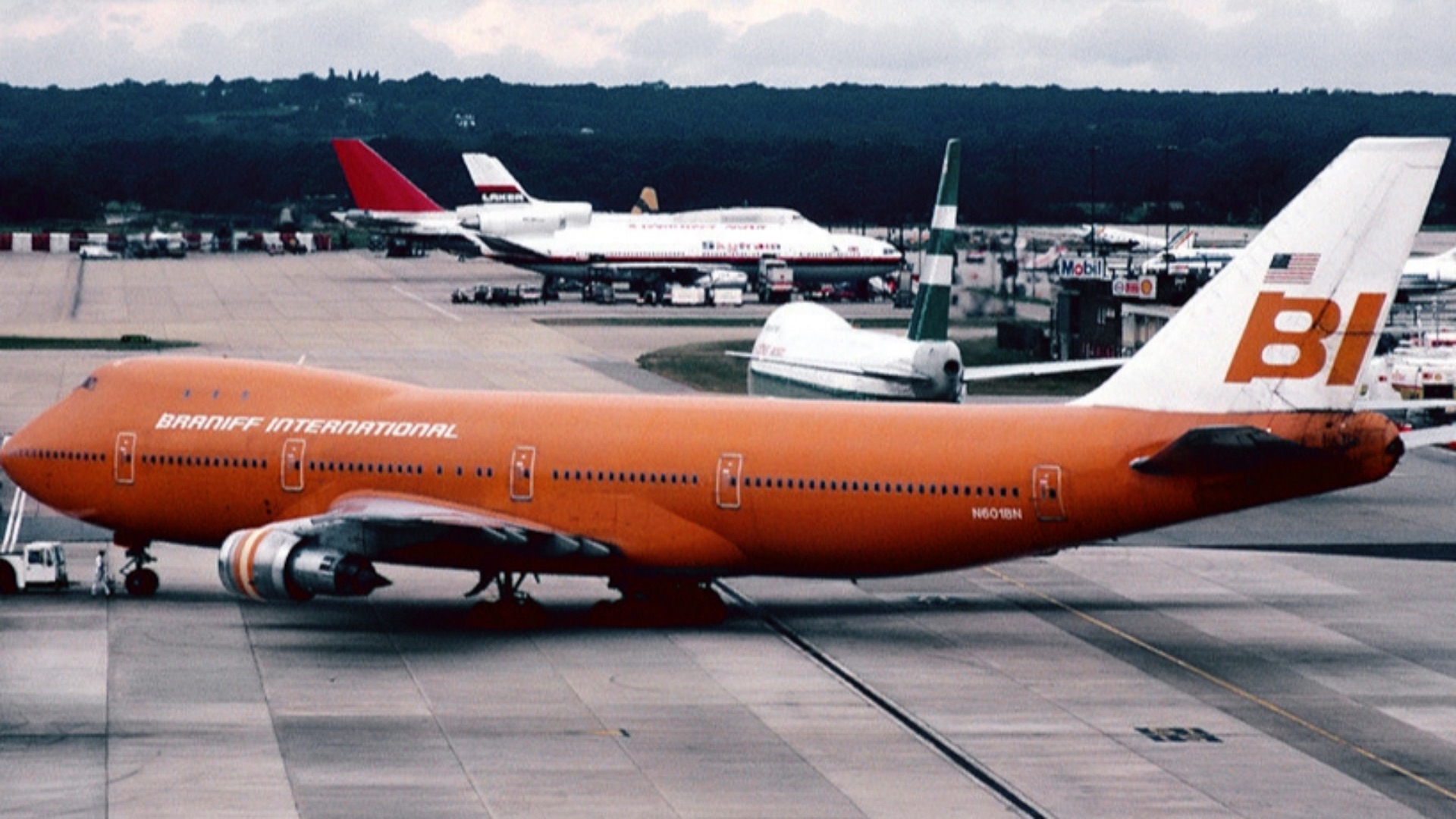
4. Braniff International
First known as Braniff International Airways from 1948 to 1965, then shortened to Braniff International, the airline had initially expanded ambitiously, only to hit the wall when the economics stopped cooperating. In 1982, Braniff’s airline operations came to a halt, though it still operates today as a retailer, hotelier, and travel service.
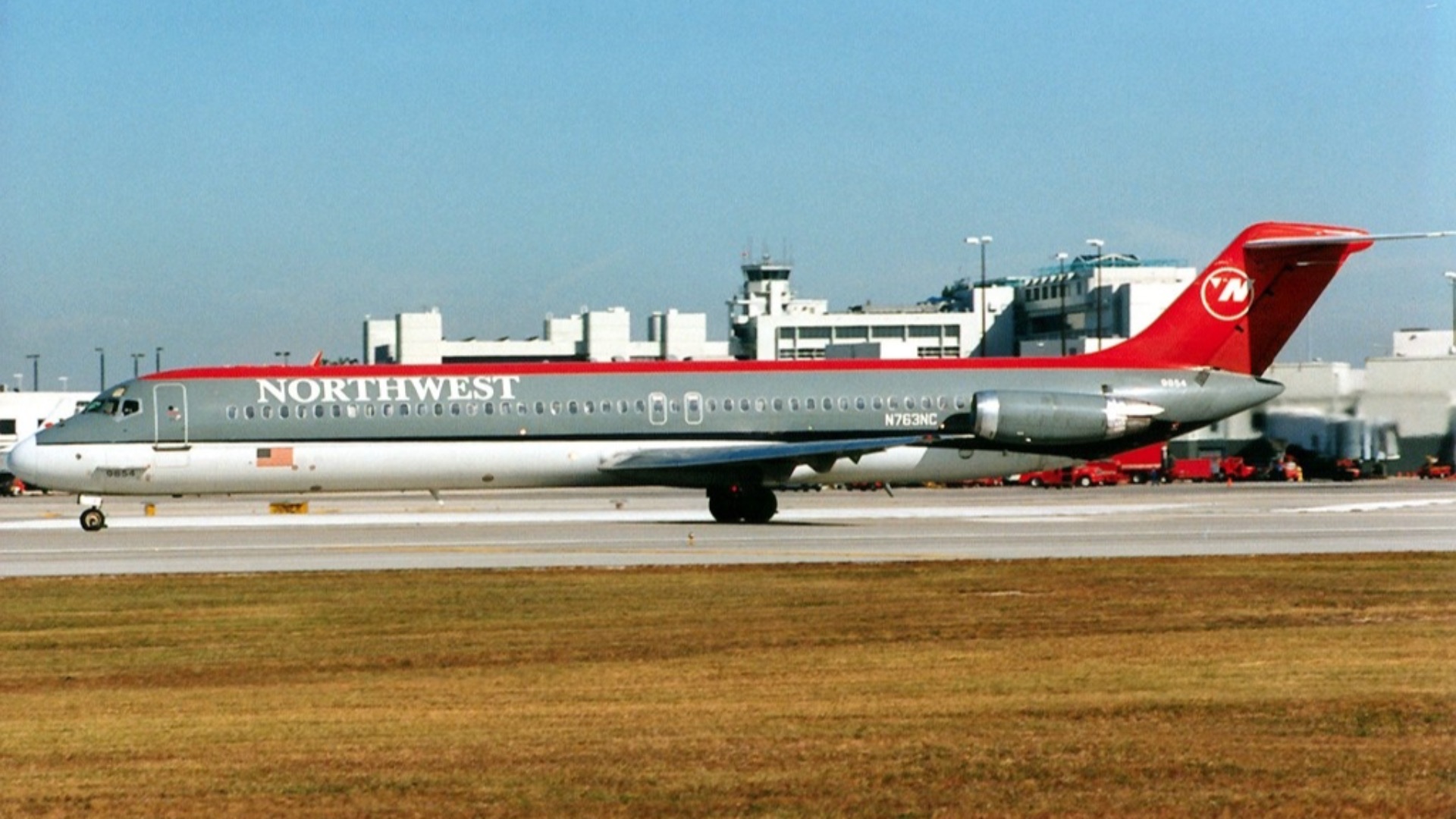
5. Northwest Airlines
Northwest had a huge footprint and a reputation as a serious, established carrier. When it merged with Delta, the Northwest name didn’t stick around, and the brand officially ended in 2010. The merger of the two carriers had formed, at the time, the largest commercial airline in the world.
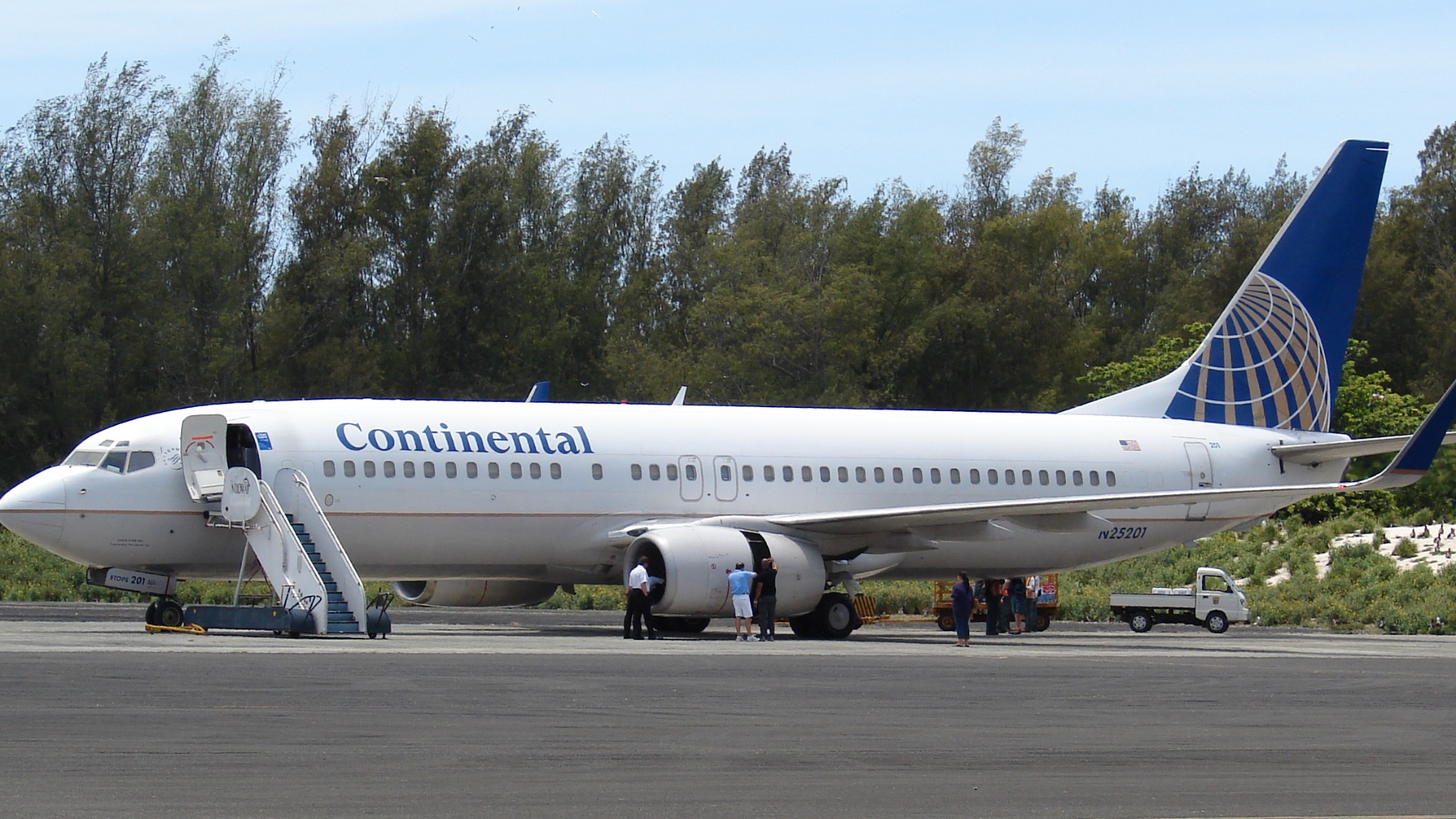
6. Continental Airlines
Continental built a major airline identity that felt distinctive, especially with its globe branding and strong hubs. But in March 2012, the company merged into United, and Continental ceased operating as its own airline.
 Forest & Kim Starr on Wikimedia
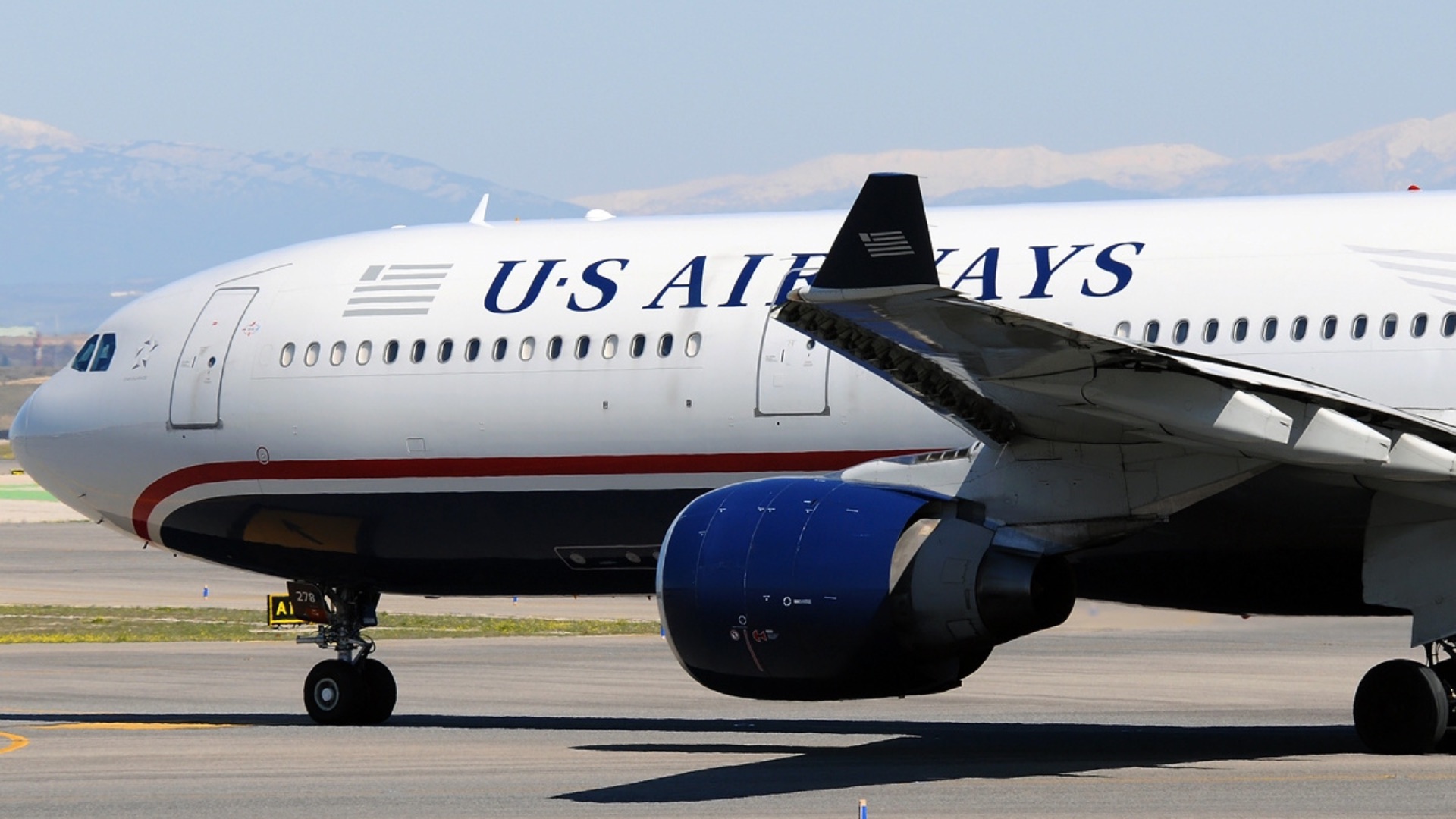
7. US Airways
Founded in Pittsburgh, Pennsylvania, US Airways operated initially as a mail delivery airline (under All American Aviation), before soon becoming a commercial airline. After merging with American Airlines, the US Airways brand was gradually retired and disappeared in 2015.
 Javier Bravo Muñoz on Wikimedia
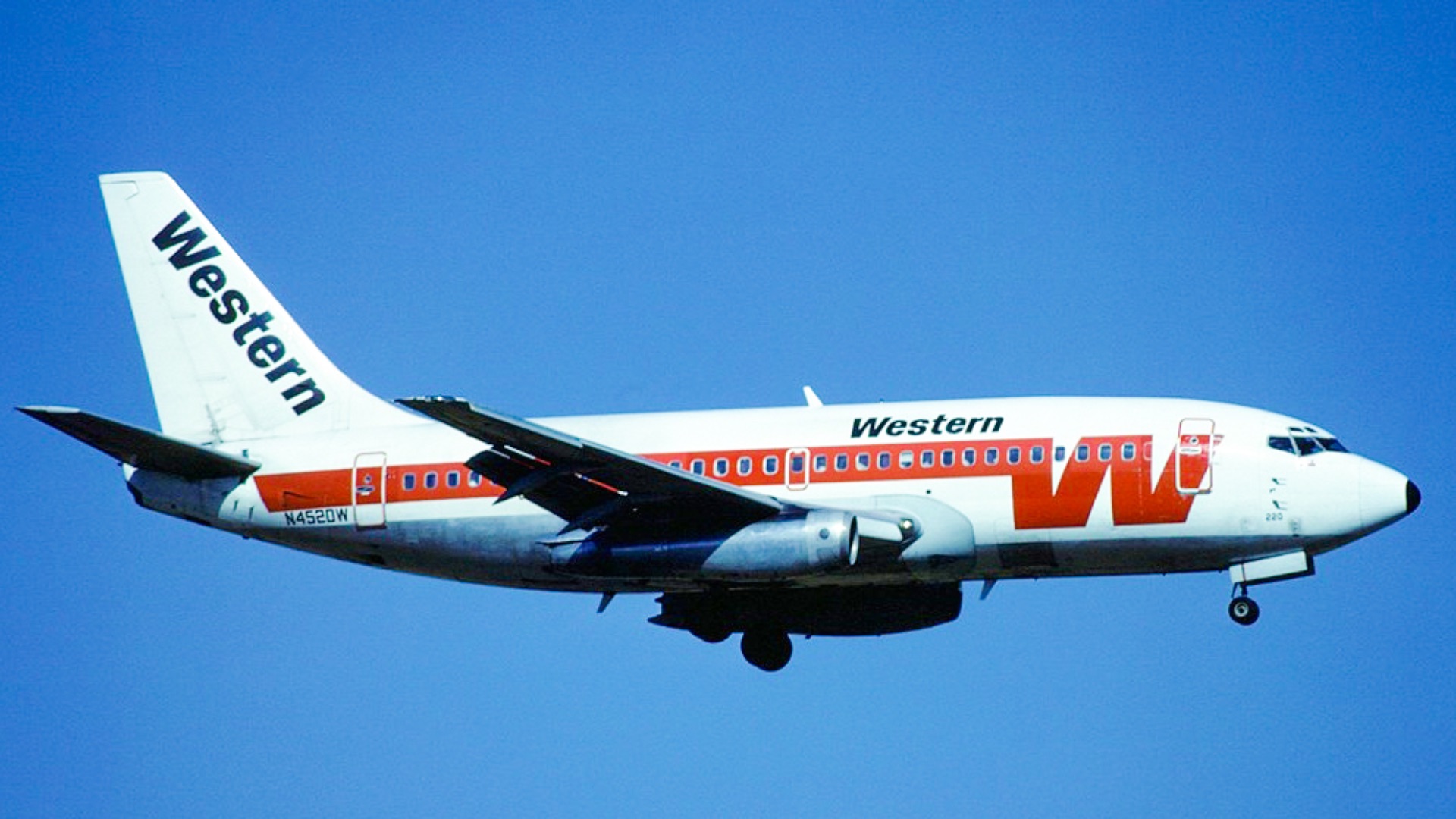
8. Western Airlines
Western was a trunk carrier airline, operating mostly in the western US and Canada. It was headquartered at Los Angeles International Airport before it merged with Delta Air Lines in April 1987, and the Western brand was discontinued.
9. Pacific Southwest Airlines (PSA)
PSA marketed itself as the "World's Friendliest Airline," famously known for painting a smile on the noses of its planes. It was a pioneer in low-cost flying long before budget airlines became the norm, but PSA's run eventually ended when it merged into USAir in 1988.
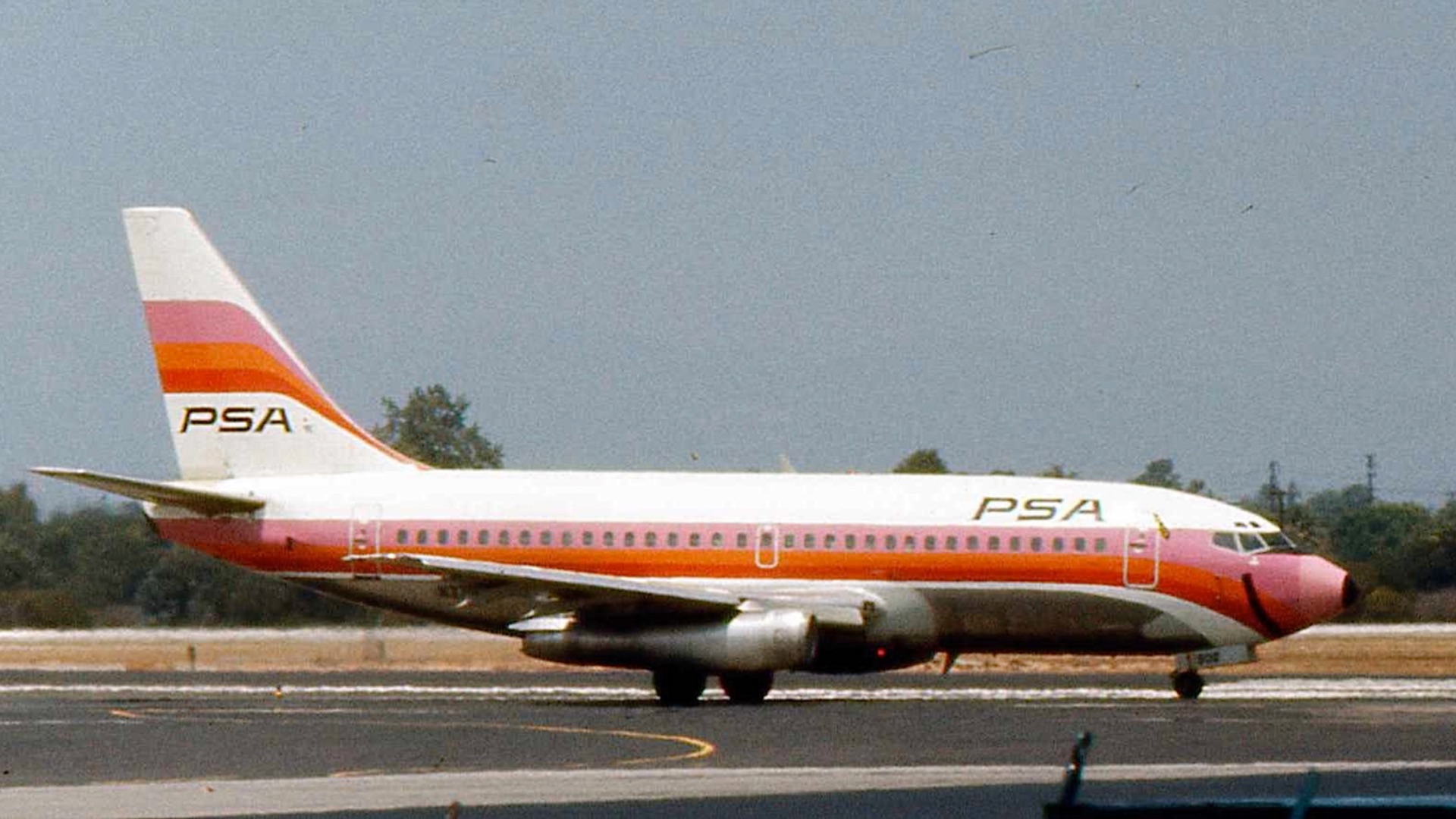 Piergiuliano Chesi on Wikimedia
10. People Express
People Express shook things up with an ultra-no-frills approach that made flying feel radically cheaper and more chaotic. Rapid growth brought big problems, and it ultimately merged with Continental Airlines in February 1987.
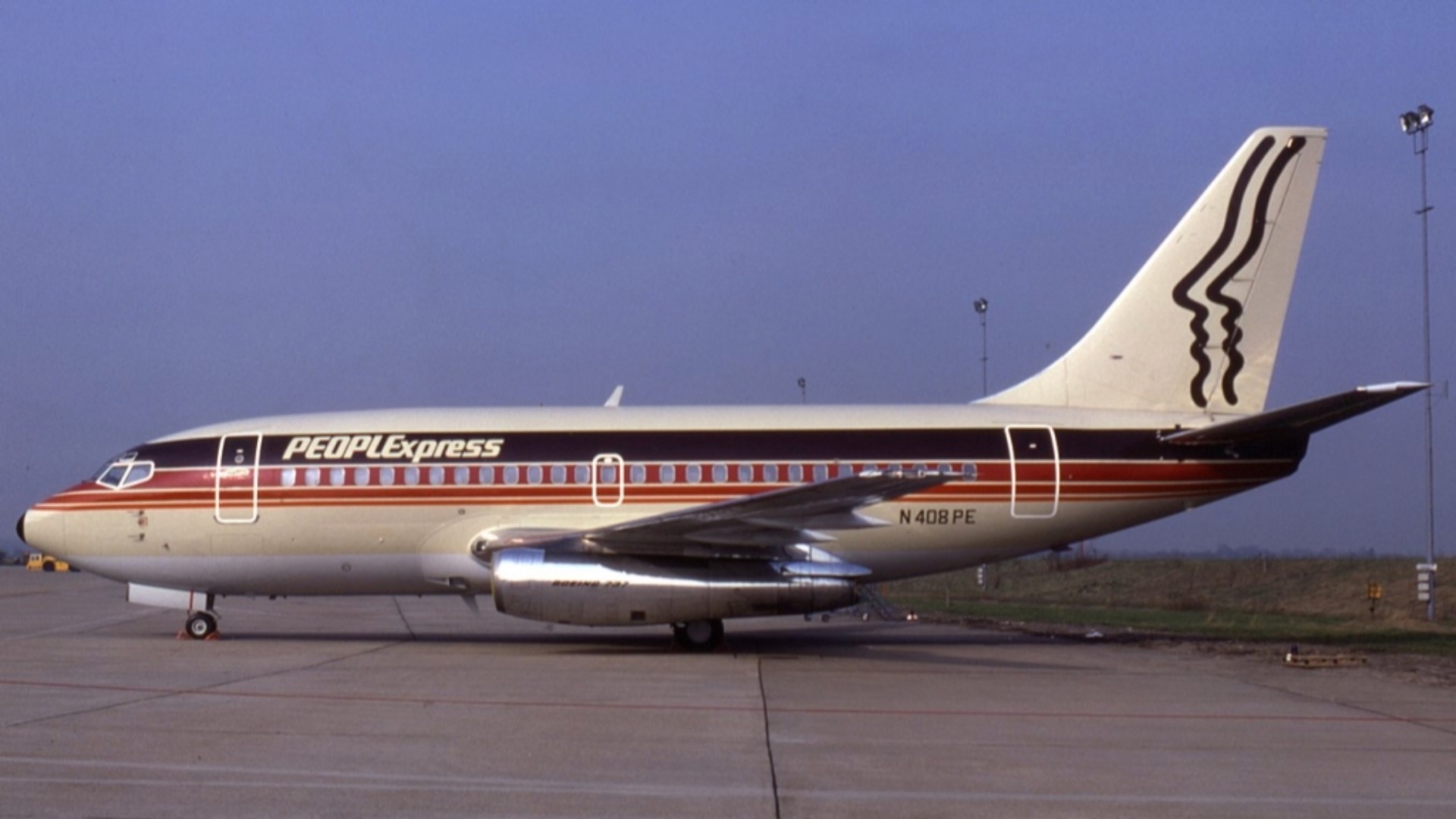 Clinton H. Groves on Wikimedia
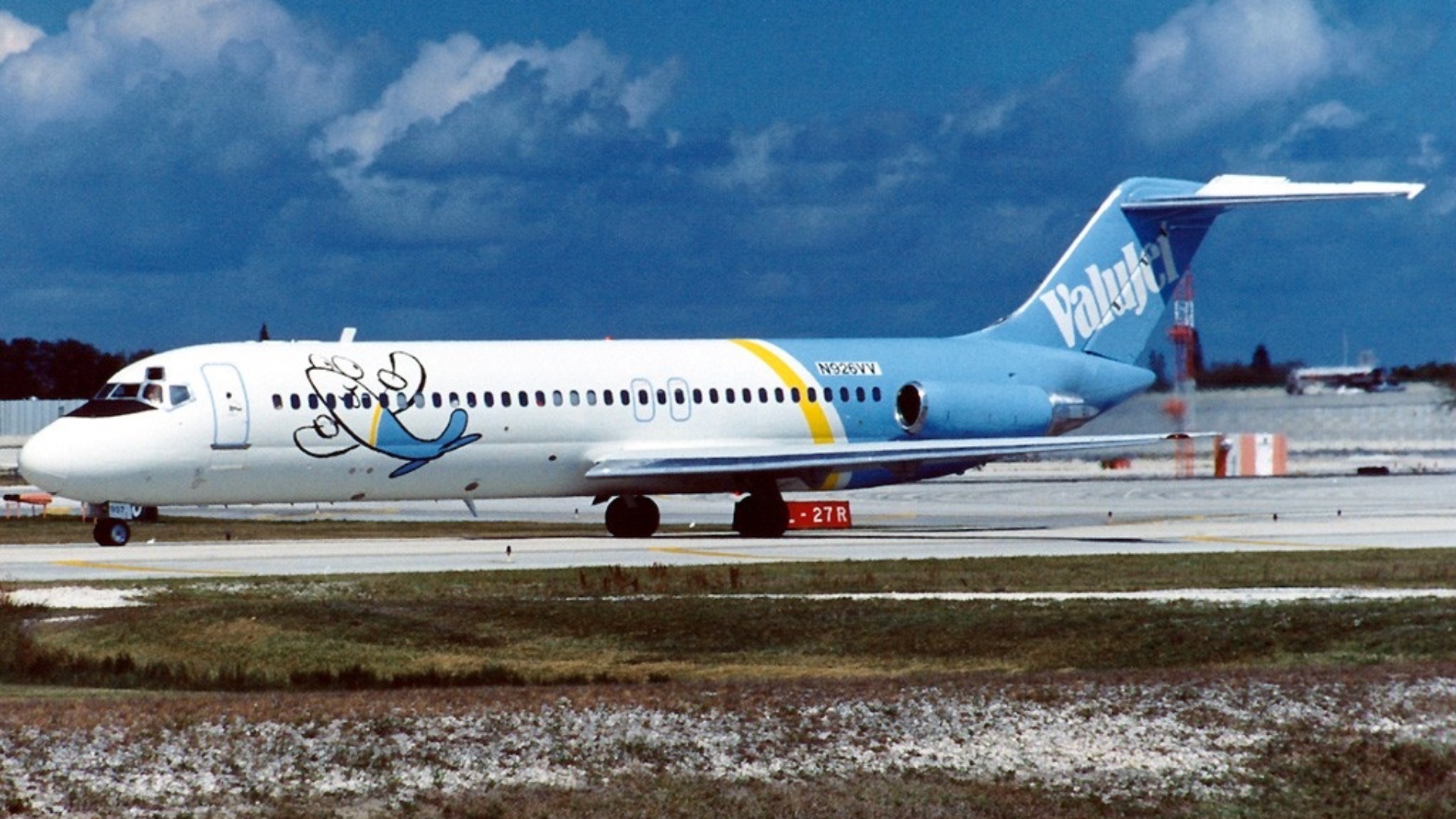
11. ValuJet
ValuJet sprinted into the 1990s as an ultra-low-cost option, but its reputation took hits it couldn’t fully shake. In 1997, the airline rebranded, effectively retiring the ValuJet name in favor of AirTran, though AirTran didn't last long either.
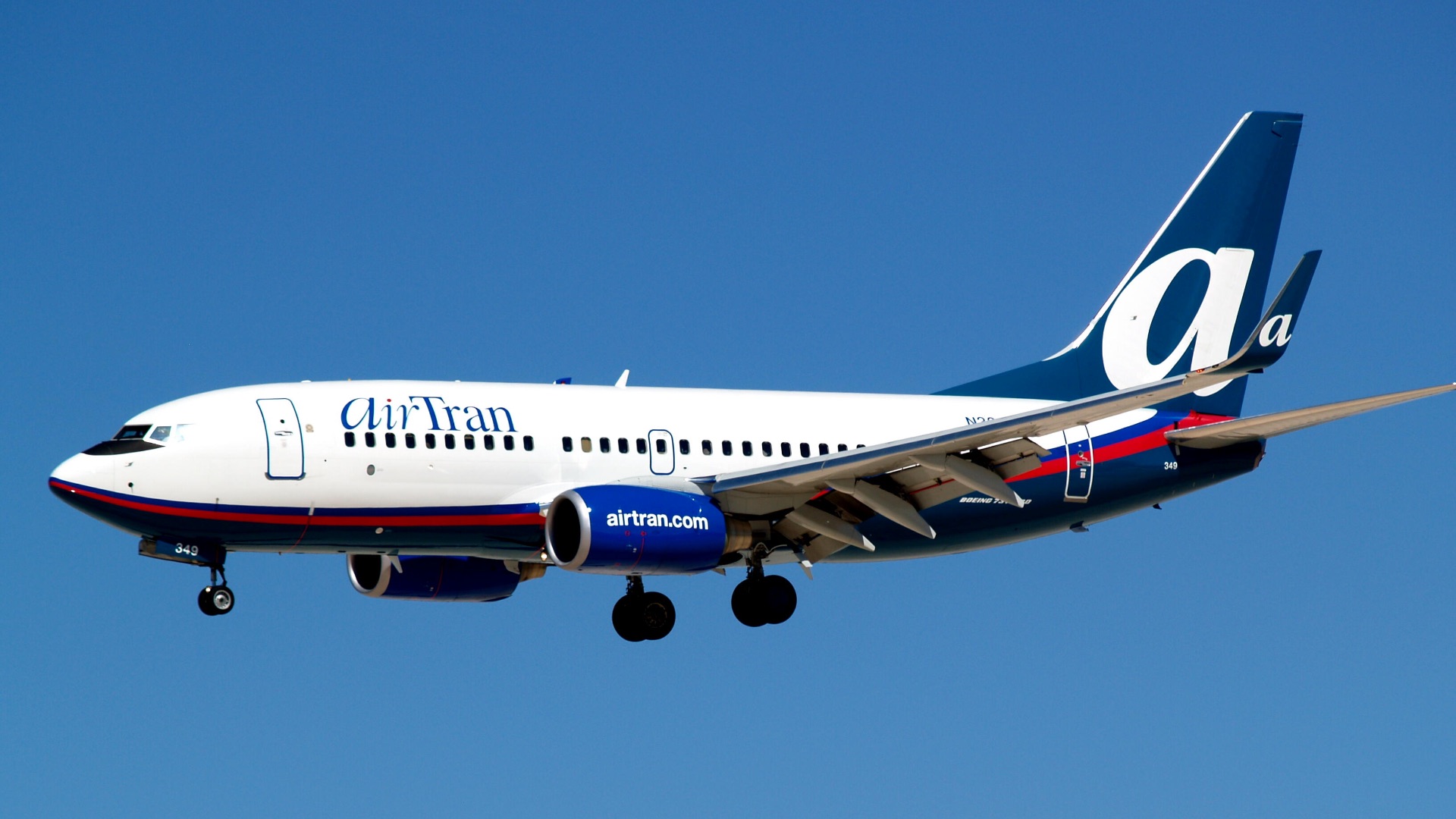
12. AirTran Airways
AirTran became a familiar sight, especially around Atlanta, and it built a solid low-cost following. Southwest Airlines acquired it in May 2011 and gradually integrated the airline until AirTran’s final revenue flight in 2014.
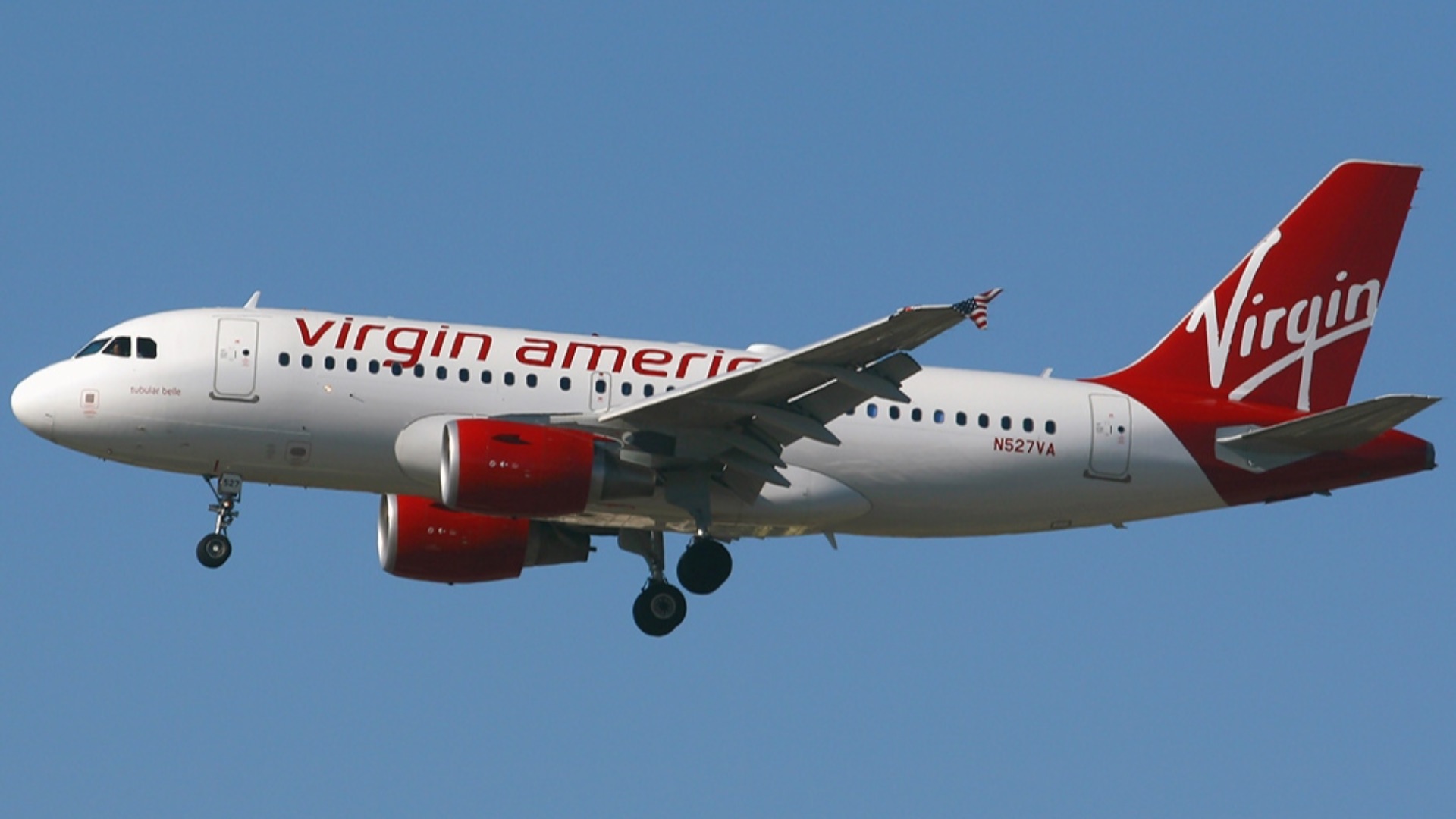
13. Virgin America
Though Virgin America was a low-cost airline, it was still dedicated to providing high-quality service. And yet, after Alaska Air Group acquired it in 2016, the brand only continued under its own name until it was eventually folded into Alaska Airlines in April 2018.
 Konstantin Von Wedelstaedt on Wikimedia
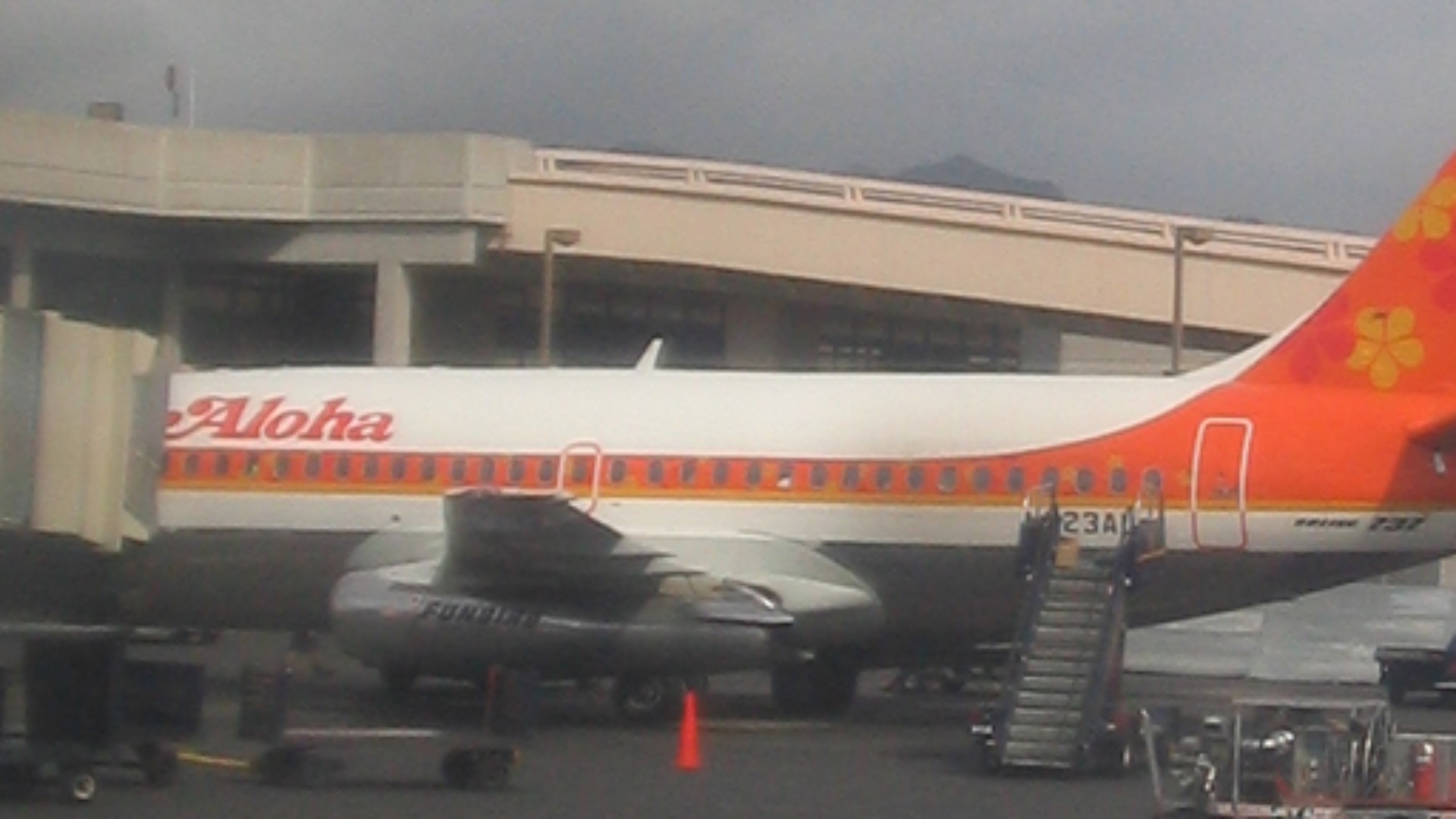
14. Aloha Airlines
Aloha Airlines was a recognizable part of Hawaii travel for decades, especially for inter-island flights. Passenger operations ended in March 2008, even though parts of the business continued in other forms.
 Travis Dos Santos-Tam (Travisdst at English Wikipedia) on Wikimedia
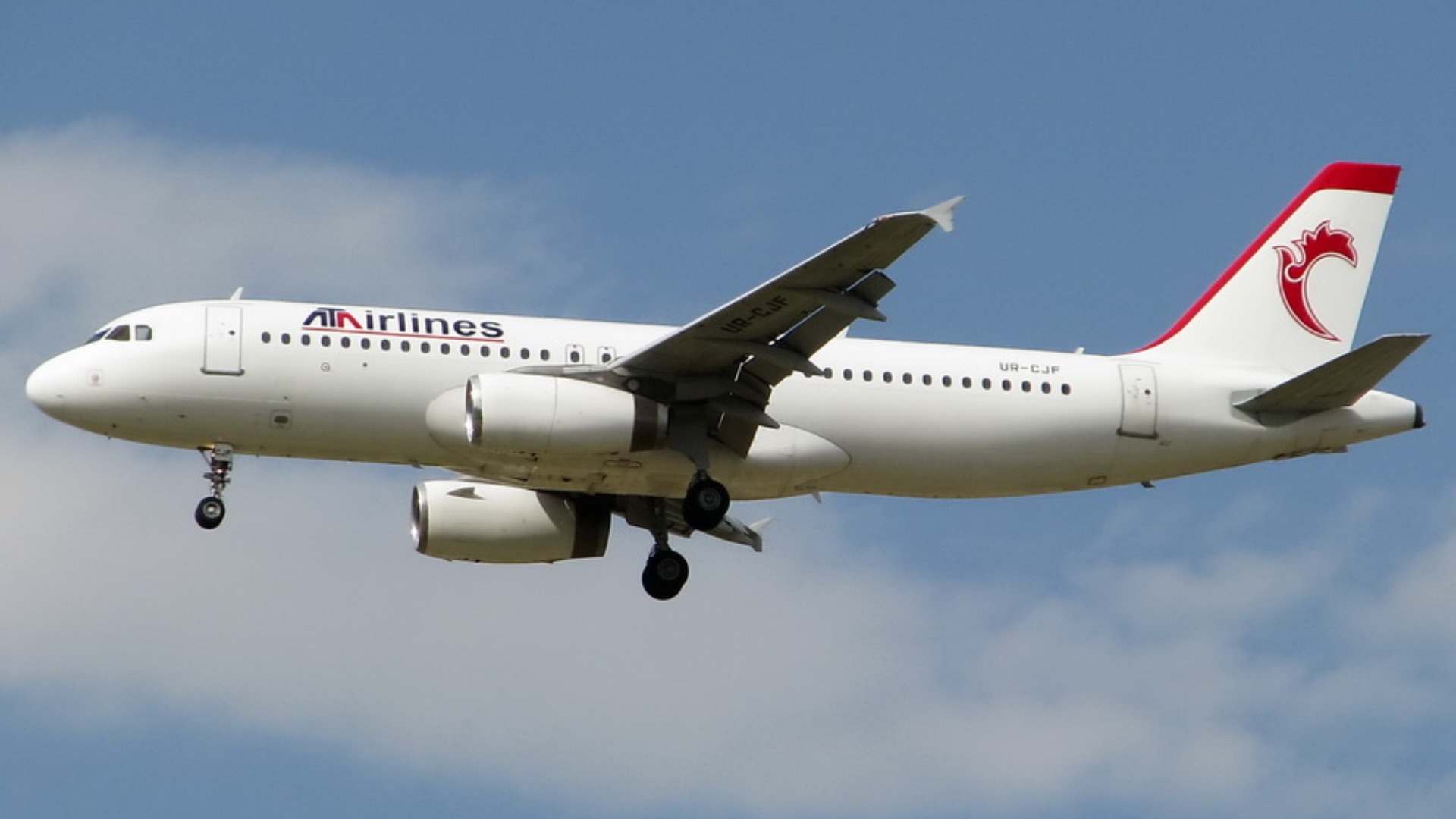
15. ATA Airlines
ATA handled a mix of scheduled service and charters, and for a while it seemed like it had carved out a workable niche. Then, in April 2008, it declared bankruptcy and ceased operations. Flight 4586, which departed from Honolulu en route to Phoenix, was ATA's last scheduled flight.
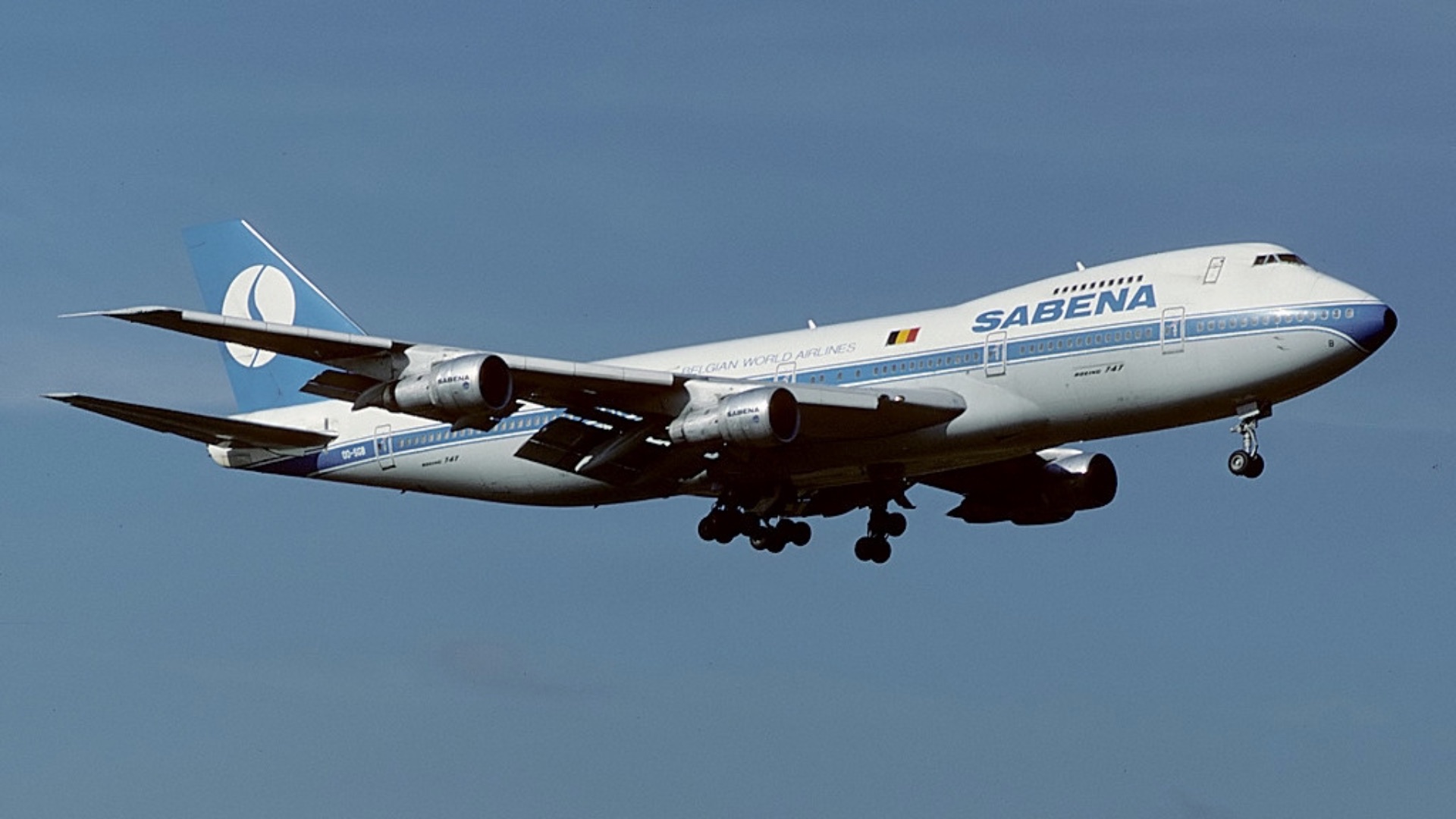
16. Sabena
Sabena was Belgium’s national airline for most of the 20th century, which makes its ending feel especially dramatic. The company went bankrupt and ceased operations in November 2001, reshaping Belgian aviation overnight.
 Mike Freer - Touchdown-aviation on Wikimedia
17. Swissair
Swissair once had a reputation for polish and reliability that felt almost like a national signature. After the 2001 grounding, the Swissair name eventually disappeared from scheduled operations, marking the end of an era. However, a new airline emerged in 2002: Swiss International Air Lines.
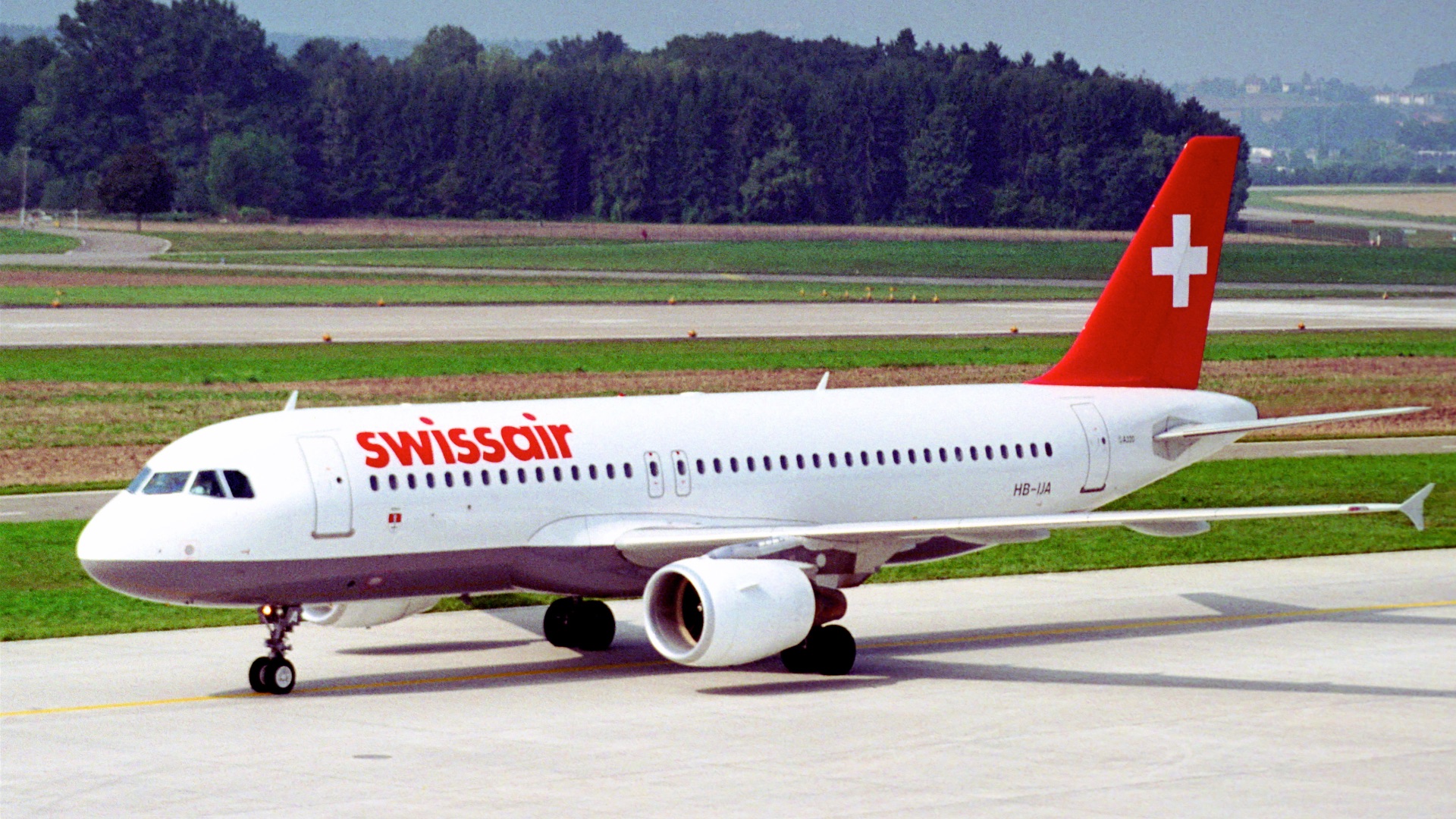 Aero Icarus from Zürich, Switzerland on Wikimedia
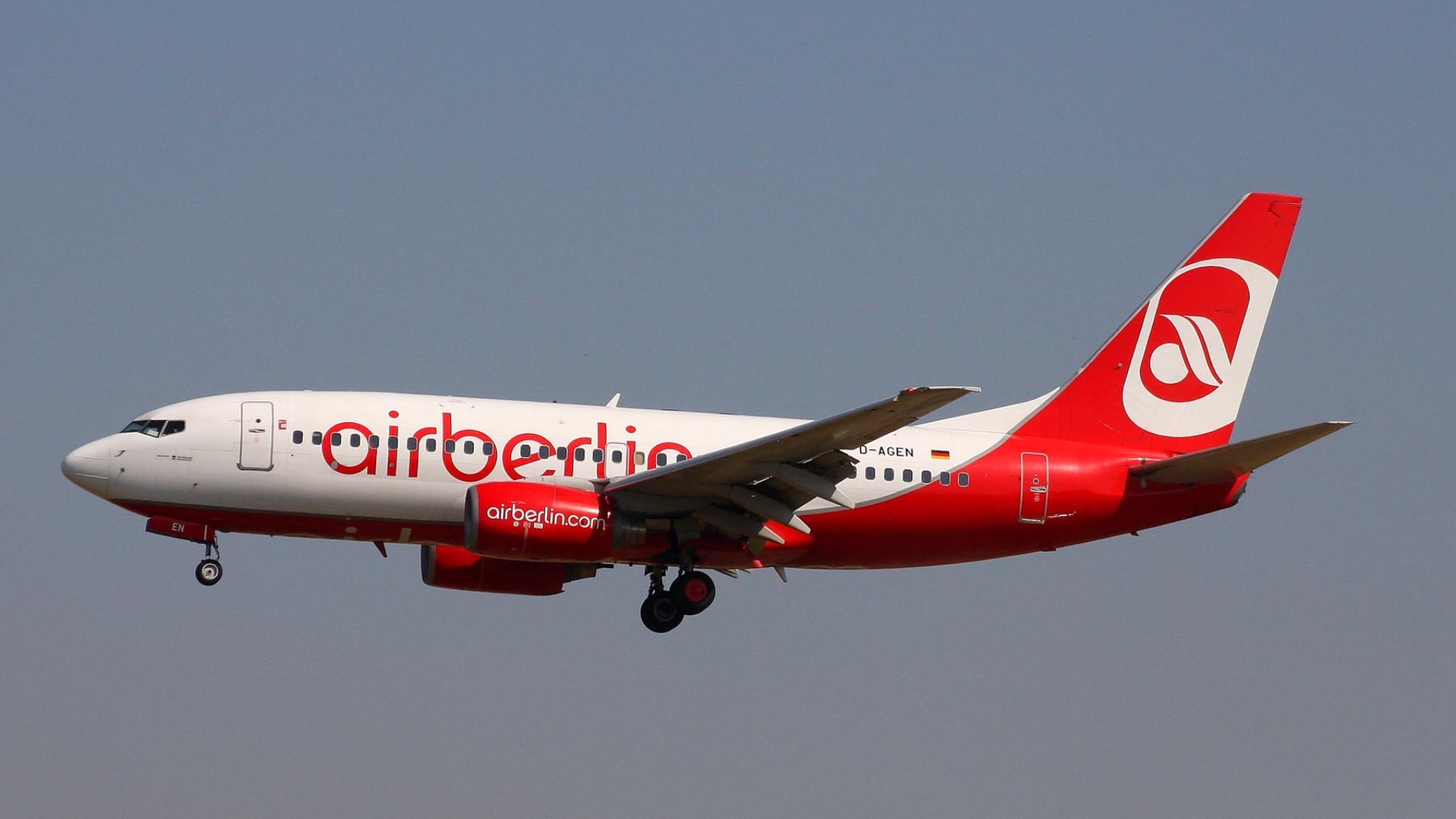
18. Air Berlin
Air Berlin grew into a major German carrier, and for years it was a big deal in European travel. At its peak, it was regarded as the country's second-largest airline and the tenth-largest in Europe. But it eventually dealt with years of losses, and it ceased operations in October 2017.
19. Malév
Malév served as Hungary’s flag carrier and connected Budapest to a wide European network, flying to over 50 cities in 34 countries with a limited fleet of only 22 aircraft. Unfortunately, in February 2012, the airline ceased operations, leaving a sudden gap in the country’s aviation landscape.
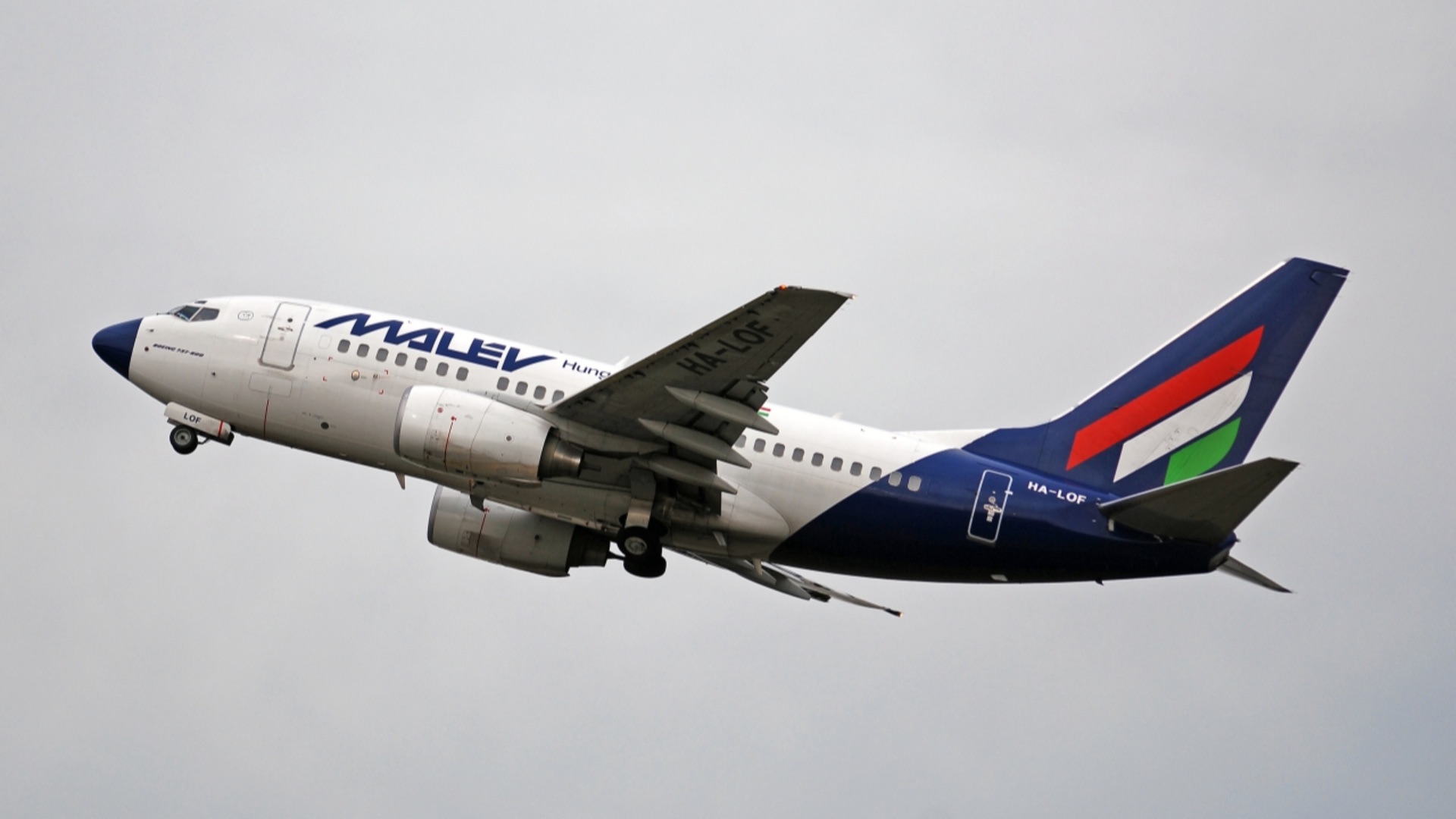 Pieter van Marion from Netherlands on Wikimedia
20. Mexicana de Aviación
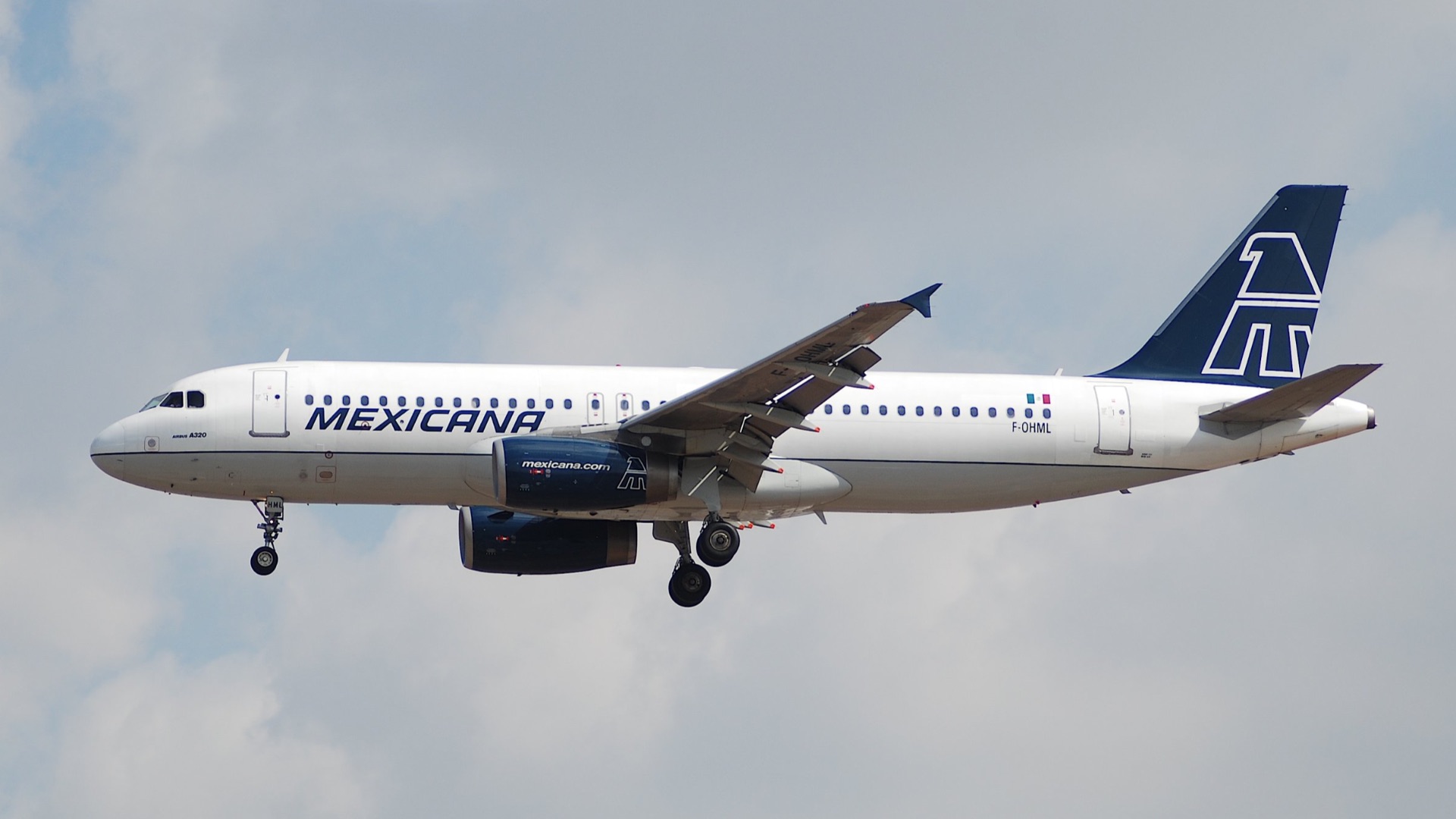
Mexicana was Mexico’s oldest and biggest airline, and it had been part of the region’s air travel story for generations. Its last scheduled flight took place in August 2010, ending a long run that felt almost permanent until it wasn’t.