One Mistake Can Become a Big Problem
When you check a suitcase, you’re handing it off to be stored in a place where leaks, heat, pressure changes, rough handling, and delayed detection can turn a “small” hazard into a serious incident. That’s why airlines and regulators treat certain items as unacceptable risks, especially anything flammable, explosive, toxic, or prone to battery fires. If you want the least stressful outcome, keep prohibited items out of your trip entirely and move essential, valuable, or sensitive items into your carry-on instead. From lithium-powered devices (yes—that includes your AirPods and power banks) to replica toys, you should never pack these 20 dangerous items in your checked bag.
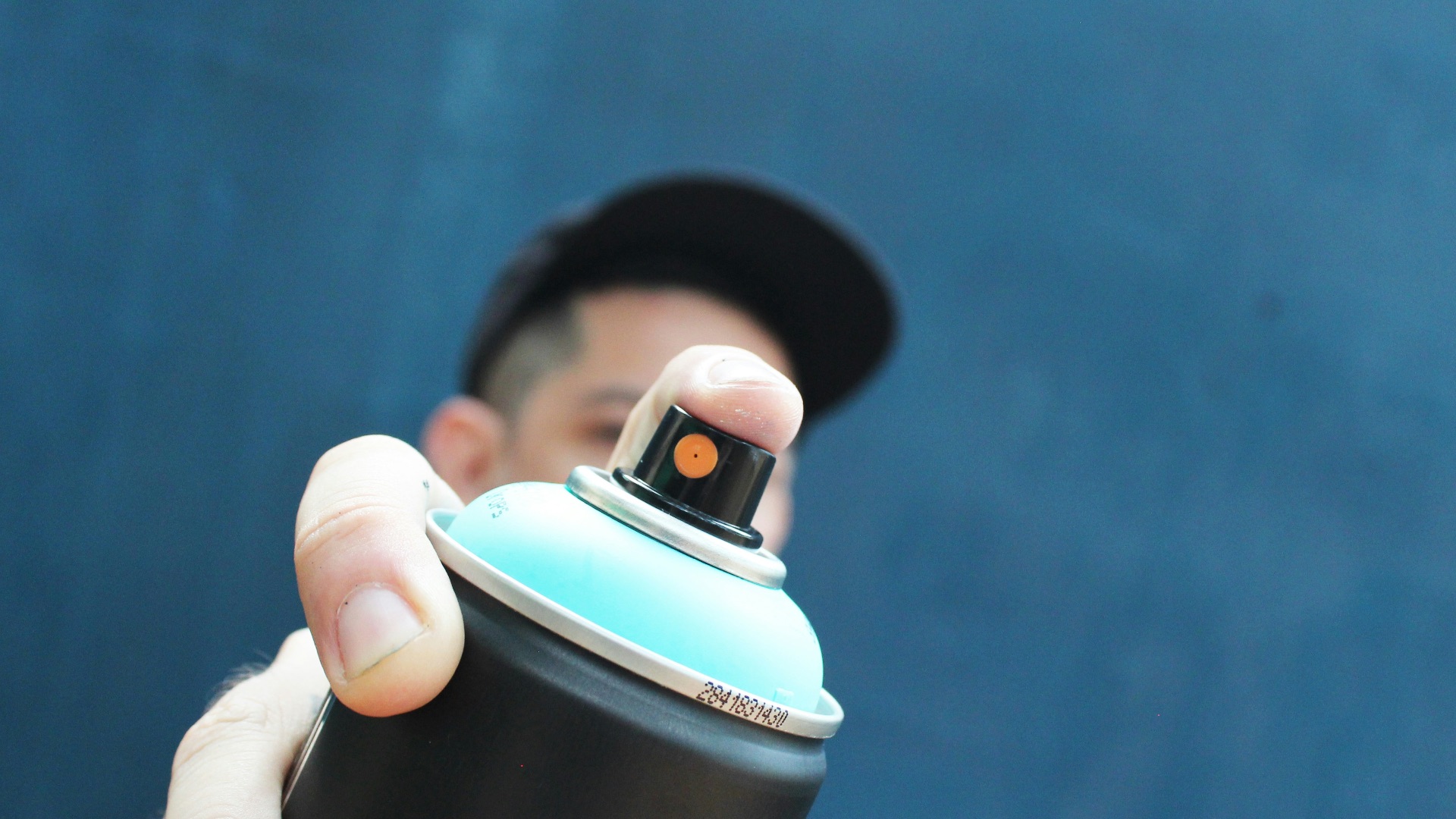
1. Aerosols That Aren’t Medical or Toiletry Sprays
Aerosol cans, such as hairspray and perfumes, can rupture or leak, and the contents often ignite more easily than you’d expect. Even when a spray seems harmless, it can still be restricted if it’s not considered a toiletry or medical product. If it’s the kind of can you’d use for paint, cooking, or household spraying, don’t put it in your checked bag.

2. Any Device Containing Lithium Batteries
Lithium batteries can overheat or short-circuit, and that risk becomes harder to manage when the device is buried in the cargo hold. Airlines often prefer these devices in the cabin so a crew can respond quickly if something starts smoking or sparking. If you’re tempted to check a laptop, power bank, camera, drone, or similar gadget, don’t.

3. Bug Spray Designed to Be Sprayed Into the Air
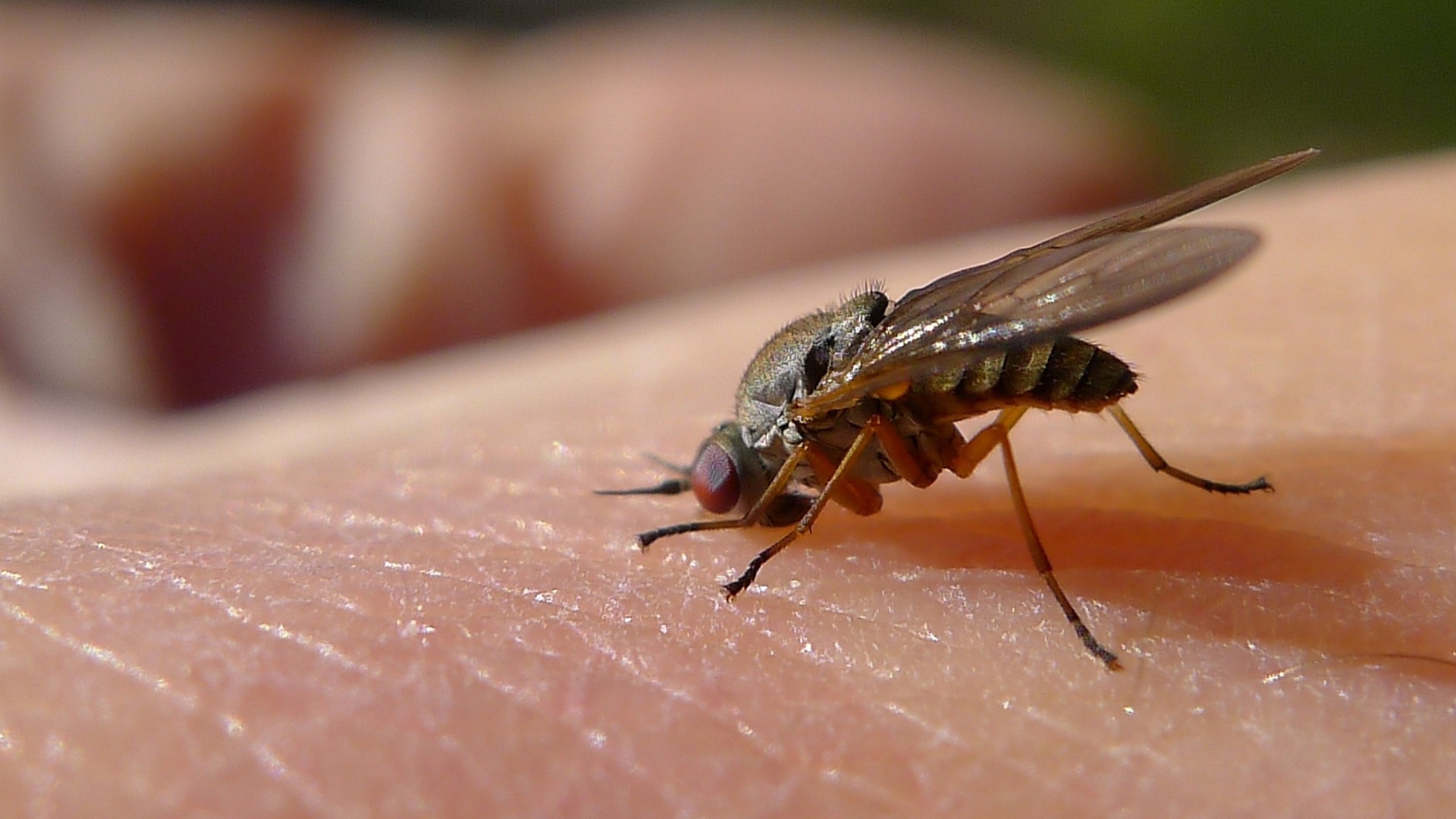
There’s a big difference between the insect repellent you apply to your skin and the products you spray into a room or directly at insects. Airborne bug sprays can fall under stricter hazard rules, which is why they’re treated as a problem item in checked luggage.
 John Tann from Sydney, Australia on Wikimedia
4. Christmas Crackers & Other Party Favors
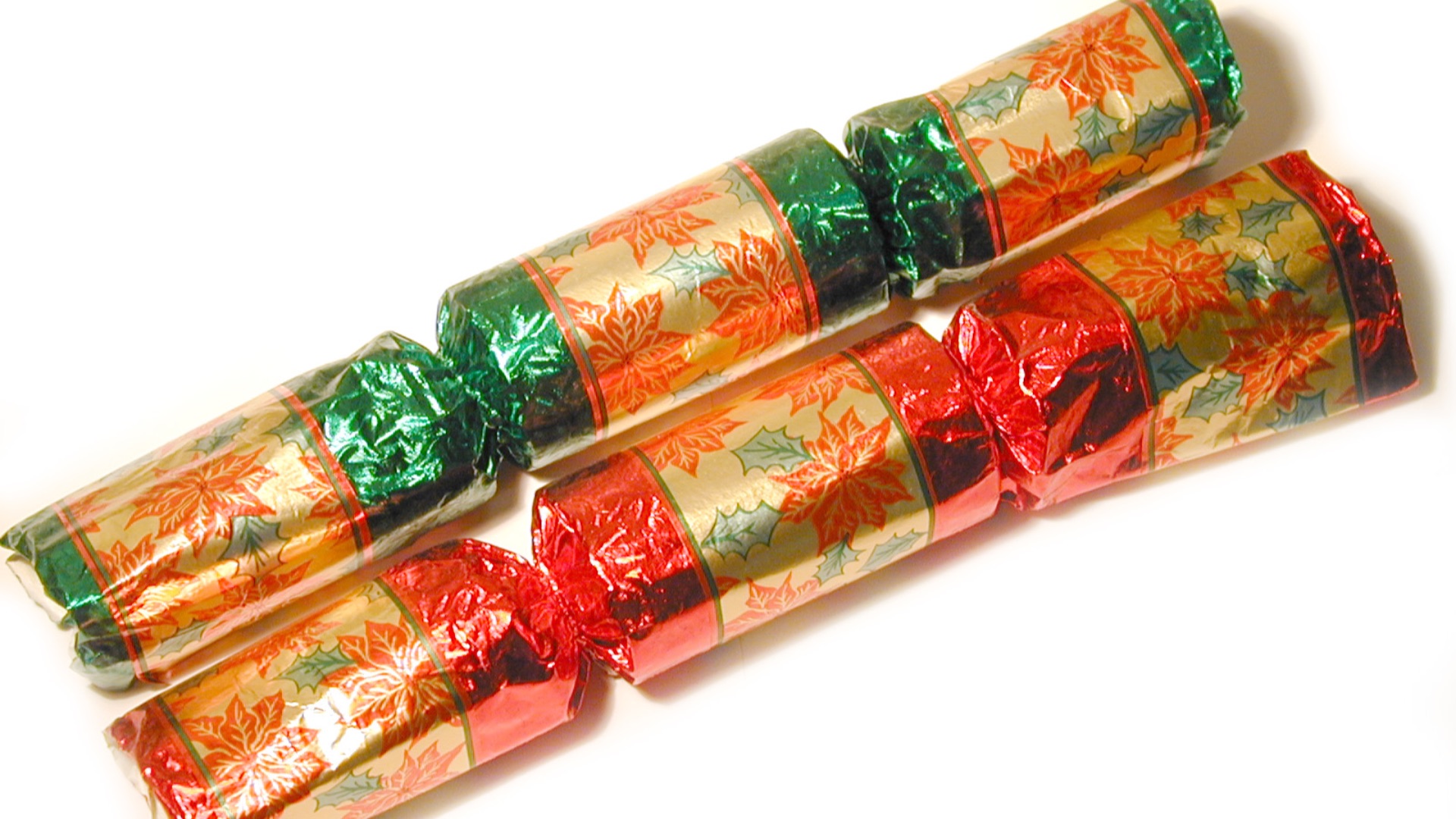
It’s easy to laugh at the idea that a small party favor could be dangerous, but the issue is what’s inside. Christmas crackers contain a small amount of explosive material, and that’s enough to get them barred from flights. Save them for your destination and buy them after you land.
5. Compressed Gases
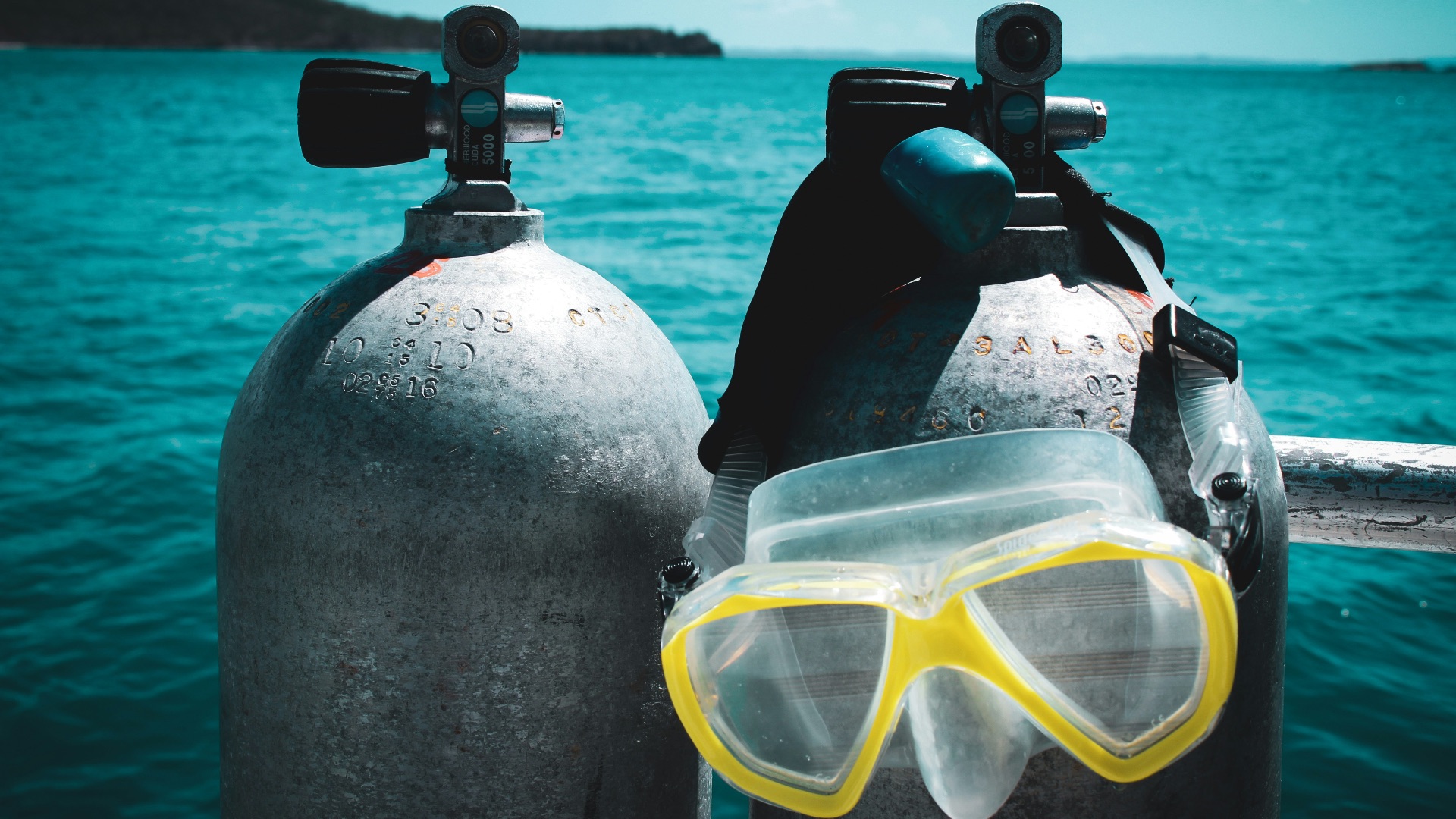
Oxygen tanks, butane, propane, pressurized scuba tanks, and other compressed or flammable gases can turn into serious hazards if the valve fails or the canister is compromised. The rules are strict enough that many aren’t allowed in either checked or carry-on baggage. If you need oxygen, follow your airline’s approved options rather than trying to pack a tank yourself.
6. Corrosive or Oxidizing Chemicals
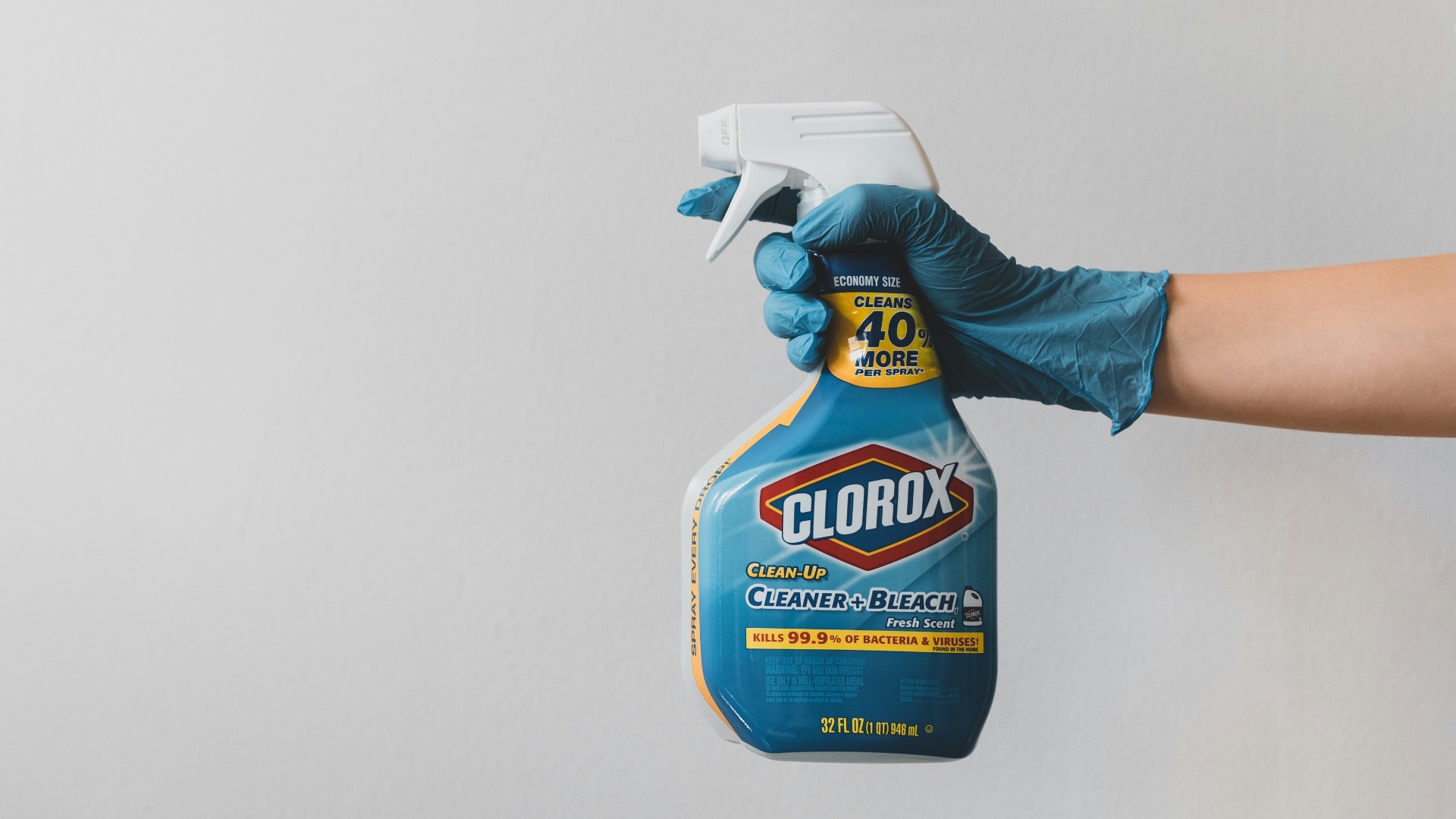
If a liquid can burn skin, strip paint, or corrode metal, it has no business in a suitcase. Even a minor leak can damage other bags and expose workers and passengers to harmful fumes. When you’re deciding, treat “hazmat-adjacent” products as a hard no.
7. Cremated Remains in a Checked Bag
TSA doesn't outright prohibit passengers from carrying cremated remains in checked luggage, but some airlines might, and screening can go a lot smoother when the container stays with you. It's also recommended to use a lightweight container for easy screening. TSA will also never open a container, even if given explicit permission, out of respect for the deceased.

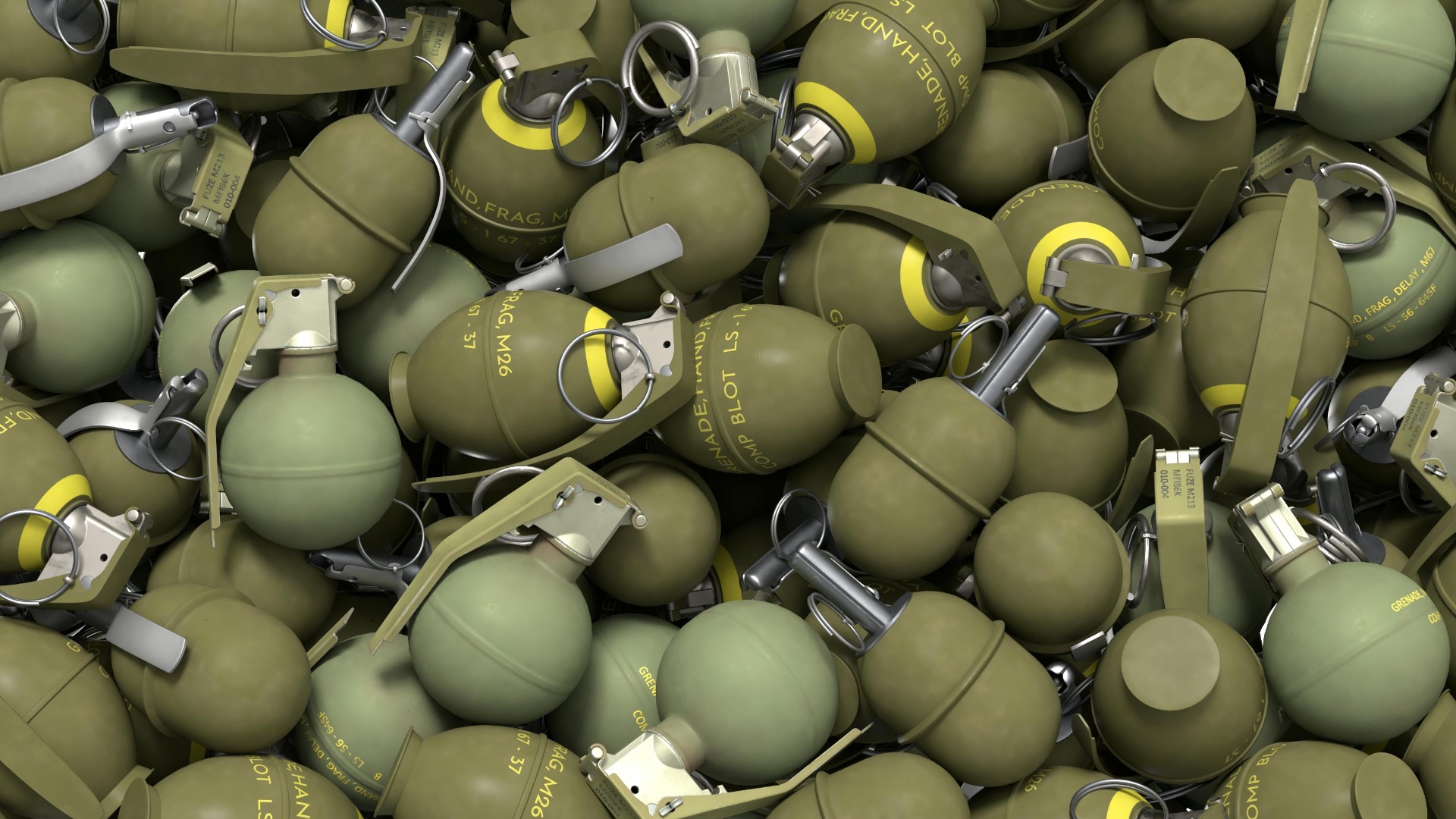
8. Replica Explosives & Toy Grenades
Even if it’s plastic, inert, or sold as a souvenir, a realistic replica of an explosive (like a fake hand grenade) is treated as a serious security threat because it can’t be assumed harmless on sight. Unsurprisingly, TSA strictly prohibits these replicas in both carry-on and checked bags. A lot of airports outside the U.S. take the same approach by banning replica or imitation explosive devices, so the safest move is to leave them out of your bags entirely.
9. Extra-Strong Spirits
High-proof alcohol isn’t just a party supply; at certain concentrations, it’s treated more like a flammable liquid. Drinks above 70% alcohol (140 proof) are not allowed in checked or carry-on baggage. If you’re traveling with specialty liquor, check the percentage before it becomes an expensive mistake.

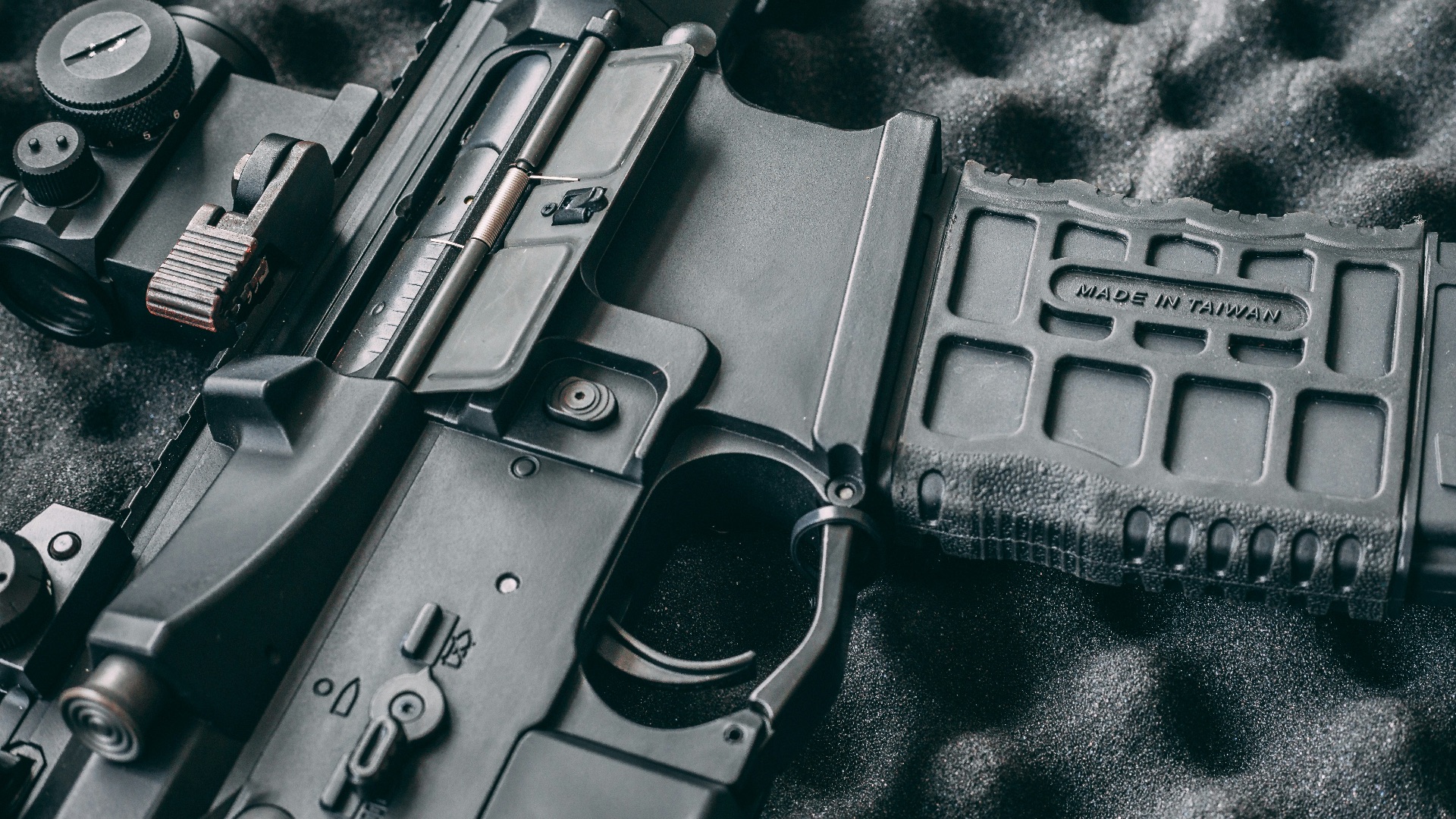
10. Firearms That Aren’t Properly Declared & Secured
A firearm in checked luggage isn’t automatically forbidden, but the allowed method is narrow and strict. It needs to be unloaded, locked in a hard-sided container, and declared at check-in, and airline policies can add extra requirements. If you can’t do every step correctly, don’t bring it.
11. Fireworks, Including the Small Stuff
People hear “fireworks” and think only of big displays, but the tiny versions count too. Sparklers, poppers, and similar items are prohibited because they’re still designed to ignite and explode. If it’s meant to light, snap, bang, or sparkle, it’s not flying with you.

12. Hazardous Materials in General
Some items don’t fit neatly into a category, but they’re still considered hazardous. Toxic substances, flammable liquids, and even certain radioactive materials fall into the prohibited zone. When in doubt, assume strict rules apply and find a safer alternative.
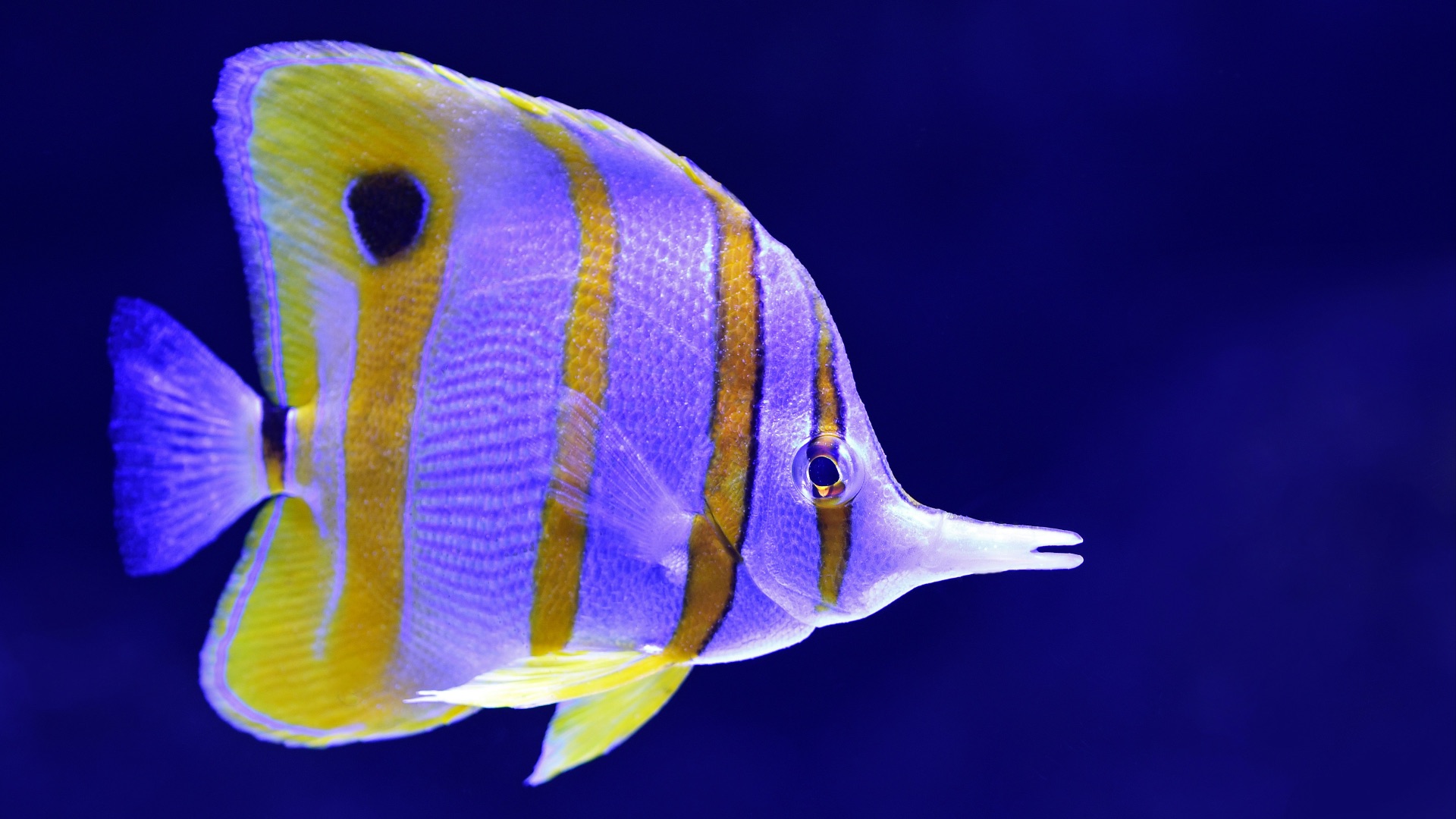
13. Live Fish or Coral
Live aquatic items can leak, break, and create both safety and sanitation issues. Guidance commonly points toward transporting them in a transparent water container in carry-on instead. If you’re traveling with anything alive and delicate, treat your checked bag as the worst possible place for it.
14. Matches
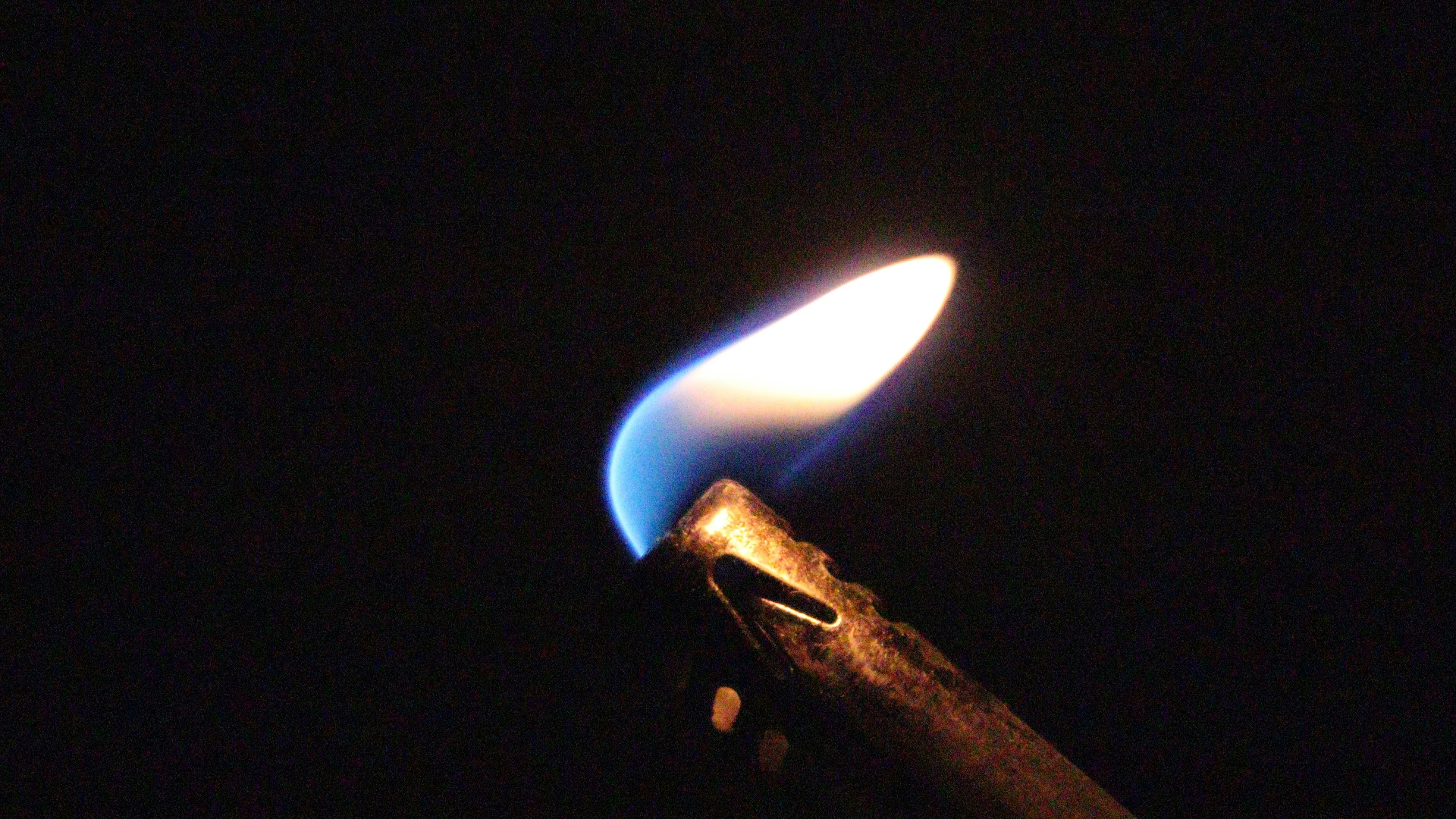
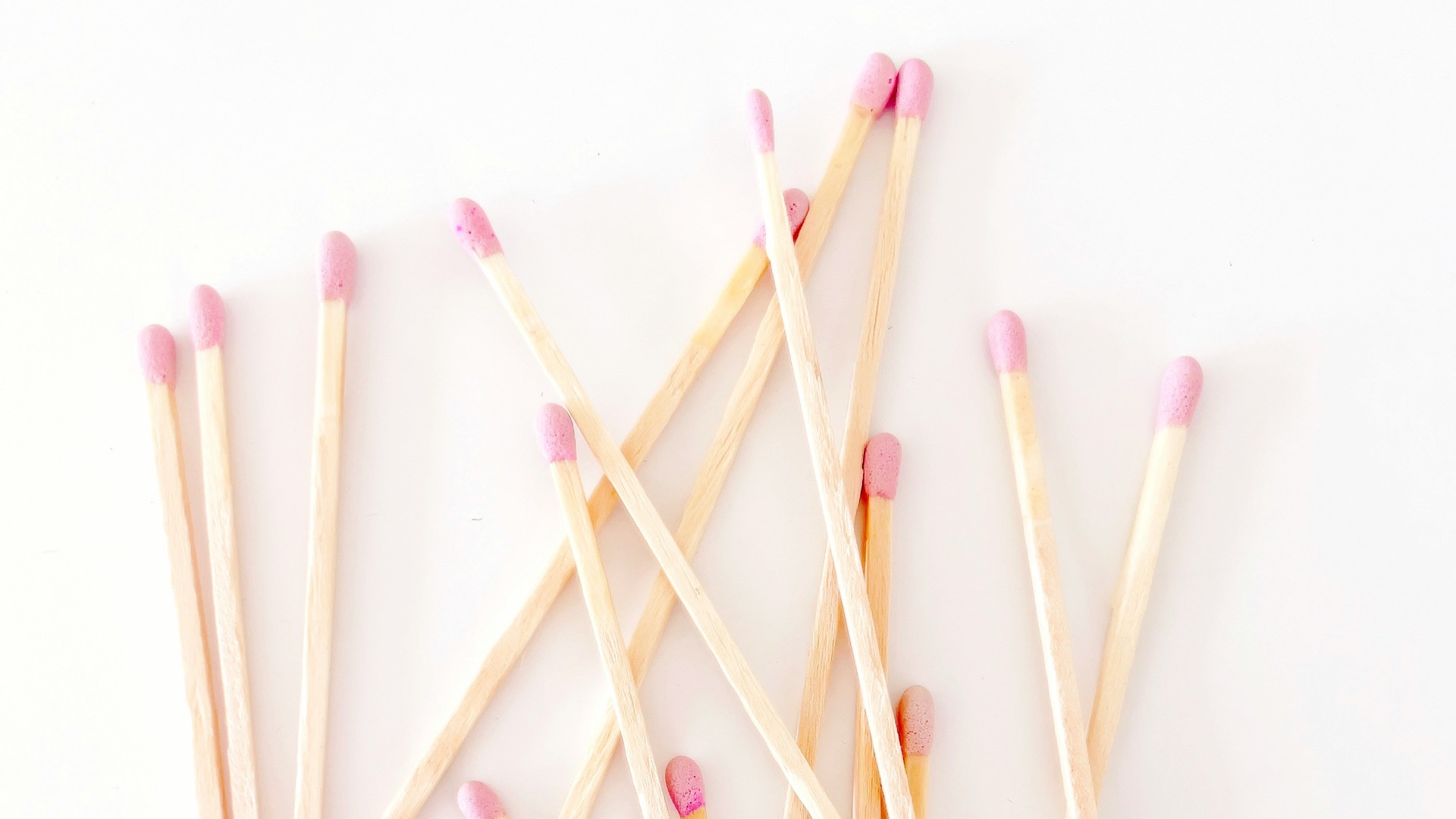
Matches are another ignition source. The rules often allow only limited quantities in carry-on but strictly prohibit them in checked baggage. If you’re bringing them for camping or emergencies, pack within the allowed method or buy them later.
15. Medical Marijuana
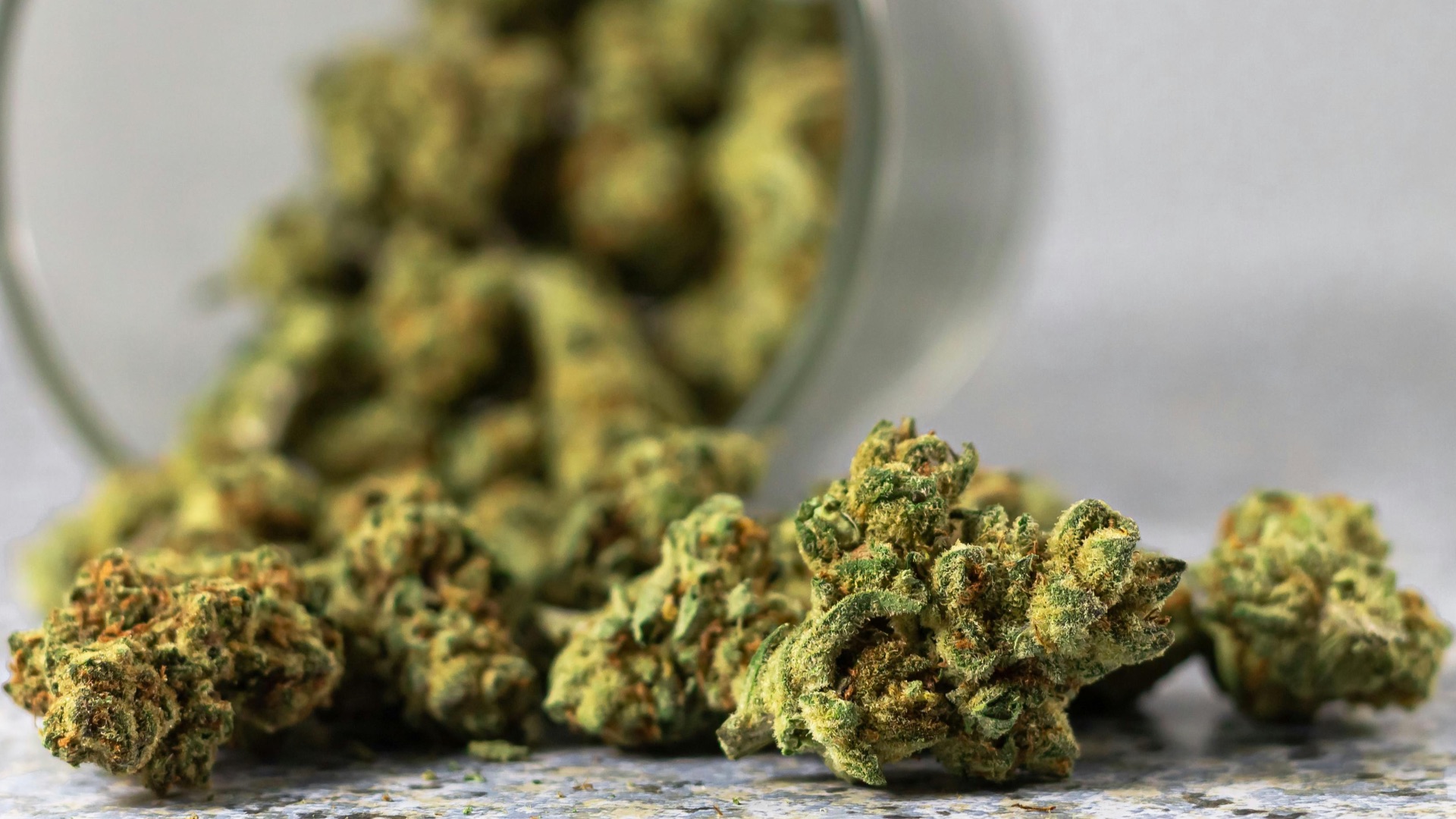
This one may surprise people because state rules and federal rules don’t always match. Even if it’s legal where you live, it can still be illegal under federal law and become a serious issue during air travel. If you don’t want a routine trip to turn into a legal mess, don’t bring it.
16. Mercury Thermometers or Barometers
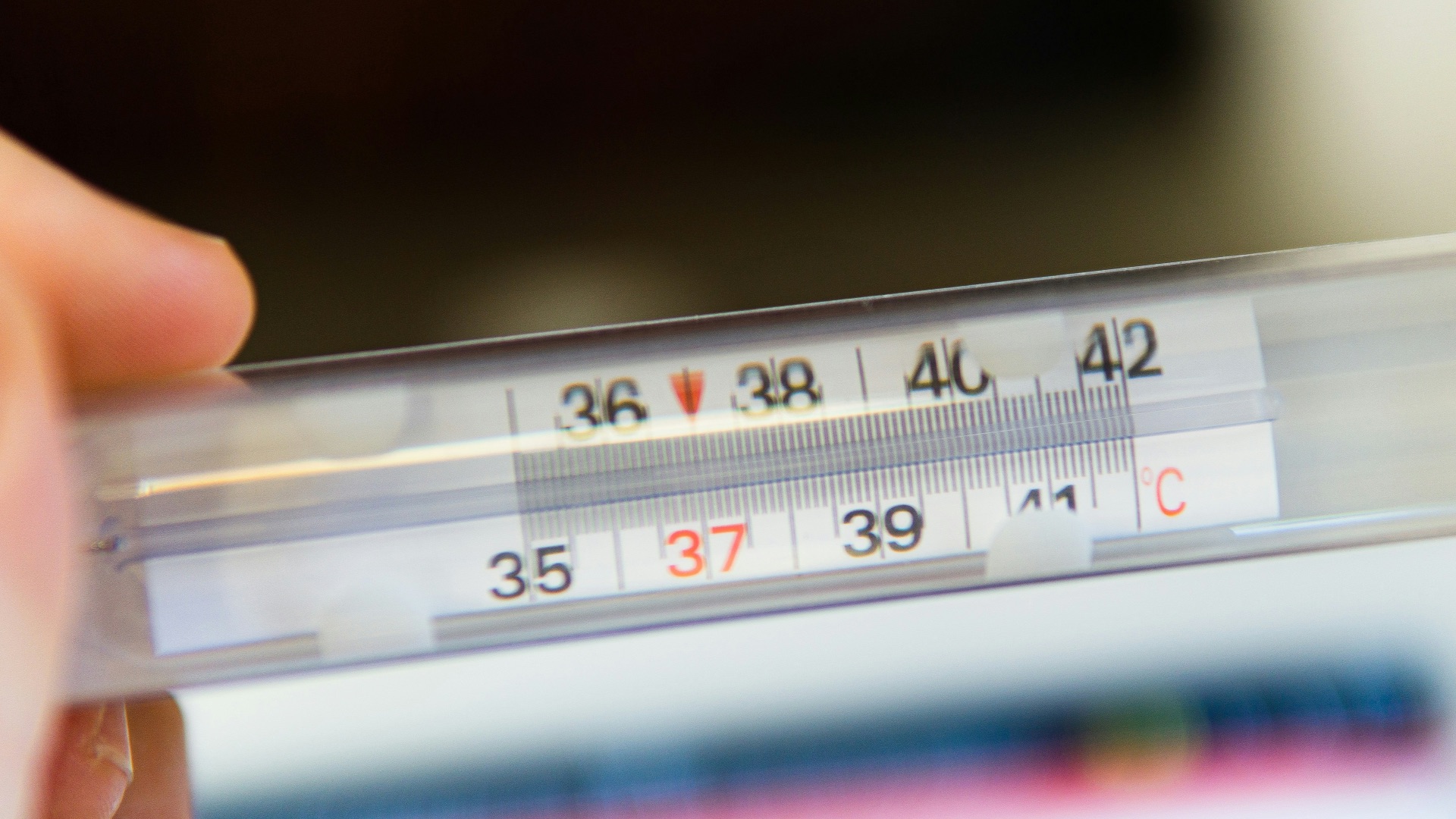
Mercury is toxic, and a broken instrument can create a contamination problem that isn’t simple to clean up. That’s why mercury-based thermometers and barometers are generally not allowed in checked bags. Use a modern alternative and keep the risk off the aircraft entirely.
17. Radioactive Materials & Poisons or Infectious Substances
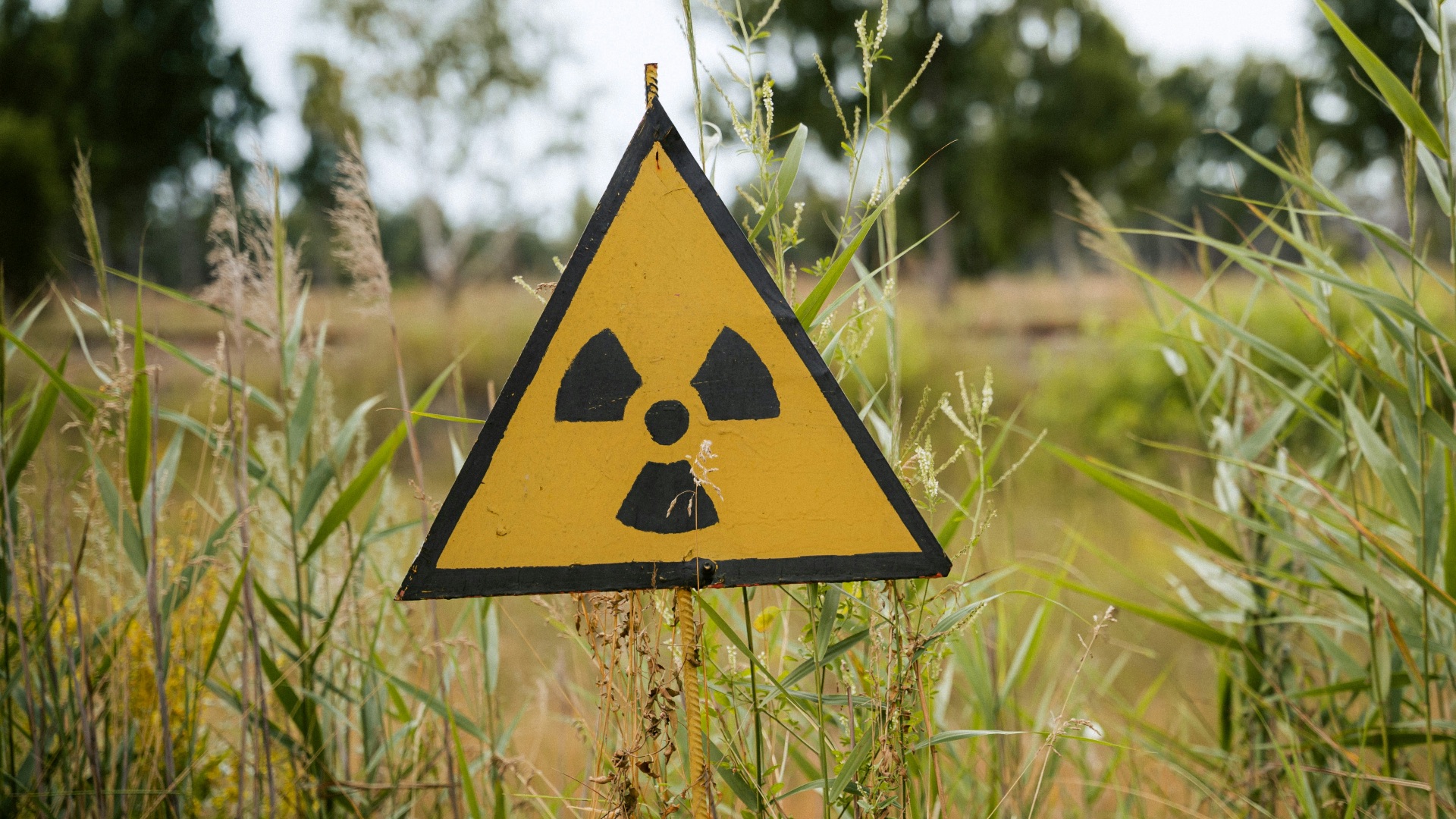
Radioactive materials (including radioisotopes, contaminated equipment, or related materials) don’t belong in your luggage because they fall under hazardous materials that passengers generally can’t carry in either checked bags or the cabin. Poisons and infectious substances are treated the same way, including certain pesticides or herbicides and any specimens known to be infectious or pathogenic, because the risk of exposure or contamination is taken seriously in air travel.
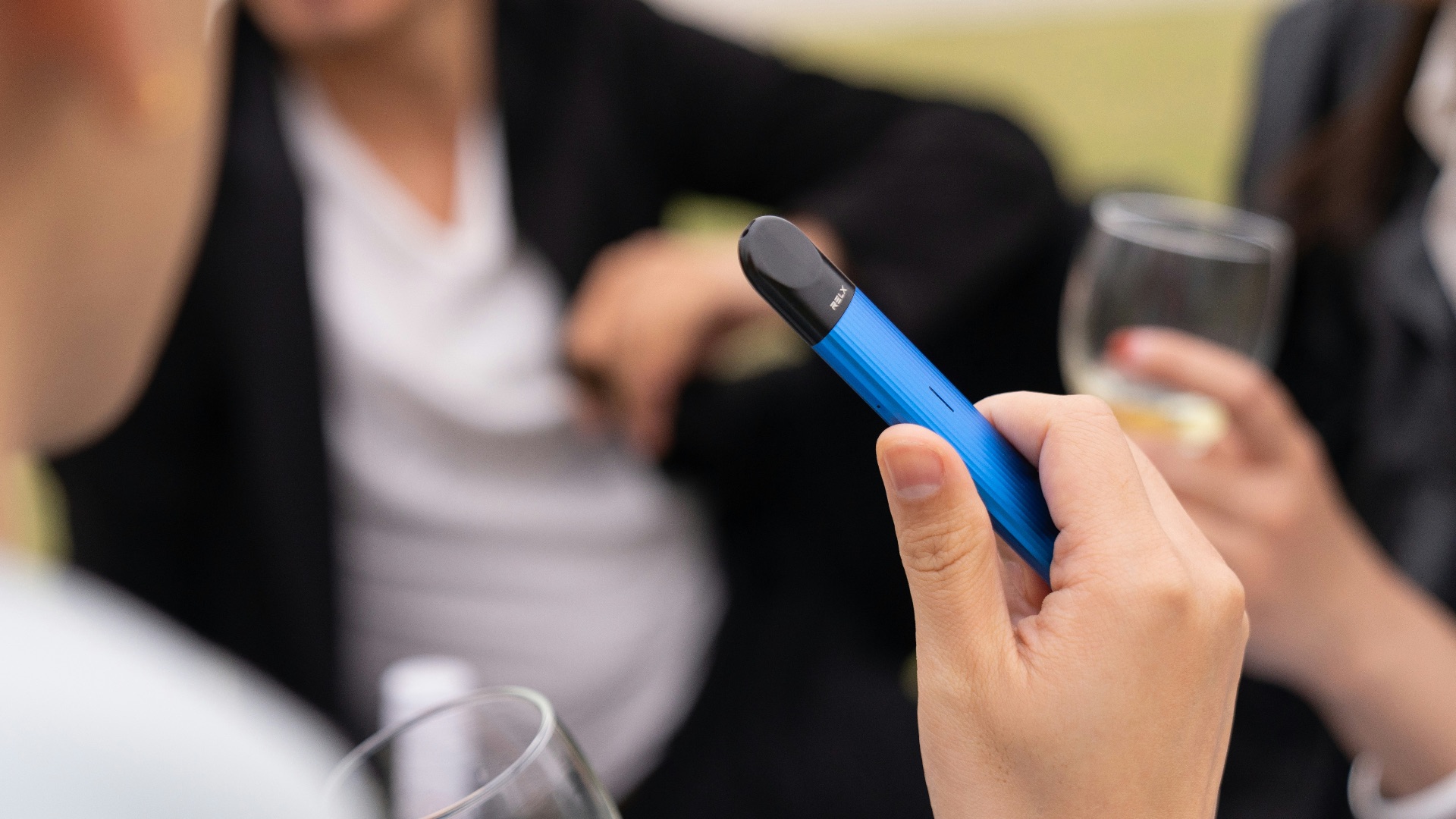
18. E-Cigarettes, Vape Pens, & Vape Batteries
E-cigarettes and vapes are considered lithium-powered devices, meaning they can activate accidentally, and the batteries inside can fail in ways that produce smoke or fire. That’s why they’re typically prohibited in checked luggage and expected to stay with you in the cabin, where issues can be handled quickly. If you can’t keep it accessible and protected, leave it behind.
19. Tear Gas & Over-Strength Self-Defense Sprays
Some self-defense sprays are regulated so tightly that even small containers can be prohibited if they exceed certain limits. The guidance you’re working from notes that pepper spray may be permitted in limited conditions, while tear gas above specific concentrations is prohibited. If you’re not absolutely sure what you have, don’t risk bringing it.
 Keiron Crasktellanos on Unsplash
20. Torch Lighters
Torch lighters produce a high-temperature jet of flame, and that’s exactly the kind of ignition source aviation rules try to eliminate. Even if you’re careful, a damaged or accidentally activated lighter is a risk no one wants in transit. Skip it and choose safer, compliant options for your trip.