It Doesn’t Have To Be Intimidating
Your first solo trip doesn’t need to be filled with bold, movie-style moments to be meaningful. You don’t have to make friends everywhere you go, conquer your fears overnight, or come back with life-altering stories. The most rewarding experiences often come from simple, intentional activities that help you feel comfortable, capable, and present in a new place. Each one helps build confidence in small, manageable ways while still letting you enjoy the freedom that comes with traveling on your own.
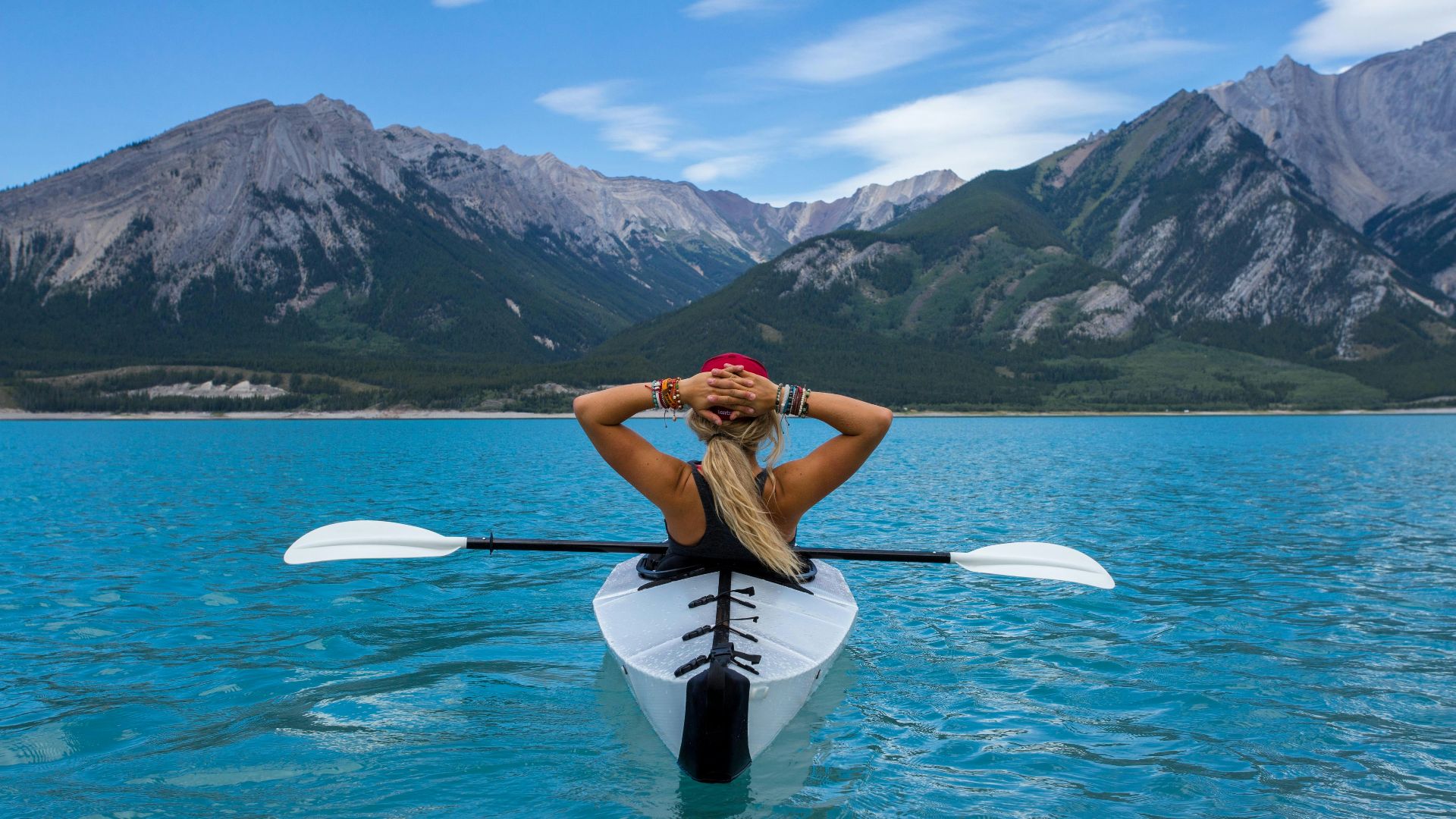
1. Take a Self-Guided Walking Tour
A self-guided walking tour is one of the easiest ways to explore a new destination without feeling overwhelmed. You can download a route, follow an audio guide, or simply walk through a well-marked historic area. There’s no pressure to keep pace with a group or worry about asking questions. Moving at your own speed lets you pause when something catches your attention and skip parts that don’t interest you.
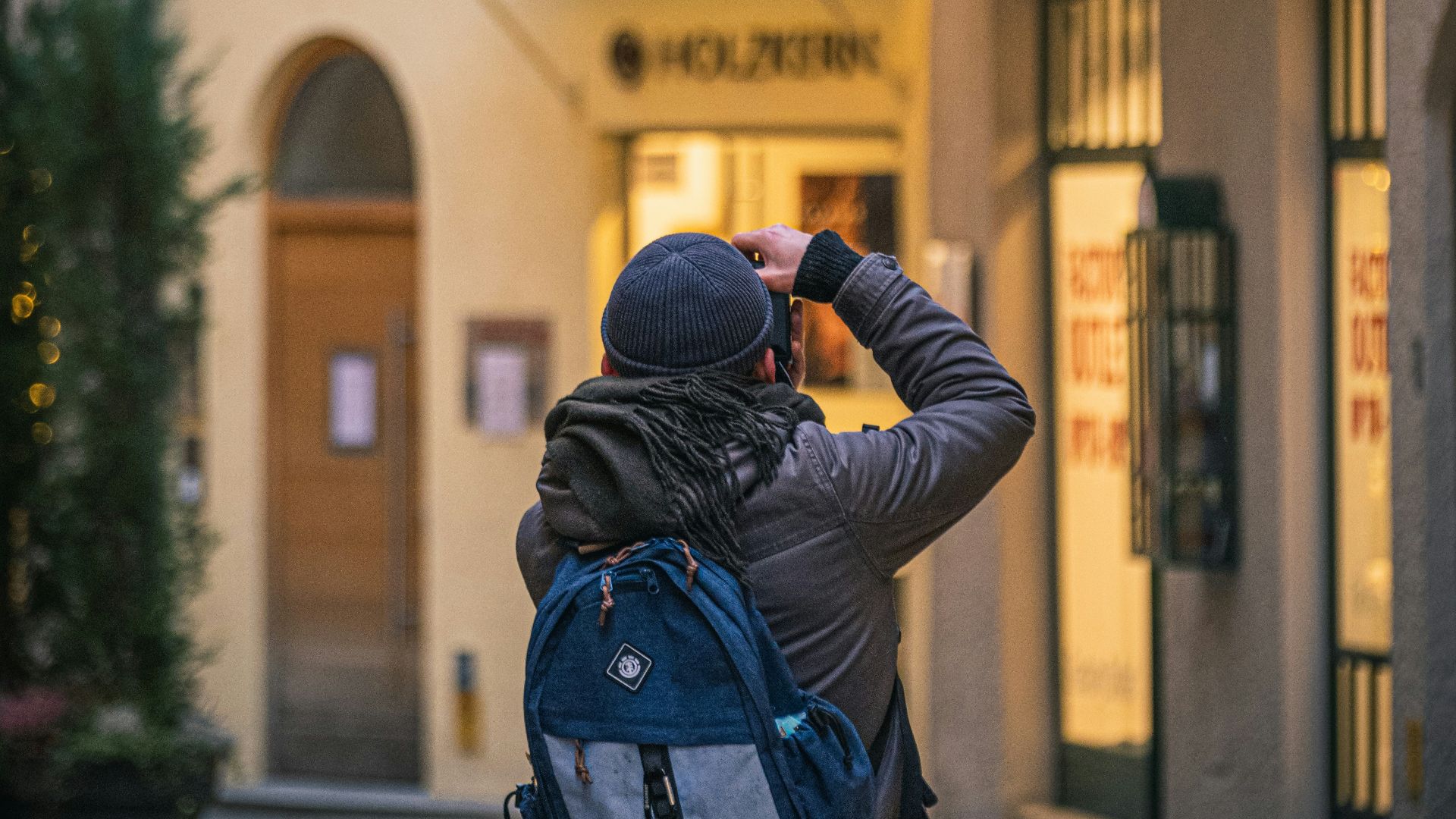 Free Walking Tour Salzburg on Unsplash
2. Eat Breakfast at a Neighborhood Café
Starting your day at a nearby café helps establish a sense of routine, which can be comforting on a solo trip. Morning cafés are usually quieter and more relaxed, making them ideal for solo dining if you’re feeling self-conscious. Sitting with a coffee and a simple breakfast gives you time to wake up, observe your surroundings, and plan your day without rush.

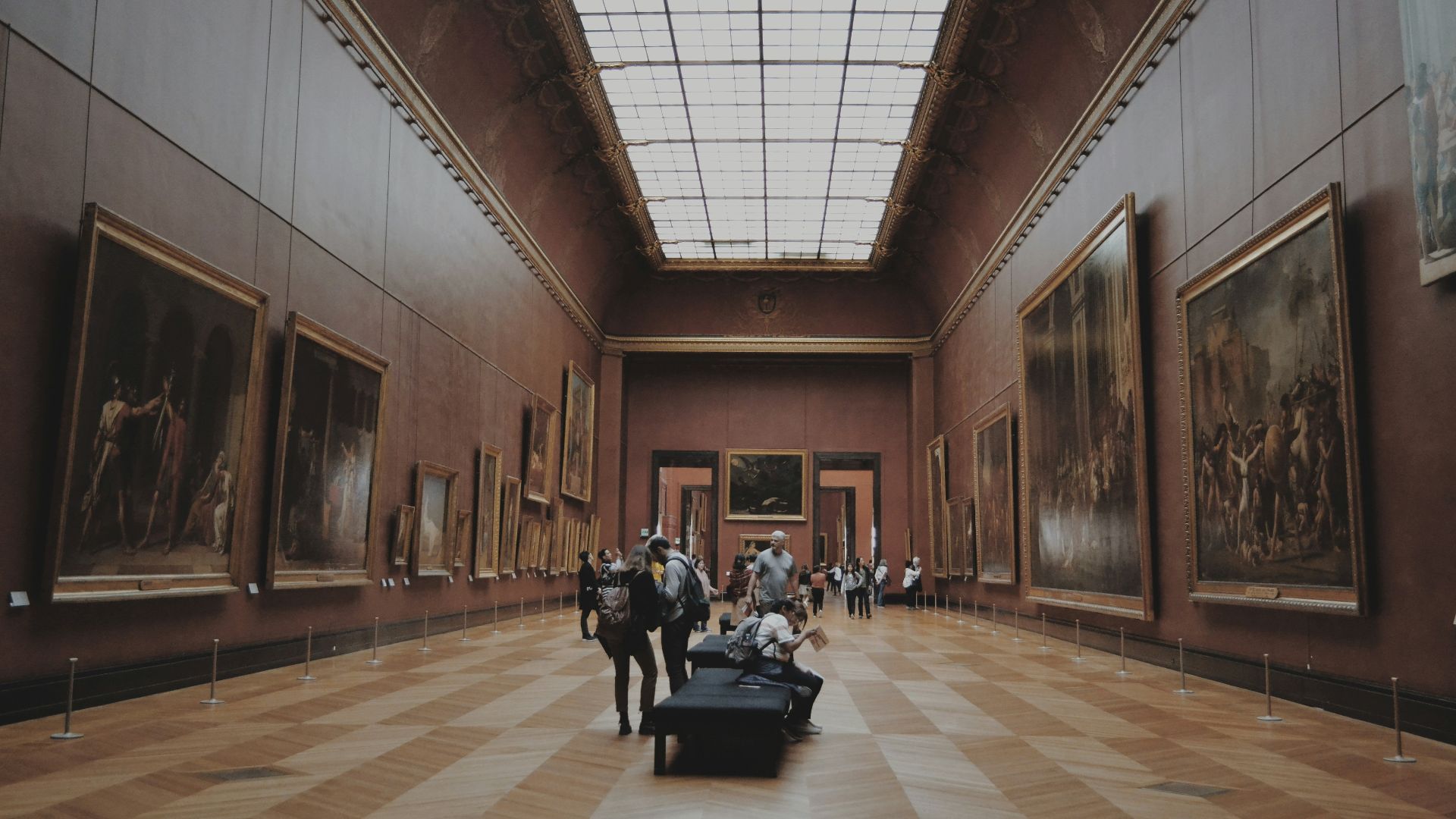
3. Visit a Museum or Cultural Center
Museums are naturally solo-friendly spaces where no one expects conversation. Choosing a museum that genuinely interests you makes the experience feel intentional rather than obligatory. You can move slowly, linger where you want, and leave whenever your energy dips.
4. Go Grocery Shopping Like a Local
Visiting a grocery store or corner shop helps anchor you in everyday life rather than tourist mode. Browsing shelves, comparing snacks, and picking up a few familiar items can feel grounding. It’s also practical, giving you easy food options when you don’t feel like eating out. This simple errand can make a foreign place feel surprisingly normal.

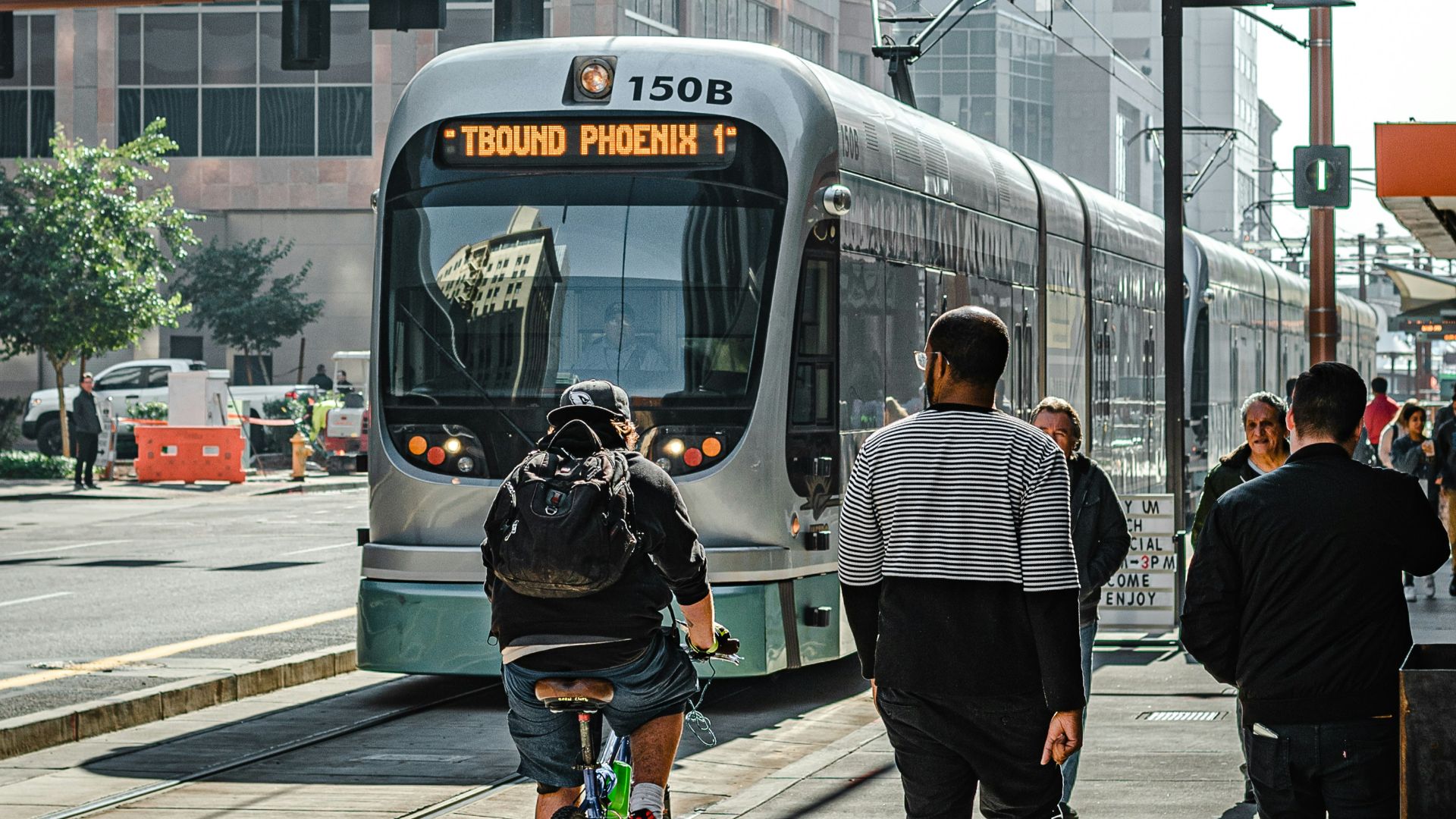
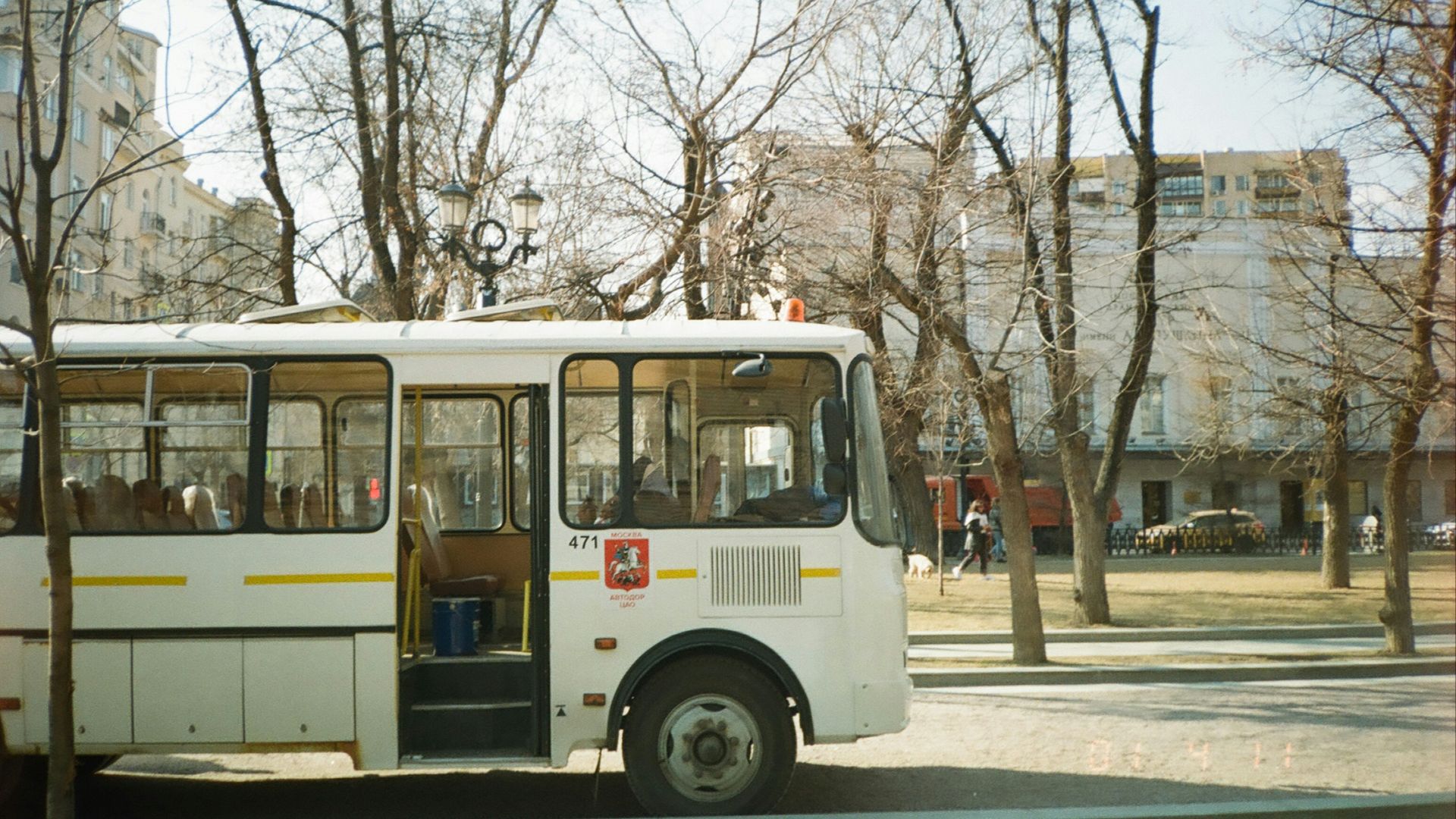
5. Take Public Transportation One Stop at a Time
Public transportation can feel intimidating at first, especially alone. Start with short, low-stakes trips to build confidence. Each successful ride makes the next one easier, and soon the system feels familiar. Learning to navigate buses or trains on your own reinforces independence and reduces anxiety.
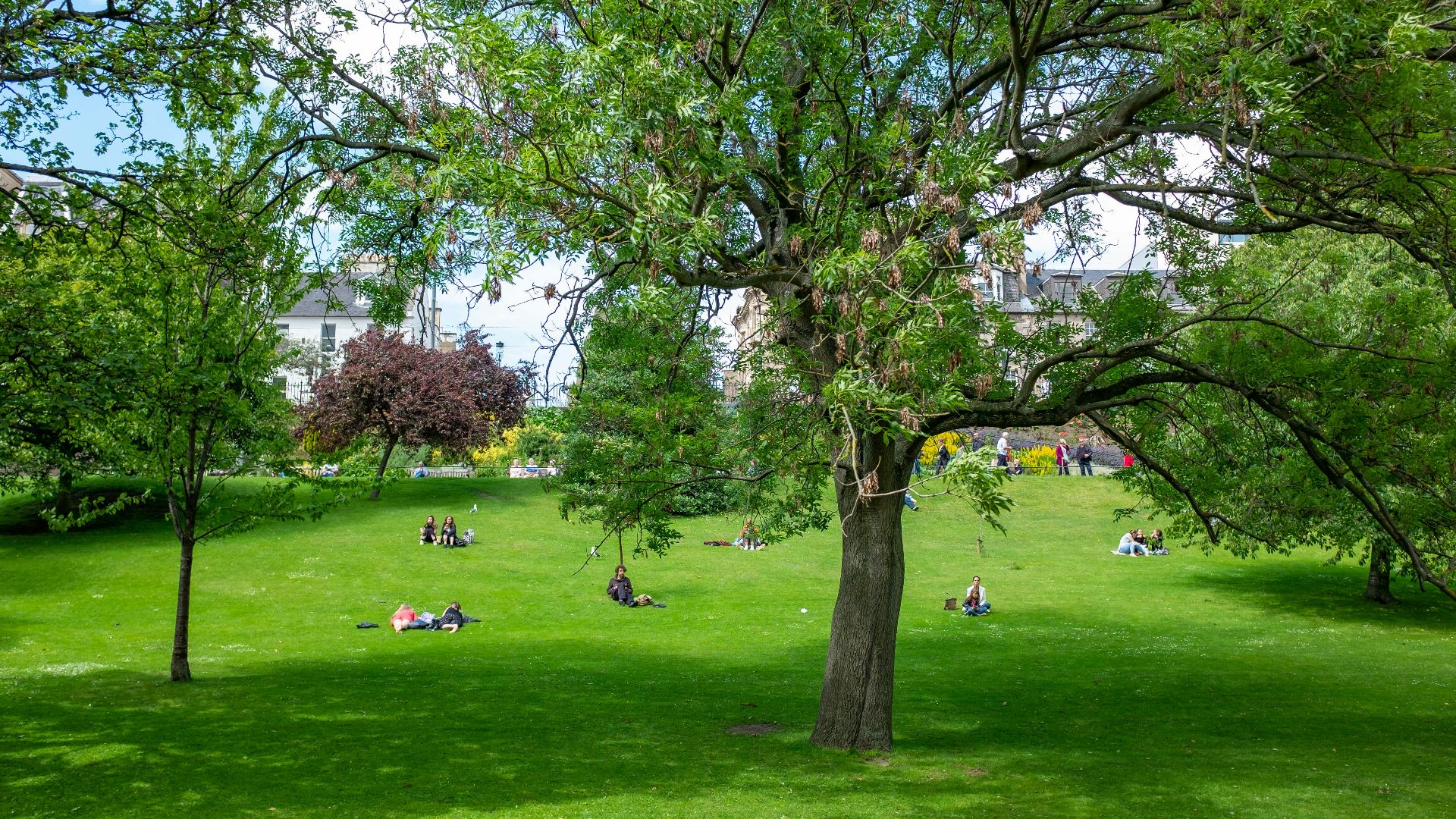
6. Sit in a Park or Public Square
Parks and public squares offer built-in permission to sit and do nothing. Bring a book, listen to music, or just watch the flow of daily life. These moments of stillness help a new place feel lived-in rather than foreign. Downtime like this is especially valuable, especially when solo travel feels emotionally draining.
 Gunnar Ridderström on Unsplash
7. Join a Food Tour or Tasting Experience
Food tours strike a balance between independence and connection. They provide structure, a clear timeline, and a shared focus, which removes pressure from socializing. You can chat casually or stay quiet without it feeling awkward. Exploring a destination through food makes the experience feel richer without requiring constant decision-making.
 Priscilla Du Preez 🇨🇦 on Unsplash
8. Take a Day Trip to a Nearby Town
A short day trip adds variety without the stress of changing accommodations. Planning transport and timing helps you practice trip planning, and also doesn’t require you to haul all of your stuff somewhere an hour away.
9. Browse a Local Bookstore or Record Shop
Independent bookstores and record shops often reflect local culture in subtle ways. You can wander slowly, flip through items, and leave without buying anything. There’s no expectation to engage, which makes it a low-pressure activity. These spaces are comforting for solo travelers who enjoy quiet exploration.

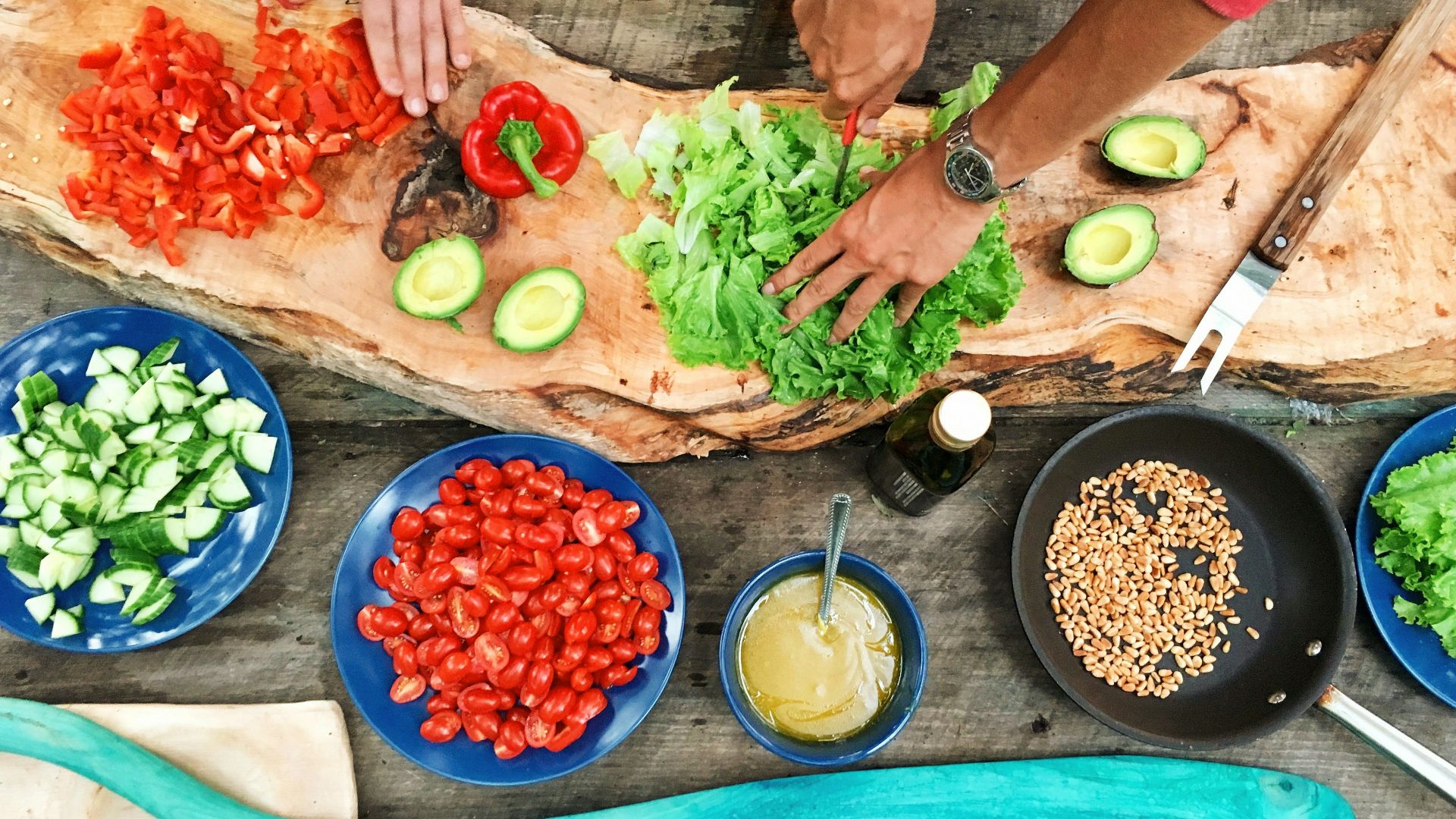
10. Book a Simple Class or Workshop
Beginner-friendly classes give your day structure and purpose. Cooking, art, or photography workshops offer clear instructions that keep your mind occupied. Focusing on learning helps quiet anxious thoughts. You’ll leave with a tangible reminder of your time there, which can feel especially rewarding.
 Maarten van den Heuvel on Unsplash
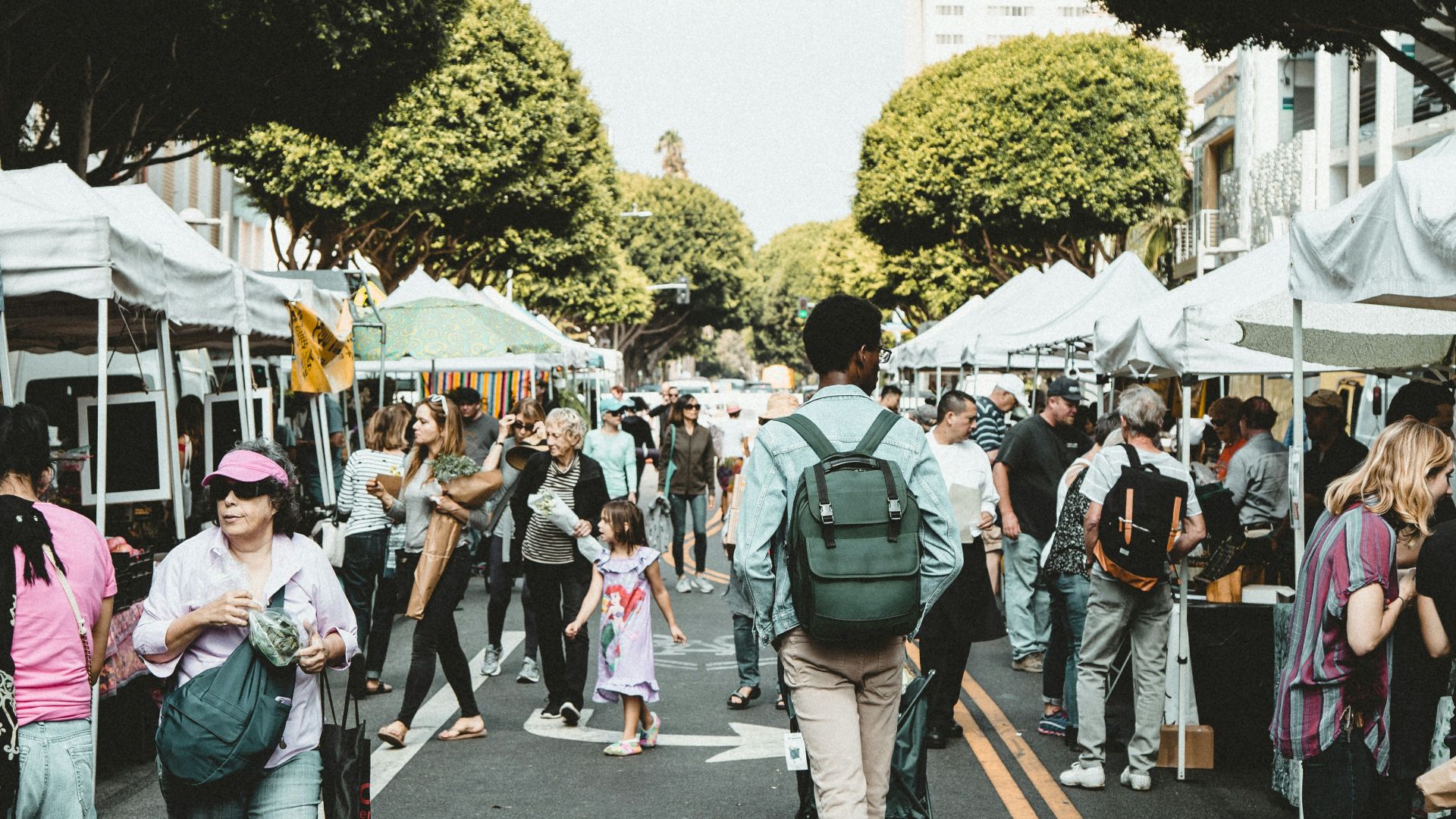
11. Walk Through a Market or Food Hall
Markets are lively but flexible, letting you dip in and out as needed. You can sample food, browse stalls, or simply take in the atmosphere. There’s no commitment to stay longer than you want.
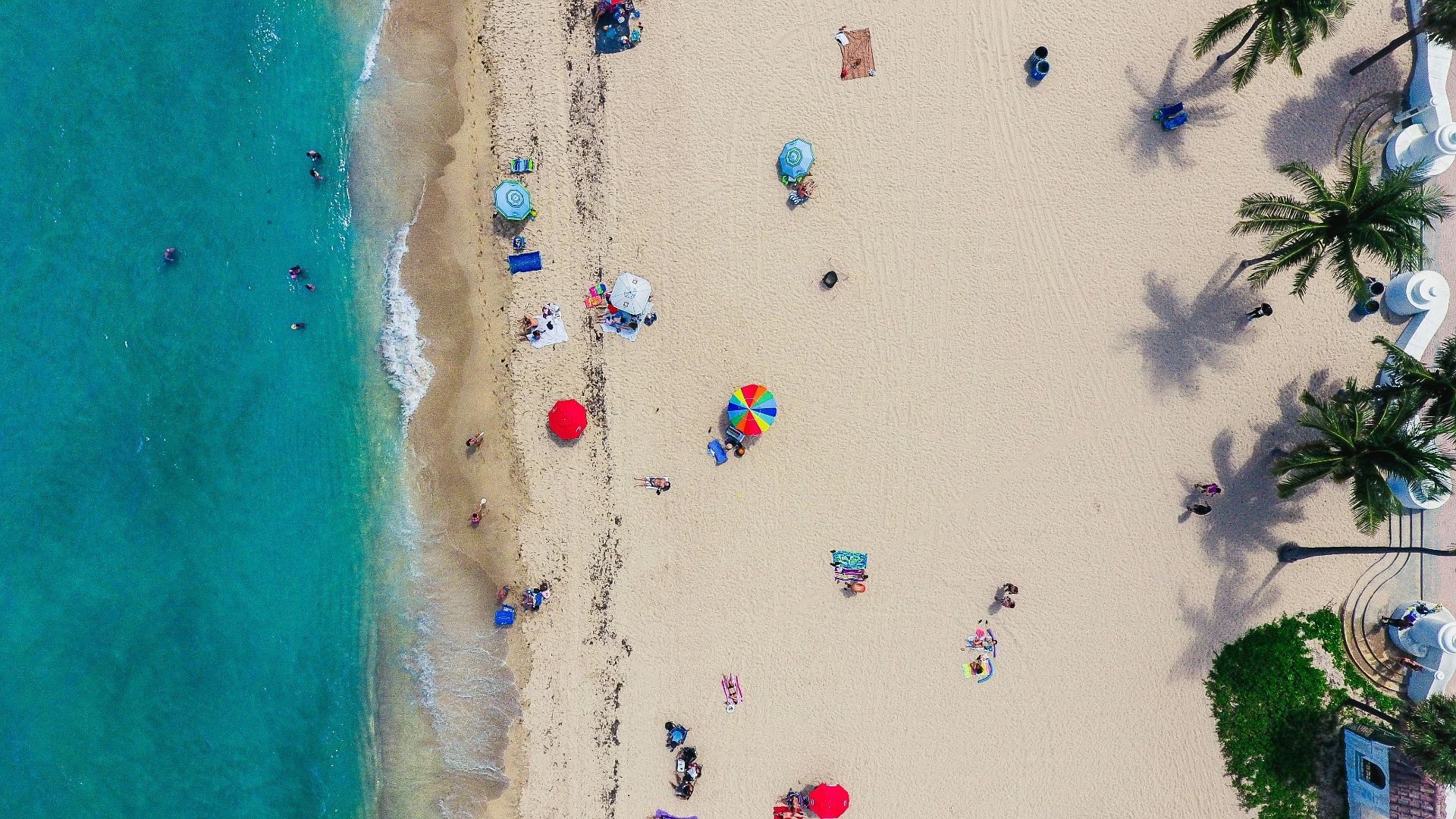
12. Spend an Afternoon at the Beach or Waterfront
Waterfronts naturally encourage relaxation and reflection. Sitting near water slows your pace and helps regulate stress. You don’t need to do anything productive or impressive. Simply being there can restore energy and make solo time feel peaceful rather than lonely.
13. Visit a Well-Known Landmark
Seeing popular landmarks, especially outside of peak hours, reduces crowd stress. You’ll feel less rushed and more present. Exploring alone becomes easier when you don’t have to navigate dense groups.

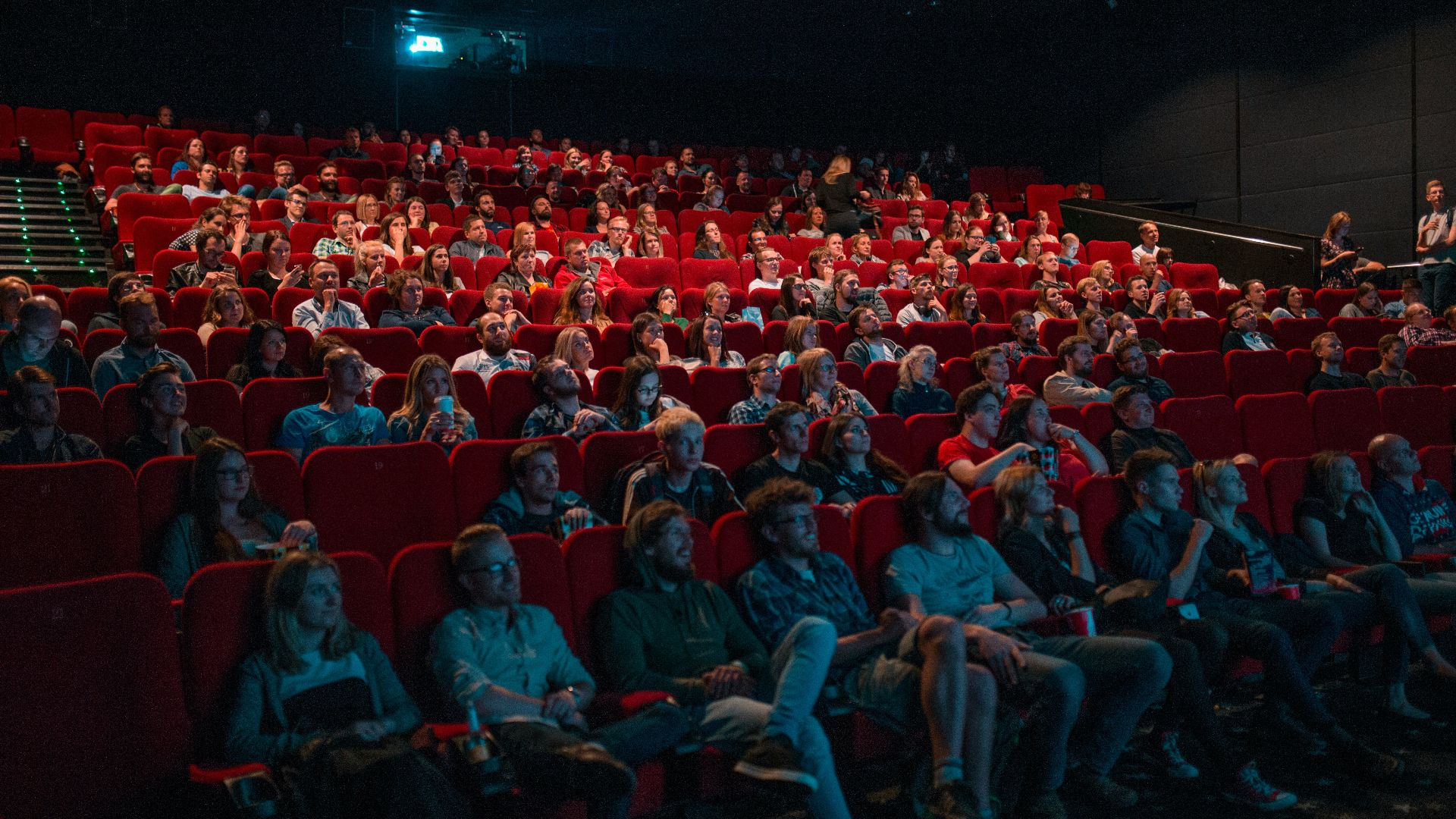
14. Take Yourself to the Movies
Movie theaters are one of the most solo-friendly public spaces. No one expects interaction, and the experience is familiar regardless of location. It’s a comforting break when you want something easy and predictable. Seeing a movie helps you feel like part of local life rather than an outsider.
15. Walk a Scenic Trail or Promenade
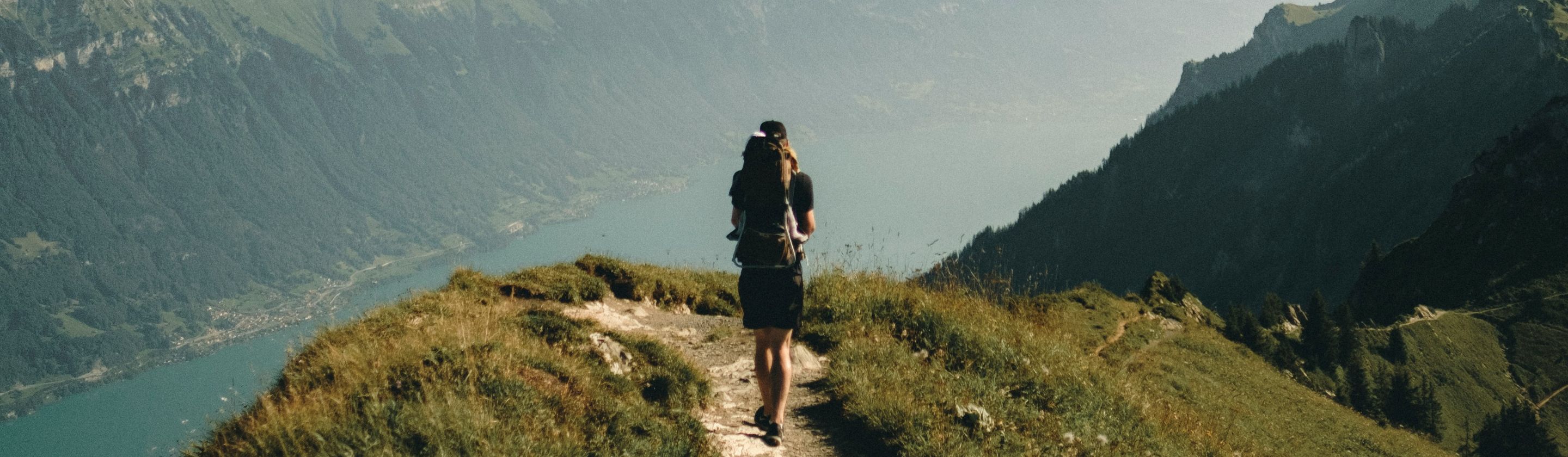
Clearly marked paths and promenades offer movement without uncertainty and are a great mood booster. Not to mention that getting away from the hustle and bustle of the city is important, no matter where you are.
 Frames For Your Heart on Unsplash
16. Go Shopping
Shopping alone lets you explore without pressure or commentary. You can take your time and notice details you might otherwise miss. Local shops often reflect regional style and creativity. Even window shopping can feel like a small discovery.

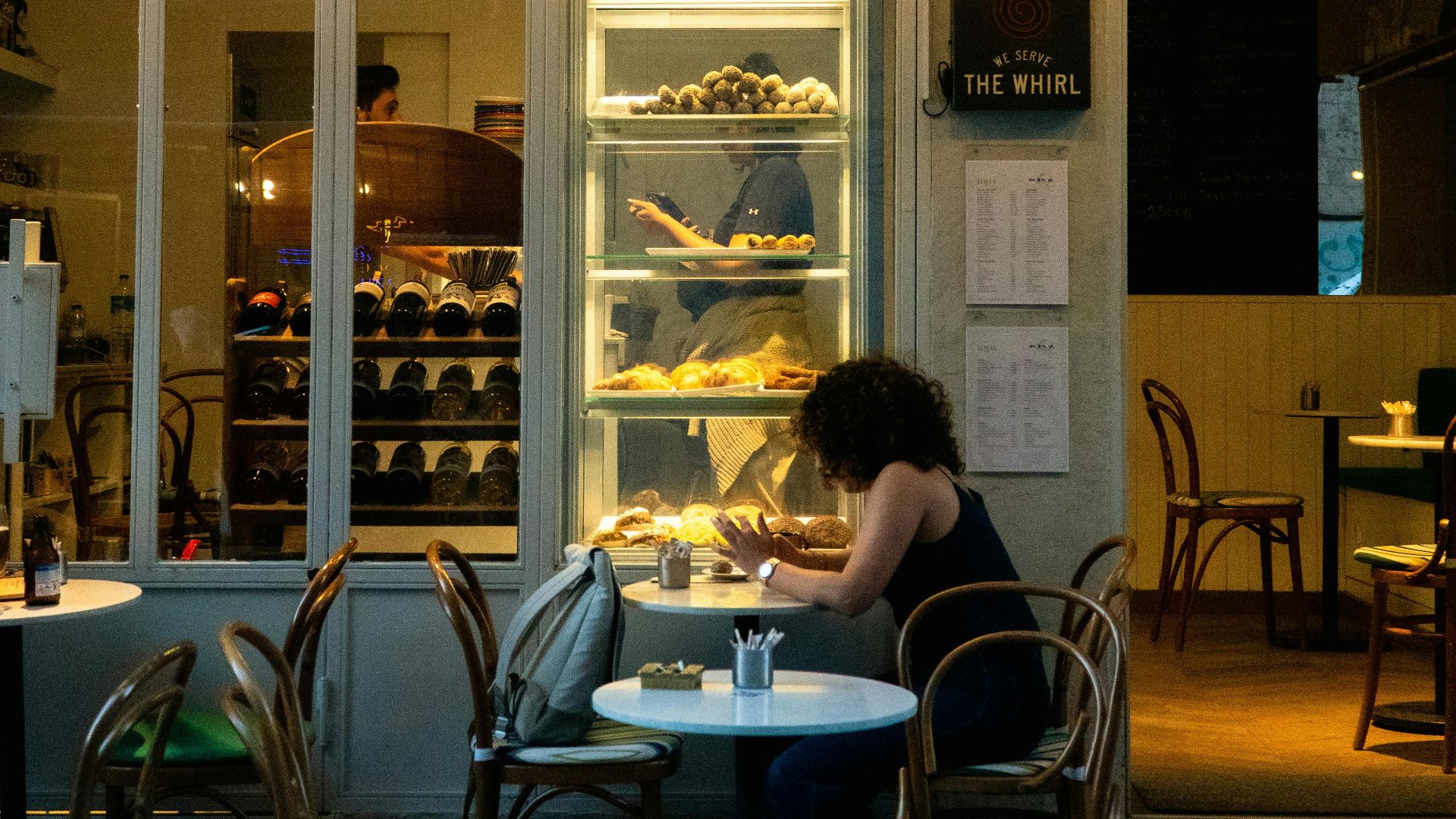
17. Visit a Local Café at Night
Evening cafés offer a softer alternative to nightlife. Sitting with a drink and people-watching lets you enjoy being out without social expectations. If you’re lucky, maybe you’ll come across someone strumming a guitar or speaking in rhymes. You get a comfort beverage and a show, what could be better?
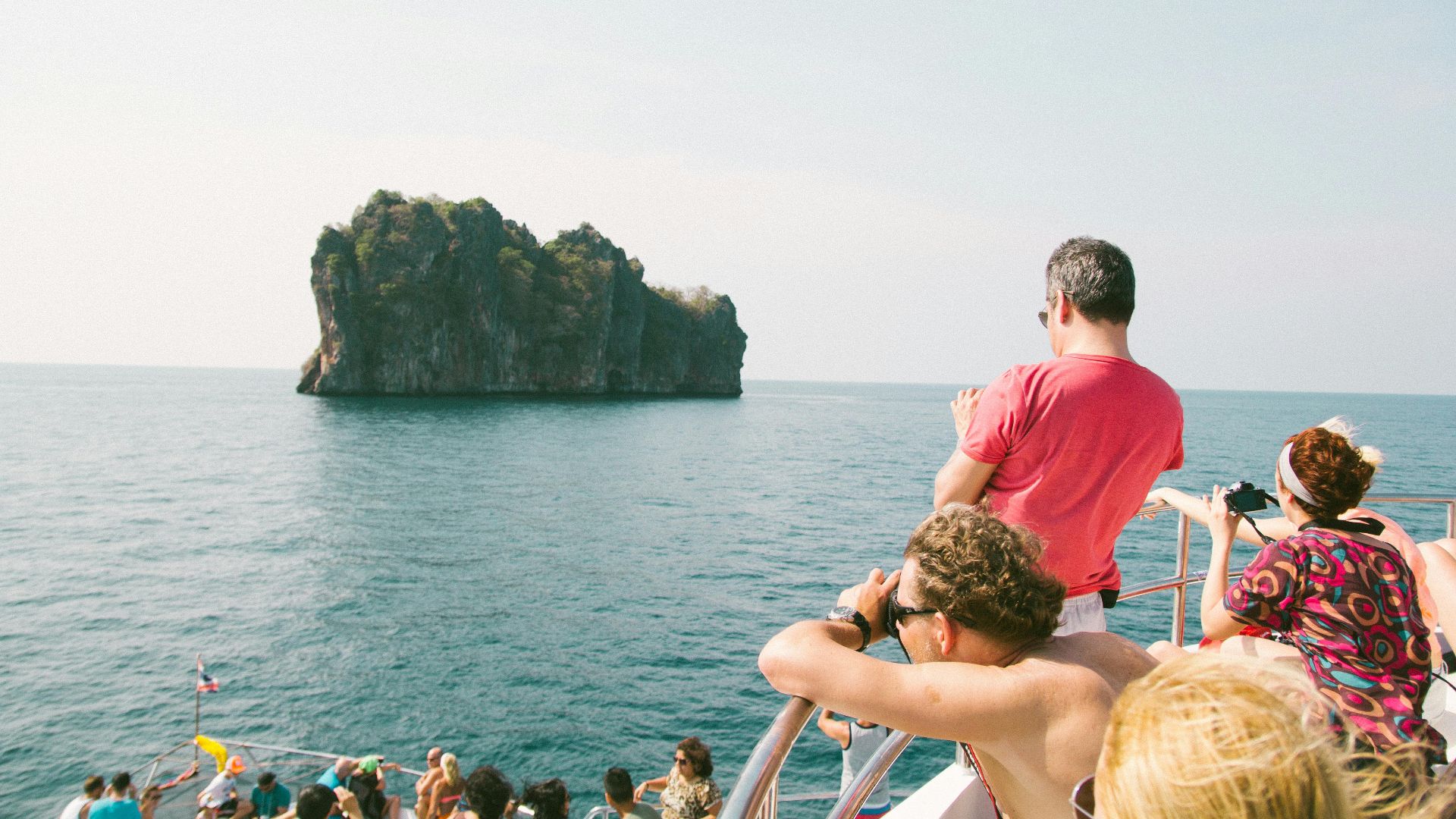
18. Take a Guided Day Excursion
Guided excursions remove the burden of planning and logistics. Transportation, timing, and navigation are handled for you. This is especially helpful early in a solo trip when decision fatigue is high. You can focus on enjoying the experience rather than managing details.
19. Plan One “Comfort Activity”
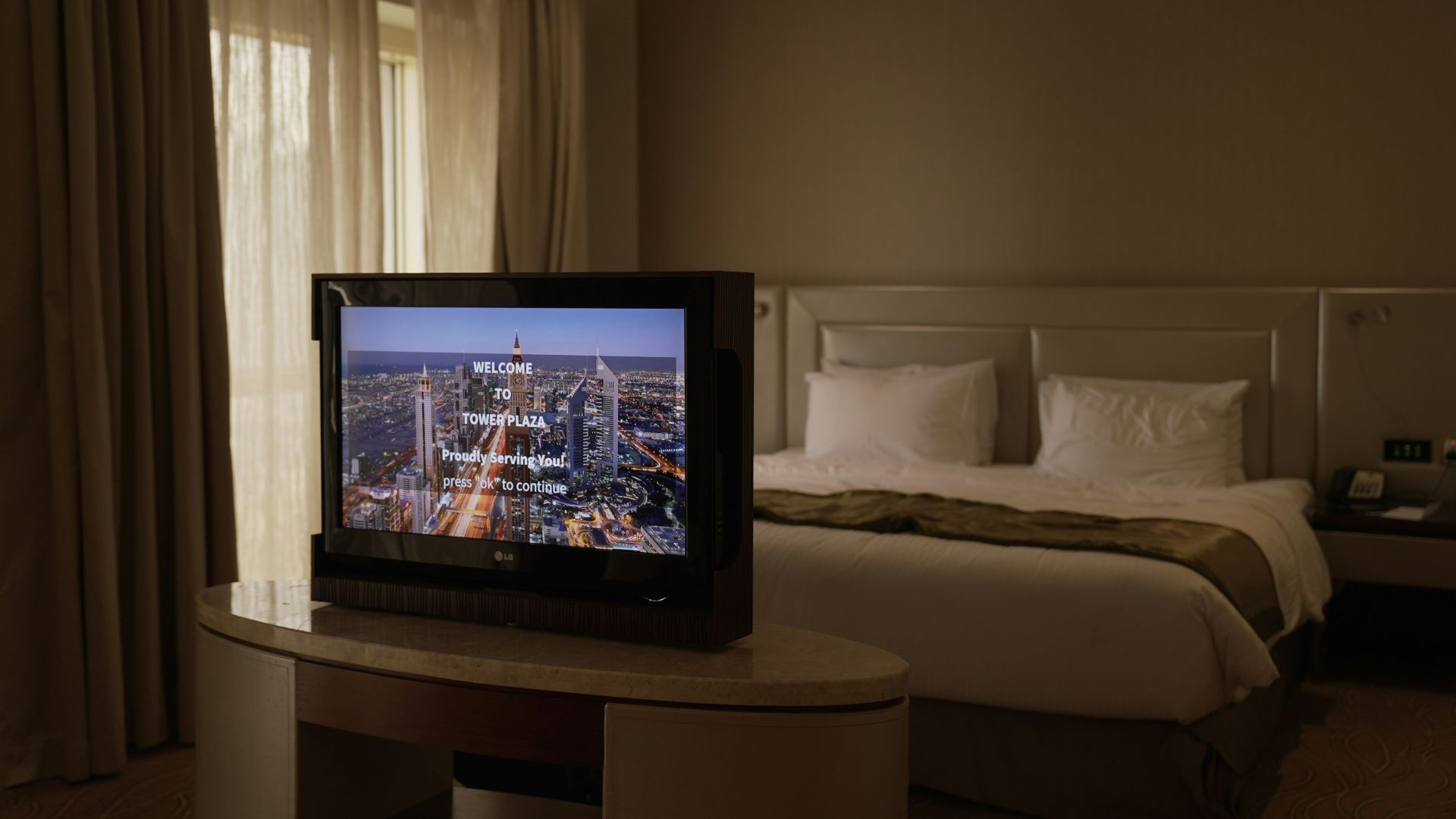
Comfort activities are an important part of solo travel, not a failure. Watching a familiar show, ordering takeout, or having a quiet night helps recharge emotional energy. Feeling safe and rested allows you to enjoy other activities more fully. Balance is what makes solo travel sustainable.
20. Reflect on the Trip Before You Leave
Taking time to reflect helps you recognize how far you’ve come. Journaling or revisiting a favorite spot lets the experience settle. Even small accomplishments matter, especially on a first solo trip. All we can promise is you won’t be able to wait long before planning your next one.