Traveling with a baby can be an exciting adventure, but it also comes with unique challenges. Airplanes, with their confined spaces and constant movement, aren’t always the easiest environment for little ones. Before you board your next flight, it helps to know some strategies to keep your baby comfortable and the journey as smooth as possible.
Being prepared isn’t just about packing diapers and bottles, it’s about understanding how flights can affect your baby and planning accordingly. With a few thoughtful tips, you can make flying less stressful for both you and your infant. Knowing what to expect will help you focus on the experience instead of worrying about every small hiccup.
Preparing For The Flight
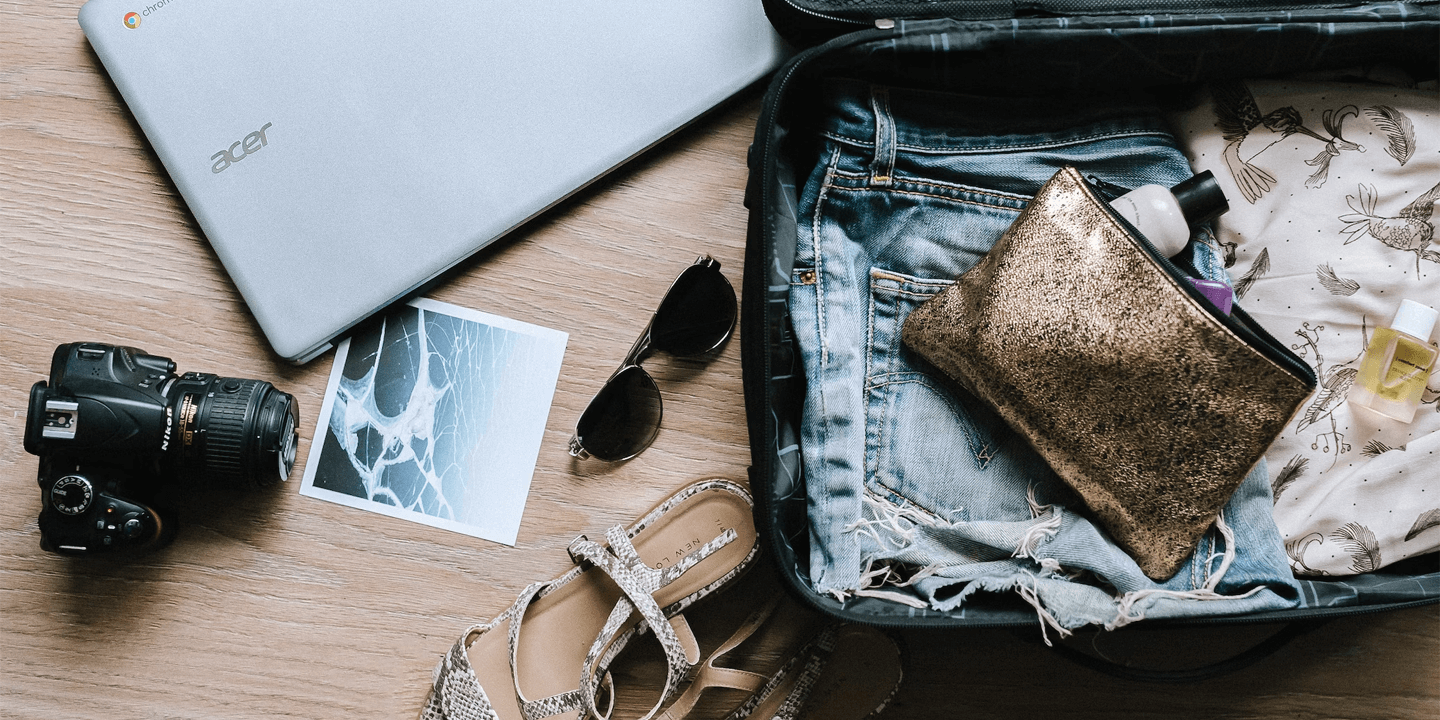
Preparation is the first key to a successful trip with a baby. Start by packing smart: diapers, wipes, extra clothing, and bottles are obvious essentials, but don’t forget small comforts like a favorite blanket or toy. Familiar items can help soothe your baby in an unfamiliar environment.
Check airline policies ahead of time. Different carriers have varying rules about bassinets, stroller check-in, and even seating arrangements for families. Understanding what’s available allows you to make the most of your options and avoid last-minute surprises at the gate.
Timing your flight can also make a big difference. If possible, choose flights that align with your baby’s natural nap schedule. Traveling when your little one is already likely to sleep can reduce fussiness and make the experience more manageable for everyone on board.
Handling In-Flight Challenges
Babies often struggle with changes in cabin pressure during takeoff and landing. One effective way to ease discomfort is to have your baby suck on a bottle, pacifier, or even breastfeed during these times. Swallowing helps equalize pressure in the ears, which can prevent painful earaches.
Feeding is another consideration. Bringing enough formula, breast milk, or snacks for older infants is essential, but remember that security regulations may affect how you carry liquids. Most airlines allow reasonable amounts for infants, but it’s wise to check rules in advance and label containers clearly for security screening.
Keeping your baby entertained is also important. Even a short flight can feel long for a restless infant, so small toys, soft books, or interactive games can help distract them. Rotating items and offering something new every so often can prevent boredom and make the journey smoother for both you and your fellow passengers.
Making The Experience Easier For Everyone
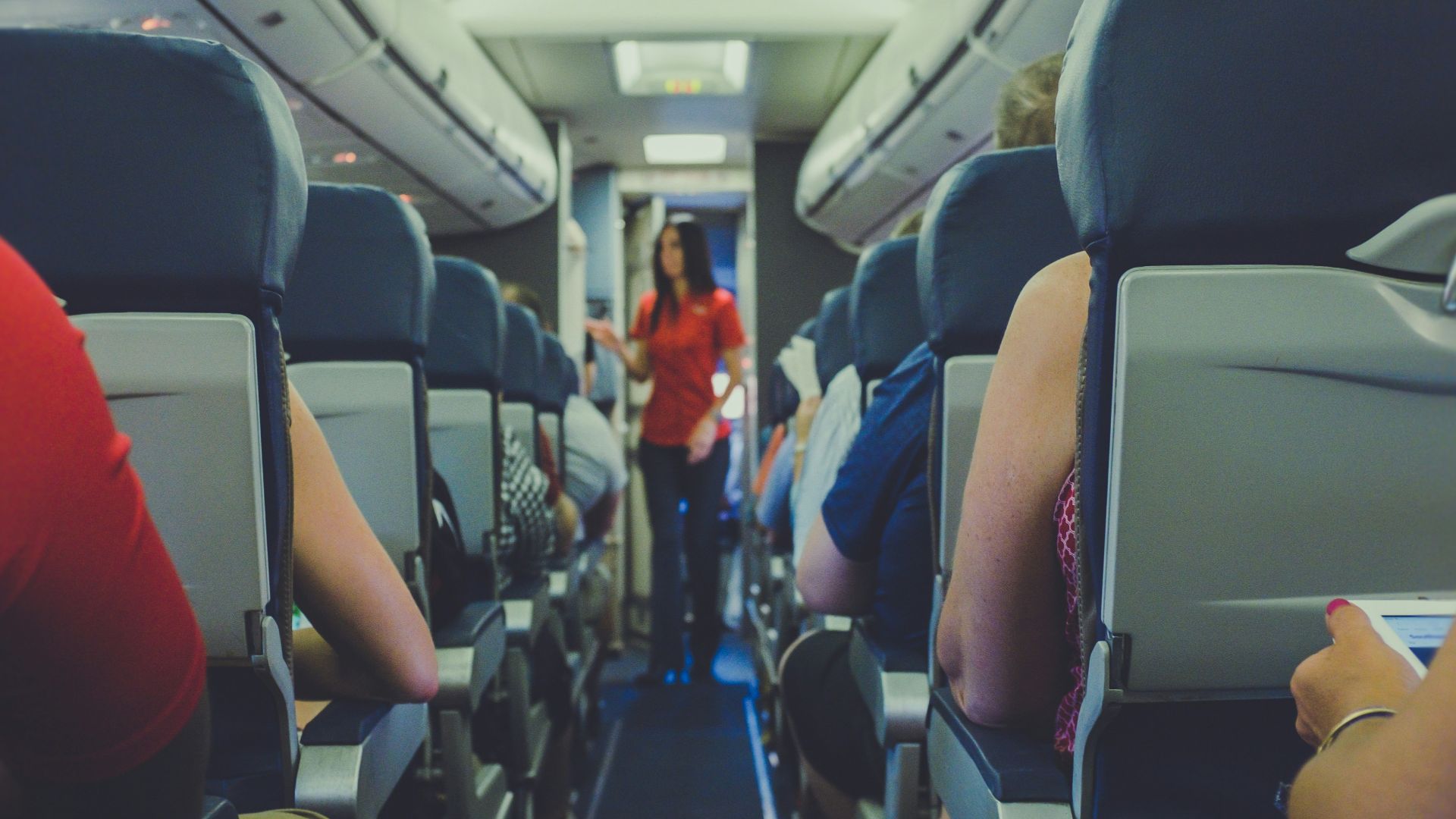
Seating arrangements can influence the flight experience significantly. Choosing a bulkhead seat offers extra legroom and sometimes access to a bassinet, which can be a lifesaver on long journeys. If that’s not an option, sitting near the aisle can make moving around and accessing the restroom easier without disturbing others.
Consider your own comfort, too. Flying with a baby often means juggling feeding, diaper changes, and calming, so having easy access to your own essentials is key. Wearing comfortable clothing and using a hands-free baby carrier can make handling your infant less cumbersome and more efficient.
Lastly, remember to be patient with yourself and others. Babies can cry, fuss, or spill things, and it’s perfectly normal. Most fellow passengers understand that traveling with an infant can be challenging, so a calm, positive attitude goes a long way toward keeping the experience stress-free. Preparing mentally and emotionally helps you handle surprises with grace.
Flying with a baby doesn’t have to be a daunting experience. Thoughtful preparation, attention to in-flight needs, and practical strategies for comfort can transform what might seem like a stressful journey into a manageable adventure. Small steps like timing your flight, packing wisely, and planning seating arrangements pay off in spades.
Understanding your baby’s needs and anticipating potential challenges reduces anxiety and allows you to focus on enjoying the trip. Whether it’s feeding during takeoff, bringing entertainment, or ensuring a comfortable seating setup, preparation is the key to success.
Ultimately, flying with an infant requires flexibility, patience, and a bit of foresight. While no flight is perfectly predictable, implementing these strategies gives you the tools to handle most situations gracefully. With practice, traveling with your baby can become a routine that’s less stressful and more enjoyable for both of you.
By taking proactive steps and maintaining a calm, organized approach, you can ensure that both you and your little one have a smooth, comfortable journey. Flying doesn’t have to feel like a test of endurance, it can be the start of wonderful adventures together.