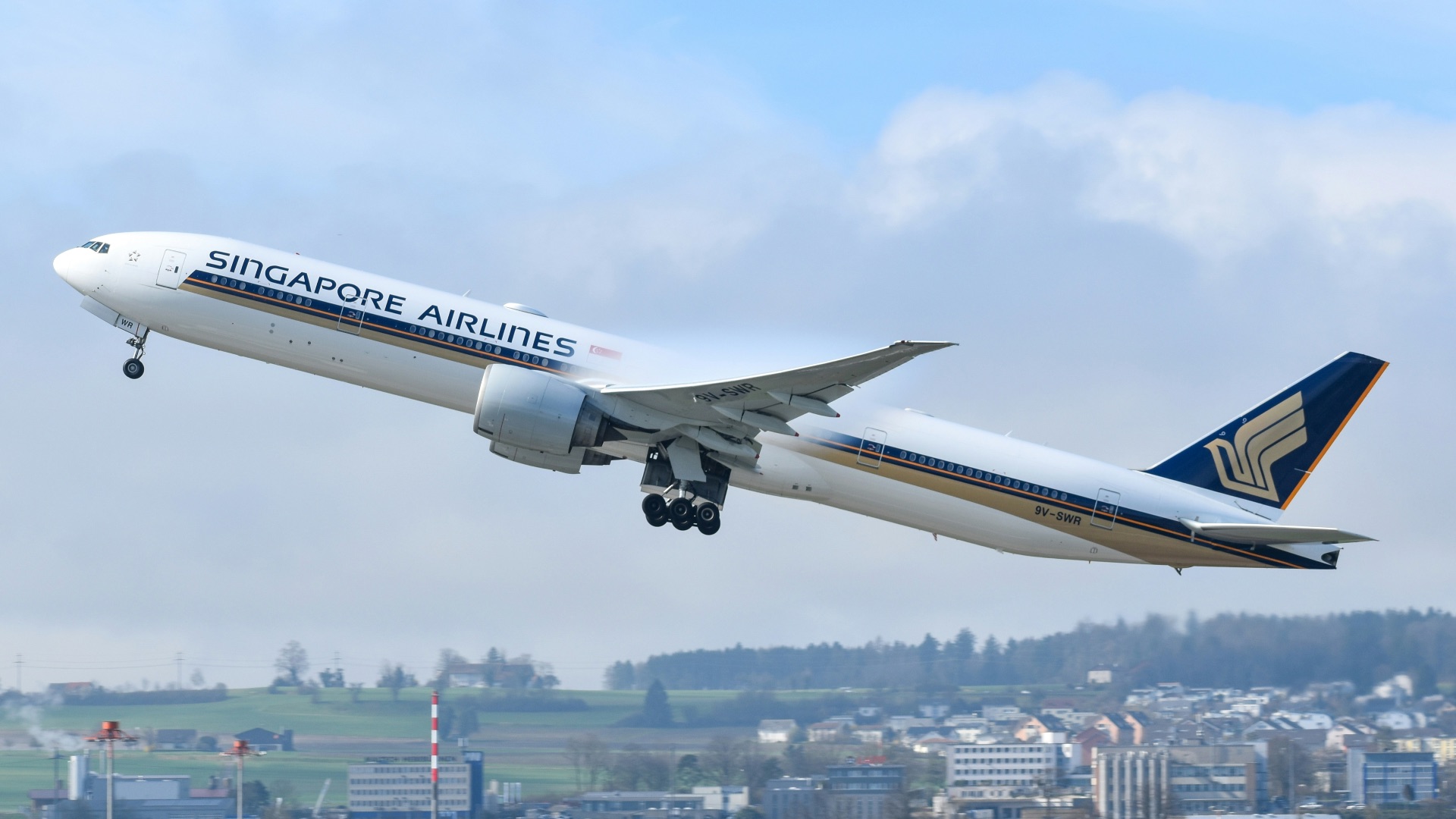
By now, you've probably seen the headlines about airlines breaking records for being the longest flights in the world. China Eastern Airlines, for one, operates a connection between Shanghai and Buenos Aires with a brief stopover in Auckland—a marathon journey that takes a whopping 29 hours and covers more than 20,000 kilometers (roughly 12,400 miles). If you're looking at non-stop departures, Singapore Airlines and Xiamen Airlines both operate routes to New York City, each of which hits the 19-hour mark. In 2027, Qantas is set to release a 22-hour non-stop journey linking Sydney to London and New York.
It seems that we've reached the era of ultra-long-range flights. The question now is: How long is too long? Is it better to have a layover in between two cities after all?
Layovers Act as a Mini Destination
If you're not up for sitting in a plane for more than 19 hours, you're not alone. Sure, the journey might be bearable if you're seated in first class or business, but being trapped in a passenger jet for long periods of time can still feel exhausting. If you're stuck in the middle seat in economy? Good luck.
And yet, people usually prefer non-stop flights to routes that have a stopover. For one, you don't need to worry about missed connections; you simply board once and you're there. But the good thing about layovers is that they allow you a few hours to immerse yourself in a city you might have never been to. If your connecting flight isn't until the morning after, you can get out and explore, too, even if it's just for a short evening. You may realize afterward that you wouldn't mind coming back and making it your actual destination for your next vacation.
An Opportunity to Explore a New Airport

Having a stopover also gives you an opportunity to explore a new airport. You'd be surprised by just how much you might find in the few hours you're there. From food to souvenirs, things might be severely overpriced, but at least they keep your belly full and your mind entertained. Who knows? You may even come across trinkets and charms you wouldn't have seen anywhere else.
Plus, exploring means one thing: you're walking. You're moving. In an airplane, you're mostly stationary the entire flight, and that can put a lot of strain on your body, resulting in shoulder pain, lower back aches, and swollen calves and ankles. We're not made for prolonged sitting, and layovers give our bodies a breather and a chance to stretch and move around.
Long-Haul Flights Are One and Done
But the other side of the argument still looms: long-haul flights might be exhausting, but at least we only need to go through it once (well, twice, if you're counting the route back home). If you have a layover? You'll need to hop on a plane a second time before you finally arrive at your destination.
There's a reason, after all, why airlines are starting to lean toward excessively long flights rather than breaking the journey into segments. Many passengers, too, prefer the convenience of one-and-done. In a non-stop flight, no matter if the duration is eight or 19 hours, you can pull out a book, play a movie, or sleep until you're there. Most would rather get to their destination sooner than have to deal with a delay somewhere.
As ultra-long-range flights become more common, it might mean spending nearly an entire day in the air. It's worth asking yourself whether you're ready for that, or if you'll start opting for routes with stopovers until these changes in aviation become the norm.