
The 12-Year Mystery of MH370: 10 Things We Still Don't Know & 10 Confirmed Pieces of Evidence
The 12-Year Mystery of MH370: 10 Things We Still Don't Know & 10 Confirmed Pieces of Evidence
Lost in the Indian Ocean
On March 8, 2014, Malaysia Airlines Flight MH370 took off from Kuala Lumpur for Beijing and then did the one thing an airliner isn’t supposed to do: disappear, taking 239 people with it. More than a decade later, investigators have satellite logs, radar scraps, and a handful of washed-up parts, but not the main wreckage or the flight recorders, or anything that can definitively prove what happened. A new search has opened up as well, nearly 12 years after the plane vanished. So: what questions have still remained unanswered, and what do we know about what happened to MH370 so far? Let's take a deep dive.
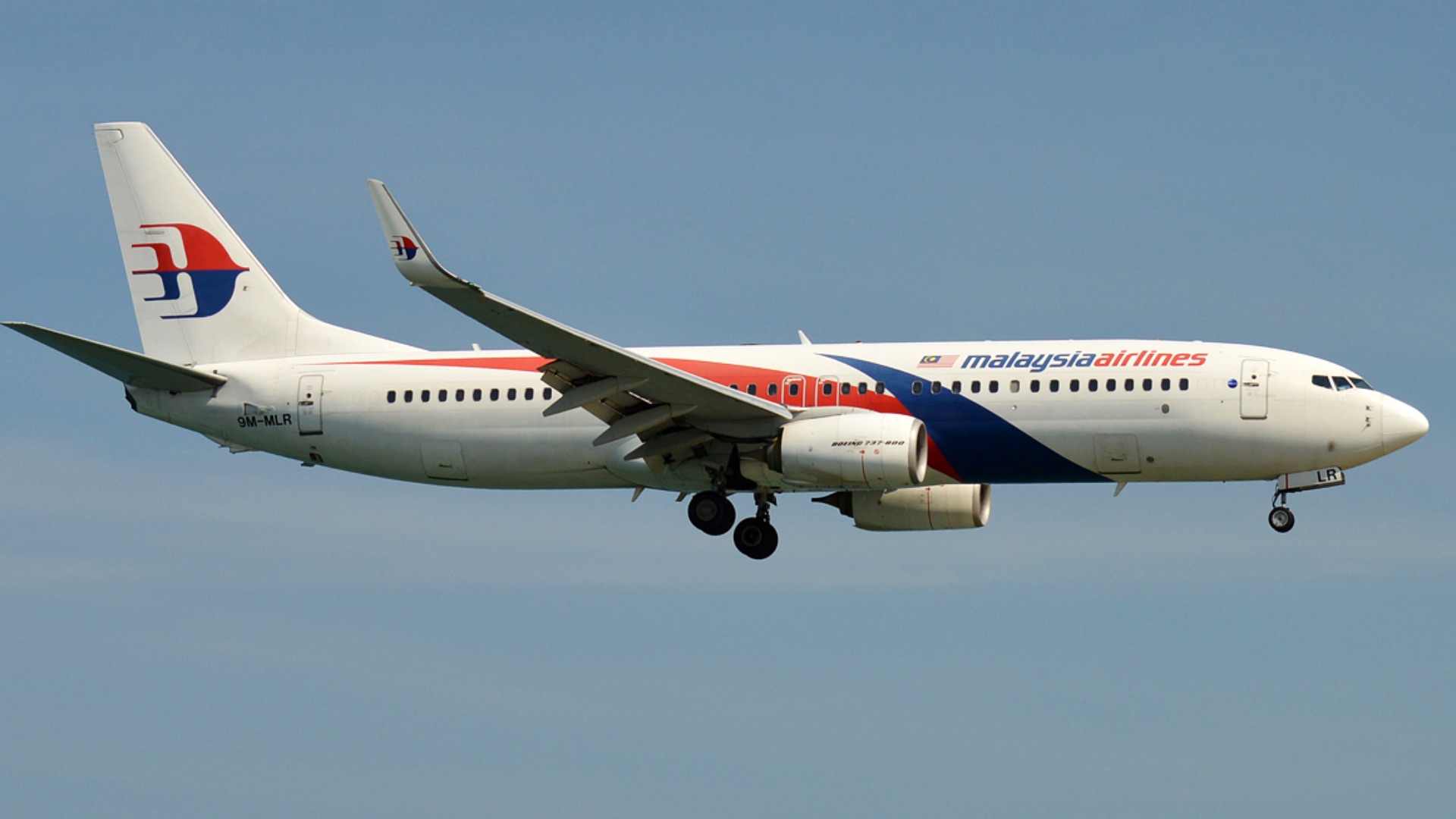 Anna Zvereva from Tallinn, Estonia on Wikimedia
1. Who Was Actually Flying After the Turn?
Even now, nobody can point to a name and say, definitively, that that person turned MH370 off-course. The safety investigation says the route change likely came from manual inputs, but the evidence gap means the who is still a mystery, even though many experts believe, and agree, that the captain was responsible.
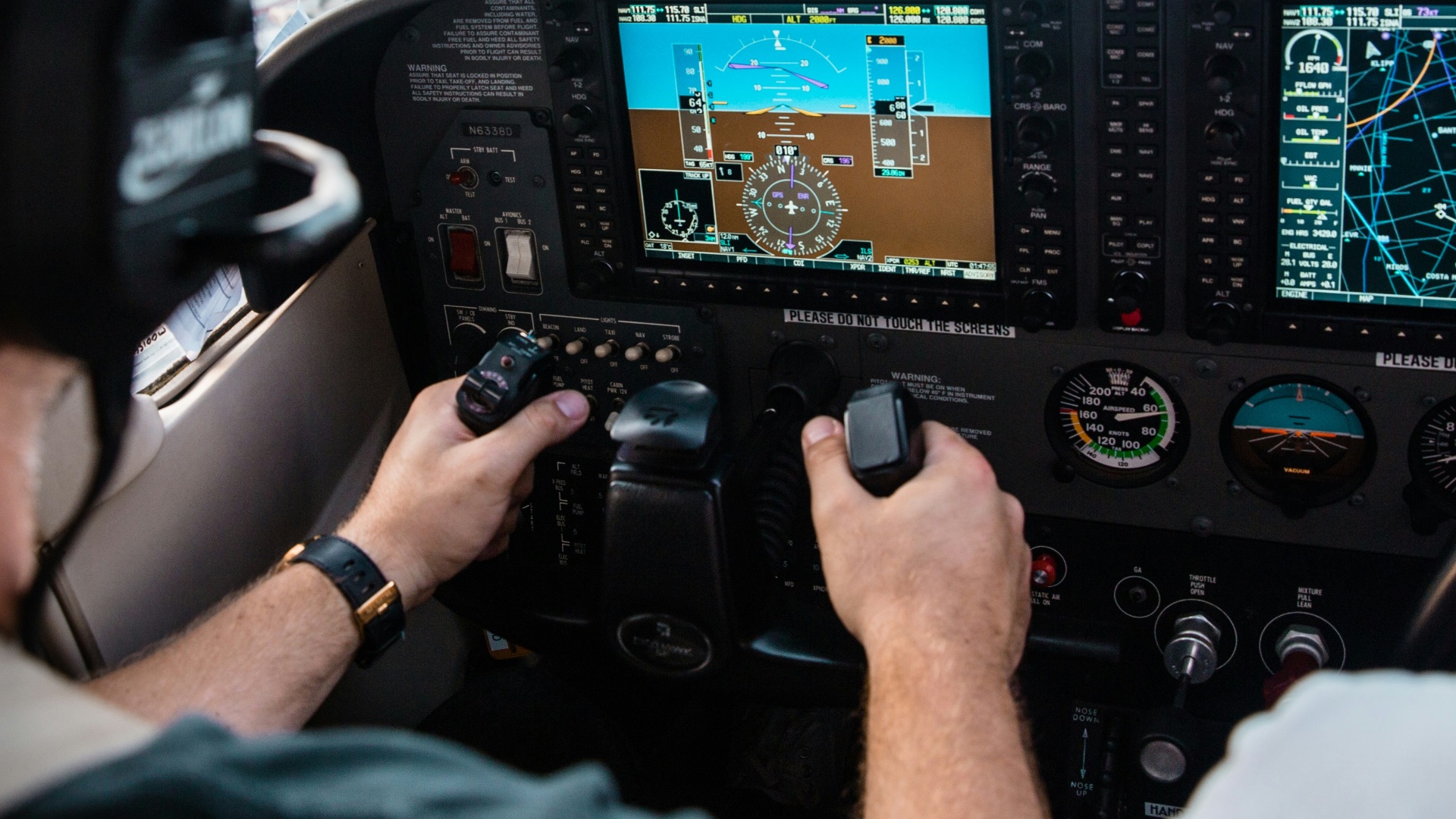 Kristopher Allison on Unsplash
2. What Was Happening in the Cabin?
Because the flight data and cockpit voice recorders haven’t been recovered, and likely never will, we won't get the play-by-play of what was said, done, or even alarmed in the final hours. The official report is blunt that missing recordings and the lack of aircraft transmissions leave huge holes in the story. That’s why so many explanations sound plausible at first and then fall apart on a second read.
3. The Exact Route
Try to imagine a road trip where your GPS only pings a few times before going quiet, and that's roughly how MH370's flight path was like. Radar and satellite analysis indicate the airplane turned back across the Malaysian Peninsula and continued toward the southern Indian Ocean, yet the exact track between each movement isn’t entirely locked down. That gap is big enough for reasonable experts to argue over small turns that add up to hundreds of miles.
4. The Precise Spot Where It Went Down
Search crews have dragged sonar across enormous stretches of ocean, and the main wreckage still hasn’t been located. Without that physical starting point, it feels a lot like finding a needle in a haystack, only the haystack is ever-growing.

5. Whether It Broke Up in the Air or at Impact
Debris that washed ashore suggests the airplane likely broke up, but it doesn’t tell us when the breakup happened. Investigators have said there isn’t enough information to decide whether it came apart in the air or during impact with the ocean. That single unknown changes almost everything about what the final minutes looked like.
6. The Fate of Everyone Onboard
We know the plane landed in the Indian Ocean, but experts believe that the passengers were likely already unconscious long before the impact. It remains unknown what their final fate was, but many agree they likely perished from hypoxia.
 Parmanand Jagnandan on Unsplash
7. Why No Distress Call Was Made
If there was an emergency onboard, such as a hijacking or fire, why was no distress call ever sent out to air traffic controllers by the pilots? It's this absence, the lack of a mayday call, that continues to puzzle aviation experts, and why many believe the disappearance was done deliberately.

8. Whether a Third Party Was Involved
Despite experts believing that the captain was responsible, until there's definitive evidence, the presence of a third party can't be ruled out. That doesn’t mean the flight was hijacked, but it does mean you can’t just simply dismiss the idea.

9. Why the Physical Clues Are So Sparse
You’d expect a Boeing 777 to leave a bigger trail, yet the recovered pieces are few compared with what most people imagine. Only a limited set of debris could be confirmed or strongly linked, and investigators say there wasn’t enough in that material to infer much about emergencies or impact details. That’s how you end up with just enough clues to argue about and not enough to settle it, especially along far-flung shorelines.

10. Why It Happened
Another question that's still left unanswered is why it happened. Why this flight? Why this particular night? Why this route? Why make the plane disappear? While numerous speculations and theories have been thrown around through the years, it's eerie to think that something so drastic had no prior warning.
So, then, what do we know about what happened to MH370? Thankfully, there are still some confirmed pieces of evidence, despite the ongoing search. Let's dive into that next.
1. The Last Radio Call Is on the Record
We do have the final routine radio exchange in black and white: the pilot acknowledged the handoff with “Good night Malaysian Three Seven Zero” at 1719:30 UTC. That moment matters because it’s the last confirmed voice communication before the aircraft stopped checking in. In a case full of fog, at least that line is recorded verbatim.
2. The Transponder Stopped Reporting at a Specific Time
Air traffic control radar lost the airplane’s transponder return at 1721:13 UTC (about 1:21AM in Malaysia), and investigators said it had been operating satisfactorily up to that point. No failure message was received from the aircraft, which is why people keep circling back to intentional deactivation as a possibility. Whatever happened next happened off the normal screens.
13. ACARS Went Quiet After 1707 UTC
ACARS, the system that sends routine data like maintenance and monitoring messages, shows no traffic observed after 1707 UTC. That gives investigators a hard timestamp for when the airplane stopped automatically chattering to the airline’s ground systems. It’s one of the few clocks in this story that doesn’t drift.
14. Satellite Logs Captured a “Seventh Handshake” Log-On
Inmarsat ground-station logs include a SATCOM log-on at 00:19:29 UTC, described in the report as the seventh “handshake.” For a log-on to happen then, the system had to experience a link loss beforehand, and the report says the most likely explanation is a power interruption to the SATCOM avionics. Even without wreckage, that little burst of data proves the airplane (or at least its SATCOM brain) was still talking.
15. The “Seventh Arc” Narrows the Ending to a Corridor
Investigators mapped the now-famous “seventh arc” using satellite data and drift modeling as a likely end-of-flight corridor. ATSB (Australian Transport Safety Bureau) says that when MH370 reached that arc, the aircraft is considered to have exhausted its fuel and to have been descending, which is why the search band is kept relatively tight around the arc. It’s not a specific point, but it is a pretty narrow corridor.

16. The Diversion Was Likely Done Through Manual Inputs
According to the safety investigation, the change in flight path likely resulted from manual inputs, which is another way of saying a human probably told the airplane to go somewhere else. At the same time, the report says it couldn’t determine with certainty why the diversion happened or who made those inputs.
17. The Réunion Island Flaperon Officially Linked to MH370
A right-wing flaperon found on Réunion Island in July 2015 was confirmed by French judicial authorities as belonging to MH370, giving the case its first undeniable physical artifact. That confirmation matters because it anchors all the later drift modeling to something real, not just satellite math.

18. A Left Outboard Flap Was Confirmed as MH370 Debris
Among the confirmed finds is the rear edge of a left outboard flap recovered in Mauritius, and it was confirmed to be from MH370. It was found in 2016, a year after the first confirmed piece of wreckage was discovered.
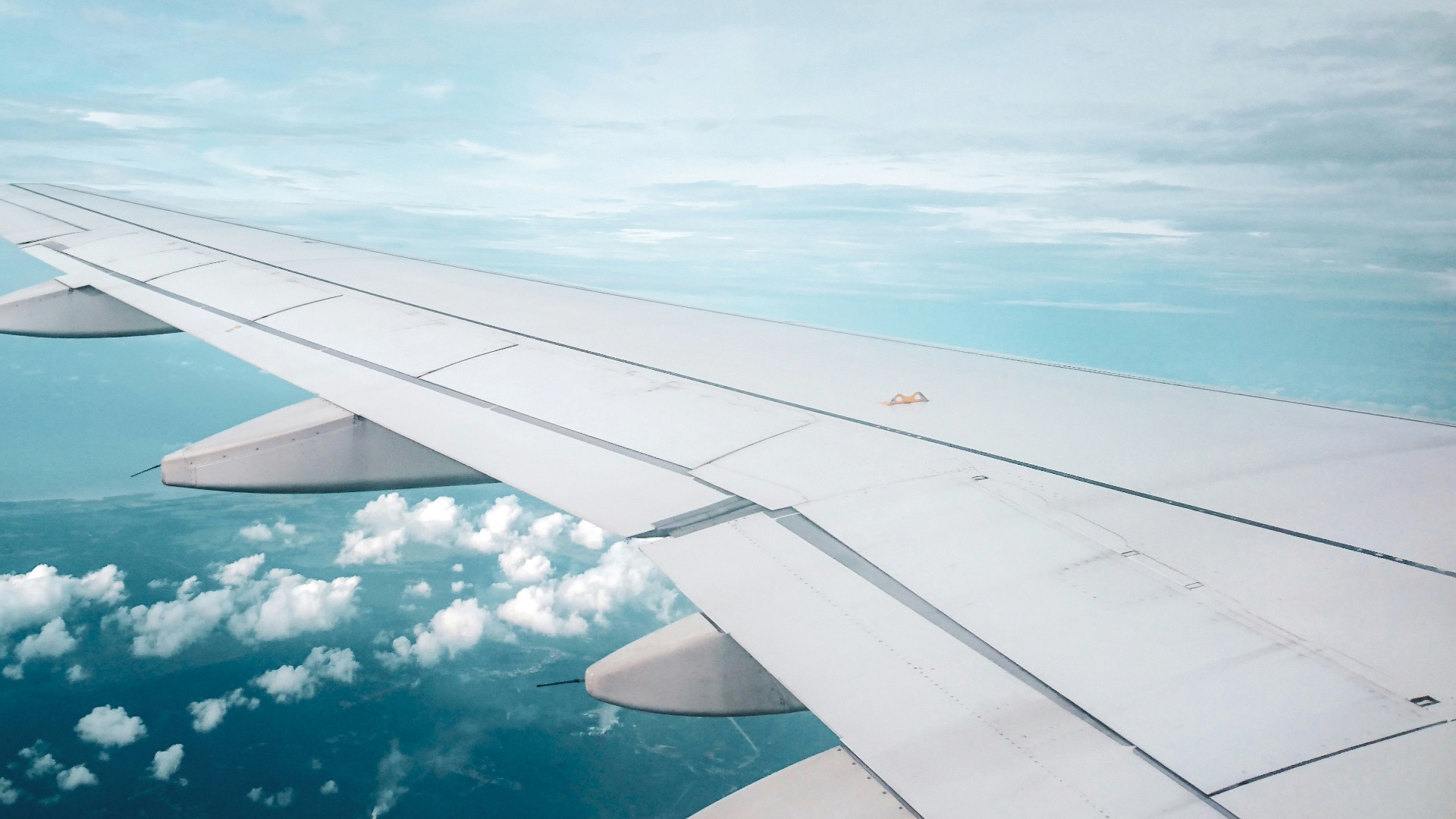
19. A Right Outboard Flap Was Also Confirmed
From Pemba Island off Tanzania, a right outboard flap was also confirmed to be from MH370, found in the same year as the left piece. Having confirmed parts on opposite sides of the wing helps investigators think about the airplane’s configuration when pieces separated. It also reinforces that the western Indian Ocean was definitely part of the story.
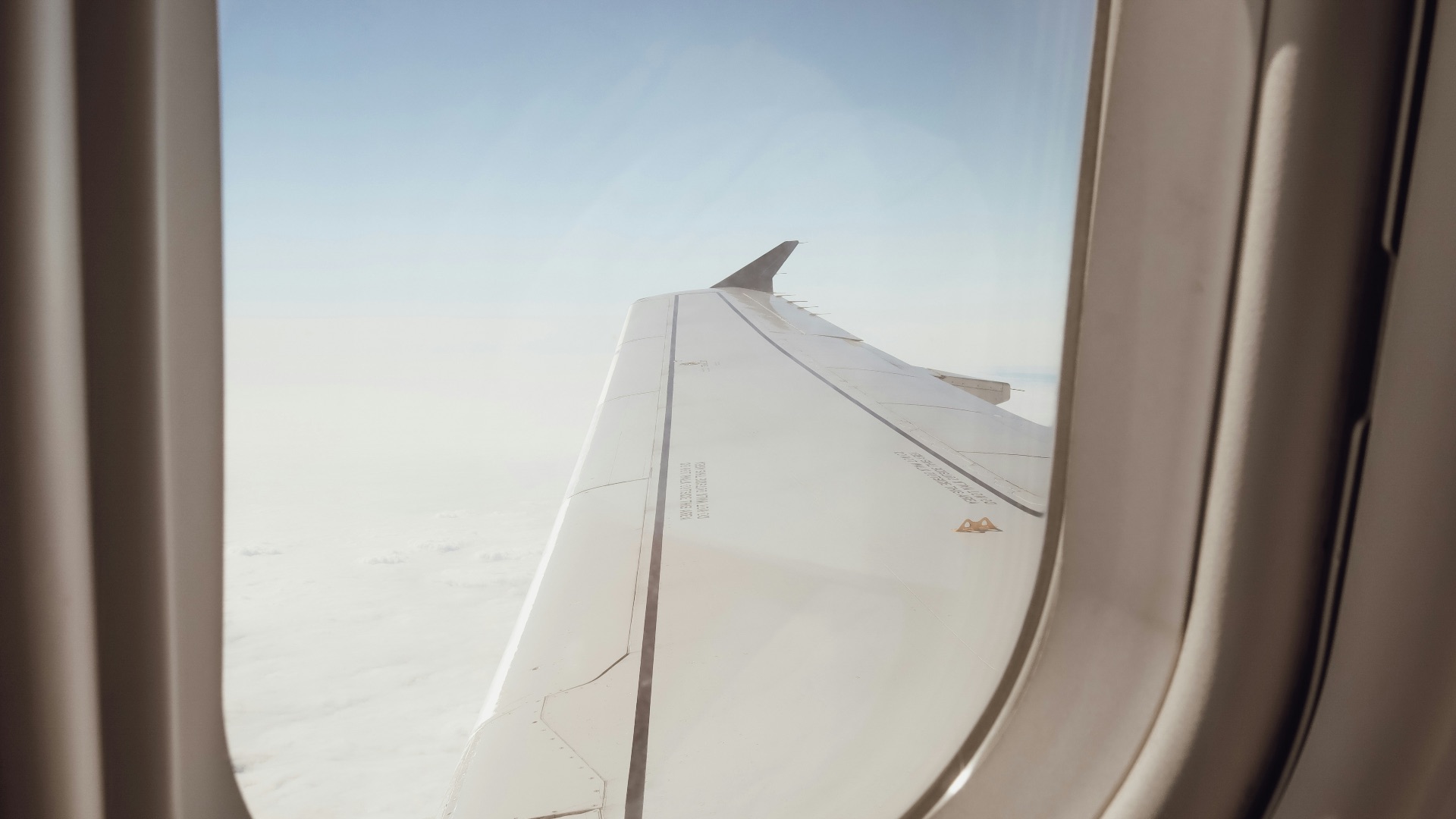
20. The Flight Data Recorder Beacon Battery Was Past Expiration
One of the most sobering details in the official report is that the flight data recorder’s underwater locator beacon battery was recorded as expired in December 2012, with no evidence that it had been replaced. Additionally, the cockpit voice recorder, also known as the black box, had a June 2014 expiry.