You can board a flight looking fresh and land looking like you pulled an all-nighter under fluorescent lighting, because, honestly, you kind of did. Air travel stacks several small stressors at once: dry cabin air, long hours sitting still, weird sleep timing, and a lot of exposure to very strong UV rays through a window. None of it is dramatic on its own, but together it can make your skin look flatter, drier, and more creased by the time you reach baggage claim.
The good news is that looking older after flying is usually temporary. When your skin barrier is dehydrated, your eyes are tired, and your body’s a little inflamed, you can look “off” even if you feel fine. The trick is understanding what’s happening so you can prevent the worst of it with a few smart habits. You don’t need a 12-step routine, but you do need to respect what flying does to the body.
Cabin air dries you out
Airplane cabins are famously dry, and that dryness is not subtle if you’re paying attention. A paper published in the ASHRAE Journal notes that passenger-cabin air can be around 10% relative humidity as a flight progresses, which is lower than the Sahara Desert. When humidity is that low, moisture evaporates from skin more quickly, and your face can start looking tight, dull, or a little “crinkly” even if you normally have smooth skin.
Dryness also changes how light hits your face, which is why you can look older in photos taken right after a flight. When the outer layer of skin loses water, it reflects light less evenly, so texture looks more obvious and fine lines show up more clearly. Your skin isn’t suddenly aging in real time, but it is temporarily behaving like it’s under stress.
If you want an easy fix, think “seal and soothe” rather than “strip and scrub.” A simple moisturizer before boarding, plus a thin layer of something barrier-friendly (like petrolatum in small amounts on dry spots), can reduce that tight feeling without turning you into a greasy mess. When you land, a gentle cleanse and another layer of moisturizer can help your skin bounce back faster than you’d expect. As hydration starts from the inside out, also remember to drink lots of water during your flight.
Window-seat light exposure can quietly add to photoaging
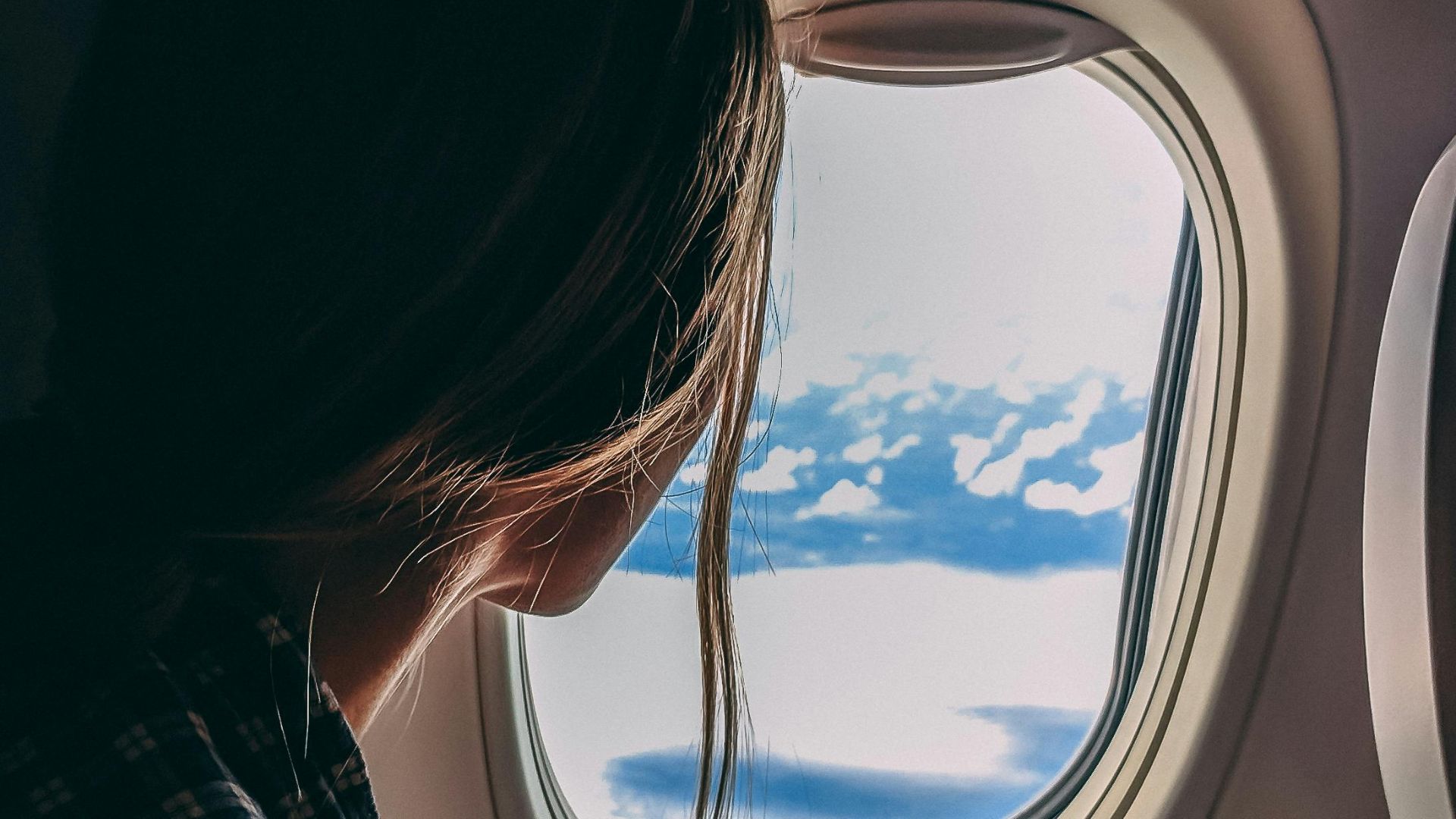
People often assume they’re protected from sun exposure because they’re “inside,” but airplane windows don’t block out everything. Remember that when you're flying, you're closer to the sun so it shines more powerfully. Long-wave UVA rays are especially penetrable through an airplane window and can reach deeper skin layers, where they contribute to collagen damage and wrinkles over time. That’s why a flight can feel harmless while still giving your skin a slow, sneaky hit, particularly if you’re in a sunny window seat for hours.
The tricky part is that UVA damage doesn’t announce itself with immediate redness the way a sunburn might. Your skin can look fine in the moment, so you naturally focus on more obvious travel annoyances, like dry eyes and cramped legs. The effects aren’t instantly visible and tend to be slow and progressive, which is exactly why people underestimate them. If you fly frequently, these small exposures can add up in a way that feels unfair, because you weren’t exactly sunbathing.
The simplest defense is also the least dramatic: wear broad-spectrum sunscreen when flying, especially if you’ll be near a window. Pairing SPF with moisturizing will help keep the skin more comfortable. If you want to keep it practical, apply before you leave for the airport, then reapply for long daytime flights the same way you would during an outdoor day you didn’t plan for.
Travel stress, poor sleep, and “body puffiness” show up on your face
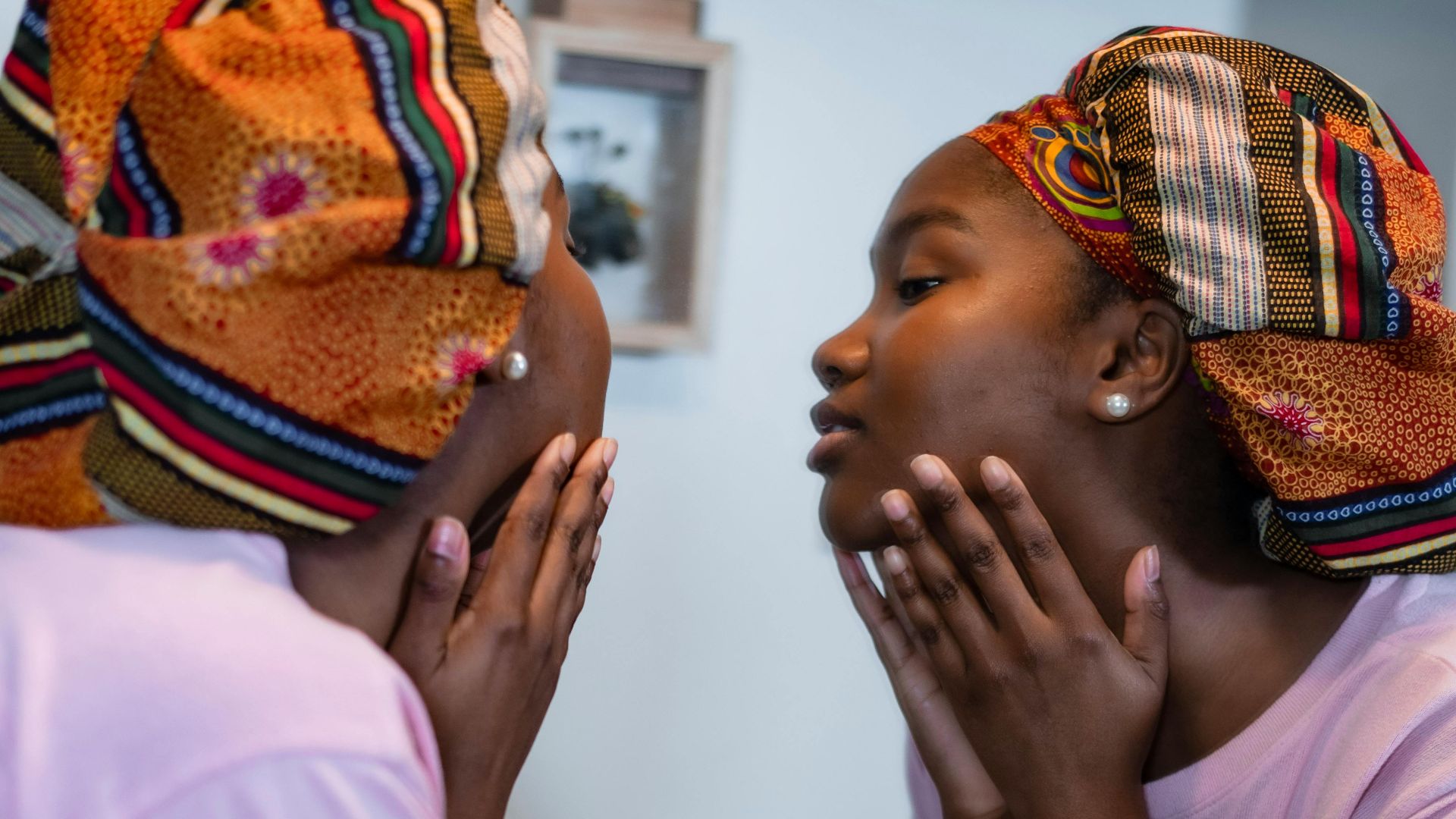
Even if your skin is behaving, your face can still look older after flying because your body’s routine gets knocked around. Sleep disruption tends to show up as dullness, under-eye darkness, and puffiness because your recovery time gets shortened and your stress hormones can run higher. You don’t need a science lecture to recognize it; you’ve seen the mirror evidence after a rough night. Add the airport’s dry air and bright lighting, and tiredness looks extra obvious.
Then there’s the not-so-glamorous issue of fluid shift. Sitting for long periods, eating salty snacks, and drinking alcohol or extra caffeine can make you retain water in ways that show up around the eyes and jawline first. That “puffy-but-tired” look can read as older because it softens facial definition and makes skin seem less taut.
Finally, a lot of flyers worry about radiation exposure, and it’s worth keeping the facts calm and clear. The CDC notes that the radiation dose from air travel is low, but it increases with flight time and altitude because there’s less atmospheric shielding at cruising levels. That’s not a reason to panic about one vacation, but it helps explain why frequent flyers may think more about cumulative exposure and overall skin protection habits.
No one's expecting you to look like a million bucks when you come off a long flight, but hydrating, prioritizing sleep where you can, and keeping your routine simple and consistent helps you arrive looking and feeling fresher. Skipping alcohol on flights, bringing water, and choosing lighter, less salty foods can also reduce the puffy look that makes you feel older than you are. A cooling eye gel or cold compress after landing can make you look more awake quickly, even if you’re still tired. You can’t make travel effortless, but you can stop it from showing on your face quite so loudly.