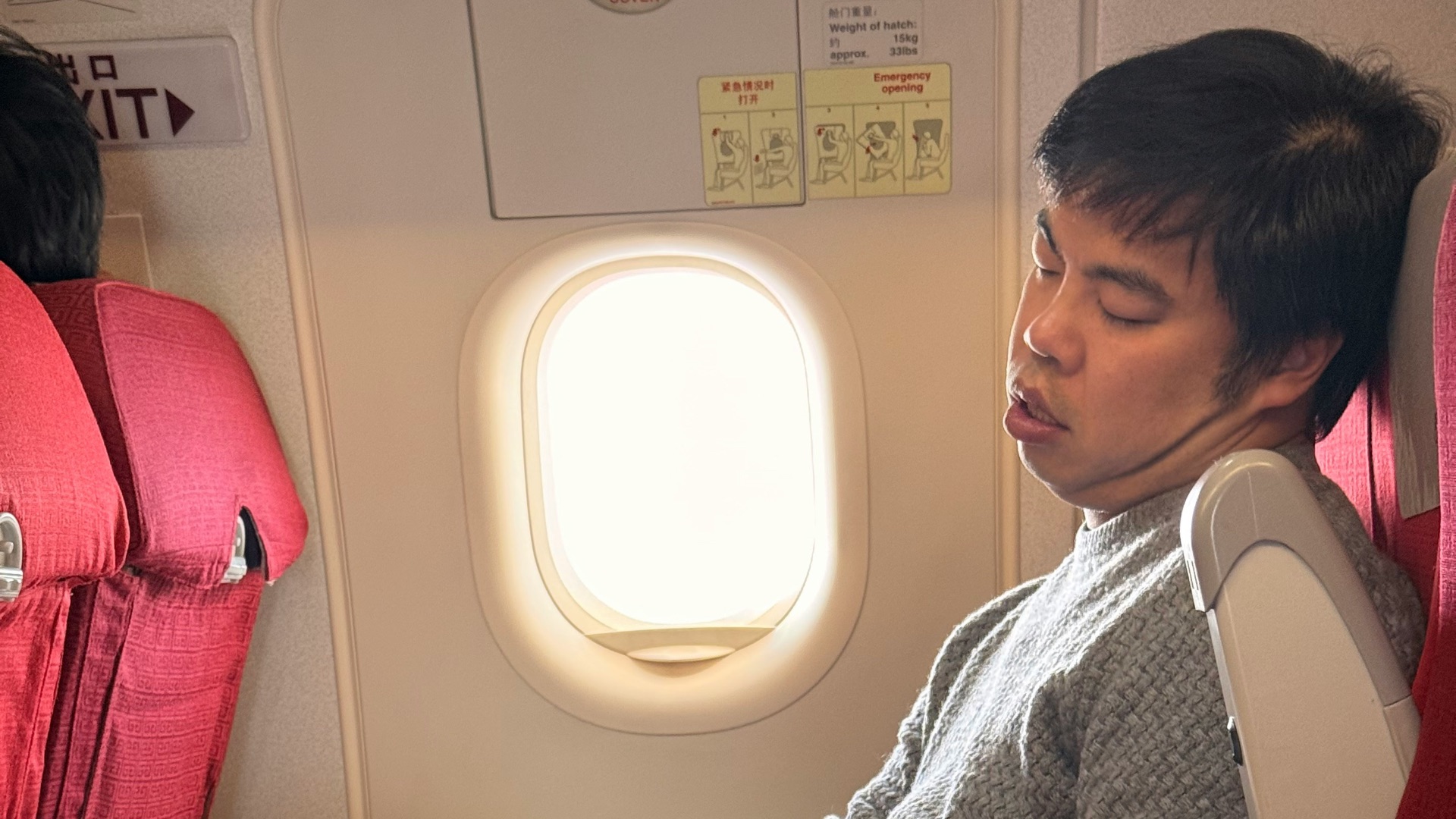
After an hour of waiting at the terminal, you're finally boarding your flight. It's just past midnight, and you're so tired you can barely stay awake long enough to put your bags up and buckle into your seat. A couple of minutes later, you're completely knocked out. You're on a long-haul flight, anyway, so isn't it best to sleep right through it?
Believe it or not, if this is the routine you normally follow on a flight—meaning you fall asleep as soon as you board—you could be putting your own life at risk. How? We'll dive into it here.
You'll Miss Emergency Instructions
If you're a seasoned traveler, you might think the emergency instructions at the start of a flight are tedious. You've heard it all before, anyway, and so much so that you could probably recite the whole script in your head. You know where your life jacket is; you know when the oxygen masks drop and how to put them on; you know it's best to keep your seatbelt on at all times, even when the sign is off.
But every aircraft is different. Airline policies are different. Your seat could put you farther or closer to an emergency exit, and knowing exactly which door to go through helps cut down your escape time when accidents do arise. Plus, if pilots do encounter issues mid-flight and require passengers to brace for impact, you don't want to be asleep or groggy when it all happens.
Changes in Pressure Could Damage Your Ears
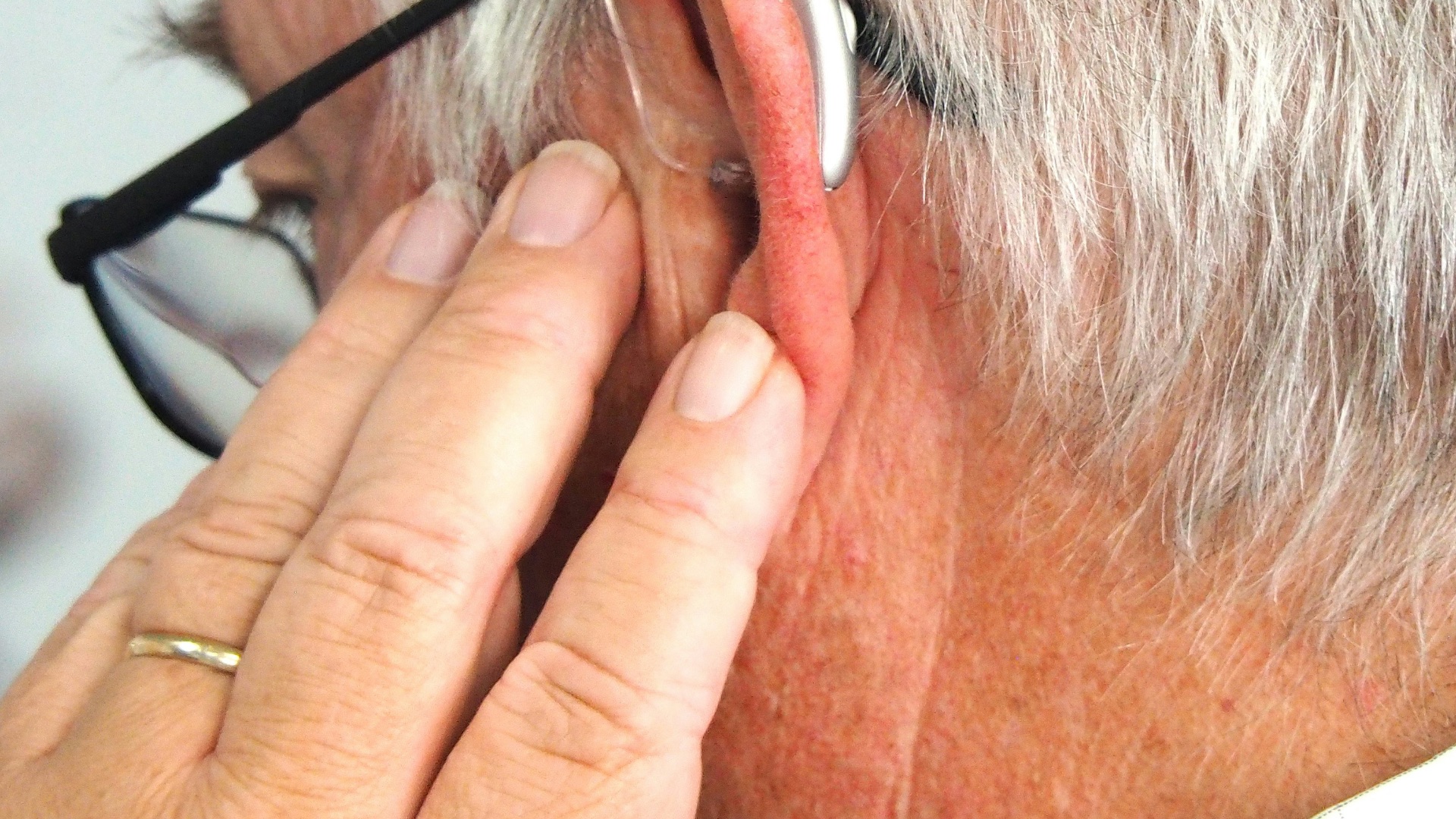
During takeoff and landing, you may experience ear barotrauma—a condition that happens when the outside pressure doesn't match the pressure inside your middle ear. This imbalance can cause symptoms ranging from tinnitus to vertigo and even nausea.
If you're deep asleep, you won't be able to minimize the effects by swallowing, yawning, or chewing. The built-up pressure can end up causing severe ear pain, muffled hearing, and temporary—or even permanent—hearing loss.
Takeoff and Landing Are the Most Dangerous Parts of a Flight
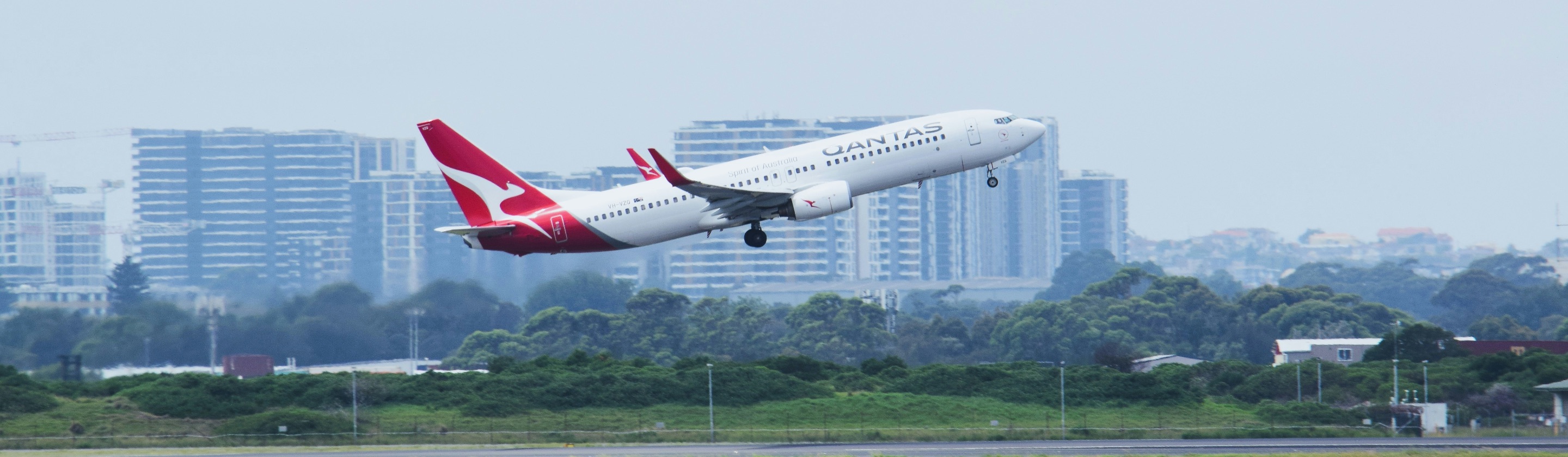
Takeoff and landing are the most critical phases of a flight. They're the only two stages that are handled manually by the pilots, while the autopilot handles everything in between. It's also the two stages of a flight where accidents are more likely to occur. If you're asleep during these times, you might miss critical cues and announcements from the crew, which can put your life at risk.
To put that into perspective, recent examples of accidents in the air have proved this. On December 29, 2024, Jeju Air 2216 overshot the runway while trying to land at Muan International Airport. All but two flight attendants seated at the rear of the plane survived. On June 12, 2025, Air India 171, bound for London, crashed just 32 seconds after takeoff, taking the lives of everyone on board except one. A decade prior, on July 6, 2013, Asiana Airlines 214 broke apart on the runway at San Francisco International Airport during its final approach. Of the three passengers who did not survive the accident, two hadn't been wearing their seatbelts.
While flying is still considered one of the safest forms of transportation, it doesn't mean you should let your guard down. Sure, you can take a nap—but do that after the plane has reached its cruising altitude and the seatbelt signs have been switched off. And even then, you should still stay strapped in at all times when you're at your seat, and do your best to remain alert and aware of your surroundings whenever you can, especially during takeoff and landing. You never know if that might just save your life.