
How Do You Say This?
English pronunciation is full of surprises, mostly because spelling and sound don’t always line up the way you’d expect. If you learned a word by reading it first, there’s a good chance you built a perfectly reasonable pronunciation that just isn’t the standard one. From awry to coup and even the word pronunciation itself, here are 20 tricky English words you're probably saying wrong.

1. Awry
This one is usually uh-RYE, not AW-ree and not uh-REE. Can't believe it? We don't, either. The stress falls on the second syllable, and the final sound rhymes with try. If you say it quickly, keep the vowel simple so it doesn’t drift.

2. Solder
In American pronunciation, the L is typically silent, so it sounds like SOD-er. The spelling nudges you toward SOL-der, but that’s less common in the U.S. If you work with electronics, saying SOD-er will match what most people expect.

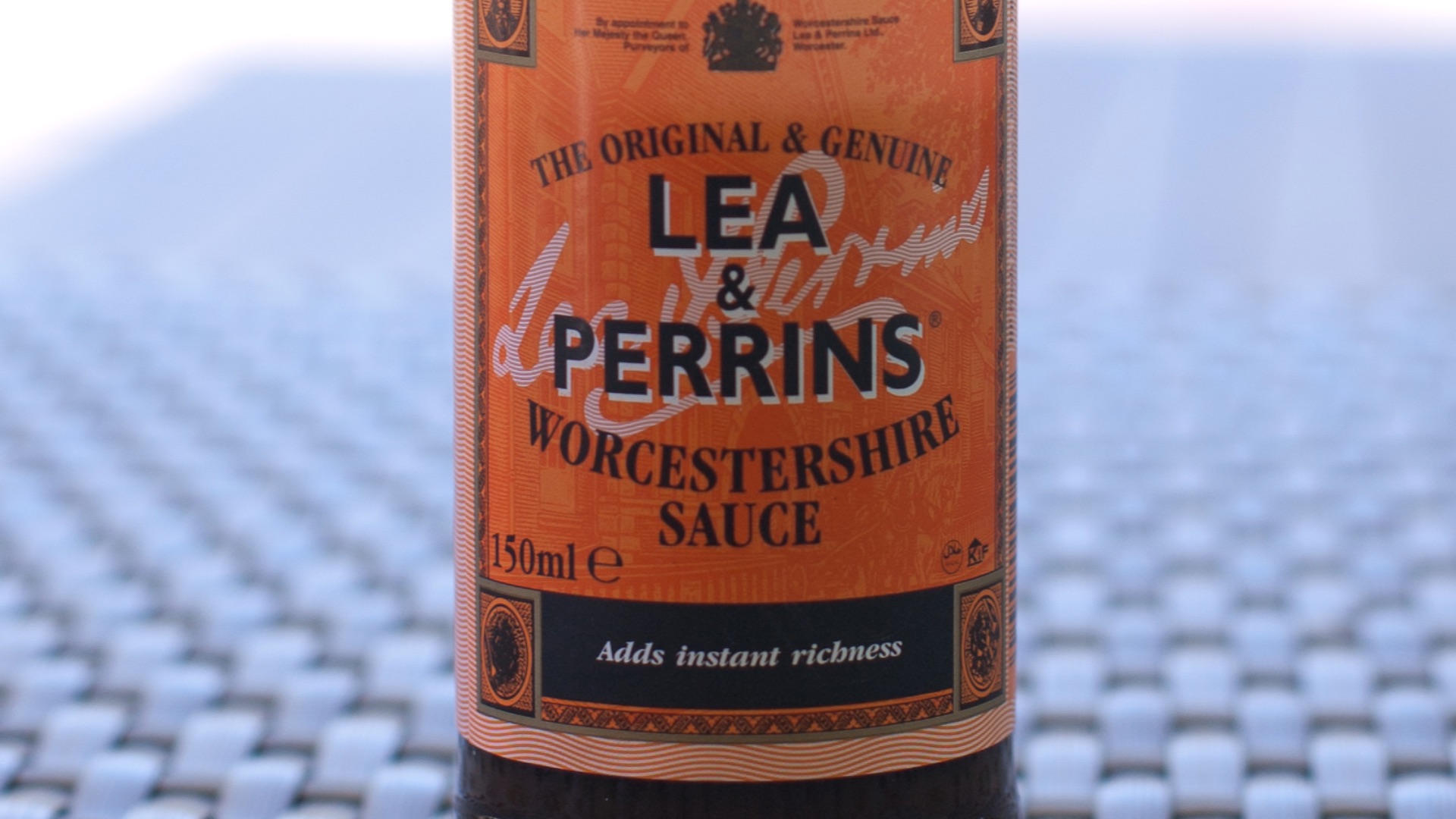
3. Worcestershire
In American English, it’s commonly said WUSS-ter-sher or WUSS-ter-sheer, not...however you're probably pronouncing it. The spelling is misleading, so learning it by sound is the way to go. If you order it or reference the sauce, the shorter version will sound natural.
 Dimitri “Diti” Torterat on Wikimedia
4. Colonel
This one looks like it should be said exactly how it's spelled until you accept that it’s pronounced KER-nuhl. The R sound is there even though the spelling doesn’t seem to support it. If you’ve been saying call-uh-nel, switching will make a big difference.

5. Mischievous
The common slip is adding an extra syllable, turning it into mis-CHEE-vee-us. But the standard American pronunciation is mis-chuh-vus, with three syllables. If you’re aiming for the dictionary version, keep it tight and don’t stretch it out.

6. Espresso
A lot of people add an X sound and say expresso, but the standard pronunciation starts with an ES sound. If you say ess-PRESS-oh, you’ll match how it’s said in most American cafés. This one gets noticed more than you’d think.
 Alessandro Crosato on Unsplash
7. Often
In American pronunciation, the T is commonly silent, so it comes out as off-en. Some speakers do pronounce the T, and that’s not automatically wrong, but it can sound more deliberate. If you’re unsure, leaving the T out is a safe choice.

8. Coup
We know, we know—this one looks like it should rhyme with soup. But no: the P is silent, which means it’s just pronounced as coo. The silent P trips people up because English usually makes you pronounce final consonants.

9. Cache
It’s usually pronounced cash, not cash-ay and not catch. The spelling looks like it should be longer, but it isn’t in standard use. If you work with computers, saying cash will sound immediately familiar to others (saying something else will definitely turn some heads).

10. Genre
The standard pronunciation is ZHAHN-ruh, starting with the zh sound like the S in measure. Saying jen-ner or jen-re is a common guess, but you'll probably get some funny looks. Once you get the first sound right, the rest usually falls into place.

11. Acai
In American English, it’s commonly ah-sigh-EE, with the stress on the last syllable. A lot of people flatten it into ACK-eye or AH-kai, but that last EE sound is the part to keep. If you say it correctly, the attendant fixing up your acai bowl won't give you a weird look.

12. Epitome
The standard pronunciation is ih-PIT-uh-mee, ending with mee rather than tome. People often say EP-ih-tohm because the spelling suggests it, but that final syllable changes the whole word. Keeping the stress on PIT helps it land correctly.

13. Mauve
Most Americans say mawv, rhyming with stove for some speakers, but more often sounding like mawv as in law with a V at the end. The tricky part is avoiding moh-vee, which shows up when you overread the spelling. A clean one-syllable version is the safest choice.

14. Sherbet
In American usage, it’s typically SHER-bit, even though lots of people slip in an extra R and say SHER-bert. You’ll hear both, but SHER-bit is widely accepted and common in the U.S. If you want to be careful, keep it to two syllables without the extra consonant.

15. Alias
In American English, it’s AY-lee-us, with a clear long A at the start. Some people say uh-LYE-us, which can show up when you read it too quickly. If you emphasize the first syllable, you’ll avoid the stumble.
16. Gauge
The standard pronunciation is gayj, like age with a G at the front. It can look like it should be gowj or gawj, but that’s not how it’s typically said in American English. If you treat it like a simple one-syllable word, you’ll avoid most missteps.

17. Heinous
In American English, it’s usually HAY-nus, with the first syllable sounding like hay. The common mistake is HE-nius, which can happen because it resembles other words, like mischievous. If you keep the vowel broad and the ending light, it’ll sound right.

18. Pronunciation
It’s pro-nun-see-AY-shun, with nun in the middle, not pro-nown-see-AY-shun. People sometimes swap in nown because it feels connected to pronounce, but the noun doesn’t follow that pattern. If you hit the AY syllable clearly, the rest tends to fall into place.
19. Rapport
Most Americans say ra-PORE, with the final T silent. A common mispronunciation is RAP-ort, which looks logical but isn’t the usual form. Keeping the second syllable strong will make it sound more natural in conversation.

20. Regime
Standard American pronunciation is ruh-ZHEEM, ending with zheem. The slip is saying reh-jim or reh-ghym, which can sound like you’re guessing from the spelling. Keeping it to two syllables with that zh sound makes it sound polished.