Why Cars Matter More Than You Think
Cars impact American culture more than we think. They affect our cities, our social lives, and how we spend our money. Love them or hate them, cars are ingrained in our everyday lives. When you start looking for it you’ll realize how much the car has affected America’s routines, values, and liberties.
1. Suburbs Became the Default Dream
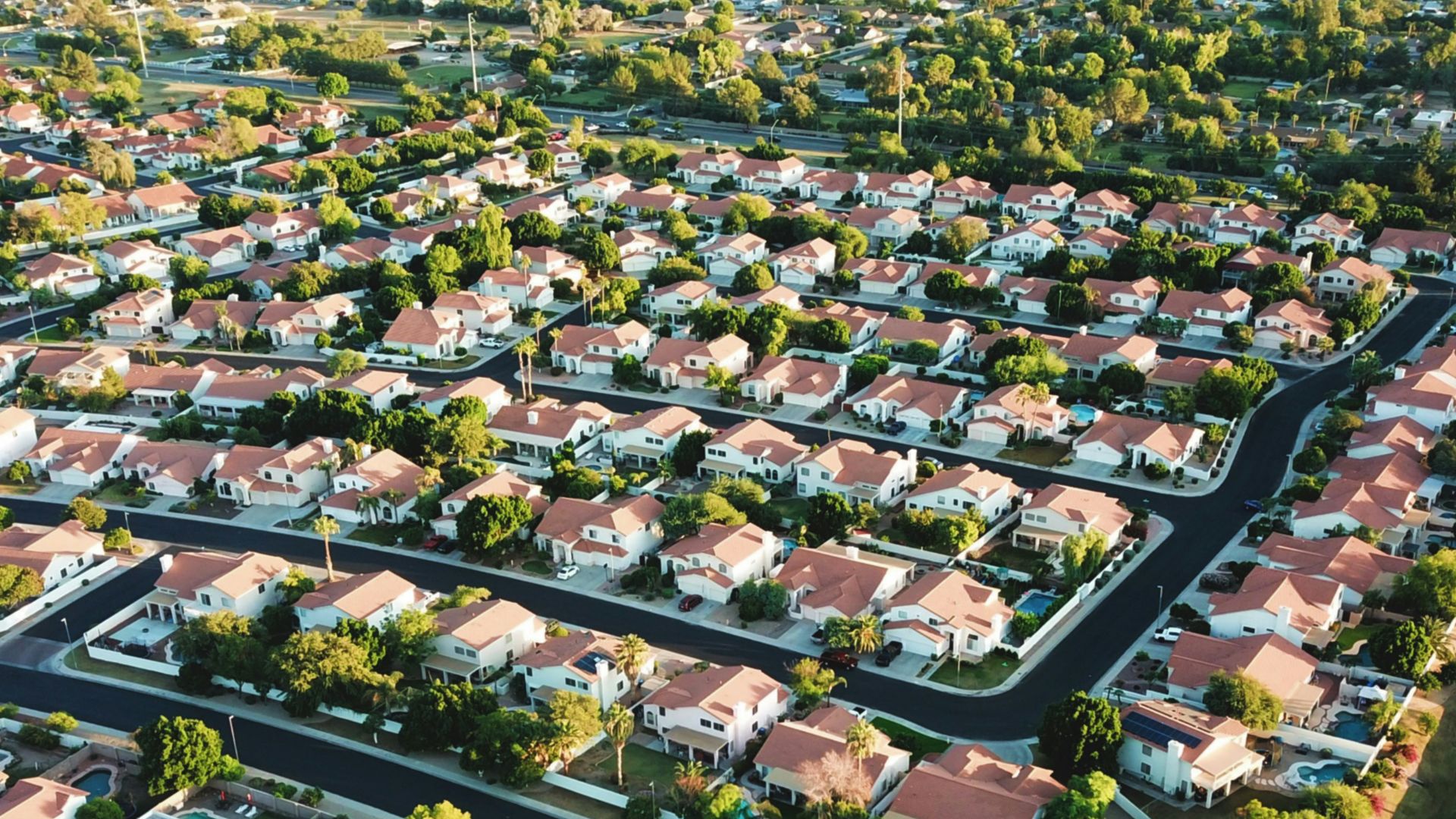
Living far away from the city center was made possible by car ownership. Development pushed outward, replacing density with driveways and lawns. Cue you if you’ve ever spent your days commuting from a residential dead end.
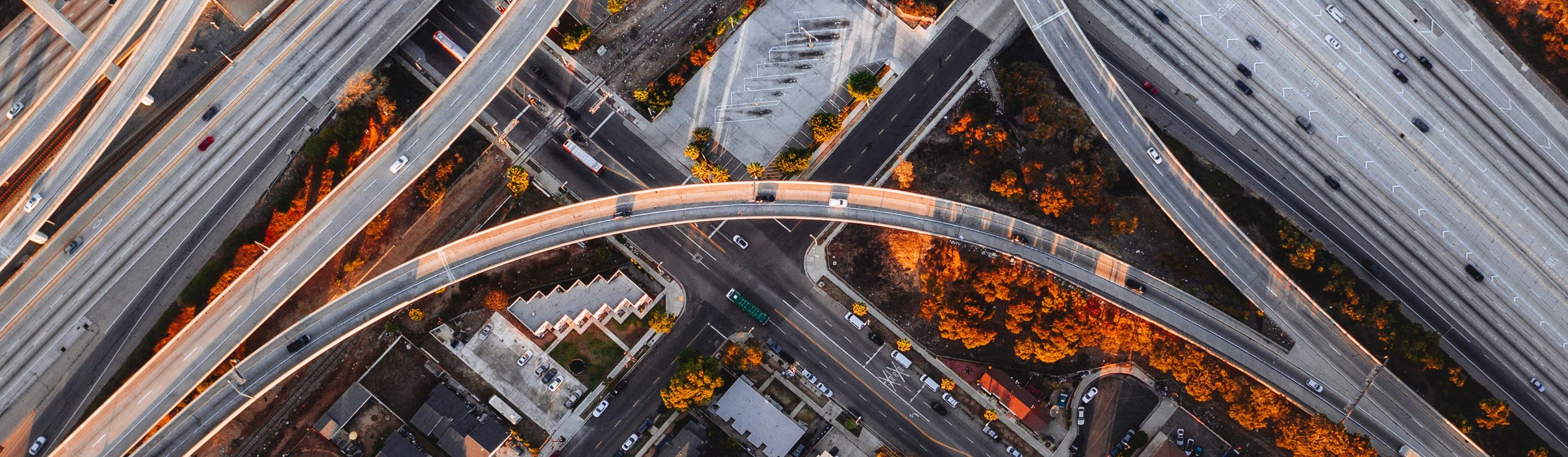
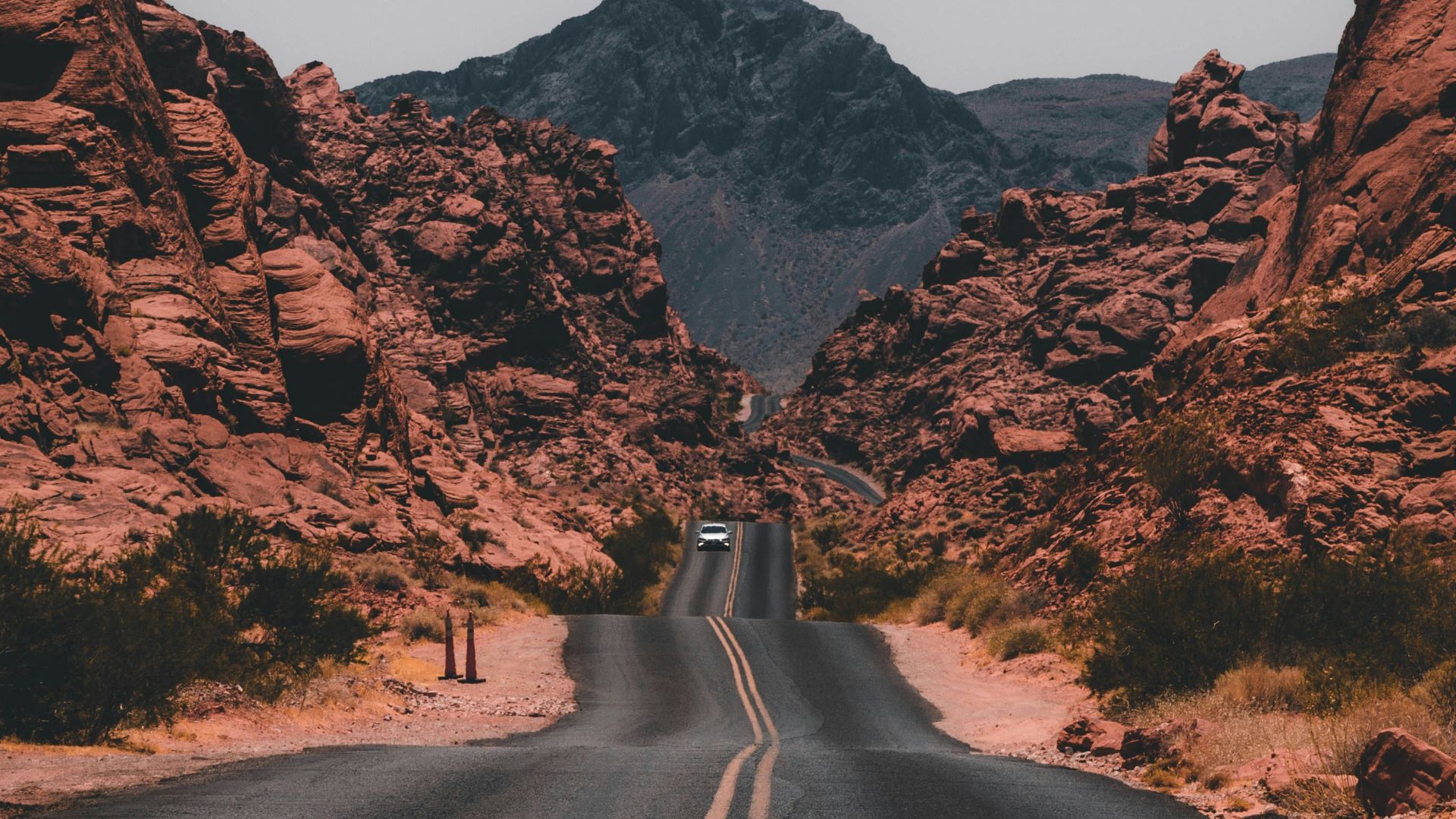
2. Highways Redefined Distance
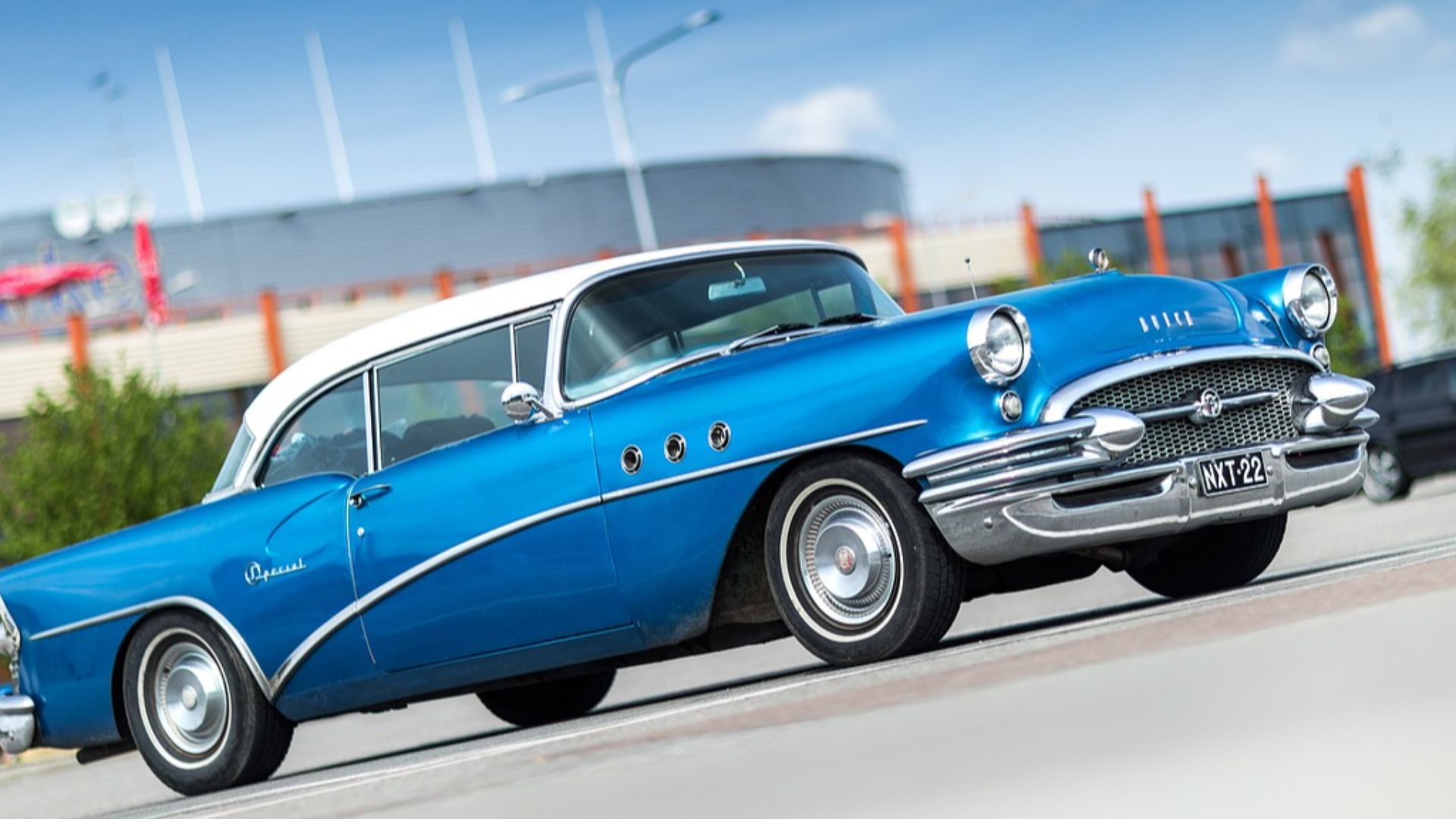
Long-distance driving became less daunting once highways connected us all. Crossing the country took less than a day, so we started to drive more often. Thank Americans' love of road trips if your state feels smaller than it is.
3. Drive-Throughs Changed How You Eat
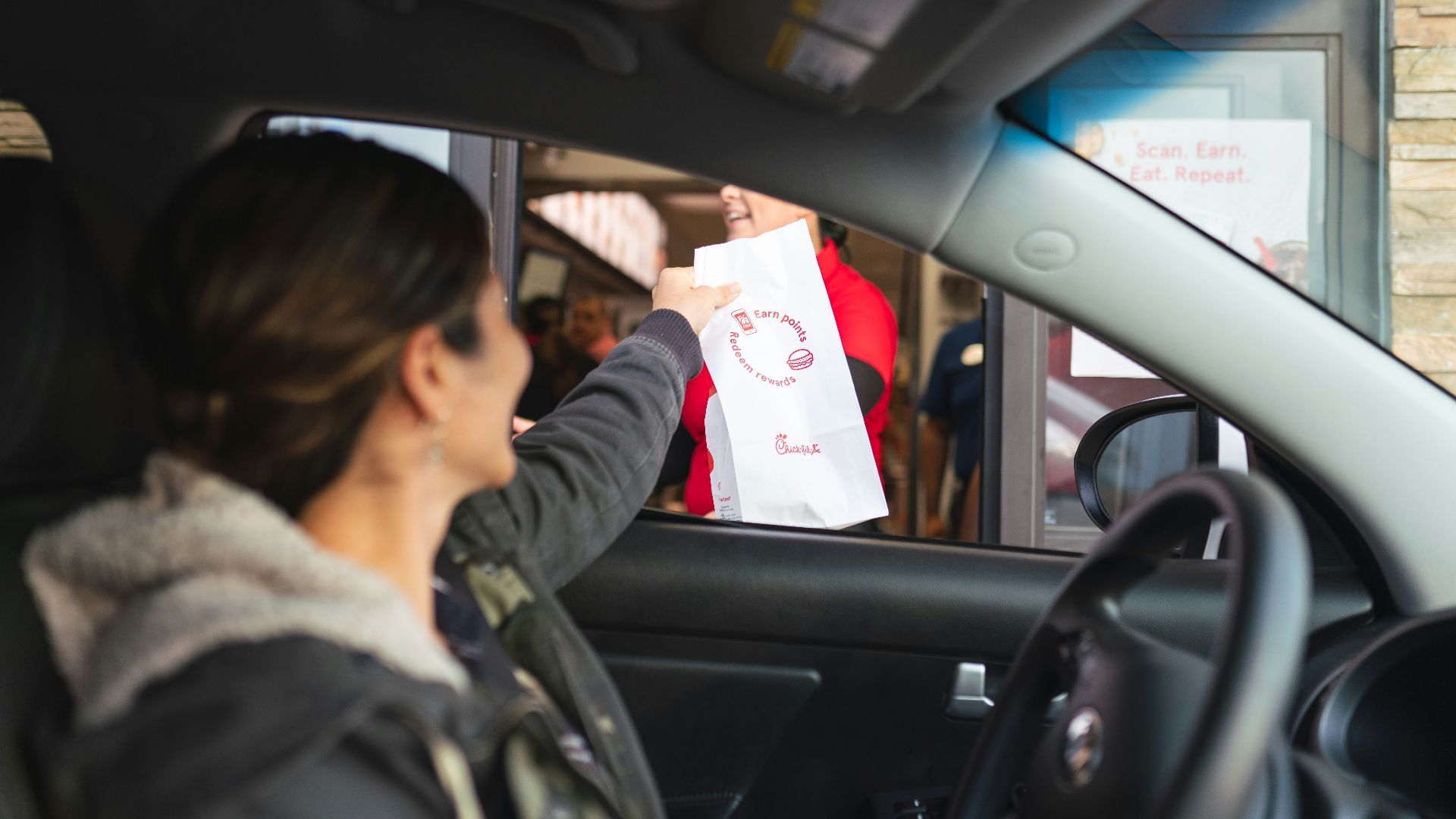
Fast food realized the potential of the windshield consumer. Eating without getting out of your car soon seemed normal, not novel. Drive-throughs have also changed your relationship with food when you do stay put.
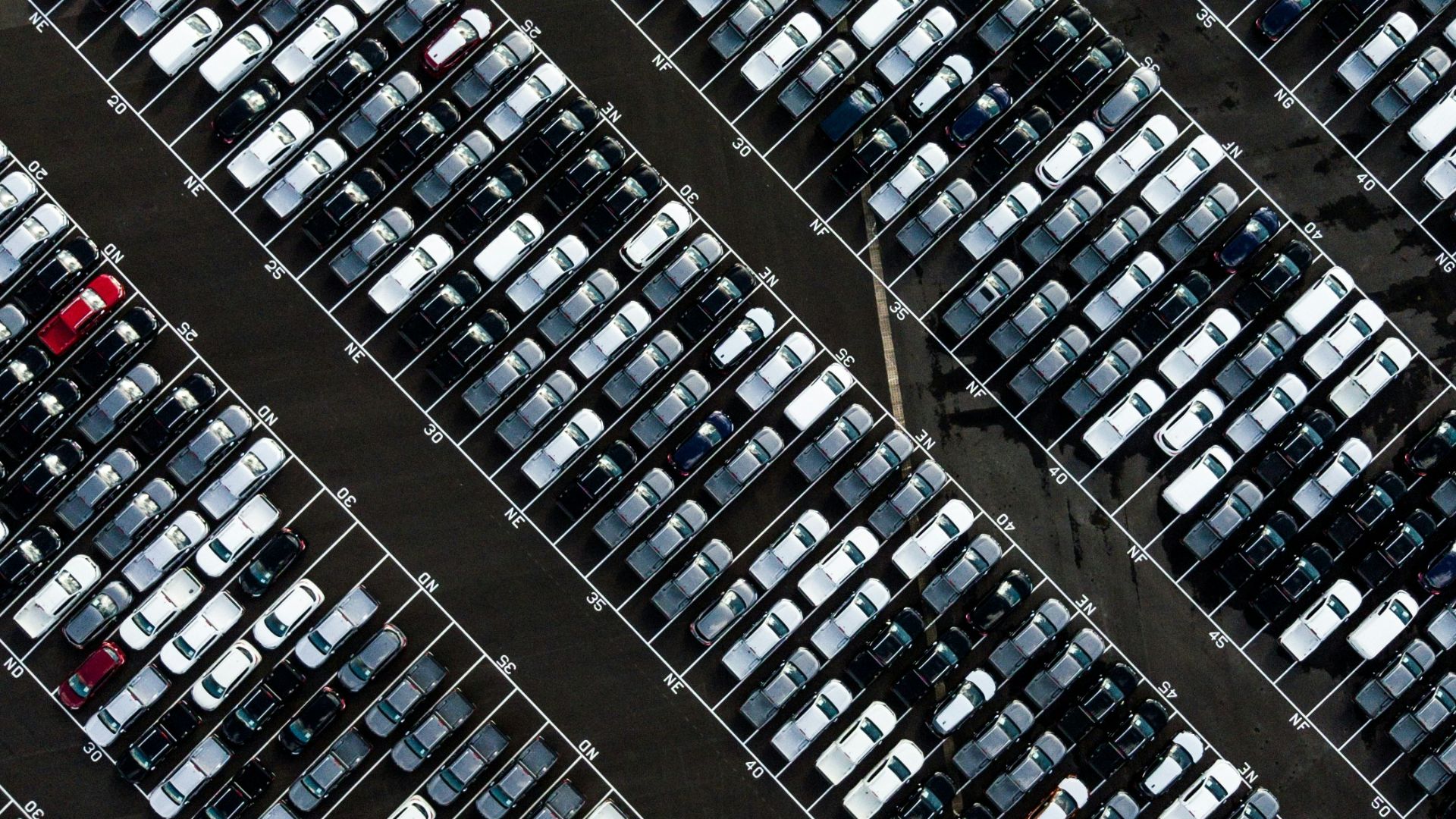
4. Cities Were Built Around Parking
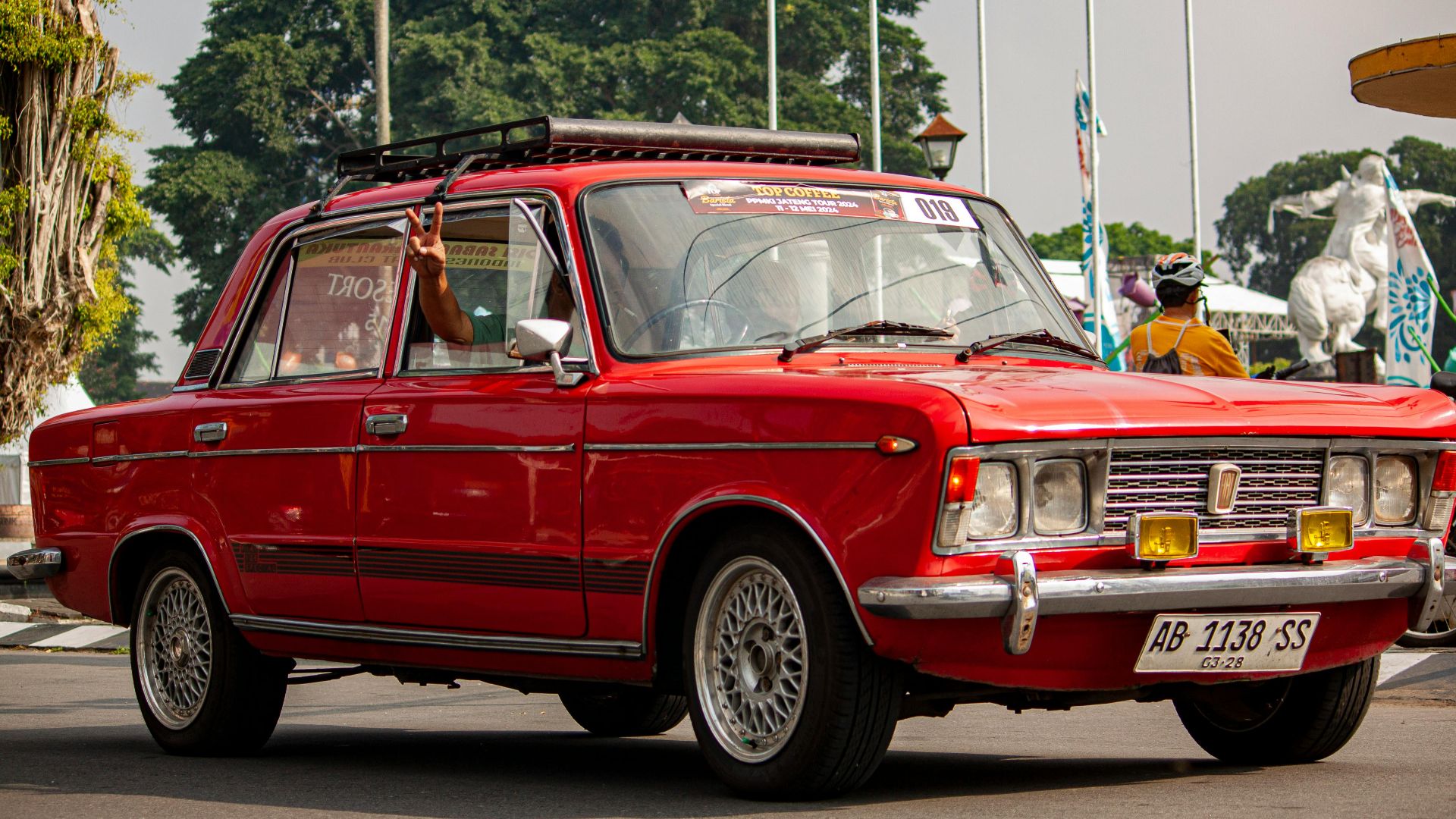
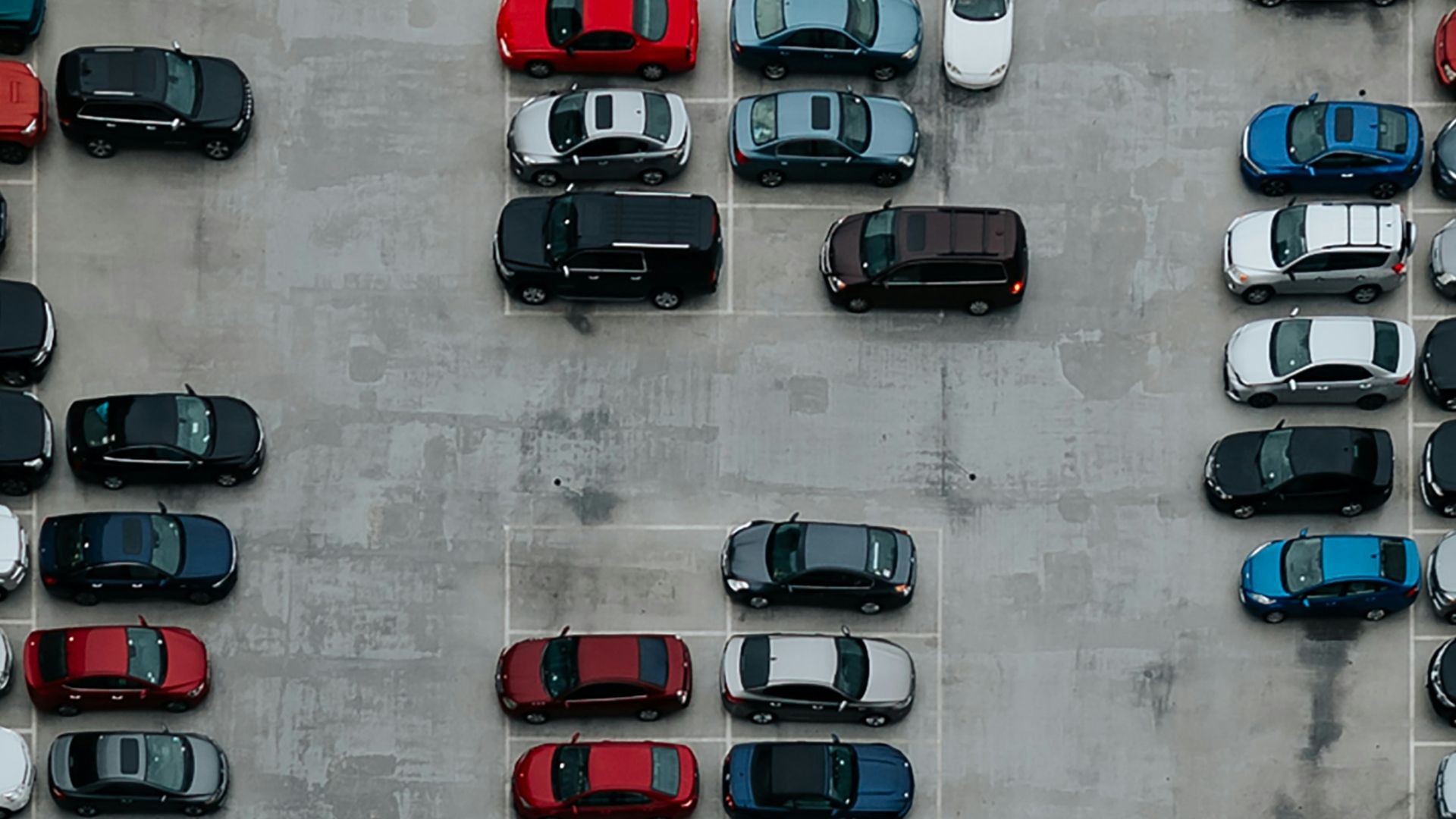
Parking lots, decks, and street space for cars took priority in downtown development. City planners fought congestion with more room for your ride. You’ve been affected by parking minimums every time you see a new building.
5. Road Trips Became a Cultural Ritual
Vacationing meant packing the kids into the car and going. The act of driving somewhere became an activity, not a hassle. Cue yourself if road trip sing-alongs are a family tradition.
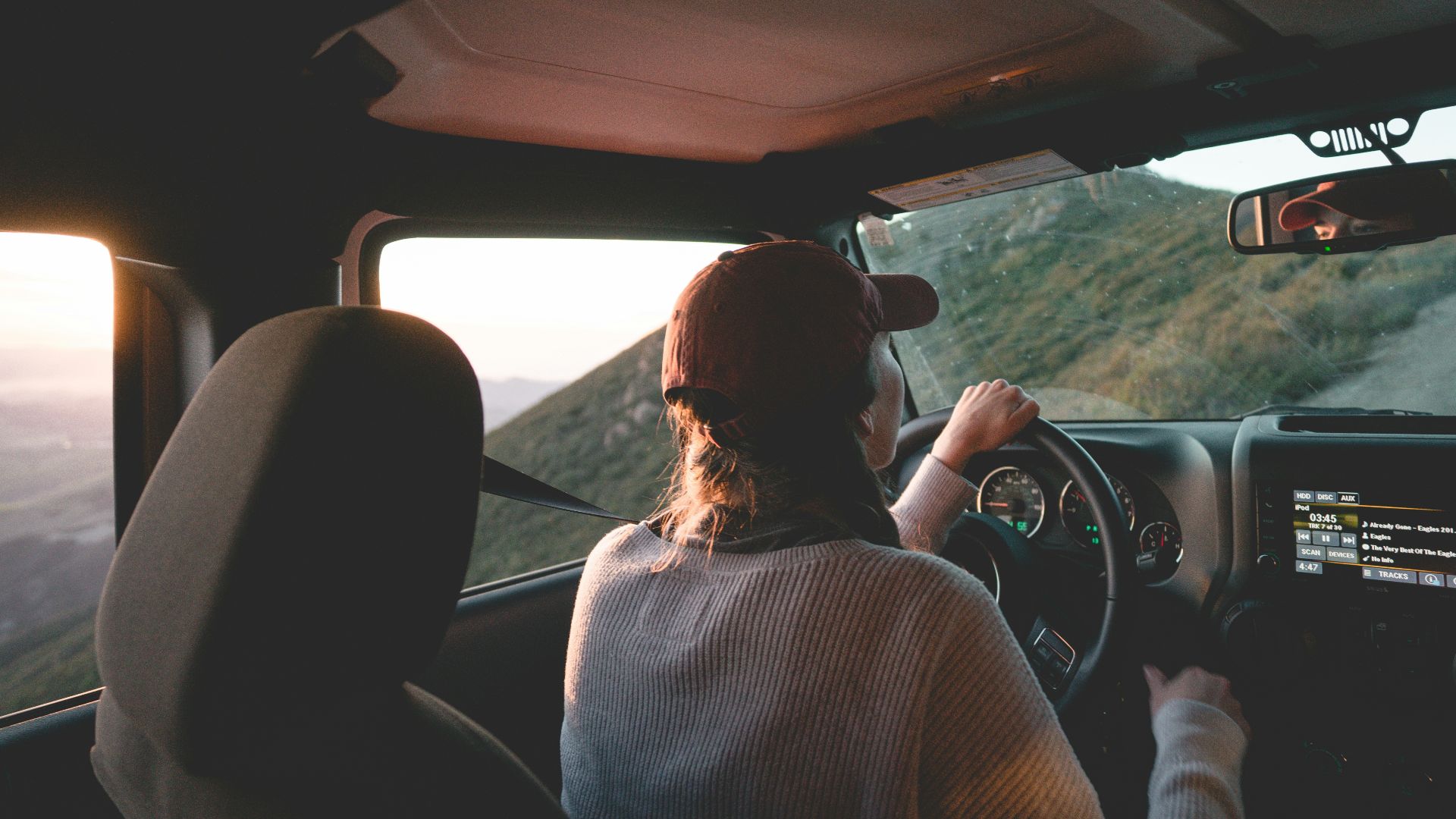
6. Gas Stations Turned Into Community Landmarks
Gas stations transformed into destinations far beyond fuel. Rest stops, coffee, bathrooms, and late-night conversations happen here. If you live somewhere without a station on every corner, it still anchors neighboring communities.
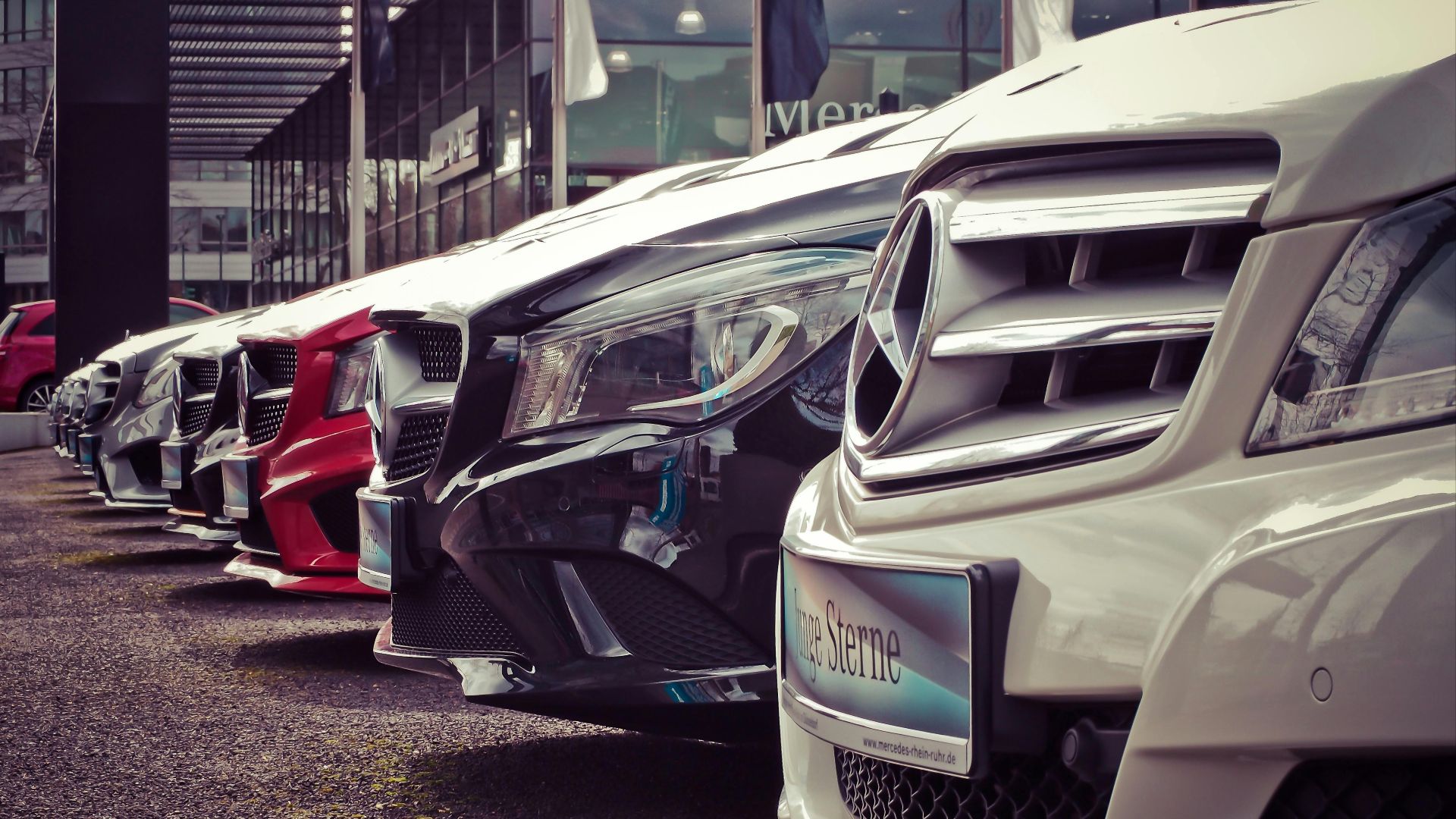
7. Teen Independence Arrives on Four Wheels
Getting your license was a rite of passage into adulthood. Cars gave teenagers an identity and a responsibility they could grasp. Even if you swore you’d never let it happen, you still feel that rush when your teen first starts driving.
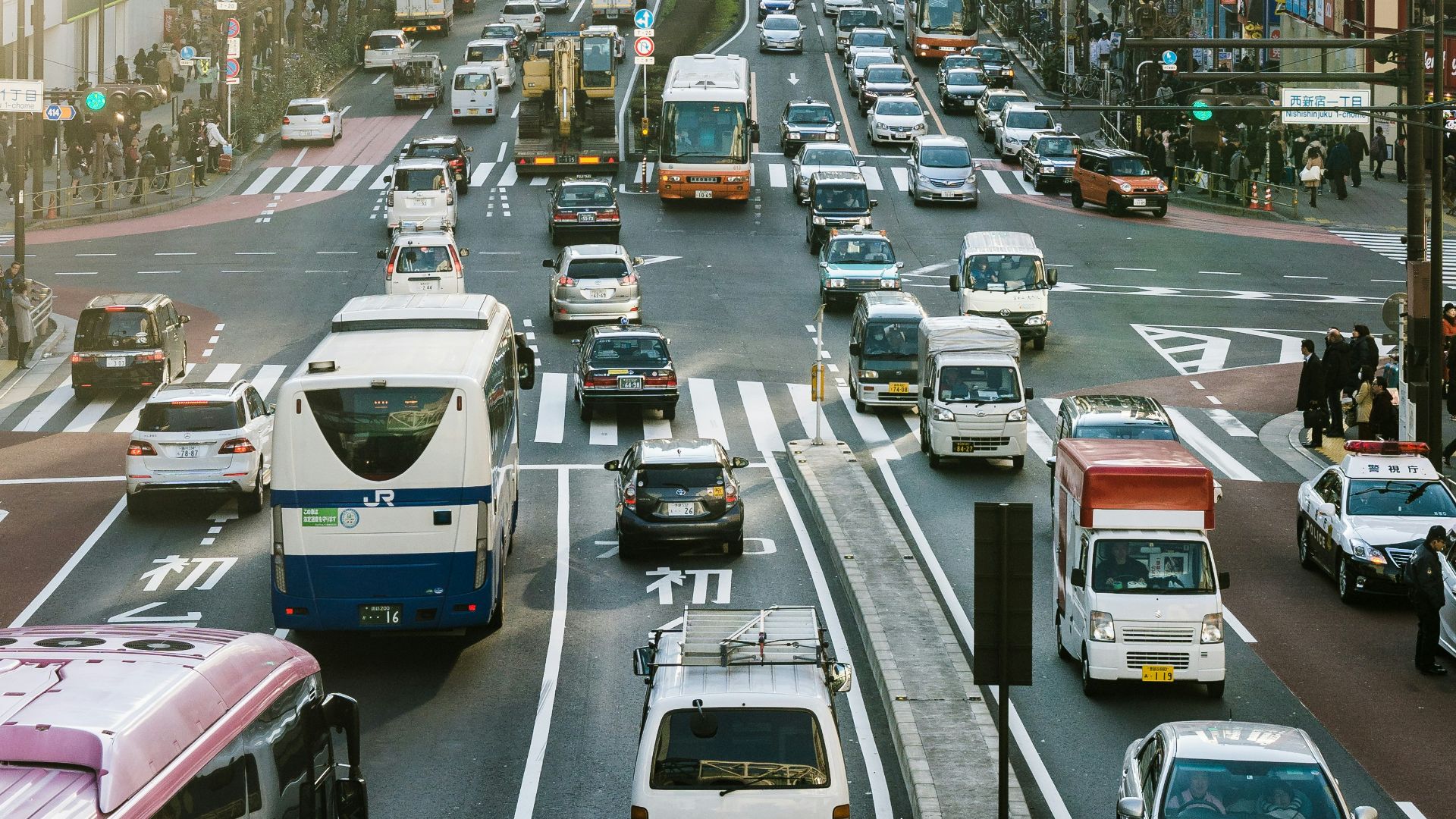
8. Music Was Made for the Open Road
FM radios and road trips altered how we write, listen to, and think about music. You have certain songs that just sound better when you’re driving. Whether you realize it or not, entire albums are tied to past drives.
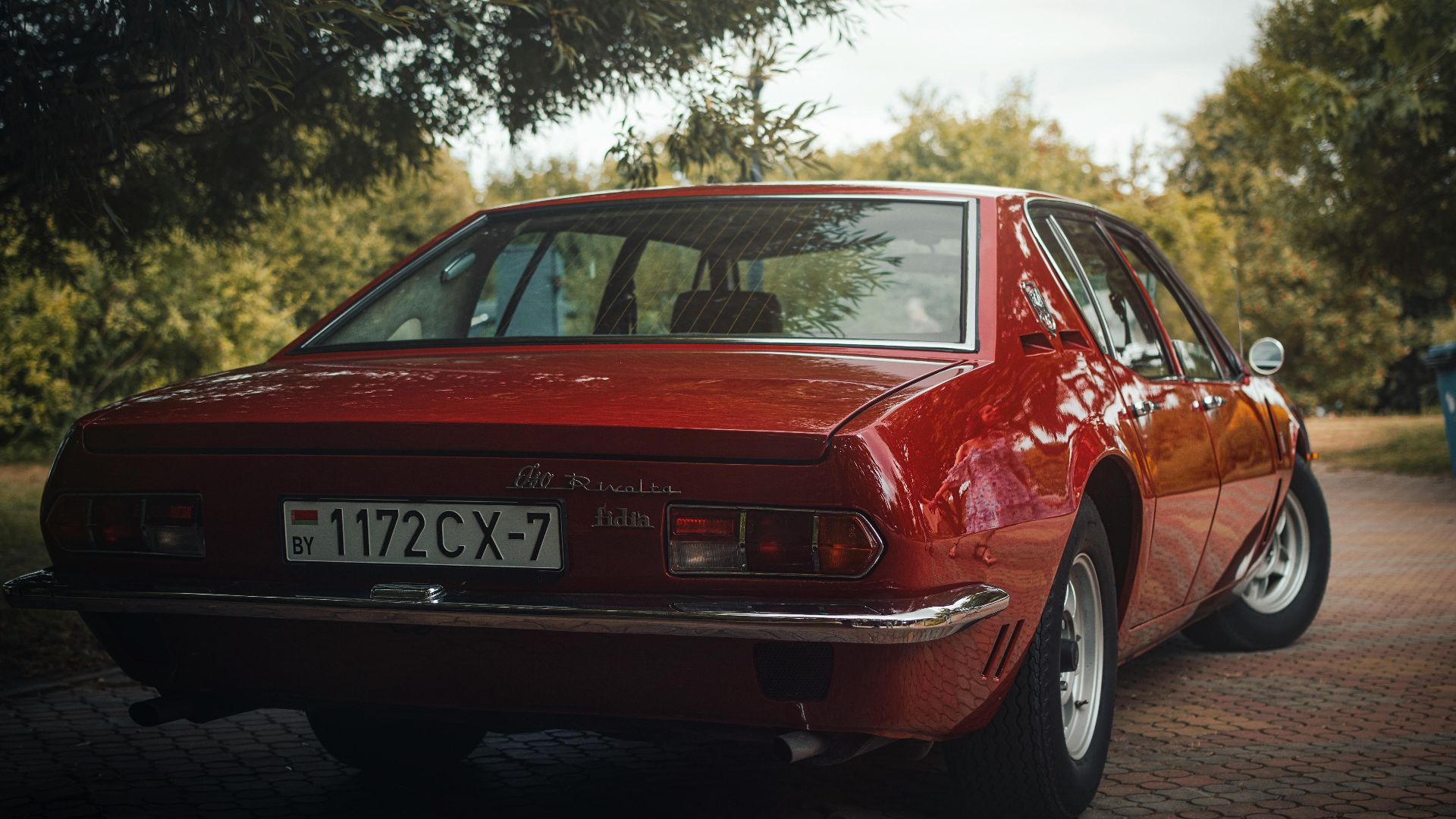
9. Jobs Followed the Commute
Companies migrated from cities as employees embraced driving to work. Suddenly, office parks and distant warehouses dotted the landscape. If you spend hours in your car each week on business, consider yourself a victim of automotive commercialization.
10. Advertising Learned to Sell Freedom
Automobile ads sell you freedom, confidence, and the open road. Cars became status symbols and defined who we were. Subconsciously, car commercials still sell you dreams even if you resist them.
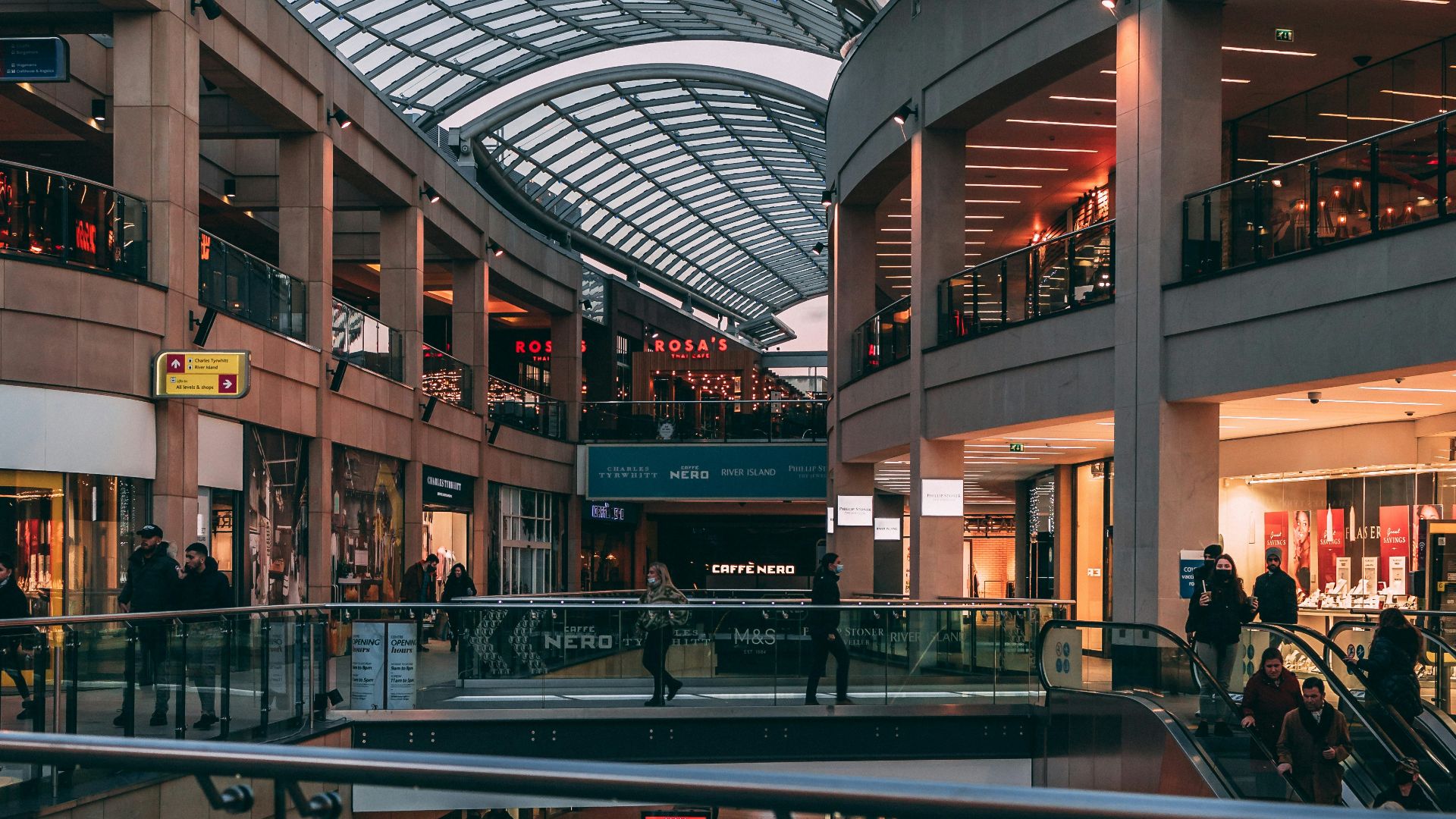
11. Malls Thrived Because You Could Drive There
Parking lots were where retail malls truly won over America. So much space for cars created a destination region shoppers couldn’t ignore. Hate malls all you want, but they didn’t succeed in the pre-customer era.
12. Sports and Tailgating Go Hand in Hand
Sporting events often begin in the parking lot hours before kickoff. Cars transform into block parties equipped with coolers and portable grills. You aren’t just going to the game, your vehicle helps you drive up participation.
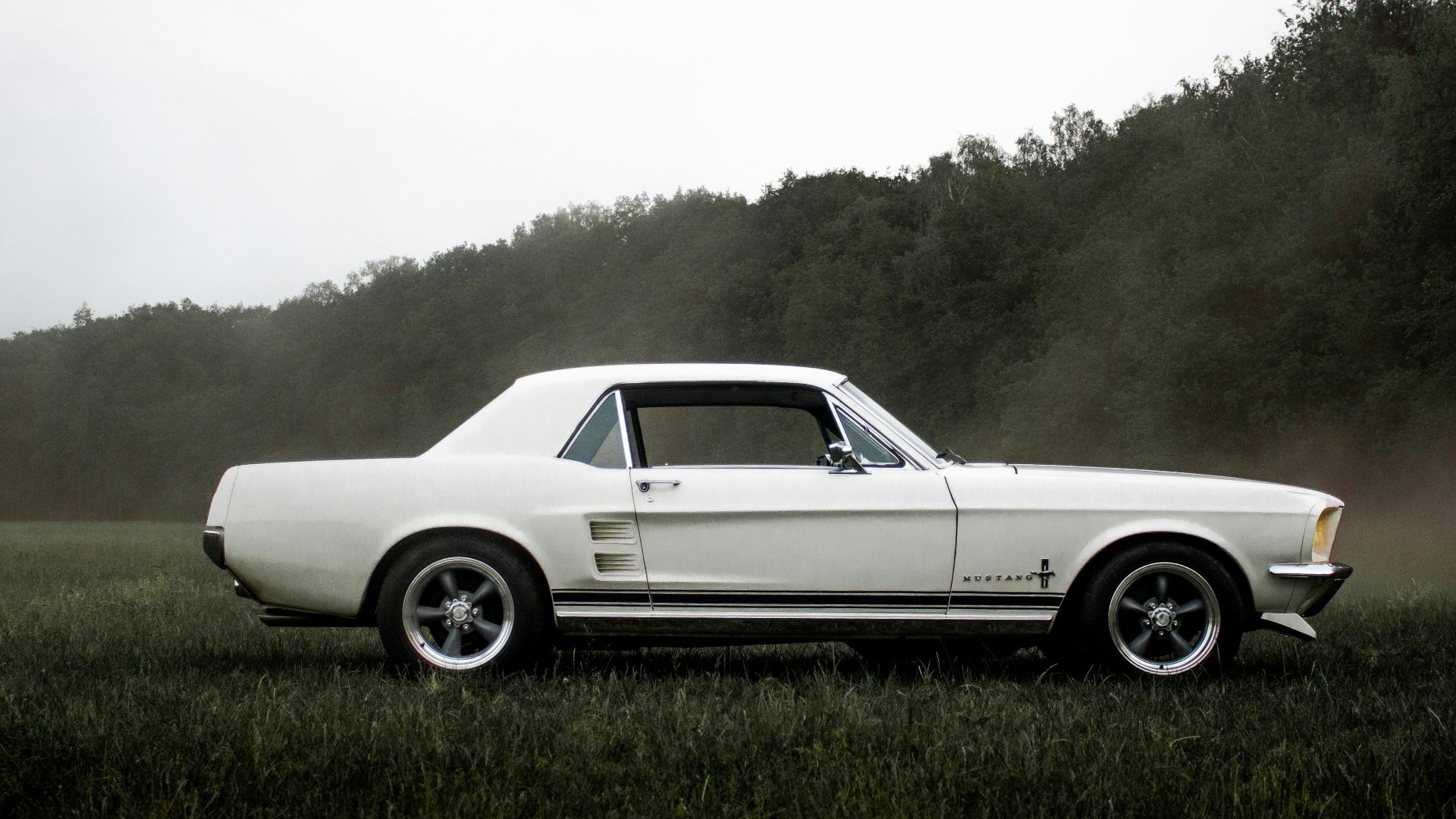
13. Car Design Reflects Personal Identity
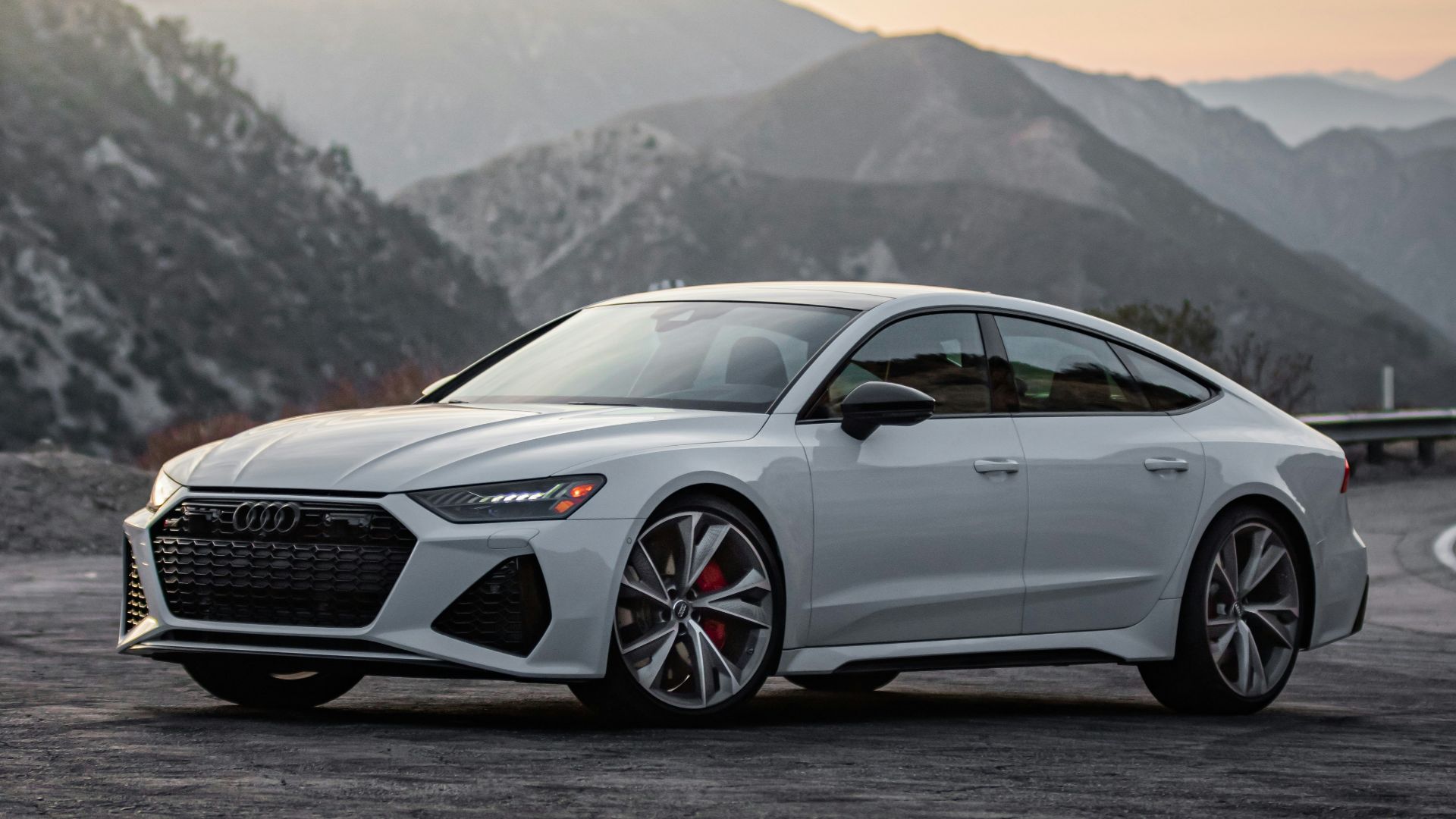
To some extent, people view their car as a reflection of themselves. Color, make, model, and modifications can symbolize who we are. Pretend your car doesn’t say anything about you, I’ll believe you and nobody else will.
14. Rural Life Depends on Reliable Wheels
For millions of Americans, driving isn’t a luxury or occasional activity. Making simple errands means filling up your tank and driving. Rural areas would not exist without automobiles.
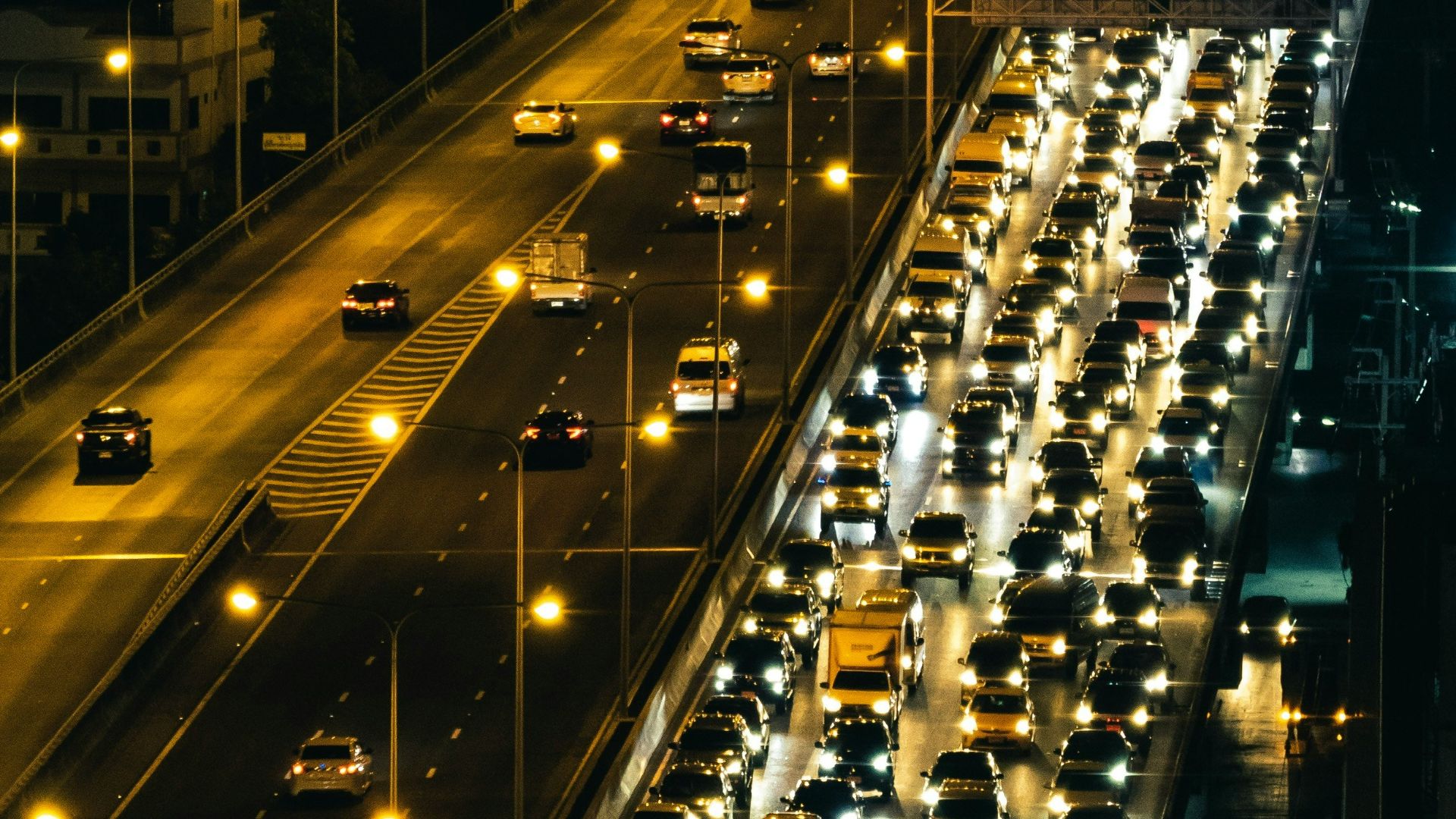
15. Traffic Shaped Daily Stress Levels
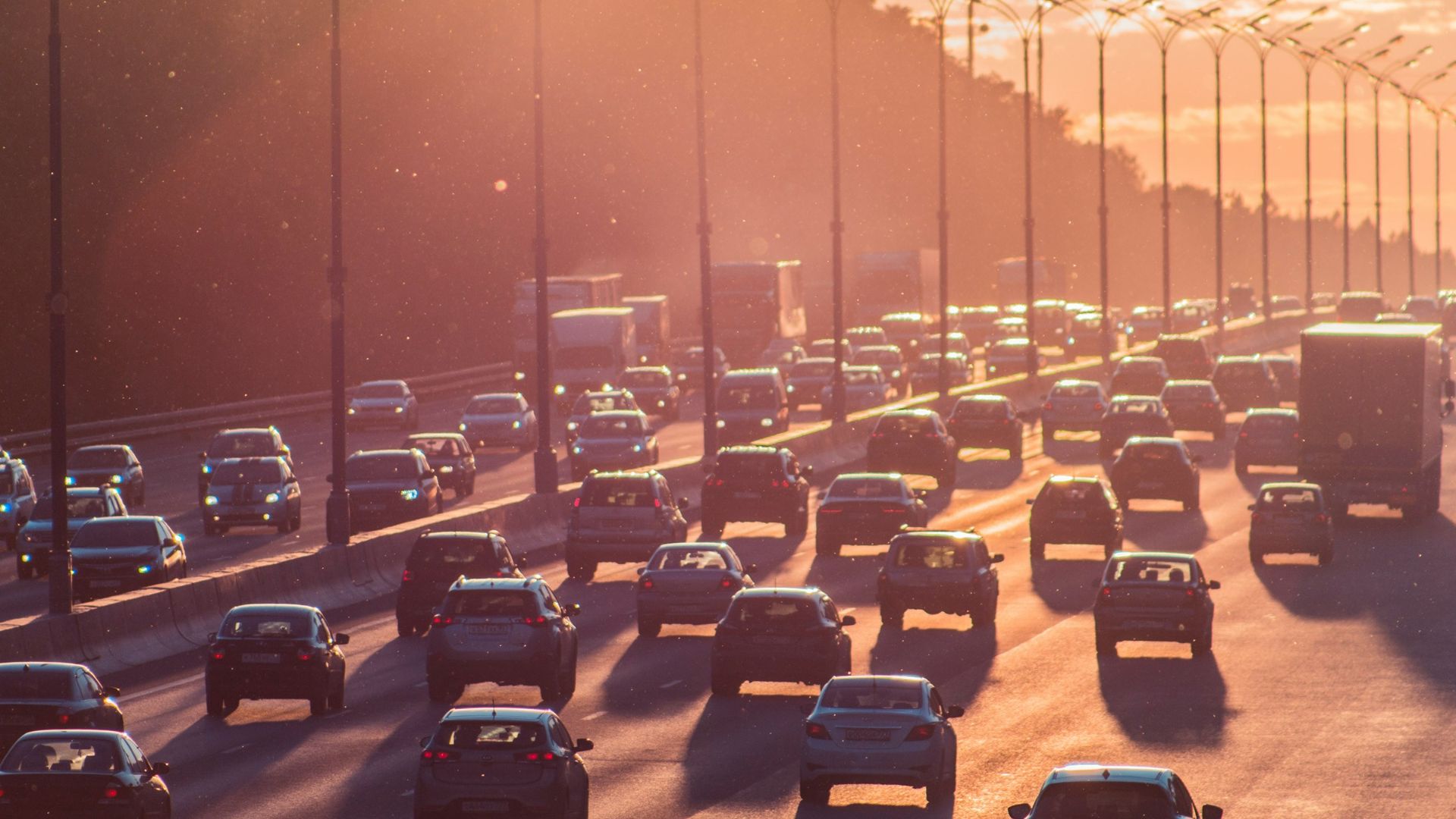
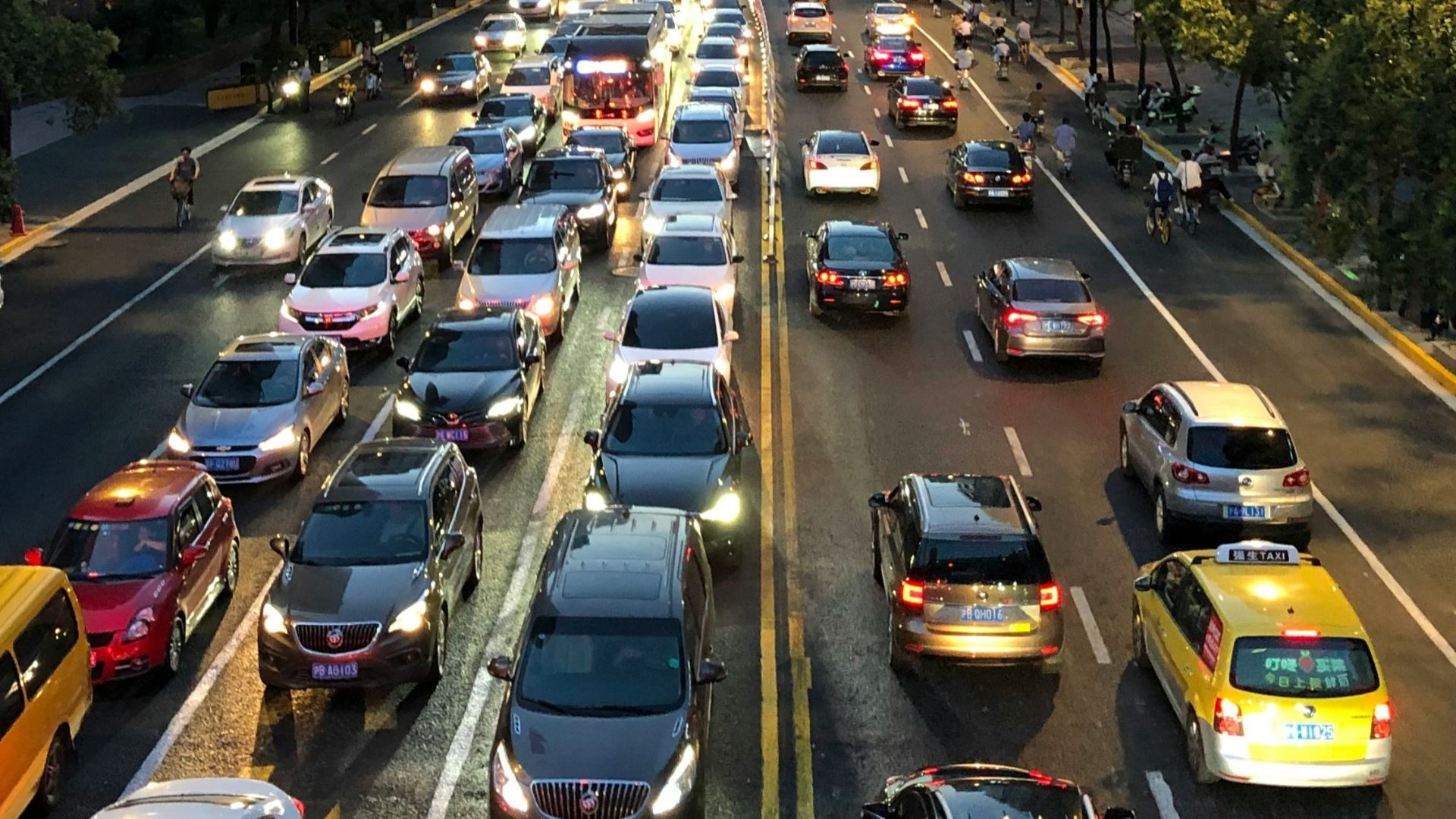
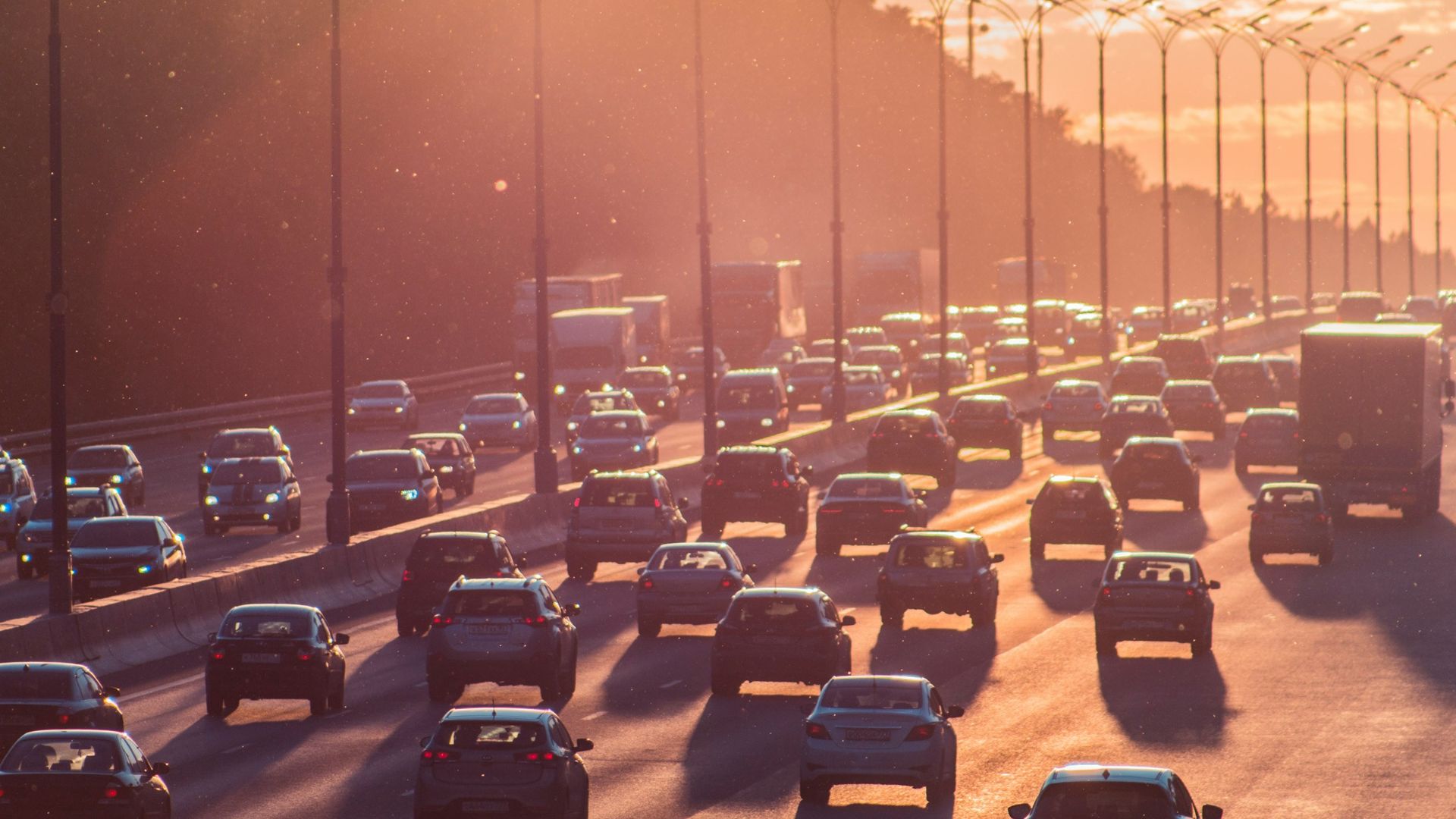
Americans collectively hate being stuck in traffic. It takes away from our day, makes us late, and drains our patience. If you regularly plan your schedule around traffic, consider yourself damned by car culture.
16. Movies Turned Cars Into Characters
Car chases, road trips, and unforgettable vehicles have been central to film. Cinematically, cars represent power, freedom, or change. I’m sure you remember Henry Ballard’s yellow DeLorean as much as Michael York.
17. Infrastructure Spending Favors the Road
The government poured money into highways and infrastructure. Public transportation took a back seat while generations drove more. Look around anytime you see new bridges being built instead of train lines.
18. Environmental Awareness Grew Through Exhaust Fumes
We didn’t know the air was dirty until we polluted it by driving. As a country, we began to question our consumption when we saw smog. Hybrids and electric cars are our solution, but they live within car culture too.
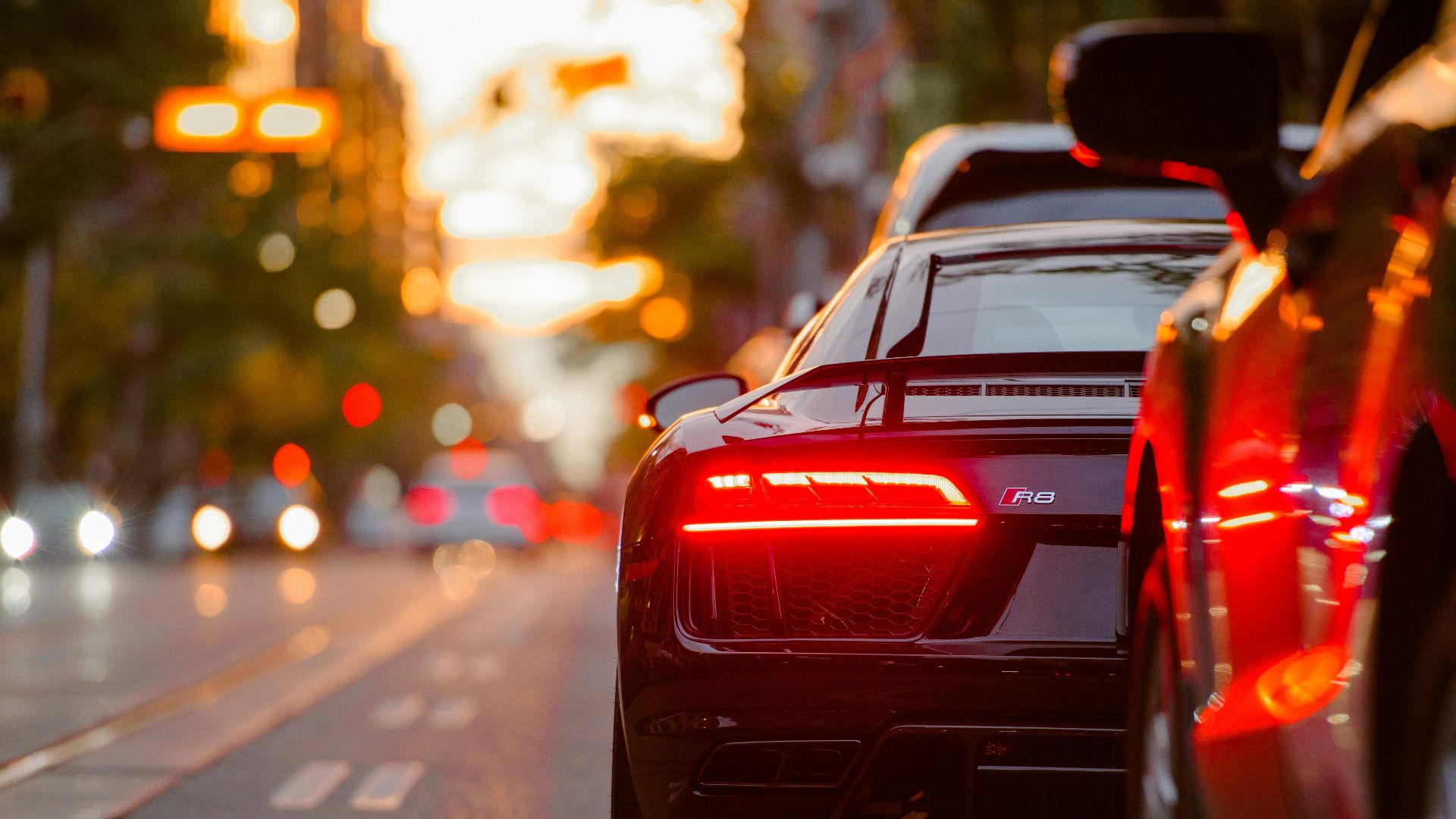 Evgeny Tchebotarev on Unsplash
19. Dating and Social Life Revolve Around Mobility
Plans assume someone will pick you up or you can leave when you want. Cars have made meeting up easy and long-distance relationships possible. Consider how many times your car opened or limited your social opportunities.
20. Freedom Still Feels Like a Full Tank
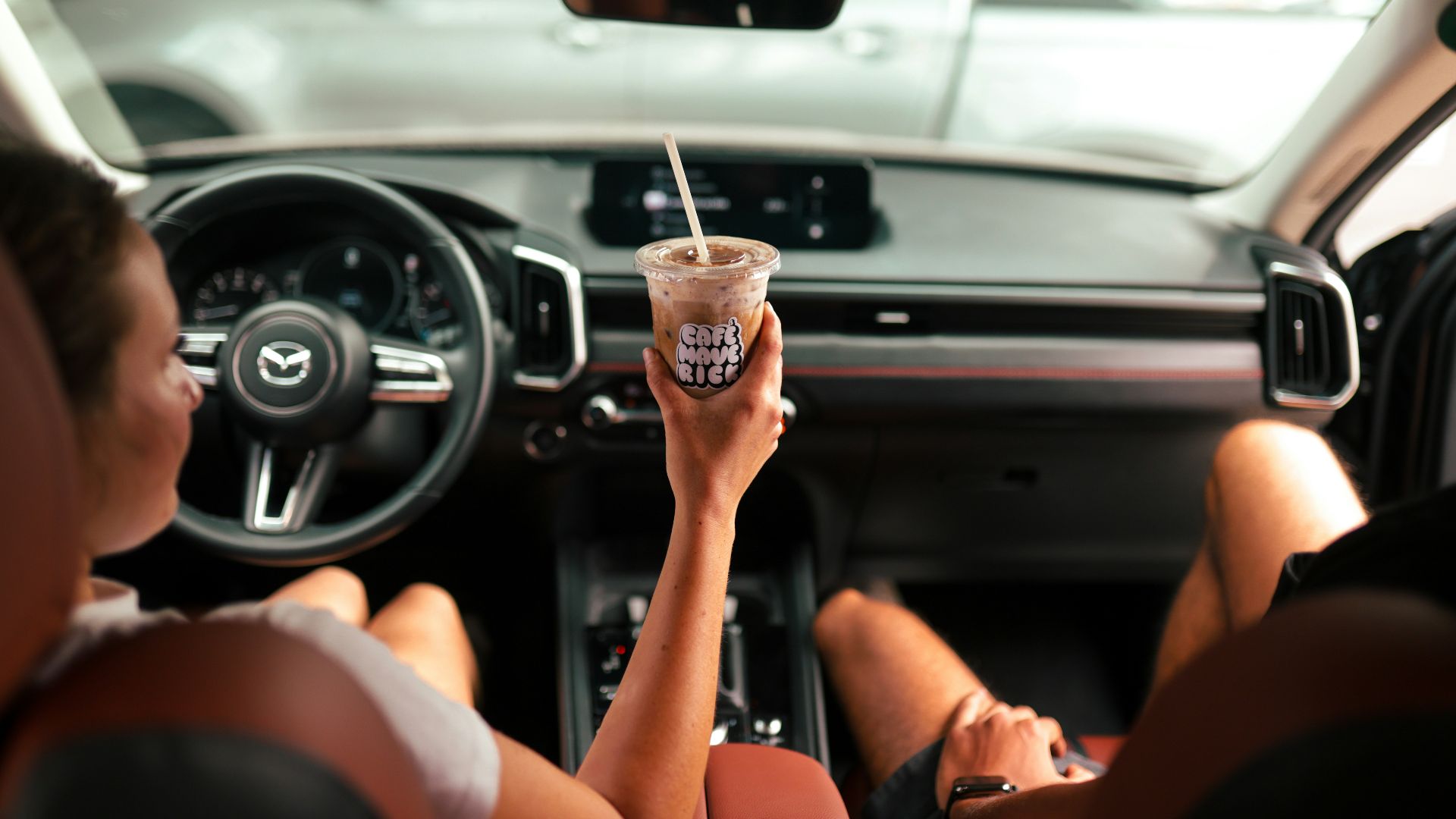
Cars may not hold the same status they once did, but freedom still comes with four wheels. The ability to leave whenever and however you want is still exhilarating. As long as we crave that control cars will remain American icons.