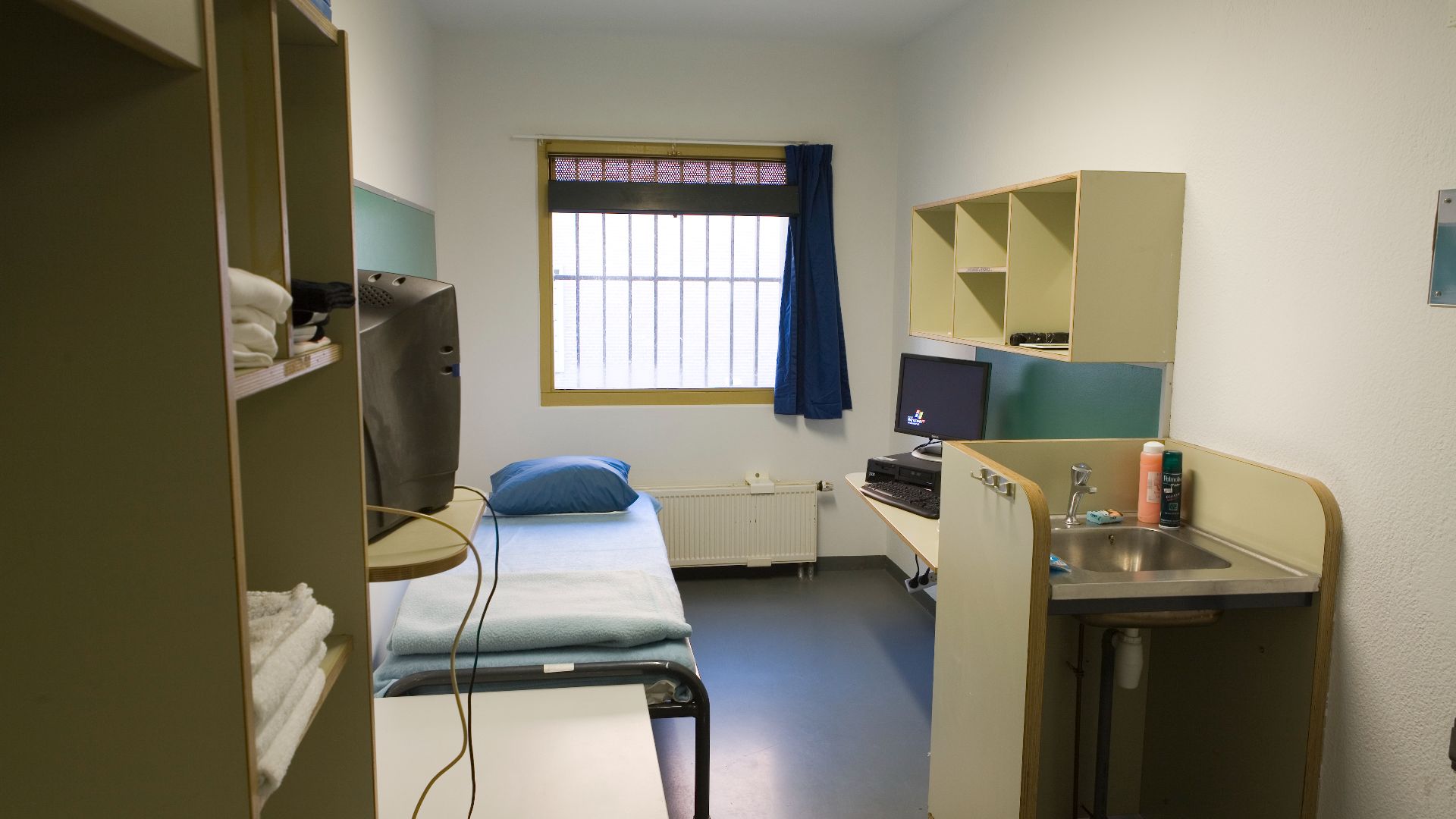
Most people picture crime and imagine a growing prison system. The Netherlands, however, took the opposite route.
Over the past two decades, the country slowly emptied so many prison cells that entire facilities shut their doors and found new lives as schools and community spaces. If you’re curious how a modern nation managed to downsize its prison population while maintaining public safety, keep reading.
Prison Became The Last Resort
Starting in the early 2000s, judges and policymakers in the Netherlands began shifting away from automatic incarceration. Instead of locking people up for minor or non-violent offences, courts leaned heavily on fines, community service, and other noncustodial penalties. Prison became something used selectively, often for serious offences or cases where alternatives truly wouldn’t work.
When offenders struggled with addiction or mental health challenges, the justice system steered them toward treatment. When the issue stemmed from unstable housing, financial trouble, or lack of work, social-service interventions sometimes replaced prison time.
Keeping People From Coming Back
The Netherlands invested in helping people reenter society as smoothly as possible. Some programmes connected inmates with potential employers before release. Others supported family ties, since strong relationships reduced the risk of slipping into harmful activities.
Culturally, punishment also looked different. Life sentences remained rare. Harsh, decades-long prison terms didn’t shape the typical Dutch experience. The overall system leaned toward proportionality. It treated prison as something society should use carefully because every extra year inside disrupted a person’s chances of contributing to everyday life afterward.
The effect was cumulative: fewer people entering prison, fewer people staying long, and fewer people returning. Over time, the numbers dipped so consistently that the Netherlands faced an unusual question for a modern country. What do you do with prisons that no longer have enough inmates to stay open?
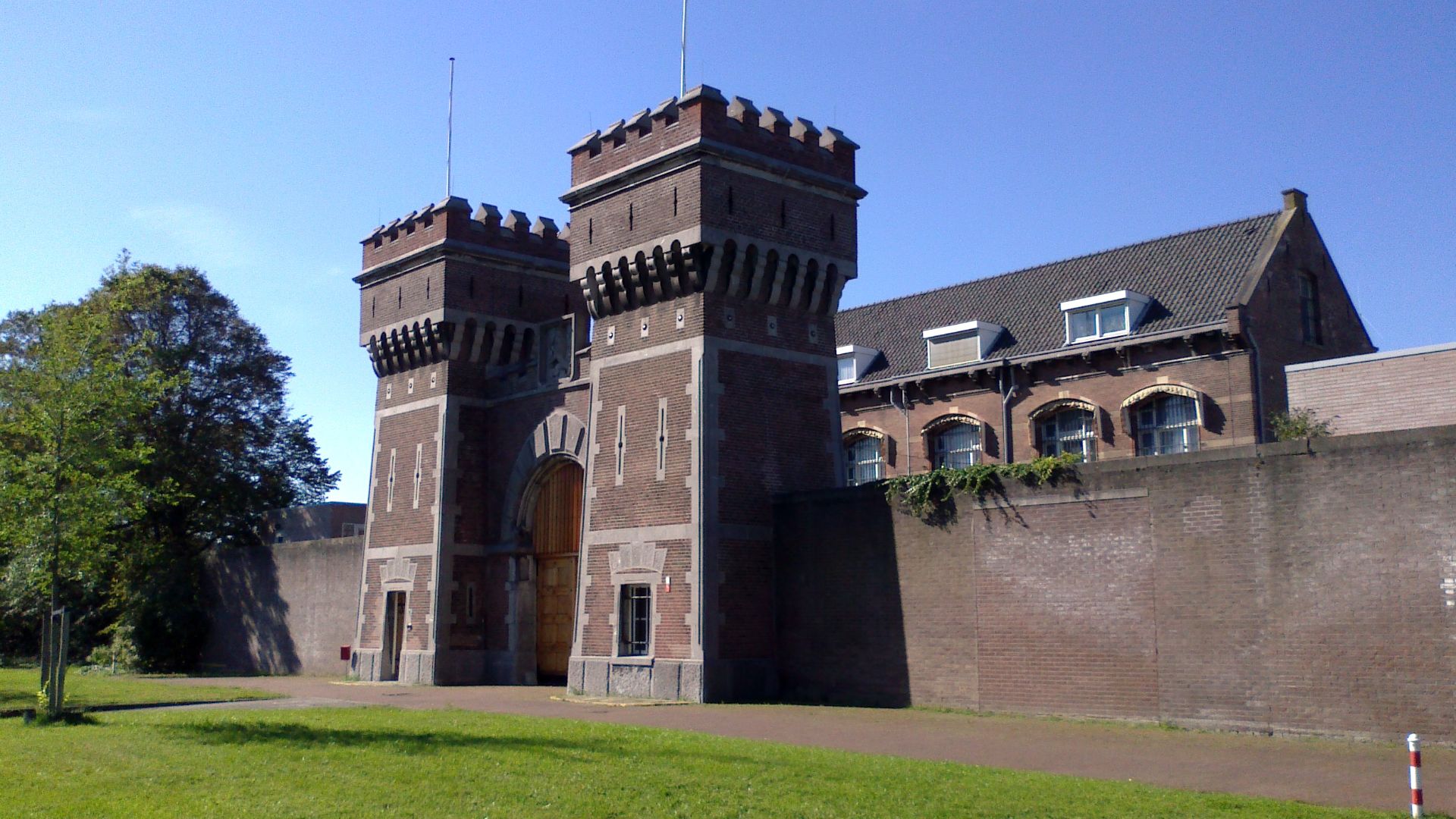
As occupancy fell, the government began closing entire facilities. Old cell blocks became student housing. Courtyards turned into playgrounds. Former guard towers framed the entrance to office buildings or cultural centers. In one city, a decommissioned prison became a creative campus for designers and small businesses.
What The Dutch Experiment Suggests For The United States
The Netherlands didn’t eliminate crime. No country does. What it did was question whether incarceration should always be the first response.
The United States won’t match the Netherlands perfectly. Still, the Dutch experience opens space to imagine possibilities. It shows that fewer people behind bars does not automatically lead to chaos, and that treating minor offences without incarceration can work. And it shows that a justice system built around reintegration instead of perpetual punishment can leave society safer, not more vulnerable.
If nothing else, the Dutch story challenges long-held assumptions. It invites Americans to look beyond habit and consider changes that prioritize outcomes over tradition. And it proves that when a country invests in people, even prisons can find better futures.