20 Rules For Surviving a Shipwreck (And Hopefully Getting Rescued)
Talk About Making a Splash
While nobody actually plans on trading their luxury cruise for a makeshift raft, being prepared for the worst can turn a disaster into a survival story. Getting stuck in the middle of the ocean is definitely a mood dampener, but your chances of making it back to land are much higher if you keep a cool head. You'll need to focus on the basics of survival while making yourself as obnoxious as possible to anyone looking for you from the sky. We've put together twenty essential tips to help you navigate the chaos of a shipwreck and ensure you're the one telling the tale at the next family dinner.

1. Don't Abandon Ship Too Early
You should stay on the vessel as long as it's physically possible because it's a much larger target for rescuers to spot than a tiny person in the water. Ships often take longer to sink than you'd expect, so you don't want to jump into the freezing waves while the deck is still dry. Only make the leap when it’s clear the boat is definitely going down or if the crew gives the official order to evacuate.
2. Grab the "Go Bag" Immediately
If you have a waterproof bag packed with flares, a whistle, and a basic first-aid kit, make sure it’s the first thing you grab. These items are nearly impossible to find once they're floating in the debris field, so having them attached to your person is a total game changer. You’ll be much more comfortable with a few supplies than you would be clutching nothing but your wet shoes.
3. Dress for a Cold Swim
Even if you're in the tropics, the ocean will eventually sap your body heat, so you should keep your clothes on to provide a thin layer of insulation. Layering up before you hit the water can help stave off hypothermia for a few extra hours, which might be the window you need to get picked up. Don't worry about looking fashionable because the goal here is purely about retaining every bit of warmth your body produces.
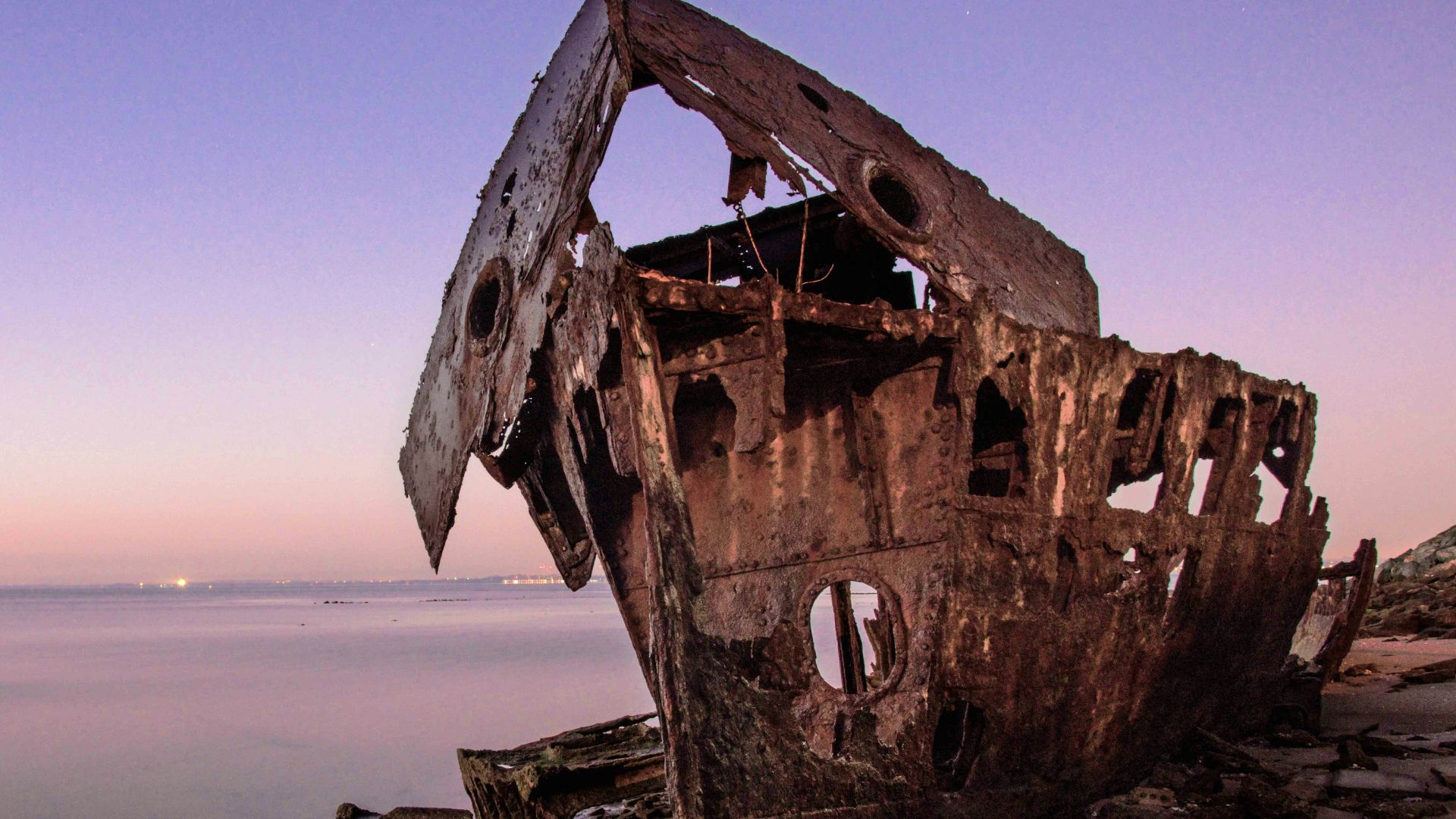
4. Fasten Your Life Jacket Properly
It might seem obvious, but you’d be surprised how many people forget to tighten the straps or clip the crotch buckle in the heat of the moment. If it’s too loose, the jacket will simply float up around your ears when you hit the water, which makes it much harder to keep your face above the waves. Taking five seconds to ensure a snug fit could save you from an exhausting struggle against gravity later on.
 Christoffer Engström on Unsplash
5. Clear the Sinking Vessel Quickly
Once you’re in the water, you need to swim away from the ship to avoid being pulled down by the suction or getting hit by floating debris. While "suction" is sometimes exaggerated in movies, it’s still dangerous to be near a massive object that’s shifting and breaking apart. Put a safe distance between yourself and the wreck so you can focus on finding a raft or a sturdy piece of flotsam.
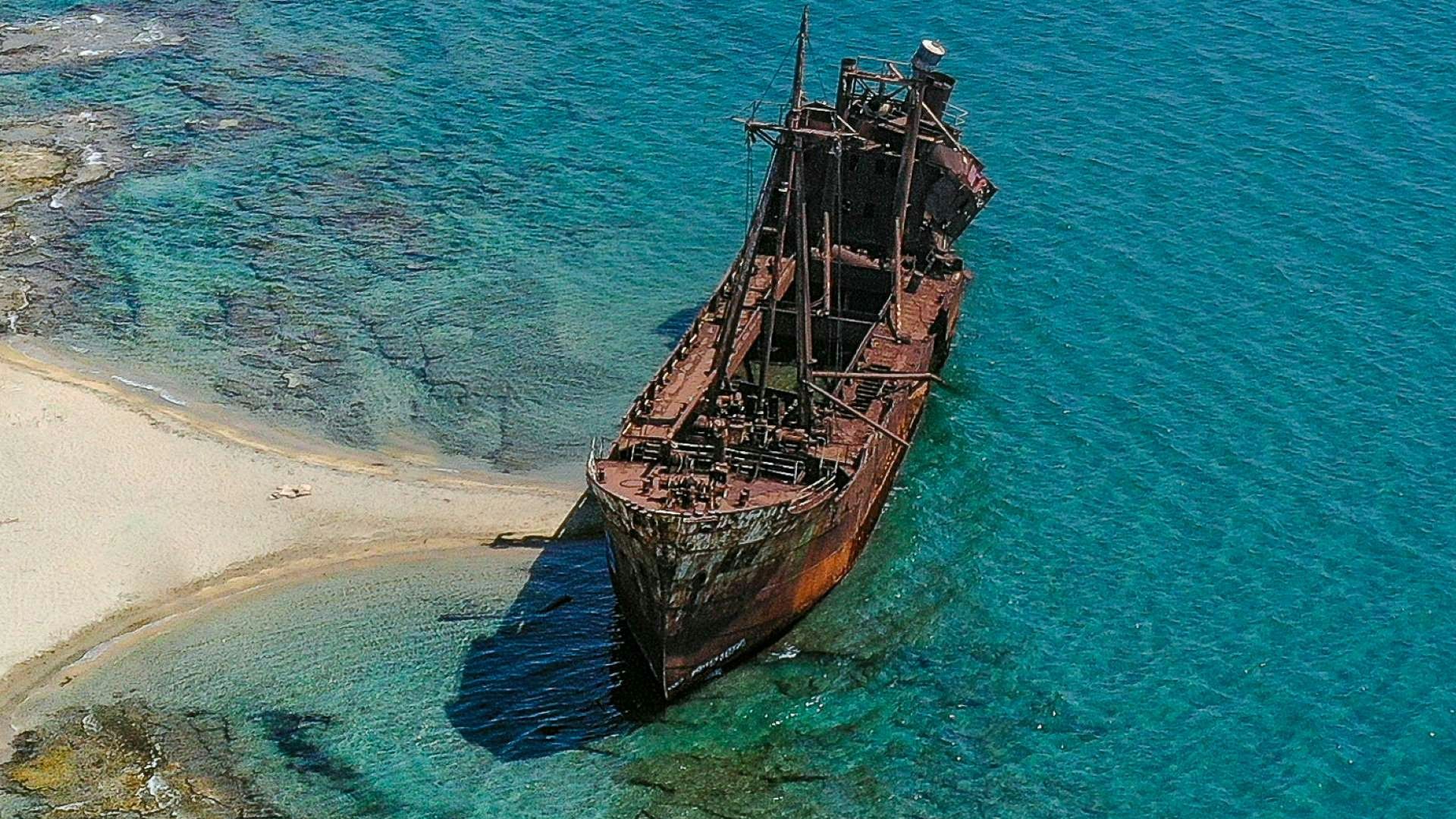
6. Conserve Your Physical Energy
You might feel an urge to swim toward the horizon, but unless land is clearly visible and close, you're better off floating quietly. Treading water is an exhausting workout that will burn through your calories and heat much faster than you can afford. Try to find something that floats so you can keep as much of your body out of the water as possible while you wait for help.

7. Manage Your Fresh Water Wisely
Resist the temptation to drink anything for the first twenty-four hours because your body actually needs time to adjust to the stress of the situation. After that, you should ration your water in small sips rather than big gulps to make it last for several days. Whatever you do, never drink the seawater, as the salt will dehydrate your organs and cause you to hallucinate or worse.
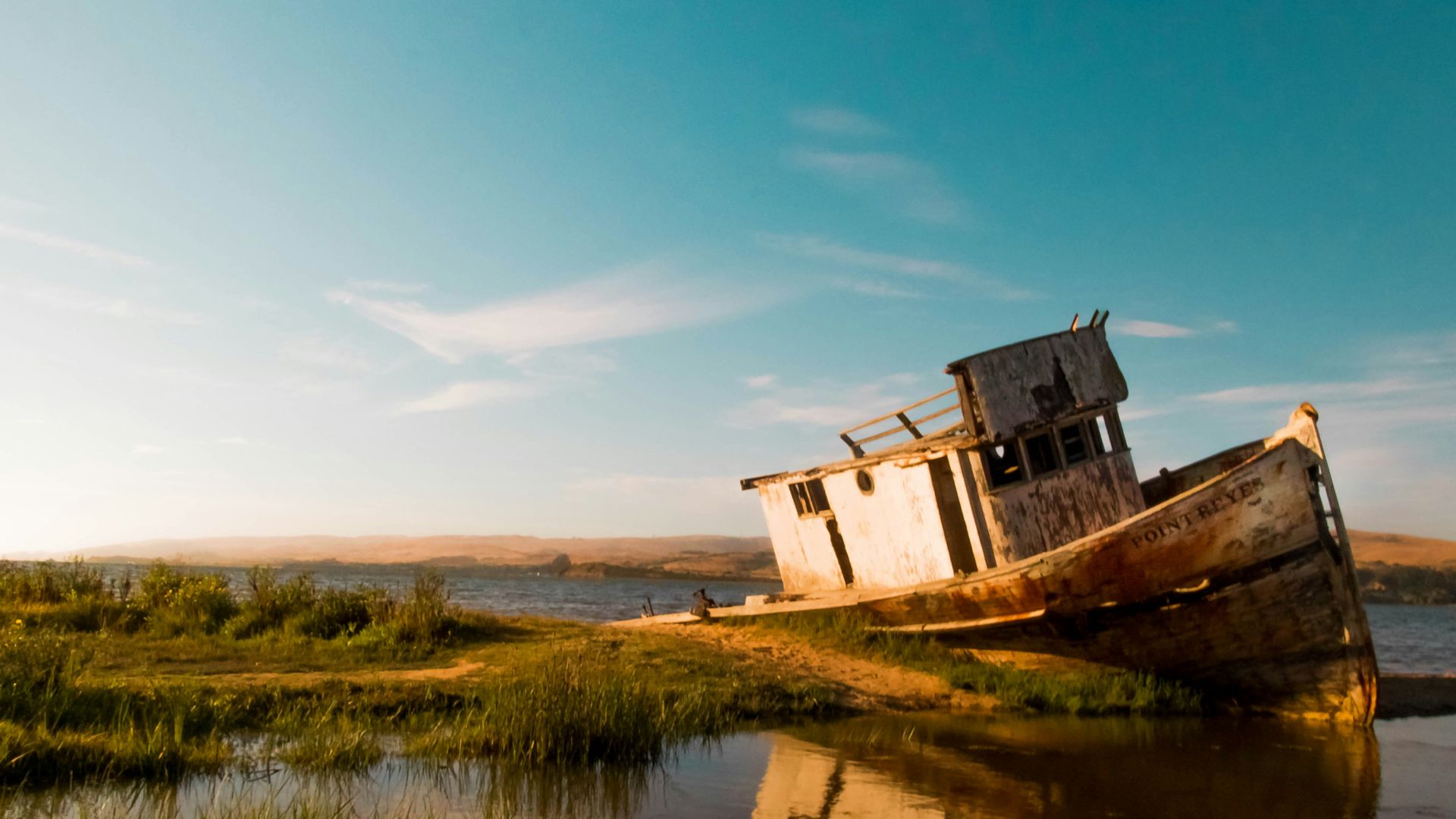
8. Use Mirrors to Signal Pilots
On a sunny day, a simple makeup mirror or even a shiny piece of metal can be seen for miles by a passing airplane or ship. You should practice aiming the reflection by holding two fingers out in a "V" shape and centering the target between them. This is one of the most effective ways to get noticed because the flash of light is unnatural and instantly grabs a pilot's attention.

9. Organize the Group Immediately
If you’re lucky enough to be with other survivors, it’s vital to establish a plan and stay close together to boost morale. Link your arms or tie your rafts together to create a larger visual footprint that’s easier for search teams to identify from a distance. Working as a team also means you can take turns sleeping while someone stays on "lookout" duty for passing ships.
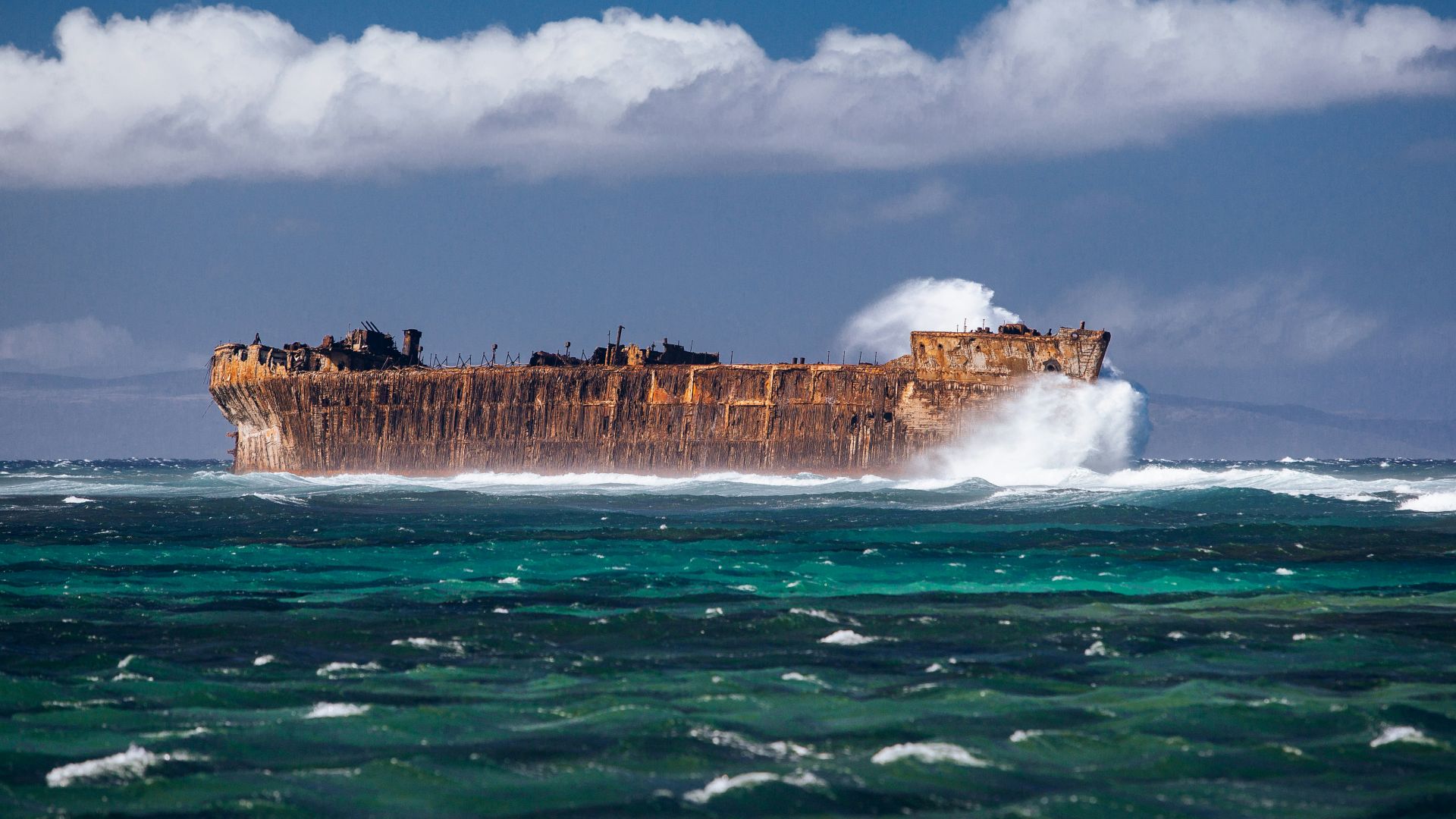
10. Protection from the Sun is Key
Sunburn is more than just painful; it can lead to severe dehydration and sunstroke, which will quickly zap your will to survive. Use any spare fabric or even seaweed to cover your head and exposed skin from the direct glare of the afternoon sun. If you’re on a raft, try to rig up a small canopy to create a patch of shade where you can hide during the hottest parts of the day.

11. Keep Your Feet Dry
Staying in wet shoes for days on end can lead to a painful condition known as "immersion foot" which can cause permanent tissue damage. If you’re in a lifeboat, try to take your shoes off periodically to let your skin breathe and dry out in the air. Keeping your extremities in good shape will make it much easier for you to walk once you eventually reach a shore.

12. Don't Eat Unless You Have Water
Digesting food requires a significant amount of water, so eating salty snacks or protein without a fresh drink will actually speed up your dehydration. If your water supply is low, it’s actually safer to go hungry for a while than it is to force your body to process a meal. Your body can survive for weeks without food, so prioritize your hydration above everything else in your inventory.
13. Signal with Bright Colors
If you have any brightly colored clothing or a life ring, wave it around whenever you hear an engine in the distance. International orange and neon yellow are specifically designed to stand out against the deep blue of the ocean, so use them to your advantage. Even if you think you’re alone, keep your signaling gear ready because rescue can happen at the most unexpected moments.
14. Watch Out for Sea Life
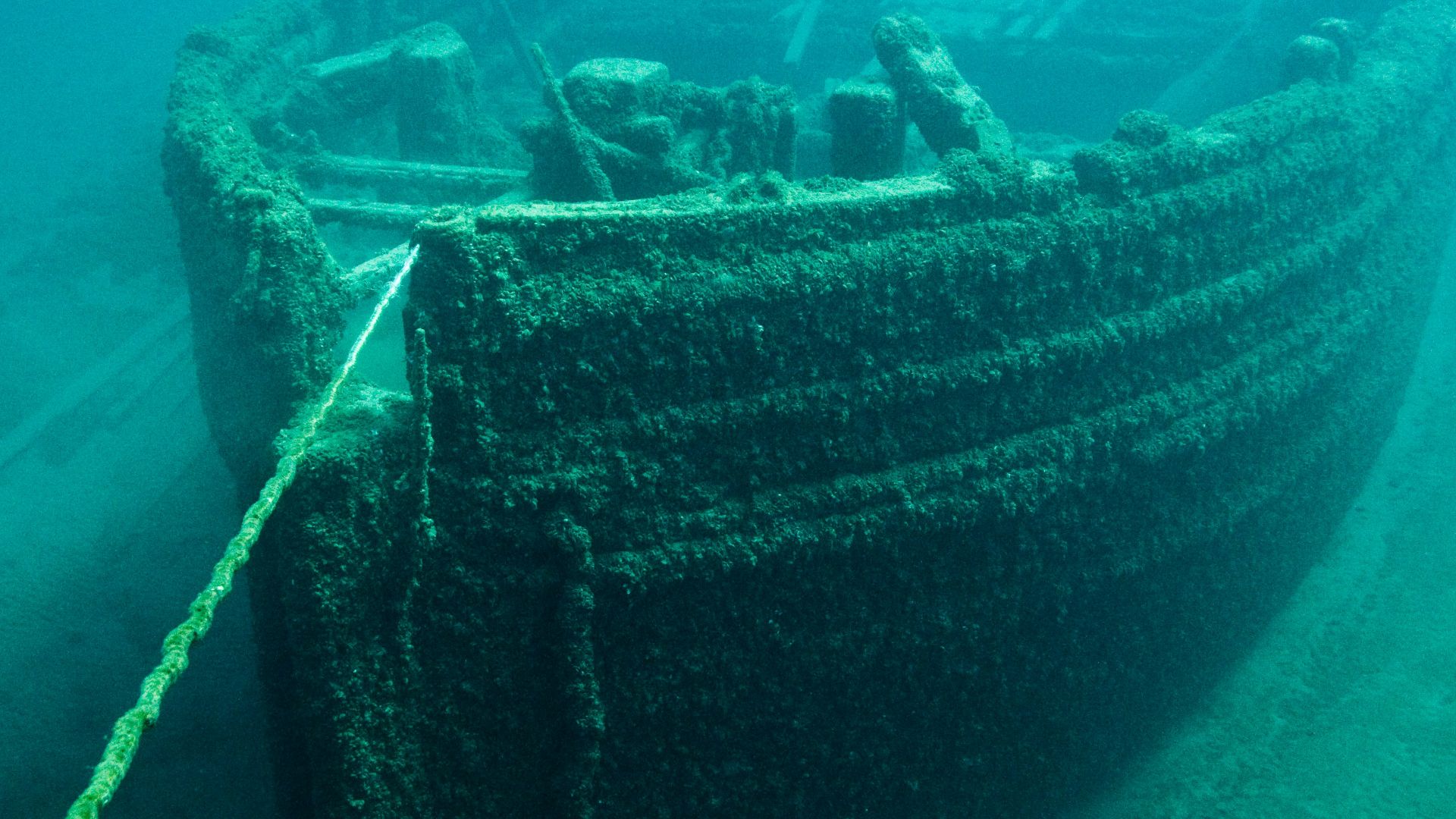
While sharks get all the bad press, you're actually more likely to be bothered by jellyfish or small nibbling fish that can irritate your skin. Try to keep your legs inside the raft and avoid dangling your hands in the water as if you're fishing for a snack. Most sea creatures are just curious, but it’s best to maintain a "look but don't touch" policy while you're a guest in their home.
15. Collect Every Drop of Rain
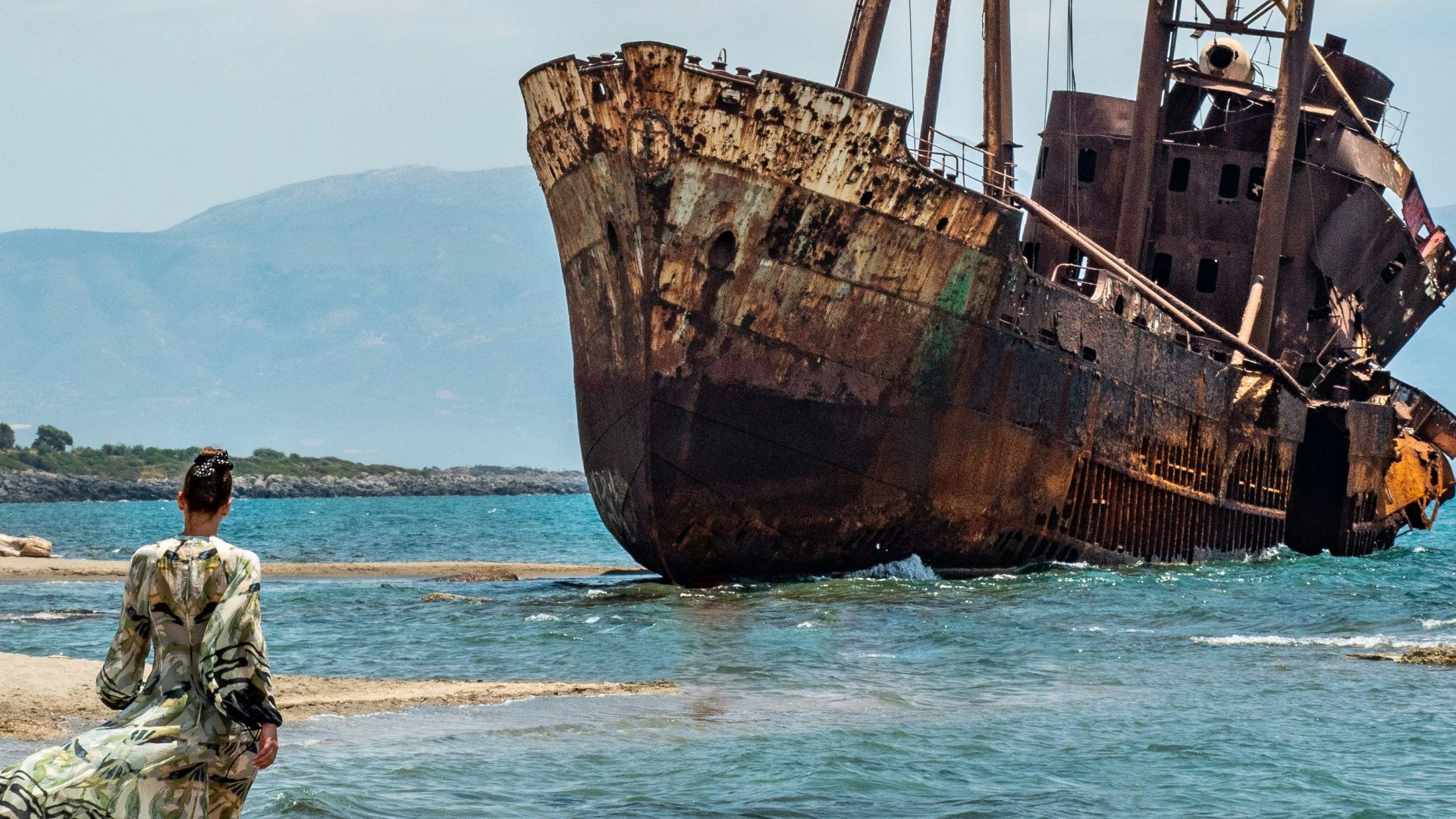
When a storm rolls in, don't just hide from the rain; use every container you have to catch as much fresh water as you can. You can even use the tarp of your raft to funnel the water into a bottle, though you should let the first few minutes of rain wash away any dried salt first. Fresh rainwater is a literal gift from the sky that can extend your survival time indefinitely.

16. Maintain a Positive Mental Attitude
It sounds cheesy, but your brain is actually your most powerful survival tool when things start looking grim. Keep your mind busy by reciting song lyrics, planning your first meal back home, or talking to your companions about their lives. Giving up mentally is often the first step toward physical failure, so stay stubborn and refuse to believe that the story ends here.
17. Beware of the "Lure of the Land"
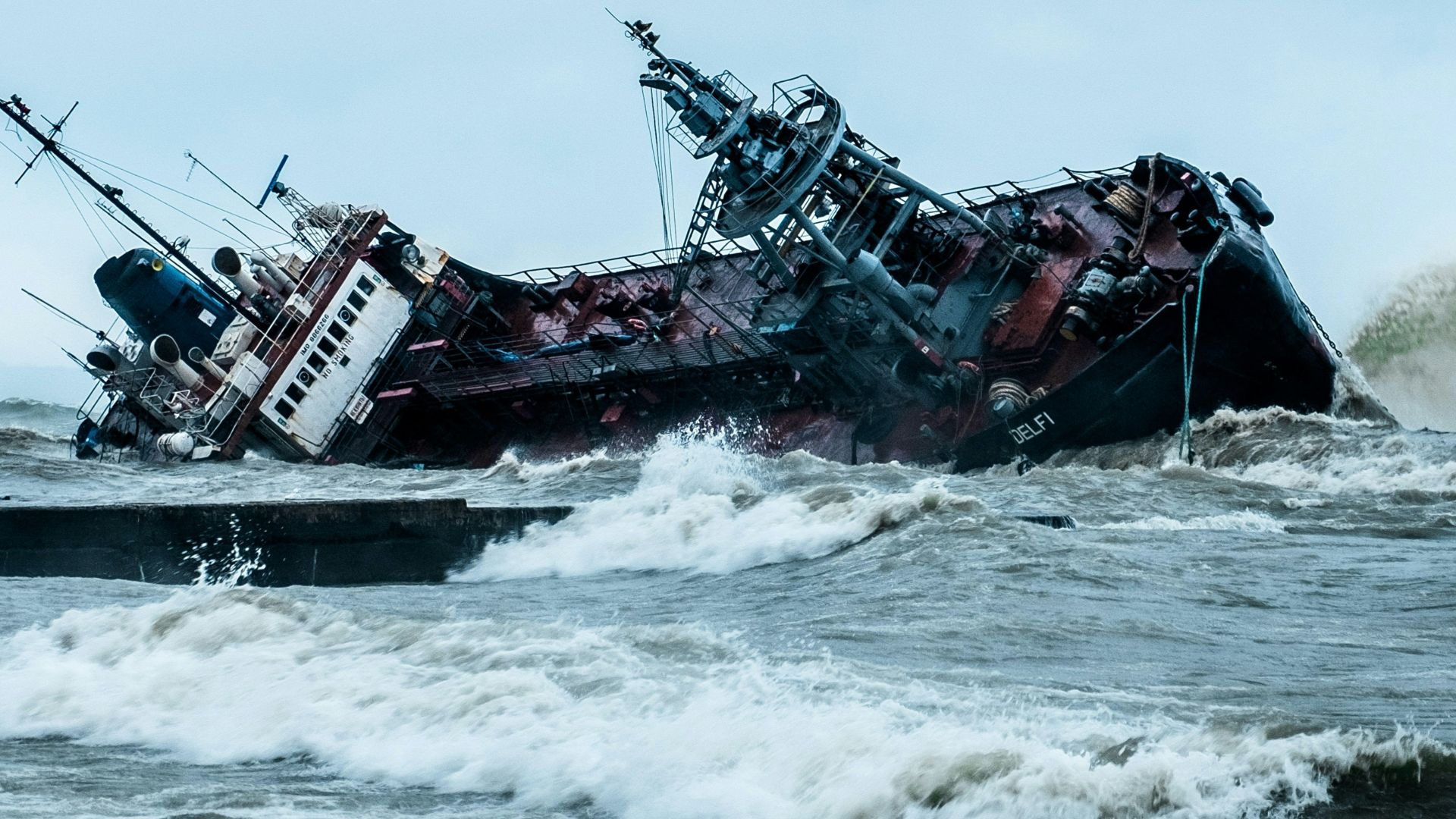
Sometimes you might see a low-lying cloud on the horizon that looks like an island, but don't go chasing it unless you are absolutely certain. You can waste all your energy rowing toward a mirage and end up further out at sea than where you started. Trust your compass if you have one, or wait for the morning light to confirm that what you're seeing is actually solid ground.

18. Keep Your Flare for the Right Moment
Flares are precious and limited, so you shouldn't just fire them off into the dark hoping someone is out there. Wait until you can actually see the lights of a ship or hear the distinct thrum of a helicopter nearby before you pull the trigger. You want that bright red light to be the final confirmation of your location when rescue is already in the neighborhood.
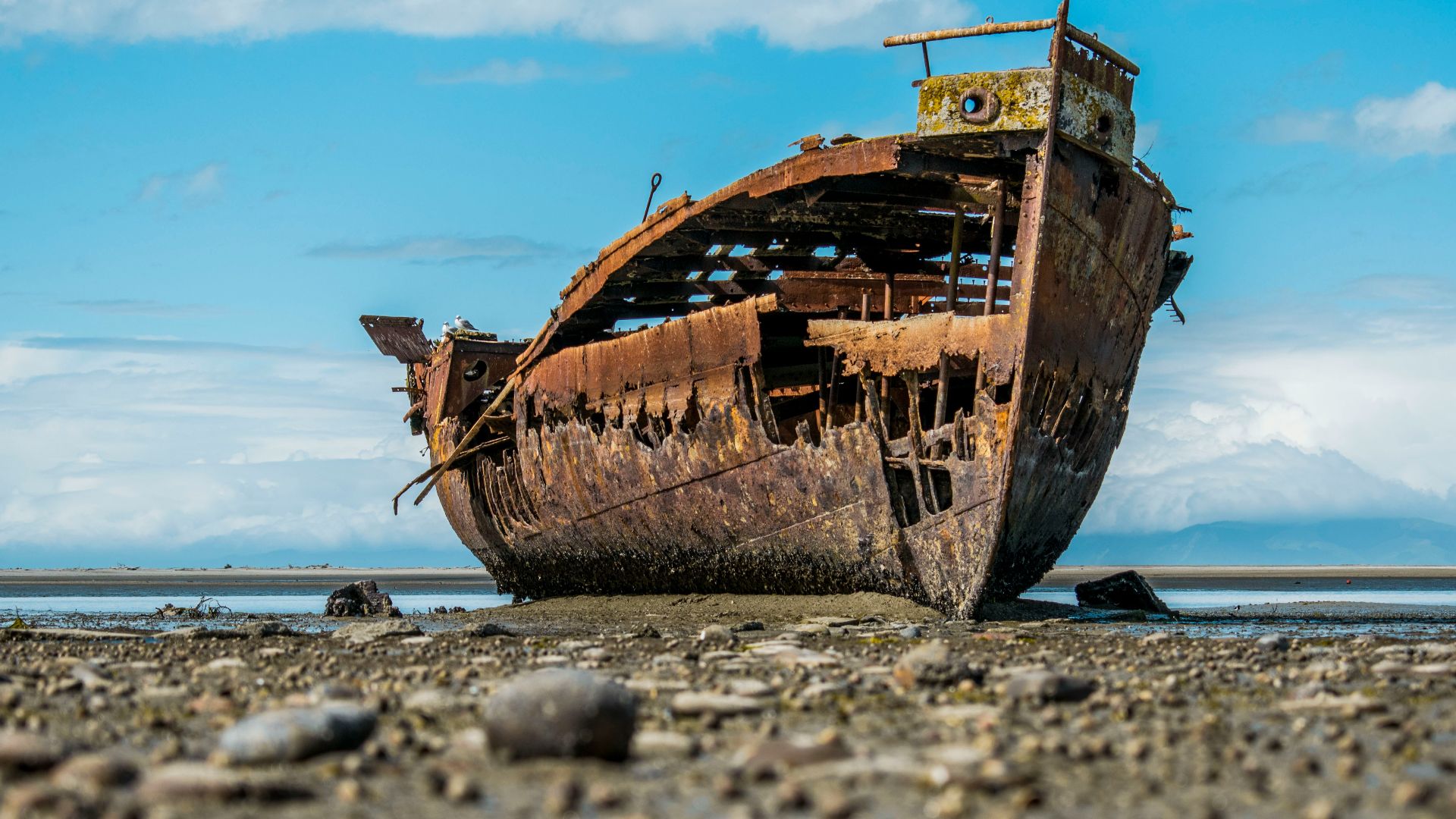
19. Mind the Wind and Current
If you have a small sail or even a large piece of plastic, you can use the wind to push you toward known shipping lanes or landmasses. Pay attention to which way the water is moving so you don't accidentally drift deeper into the empty parts of the ocean. Small adjustments to your position can make a huge difference in where you end up after a few days of drifting.

20. Prepare for a Rough Landing
If you finally approach a shore, don't just jump out in the surf because the waves can easily toss your raft against jagged rocks. Look for a sandy beach or a calm cove where you can drift in slowly and safely. Once you hit the sand, secure your raft so it doesn't wash back out, as it might still be your only shelter until a rescue team arrives.