

Remote work arrived quietly and stayed longer than expected. What started as a response to disruption has settled into everyday professional life. Employers still debate its limits, often tying effectiveness to visibility rather than outcomes. However, evidence keeps pushing back on that assumption. Performance data, retention trends, and employee feedback point toward measurable advantages when flexibility is structured well.
But the conversation has matured. Instead of questioning whether remote work should exist, organizations are now starting to more closely examine how it can actually support employee satisfaction and even promote long-term operational stability. So, if you're curious to understand the argument for why more employers should allow remote work, then join us as we take a closer look at this evolving phenomenon.
Boosting Productivity And Efficiency
Productivity improves when mental strain drops. Removing daily commutes also preserves attention that would otherwise be spent navigating traffic and rigid schedules. Research from Stanford University links remote arrangements to higher sustained output, largely due to reduced fatigue. Focus improves when workers control their surroundings rather than reacting to constant interruptions.
Digital systems also reshape efficiency. Centralized platforms organize tasks and document progress without requiring constant check-ins. Meetings become more deliberate because collaboration happens asynchronously. Even performance evaluation shifts toward completed work instead of physical presence.
Workspace control further supports concentration, where ergonomic adjustments reduce discomfort that disrupts attention. Productivity gains further develop through recovered time, clearer task tracking, and environments designed for focus rather than visibility.
Employee Satisfaction And Retention
Flexibility alters how employees experience work. Greater control over schedules lowers their emotional exhaustion and supports healthier boundaries. Psychological research consistently links autonomy with motivation, particularly when trust replaces constant oversight. Stress levels fall when work adapts to daily life demands instead of competing with them.
Satisfaction directly influences retention because remote options often factor heavily into decisions to stay, even when salaries remain unchanged. Younger professionals also associate flexibility with respect and stability. Plus, commitment strengthens where expectations feel realistic.
Accessibility improves, too, since remote structures support caregivers and individuals managing health or mobility limitations. When work accommodates real circumstances, loyalty grows through genuine inclusion rather than symbolic policy.
Business And Environmental Benefits
 contact me +923323219715 on Pexels
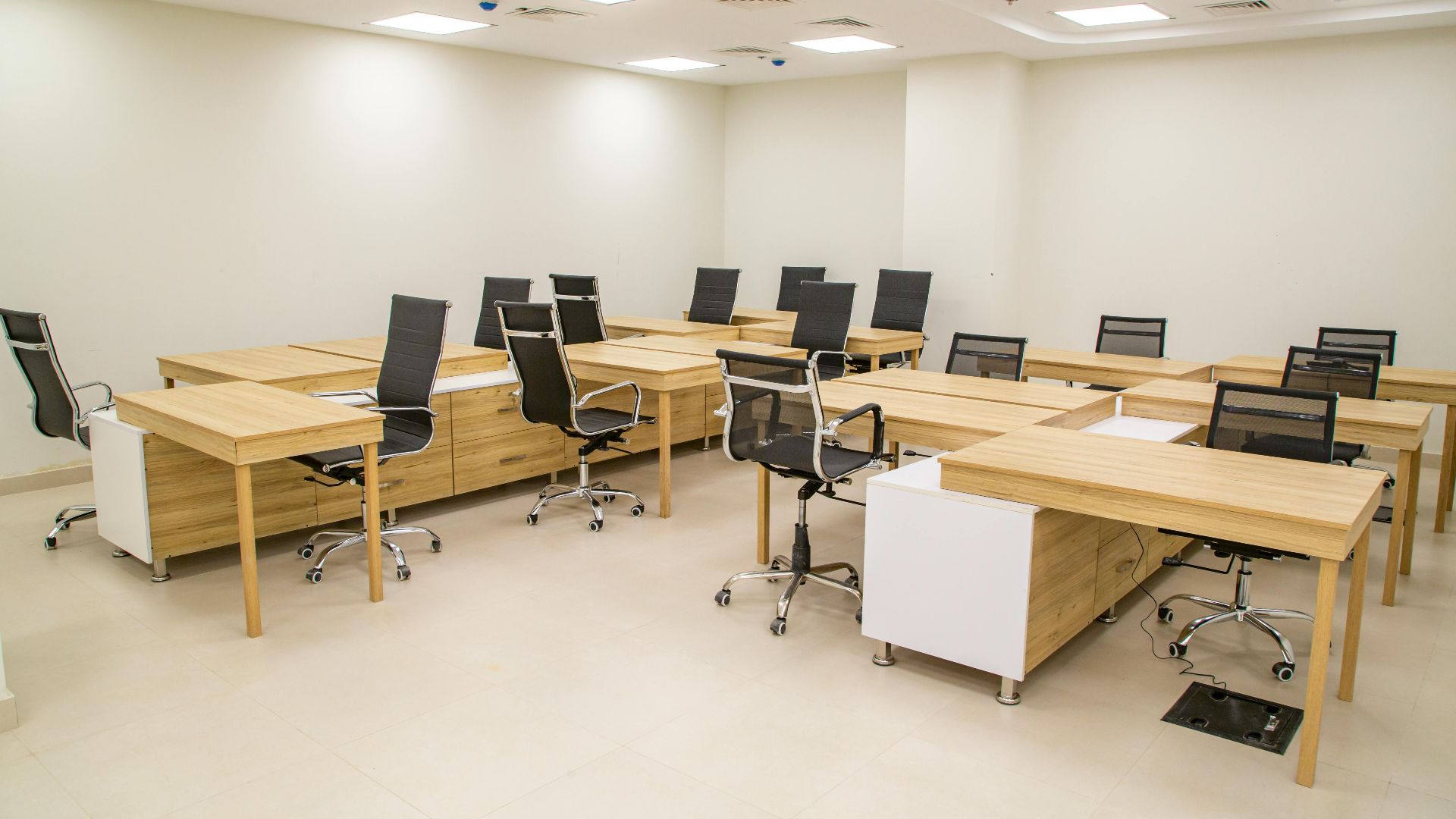
Companies spend less once large offices stop driving daily operations. Reduced square footage lowers rent and ongoing overhead. Recruiting also opens up, giving employers access to talent well beyond nearby cities. Environmental impact shifts at scale because fewer daily commutes lower emissions across urban centers. Over time, these reductions support sustainability goals without added complexity.
Therefore, remote work rewards intention and structure. And if applied thoughtfully, it strengthens both organizational performance and employee well-being.