The Solo Travel Shift You Didn't Expect
Traveling alone changes what you pay attention to because there’s no built-in distraction, no shared commentary, and no one else steering the day. You start noticing tiny rhythms, your own habits, and the social rules of a place in a sharper way, sometimes within the first hour. It can feel freeing and a little weird at the same time. Here are 20 things that tend to pop into focus when it’s just you out there with your rough itinerary and the whole world as your oyster.

1. Silence Becomes a Real Part of the Day
Without conversation filling the gaps, quiet moments take up more space. You notice the hum of a train car, the sound of shoes on cobblestone, and the weirdly loud crinkle of your snack wrapper. At first, it can feel awkward, but it often turns into a calm you didn’t realize you needed.

2. You Walk at Your Actual Speed
When you’re not matching someone else’s pace, your body picks a speed that feels natural. You might realize you’re a fast walker with purpose, or a stroller who stops for every window display. That little detail changes how you plan distances and timing. It’s also the first clue that your default rhythm might be different than you thought.

3. Eating Alone Isn’t the Big Deal You Imagined
The first solo meal can feel like a moment, mostly because you’re too self-aware. When you realize people are busy living their lives, you begin to enjoy it, letting your senses fully enjoy the food instead of being focused on a dining companion. Pretty soon, you’re picking restaurants based on the menu, not on whether the table setup feels “social.”
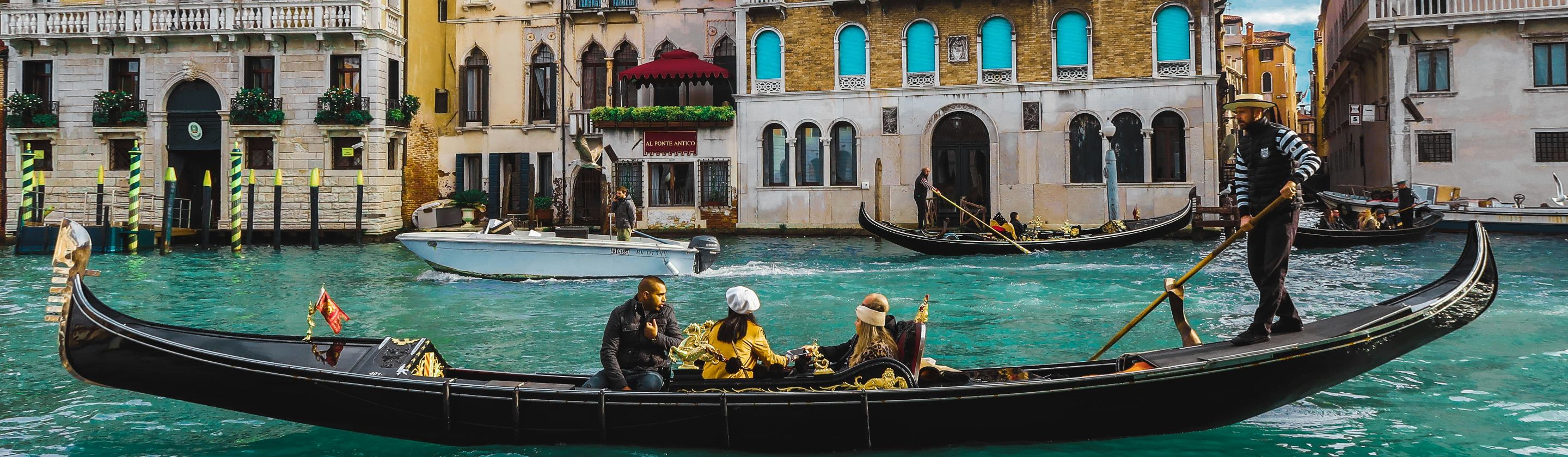
 Pablo Merchán Montes on Unsplash
4. Decision Fatigue Shows Up Faster
Every choice lands on you, from subway exits to coffee sizes to whether that museum line is worth it. When you’re with someone else, decisions get shared without you noticing. Alone, you feel the mental load more clearly. The upside is that you get better at simplifying your own routine quickly.
5. You Learn What You Actually Like Doing
Without the pressure to compromise, your preferences become obvious. Maybe you love wandering without a plan, or maybe you’re happiest with a timed itinerary and a checklist. You’ll also notice which activities you were doing mostly for someone else.
6. You Notice How Often People Try to “Help” You
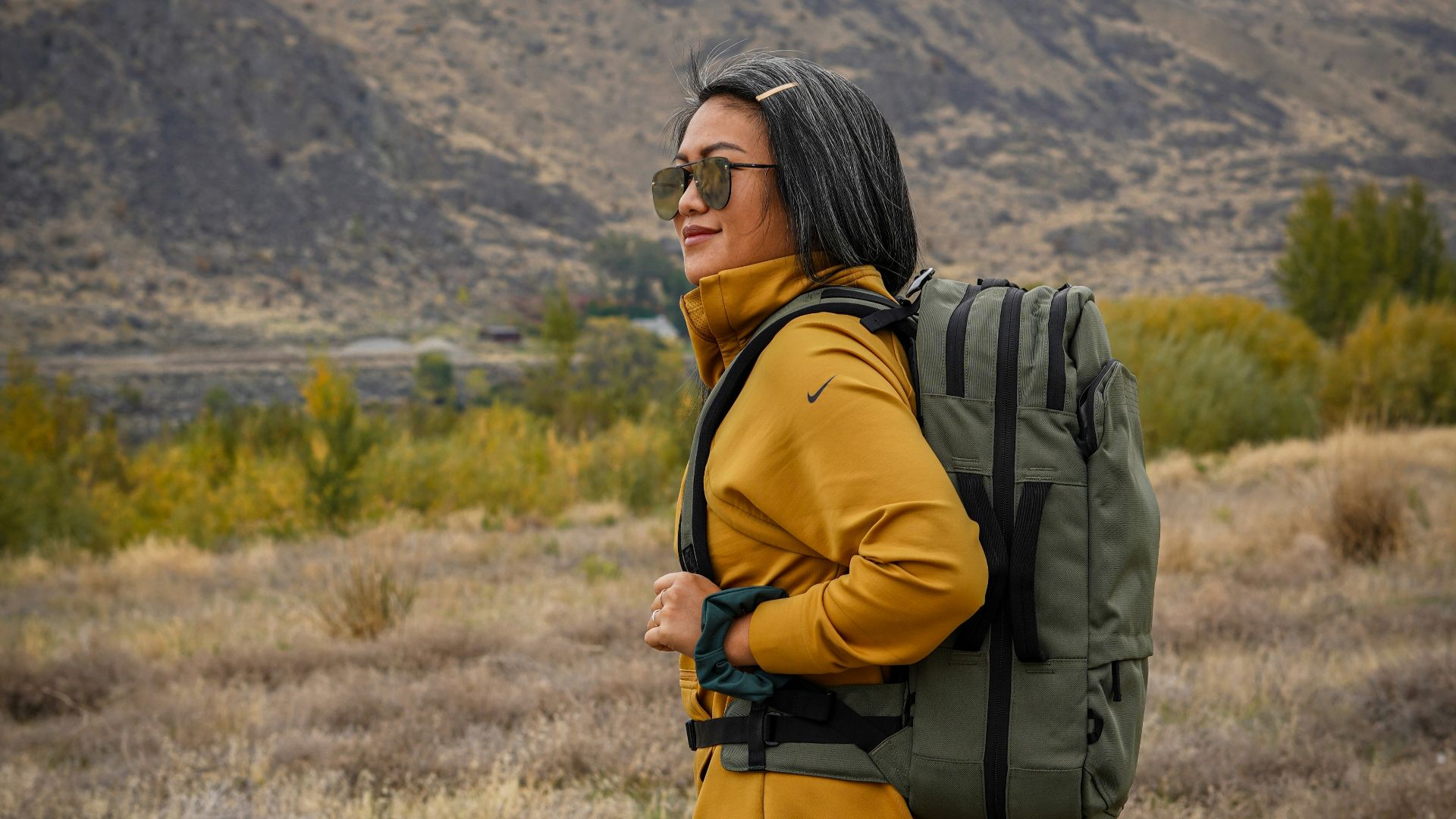
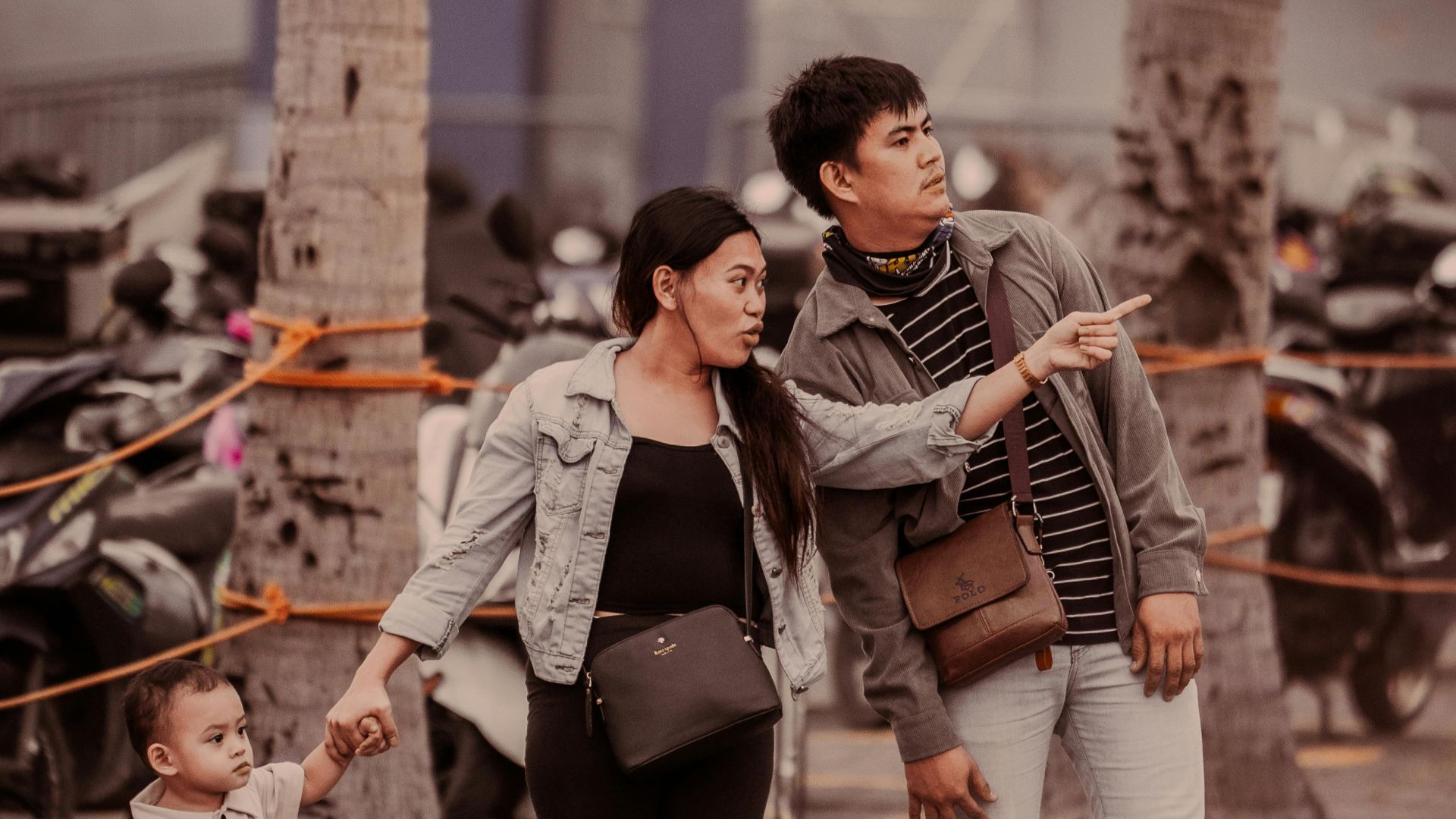
Sometimes it’s friendly, sometimes it’s a little nosy, and sometimes it comes with an angle. You become more aware of who approaches you, how they start the conversation, and what they want next, and you learn to be less naive. Your instincts get louder when you’re the only one listening to them.
7. Bathrooms Become a Strategic Priority
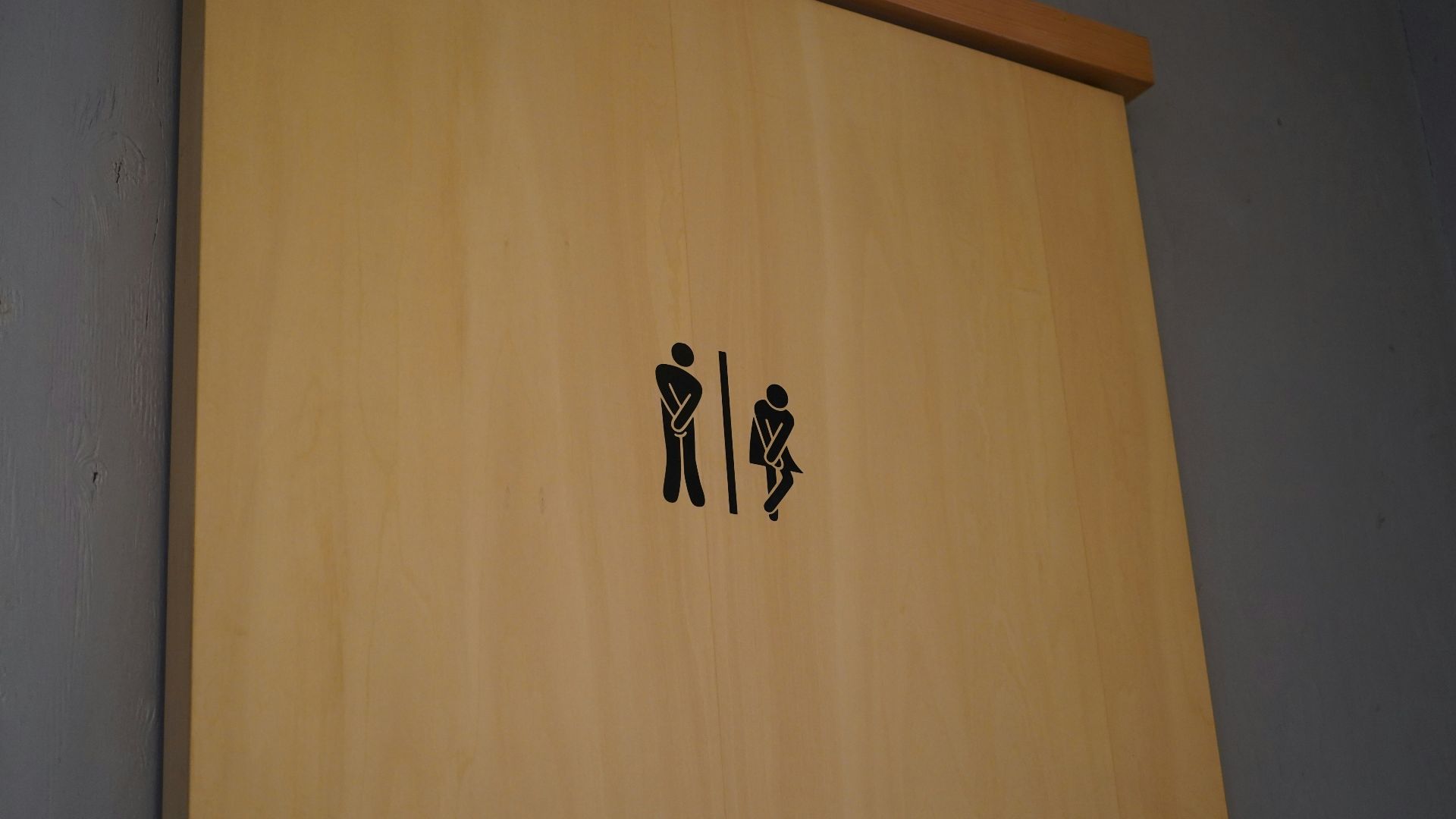
You stop taking restroom access for granted when nobody’s waiting with your bag outside the stall. You start clocking cafés, public facilities, and the places that clearly don’t want you using theirs. Timing matters more when you’re navigating solo and carrying everything with you. It’s not glamorous, but it becomes a skill.
8. You Catch Yourself Talking to Yourself
It starts as a whisper, like, “Okay, we’re doing this,” and suddenly you’re narrating your day. You notice it more because there’s no one else to respond. Sometimes it helps you stay focused, especially in busy transit moments. If it makes you laugh, you’re doing solo travel correctly.

9. You Realize How Much You Rely on Nonverbal Signals
With a travel partner, you can communicate with a glance when something feels off or when you’re ready to leave. Alone, you don’t have that backup channel. You become more tuned in to strangers’ body language and your own posture. It’s subtle, but it changes how you move through a space.

10. Your Phone Feels Like a Travel Companion
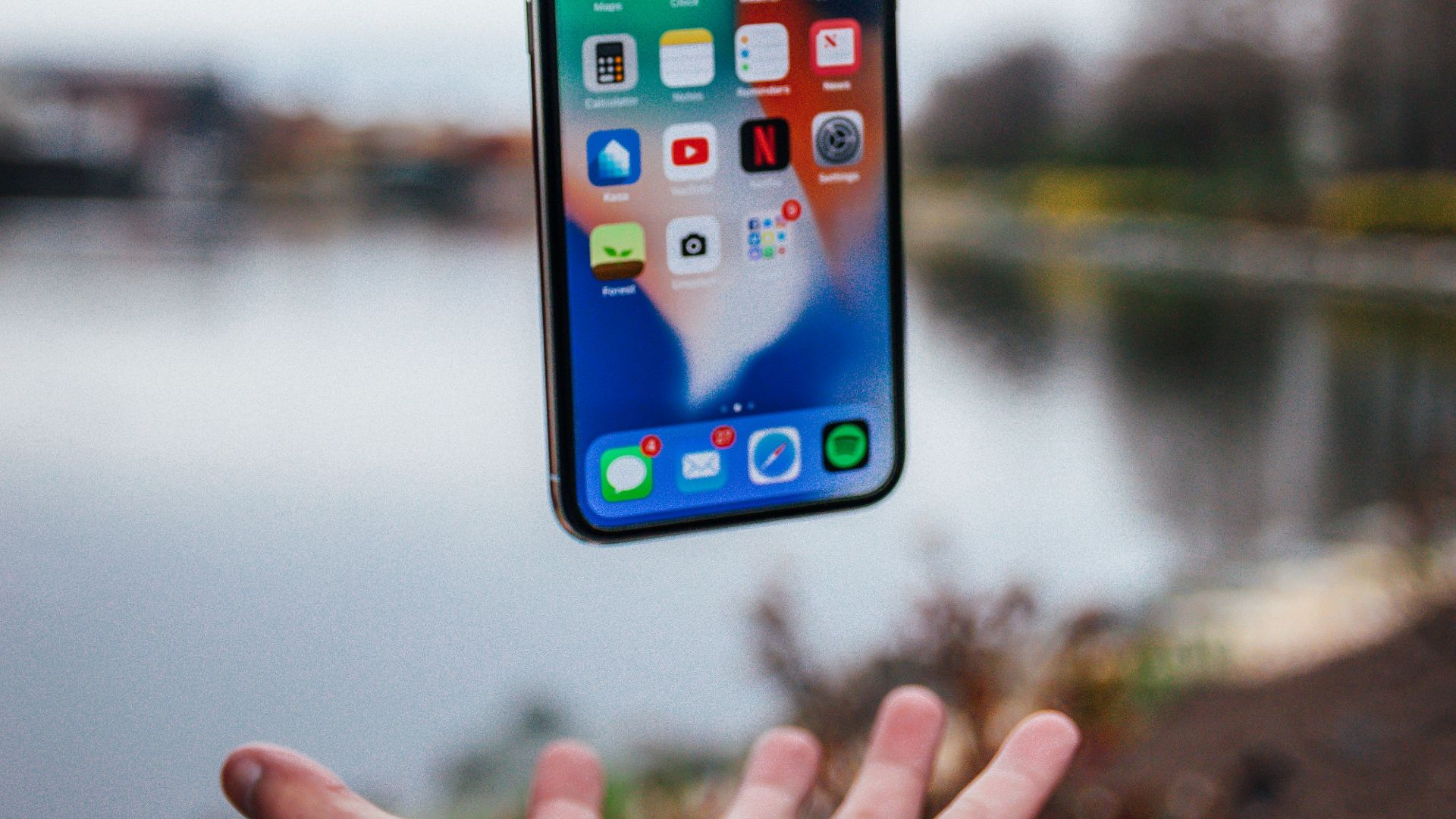
Your map, translator, camera, and reassurance device all live in one rectangle. You notice how often you reach for it just to feel oriented. At the same time, you also notice when it starts pulling you out of the moment. Finding a balance becomes part of your solo routine.
11. You Get Better at Starting Conversations
When you want a connection, you have to create it. You find yourself asking simple questions, complimenting someone’s dog, or joining a tour just for the social energy. Over time, it starts to feel more organic and effortless to randomly strike up a conversation, almost like you've always been this bubbly.

12. You Also Get Better at Ending Them
Not every chat is a new best friend situation, and solo travel teaches you that quickly. You learn polite exits, like “I’m going to keep exploring, but it was nice talking.” Setting boundaries becomes normal instead of dramatic. That skill stays useful long after the trip ends.

13. You Notice Seating
Alone, you become more aware of where you’ll feel comfortable and where you’ll feel on display. You also notice which places subtly discourage solo guests and which ones make it easy. It’s a small detail that affects how welcome you feel.

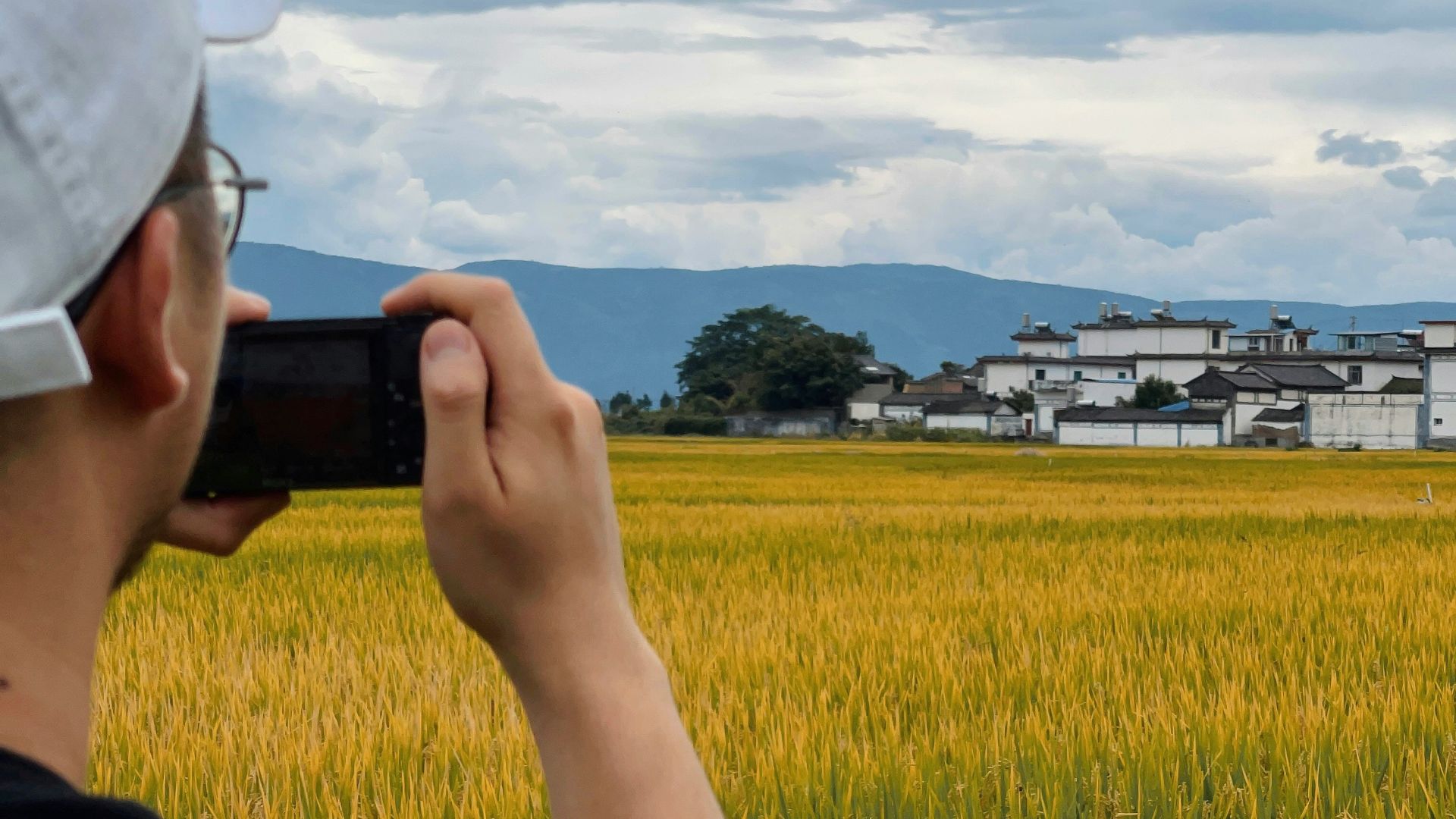
14. You Take Different Kinds of Photos
Without someone else there, you stop documenting “us” and start capturing details. You notice textures, street signs, pastries, and the way light hits a wall at 6 p.m. You might take fewer pictures overall, or you might take more because you’re seeing more. Either way, your camera roll tells a different story.
15. You Become Your Own Timekeeper
If you oversleep, there’s no one to nudge you. If you’re early, you’re the only one standing there pretending you meant to arrive 20 minutes ahead. That responsibility can feel annoying at first, then empowering. You start trusting yourself to manage the day without needing a group consensus.

16. You Notice How Often You Compromise at Home
Traveling solo makes it obvious how many daily choices are shaped by other people’s preferences. You pick the museum you want, the coffee you crave, and the detour that looks interesting. That clarity can be refreshing in a way you didn’t expect.
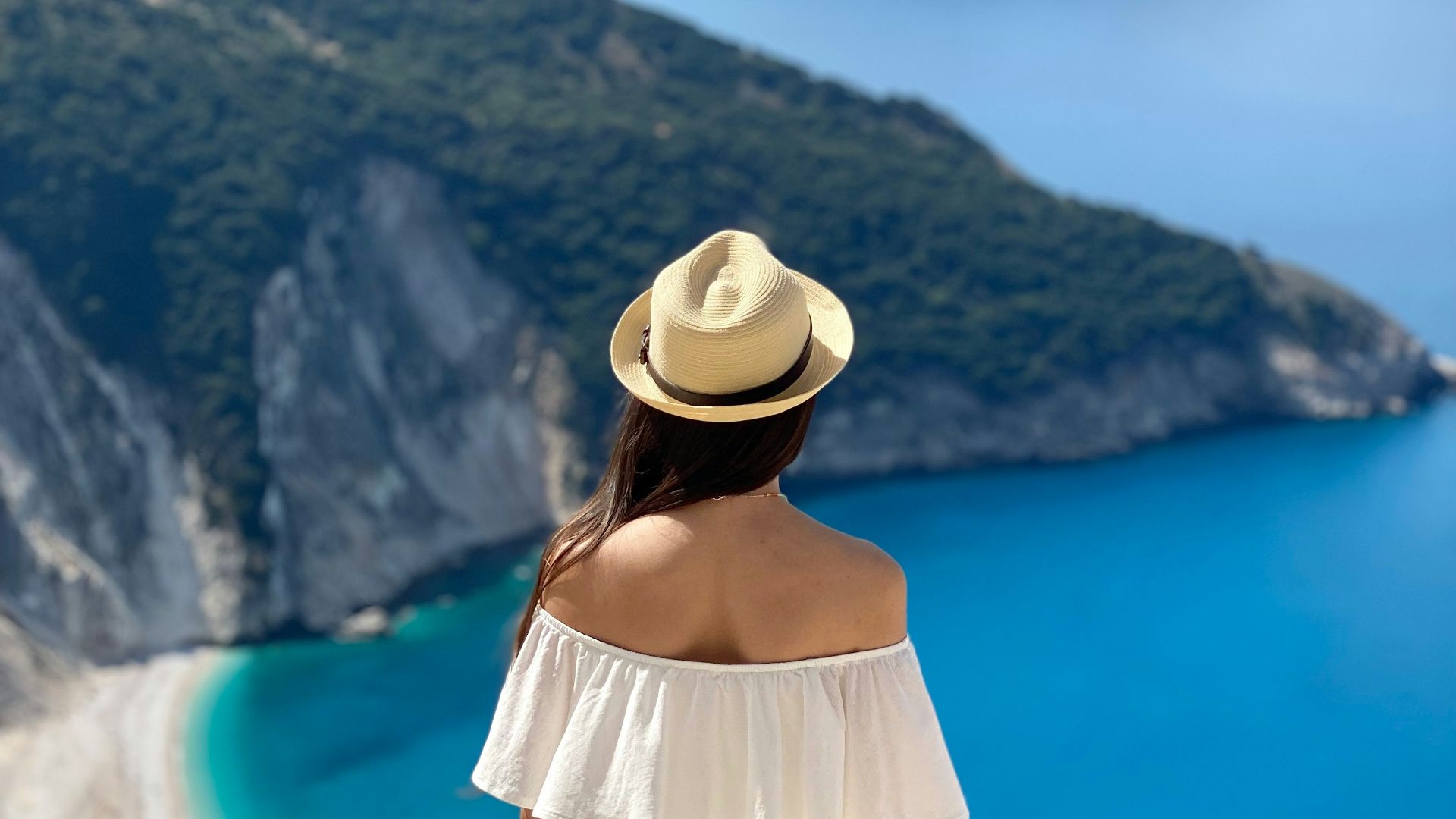
17. You Feel Accomplished Over Tiny Wins
Finding the right platform, ordering in another language, or navigating a confusing neighborhood feels like a personal victory. There’s no one to high-five you, so you actually feel the pride internally. Those small wins stack up fast.
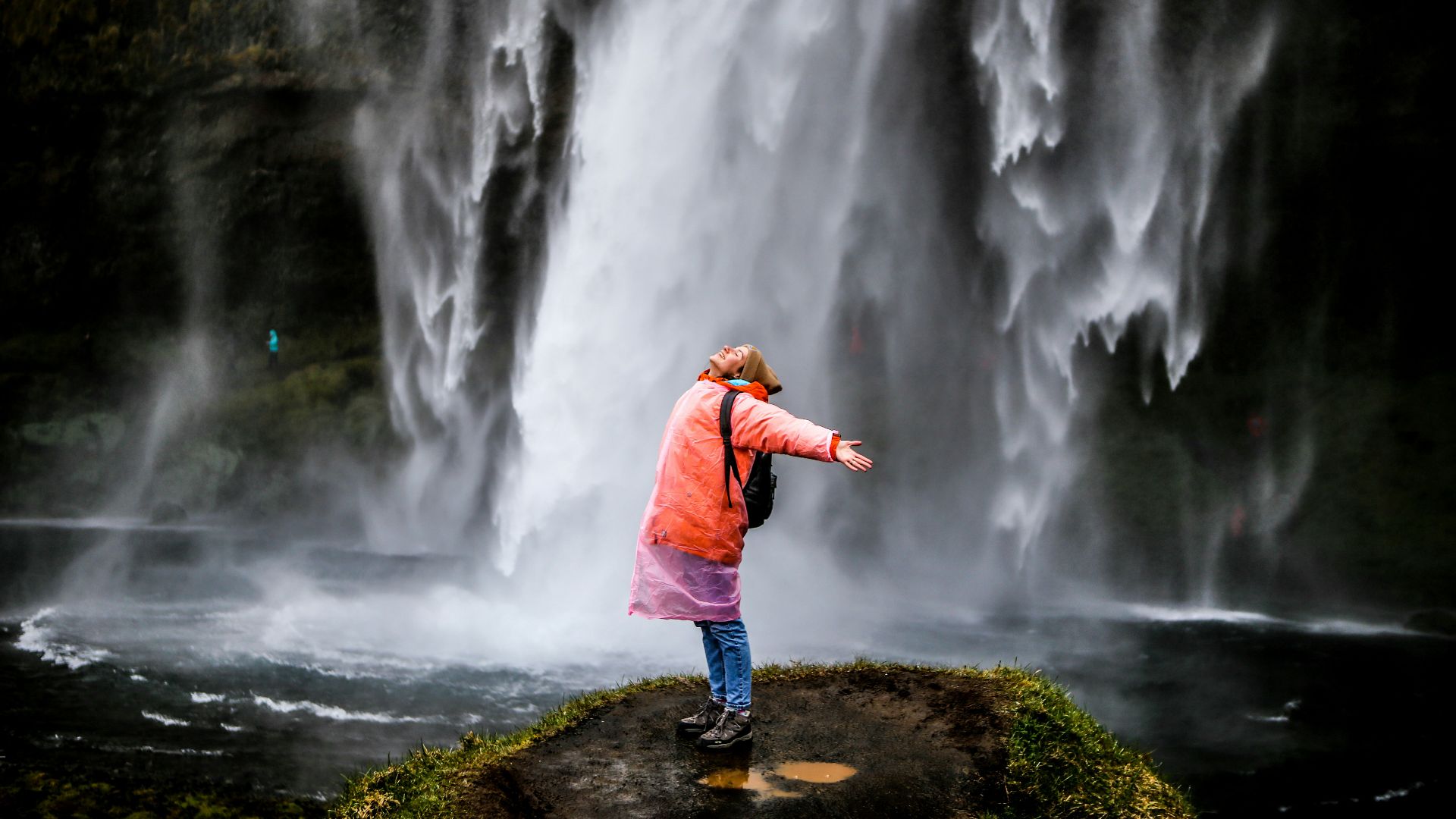
18. You Get More Aware of Your Safety Habits
You notice which streets feel comfortable at night, how you handle your money, and where you keep your essentials. You become more intentional about checking in with yourself and staying alert without spiraling into worry. It’s not about fear; it’s about being prepared, and over time, it becomes second nature.
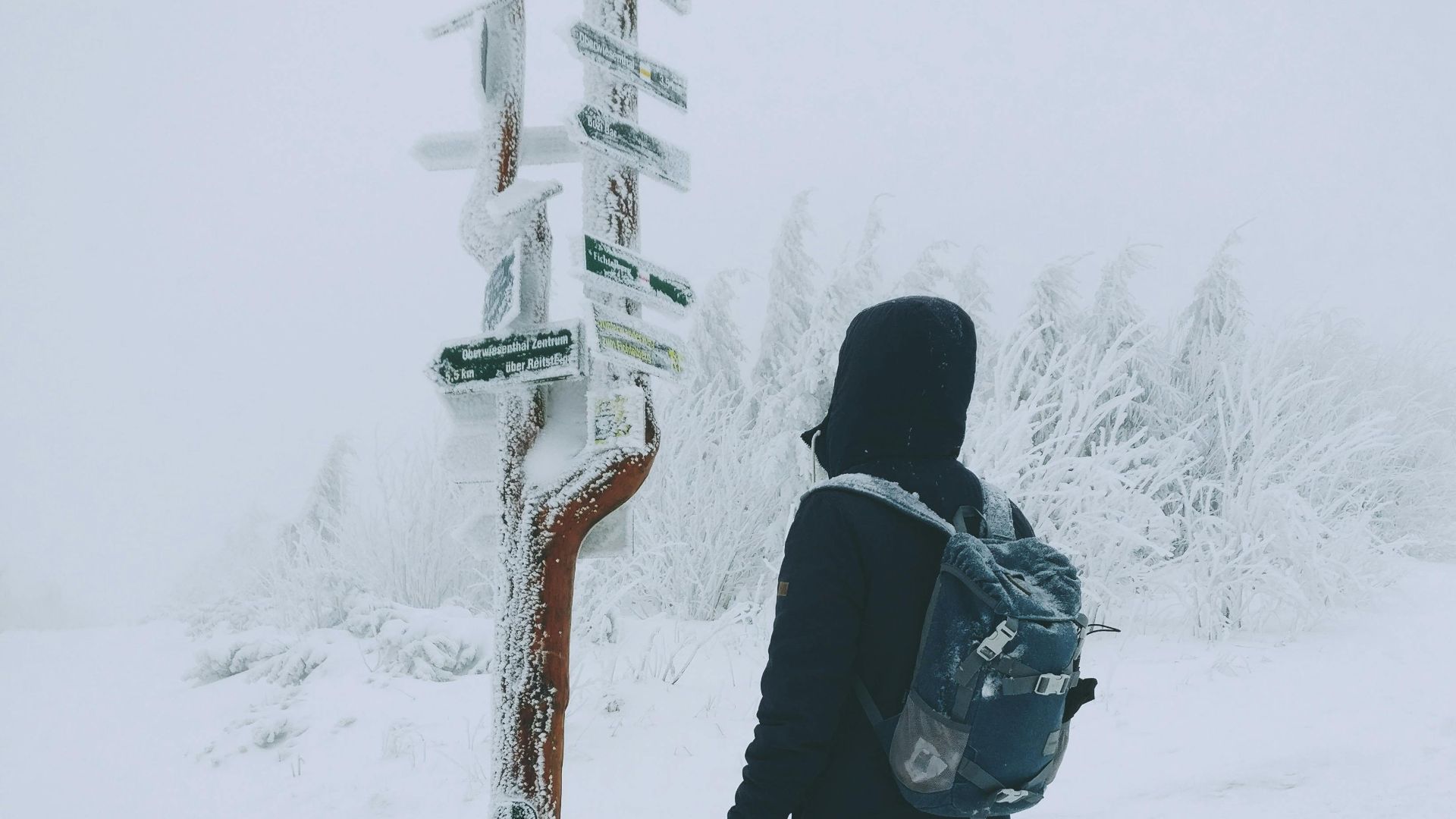
 Francisco De Legarreta C. on Unsplash
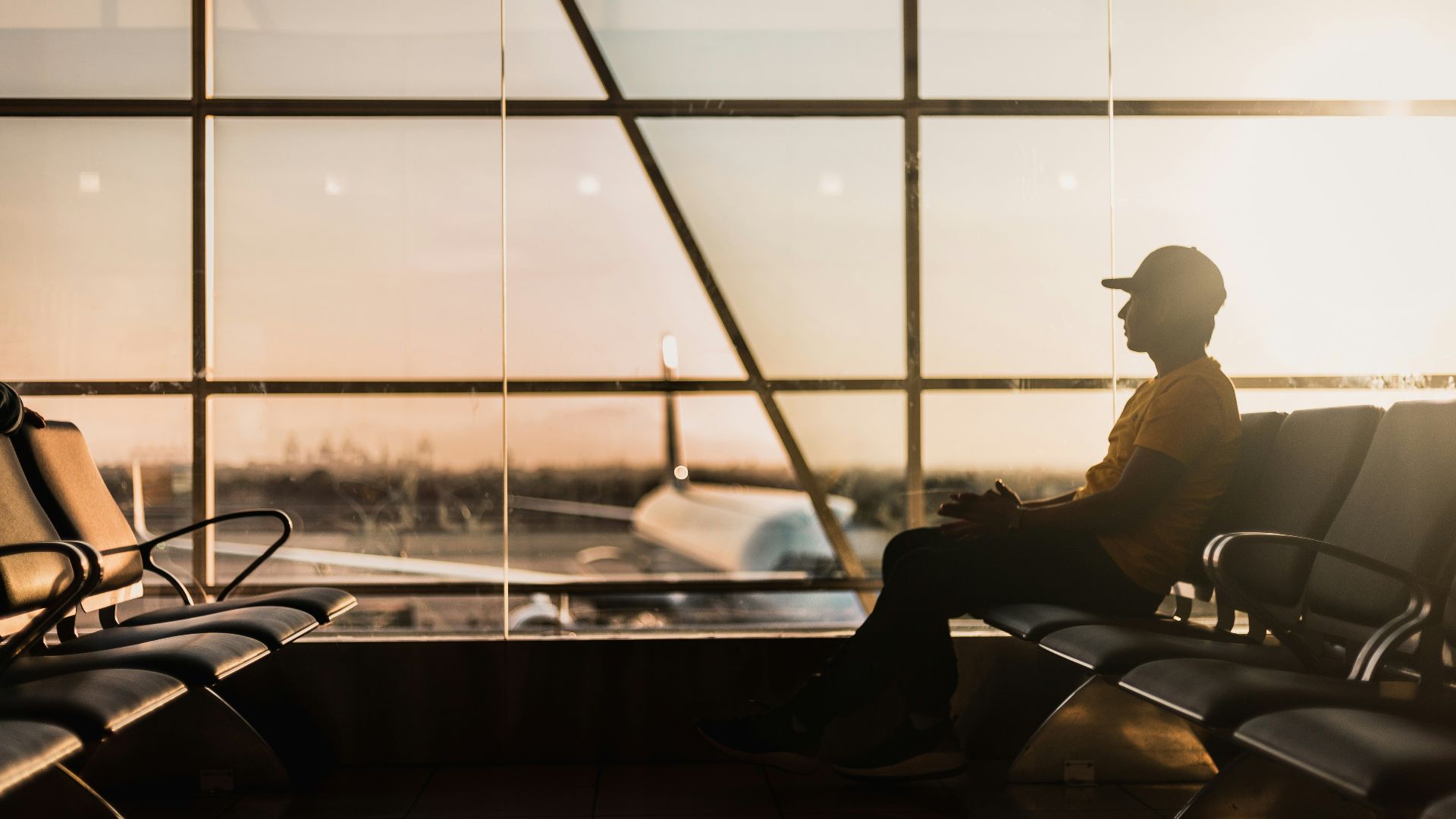
19. Waiting Stops Being a Shared Activity
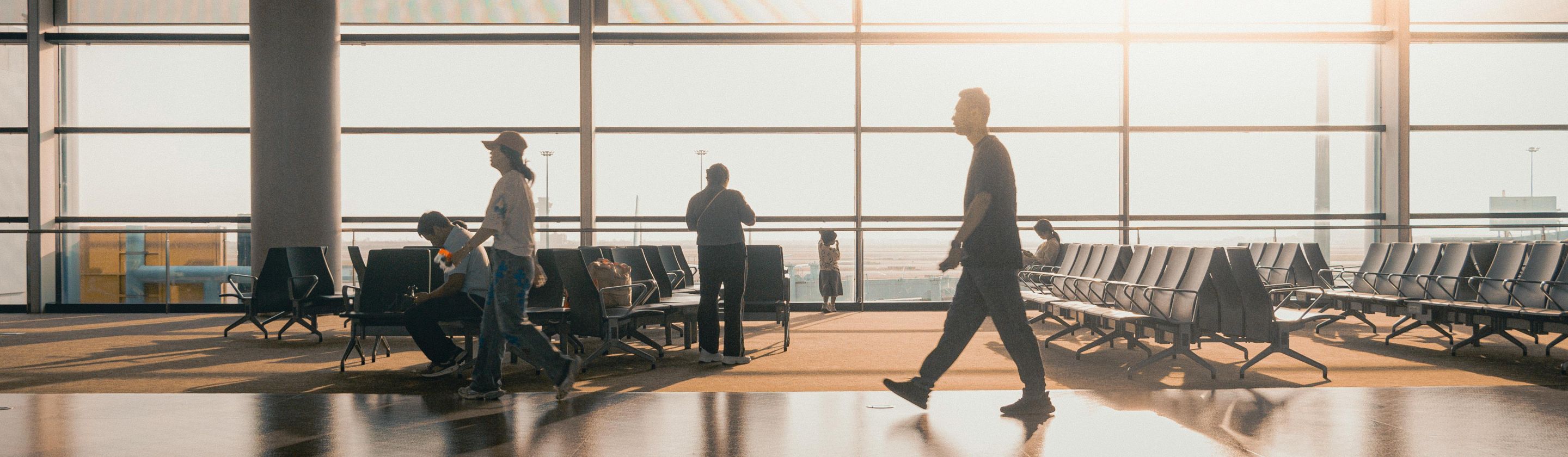
In lines, at stations, and during delays, you don’t have built-in conversation to pass the time. You notice boredom more clearly, but you also notice people-watching opportunities you’d normally miss. You might read more, journal, or just stare out the window and let your brain breathe.
20. You’re More Capable Than You Thought
Solo travel quietly proves you can handle uncertainty, solve problems, and enjoy your own company. You learn what you need, what you can let go of, and how to make a day feel good without outside validation. The confidence doesn’t show up as a big dramatic moment; it builds gradually.