10 Reasons You Should Accept A Job That Requires You To Travel & 10 Reasons You Shouldn't
10 Reasons You Should Accept A Job That Requires You To Travel & 10 Reasons You Shouldn't
The Travel Job Trade-Off, Without the Fantasy Filter
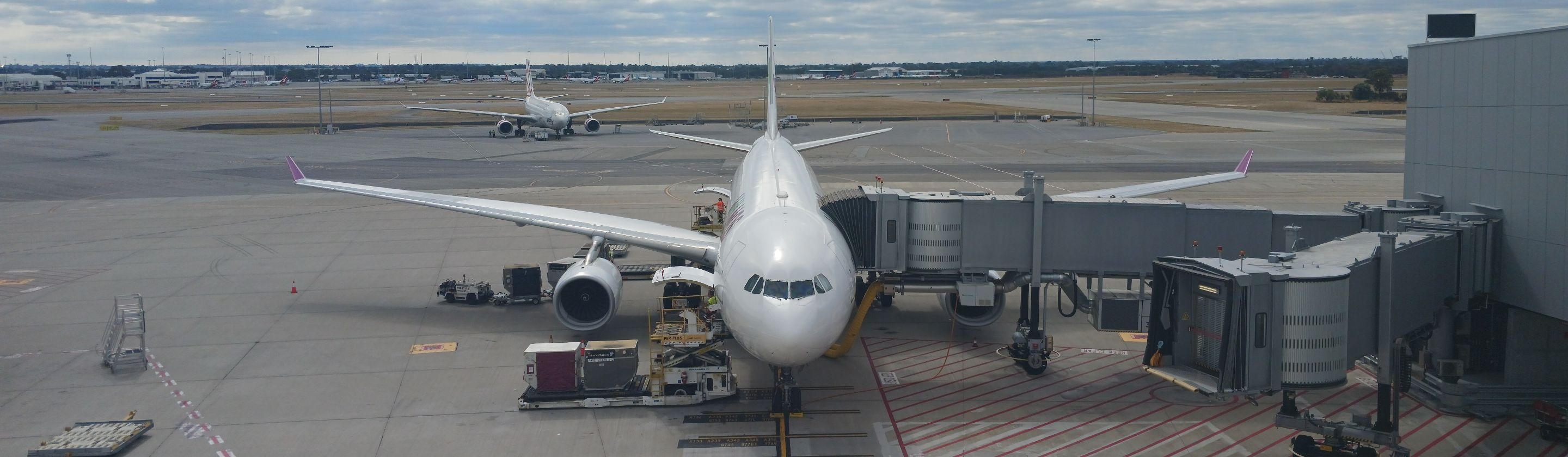
A job that includes travel can sound like a highlight reel: airports, new cities, and a company card doing the heavy lifting. In real life, it’s a mix of perks and pressure, and the same trip can feel exciting one week and exhausting the next. The right decision depends on your energy, your life outside work, and how the company treats travel time. Here are 10 reasons to say yes to a job that requires a lot of time on the road and 10 reasons to think twice, so you can choose with your eyes open.

1. You’ll Build Skills Faster
Travel roles often throw you into varied situations that force quick learning. You’ll meet different teams, clients, and problems, which can sharpen your judgment fast. That kind of experience can be hard to replicate from your desk.

2. You Can Expand Your Network Naturally
When you’re on-site, you tend to build relationships more quickly than you do over video calls. People remember the colleague who showed up, helped, and followed through. Over time, those connections can open doors to better projects or promotions.

3. It Can Feel Less Monotonous
Even if the work is similar, a new location changes the rhythm of your week. Different cities and schedules can keep you from feeling stuck in routine. You might find you’re more engaged when your environment shifts. If boredom is your enemy, travel can help.

4. You May Get Perks That Add Up
Points, miles, hotel status, lounge access, and upgrades can become meaningful benefits. If you travel often enough, your personal trips can get cheaper and easier. Those perks aren’t the point of the job, but they can be a nice side effect.

5. You’ll Get Better at Planning & Prioritizing
Travel forces you to think ahead, manage time, and stay organized under pressure. You learn quickly what matters, what doesn’t, and how to recover when plans change. That skill transfers to nearly every role and industry. If you enjoy being efficient, travel can strengthen that muscle.

6. You Can Develop Confidence in New Environments
There’s something empowering about navigating unfamiliar places, handling surprises, and still delivering results. Over time, you stop feeling rattled by small disruptions. That confidence can spill into the rest of your life in a good way, to where you'll feel more capable of handling all sorts of challenges.
 Guilherme Stecanella on Unsplash
7. You Might Enjoy a Clearer Work Mode
Some people focus better on the road because the routine is simplified. You’re often working with a defined agenda, and distractions at home are reduced. A hotel room can feel like a temporary work zone. If you like clean boundaries, travel can create them.

8. You’ll Learn How Different Cultures & Regions Operate
Even domestic travel exposes you to different business norms and communication styles. International travel takes that up a notch and can make you more adaptable. That cultural awareness becomes valuable as businesses get more global.
 Charles Forerunner on Unsplash
9. You Can Earn More in Certain Travel-Heavy Roles
Some jobs include travel pay differentials, overtime, or better bonuses because the schedule is demanding. Others offer generous per diem, which can help offset costs. It’s not guaranteed, but travel can come with a financial upside.

10. You’ll Collect Memories
Even when you’re working, you're more likely to have small adventures when you're in an unfamiliar place. Those moments can make all those hours on the plane worthwhile. If you like novelty and new experiences, travel work can deliver them regularly.

Now that we've talked about the reasons to accept a job where you have to travel a lot, let's discuss the downsides.
1. You Might Feel Tired All The Time
Early flights, late arrivals, and long days can wear you down quickly. Travel fatigue can build quietly until it suddenly feels like you never fully recover. Even fun destinations don’t fix exhaustion. If you already struggle with sleep, this can be a real issue.

2. Your Relationships Can Take a Hit
Being gone can make it harder to show up consistently for a partner, kids, friends, or family. It’s not only the days away, but it’s also the mental bandwidth travel consumes. Even when you’re home, you might be catching up instead of being present.

3. You’ll Lose Control Over Your Schedule
Flights get delayed, meetings run long, and last-minute changes happen constantly. That unpredictability can make it tough to plan workouts, hobbies, or even basic downtime. If you thrive on routine, frequent travel can feel like constant disruption.

4. Eating Well Gets Harder on the Road
Airport food, hotel breakfasts, client dinners, and late nights can push your diet into chaos. Even when you try, it’s harder to control ingredients and portions. If you value fitness and health, this may be a deal-breaker.

5. Travel Time Can Blur Work-Life Boundaries
Some companies treat travel as “your time,” even though it’s required for the job. You may also find that because you're traveling "for work," you forget to clock out. That can lead to long weeks where you’re effectively working far more hours than you’re paid for. If expectations aren’t clear, burnout shows up fast.

6. The Glamour Wears Off Fast
The first few trips feel exciting, then it becomes a cycle of airports, rideshares, and hotel rooms that look the same. Business travel is often more about logistics than exploration. If you’re picturing a vacation vibe, you may feel disappointed. The reality is usually work-first, scenery-second.

7. You May Spend More Money Than You Think
Even with reimbursements, travel can lead to extra spending on coffee, meals, tips, and convenience purchases. If expense policies are strict, you might cover costs upfront and wait to be repaid. That can be annoying or stressful, depending on your finances.

8. It Can Be Tough on Your Body
Sitting for long stretches, dry airplane cabins, and inconsistent sleep can add up. Back pain, headaches, and frequent colds are common complaints for regular travelers. It’s manageable with good habits, but it still takes effort.

9. Some Travel Is Emotionally Draining
Constant social interaction, client pressure, and being “on” can be exhausting, especially if you’re more introverted. Hotel nights can also feel lonely, even if you like independence. If you recharge at home, you might miss that stability more than you expect.

10. It Can Limit Other Opportunities
When you’re often on the road, it’s harder to commit to evening classes, regular volunteer work, or local networking. You may miss events and routines that build a life outside work. If you’re trying to establish roots in a community, travel can divert you from that.